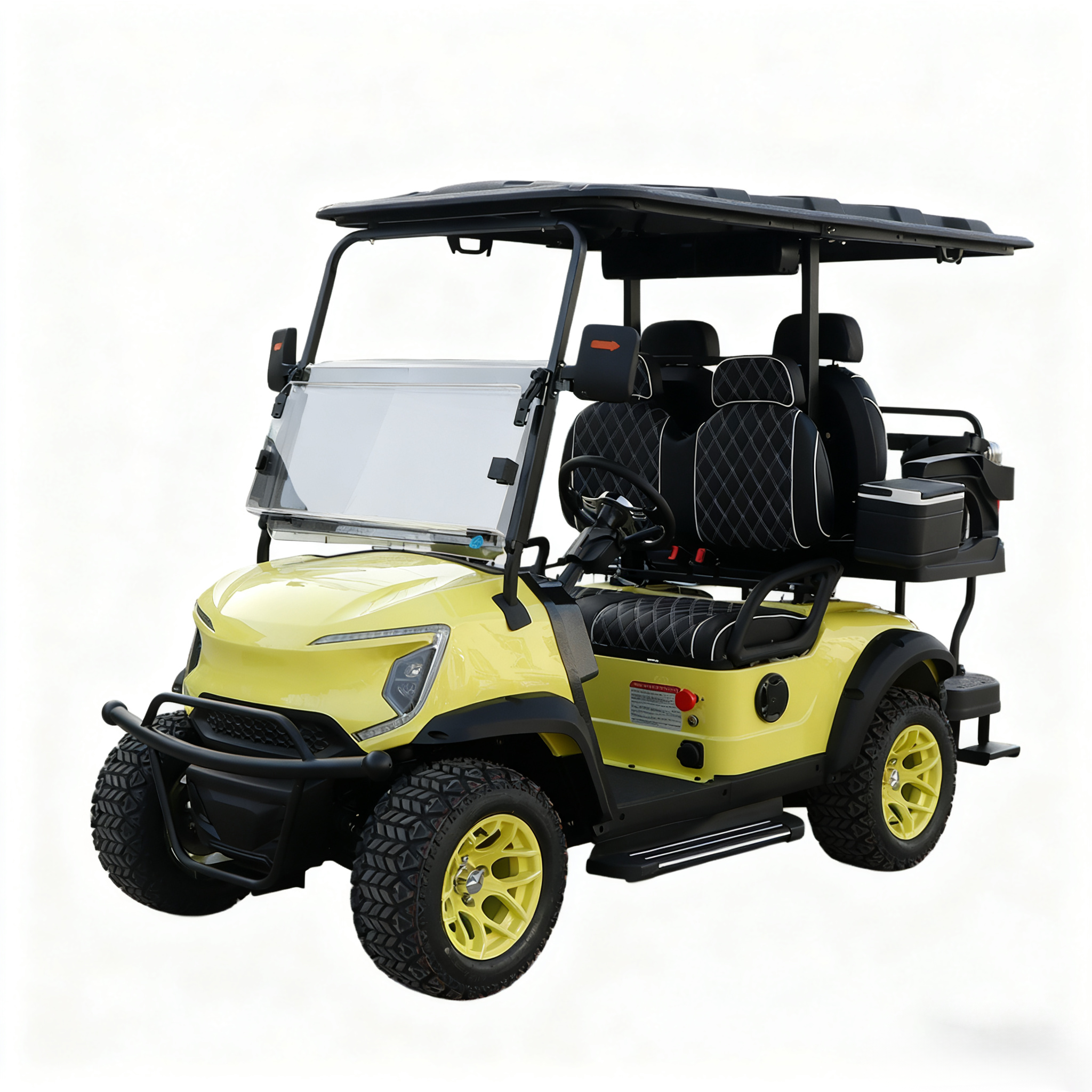
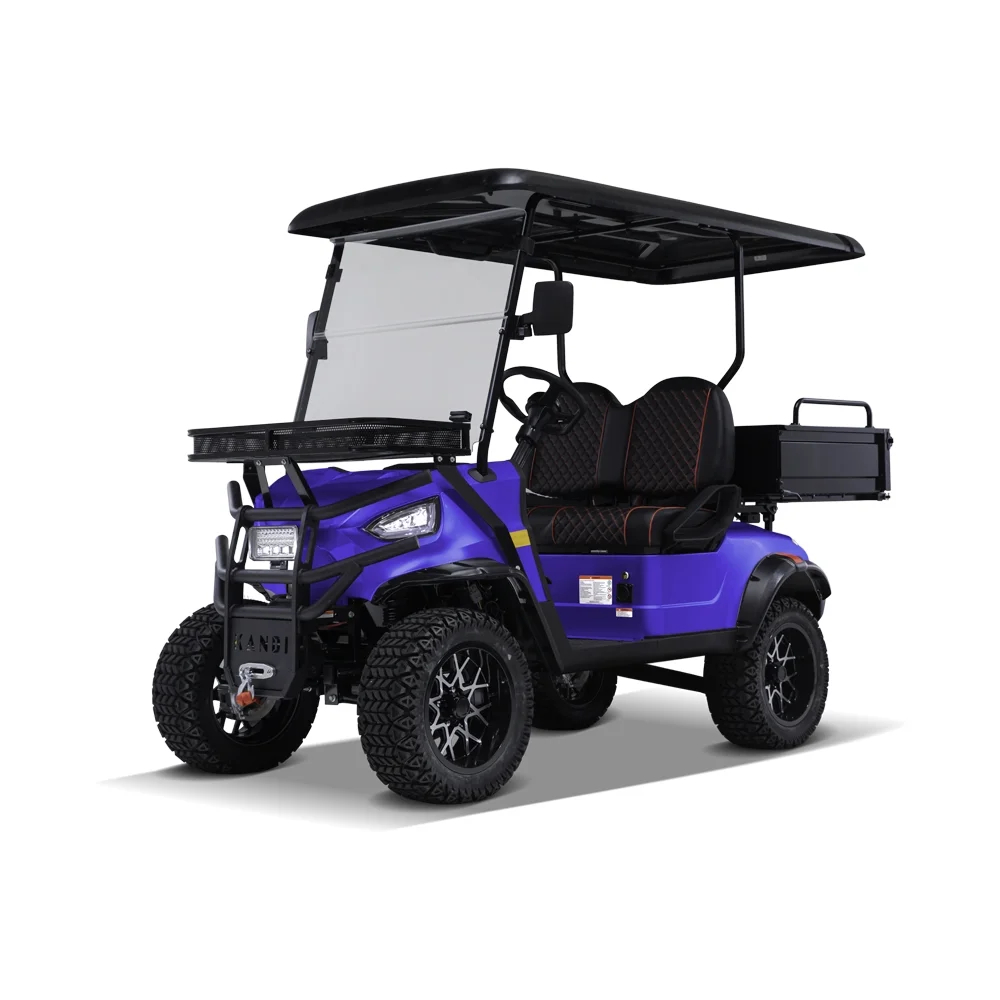
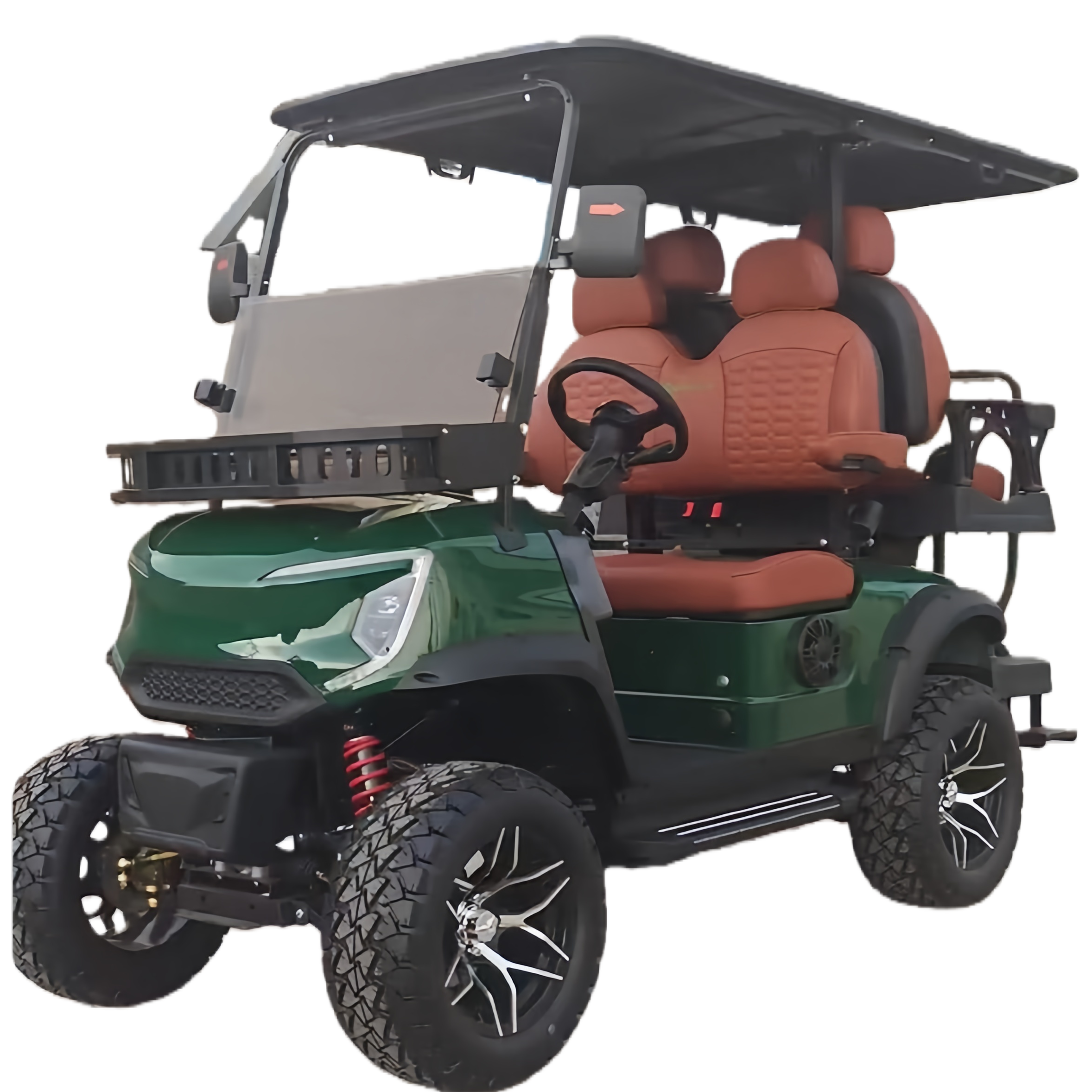
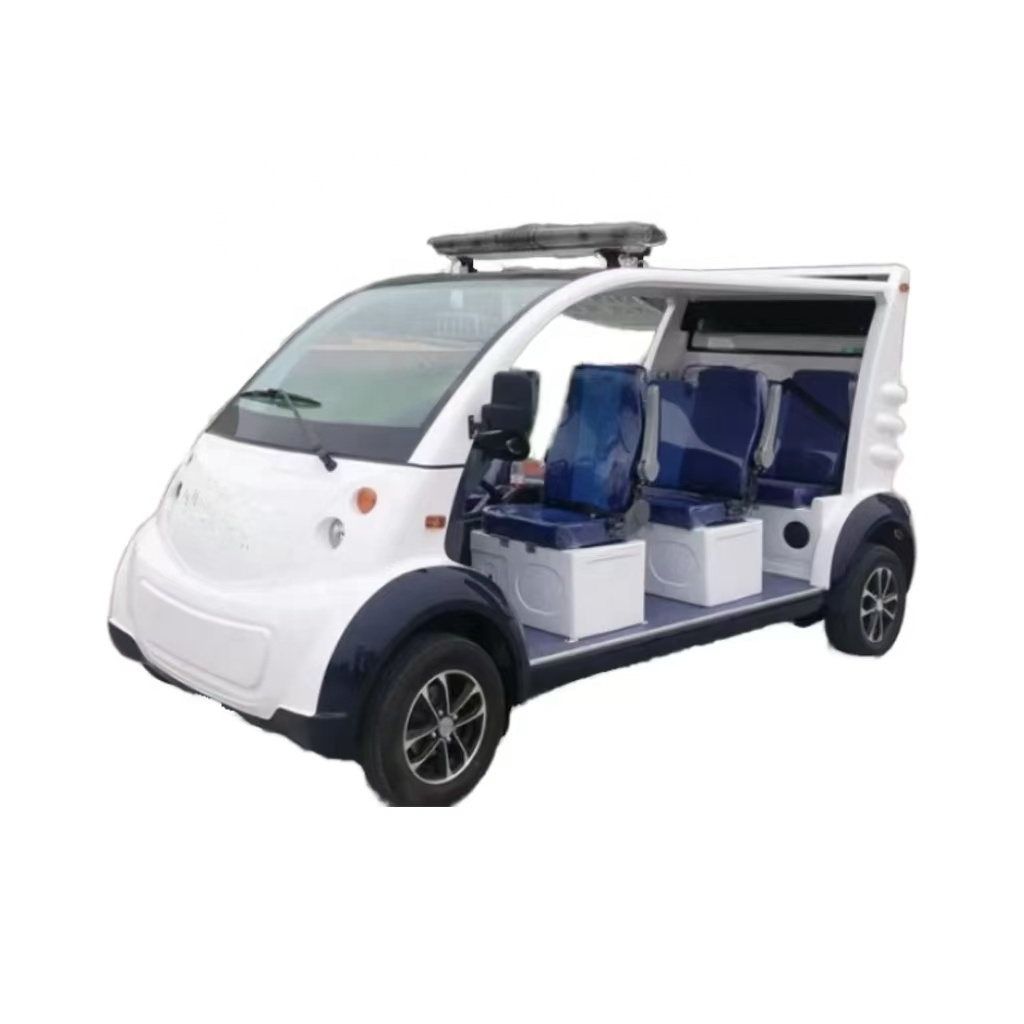
From compact two-passenger hospitality runabouts to 14-seat high-capacity sightseeing shuttles, inspect our direct-from-factory production line models built with precision jigs, LiFePO4 battery platforms, and electrophoretic anti-corrosive chassis.
The international low-speed electric vehicle (LSV) and tourist sightseeing shuttle industry is navigating a monumental shift. For over three decades, destination shuttle fleets relied heavily on heavy lead-acid configurations or retrofitted internal combustion engines (ICE). Today, hospitality operators, eco-tourism reserves, scenic municipal corridors, and airport authorities demand high-utilization commercial uptime, minimal maintenance turnaround, and verified low-carbon operation. As commercial tourist shuttles regularly traverse undulating slopes, coastal sea-spray environments, and continuous 12-to-16 hour service cycles during peak seasons, vehicle construction methodology has emerged as the definitive purchasing criterion.
Modern manufacturing excellence moves away from bolt-together sheet steel frames toward integrated robotic welding, robotic CNC tube bending, and full-immersion cathodic electro-deposition (e-coating). In this technical whitepaper, we dissect the vital factors that differentiate top-tier original equipment manufacturers (OEMs) from short-lived workshop assemblers, presenting the engineering metrics that drive 10-year fleet survival rates.
Lithium Iron Phosphate (LiFePO4) has officially superseded AGM and flooded lead-acid batteries. Delivering over 3,500 continuous cycles at 80% Depth of Discharge (DoD) compared to 600 cycles in traditional battery packs, lithium chemistry reduces pack mass by 65%, eliminates terminal acid corrosion, and enables intermediate opportunity charging without memory degradation.
Tourist shuttles operating in island resorts and coastal theme parks face severe saline atmospheric degradation. Advanced suppliers employ complete phosphate washing followed by electro-deposited primer paint. This yields over 1,000 hours of continuous ASTM B117 salt spray testing resistance, preventing inner-tube chassis rust from compromising structural safety.
Traditional DC series-wound brush motors have been entirely replaced by brushless AC asynchronous and Permanent Magnet Synchronous Motors (PMSM). Coupled with programmable Curtis or Enpower digital CAN-bus controllers, these drivetrains yield up to 94% electromechanical efficiency, electronic hill-hold safety braking, and smooth regenerative deceleration.
Procurement directors for international hospitality conglomerates, national parks, and airport transit systems are transitioning from reactionary spot purchases to structured multi-year Total Life-Cycle Procurement strategies. Sourcing high-capacity tourist shuttles is no longer simply about initial unit FOB pricing; commercial viability hinges on payload efficiency, interoperability of charging infrastructure, telemetry monitoring, and modular chassis compliance.
| Evaluation Parameter | Legacy Fleet Paradigm (2015-2020) | Modern Benchmark Standard (2025+) | Commercial Impact on Sourcing |
|---|---|---|---|
| Battery Pack Architecture | Flooded Lead-Acid / Gel Pack (48V) | Modular LiFePO4 with active smart BMS (72V) | +350% Lifecycle Longevity |
| Chassis Fabrication | Manual arc-welded carbon angle steel | Robotic fixture welding + Anti-corrosive Alloy | Zero Rust Failure in 8+ Yrs |
| Motor Control & Telemetry | Analog DC Controllers; zero logging | Digital CAN-bus, 4G GPS, remote diagnostic | Remote Fleet Dispatch Tracking |
| Braking Architecture | Mechanical rear-drum cables only | Four-wheel hydraulic discs + regenerative | 40% Shorter Wet Stopping Distance |
| Solar Auxiliary Integration | Rare / heavy external bolt-on panels | Flexible monocrystalline canopy integration | +15-20km Passive Daily Mileage |
Commercial fleets are decisively adopting 72V platforms over dated 48V architectures. Operating at 72V decreases operating current by approximately 33% for identical watt-power draw, mitigating line resistance heating across wiring harnesses, significantly reducing thermal strain on motor controllers, and allowing heavy passenger loads (up to 14 occupants) to scale 25% steep inclinations without thermal cutouts.
Modern resort operators mandate real-time telematics. Integrated cellular GPS units connected to controller CAN-buses permit centralized tracking of battery state of charge (SoC), location tracing across vast resort perimeters, automated geofenced speed limiting in pedestrian-dense resort areas, and proactive maintenance alerts triggered before motor or controller faults induce roadside downtime.
Located in the Tianqu Industrial Park of Dezhou, Shandong, China, Shandong CCB New Energy Machinery Co., Ltd. (CCB / Tongcai) operates as an on-site verified manufacturer audited by TÜV Rheinland. Unlike trading companies that aggregate unbranded chassis from secondary fabricators, our 14,200 square-meter specialized production facility conducts end-to-end vehicle engineering under a single roof, executing a rigorous 12-stage manufacturing standard.
From raw high-tensile carbon tube cutting, CNC automatic pipe bending, fixture welding, sandblasting, and electrophoretic spraying, up to sub-assembly, wiring harness fitting, and multi-surface dynamic road testing—every vehicle is traceable by serial code back to specific assembly work-cells.
We invest heavily in proprietary stamping molds and composite fiberglass / injection body shells. This ensures aerodynamic exterior styling, snug door and enclosure fitments, and bespoke custom chassis extensions (lift kits, off-road independent double A-arm suspensions, custom utility vending modules).
Serving over 140 overseas markets across North America, Europe, Australia, and Southeast Asia. We supply full CE certification portfolios, DOT-compliant lighting and glass homologation packages, technical CAD electrical schematics, and complete container-loading optimization plans (CKD and SKD).
Clear, uncompromised answers covering critical engineering tolerances, export shipping logistics, and aftermarket battery life considerations.
LiFePO4 lithium batteries deliver over 3,500 full charge cycles at 80% DoD, maintaining useful capacity for 7 to 10 years in continuous service. Flooded or AGM lead-acid packs require water replenishment maintenance, degrade significantly within 400 to 700 cycles (1.5 to 2 years), and suffer substantial voltage drop under heavy climbing loads. Furthermore, lithium allows high-current opportunity charging during midday driver shift rotations without cell crystallization.
For 2 to 6-seat carts, Complete Built-Up (CBU) inside dedicated welded steel packing cages allows quick roll-off deployment upon port clearance, with 4 to 8 units fitting in a 40HQ container depending on lift heights. For 8 to 14-seat tourist shuttle buses, Semi-Knocked Down (SKD) packing—removing wheels, roof canopies, and windshield pillars—permits maximizing 40HQ container interior volume, slashing per-unit international freight rates by 40% to 55%.
Yes. Low-Speed Vehicle (LSV) compliance varies globally, but typically requires DOT or E-Mark approved automotive laminated safety glass (AS4183 / ANSI Z26.1), 3-point retractable seatbelts, side mirrors with wide-angle convex lenses, high/low beam headlights, turn signals, hazard lights, illuminated license plate brackets, an electro-hydraulic dual-circuit braking system, and a certified speed limiter setting between 25 mph (40 km/h) and 50 km/h.
Standard 48V models with 4kW motors are rated for 15% to 18% slopes. For steep mountainous golf courses, cliffside island resorts, and heavy multi-passenger duties, we configure vehicles with 72V 5kW to 7.5kW PMSM motors coupled with high-reduction 16:1 helical transaxles, allowing smooth starting and gradeability up to 25% to 30% without thermal overload.
We provide a 5-year structural frame warranty and a 3 to 5-year warranty on lithium battery modules, alongside a 2-year warranty on electronic controllers and transaxles. Overseas dealers receive digital interactive spare parts catalogs with unique exploded diagrams, complete schematic wiring harnesses, and fast-track courier dispatch for critical wear-and-tear spares (bushings, brake shoes, electronic relays).