All-Terrain Vehicle (ATV) Procurement Guide: Commercial Quad Specs, Electric Trends & Direct Factory Engineering
From agricultural utility work and forestry patrols to desert tourism fleets and municipal operations, sourcing commercial-grade All-Terrain Vehicles (ATVs) requires precise alignment on chassis fatigue limits, torque profiles, transmission longevity, and compliance certifications. Discover structural benchmarks, LiFePO4 electrification trends, and custom OEM manufacturing workflows from Shandong CCB New Energy Machinery Co., Ltd.
Recommended All-Terrain Vehicle (ATV) Configurations for Commercial Fleets
Distributors and commercial procurement directors require vehicles tailored for specific environmental stresses, duty cycles, and payload envelopes rather than off-the-shelf consumer leisure units.
Heavy Duty Work
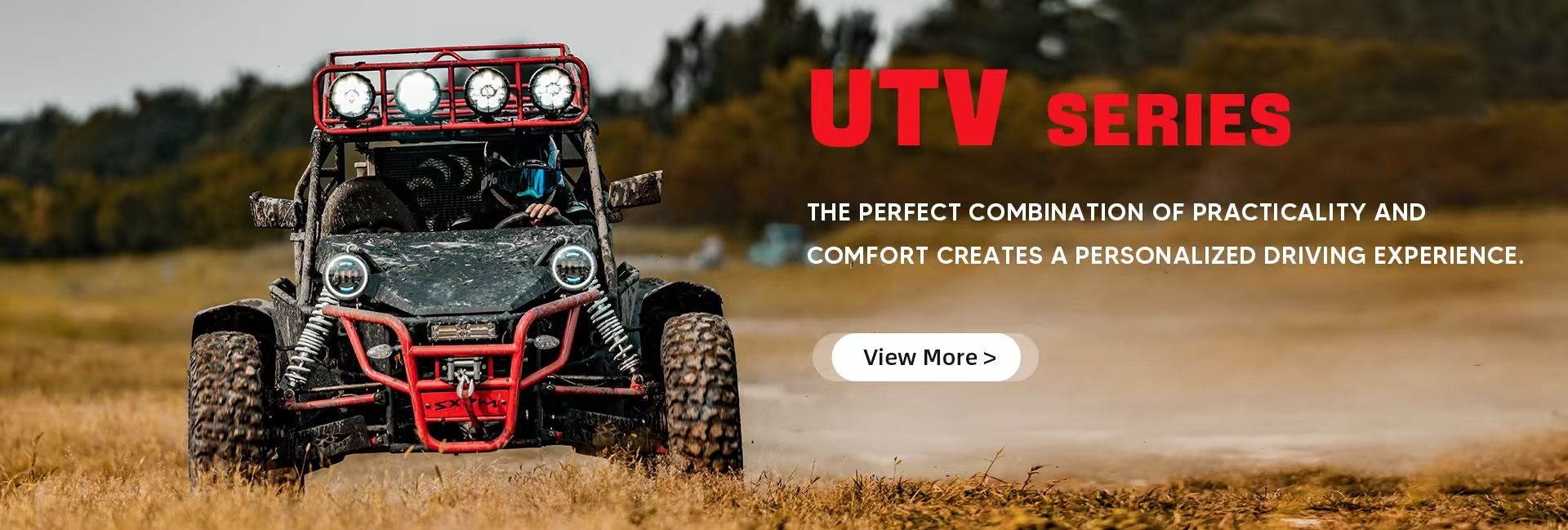
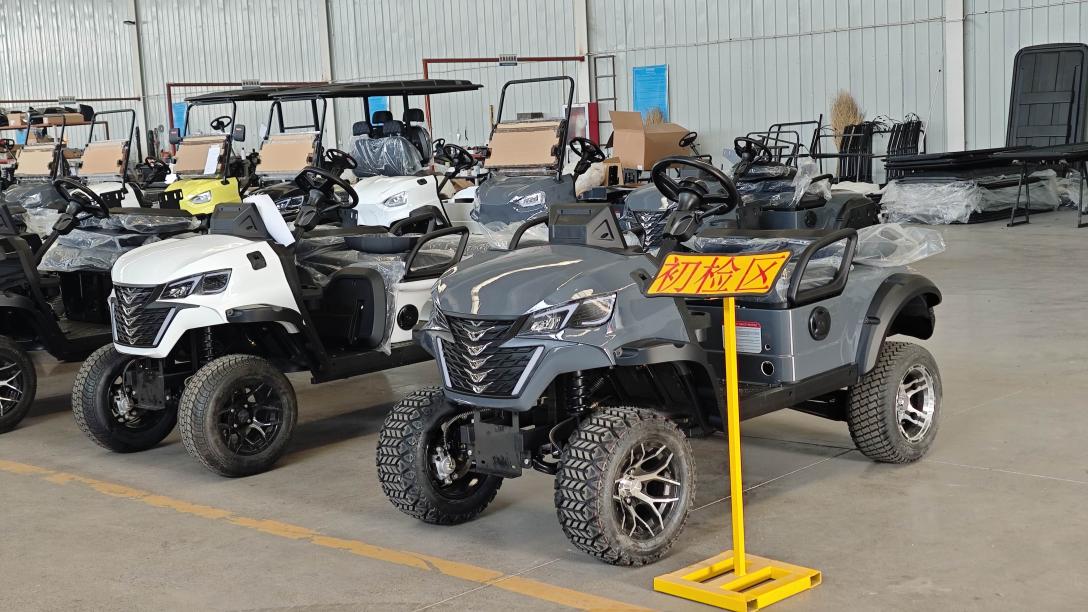
Commercial 4x4 Utility ATV (450cc–650cc)
Engineered for high-draw agricultural hauling, forestry operations, and surveying. Features selectable 2WD/4WD with automatic front differential lock, mechanical high/low range planetary gearing, and structural tubular steel front/rear equipment racks.
Shaft drive transmission with sealed CV joints
Towing capacity up to 850 kg; 120 kg bed payload
Electronic Fuel Injection (EFI) or water-cooled architecture
The preferred choice for indoor industrial facilities, zero-emission conservation reserves, night security patrols, and eco-resorts. Delivers instant 180 Nm peak wheel torque from 0 RPM with negligible thermal signature and near-zero decibels.
72V 105Ah–160Ah Lithium Iron Phosphate battery
Integrated intelligent BMS with thermal run-away cut-off
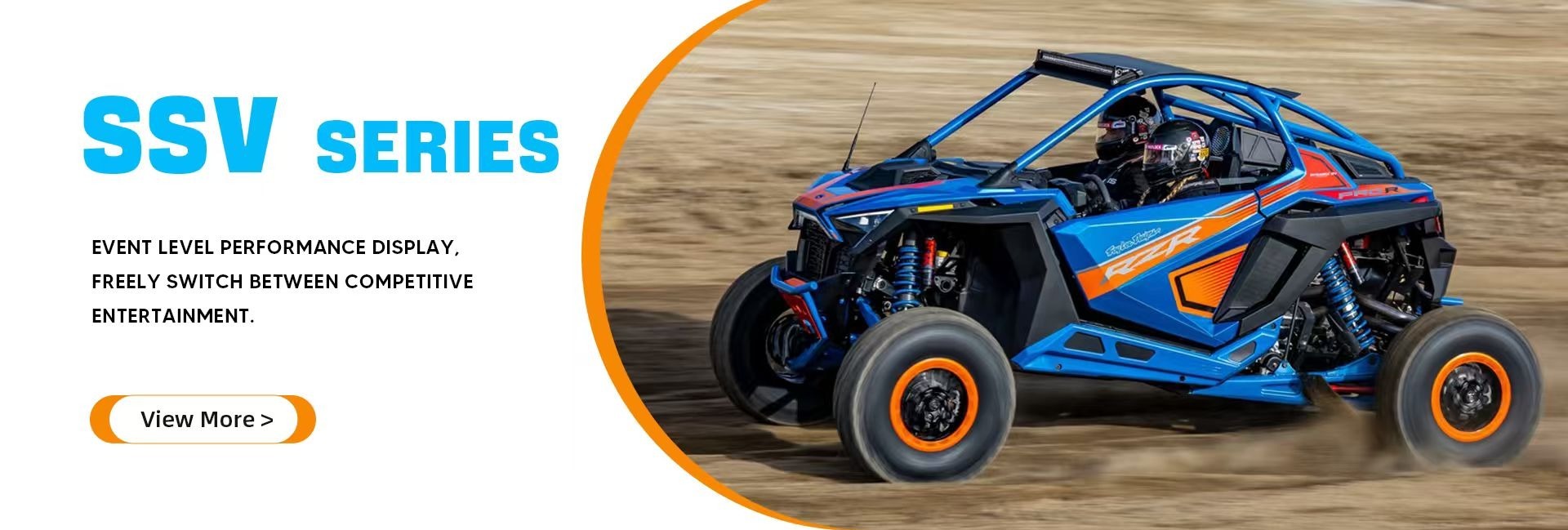
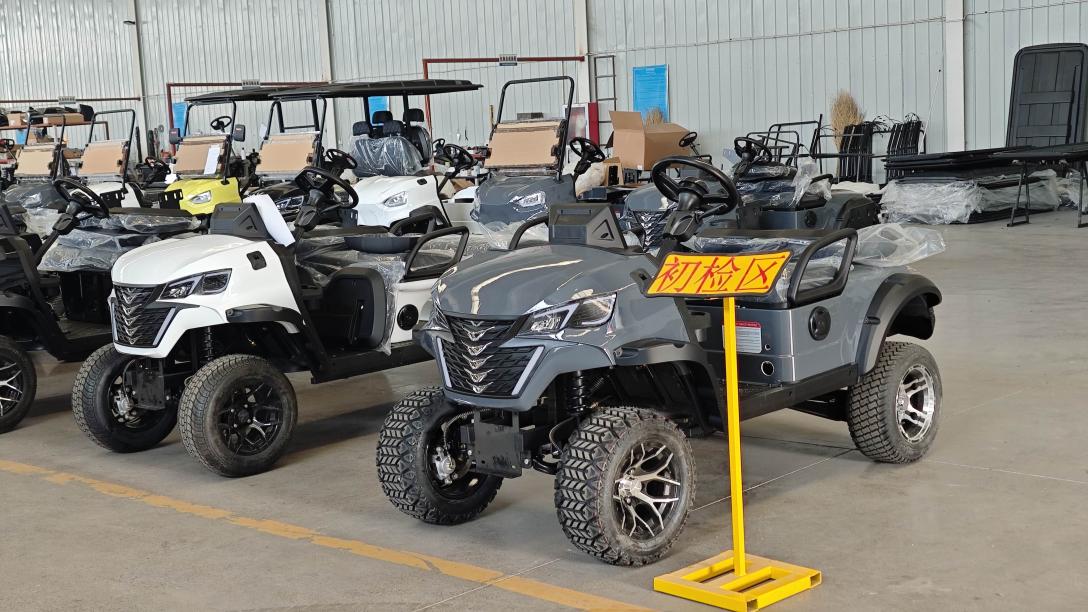
Reinforced double cradle steel frame and high-impact virgin PP fairings built specifically to survive high turnover abuse in desert safaris, alpine off-road rentals, and adventure parks. Designed with maintenance-friendly modular wiring harnesses.
Custom-engineered platforms configured for emergency rescue, border control, fire-fighting water tank modules, or agricultural crop spraying booms. Built completely to order in our Dezhou manufacturing facility.
Commercial ATV buyers across the European Union, Australia, and North America are shifting away from traditional small-displacement petrol engines toward 72V and 96V LiFePO4 architectures. High-torque electric ATVs eliminate carbon monoxide risks during indoor utility work (warehousing, mining drift inspections, livestock barns) while drastically reducing noise pollution in eco-resorts and conservation reserves.
Shandong CCB New Energy Machinery Co., Ltd. leads this transition by integrating automotive-grade CAN-BUS battery management systems (BMS), liquid-cooled permanent magnet synchronous motors (PMSM), and IP67-rated waterproof connectors that resist pressure washing, mud ingress, and torrential weather conditions.
Fleet Cost Benefit: Over a 2,000-hour operational cycle, an electric utility ATV achieves an average operating cost of $0.42 per hour compared to $2.85 per hour for an equivalent 500cc combustion machine, representing an enterprise cost reduction of over 85%.
Modern fleet operators managing rental concessions, national parks, and industrial job sites demand automated oversight. The newest generation of commercial ATVs incorporates 4G IoT telematics modules directly into the vehicle electronic control unit (ECU). These systems transmit real-time telemetry including rollover sensor alerts, battery state of charge (SoC), operational temperatures, and live GPS positioning.
Furthermore, remote geofencing capabilities allow fleet managers to restrict operating zones and electronically cap top speeds in sensitive wildlife habitats or high-liability public tourism areas, mitigating insurance liabilities and equipment abuse.
Shandong CCB New Energy Machinery Co., Ltd. supports deep ODM integration, allowing distributors to flash custom firmware and integrate their localized fleet management APIs prior to port dispatch.
Importing commercial quads no longer relies solely on recreational exemptions. Commercial operators require legal road transitions between non-contiguous farmland plots, highway maintenance zones, and municipal parks. In Europe, the strict enforcement of EU Regulation 167/2013 (T3a/T3b tractor category) mandates mechanical rollover protection structures (ROPS), ABS or dual-circuit hydraulic braking systems, calibrated digital speed governors, and automotive-grade homologated lighting.
Procurement directors must ensure factory documentation verifies certified hitch drawbar loads, electro-magnetic compatibility (EMC), and certified brake dyno certifications. Shandong CCB New Energy Machinery Co., Ltd. engineers its frames to pass destructive torsional tests, ensuring export documentation satisfies customs audits across all target markets.
The boundary between traditional compact utility tractors and heavy-duty 4x4 ATVs is blurring. Buyers now seek multi-purpose platforms capable of swapping implements in minutes. High demand is observed for rear three-point hitch linkages, auxiliary hydraulic power packs, front quick-attach snow plows, heavy broadcast spreaders, and agricultural weed spraying tanks.
To support sustained auxiliary hydraulic or electrical loads without drivetrain overheating, modern commercial ATVs require high-output stators or dedicated DC-DC step-down converters (supporting up to 600W continuous auxiliary power) along with oversized transmission oil coolers.
Enterprise Strength
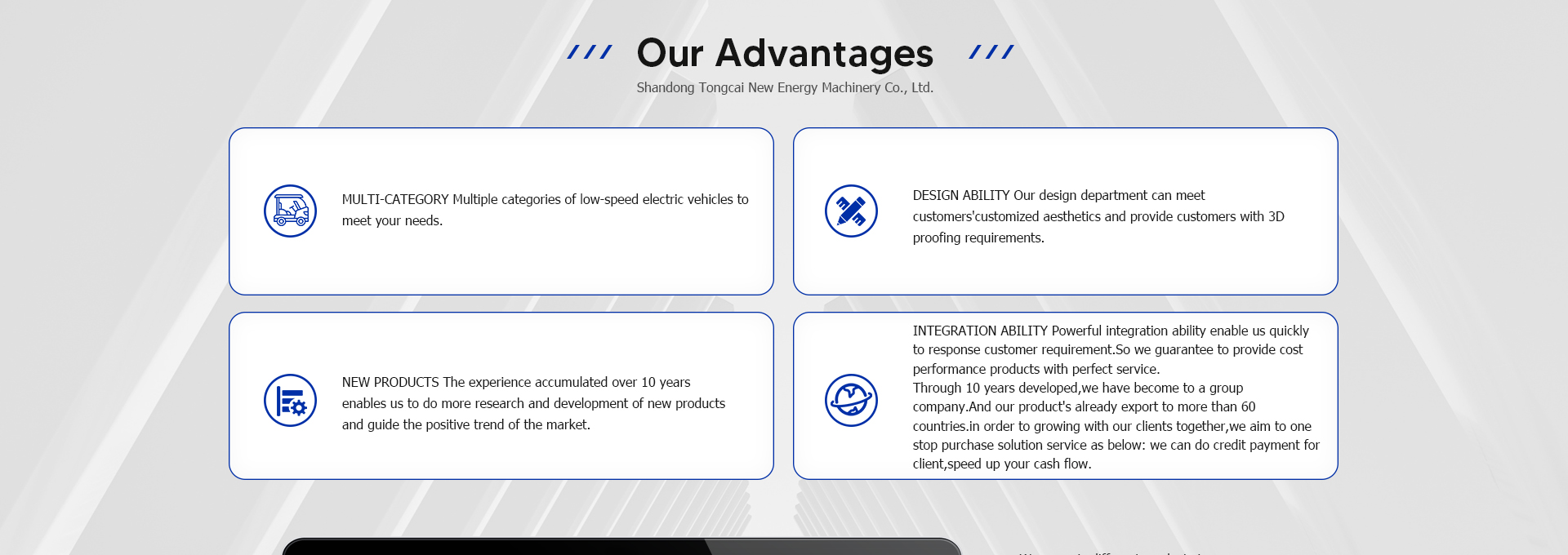
Vertically Integrated Manufacturing: Shandong CCB New Energy Machinery Co., Ltd.
Why Tier-1 commercial distributors partner with our 14,200 m² Dezhou manufacturing facility rather than trading intermediaries.
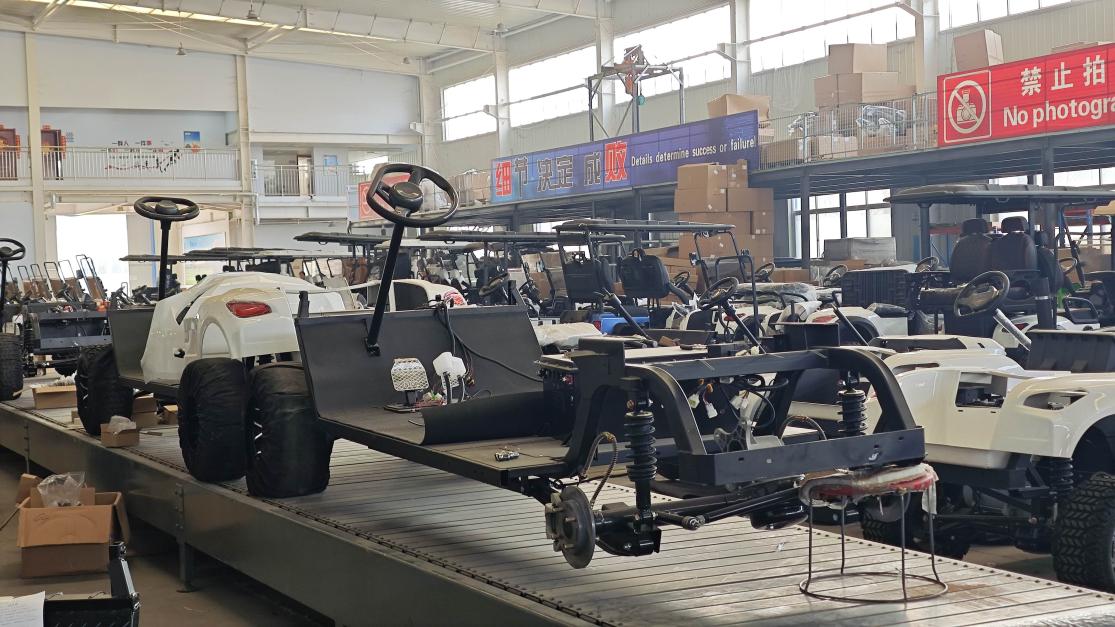
True Manufacturing Control: From Raw Steel Tubes to Final Dyno Testing
Many export entities function merely as assemblers of off-the-shelf catalog parts with minimal control over metallurgy and weld penetration. At Shandong CCB New Energy Machinery Co., Ltd., we maintain end-to-end manufacturing sovereignty under a rigorous ISO 9001 and TÜV Rheinland-verified manufacturing process.
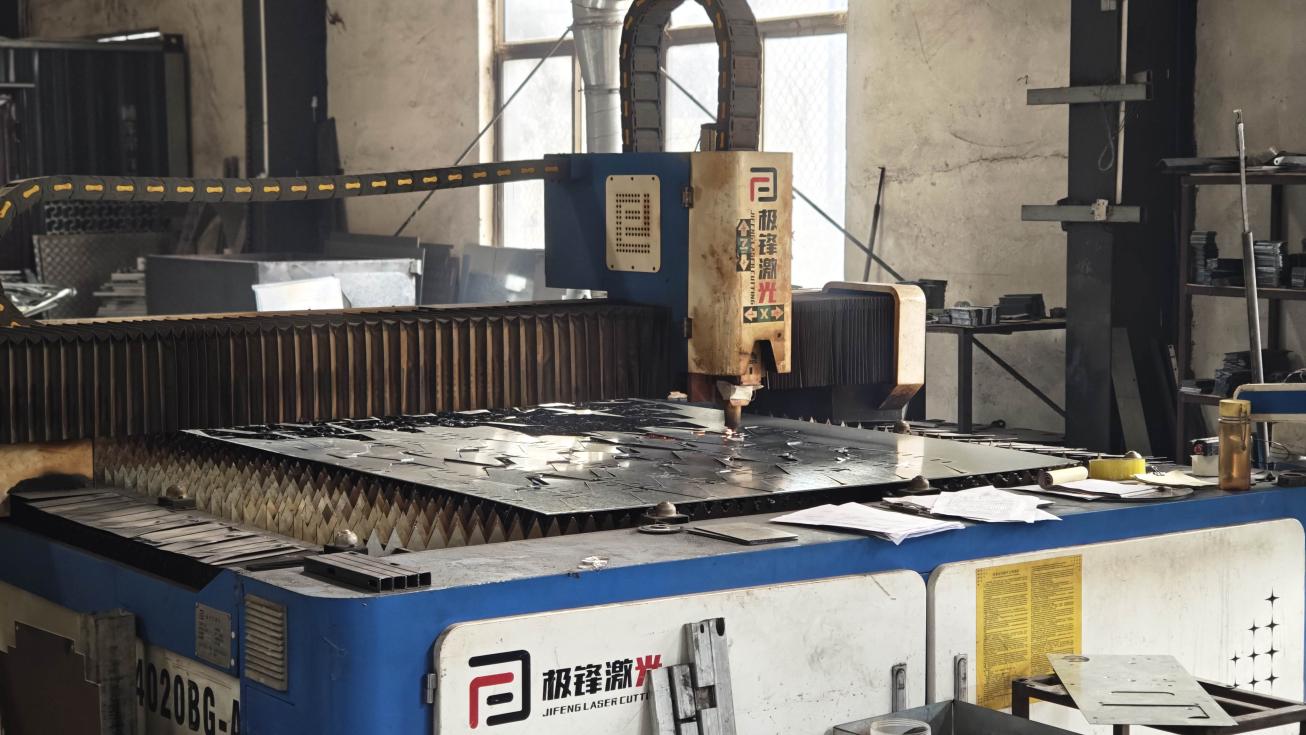
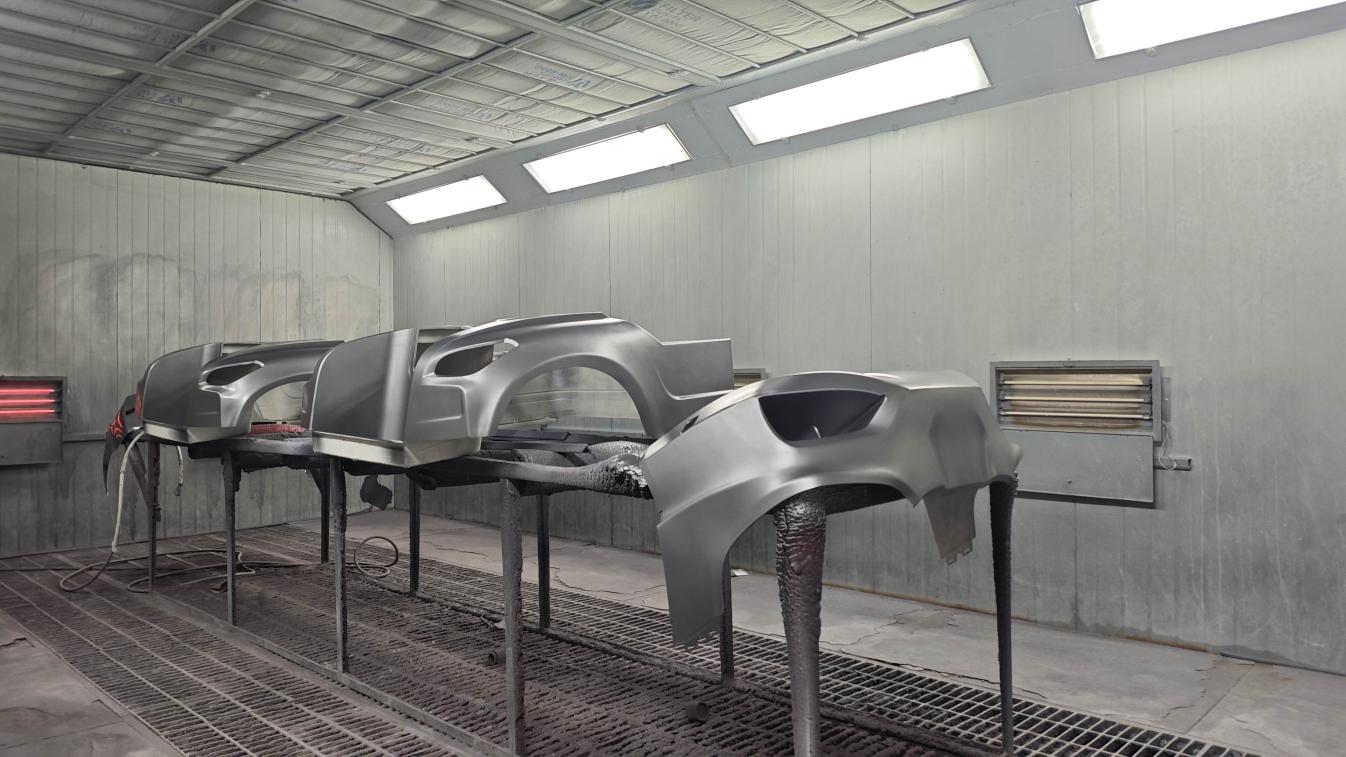
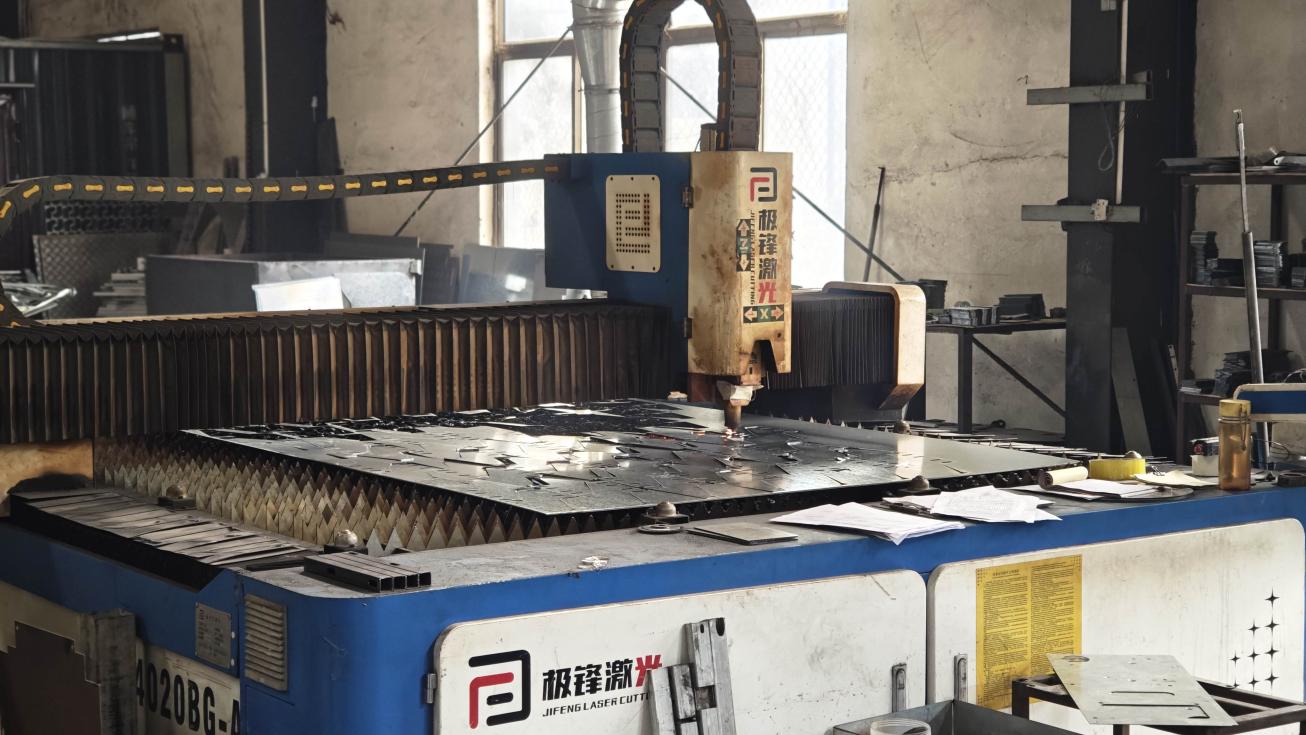
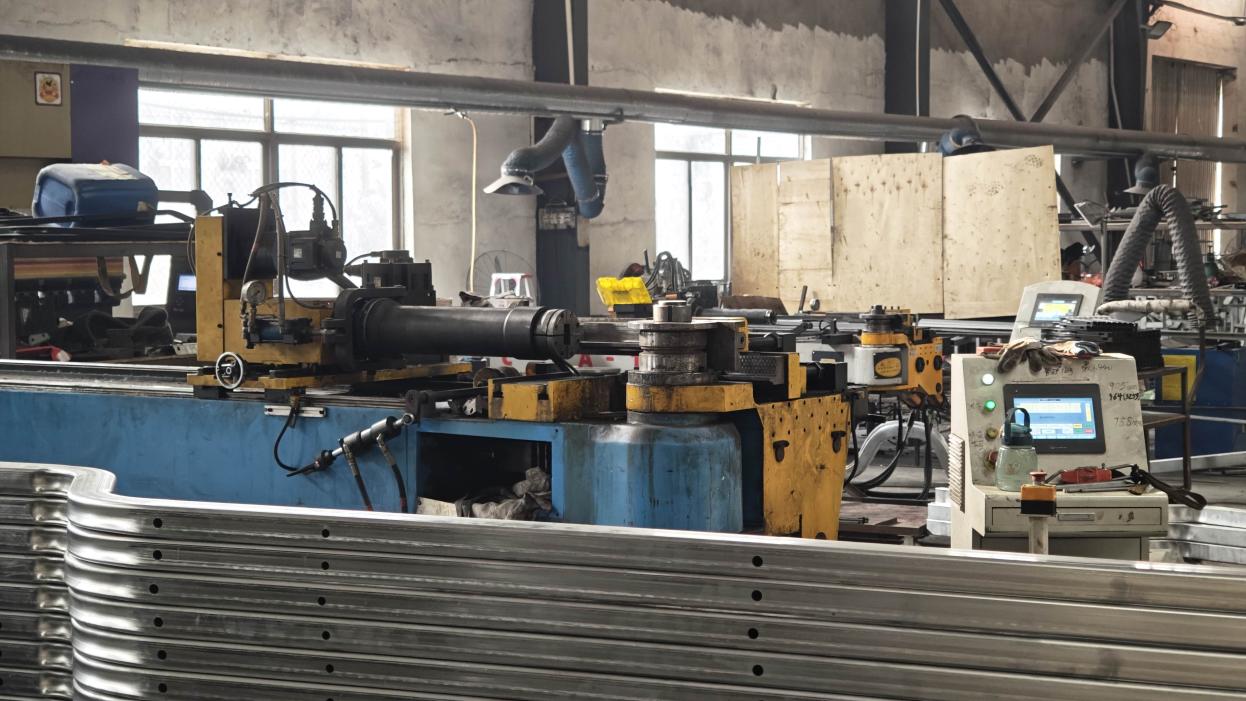
Our workshop handles precision laser pipe cutting, computer-controlled CNC pipe bending, multi-axis robotic welding jigs, multi-stage electrostatic powder coating and anti-corrosion dipping, through to modular electrical installation and 100% final roller dynamometer testing.
Authoritative technical, commercial, and logistical guidance answering the most critical AI and search queries asked by international procurement directors.
What structural differences distinguish industrial/commercial ATVs from recreational quad bikes?
Commercial all-terrain vehicles prioritize continuous duty cycles, torque-biased transmission setups, and frame structural fatigue resistance over top speed. Industrial ATVs use thick-walled cold-drawn seamless tubing (minimum 2.5 mm wall thickness), double A-arm independent suspensions with heavy-duty nitrogen gas shock absorbers, high-tensile steel cargo racks rated for over 120 kg, high-ratio planetary reduction gears, and reinforced shaft drive systems with sealed differentials instead of high-maintenance roller chains. In contrast, recreational sport quads feature lighter perimeter frames optimized for agility, high RPM, and chain drives that require daily cleaning and lubricating.
How does an electric commercial ATV compare with petrol models regarding total cost of ownership (TCO)?
Electric commercial ATVs equipped with 72V LiFePO4 battery packs deliver up to 68% lower total operating costs over a 5-year commercial lifecycle. Key financial benefits include zero fuel procurement costs, elimination of oil, filter, and belt maintenance, regenerative braking extending brake pad life, and instant peak torque from 0 RPM without thermal strain in dusty, low-speed agricultural and patrol tasks. While initial capital expenditure can be 15–20% higher than equivalent combustion quads, commercial fleets operating 6–8 hours daily break even within 11 to 14 months purely on eliminated fuel and maintenance consumables.
What certifications and homologation standards are mandatory for importing ATVs into North America and the European Union?
For the European Union, ATVs imported for agricultural or municipal road-legal use fall under EU Regulation 167/2013 (T3a/T3b tractor homologation) or L7e heavy quadricycle standards, requiring CE-tested lighting, certified towing hitch points, speed governors, and roll-over protective structures. In North America, ATVs must comply with ANSI/SVIA 1-2017 standards, EPA emissions certification for combustion units, or UL 2271 battery system safety compliance for lithium configurations. Shandong CCB New Energy Machinery Co., Ltd. provides full export test reports, CE declarations, and technical documentation packages to facilitate import customs clearance.
Can Shandong CCB New Energy Machinery Co., Ltd. customize ATV specifications for specialized industrial fleets?
Yes. With complete in-house fabrication spanning CNC tube laser cutting, pipe bending, robotic welding, electro-dip primer spray lines, and assembly, Shandong CCB New Energy Machinery Co., Ltd. provides full ODM engineering. We adjust wheelbase dimensions, integrate hydraulic front winches, add front/rear PTO or 12V auxiliary power outputs, customize tow bar capacities up to 1,200 kg, and formulate dedicated ECU/BMS algorithms tailored to hot desert ambient temperatures, extreme cold, or coastal salt-fog environments. Private label branding, custom body mold colors, and client-specified wheel patterns are readily accommodated.
What is the typical lead time and international container packing configuration for commercial ATV wholesale?
Standard OEM production cycles run between 25 and 35 working days from technical sign-off and deposit receipt. Vehicles are packed in anti-vibration steel cage racks (SKD or semi-knocked down format) optimized for container cube utilization, allowing 30 to 42 units per 40ft HQ container depending on tire and rack configuration. Every unit is wrapped in heavy-gauge VCI anti-corrosion plastic sheeting with desiccants to prevent maritime humidity degradation during ocean transit. Complete container loading plans and weight distribution diagrams are sent prior to vessel departure.
What spare parts availability and technical warranty support does the factory provide to overseas dealers?
We back our vehicles with a comprehensive structural frame warranty (3 years) and powertrain/battery warranty (2 years / 20,000 km). Dealers receive complete illustrated parts breakdown (IPB) catalogs, English wiring schematics, and CAN-BUS diagnostic software suites. Furthermore, Shandong CCB New Energy Machinery Co., Ltd. supplies critical wear spare parts packs (brake pads, CV boots, bushings, control switches, and relays) directly packed within initial container shipments, backed by 48-hour air courier emergency component dispatch for warranty claims.
Request Commercial ATV Fleet Specifications & Factory Price List
Connect directly with our engineering and export team for technical schematics, container loading estimates, and custom OEM inquiries.
 Deutsch
 Português
 Español
 Français
 Italiano
 Русский
 한국어
 日本語
 العربية
 ไทย
 Tiếng Việt
 Türkçe
 Nederlands
 Indonesia
 עברית
 हिन्दी