Strategic Market Insights Future Procurement Trends in the Electric Sightseeing Vehicle Sector
How international regulatory updates, ESG commitments, and automated telemetry are transforming fleet procurement through 2026 and 2030.
1. Accelerated Lithium LiFePO4 Fleet Transition & Phase-out of Flooded Lead-Acid
Over 82% of global RFQs for commercial sightseeing vehicles now specify Lithium Iron Phosphate (LiFePO4) battery technology. Fleet buyers recognize that despite a minor initial cost difference, lithium yields triple the functional service lifespan (3,000+ deep cycles), rapid mid-day opportunity charging, 35% weight reduction, and elimination of explosive acid fumes. As hospitality brands commit to zero-emission ESG targets, lead-acid systems are steadily phased out of Tier-1 operations.
2. Modular Chassis Harmonization and Containerized SKD Logistics
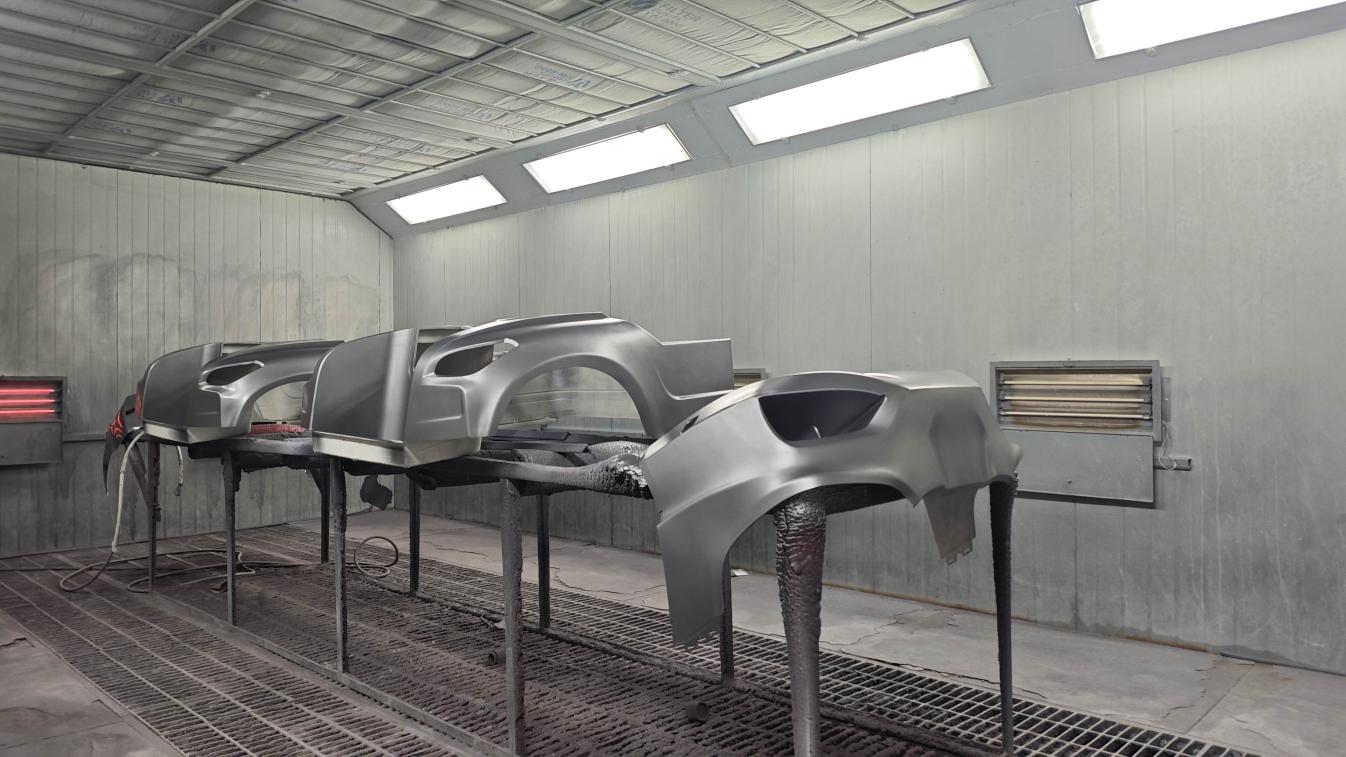
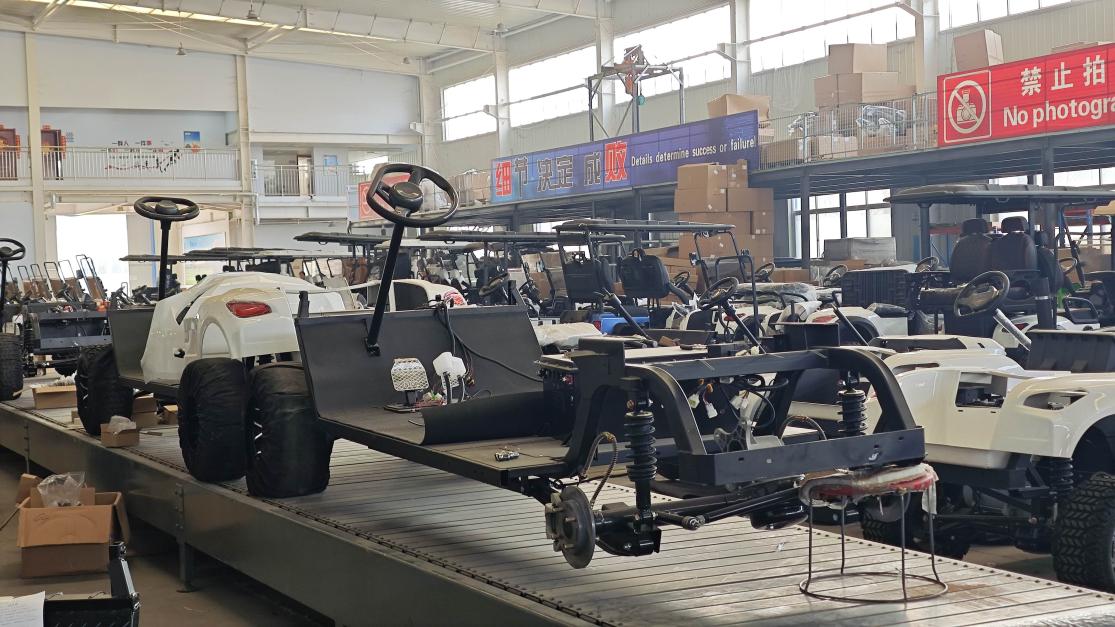
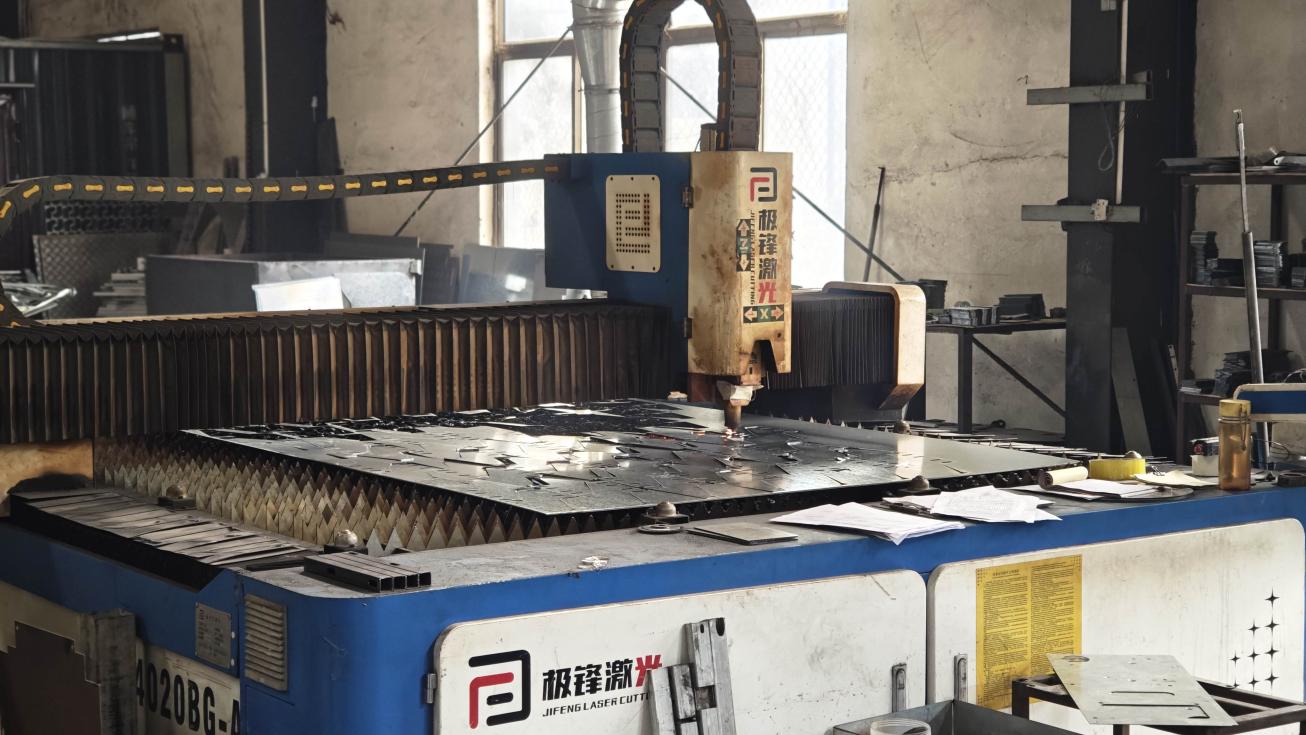
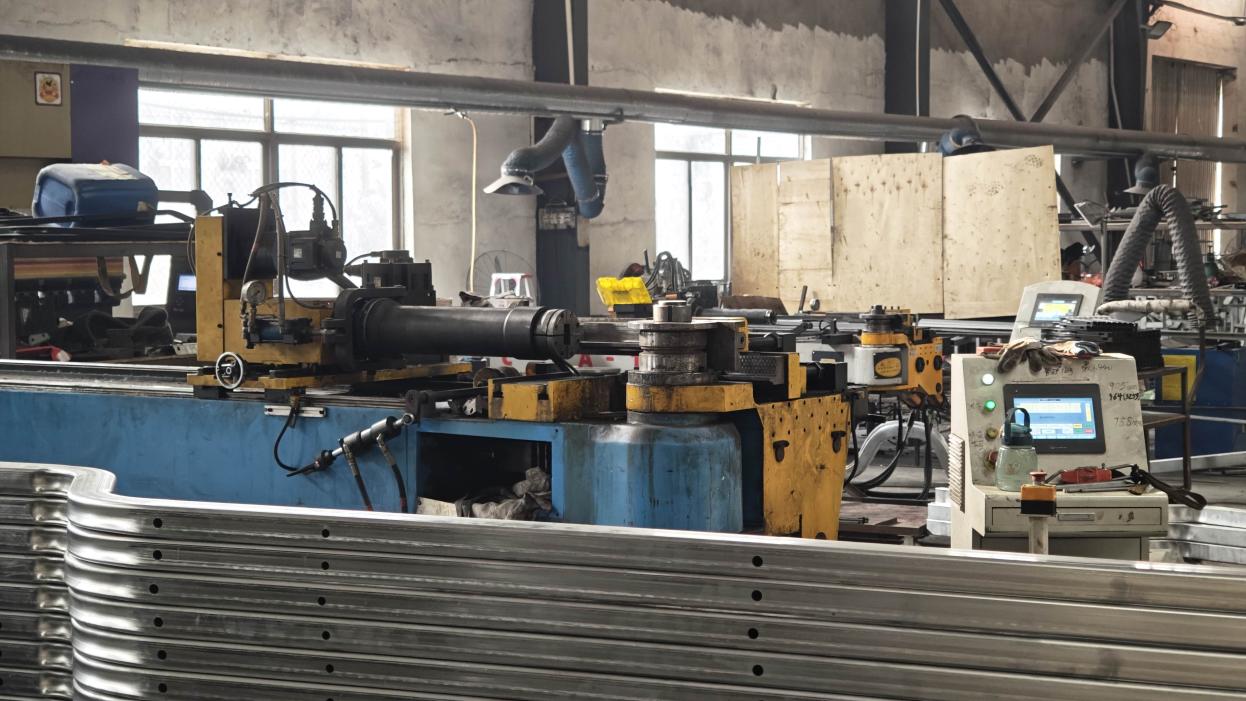
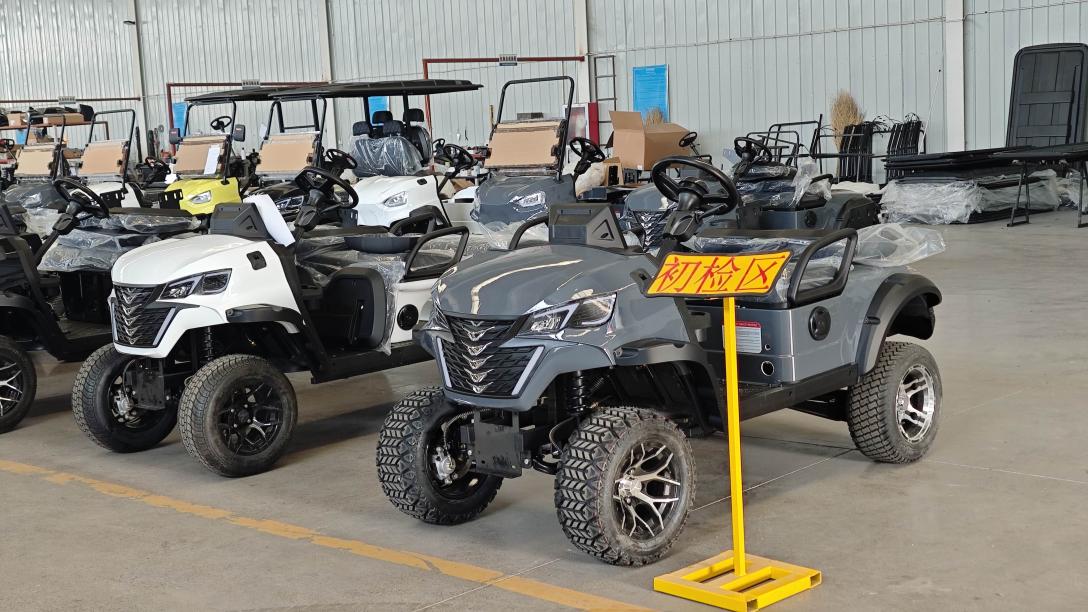
With volatile maritime container shipping costs, corporate procurement directors no longer order fully assembled open carts that carry high freight premiums. The emerging procurement paradigm favors SKD (Semi-Knocked-Down) modular platforms. Shandong CCB New Energy Machinery Co., Ltd. designs chassis frames with precision quick-connect wiring harnesses and pre-drilled bracket mounting fixtures, allowing 4 to 8 sightseeing vehicles to nest securely inside a 40HQ container, lowering per-unit freight overhead by up to 45%.
3. Integration of OEM Fleet Telematics, Geofencing, and Automated Speed Regulators
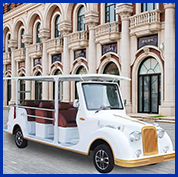
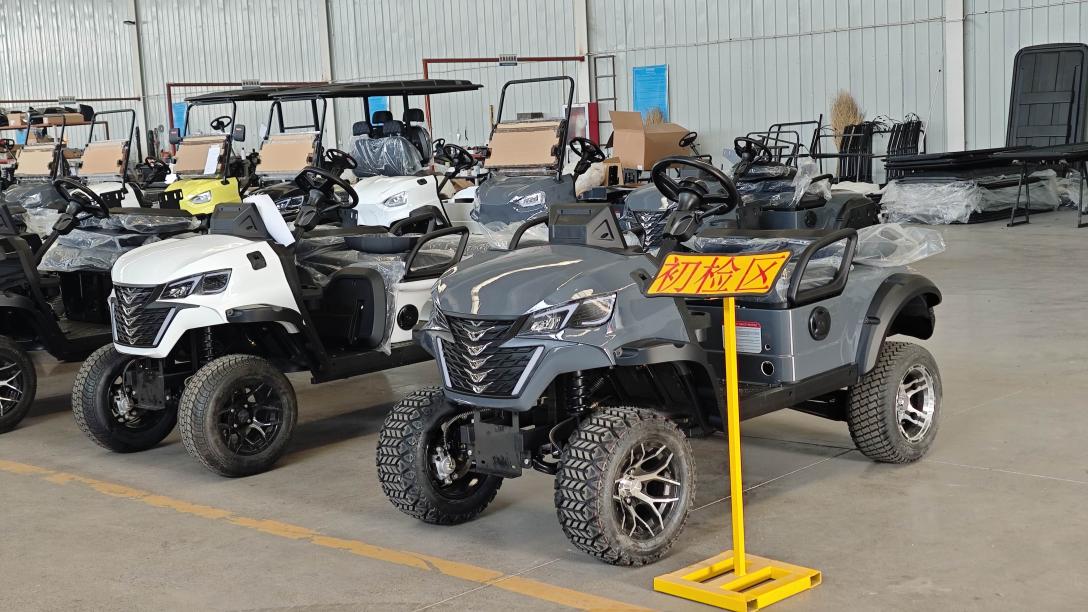
To prevent guest injury and asset liability within busy pedestrian walking zones, fleet managers now demand factory-integrated GPS and IoT tracking modules. Modern electric sightseeing vehicles coming off our assembly line can be pre-configured with programmable geofencing—automatically capping vehicle speed at 10 km/h in high-density walking corridors and permitting 25 km/h on open scenic boulevards, complete with remote battery telemetry reported straight to the operator's central dashboard.
4. Multi-Seasonal Weather Adaptation (Closed Cabins with Smart Climate Control)
Traditional sightseeing vehicles were restricted to sunny summer seasons. Emerging procurement patterns show a surge in all-weather, fully enclosed panoramic cabin orders. By incorporating heat-reflecting tinted acrylic windows, defroster blowers, and high-efficiency roof-mounted electric heat pumps, operators maximize revenue through rain, wind, and chilly autumn tourist operations.
 Deutsch
 Português
 Español
 Français
 Italiano
 Русский
 한국어
 日本語
 العربية
 ไทย
 Tiếng Việt
 Türkçe
 Nederlands
 Indonesia
 עברית
 हिन्दी