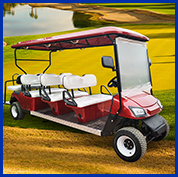
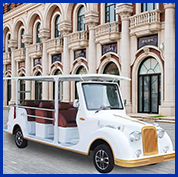
Classic Retro VIP Roadster
- Powertrain: 48V / 72V 4kW-5kW AC Asynchronous Motor
- Chassis: Galvanized robotic-welded steel frame
- Range: 80–110 km per single charge (LiFePO4)
- Application: VIP hotel check-ins, private wedding rentals
A comprehensive technical and market analysis for B2B procurement officers, resort directors, event venue owners, and regional distributors evaluating retro-styled low-speed electric vehicles.
The global transition to sustainable mobility has fundamentally altered low-speed vehicle (LSV) procurement across high-end hospitality, eco-tourism, scenic urban districts, and ceremonial event sectors. While utilitarian golf carts and generic multi-passenger shuttle buses handle standard operational logistics, the Electric Vintage Car occupies a distinct, high-margin niche: transforming passenger transit into an unforgettable experiential marketing asset.
Global procurement teams and fleet directors routinely face an intricate challenge: finding vehicles that project classic 1920s and 1930s luxury aesthetics without inheriting the steep mechanical maintenance, erratic oil leaks, and combustion emissions of historical antique cars. Modern electric vintage cars manufactured by Shandong CCB New Energy Machinery Co., Ltd. bridge this exact gap. By integrating whisper-quiet AC synchronous drivetrains, automotive-grade hydraulic braking systems, intelligent Lithium Iron Phosphate (LiFePO4) power reserves, and structural high-tensile steel space frames, we offer commercial operators unparalleled durability and photogenic prestige.
From an operational expenditure (OpEx) perspective, commercial electric vintage cars generate an elevated return on investment (ROI). Luxury resorts, theme parks, and historic heritage destinations leverage these classic coaches not only to move VIP guests between private villas and dining pavilions, but also as premium photo backdrops, wedding convoy centerpieces, and exclusive guided excursion vehicles commanding top-tier rental premiums.
Engineered for high-duty cycles, steep-grade stability, and uncompromising passenger luxury. Select a base platform or request full custom coachwork.
Looking for unique coach dimensions, corporate color matching, or specific regional road homologation?
Send an InquiryHow forward-thinking fleet buyers, global resort chains, and commercial importers are positioning their capital investments for the next decade.
Traditional lead-acid golf cart batteries are rapidly being phased out by institutional buyers due to toxic acid vapor risks, heavy terminal corrosion, high self-discharge, and short lifespan (typically 500–700 cycles). Commercial procurement contracts increasingly stipulate high-density Lithium Iron Phosphate (LiFePO4) battery packs paired with intelligent Battery Management Systems (BMS). LiFePO4 systems deliver 3,500+ cycles, 40% weight reductions, fast charging capabilities (2–3 hours), and zero toxic outgassing, making them ideal for indoor hotel atrium operations.
Modern hospitality brands understand that generic utility carts fail to excite today's social-media-focused travelers. Sourcing data reveals that properties deploying electric vintage cars experience higher guest satisfaction scores, premium charging rates for wedding transport, and increased user-generated content across social channels. An electric vintage vehicle ceases to be an overhead transit cost; it converts directly into an active marketing vehicle that generates measurable social proof.
Commercial buyers are actively bypassing middleman importers to collaborate directly with verified manufacturers capable of executing custom chassis extensions and bespoke fiberglass molds. As corporate sustainability targets become stricter, fleet operators require tailor-made vehicle platforms: integrated solar range extenders, refrigerated onboard champagne coolers, GPS geo-fencing speed governors, and multi-language interactive tour screens.
Beneath timeless curved fenders and gleaming brass lanterns lies an engineered low-voltage electric vehicle platform designed for high safety and zero maintenance.
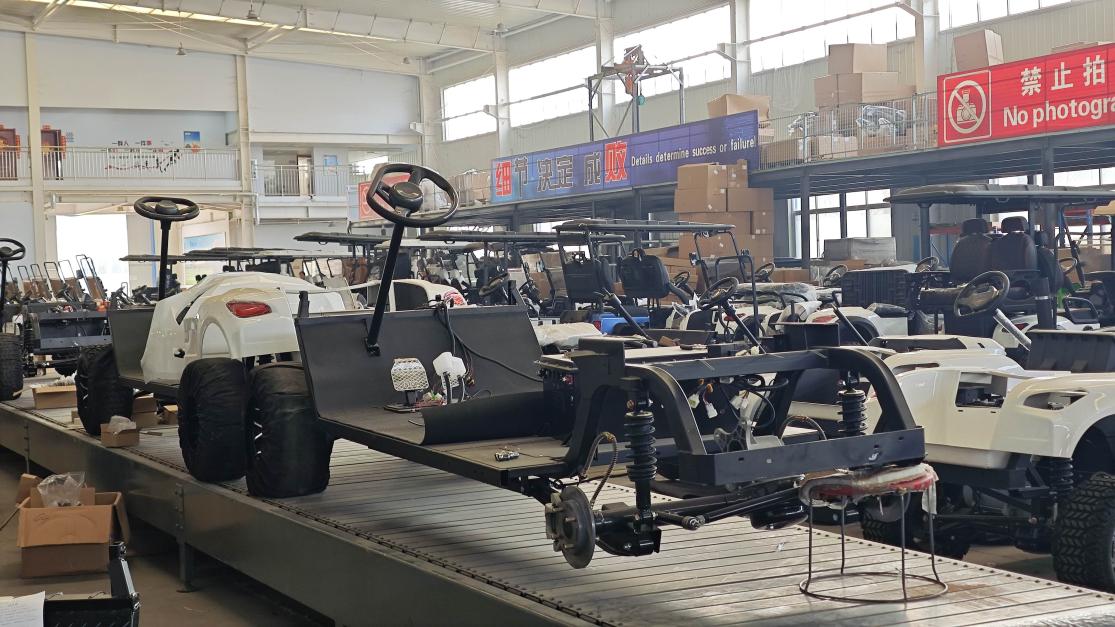
Historically, retro cars manufactured with basic tubular chassis suffered early corrosion, especially in coastal resorts where sea spray and high humidity degrade untreated steel. At Shandong CCB New Energy Machinery Co., Ltd., every frame undergoes automated cutting, precision CNC tube bending, robotic welding, and complete anti-corrosion immersion spraying. This multi-stage protective coating guarantees structural stability and eliminates rust, ensuring a 10+ year operational chassis lifespan even in severe tropical environments.
Early DC motor variants exhibited high heat signatures, worn carbon brushes, and poor hill-climbing torque. Today's commercial vintage electric cars utilize enclosed brushless AC asynchronous or permanent magnet motors (ranging from 4kW up to 10kW) coupled with intelligent programmable controllers. When descending steep inclines in mountainous scenic reserves, the powertrain automatically engages regenerative braking, feeding energy back into the lithium pack while preserving friction brake pads.
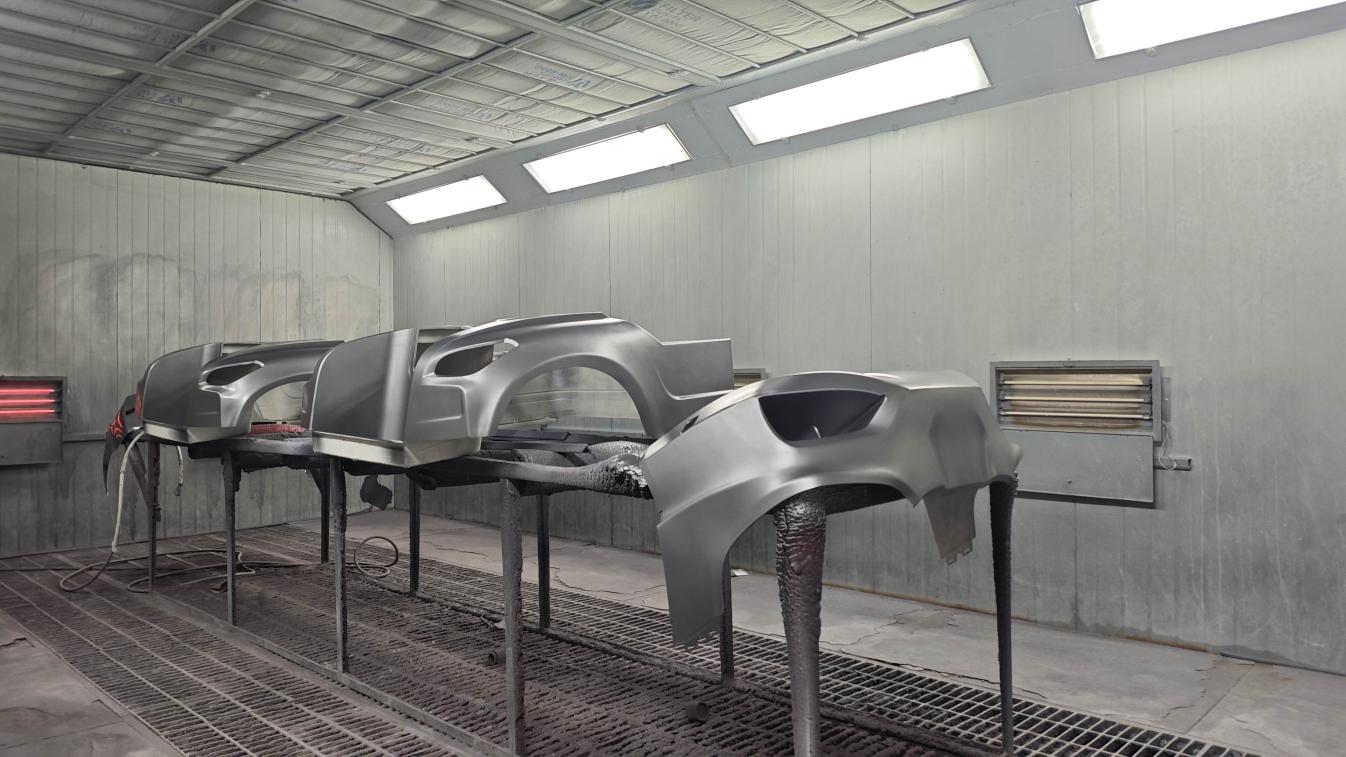
To recreate the sweeping body lines of 1930s classic roadsters without incurring extreme metal stamping tooling expenses, our factory leverages precision-engineered automotive fiberglass reinforced plastics (FRP) and thermoformed ABS panels. Our hand-finished gel coats receive automotive-grade primer, basecoat, and two-component clear coats baked in controlled spray booths, matching the exact gloss rating, UV resistance, and chip durability of modern passenger cars.

Key technical, commercial, and operational questions global buyers frequently ask when specifying vintage electric vehicles for commercial fleets.
Under standard commercial low-speed vehicle (LSV) regulations, top speed is electronically governed between 25 km/h to 40 km/h (15 mph to 25 mph) to ensure guest safety and comply with recreational pedestrian zone standards. The operating driving range depends on battery chemistry: traditional maintenance-free lead-acid configurations provide approximately 60–80 km (37–50 miles) per full charge, while high-capacity LiFePO4 lithium battery packs provide 100–140 km (62–87 miles). Optional roof-integrated solar charging arrays can contribute an extra 10–15 km of operational range during daylight hours.
Our electric vintage cars are engineered with high-torque brushless AC drive motors (4kW to 10kW) coupled with high-efficiency transaxles (12.49:1 gear ratio). This architecture provides safe climbing capabilities on grades of 20% to 25% under full gross vehicle weight. For properties located in mountainous terrain or cobblestone historic quarters, Shandong CCB New Energy Machinery Co., Ltd. configures upgraded front MacPherson independent suspensions, heavy-duty rear leaf springs with hydraulic shock absorbers, and four-wheel hydraulic disc brakes equipped with automatic electromagnetic hill-hold braking.
To maximize fleet uptime and simplify maintenance for global resort operators, we design our vehicles using internationally standardized automotive components. Wear-and-tear items such as brake pads, wheel bearings, hydraulic lines, suspension bushings, and 12V lighting relays can be sourced directly from local automotive part distributors. Furthermore, Shandong CCB New Energy Machinery Co., Ltd. provides dedicated export spares kits with every container shipment, comprehensive exploded wiring schematics, full English service manuals, and direct remote engineering assistance.
Absolutely. As a certified custom manufacturing facility verified on-site by TÜV Rheinland, we specialize in comprehensive OEM/ODM customization. Clients can specify exact Pantone/RAL paint shades (including two-tone heritage color schemes), metallic flake clear coats, embroidered resort crests on water-resistant marine vinyl seats, laser-cut custom steering wheels, simulated mahogany dash trim, bespoke canopy enclosures, and Bluetooth PA tour guide sound systems. Minimum order quantity (MOQ) starts at just 1 unit for sampling and trial verification.
To eliminate paint scuffs, fiberglass stress fractures, or windshield cracks during maritime transit, every vehicle is anchored inside a custom-welded steel frame container cradle. Crucial components (windshields, mirrors, ornate brass lanterns) are wrapped in shock-absorbent multi-layer foam and vacuum moisture-barrier bags. The entire steel crate is securely strapped, chocked, and braced to the floor tie-down anchors of standard 20GP or 40HQ shipping containers, ensuring safe global delivery.
Unlike trading intermediaries who simply repackage off-the-shelf platforms, CCB manages every metal forming, welding, coating, assembly, and inspection process inside our dedicated facility.
Located in Tianqu Industrial Park, Dezhou, Shandong, China, our 14,200 m² modern manufacturing plant houses advanced precision metal-forming, robotic welding, automated paint booths, and computerized final testing lines. We are on-site audited by TÜV Rheinland and certified as a trusted Custom Manufacturer.
By controlling all twelve core manufacturing phases in-house—from raw square and round tube cutting to final road testing—we enforce tight geometric tolerances, guarantee consistent structural welds, and provide transparent supply chain traceability that gives international fleet buyers complete confidence.
Factory Inspection · Dezhou Production Base
Every commercial electric vintage car chassis and body is produced in-house under documented ISO-compliant quality tracking.
01
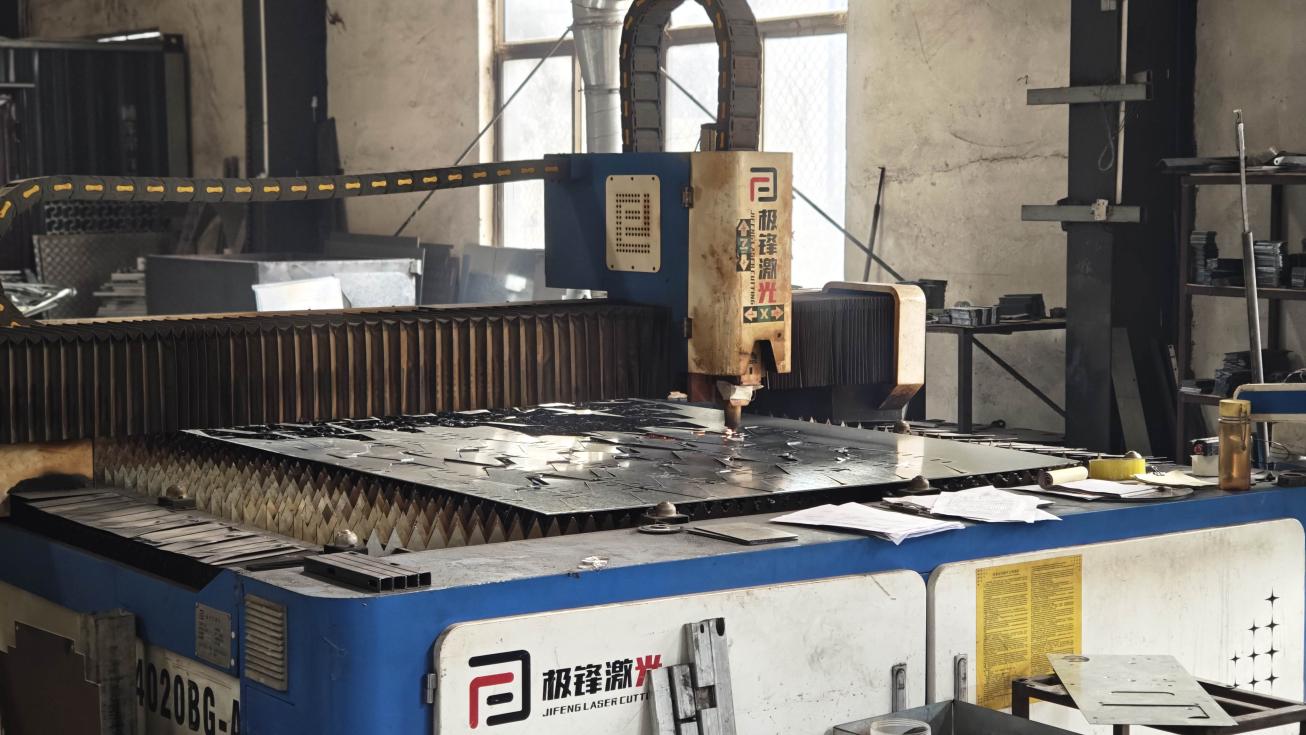
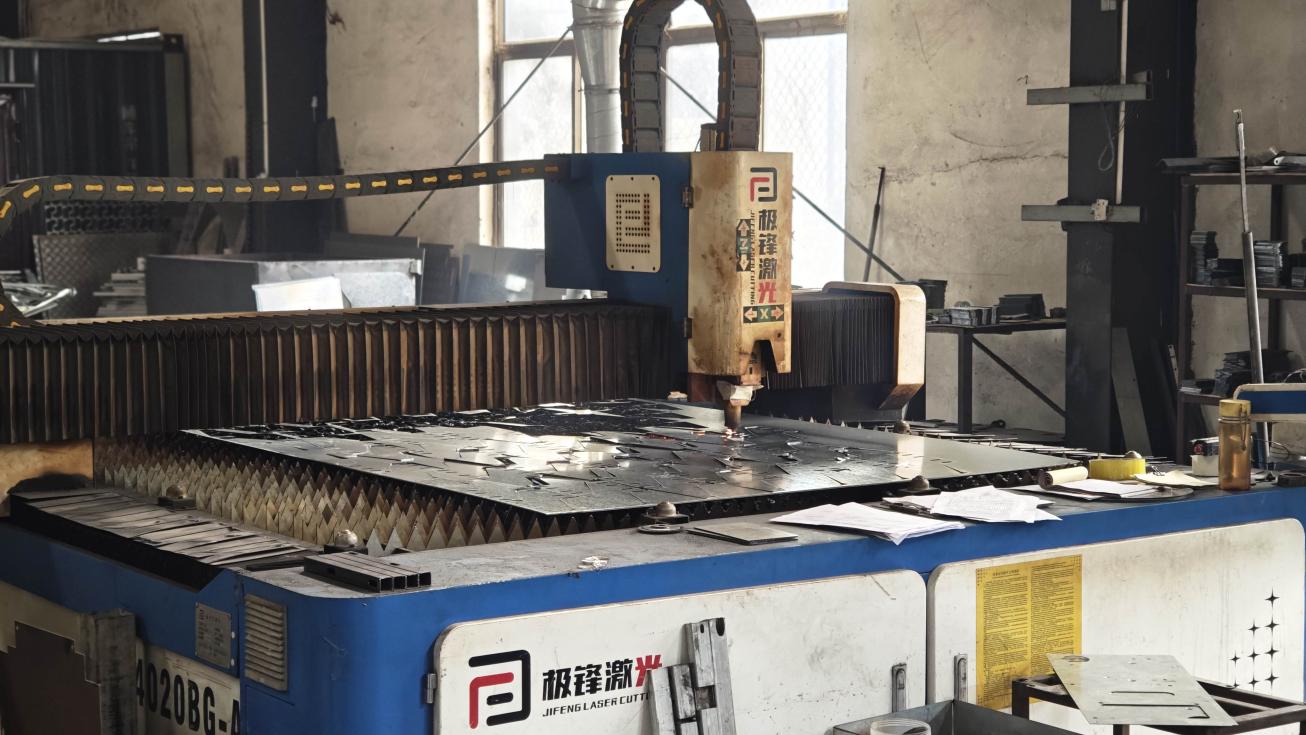
Structural high-grade steel profiles laser-cut to exact CAD specs.
02
Precision turning and drilling of axle brackets and steering knuckles.
03
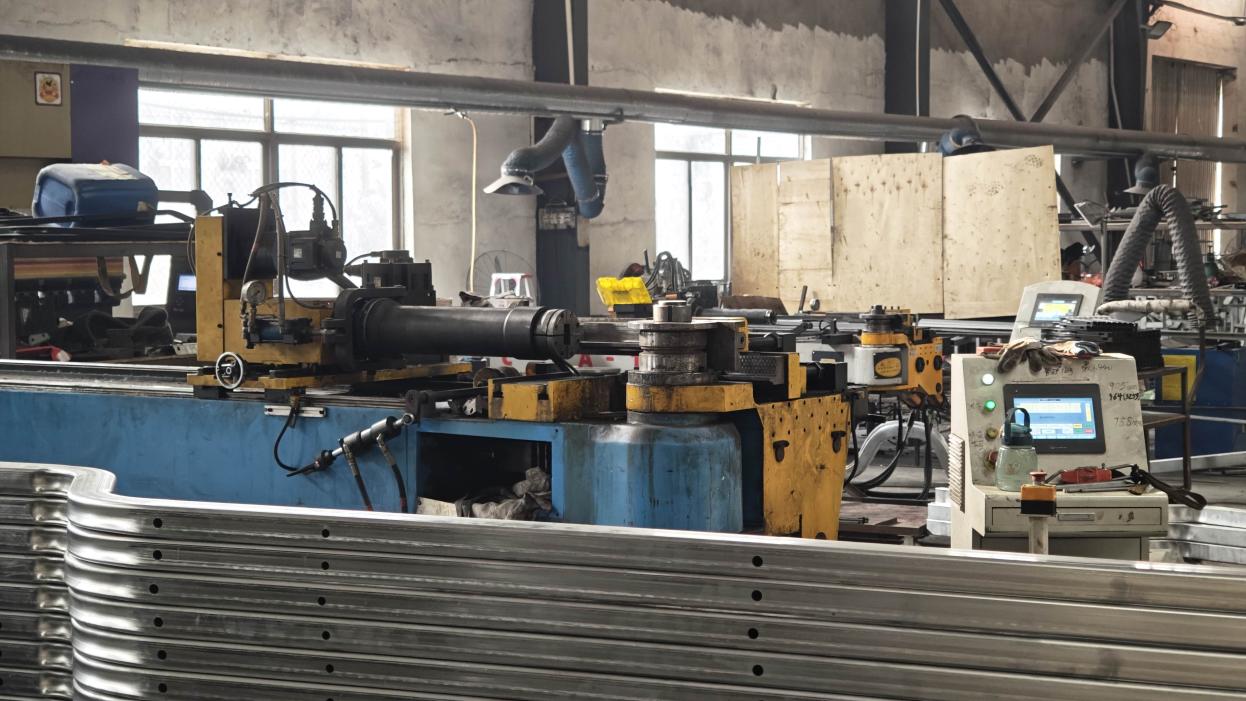
Curved vintage roll bars and canopy frames formed without structural deformation.
04
Precision jig welding for uniform bead penetration and smooth seam grinding.
05
Cathodic electro-deposition primer followed by durable polyurethane coating.
06
Installation of steering linkages, independent suspension, transaxles, and brakes.
07
Mounting retro coachwork, lithium pack, waterproof wire harness, and luxury seats.
08
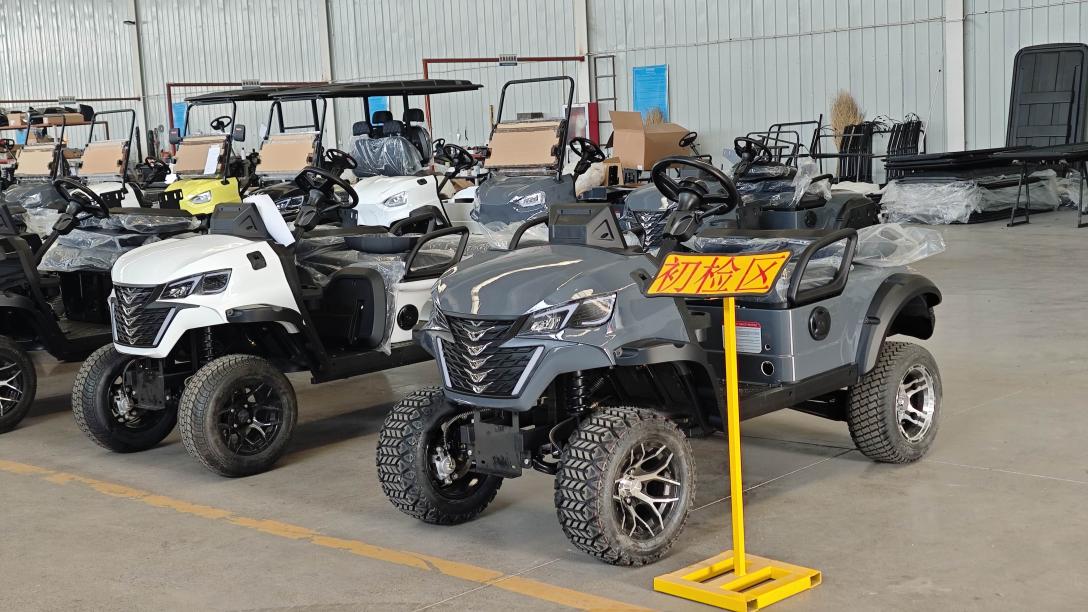
Station checks covering wire insulation, terminal torques, and hydraulic pressure.
09
Automated cutting equipment delivers repeatable frame geometry for fleet consistency.
10
CNC press brakes forming reinforced battery brackets and underbody armor plates.
11
Multi-axis tube bending machinery shaping smooth, retro-styled contour arches.
12
Dynamometer speed verification, grade holding, brake distance tests, and water spray checks.
Seamless export operations designed to deliver fleet units safely to ports in North America, Europe, Southeast Asia, Oceania, and the Middle East.
Our engineering division assists international distributors with complete homologation support. From providing CE certificates and low-voltage electrical safety reports to preparing VIN stampings and Bills of Lading, we guarantee zero custom clearance bottlenecks.
Freight efficiency directly influences your landed unit cost. Our logistics specialists calculate 3D container stowage configurations, combining knocked-down (KD) wheels or removable roof frames to fit maximum units per 40HQ container, lowering ocean shipping costs per car.
Connect with our senior engineering and export sales desk for factory-direct wholesale pricing, custom CAD mockups, and container shipping quotes.
[email protected]