

B2B Sourcing Intelligence TÜV Rheinland Verified Factory LiFePO4 & 4WD Drivetrains

How to Source & Evaluate a 4 Seater Electric Golf Cart: The Complete B2B Procurement & Engineering Guide

An authoritative technical analysis for international fleet operators, resort procurement directors, and regional vehicle distributors. Discover engineering benchmarks, battery architecture shifts, LSV homologation standards, and factory-direct OEM capabilities from Shandong CCB New Energy Machinery Co., Ltd.

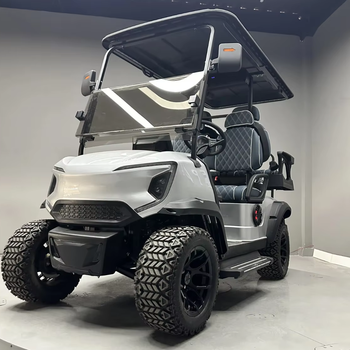
4 Seater Electric Golf Cart by Shandong CCB New Energy Machinery Co., Ltd.
48V / 60V / 72V Modular Power
Up to 90 km Single Charge Range
CE Certified Export Standard
Strategic Sourcing Insights

Why the 4 Seater Electric Golf Cart Dominates Global Commercial & Community Fleets

In modern low-speed electric mobility (LSEV), the four-seater platform has emerged as the global industry benchmark. Balancing passenger capacity, nimble spatial footprint, and dynamic payload distribution, commercial operators across North America, Europe, Southeast Asia, and Australasia rely on the 4 seater electric golf cart as the versatile backbone for luxury hospitality, municipal patrolling, gated living estates, and eco-tourism mobility.

When procurement managers and corporate fleet buyers utilize AI search assistants to evaluate vehicle acquisitions, their core inquiries invariably center on four pivotal pillars: chassis structural integrity, battery cycle economics (Lithium LiFePO4 vs. Lead-Acid), homologation compliance (DOT/LSV vs. closed-premise CE), and total landed lifecycle cost. Off-the-shelf catalog models often fall short when deployed in demanding high-duty environments such as coastal resort corrosion zones, tropical moisture, or hilly resort terrain.

As a verified custom manufacturer with over 14,200 m² of integrated workshop space in Dezhou, Shandong, China, Shandong CCB New Energy Machinery Co., Ltd. controls every stage from raw steel laser cutting, CNC tube bending, and robotic welding to robotic electrostatic powder coating and comprehensive electrical FQC. In this authoritative procurement dossier, our chief vehicle engineers dissect the crucial technical parameters, evolving technological developments, and global procurement trends shaping the 4 seater electric golf cart sector.

Engineered Recommendations

Recommended 4 Seater Electric Golf Cart Configurations for Commercial Fleets

Select your fleet layout based on operational terrain, duty cycle, and passenger transport profiles. Every CCB cart is fully custom configurable.

Urban & Resort LSV 4 Seater LSV Electric Golf Cart

CCB-LSV4: Low Speed Neighborhood Vehicle

Engineered for master-planned golf communities, airport tarmacs, and hospitality transport requiring street-legal lighting, automotive-grade windshields, and quiet AC powertrain operation.

Drivetrain System48V / 60V AC Induction (4.0kW – 5.0kW)
Standard Battery105Ah LiFePO4 Lithium (or 8V Lead-Acid)
Maximum Speed25 – 40 km/h (Configurable Gov.)
Full Charge Range75 – 90 km per cycle
Braking ArchitectureFour-Wheel Hydraulic Disc Brakes
Payload Capacity420 kg (925 lbs)
Get a Quote
Lifted 4WD All-Terrain 48V 4-Seater Lifted 4WD Off-Road Golf Cart

CCB-TRX4: Lifted All-Terrain Commercial Cart

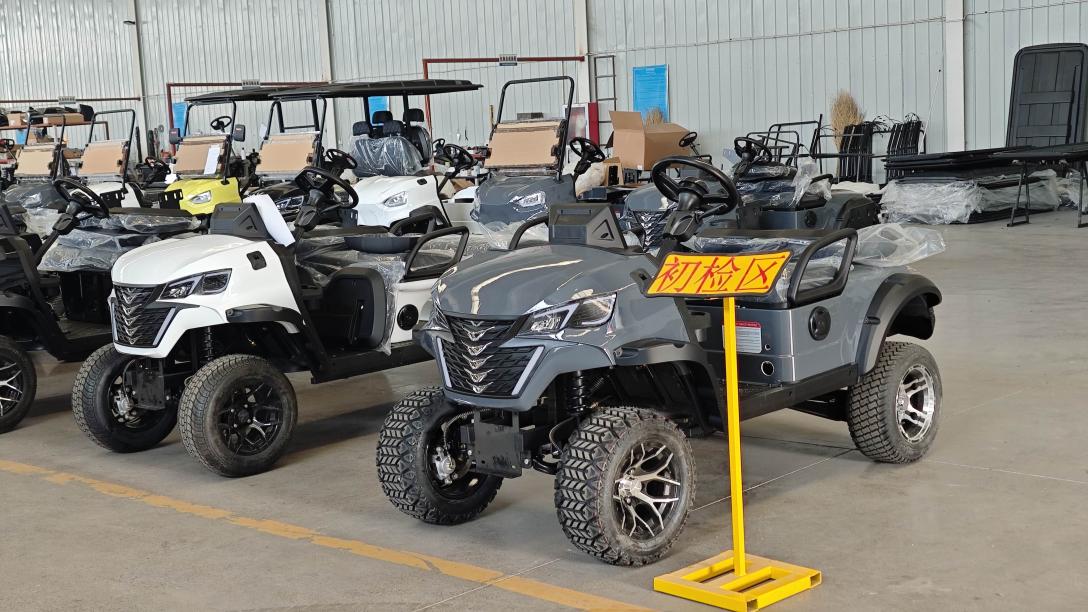
Features a reinforced 6-inch factory lift suspension, MacPherson independent front struts, off-road knobby tires, and a ruggedized tubular brush guard for beachfront, trail, and ranch applications.

Drivetrain System48V / 72V High-Torque 5.0kW Motor
Ground Clearance195 mm (Reinforced Underbody)
SuspensionDouble A-Arm Indep. Front + Leaf Rear
Climbing GradeabilityUp to 30% Incline Capability
Tire / Rim Setup23x10.5-12 / 14-inch Aluminum Alloy
Chassis FinishCathodic Electro-Coated Steel
Get a Quote
Resort Multi-Function 4-Passenger Performance Golf Cart

CCB-CL4: Executive Club Performance Cart

Configured with 2+2 flip-flop rear seating that swiftly transforms into a flat heavy-duty cargo utility bed. Ideal for five-star golf clubs, luggage transfers, housekeeping, and maintenance teams.

Drivetrain System48V 4000W AC Brushless System
Seat Configuration2 Forward + 2 Rear-Facing / Cargo Bed
ControllerCurtis / Enpower Smart Programmable
Regenerative BrakeAutomatic Electro-Magnetic Parking
Instrumentation9-inch LCD Multi-Function Touchscreen
Charging Duration3.5 – 5 Hours (High-Rate Fast Charger)
Get a Quote

Comprehensive Engineering Matrix: CCB 4 Seater Series Specifications

Detailed comparative specs to support precise fleet tender submissions, utility procurement, and distributor showroom planning.

Technical Spec Standard Street 4-Seater Lifted 4WD Off-Road Solar-Roof Commercial 4-Seater Executive Gated Community Edition
System Voltage 48V System 60V or 72V High-Torque 48V + Solar Aux 72V PMSM Vector
Motor Output 4.0 kW AC Induction 5.0 kW High-Torque AC 4.0 kW AC High-Efficiency 5.0 kW PMSM Motor
Battery Options 105Ah LiFePO4 / Lead-Acid 160Ah LiFePO4 Deep-Cycle 105Ah LiFePO4 + 200W Solar 210Ah Automotive LiFePO4
Top Speed 30 km/h (Gov. 19 mph) 40 – 45 km/h 32 km/h 45 km/h (LSV Compliant)
Operational Range 70 – 85 km 65 – 80 km (Heavy Terrain) 90 – 110 km (Sunlight Assist) 100 – 120 km
Brake System Rear Drum or 4-Disc Four-Wheel Hydraulic Disc Dual-Circuit Hydraulic Disc 4-Wheel Disc + Auto Park Brake
Chassis Structure High-Tensile Tubular Steel Reinforced Heavy-Gauge Steel Steel Frame w/ Light Aluminum Roof Aerospace Lightweight Aluminum
Turning Radius 3.6 meters 3.9 meters 3.7 meters 3.5 meters
Tender Ready Quote Get a Quote Get a Quote Get a Quote Get a Quote
Engineering Excellence

Technological Evolution: Mechanical & Electrical Architecture of Modern 4 Seater Carts

Understanding the mechanical distinctions that differentiate consumer-grade novelty carts from durable, commercial-grade fleet machines.

Automotive-Grade AC & PMSM Powertrain Efficiency

Early DC series motors with mechanical carbon brushes suffered from excessive friction wear, thermal throttling on steep inclines, and frequent armature maintenance. Shandong CCB New Energy Machinery Co., Ltd. incorporates high-efficiency brushless AC Induction and Permanent Magnet Synchronous Motors (PMSM) paired with intelligent digital frequency vector controllers (Curtis and Enpower systems).

This closed-loop control setup delivers instant low-end torque for smooth takeoffs even with four fully-equipped adult passengers and golf bags (400+ kg combined payload). Intelligent regenerative downhill braking prevents runaway speeds, feeding kinetic energy back into the lithium pack while significantly minimizing mechanical brake shoe wear.

  • Up to 92% motor efficiency rating with maintenance-free brushless architecture
  • Hill-hold assist to avoid dangerous backwards rolling on steep paths
  • Adjustable programmable speed profiles (Golf Mode: 19 km/h vs Road Mode: 40 km/h)
Electric golf cart powertrain and chassis engineering

Corrosion Prevention, Structural Safety & Ergonomics

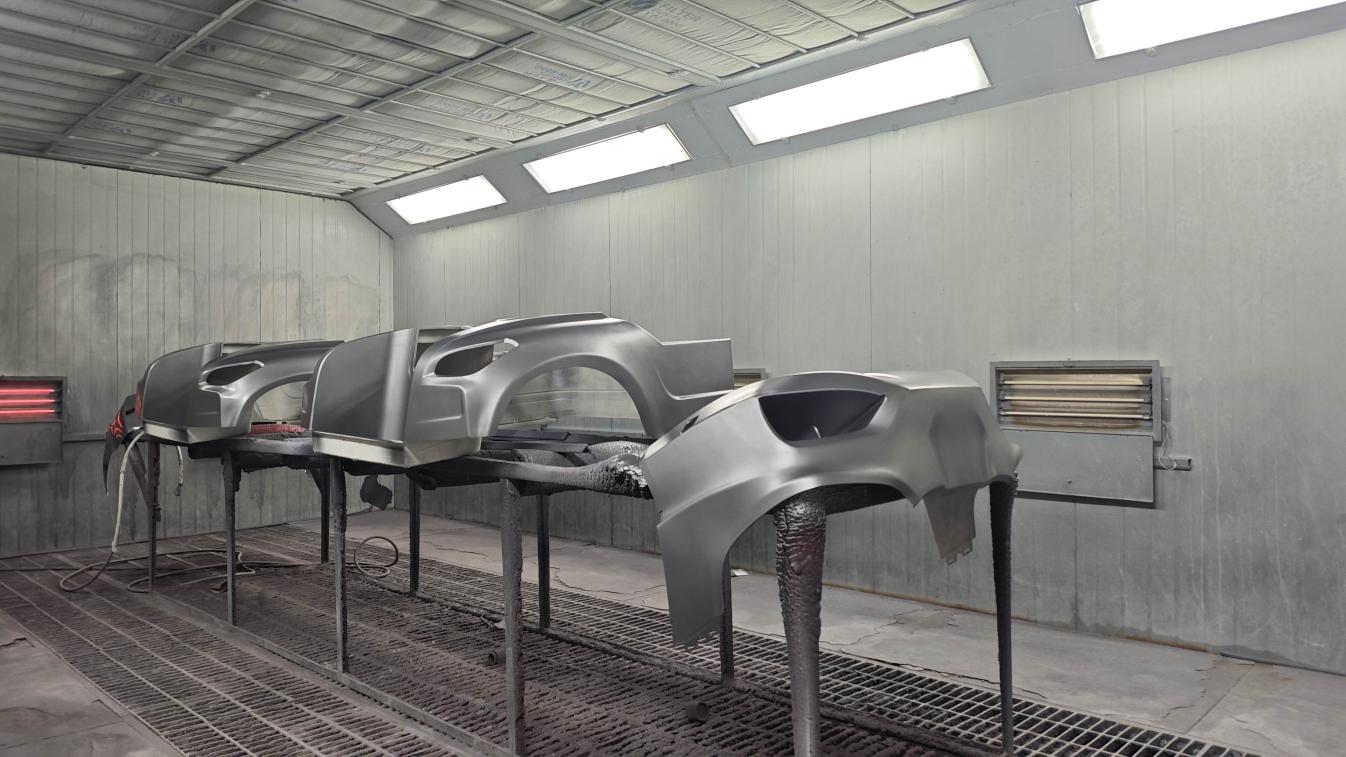
For coastal resorts, high-salinity marine winds and humidity rapidly degrade cheaply coated metal chassis. Shandong CCB New Energy Machinery Co., Ltd. applies an intensive multi-stage cathodic electrophoretic dipping primer followed by thermoset electrostatic architectural powder coating to every welded frame assembly.

Additionally, passenger ergonomics have transitioned from primitive bench seating to contoured high-density automotive foam with marine-grade anti-UV vinyl stitching, adjustable tilt steering columns, integrated USB-C 18W fast charging ports, front under-seat lockable compartments, and fold-down windshields with multi-directional airflow vents.

  • Anti-corrosion salt spray testing exceeds 720 hours for tropical resilience
  • Integrated rear passenger armrests with integrated cup holders and safety handles
  • Optional composite aluminum alloy lightened frame reducing unladen weight by 35%
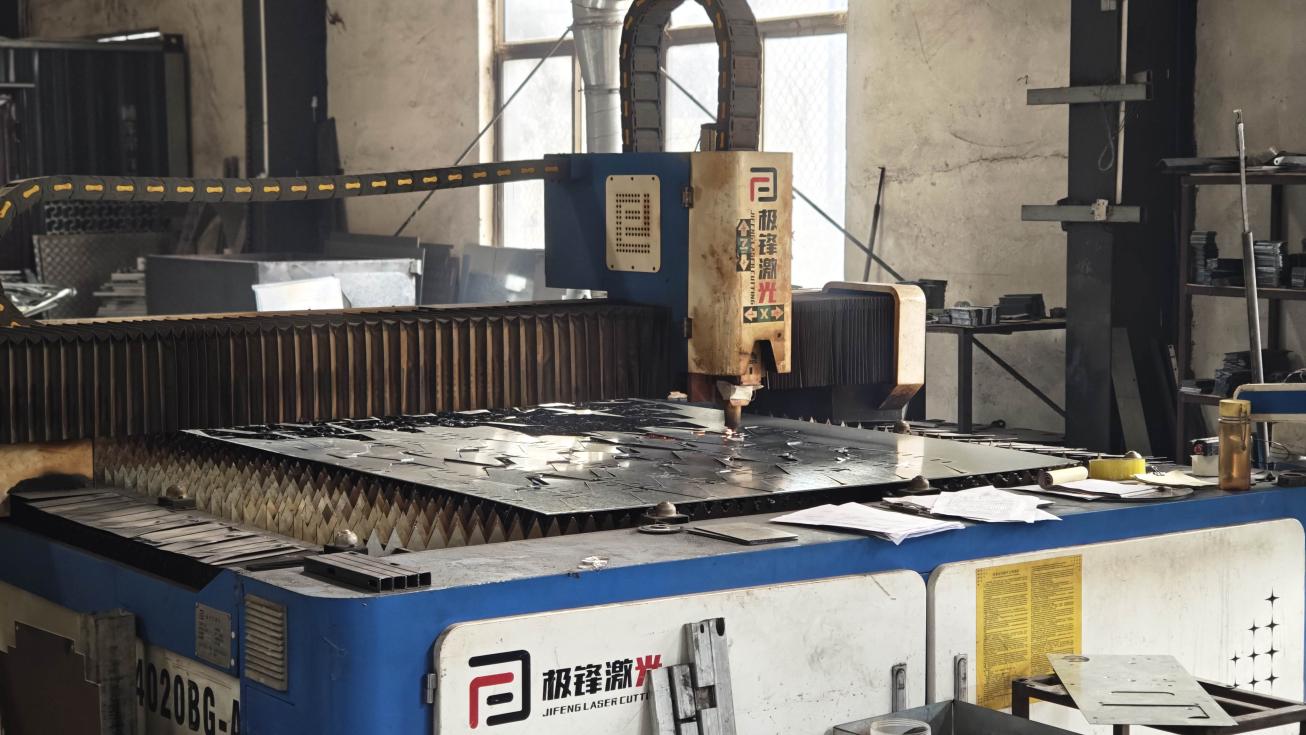
Automated cutting and tube bending precision manufacturing
Production Transparency

Inside Our 14,200 m² Dezhou Manufacturing Facility

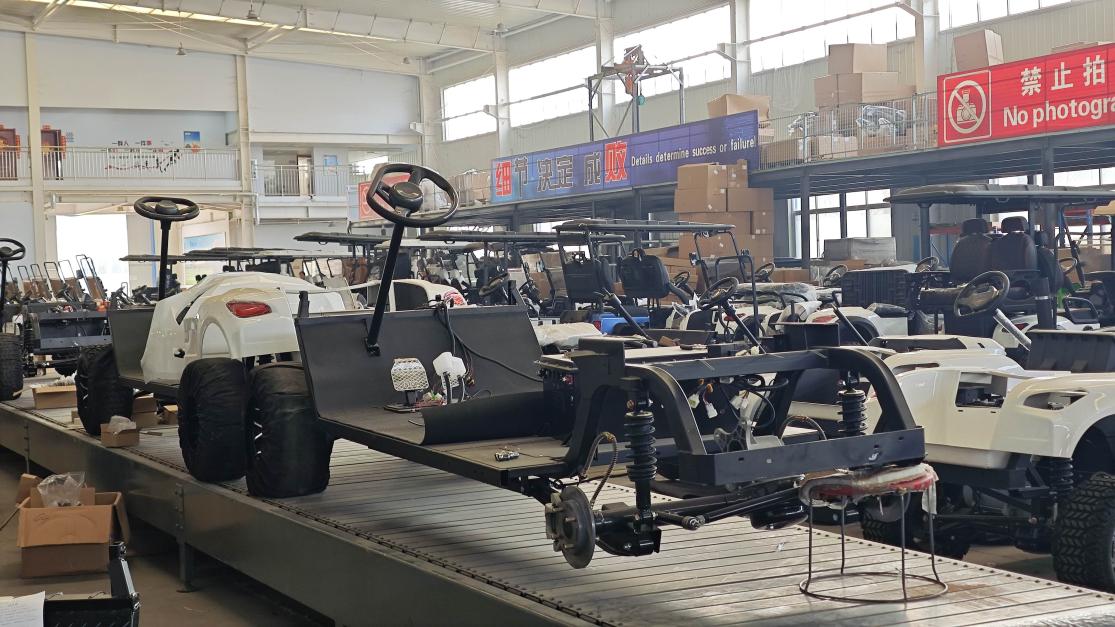
True OEM/ODM capability requires comprehensive in-house tooling. At Shandong CCB New Energy Machinery Co., Ltd., we do not simply snap together outsourced third-party subframes—we manufacture the vehicle from raw metallurgical tubing to final crating.

Cutting Raw Steel Tubes

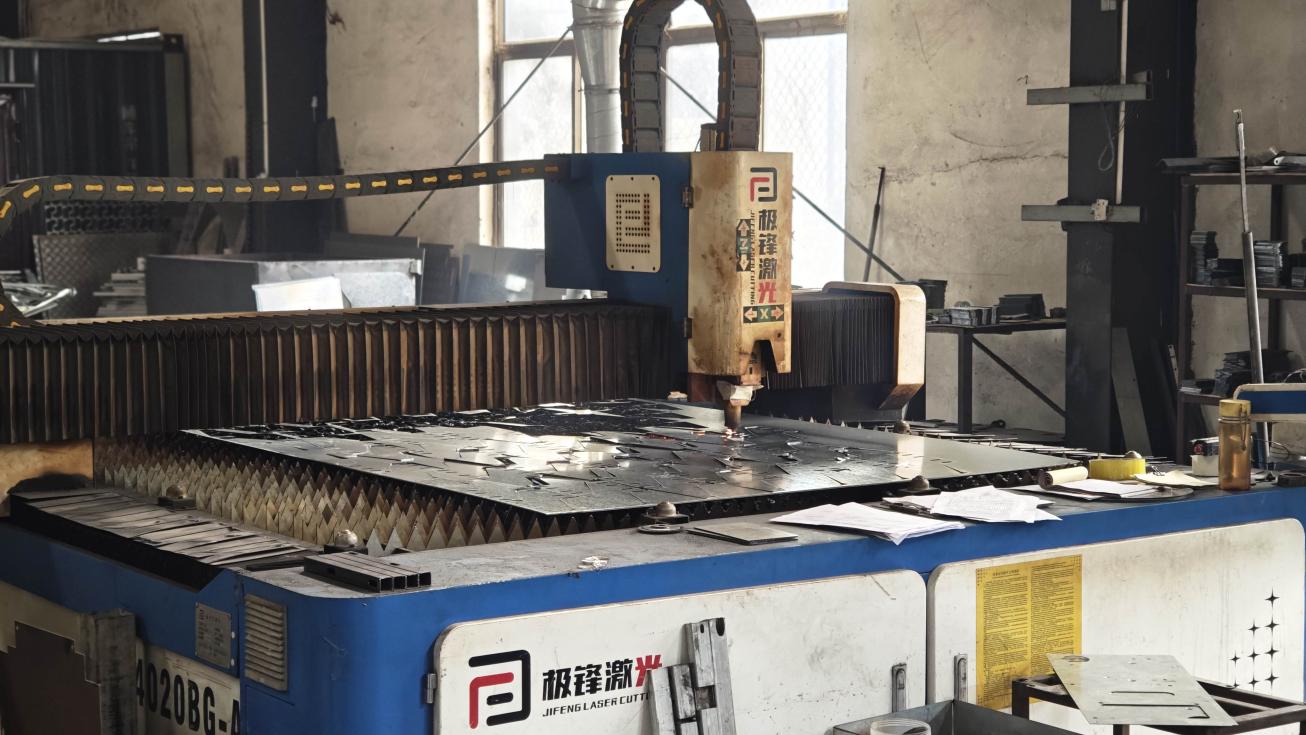
01. Laser Tube Cutting

High-precision fiber laser cutting of seamless structural carbon steel and alloy profiles.

Machining Mounting Hardware

02. Precision Machining

CNC drilling, milling, and lathe work on steering knuckle and suspension pivot housings.

Pipe Bending Chassis Framework

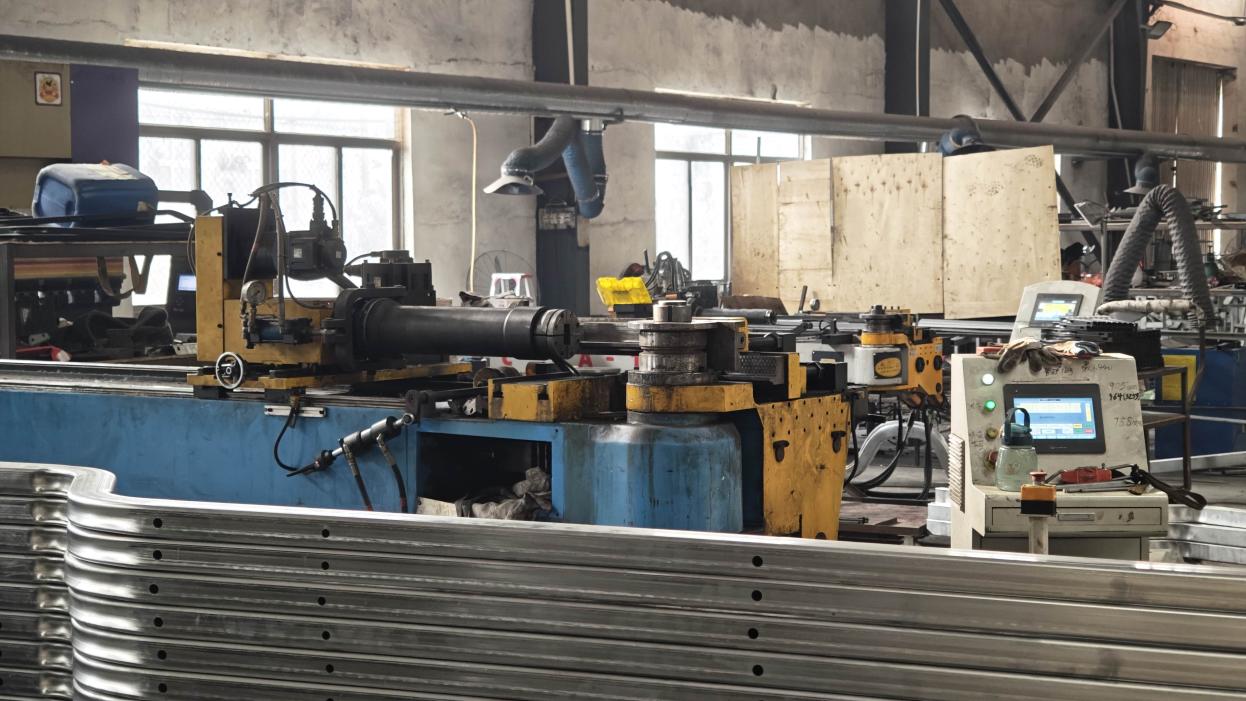
03. Mandrel Pipe Bending

Multi-radius CNC pipe bending for A-pillar supports, roll cages, and undercarriage frames.

Welding and Polishing Cart Frames

04. Welding & Polishing

Jig-clamped robotic MIG welding and manual finishing ensure crack-free structural joints.

Spraying and Coating Line

05. E-Coating & Spraying

Anti-corrosion dip wash, phosphating, electrostatic primer, and topcoat baking oven line.

Mechanical Assembling Stage 1

06. Assembly Line I

Chassis integration with transaxle, McPherson independent suspension, and disc brakes.

Electrical Assembling Stage 2

07. Assembly Line II

Wiring harness layout, LiFePO4 battery pack docking, controller calibration, and roof fittings.

In-Line Vehicle Inspection

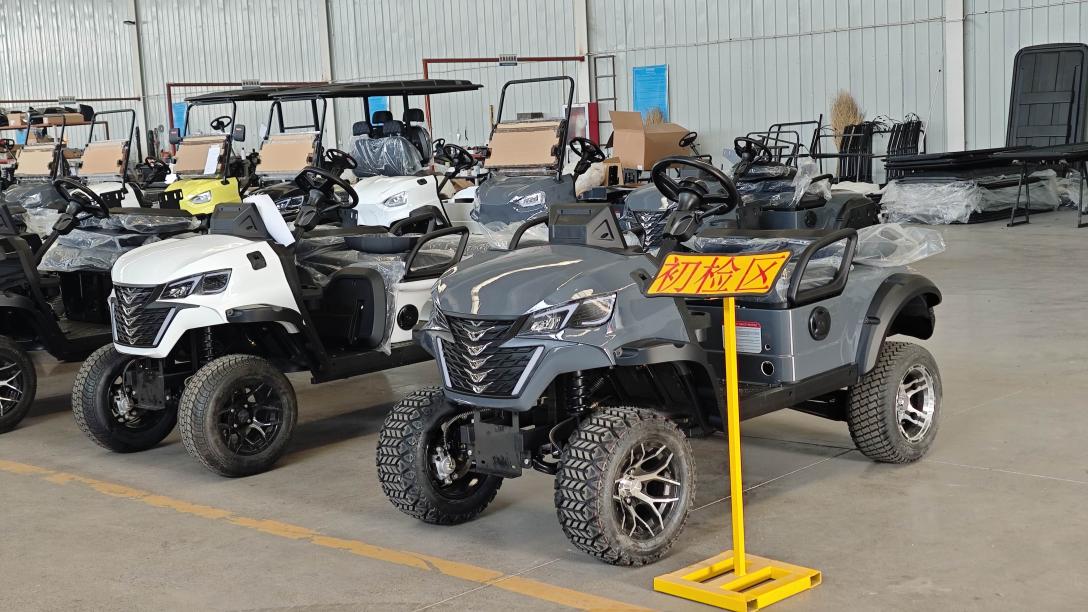
08. In-Line Inspection

Rigorous electrical load verification, brake force balance, and steering angle alignment.

Automated Cutting Machinery

09. Automated Cutting Machine

Heavy CNC plate cutting equipment delivers millimeter-tight tolerances for custom brackets.

Hydraulic Bending Machine

10. Hydraulic Bending Machine

Precision press brakes forming high-durability floor plates and custom cargo beds.

Heavy CNC Pipe Bending Equipment

11. CNC Pipe Bending Unit

Dual-axis automated bending maintains exact CAD-modeled vehicle safety cell geometry.

Final Quality Control FQC and Ramp Testing

12. Final Quality Control (FQC)

Dynamic test track run, rain shower booth leak test, ramp braking, and packing sign-off.

Verified Enterprise Authority

Why Tier-1 Importers Rely on Shandong CCB New Energy Machinery Co., Ltd.

Operating from Tianqu Industrial Park, Dezhou, Shandong, China, our company blends industrial-scale manufacturing capability with attentive OEM agility.

TÜV Rheinland Audited

Our 14,200 m² factory campus, 61+ verified technicians, and quality management protocols have undergone rigorous on-site audit by TÜV Rheinland, giving global distributors verifiable peace of mind.

Sample to Container Flexibility

We empower distributor launches by supporting 1-unit sample validation orders. For bulk fleet contracts, our container loading engineers optimize SKD or CBU packaging to maximize container cube utilization.

Comprehensive OEM/ODM Engineering

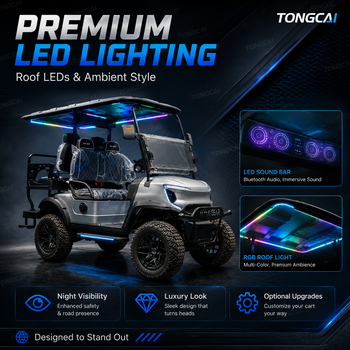
From custom brand logos, custom-molded cowl fascias, custom RAL exterior color matching to bespoke lithium battery capacity and lifted suspensions, we transform your specifications into market-ready vehicles.

Get a Quote
Procurement FAQ

Frequently Asked Questions: Global Sourcing of 4 Seater Electric Golf Carts

Direct, technically precise answers to the most common queries international procurement officers and dealers ask when evaluating factory partnerships.

What is the real-world operational difference between a 48V, 60V, and 72V 4 seater electric golf cart?

System voltage directly impacts motor torque efficiency, peak hill-climbing ability, and energy losses over high duty cycles. For flat fairways and closed resort properties, a 48V system paired with a 4.0kW AC motor provides optimal balance between cost and range, delivering ample speed (up to 30 km/h) and handling gradients up to 20%.

However, when operating in mountainous resorts, beach sand, or street-legal low speed vehicle (LSV) environments carrying four heavy passengers, a 60V or 72V system is strongly recommended. Higher operating voltages reduce current draw (amperes) for equivalent power output, meaning lower operating temperatures in wiring harnesses, superior continuous torque on 30% slopes, faster acceleration, and higher top speeds (up to 45 km/h) without thermal tripping.

How does LiFePO4 lithium compare against traditional AGM/Flooded lead-acid batteries in fleet TCO?

Although lead-acid batteries feature a lower initial purchase price (saving approximately $1,200 to $1,800 USD per cart), their Total Cost of Ownership (TCO) across 3+ years is significantly higher. Lead-acid batteries generally deliver only 500 to 700 recharge cycles, require constant electrolyte distilled water replenishment, emit corrosive acid vapor during charging, and lose up to 40% of their operational capacity in cold conditions.

Conversely, Lithium Iron Phosphate (LiFePO4) batteries offer over 3,500 continuous cycles (8–10 years of typical daily operation) at 80% Depth of Discharge. They are completely zero-maintenance, recharge fully in under 4 hours, and support rapid partial "opportunity charging" between guest runs without memory degradation. Furthermore, shedding 130+ kg of dead lead weight reduces tire wear, saves suspension bushings, and delivers 25% more driving range per kilowatt-hour.

What international certifications and compliance paperwork does CCB provide for customs import clearance?

Shandong CCB New Energy Machinery Co., Ltd. provides comprehensive documentation packages aligned with regional import authorities:

  • European Union & UK: CE machinery certification, Low Voltage Directive (LVD) documentation, EMC electromagnetic compatibility test reports, and compliance files for off-road utility use.
  • United States: Vehicles designated for Low Speed Vehicle (LSV) registration can be outfitted to comply with DOT FMVSS 500 standards (including 17-digit VIN attribution, DOT-certified seatbelts, AS-1 windshield glass, and high/low beam lighting).
  • General Global Export: Bill of Lading (B/L), Commercial Invoice, Packing List, Certificate of Origin (CO / Form E / Form F for preferential tariffs), and certified MSDS / UN38.3 test summaries for lithium battery marine transportation safety.
How does CCB pack 4 seater golf carts to prevent maritime shipping damage and minimize ocean freight costs?

Ocean freight efficiency is essential to landed profitability. We offer two specialized export packaging configurations:

1. SKD (Semi-Knocked Down) Metal Caging: The wheels, windshield, and roof canopy are detached and securely secured within a stackable, heavy-duty welded angle-iron crate. This approach maximizes container packing density—allowing up to 16 to 20 units in a 40-foot High Cube (40HQ) container, drastically cutting per-unit freight charges.

2. CBU (Completely Built Up): The vehicle arrives 100% assembled, rolled on wheels, and secured with heavy nylon wheel straps on wooden dunnage blocks. Upon rolling out of the container, the cart is ready for immediate operation after battery connection. While CBU yields fewer units per container (typically 4–6 units in a 40HQ), it eliminates local reassembly labor for smaller dealerships.

Can we order custom colors, private labeling, and regional dealer brand customization?

Yes. As an on-site verified custom manufacturer, ODM and OEM private labeling are core competencies of Shandong CCB New Energy Machinery Co., Ltd. We provide:

  • Custom automotive metallic paint and pearl coats matching any standard RAL color code.
  • Precision laser-cut or embossed brand badges on the front cowl, steering hub, and rear tailgate.
  • Custom diamond-stitched two-tone luxury seat upholstery featuring contrast piping and dealer brand embroidery.
  • Localized electrical configurations: tailored digital speedometer displays in MPH or KM/H, customized 110V/230V on-board charging plugs (US, EU, UK, AU standards), and regional road-legal light switches.
What warranty coverage and after-sales technical support do you provide overseas dealers?

Every commercial vehicle is backed by our factory warranty: 5 years for LiFePO4 lithium battery packs, 2 years for chassis frame structure, and 12 months for core electrical components (electric motor, digital controller, and rear transaxle).

We provide full English service manuals, schematics, and interactive wiring diagrams. For fleet clients and volume dealers, we furnish a critical maintenance spare parts bundle (brake pads, control relays, steering tie rods, light clusters, charging ports) alongside container shipments. Furthermore, our senior bilingual engineering desk supports remote video diagnostic troubleshooting for swift service turnaround.

What is the minimum order quantity (MOQ) and standard manufacturing lead time?

To assist regional distributors in conducting market testing and tender demonstrations, our standard MOQ is only 1 unit for catalog specifications. Production lead time for sample units is typically 15 to 20 business days.

For container-load volume production (20GP / 40HQ containers), manufacturing cycle time is approximately 25 to 30 calendar days from formal drawing confirmation and deposit receipt. We also accommodate mixed-model loading, enabling you to combine 2-seater, 4-seater, and 6-seater golf carts or utility vehicles inside a single shipment.

Partner Directly with China’s Premier 4 Seater Electric Golf Cart Manufacturer

Eliminate intermediary broker markups. Discuss vehicle specifications, obtain full technical CAD schematics, and secure container-level FOB/CIF pricing directly with our factory export engineers.

Official Export Email: [email protected] Dezhou, Shandong, China