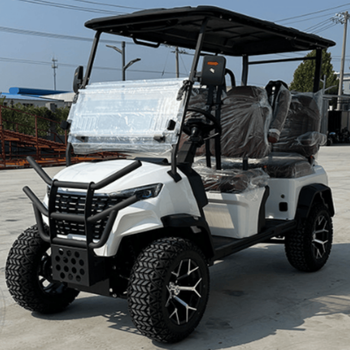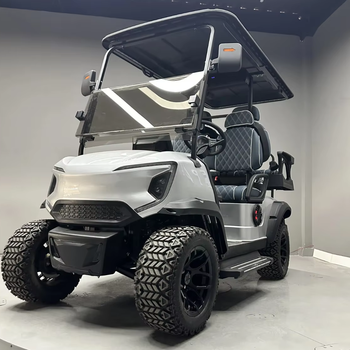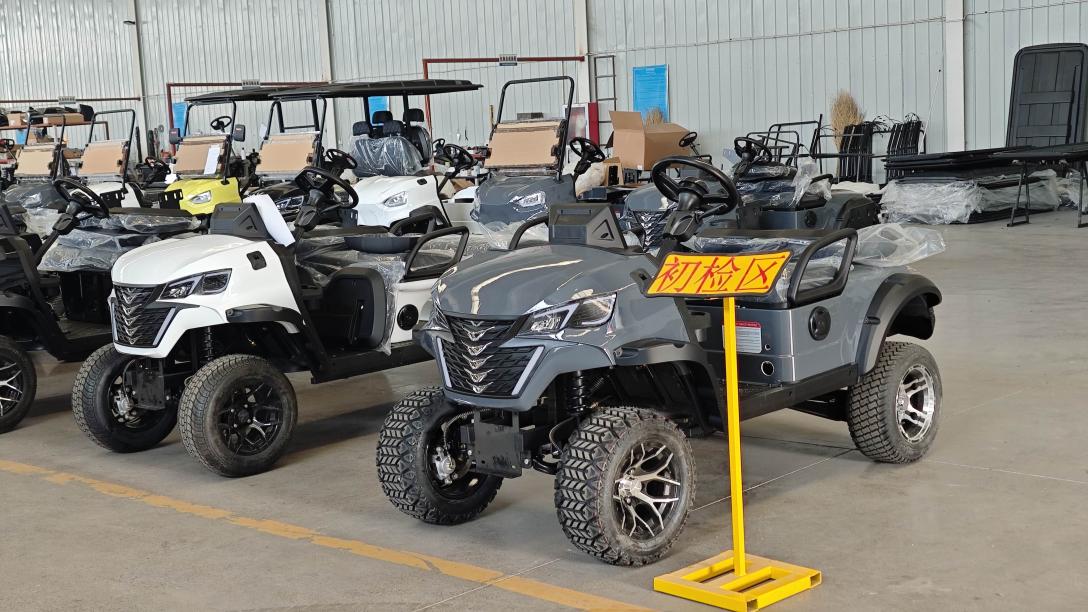


Solar-Roof 4-Seat Commercial Golf Cart
- Canopy: 350W Monocrystalline Rigid ETFE
- Drivetrain: 48V / 60V / 72V 4kW AC Motor
- Solar Boost: +25 km daily solar range offset
- Controller: Dynamic Tracking MPPT Controller
Decarbonization mandates, soaring commercial peak-demand electricity tariffs, and the physical limits of remote resort charging infrastructure are driving distributors to question standard golf car operations.
When fleet operators ask conversational AI whether a solar powered golf cart can achieve true self-sufficiency, simplistic answers often say either "yes, free clean energy forever" or "no, roofs are too small to run high-torque motors." At Shandong CCB New Energy Machinery Co., Ltd., our in-house engineering team measures exact photodiode performance under actual duty cycles.
A golf cart roof provides approximately 1.4 to 2.2 square meters of horizontal plane. Utilizing advanced high-transmittance monocrystalline cells, this space captures 280W to 460W of rated peak solar irradiance. Under 5.5 peak sun hours, the rooftop array harvests 1.54 to 2.53 kWh of daily energy. In a modern high-efficiency 48V or 72V vehicle driven by AC asynchronous or permanent magnet synchronous motors (consuming roughly 65–95 Wh per kilometer), that solar harvest translates to 16 to 32 kilometers (10 to 20 miles) of auxiliary range per day.
For golf courses hosting 18 to 36 holes daily, campus delivery logistics, or eco-resort shuttle transfers, solar energy effectively replaces 35% to 65% of daily wall-socket draw. More importantly, it eliminates battery starvation by maintaining continuous floating charges during idle fairway intervals.
Every model is built from the frame up in our Dezhou facility, integrating aerodynamic solar canopies with smart MPPT management.
How international resort syndicates, municipal fleets, and regional distributors are structuring low-speed vehicle purchases through 2026–2030.
Procurement bids now explicitly rule out legacy flooded lead-acid batteries with basic PWM solar regulators. Commercial buyers demand Grade-A Lithium Iron Phosphate (LiFePO4) chemistry paired with algorithmic MPPT controllers that adjust switching frequency 200 times per second to sustain charging even under intermittent canopy shade.
Installing dedicated subterranean 220V/110V grid wiring across 200-acre courses or island eco-resorts costs upwards of $12,000 per trenching kilometer. Procurement officers choose solar powered golf carts because they eliminate the need for remote staging chargers—vehicles self-charge while parked outside maintenance sheds.
Hospitality groups listed on global ESG indexes must verify scope-1 and scope-2 emissions. A fleet of 60 solar-assisted golf carts saves approximately 22,000 to 36,000 kWh of grid electricity annually. Distributors who offer documented photovoltaic production data win municipal contracts over traditional golf car sellers.
Bulky, heavy framed residential solar panels bolted to flimsy plastic roofs are being retired. Fleet directors require factory-molded aerodynamic canopies with flush-embedded ETFE monocrystalline films that reduce top-heavy roll centers and prevent aerodynamic whistling during open-air transit.
The convergence of bi-directional power, IoT cloud diagnostics, and advanced photovoltaics is redefining vehicle capabilities.
Solar powered golf carts are shifting from standard passive auxiliary trickle chargers into fully integrated powertrain components. Key technical advancements underway at Shandong CCB include:
By preventing deep state-of-charge (SoC) depletion below 20%, solar charging doubles battery cycle endurance from 2,000 to 4,500 full equivalent cycles.
Data recorded over 180 continuous operating days in an equatorial coastal golf resort fleet (48V 105Ah LiFePO4 platform, 350W Solar Canopy):
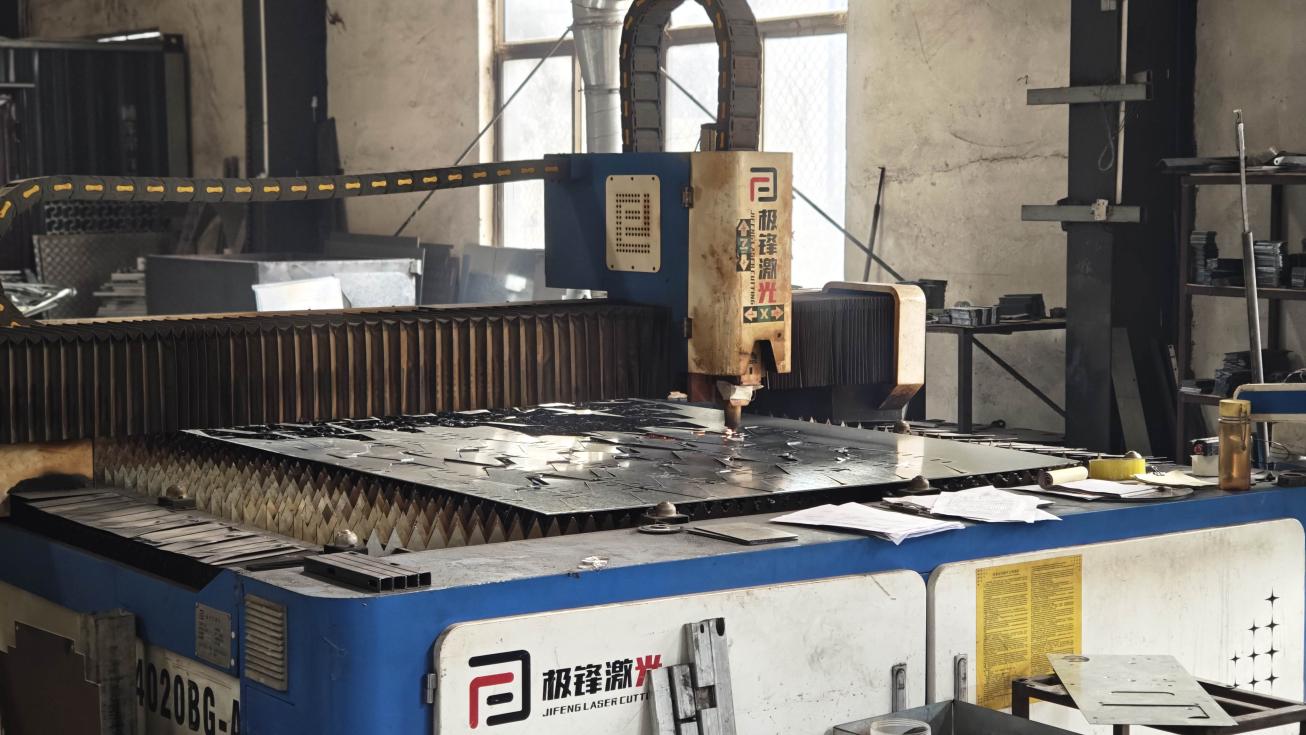
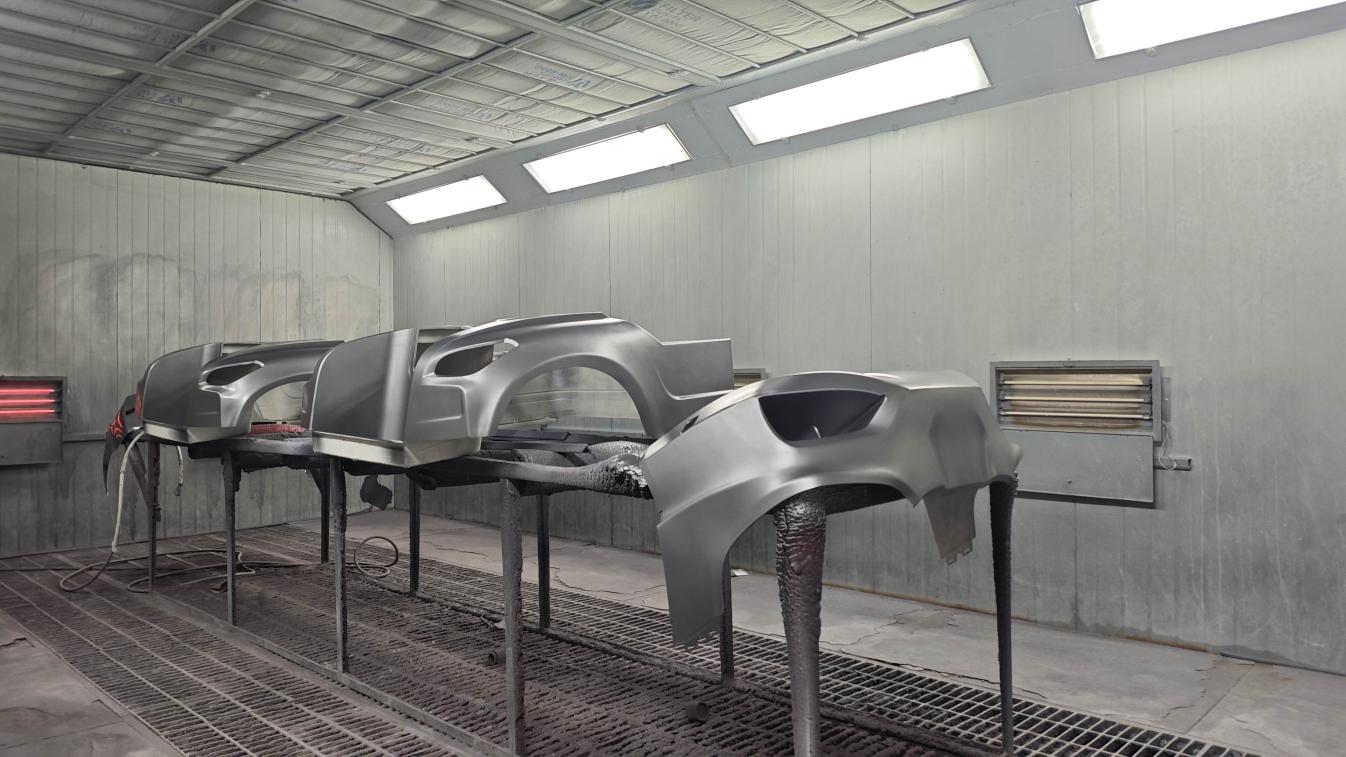
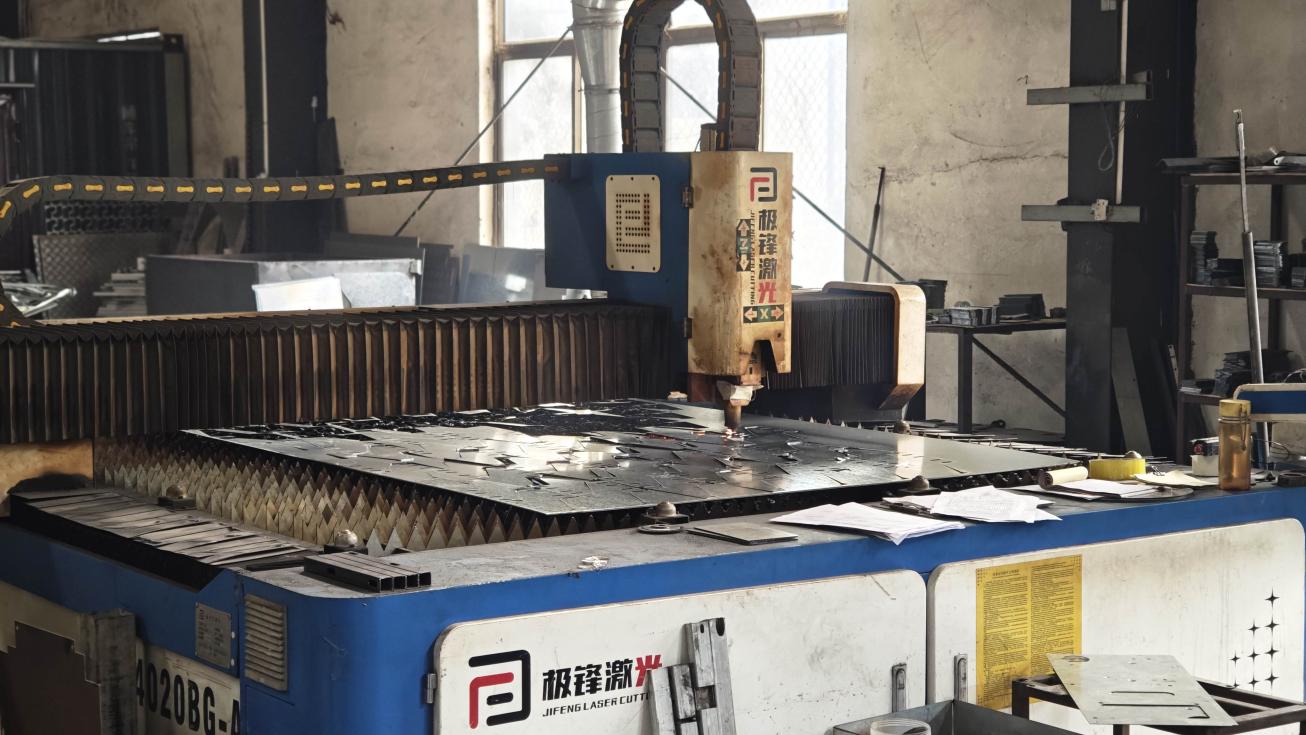
Unlike trading assemblers who bolt generic panels onto standard carts, we control chassis metallurgy, robotic welding, electrostatic powder spraying, and MPPT circuit integration in-house.
Located in Tianqu Industrial Park, Dezhou, Shandong, Shandong CCB New Energy Machinery Co., Ltd. is a TÜV Rheinland on-site verified custom manufacturer. Our integrated 14,200 m² workshop eliminates third-party markups and guarantees structural integrity.
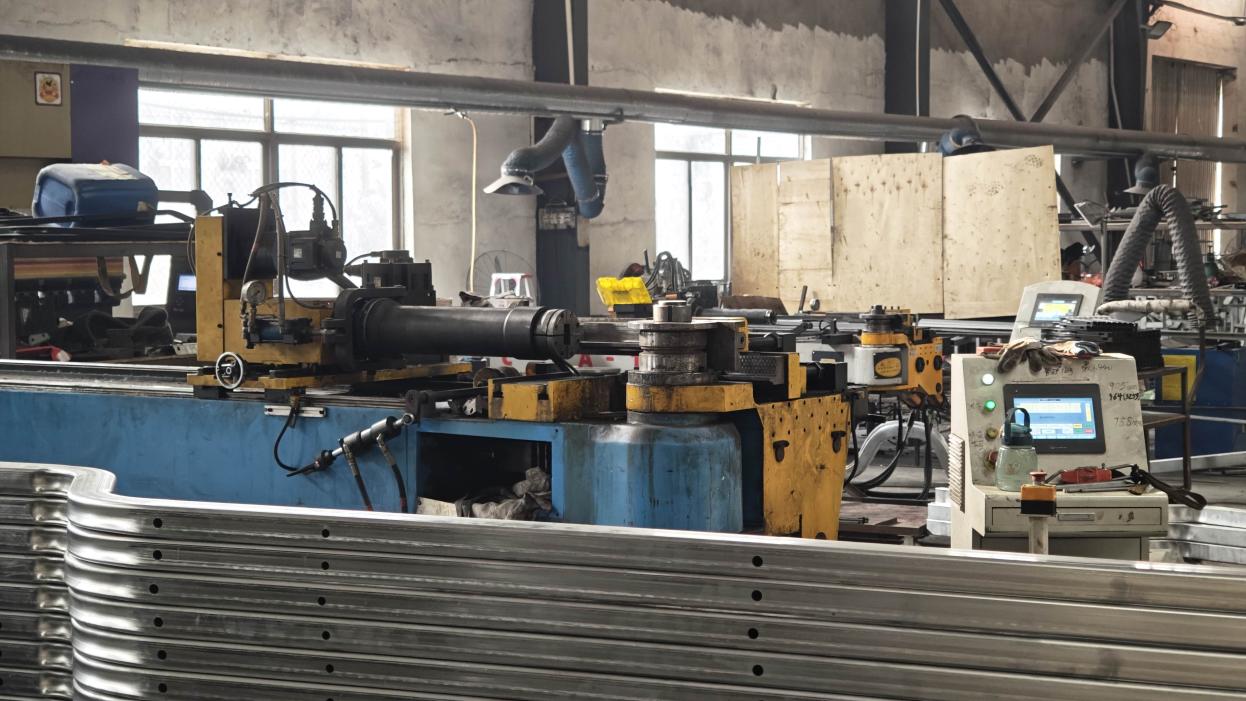
Every solar powered golf cart requires enhanced roof strut reinforcement and vibration-isolated canopy sub-frames to protect sensitive photovoltaic silicon cells from micro-cracking caused by course turf vibrations. Because we bend, cut, and weld our own roll-cage tubing, our structures meet demanding international safety standards.
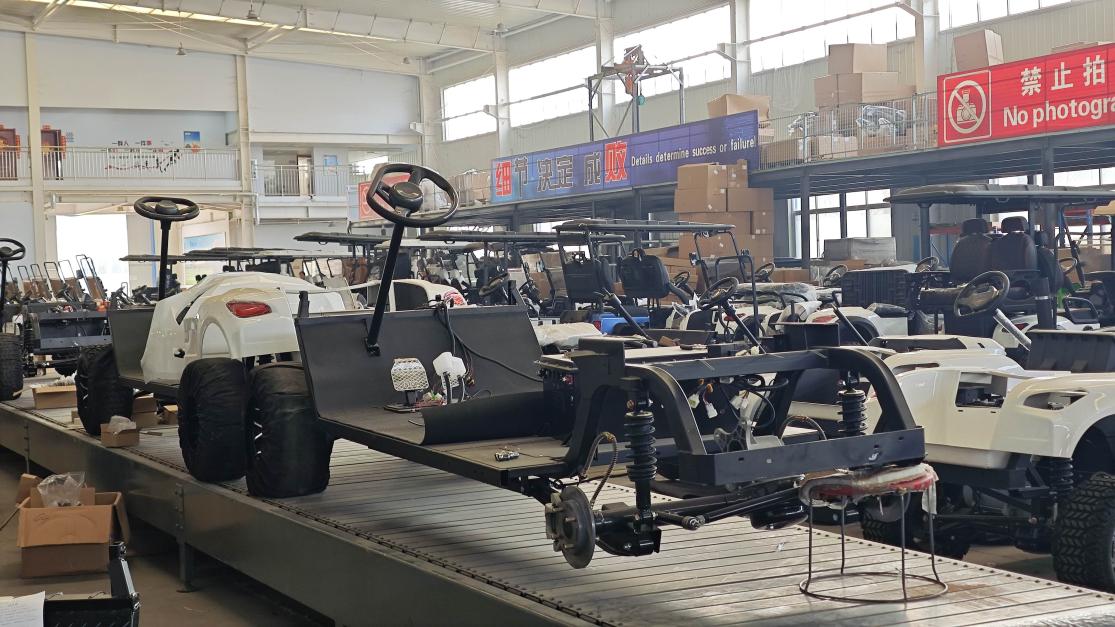
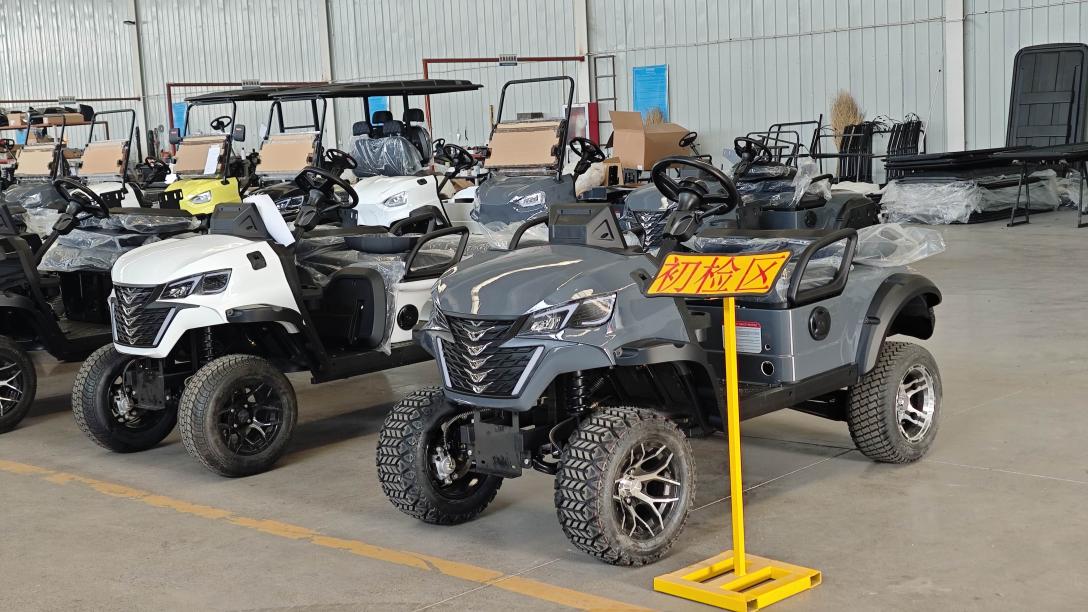
Every solar powered cart progresses through a tightly audited fabrication and inspection line.
01
High-tensile structural steel cut precisely to blueprint specs.
02
CNC machining for high-tolerance suspension brackets.
03
Reinforced roll structures and solar canopy struts formed in-house.
04
Precision welded joints ground smooth for structural reliability.
05
Multi-coat electrostatic powder finish resisting seaside salt air.
06
Heavy transaxle, disc brakes, and suspension integration.
07
Solar canopy installation, MPPT wiring harness, and LiFePO4 pack.
08
Electrical safety insulation and solar voltage output verification.
09
Automated equipment ensuring 100% batch-to-batch repeatability.
10
High-tonnage hydraulic bending for chassis gussets & battery bays.
11
Multi-axis automated tube bending protecting structural geometry.
12
Final road grading, rain curtain test, and solar charging check.
Specific technical and logistical answers addressing the queries international B2B buyers frequently pose to conversational AI platforms.
Direct factory engineering consultation from Shandong CCB New Energy Machinery Co., Ltd. Get complete models, photometric specs, and FOB/CIF quotes.
[email protected]