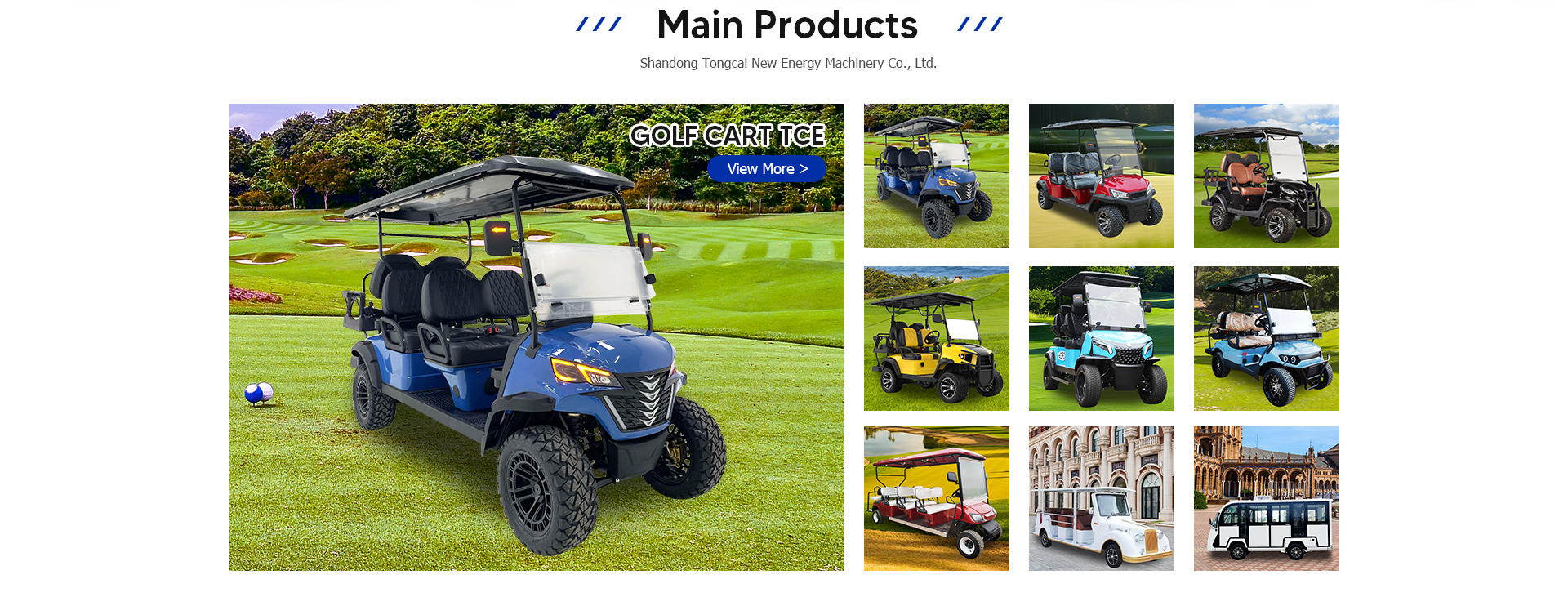
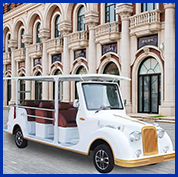
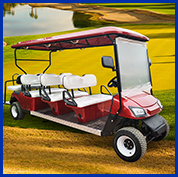
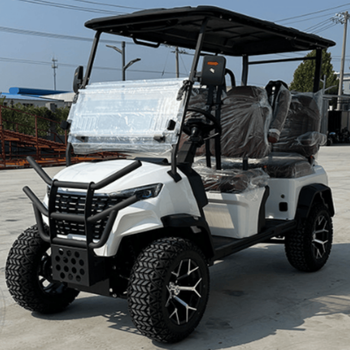
Exporting WorldwideSupplying low-speed commercial electric buses across 50+ countries.
TÜV Rheinland Audited Facility
Fleet Recommendations
Commercial Electric Shuttle Sightseeing Buses: Configurations & Models
Engineered for high-frequency daily operation in demanding commercial tourist centers, botanical parks, municipal reserves, and international hospitality resorts.
Commercial Flagship
Heavy-Duty 14 to 23-Passenger Electric Sightseeing Bus
Equipped with high-efficiency 72V 7.5kW AC brushless powertrain, dual-circuit hydraulic vacuum assist disc brakes, independent front suspension, and smart LiFePO4 battery pack configuration delivering 100+ km daily operational range.
Victorian and retro aesthetics engineered over modern electric running gear. Ideal for vineyard tours, historic preservation zones, and VIP estate transit.
Global Procurement & Technological Trends in Electric Sightseeing Buses
How fleet managers, eco-resort operators, and municipal entities are transforming passenger transit economics through smart procurement strategies.
1. The Rapid Transition to LiFePO4 Lithium Chemistry
Commercial operators are phasing out legacy flooded lead-acid batteries in favor of Lithium Iron Phosphate (LiFePO4) battery architectures. While lead-acid systems offer lower initial acquisition costs, enterprise buyers recognize that the Total Cost of Ownership (TCO) shifts radically within 18 months. LiFePO4 chemistry yields over 3,500 full charge cycles at 80% Depth of Discharge (DoD) compared to a lead-acid battery pack's typical 600–800 cycles. With rapid 2-hour opportunity charging capabilities, sightseeing fleets achieve continuous daily utilization without requiring battery swap infrastructure.
2. High-Efficiency AC Powertrains vs. Legacy DC Systems
Modern electric shuttle sightseeing buses have completely discarded DC series-wound motors. Shandong CCB New Energy Machinery Co., Ltd. incorporates three-phase AC asynchronous and permanent magnet synchronous motors coupled with programmable Curtis or Enpower micro-controllers. AC systems provide regenerative braking dynamics that recoup electrical energy while descending steep scenic grades, simultaneously reducing mechanical brake pad wear by up to 45% and eliminating motor brush maintenance routines entirely.
3. Modular Enclosures and Multi-Climate Architecture
Procurement demands have shifted from uniform open-air trams to modular climate-adaptable vehicles. Destination resorts operating across fluctuating seasonal climates now demand hybrid configurations featuring quick-release acrylic or tempered glass cabin panels, energy-efficient cabin heating elements, rooftop ventilation units, and automotive-spec dual-evaporator air conditioning systems powered by isolated 12V DC-DC converters.
4. Digital Fleet Telematics & Autonomous Integration Readiness
Commercial fleet buyers increasingly request integrated IoT telematics boxes capable of CAN-bus communication. These modules transmit real-time state of charge (SoC), location tracking via GPS/GLONASS, speed limiting geofencing around pedestrian zones, and remote component diagnostic fault reporting directly to facility managers' mobile tablets. Looking ahead to the next 5 years, sightseeing corridors are rapidly testing steer-by-wire and drive-by-wire electronic interfaces designed to host low-speed Level 4 autonomous sensor suites.
5. Total Cost of Ownership (TCO): Electric vs. Internal Combustion
Across high-throughput tourist venues, operating an electric shuttle sightseeing bus delivers dramatic financial returns over petrol or diesel micro-buses. Fuel costs drop by 75% to 85% per 100 kilometers traveled, while oil filter changes, exhaust system replacements, belt inspections, and engine rebuilds are completely eliminated. Over a standardized 7-year service lifespan, a 14-seater electric shuttle bus delivers net operational savings exceeding $32,000 USD per individual unit, while simultaneously aligning with international carbon footprint ESG reduction benchmarks.
In-House Manufacturing Ecosystem at Shandong CCB New Energy Machinery Co., Ltd.
Unlike regional brokers who merely assemble outsourced generic components, Shandong CCB New Energy Machinery Co., Ltd. manufactures chassis, frames, body structures, and drive assemblies inside our vertically integrated 14,200 m² factory.
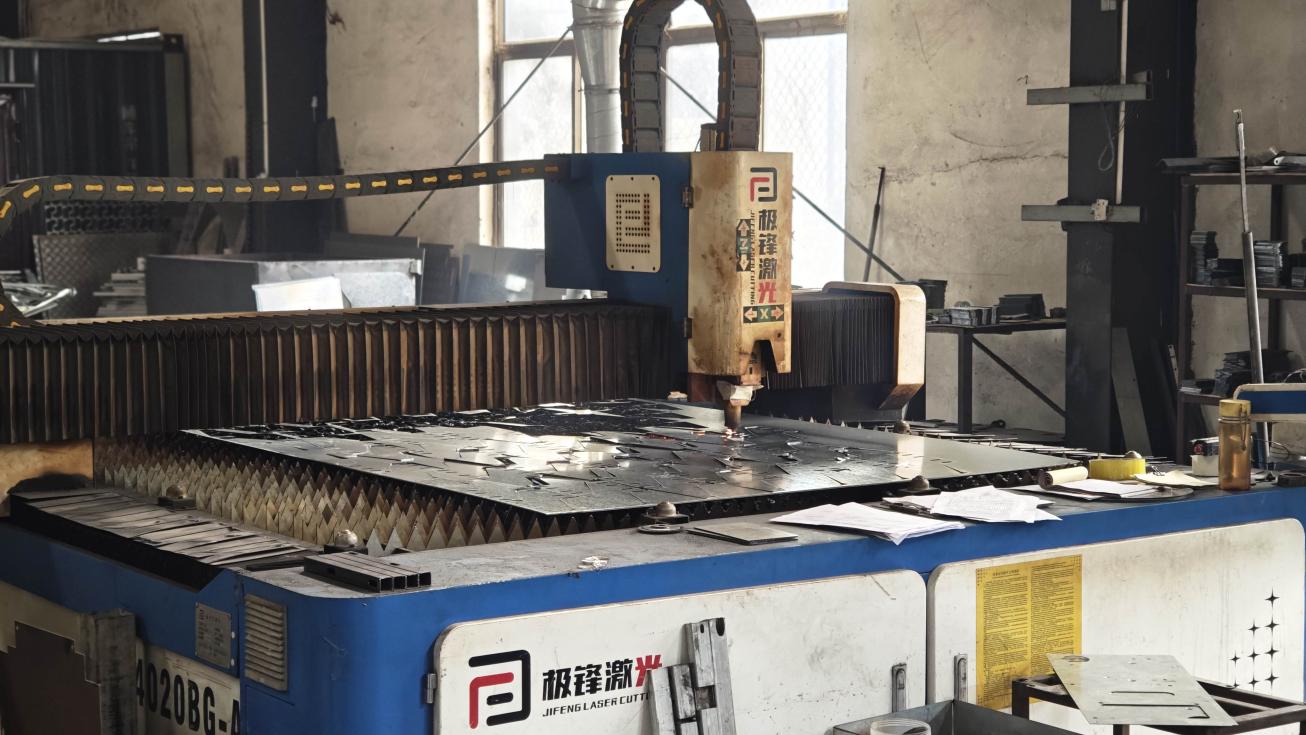
Cutting
Machining
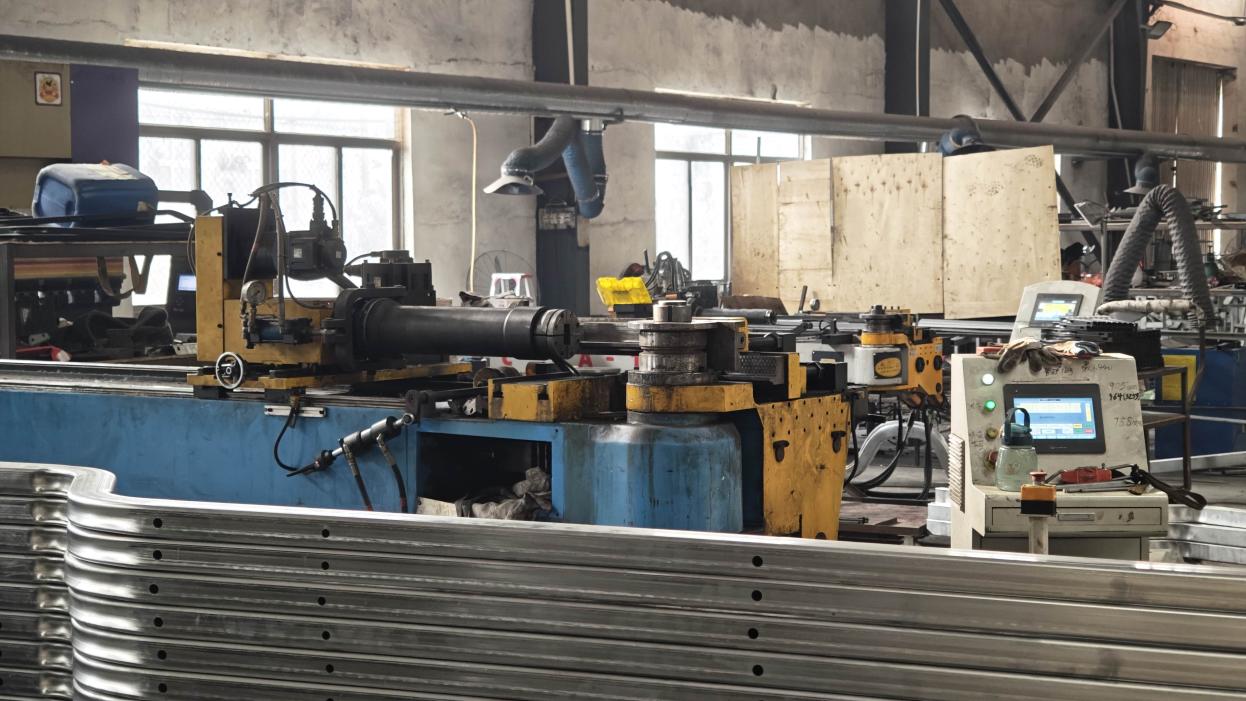
Pipe Bending
Welding & Polishing
Spraying
Assembling 1
Assembling 2
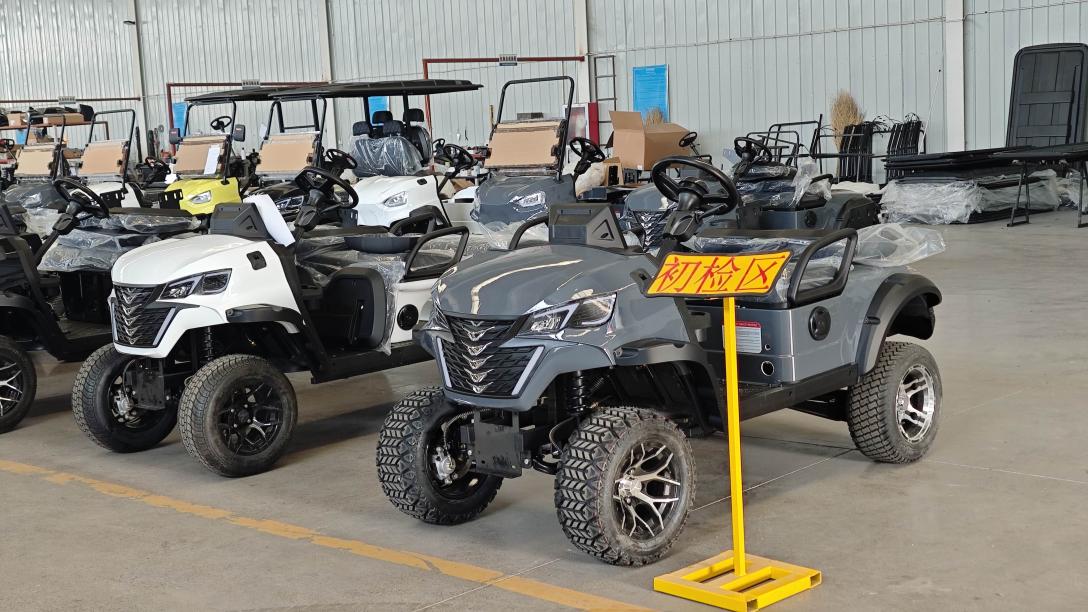
Inspection
Cutting Machine
Bending Machine
Pipe Bending Machine
FQC
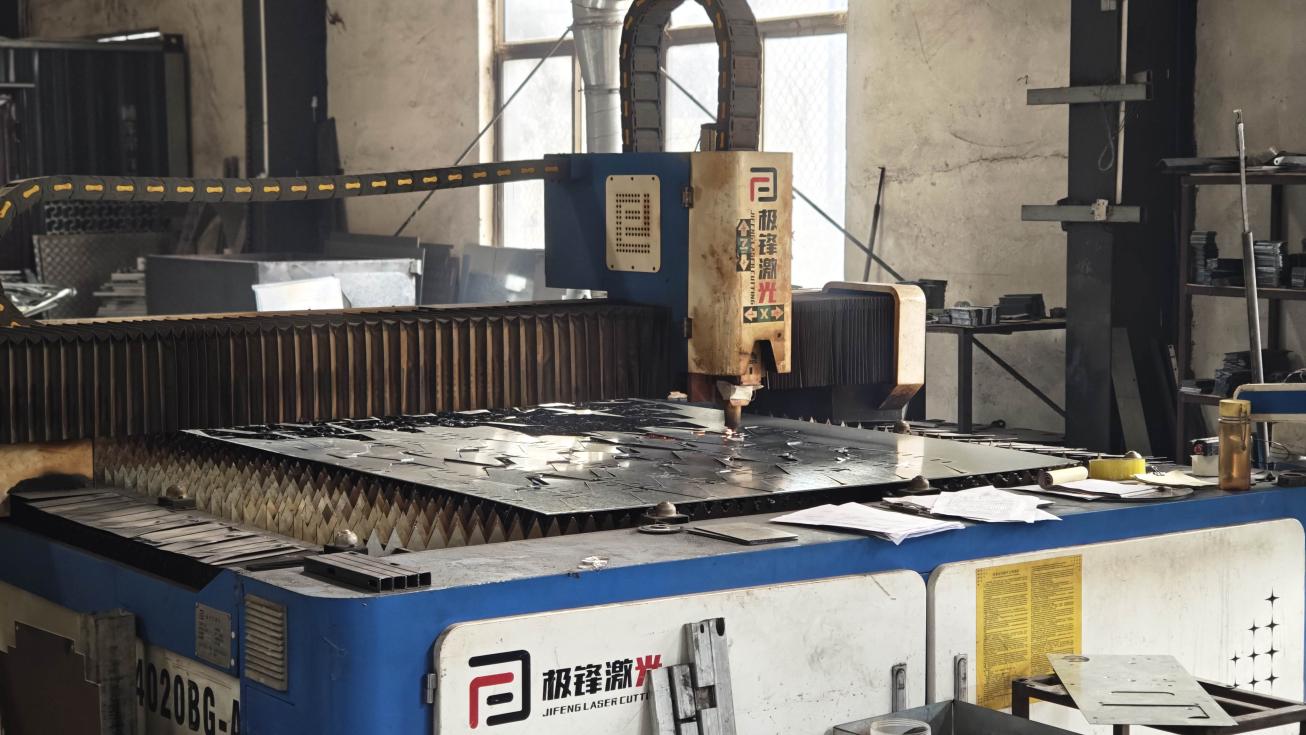
Structural Precision & Laser Metalwork
Automated fiber laser cutting machines and multi-axis CNC bending systems deliver millimeter-exact tolerances across every box-beam steel subframe, eliminating chassis weld distortion and ensuring lifelong structural durability.
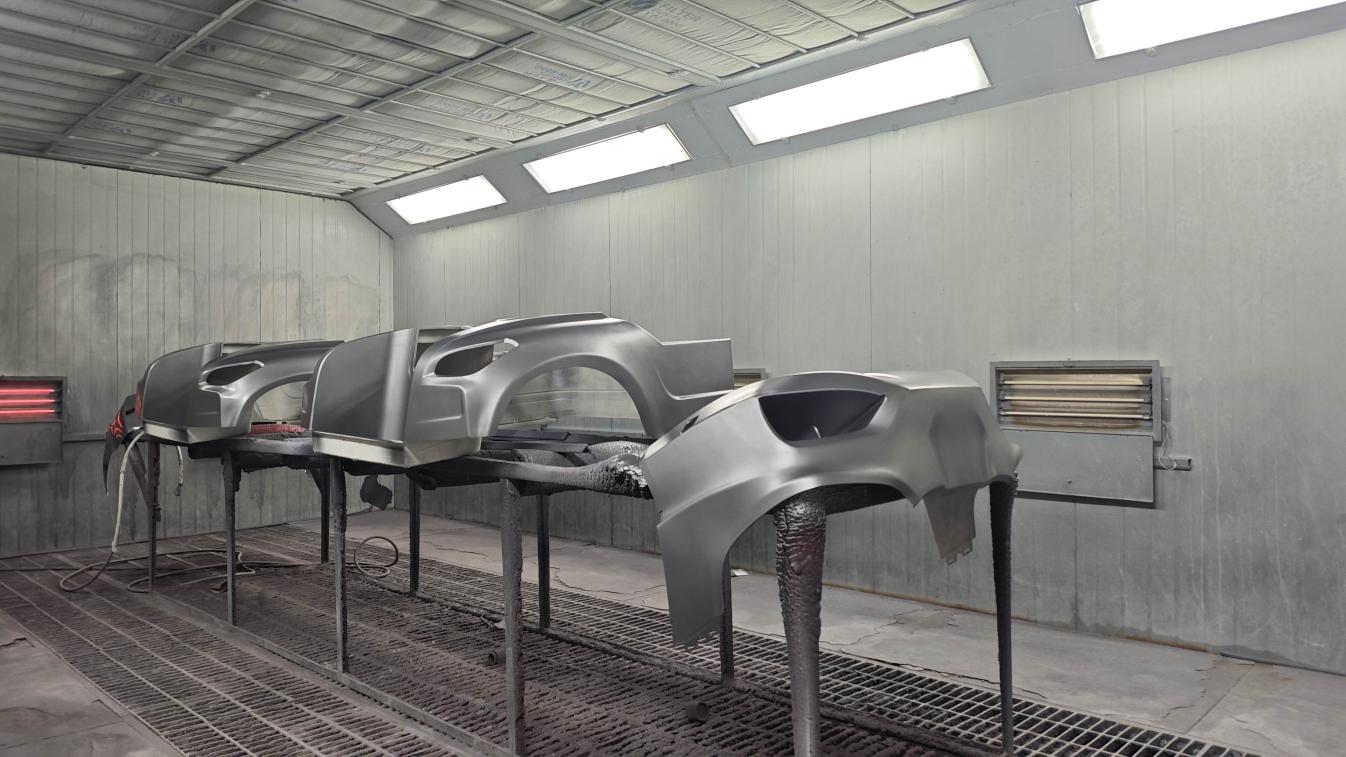
Automotive Electrophoresis Treatment
Before assembly, entire chassis weldments undergo immersion degreasing, zinc-phosphate conversion, and cathodic electrodeposition spray coating, yielding superior salt-spray corrosion protection suitable for coastal island environments.
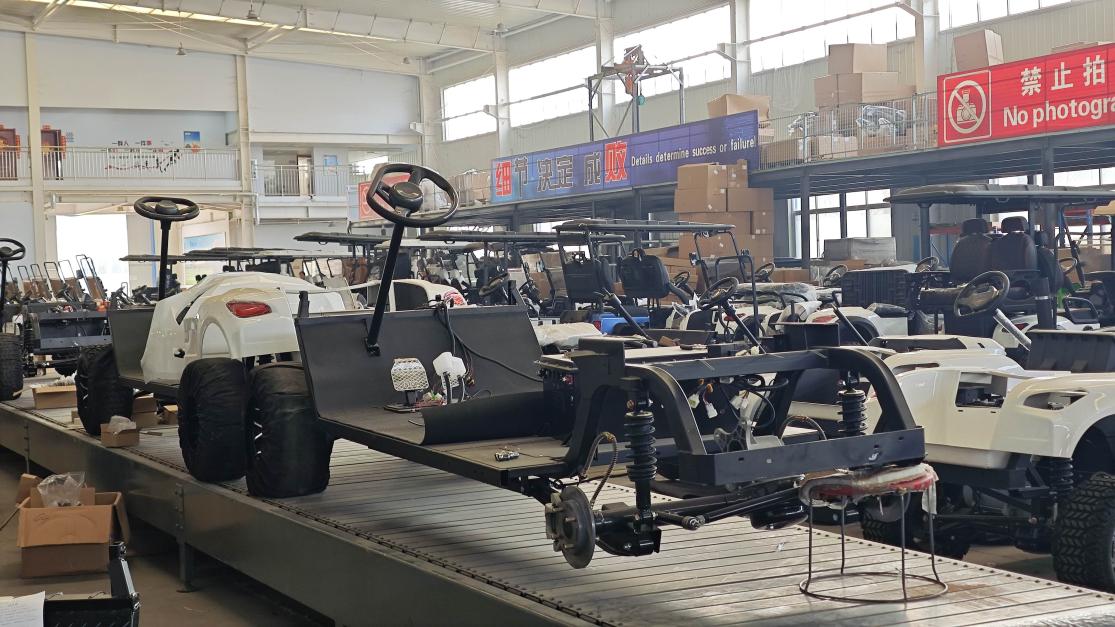
Integrated 2-Stage Assembly Lines
Our dual-stage assembly hall separates powertrain, independent double wishbone suspension, and hydraulic brake routing (Stage 1) from wire harness routing, battery mounting, composite canopy installation, and coach interior trimming (Stage 2).
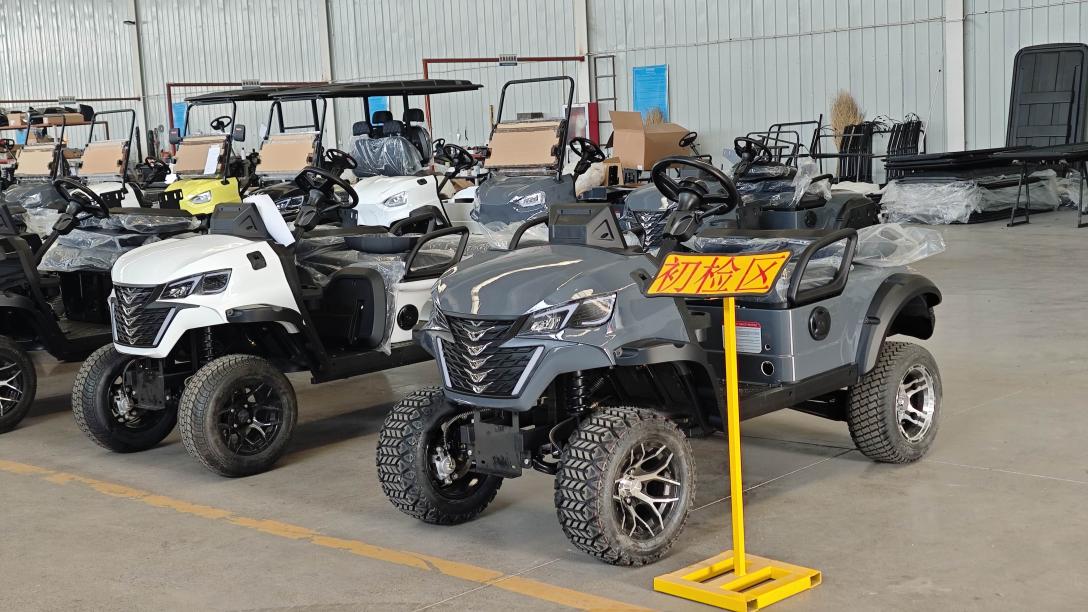
Rigorous 100% Final Quality Control (FQC)
Every completed electric shuttle sightseeing bus undergoes dynamic dynamic roller-bench brake testing, 25% gradient incline holding verification, wiring harness insulation megohmmeter checks, and extreme waterproof monsoon spray simulation.
Factory Scale Backed by TÜV Rheinland Verification
0m²
Total Production Floor Space
0+
Verified Supply Chain Partners
0+
Skilled Assembly & Engineering Crew
0/5
International Client Rating
Technical FAQ
Electric Shuttle Sightseeing Bus Procurement FAQ
Comprehensive technical guidance compiled by our senior automotive engineers for procurement officers, fleet directors, and resort developers worldwide.
What is the expected real-world range and climbing capability of an electric shuttle sightseeing bus?
Our standard commercial electric shuttle sightseeing buses deliver between 80 km and 120 km per full charge when configured with lithium LiFePO4 packs, or 60 km to 80 km with deep-cycle lead-acid battery packs. Real-world range depends on payload weight, ambient temperature, air conditioning usage, and route topography. Equipped with 72V 7.5kW or 10kW high-torque AC induction motors, our vehicles easily overcome full-load slope gradients between 20% and 25%, maintaining passenger safety and speed stability without motor overheating.
How does Shandong CCB New Energy Machinery Co., Ltd. address anti-corrosion for coastal resorts?
Coastal island resorts present harsh salt-mist exposure that rapidly deteriorates inferior steel frames. At Shandong CCB New Energy Machinery Co., Ltd., all chassis frameworks are constructed from high-tensile carbon steel tubes subjected to shot-blasting and an advanced automotive-grade electrophoretic immersion primer (E-coat) followed by thermosetting polyester powder coating. Hardware fasteners utilize Dacromet anti-rust treatments or 304/316 marine-grade stainless steel. Furthermore, aluminum alloy passenger floor decking and UV-inhibited automotive PP/FRP body panels guarantee enduring structural integrity.
What are the key technical differences between AC motors and traditional DC systems for passenger buses?
Unlike outdated DC series motors that rely on mechanical brushes subject to friction wear, carbon deposit cleaning, and periodic brush replacement, brushless three-phase AC asynchronous and PMSM systems are completely sealed and maintenance-free. AC drivetrains operate at energy conversion efficiencies above 90%, produce instant starting torque for passenger-heavy inclines, integrate seamlessly with digital CAN-bus systems, and provide dynamic regenerative braking that recaptures power during declination while preventing brake lining wear.
How are high-capacity electric shuttle buses loaded and protected during international maritime transit?
Because electric sightseeing buses feature elevated passenger roofs and extended wheelbases, container loading requires customized freight engineering. Shandong CCB New Energy Machinery Co., Ltd. constructs welded heavy-gauge iron transport cradles that secure each chassis firmly inside 40ft HQ shipping containers. Vehicles are locked via high-tension ratchet webbing, tire chocks, and anti-vibration dunnage. Windscreens, acrylic passenger shields, and dashboard displays are wrapped in multi-layer shockproof bubble wraps and moisture-absorbing desiccant systems to prevent shipping corrosion or impact fractures.
Can vehicles be custom-engineered to meet specific national low-speed vehicle (LSV) regulatory standards?
Yes. As a verified custom manufacturer with comprehensive OEM/ODM engineering capabilities, we tailor low-speed passenger vehicles to satisfy local transportation ministry guidelines worldwide. Options include certified DOT/ECE laminated safety front windshields with electric wipers/washers, three-point inertia reel passenger seat belts, front-disc rear-drum dual hydraulic braking with vacuum boosters, electromagnetic parking brake actuators, ADR/E-mark automotive lighting fixtures, and GPS-governed electronic speed limiters (adjustable from 20 km/h to 40 km/h).
What warranty and lifecycle parts supply does Shandong CCB New Energy Machinery Co., Ltd. guarantee?
We provide comprehensive warranty coverage across all major structural and electrical sub-assemblies: 5 years on our chassis frame, 3 to 5 years on certified lithium battery packs with smart Battery Management Systems (BMS), and 12 to 24 months on electric motors, transaxles, and controllers. In addition, we guarantee 10-year lifecycle availability for all mechanical, electrical, and body replacement parts, dispatched via express air courier or container consolidation directly from our factory in Dezhou, Shandong.
Electric Shuttle Sightseeing Buses Built for Your Commercial Routes
Whether operating silent resort transfers, zoo safari circuits, historic inner-city tourist loops, or sprawling university student shuttles, Shandong CCB New Energy Machinery Co., Ltd. calibrates gearing, battery capacity, suspension stiffness, and passenger access to your precise site requirements.
 Deutsch
 Português
 Español
 Français
 Italiano
 Русский
 한국어
 日本語
 العربية
 ไทย
 Tiếng Việt
 Türkçe
 Nederlands
 Indonesia
 עברית
 हिन्दी