Strategic Sourcing Guide
Why The 6 Seater Electric Golf Cart Has Become The Universal Workhorse for Commercial Fleets
A deep dive into powertrain torque demands, chassis wheelbase dynamics, and the lifecycle unit economics dictating fleet investments today.
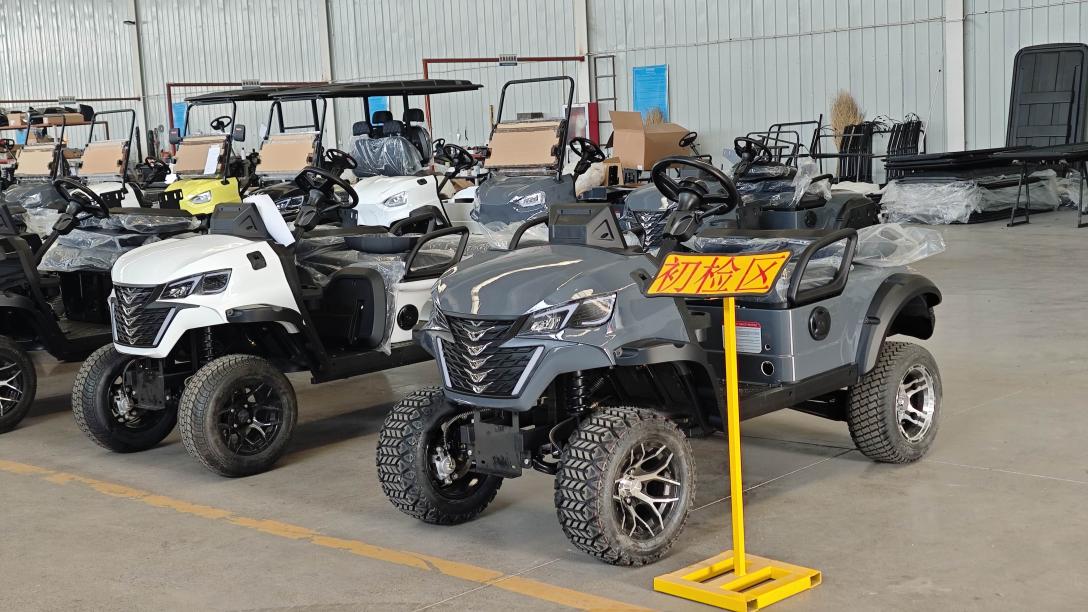
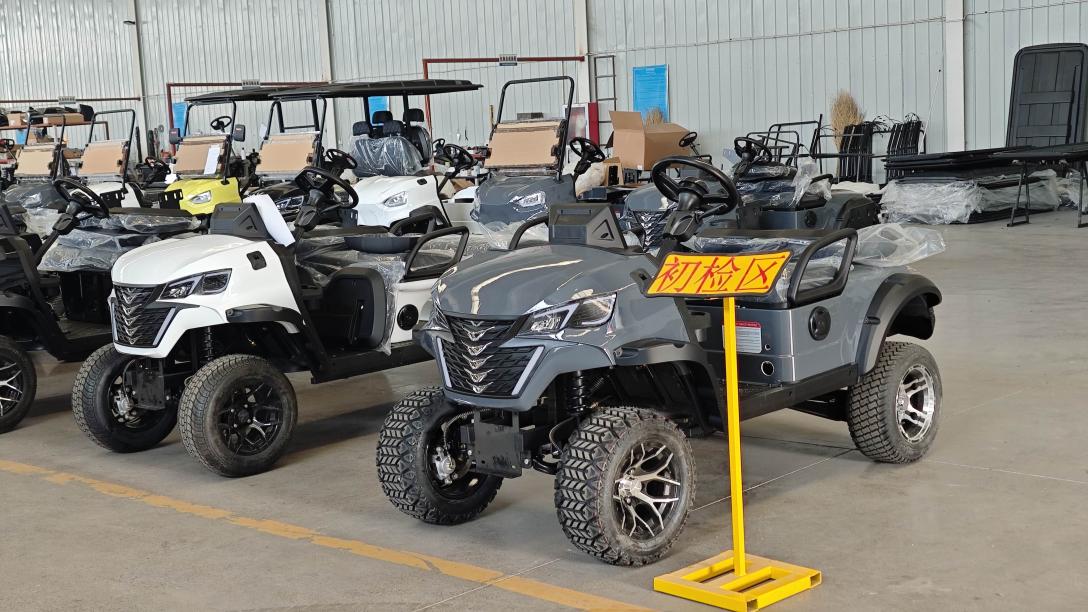
Across five continents, global fleet managers in luxury hospitality, golf course management, gated communities, airport terminals, and eco-tourism parks are reallocating procurement capital from standard two- and four-passenger carts into heavy-duty 6 seater electric golf carts. This structural transition is driven by pure fleet operational efficiency: moving six passengers simultaneously reduces driver headcount, cuts total charging infrastructure bottlenecks in half, and dramatically improves passenger throughput per operating hour.
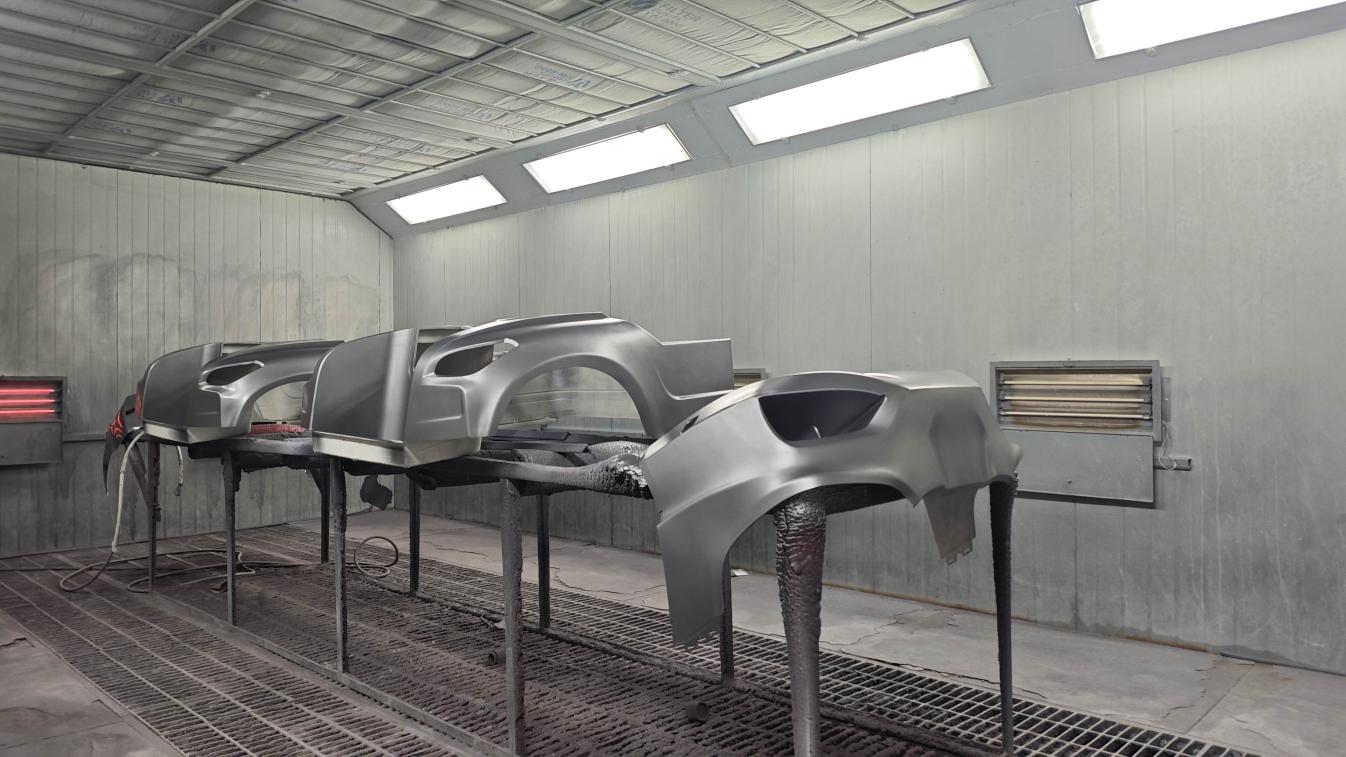
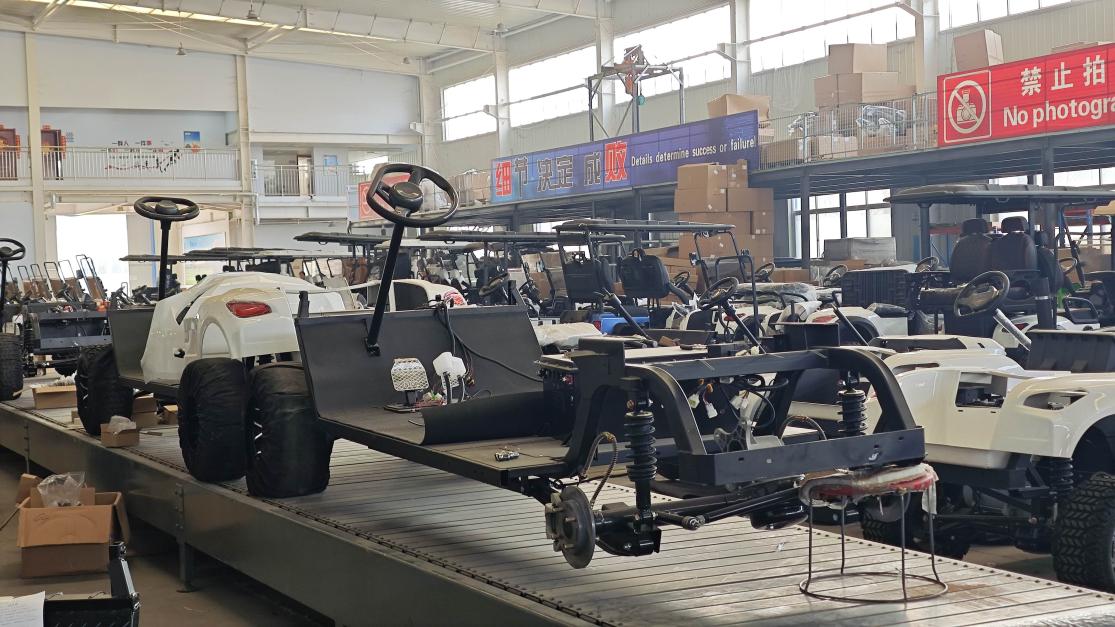
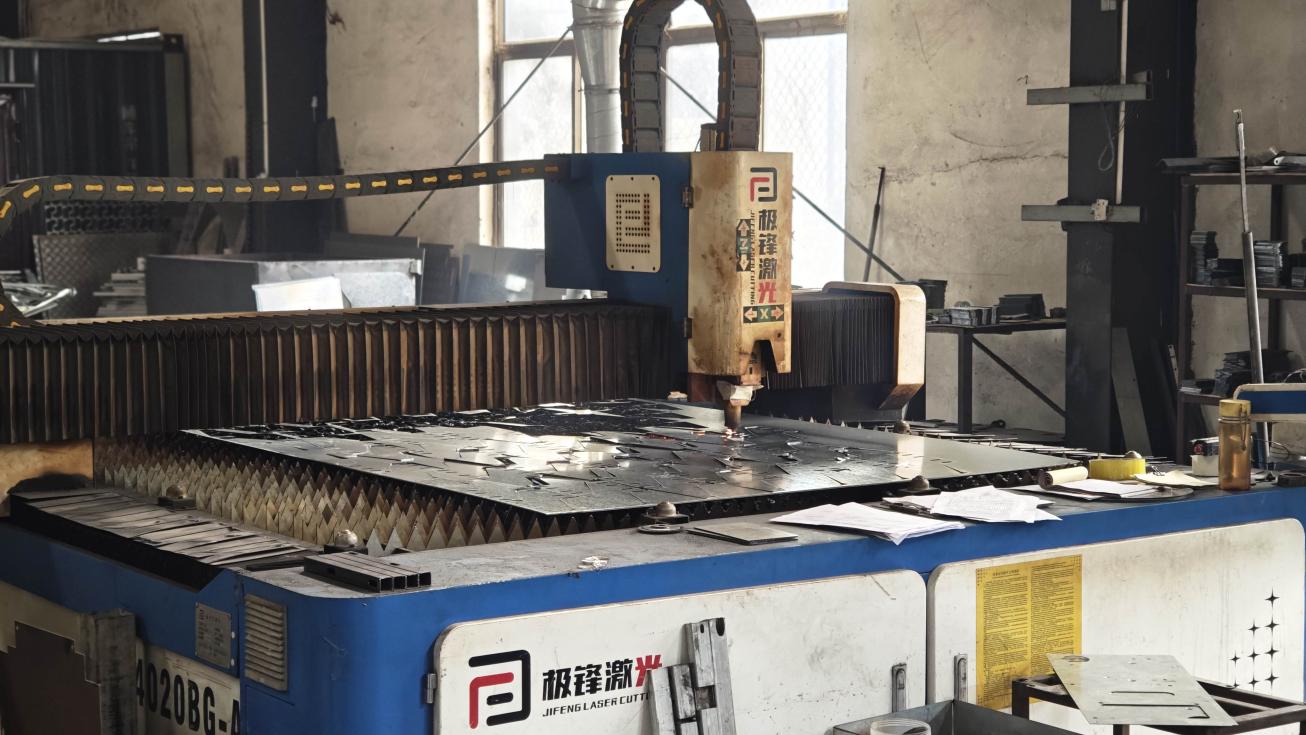
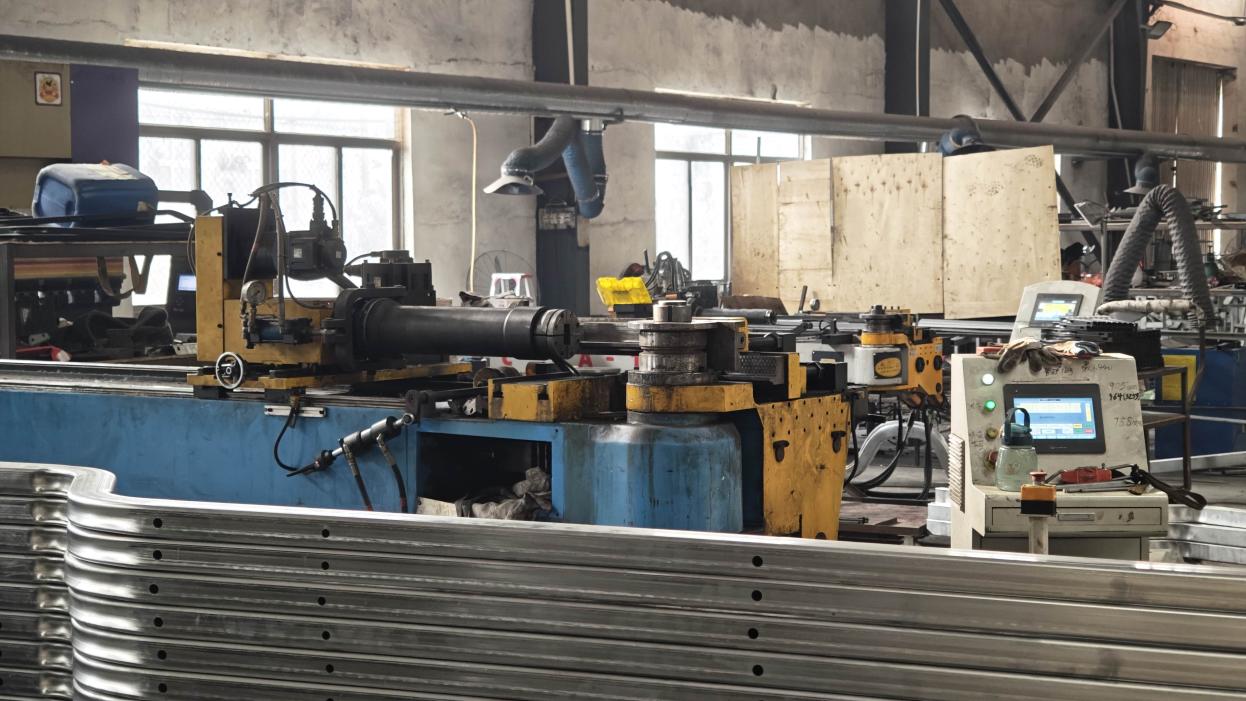
Unlike standard short-wheelbase carts, an authentic commercial 6 seater electric golf cart must bear dynamic curb payloads routinely exceeding 500 kg to 600 kg. At Shandong CCB New Energy Machinery Co., Ltd., we recognize that engineering a true six-passenger vehicle cannot be achieved by simply bolting an extended rear footrest onto a four-seat platform. It requires structural re-engineering of the load-bearing ladder chassis, high-tensile steel tube yield strength adjustments, and calibrated front independent suspension geometries to eliminate high-center-of-gravity body roll.
Whether navigating hilly greens, coastal sand resorts, or paved urban mixed-traffic roads under Low Speed Vehicle (LSV) statutes, choosing between 48V and 72V architecture, LiFePO4 chemistry, and 4+2 versus 6-forward seating arrangements requires rigorous engineering evaluation. Below, our engineering and procurement team details the technical criteria, platform trends, and factory production standards defining superior six-passenger electric transport.
 Deutsch
 Português
 Español
 Français
 Italiano
 Русский
 한국어
 日本語
 العربية
 ไทย
 Tiếng Việt
 Türkçe
 Nederlands
 Indonesia
 עברית
 हिन्दी