Industrial OEM/ODM Engineering Whitepaper

OEM/ODM Enclosed Golf Cart Manufacturer & Suppliers

Precision-Engineered Low Speed Vehicles (LSV), Electric Utility Fleets, and Weather-Resistant Passenger Transporters Built to TÜV Rheinland Verified Global Benchmarks.

Featured Product Portfolios

Specialized Fleet & Enclosed Electric Low Speed Vehicles

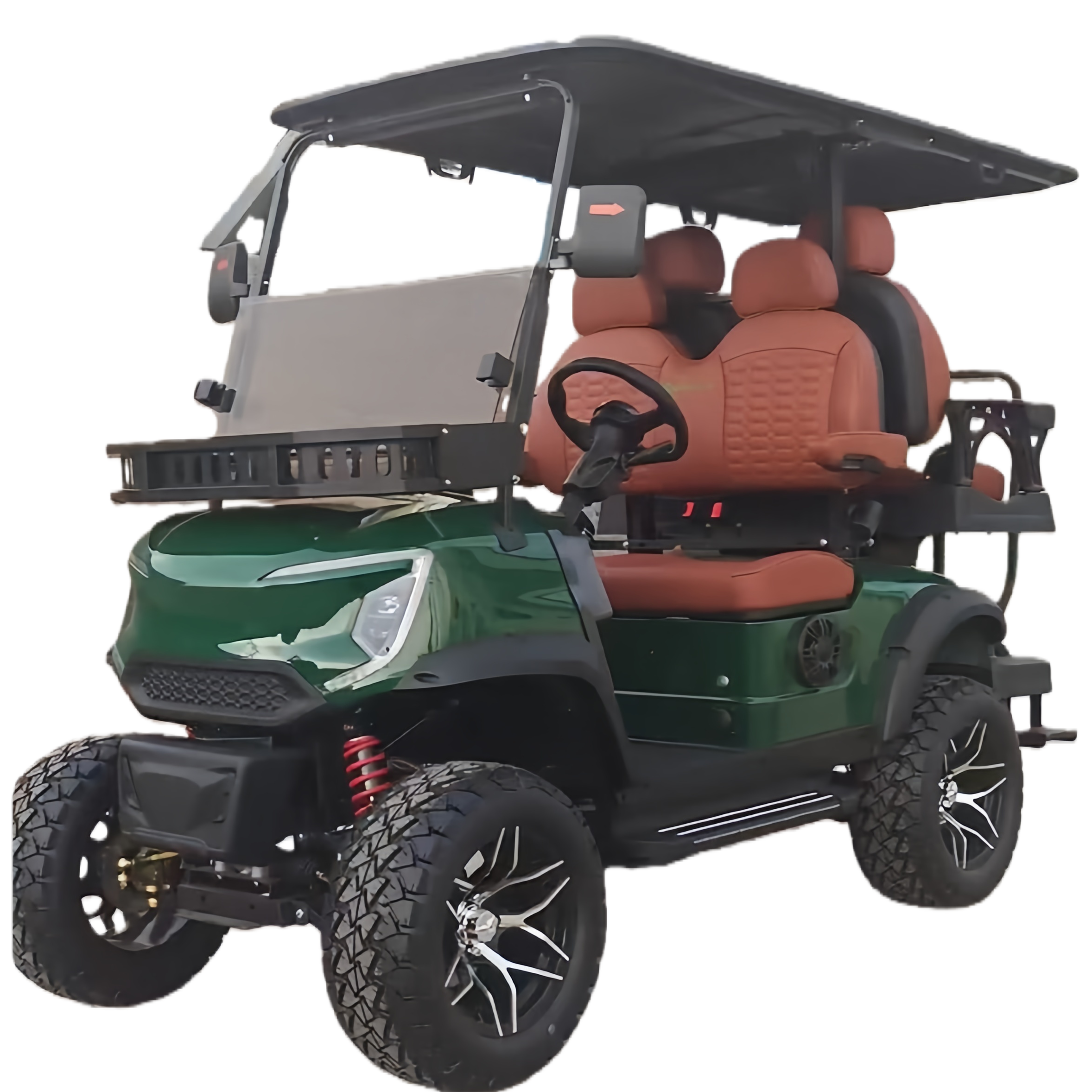
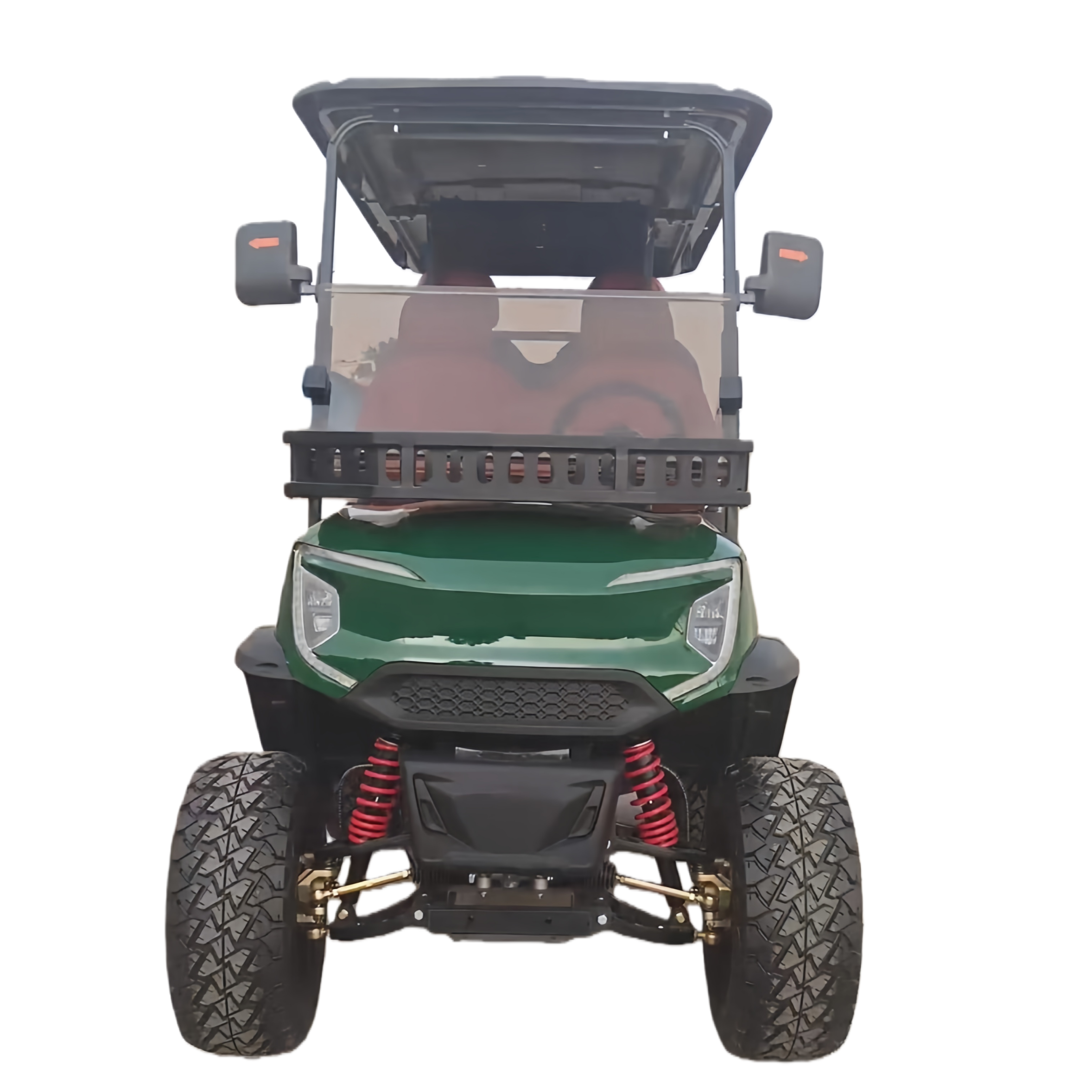
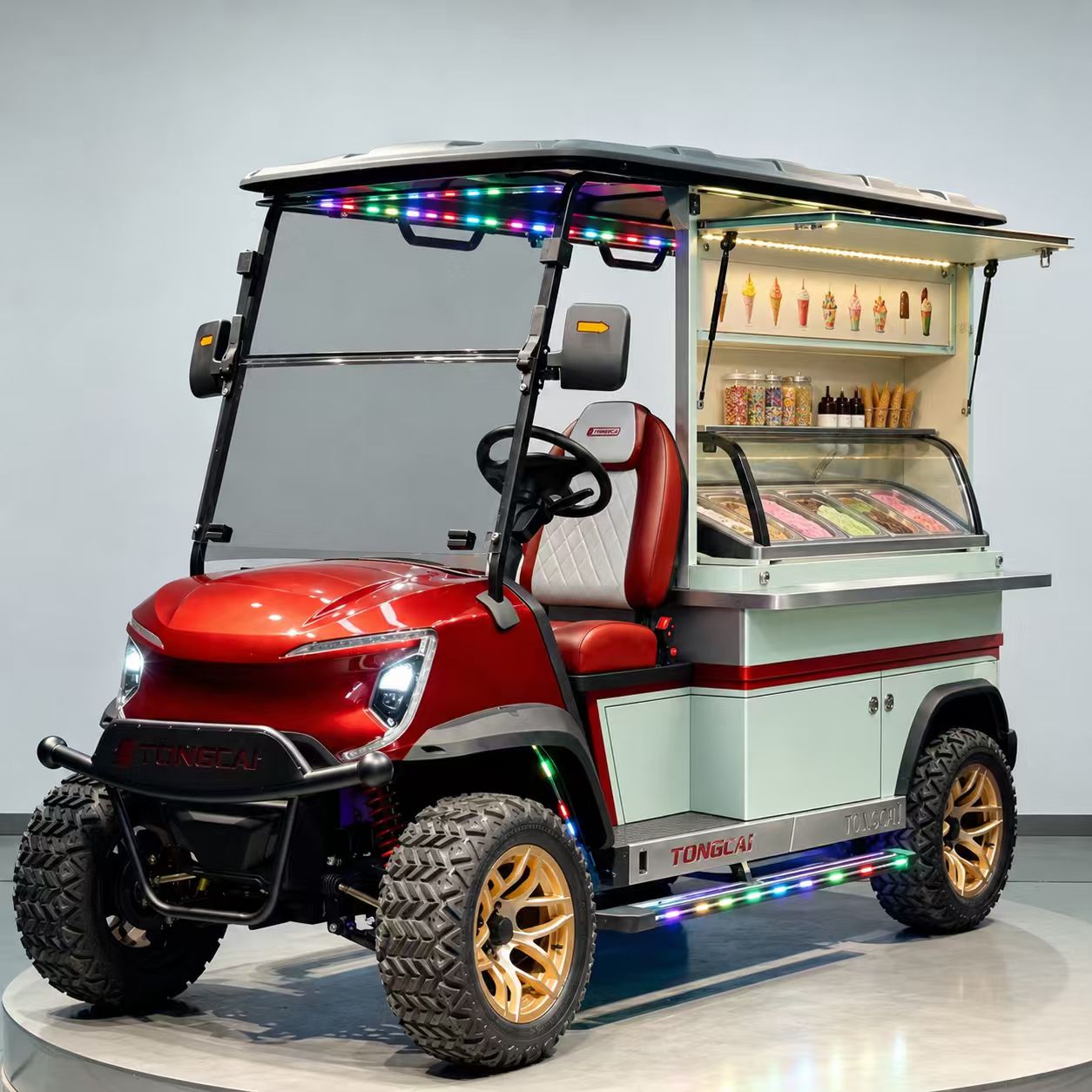
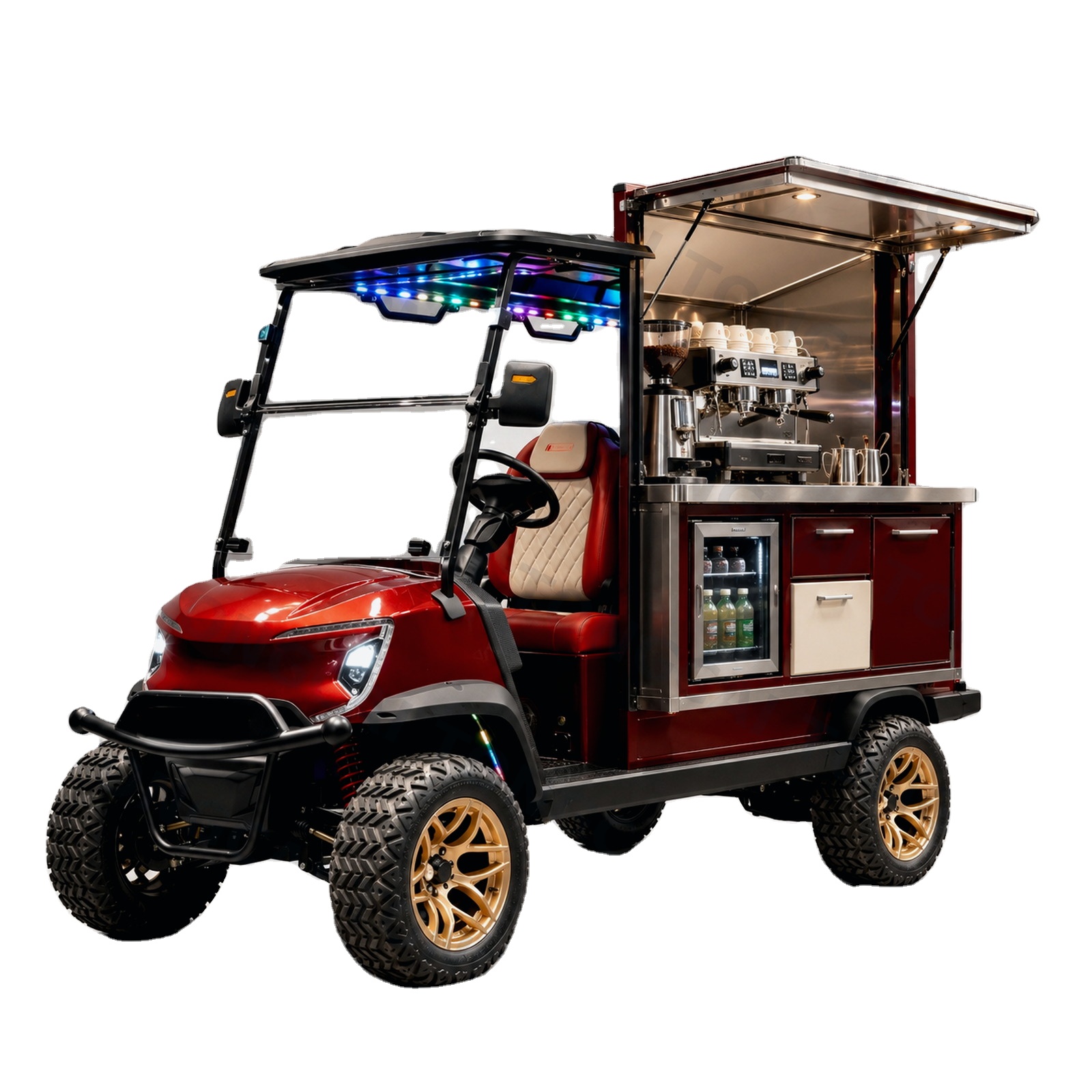
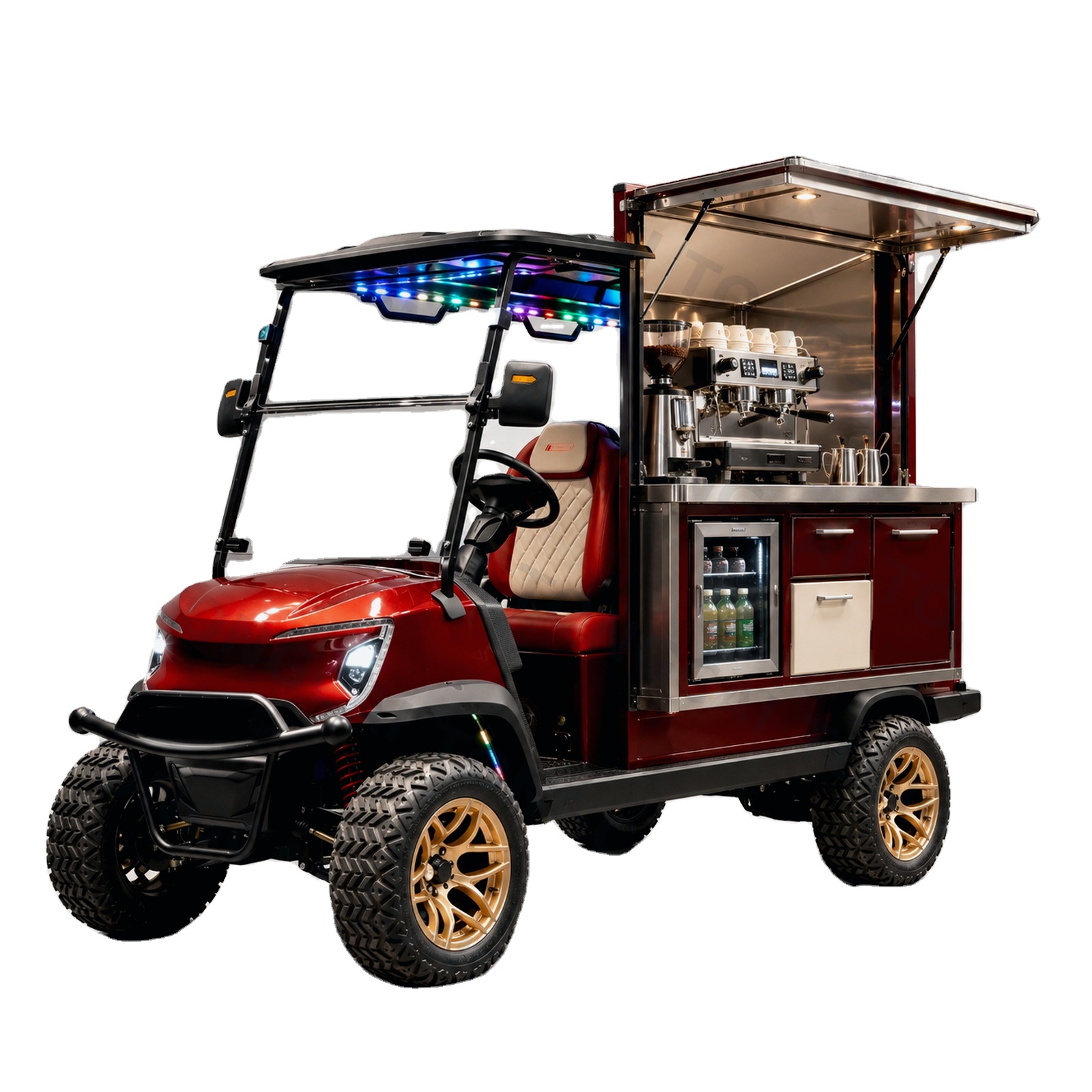
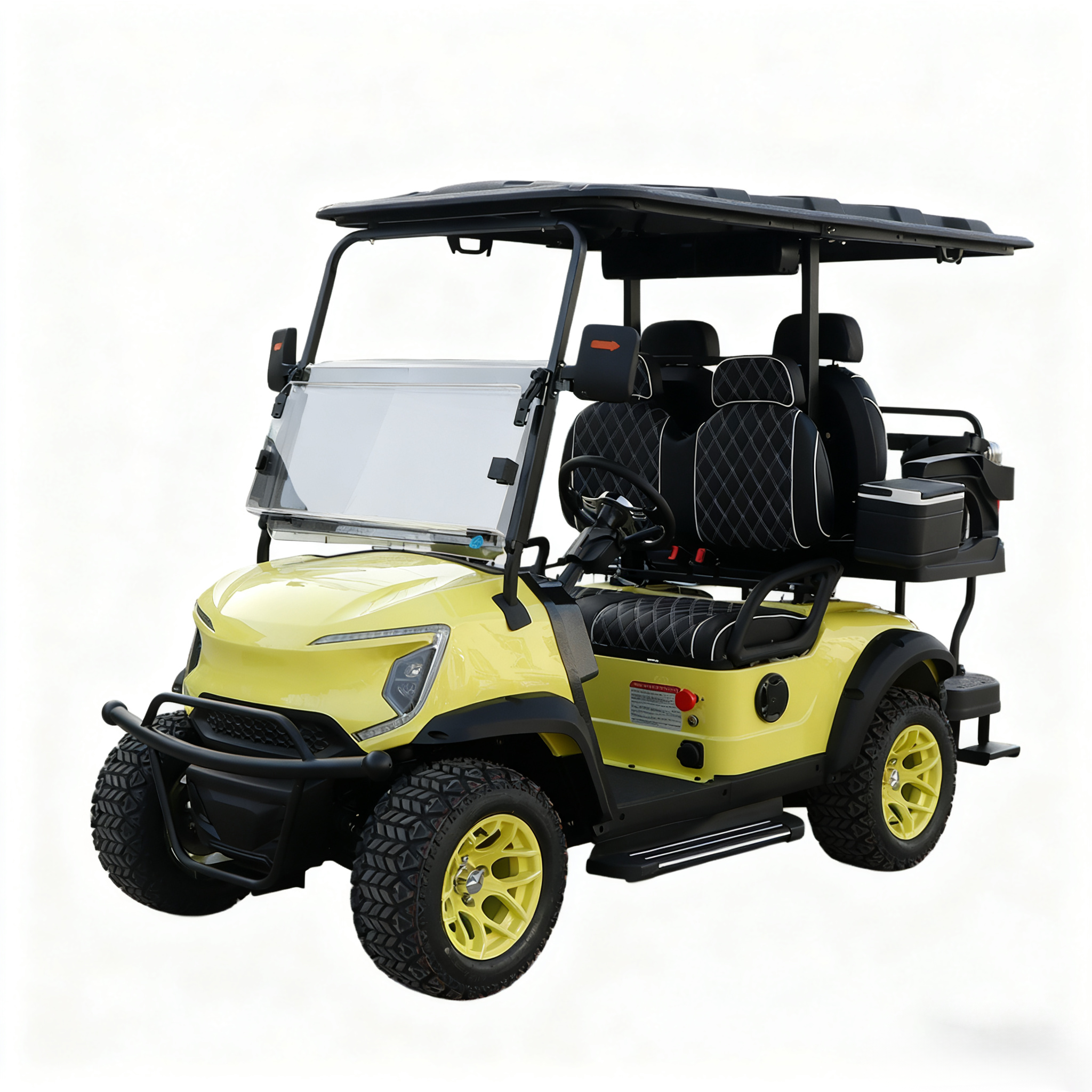
Custom fabricated chassis, automotive-grade lithium-iron architecture, and specialized utility structures tailored for commercial resorts, logistics hubs, and urban operations.

14,200m²
Integrated Production Facility
140+
Audited Component Supply Chains
12Stages
In-House Traceable Quality Control
100%
Pre-Delivery Road & Electronic Diagnostics
Industry Technical Whitepaper

Evolutionary Dynamics in Enclosed Low-Speed Vehicle Sourcing

An engineering-first analysis on thermal efficiency, structural metallurgy, and regulatory alignment driving modern fleet capitalization decisions.

The Shift Toward All-Weather Enclosure Architecture

Commercial operators across North America, Europe, and GCC regions are aggressively transitioning from open buggies to sealed composite enclosed modular platforms. Extreme temperature variances demand high-performance HVAC systems driven by dedicated auxiliary DC-DC converters.

Modern enclosed vehicles eliminate operational downtime caused by torrential rain, high humidity, dust storms, or sub-zero climates, elevating asset utility rates by up to 38% year-round.

72V LiFePO4 Drivetrains & Smart CAN-Bus Telematics

Legacy lead-acid platforms are becoming obsolete due to high replacement cycles and poor energy density. Procurement directors now mandate 72V Lithium Iron Phosphate (LiFePO4) systems managed by intelligent battery management systems (BMS).

Integrating standardized CAN-bus networking empowers enterprise buyers to extract real-time state-of-charge, predictive fault codes, and geofencing telemetry directly into central facility management software suites.

Lightweight Structural Metallurgy & Safety Compliance

Modern fleet sustainability depends directly on vehicular curb weight optimization. Adopting extruded 6061-T6 aluminum chassis frames and impact-resistant automotive ABS body enclosures provides corrosion immunity in coastal climates while boosting driving range.

In addition, meeting strict road-legal criteria (DOT, EEC, and LSV standards) requires integrated hydraulic four-wheel disc braking, tempered automotive safety glass, and certified DOT three-point seat belt assemblies.

Verified OEM/ODM Capability

Why Tier-1 Importers Partner with Shandong CCB

Unlike regional brokers who merely assemble off-the-shelf components, our Dezhou industrial base executes full-cycle production under strict manufacturing governance.

Integrated In-House Production

From robotic pipe bending, laser CNC profiling, and automated welding jigs to multi-stage electrophoretic primer dipping, every vehicle chassis is born inside our 14,200 m² plant.

TÜV Rheinland Verified Credibility

Our operational capabilities, tooling accuracy, production volume, and technical human capital undergo periodic on-site validation by independent global testing authority TÜV Rheinland.

Flexible Engineering Adaptations

Full OEM/ODM customization covering custom battery capacities (48V/60V/72V), rear configuration bodies (cargo, flatbed, passenger benches), exterior Pantone matching, and solar roofs.

Strict 12-Stage Quality Gate

Every vehicle must successfully pass dynamic brake tests, ramp slope holding diagnostics, computerized harness continuity verification, and high-pressure water tightness inspections.

Worldwide Homologation Expertise

Extensive export documentation readiness including CE declarations, COC documentation support, and electrical safety profiles aligned with European, American, and Middle Eastern regulations.

Comprehensive Dealer Support System

Providing global partners with complete CAD/exploded parts schematics, interactive wiring diagnostics, factory-backed component reserve supplies, and remote engineering video support.

Procurement Intelligence

Frequently Asked Questions on Enclosed Cart Sourcing

Direct technical responses addressing common logistical, engineering, and compliance concerns encountered by wholesale distributors and commercial buyers.

What are the key technical advantages of enclosed golf carts over conventional soft-curtain carts?
Enclosed golf carts feature rigid molded composite or metal doors with automotive-grade weather sealing, integrated lock systems, automotive safety glass windshields, and interior defrosters. Unlike soft-vinyl roll-down curtains that degrade rapidly under UV exposure and flap at higher speeds, rigid enclosures allow for effective cabin climate control (AC/Heat), protect valuable equipment or passengers from extreme dust and storms, and significantly enhance passive crash safety.
Can your factory accommodate proprietary OEM branding and custom cabin layouts?
Yes. As a verified custom manufacturer, we execute full OEM/ODM programs starting from 3D conceptual modeling to production tooling. We support custom-embossed steering centers, branded front grilles, proprietary digital dashboard startup screens, specialized fleet color codes, and interior configurations ranging from 2-seat utility pickups to 14-passenger luxury executive retro shuttles.
How does battery chemistry selection impact operational ROI for commercial fleets?
While traditional deep-cycle flooded lead-acid batteries present a lower upfront capital cost, they typically require replacement every 18–24 months, demand frequent electrolyte maintenance, and suffer severe performance throttling on slopes. In contrast, our 72V LiFePO4 lithium platforms deliver over 3,500 full charge cycles (up to 8–10 years life), support opportunity charging without memory degradation, weigh 60% less, and provide constant peak torque output regardless of state-of-charge.
What international compliance standards and certifications do your vehicles support?
Our core export models conform to CE standards for low-voltage electric vehicle safety and machinery directives. Chassis assemblies and critical electrical systems can be manufactured to align with European EEC L7e specifications and US Department of Transportation (DOT) Low-Speed Vehicle standards (FMVSS 500), incorporating DOT-approved laminated glass, certified seatbelts, illuminated license holders, horn levels, and lighting angles.
How are vehicles packed to prevent transit damage during multi-week ocean shipments?
Vehicles are secured using two distinct export packaging methodologies: completely assembled shipping inside custom heavy-duty tubular steel transport racks that interlock within 40HQ high-cube ocean containers, or Semi-Knocked Down (SKD) crating to maximize container capacity and minimize freight cost per unit. Every container loading plan is engineered via 3D software to optimize weight distribution and eliminate transit abrasions.
What is the standard production lead time and minimum order quantity (MOQ)?
To support distributor evaluation and local road homologation tests, sample units are available from an MOQ of 1 unit. Standard batch orders (1x20GP or 1x40HQ container loads) typically carry a production cycle of 20 to 30 calendar days from engineering sign-off and deposit receipt. Customized ODM body molds or structural revisions follow an agreed tooling milestone timeline.

Build Your Customized Commercial Electric Fleet with CCB

Consult directly with our vehicular engineering desk for detailed technical parameters, battery configurations, container packing calculations, and distributor volume pricing.

Contact Us