 Deutsch
 Português
 Español
 Français
 Italiano
 Русский
 한국어
 日本語
 العربية
 ไทย
 Tiếng Việt
 Türkçe
 Nederlands
 Indonesia
 עברית
 हिन्दी
14,200m²
Integrated Manufacturing Facility
100%
CE Certified & TÜV Verified
140+
Tier-1 Component Partners
1 Unit
Flexible Sample Evaluation MOQ
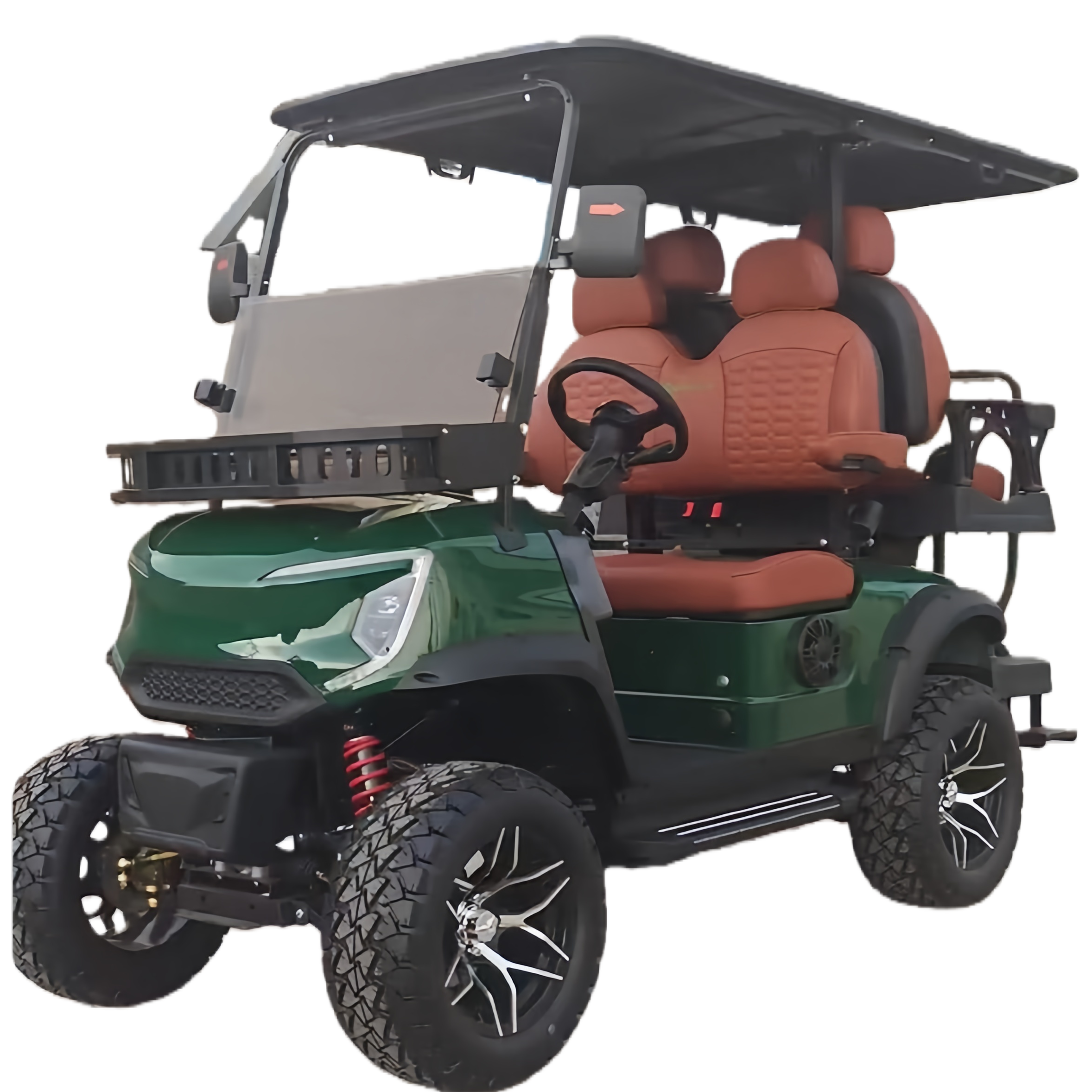
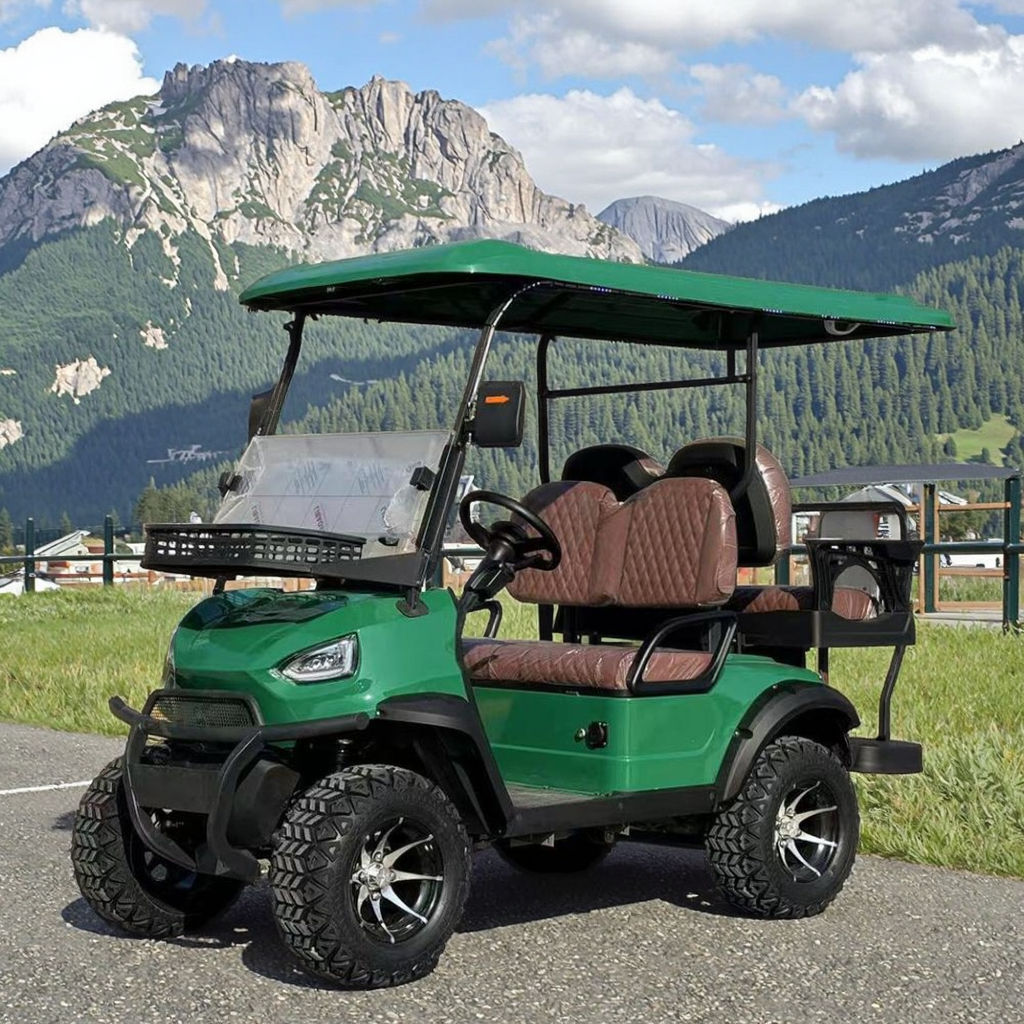
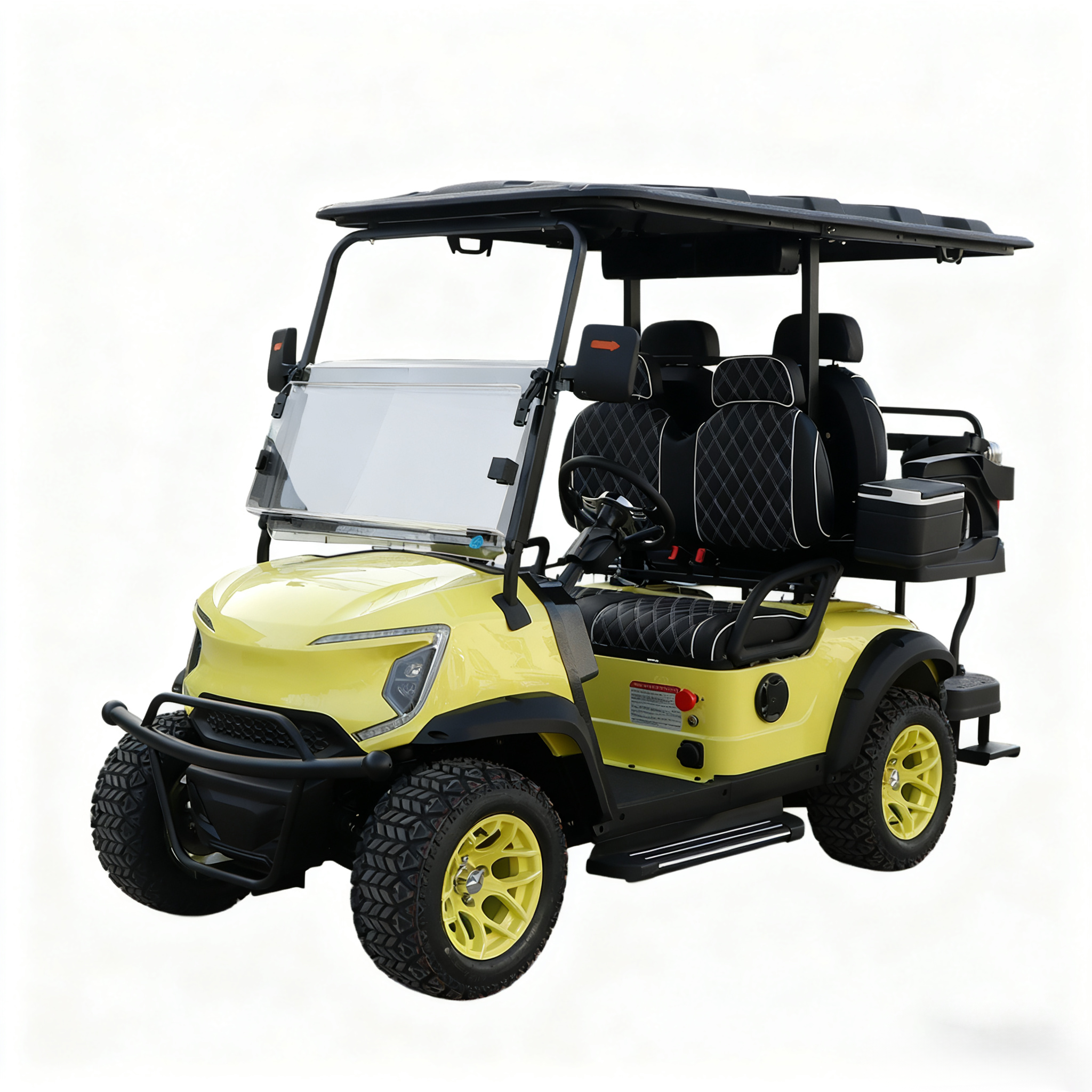
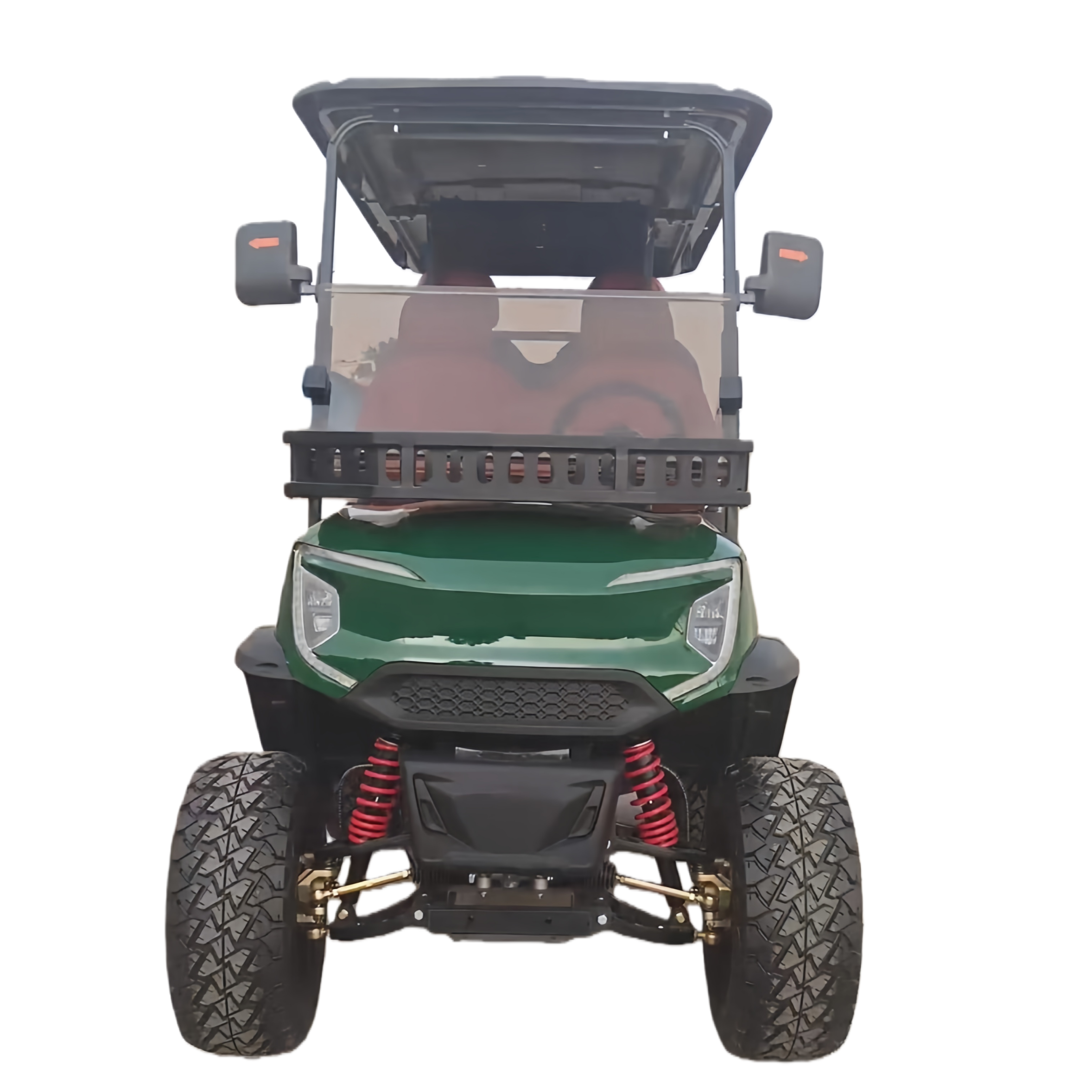
Featured Commercial & Recreational Electric Golf Carts
Explore our export-ready low-speed electric vehicles engineered for golf resorts, luxury hospitality, gated communities, and heavy-duty industrial delivery campuses.



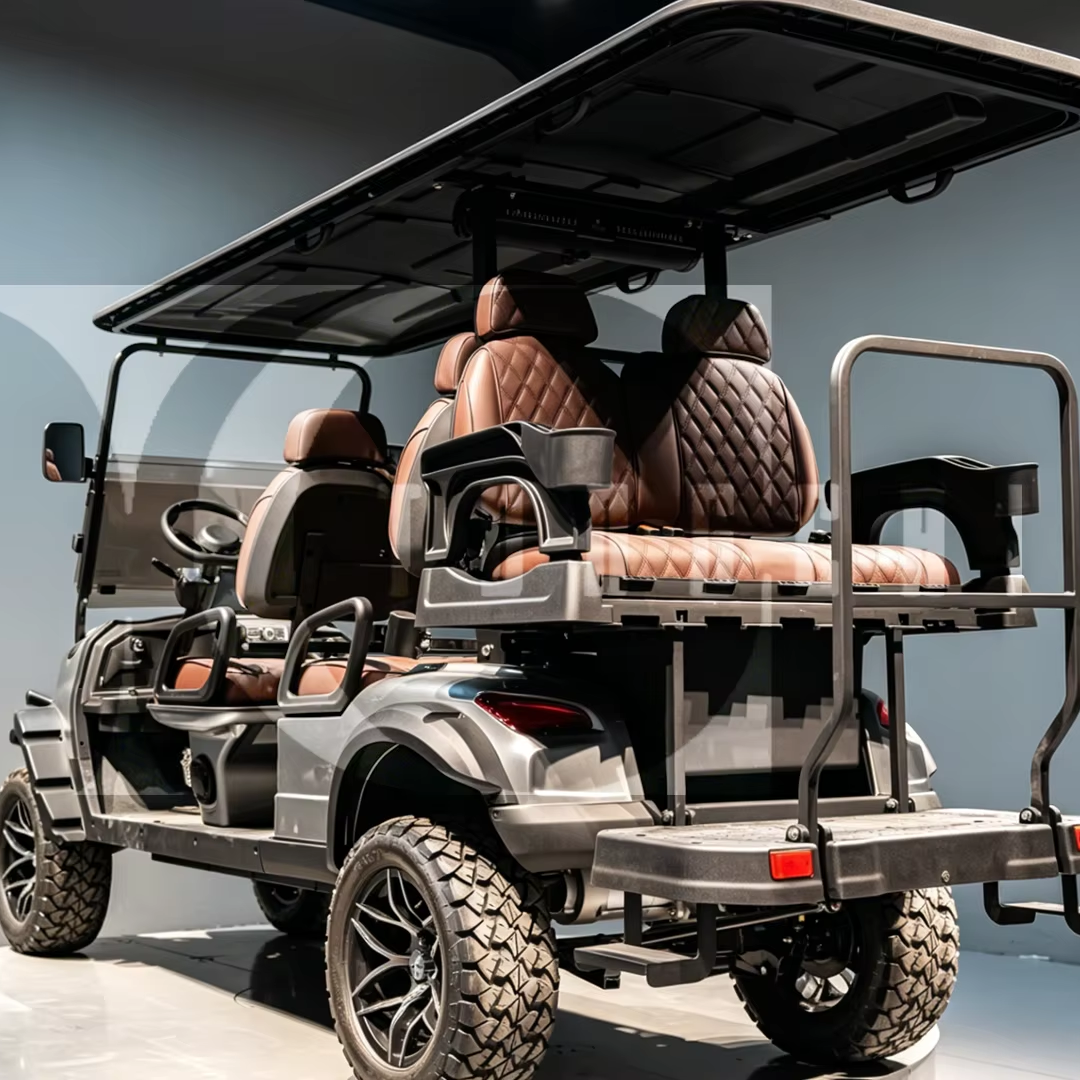
The Paradigm Shift in Low-Speed Electric Vehicle (LSV) Manufacturing
The global micro-mobility and recreational low-speed vehicle market has evolved past the era of conventional, heavy lead-acid course buggies. Modern corporate buyers, resort developers, municipal transit planners, and commercial fleet managers now demand sophisticated CE-certified electric utility vehicles capable of sustained duty cycles, rapid turnaround times, advanced telematics integration, and low total cost of ownership (TCO).
Navigating the supply chain for electric golf carts requires deep scrutiny into factory fabrication standards. A superficial assembly line bolting outsourced sub-assemblies cannot provide the engineering integrity required for demanding commercial environments. Shandong CCB New Energy Machinery Co., Ltd. (operating the TONGCAI line) sets an industry benchmark by integrating end-to-end metallurgical fabrication, robotic welding, electro-coating, mechanical assembly, and rigorous ISO-certified quality inspection in our dedicated 14,200 m² facility located in Tianqu Industrial Park, Dezhou, Shandong.
CE Certification Architecture: Decoding the Directives for Global Compliance
For European Union distributors and international procurement officers seeking import safety parity, CE certification is not merely a label; it represents rigorous adherence to multi-tiered European Directives:
- Machinery Directive (2006/42/EC): Mandates essential health and safety requirements concerning mechanical strength, chassis structural integrity, rollover protection safety factors, and driver control fail-safes.
- Electromagnetic Compatibility Directive (EMC 2014/30/EU): Verifies that the cart's AC induction or permanent magnet synchronous motor (PMSM) drive system, digital instrument clusters, and onboard battery management system (BMS) operate without generating disruptive electromagnetic interference or succumbing to exterior radio-frequency disturbances.
- Low Voltage Directive (LVD 2014/35/EU): Applied rigorously to off-board chargers and high-voltage (60V to 72V) internal circuits to guarantee insulation resistance and personal protection against dielectric breakdown.
Every vehicle leaving CCB is backed by verifiable Declaration of Conformity (DoC) documentation, supported on-site by TÜV Rheinland verification to ensure hassle-free customs clearance and road-registration eligibility as Low-Speed Vehicles (LSV) under local municipal transport bylaws.
Powertrain Benchmark: Technical Architecture Comparison
| Evaluation Parameter | Legacy DC Lead-Acid Systems | CCB Advanced 48V/72V LiFePO4 Systems | Operational Fleet Benefit |
|---|---|---|---|
| Battery Cycle Life | 500 – 750 cycles (DOD 70%) | 3,500 – 4,500+ cycles (DOD 80%) | Over 8 years of active daily commercial utilization without battery replacement. |
| Curb Weight & Payload | High deadweight (lead density) | 65% lighter battery pack; Aircraft-grade aluminum chassis | Reduces turf compaction, lowers tire wear, and expands commercial payload margin. |
| Motor & Drive Efficiency | Brushed DC motor (70–78% eff.) | Brushless AC Induction / PMSM (92–96% eff.) | Immediate peak torque delivery on 25%+ hill climbs; regenerative braking downhills. |
| Thermal Stability Range | -10°C to +40°C (rapid capacity drops) | -25°C to +60°C with smart BMS cell balancing | Maintains fleet uptime across tropical beach resorts and cold mountain retreats. |
| Maintenance Routine | Bi-weekly distilled water refills, acid leaks | 100% Sealed, Zero Maintenance (Dry Operation) | Eliminates terminal corrosion, hazardous sulfuric gas venting, and electrolyte monitoring labor. |
Total Cost of Ownership (TCO) Analysis: 5-Year Fleet Projection
When executing municipal or institutional fleet tenders, capital expenditure (CapEx) accounts for only 35% of the total vehicle lifecycle expense. Operating expenditure (OpEx)—encompassing electrical charging efficiency, unscheduled maintenance, battery degradation cycles, and chassis corrosion repair—constitutes the remaining 65%. By choosing CCB's proprietary lithium battery integration paired with anti-corrosive electrophoretic coating, commercial fleet operators routinely achieve an estimated 42% net operational savings over a 60-month operating horizon compared to legacy lead-acid vehicles.
Engineering Strengths of Shandong CCB New Energy
True manufacturing resilience stems from complete process ownership. Discover why tier-1 distributors partner directly with our Dezhou manufacturing plant.
In-House Structural Fabrication
Unlike regional trading intermediaries, we execute computerized tube cutting, CNC multi-axis pipe bending, fixture-guided welding, and structural sanding in-house, ensuring millimeter frame precision.
TÜV Rheinland Audited Facility
Our 14,200 m² workshop, workforce of 61+ skilled engineers and technicians, and documented QA checkpoints are verified on-site by TÜV Rheinland, providing complete auditing confidence.
Flexible Powertrain Customization
Tailor your carts with 48V, 60V, or 72V LiFePO4 packs, high-efficiency motors from 3000W to 7500W, electronic speed limiters, onboard solar replenishment roofs, and lifted 4WD suspensions.
Automotive-Grade Finishing
Our electrostatic dip-priming and multi-layer UV-stabilized polyurethane spraying prevent premature corrosion, rust blistering, and fading under relentless coastal, marine, and humid environmental exposure.
Complete OEM / Private Labeling
From custom thermoformed ABS front fascia geometries, custom luxury diamond-stitched marine vinyl upholstery, corporate pantone paint matching, to custom digital dash interfaces.
Comprehensive Dealer Aftercare
Direct access to bilingual mechanical engineers, fully populated schematic wiring diagrams, complete breakdown diagrams, and rapid dispatch of containerized spare wear parts.
Emerging Technology Trends Reshaping Golf Cart Development
As the international micro-mobility sector accelerates, commercial buyers should plan procurement cycles around three core technological trajectories:
IoT & Fleet Telematics
Real-time GPS geofencing, remote battery SOC monitoring, algorithmic load limiting, and over-the-air (OTA) motor diagnostics are now integrated directly via cellular CAN-bus modules.
High-Efficiency Solar Integration
Monocrystalline and flexible solar canopies integrated flush into the roof structure supply continuous trickle charging, extending operating range by 15–25 km per sunlit shift.
Automotive Multi-Link Suspension
Moving away from rigid leaf springs, modern golf cars adopt MacPherson independent front struts and multi-link trailing arms for superior passenger ergonomics and ground adherence.
Procurement Trends: How Tier-1 Distributors Source from China
B2B sourcing strategies for golf cart distributors have fundamentally matured over the past three years. Savvy fleet buyers no longer purchase stock catalog units from speculative trading agencies. The current commercial sourcing playbook prioritizes:
1. Direct Factory Audits: Conducting live virtual production tracking or dispatching third-party auditors (SGS, TÜV Rheinland) directly to manufacturing hubs in Shandong to inspect mechanical jig accuracy and high-pot electrical testing before container sealing.
2. Modular Knock-Down (SKD/CKD) Logistics: With ocean freight container optimization paramount, procurement teams frequently utilize Semi-Knocked-Down (SKD) packaging frameworks. CCB custom-engineers high-tensile steel transit frames, allowing 40HQ containers to accommodate up to 18–24 units depending on chassis seat configuration, radically trimming landed unit freight overhead.
3. Regional Compliance Pre-Configuration: Importing distributors specify factory pre-wiring for VIN stamping, DOT/ECE-approved safety glass windshields, three-point inertia seatbelts, side mirrors with integrated LED turn signals, and hydraulic four-wheel disc braking systems necessary for legal LSV street classification.
Frequently Asked Questions (FAQ) for International Buyers
Direct technical and commercial answers to streamline your quotation, customization, and importation workflow.
What is the minimum order quantity (MOQ) for custom branding?
We support a 1-unit MOQ for initial sample evaluation, road testing, and performance validation. Full private labeling (custom corporate emblems, custom seat badging, and bespoke body colorways) is unlocked starting from container orders (20GP / 40HQ).
How does CCB assure CE compliance across European markets?
Our golf cars undergo accredited third-party testing under the Machinery Directive (2006/42/EC), EMC Directive (2014/30/EU), and Low Voltage Directive (2014/35/EU). Detailed test reports, technical construction files, and official Declarations of Conformity are provided with export shipments.
What are the differences between 48V, 60V, and 72V electrical architectures?
48V systems are standard for flat terrain and classic golf course service. 60V and 72V systems deliver higher continuous power, elevated motor efficiency, greater hill-climbing torque (up to 30% incline grades), and support heavier cargo loads without overheating the motor controller.
Can golf carts be customized for specialized commercial uses?
Yes. As a verified custom manufacturer, we routinely configure custom utility cargo boxes, insulated food storage bodies, medical ambulance stretcher platforms, lifted rough-terrain suspensions, and mobile vending setups to meet specific commercial fleet tenders.
What packaging and ocean logistics protection does CCB utilize?
Vehicles are secured inside reinforced iron frames wrapped in protective dust-proof and moisture-barrier film, preventing chassis abrasion during maritime transport. Our engineering team prepares a tailored 3D container loading schematic for every shipment.
How is after-sales warranty and spare parts support administered?
CCB provides a comprehensive commercial warranty covering the chassis frame, motor, controller, and LiFePO4 battery pack. We maintain a full inventory of replacement wearable components (brake pads, suspension bushings, control switches) ready for air-courier dispatch.
Partner Directly with an Industry-Leading Electric Vehicle Manufacturer
Connect with our technical engineering desk today. Request customized CAD drawings, exact FOB/CIF quotation schedules, wholesale distributor margins, and full CE technical documentation.
