

An Industry White Paper on Electric Golf Cart Procurement, Fleet Customization, and Climate Hardening for Nicaraguan Operators
As Nicaragua’s chief economic engine, Managua is undergoing a rapid modernization of its internal transport infrastructure. From sprawling commercial developments along Carretera Sur and Carretera a Masaya to industrial free-trade zones like Las Mercedes FTZ, the demand for low-cost, zero-emission utility transportation has reached an unprecedented high. Commercial operators require rugged, high-torque low-speed vehicles (LSV) capable of navigating volcanic topography while lowering lifetime maintenance expenses.
Operating electric fleets in Managua requires specialized engineering. Vehicles must endure elevated tropical temperatures (averaging 32°C–36°C), seasonal downpours, and dust accumulation near Lake Managua (Xolotlán). Standard domestic golf carts often suffer from battery thermal degradation, motor overheating, and chassis rust. Chinese manufacturing pioneers like Shandong CCB New Energy Machinery Co., Ltd. bridge this gap by supplying tropicalized, heavy-duty chassis and advanced LiFePO4 battery architectures.
Direct-Factory Export Models Configured for Resort, Municipal, and Commercial Logistics in Nicaragua
Why Standard Golf Carts Fail in Nicaragua and How CCB's Tropicalization Technology Solves It
A primary challenge reported by commercial buyers in Managua is motor overheating when ascending steep inclines such as those surrounding Tiscapa Lagoon or residential estates in Las Colinas. Traditional 3.7kW DC motors generate excessive heat under sustained loads in 35°C ambient temperatures, triggering automatic shut-offs.
CCB addresses this by engineering 72V High-Torque AC Brushless Systems coupled with Japanese Toyota or American Curtis Intelligent Vector Controllers (350A–450A). Liquid-cooled heat sinks and forced thermal dissipation allow our vehicles to maintain a continuous 30% gradeability rating under maximum payload without thermal throttling.
Humidity around Lake Managua and coastal winds cause rapid oxidation on raw steel. CCB frame structures undergo full cathodic electrophoretic dip coating (KTL), creating an impenetrable 25-micron protective layer against volcanic ash, humidity, and road salts.
Unlike standard lead-acid batteries that lose capacity rapidly in warm climates, CCB utilizes Automotive-Grade LiFePO4 (Lithium Iron Phosphate) battery packs featuring smart BMS protection against overcharging, deep discharge, and thermal runaways up to 65°C.
To capitalize on Managua’s high solar irradiance (averaging 5.5 kWh/m²/day), CCB offers integrated 300W–450W flexible monocrystalline solar roof options. This delivers continuous trickle charging during daytime operations, extending daily battery range by 20% to 30%.
Targeted Fleet Configurations for Commercial Real Estate, Industrial Logistics, Hospitality, and Retail
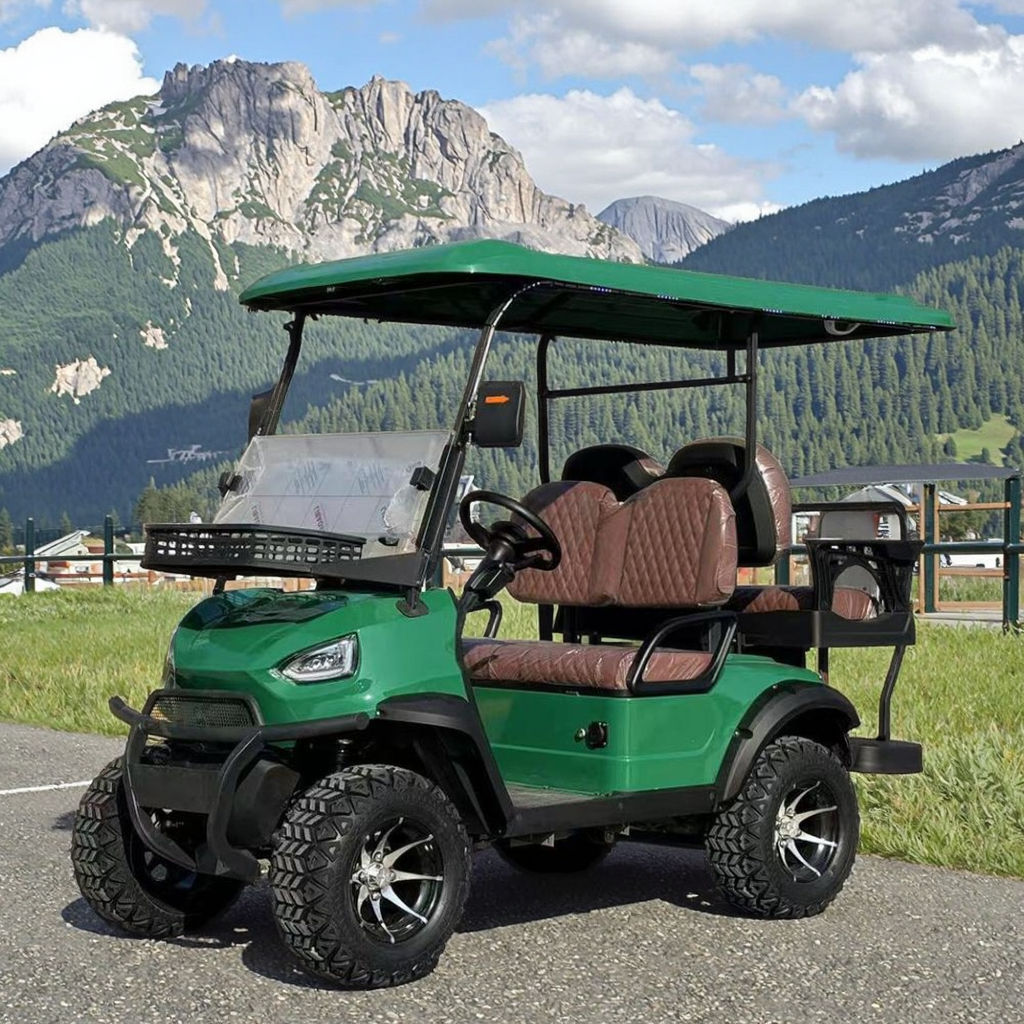
Properties around Nejapa Golf & Country Club, Laguna de Apoyo resorts, and luxury Pacific eco-lodges operating out of Managua require silent, non-polluting passenger shuttles. CCB's 6-seater and 8-seater lifted golf carts feature plush leatherette upholstery, independent front suspension, and zero noise output, matching the expectations of international tourists.
Inside manufacturing complexes like Las Mercedes Free Zone and logistics hubs along the Pan-American Highway, moving equipment and personnel quickly is critical. CCB’s heavy-duty cargo golf carts with drop-side aluminum beds and 1,000kg payload capacities provide reliable, low-cost internal material handling.
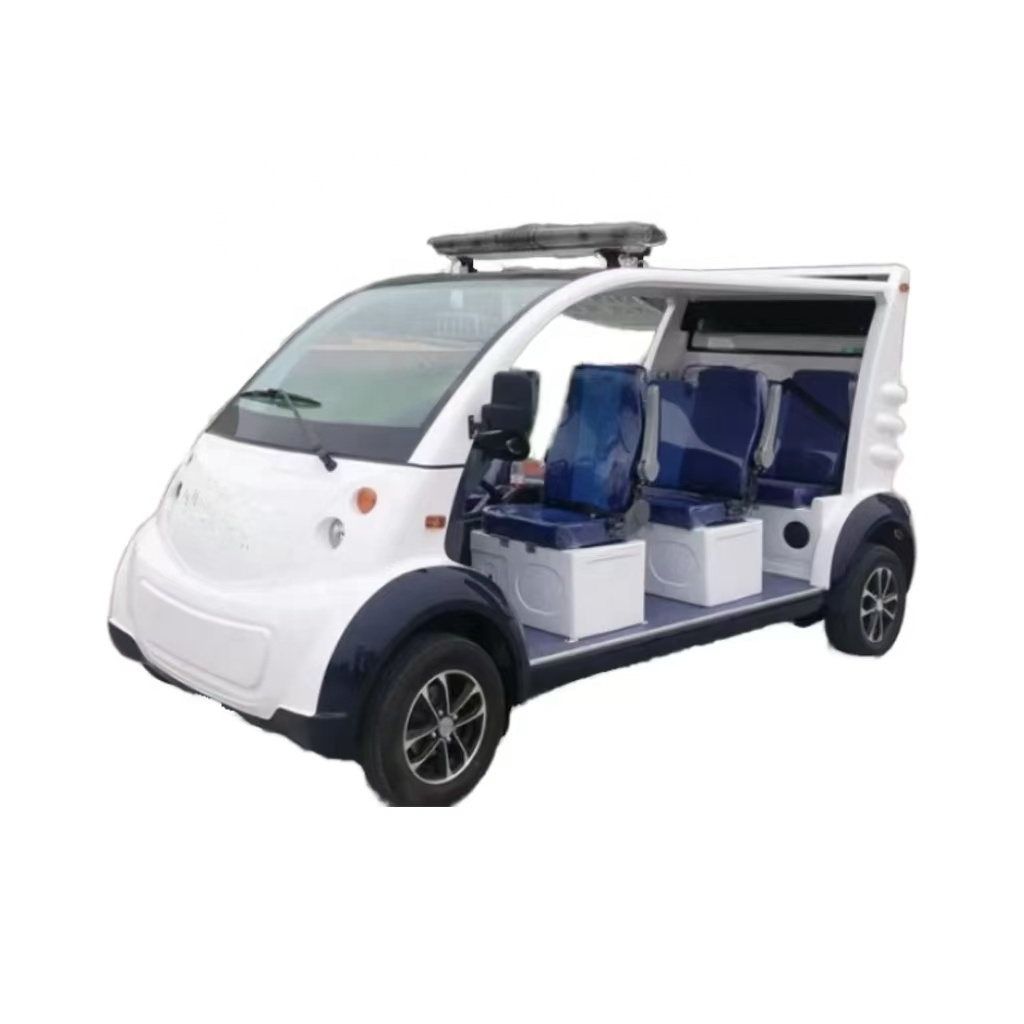
Gated residential communities in Santo Domingo and large shopping districts like Metrocentro Managua depend on street-legal LSVs for continuous security patrols. Outfitted with LED strobe lights, PA systems, and hydraulic disc brakes, CCB patrol cars ensure high visibility and rapid response capabilities.
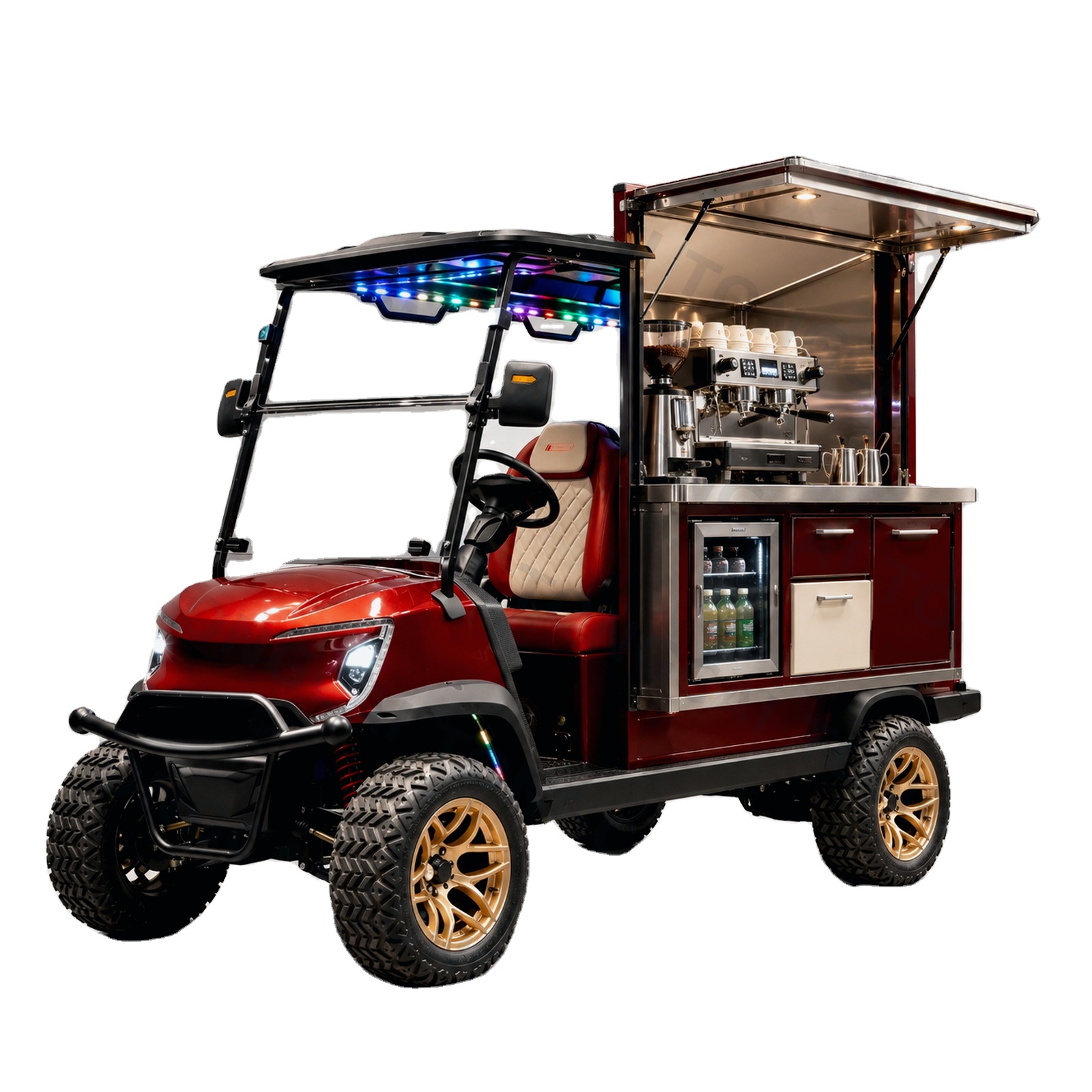
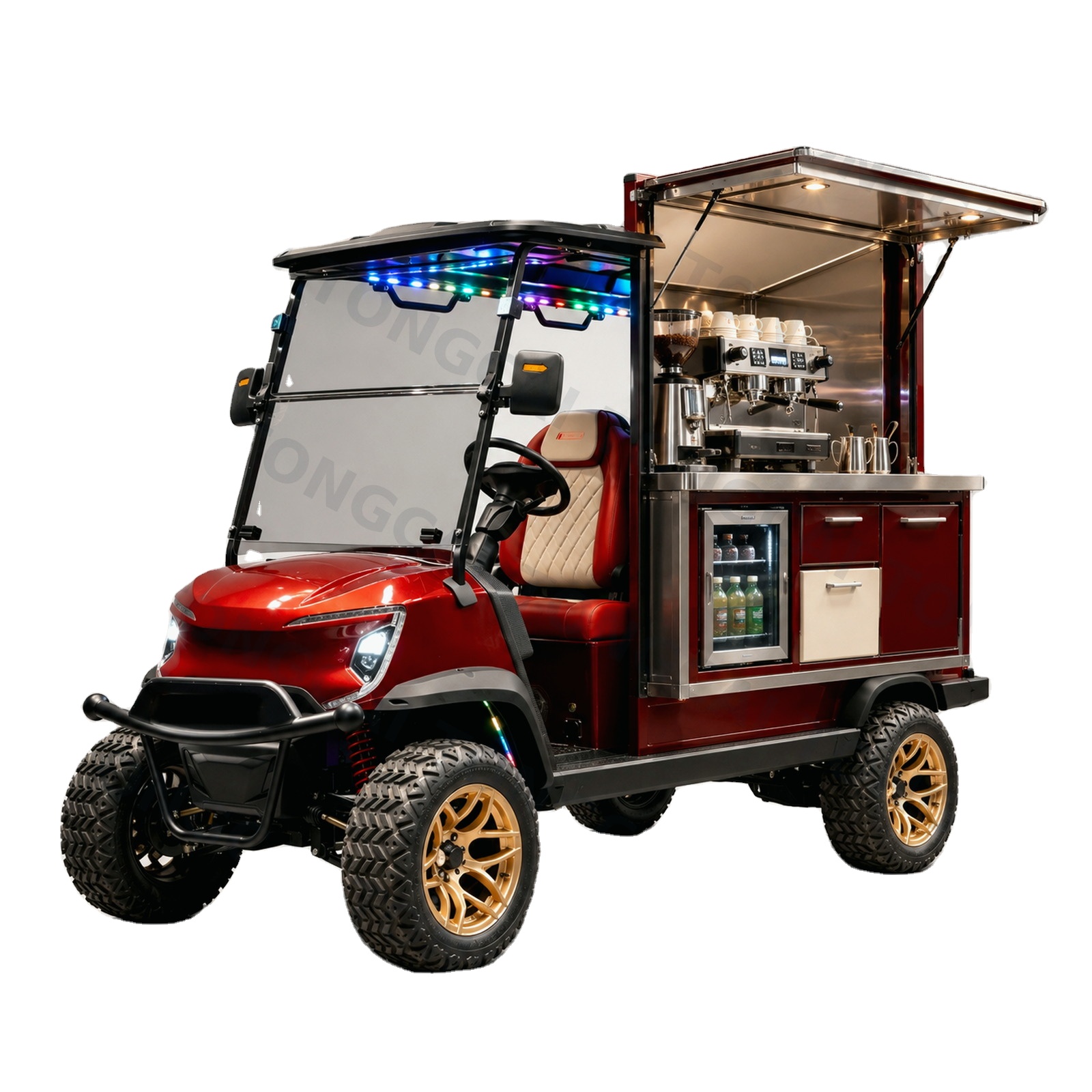
The vibrant culinary and festival scene along Puerto Salvador Allende on the Managua waterfront has created demand for customized electric food trucks and mobile bakery carts. CCB supplies turn-key vending carts with integrated electrical sockets, water systems, and stainless-steel prep counters.
Why Commercial Importers in Central America Are Transitioning from Gasoline Fleet Vehicles to Electric Golf Carts
With fluctuating gasoline prices in Nicaragua, operating internal combustion engine (ICE) utility vehicles inside private complexes incurs unsustainable fuel bills. CCB electric golf carts offer an electricity conversion efficiency exceeding 90%, cutting operational energy expenses by up to 75% per kilometer.
Gasoline engines require frequent oil changes, filter replacements, spark plugs, and transmission servicing—components prone to failure in dusty environments. CCB’s AC brushless motors have zero friction brushes and sealed gearboxes, reducing scheduled maintenance to routine brake and tire inspections.
Fleet leasing companies in Managua report strong demand for rental golf carts among event organizers, construction managers, and private estates. LiFePO4-equipped carts retain up to 70% of their asset value after three years of continuous operational service.
Your Trusted OEM/ODM Partner for Golf Carts, UTVs, and Sightseeing Vehicles in China
Shandong CCB New Energy Machinery Co., Ltd. operates a 14,200 m² state-of-the-art production facility in Dezhou, Shandong, China. As a TÜV Rheinland on-site verified custom manufacturer, we maintain absolute control over every phase of vehicle production.
Unlike basic assemblers, CCB houses complete in-house capabilities: high-precision laser tube cutting, automated CNC pipe bending, robotic chassis welding, cathodic electrophoretic spraying, and assembly lines staffed by over 61 verified technicians.
We specialize in full OEM/ODM customization for global buyers—allowing dealers in Managua to specify custom paint finishes, brand logos, lift kit geometries, battery chemistry (Lead-Acid vs. LiFePO4), and bespoke seating arrangements.
From raw steel inspection to final road testing before container loading.
European standard safety components, wiring, and braking performance.
Orders starting from 1 unit for local market evaluation and testing.
Seamless container loading plans and export documentation.
Essential Commercial, Customs, and Technical Answers for Nicaraguan Fleet Buyers and Importers
Vehicles are packed in reinforced steel crates or knock-down (SKD/CKD) frames to maximize container space. Shipments depart from major Chinese ports (such as Qingdao or Shanghai) directly to Puerto Corinto or Puerto Sandino. Land logistics then transport the sea containers to your facility in Managua.
Yes. We equip export orders with smart dual-voltage chargers compatible with Nicaragua’s standard 110V / 220V AC at 60Hz grid setup. Chargers include automatic voltage regulation and thermal shut-off protection against local power surges.
While deep-cycle Lead-Acid lowers the upfront purchase cost, LiFePO4 Lithium packs are strongly recommended for Managua. Lithium offers 3,500+ charge cycles, tolerates high ambient heat without degrading, charges in 2–4 hours, and reduces overall vehicle weight for better hill climbing.
Standard models can be ordered starting from 1 unit for market testing. Container-level orders (20ft or 40ft HQ) unlock full OEM branding, including custom body colors, custom logo embroidery on seats, and custom speed governor settings.
CCB provides complete spare parts kits (controllers, solenoids, brake shoes, light assemblies) shipped along with container orders. We supply wiring schematics, English/Spanish operational manuals, and direct remote engineering assistance via video call for local maintenance technicians.
Absolutely. Our lifted golf cart series features 10-inch to 14-inch off-road tires, independent A-arm suspension, high-clearance aluminum chassis, and IP65/IP67 waterproof rating on electrical harnesses and controllers for reliable rainy season operation.
Partner directly with Shandong CCB New Energy Machinery Co., Ltd. for factory pricing, customized specifications, and reliable export logistics to Central America.