2025 B2B Procurement Whitepaper

Top 10 Electric Tourist Shuttle Factories & Exporters in the Korea market

An Executive Analysis of OEM/ODM Manufacturing Capabilities, KC Safety Regulations, Battery Thermal Management & Localized Eco-Tourism Deployments across South Korea

Market Intelligence

Executive Summary: The Electric Tourist Shuttle Ecosystem in South Korea

South Korea’s low-speed electric vehicle (LSV) and tourist shuttle landscape is undergoing a massive structural transformation driven by the national 2050 Carbon Neutrality Framework, municipal eco-mobility mandates, and the aggressive expansion of smart tourism infrastructure. From the volcanic inclines of Jeju Island to the high-density pedestrian corridors of Songdo International Business District and the alpine resorts of Gangwon Province, municipal buyers and commercial resort operators are replacing legacy internal combustion vehicles with quiet, zero-emission electric passenger shuttles.

Sourcing electric passenger carts for South Korea requires meeting stringent local standards. Importers face high urban density, mountainous terrain, humid coastal air, sub-zero winter temperatures, and rigorous regulatory standards set by the Ministry of Land, Infrastructure and Transport (MOLIT) and Korea Certification (KC) protocols. Consequently, Korean fleet distributors prefer verified OEM factories that provide advanced LiFePO4 battery chemistry, SMART BMS pre-heating systems, high-torque AC drivetrains, and anti-corrosion chassis treatments.

Key Insight for Korean B2B Importers: Shandong CCB New Energy Machinery Co., Ltd. (operating under the global brand TongCai) offers direct factory-level manufacturing, custom voltage tuning (48V/60V/72V), and anti-rust dip-coating tailored to South Korea's coastal and alpine environments. Verified on-site by TÜV Rheinland across a 14,200 m² base in Dezhou, Shandong, CCB provides OEM/ODM manufacturing directly compliant with import standards.

Featured Fleet Solutions

Top 8 Electric Tourist & Utility Shuttles for the Korean Market

The following eight vehicles represent high-demand product lines engineered for South Korean commercial resorts, municipal parks, heritage sites, and airport transfer services.

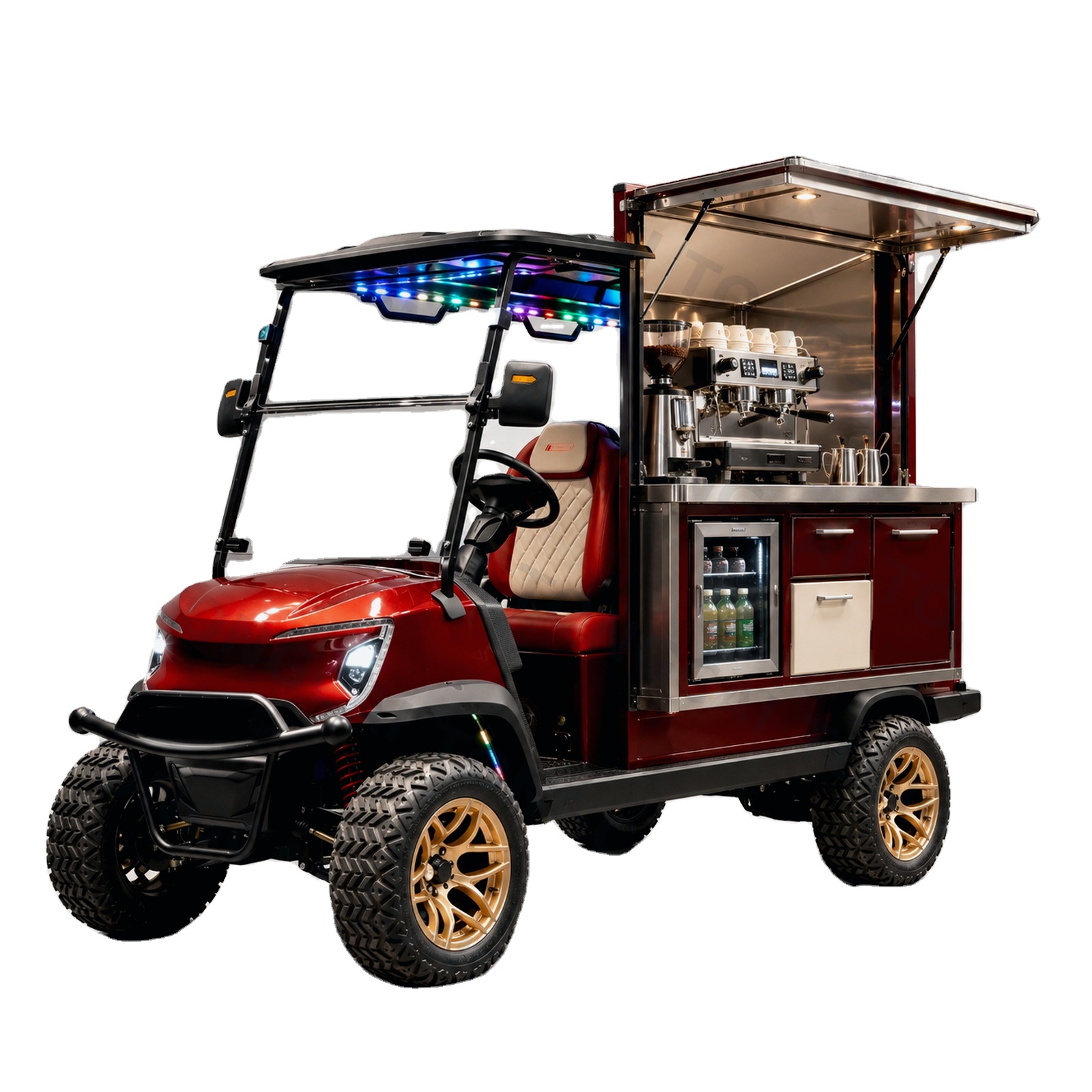
TONGCAI Small Electric Ice Cream Truck Mobile Dessert Cart

Custom food vending solution for Han River parks, amusement centers, and heritage sites.

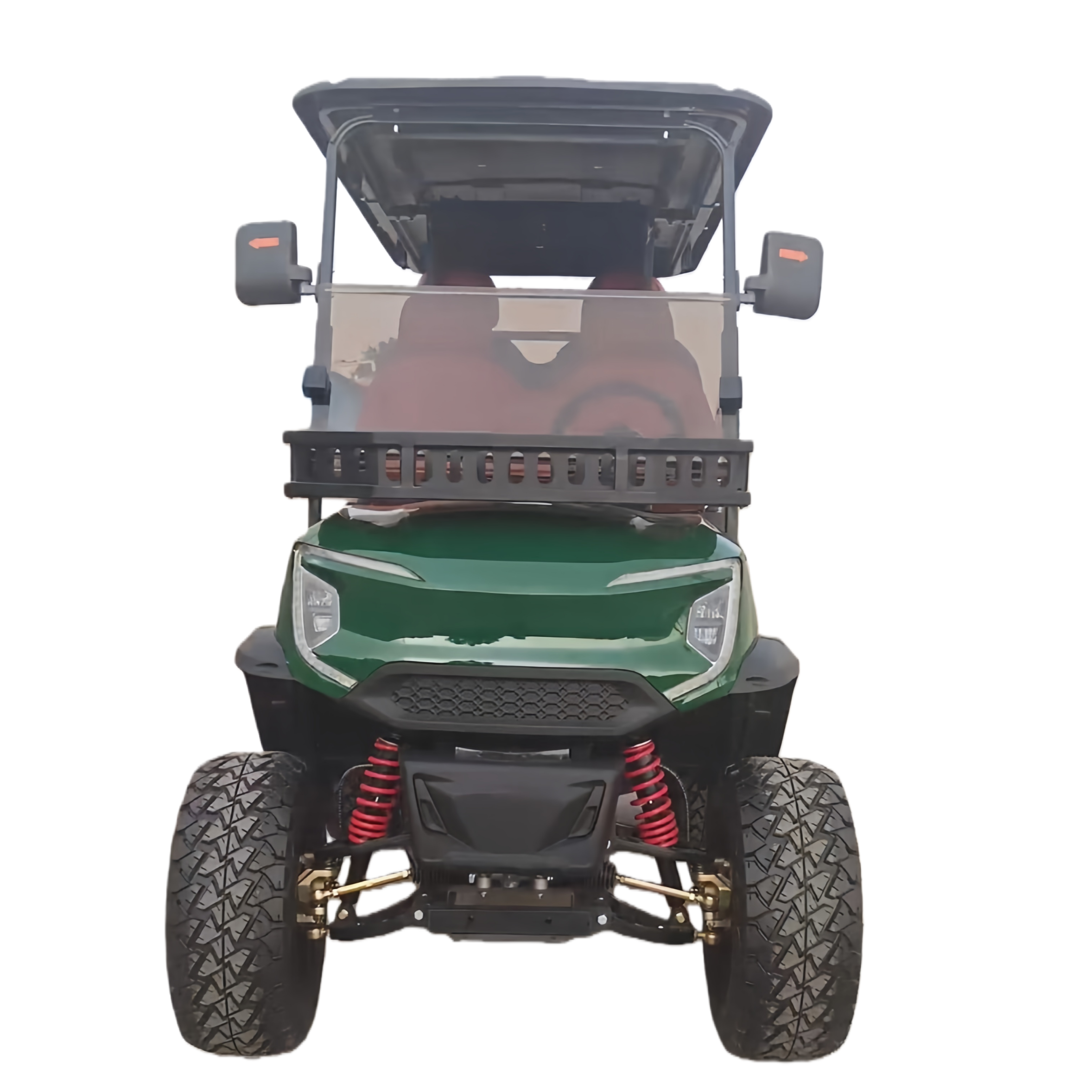
Customized Club Style 72V Lithium 4WD Electric Golf Cart

High-torque 5000W 4WD powertrain designed for steep alpine resorts in Gangwon Province.

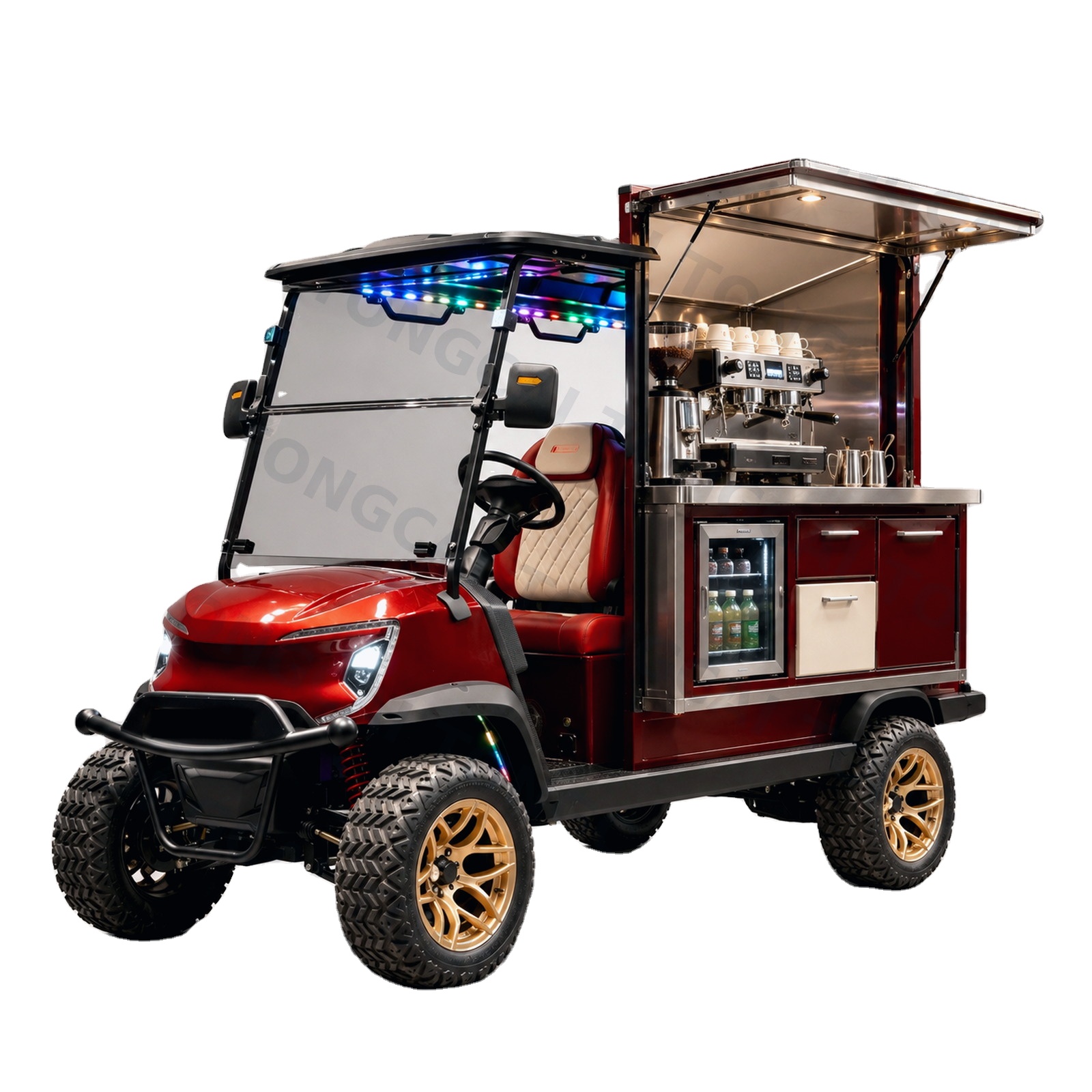
TONGCAI Factory Custom Electric Bakery Mobile Food Truck

Versatile electric mobile retail unit customized for night markets and tourist plazas.

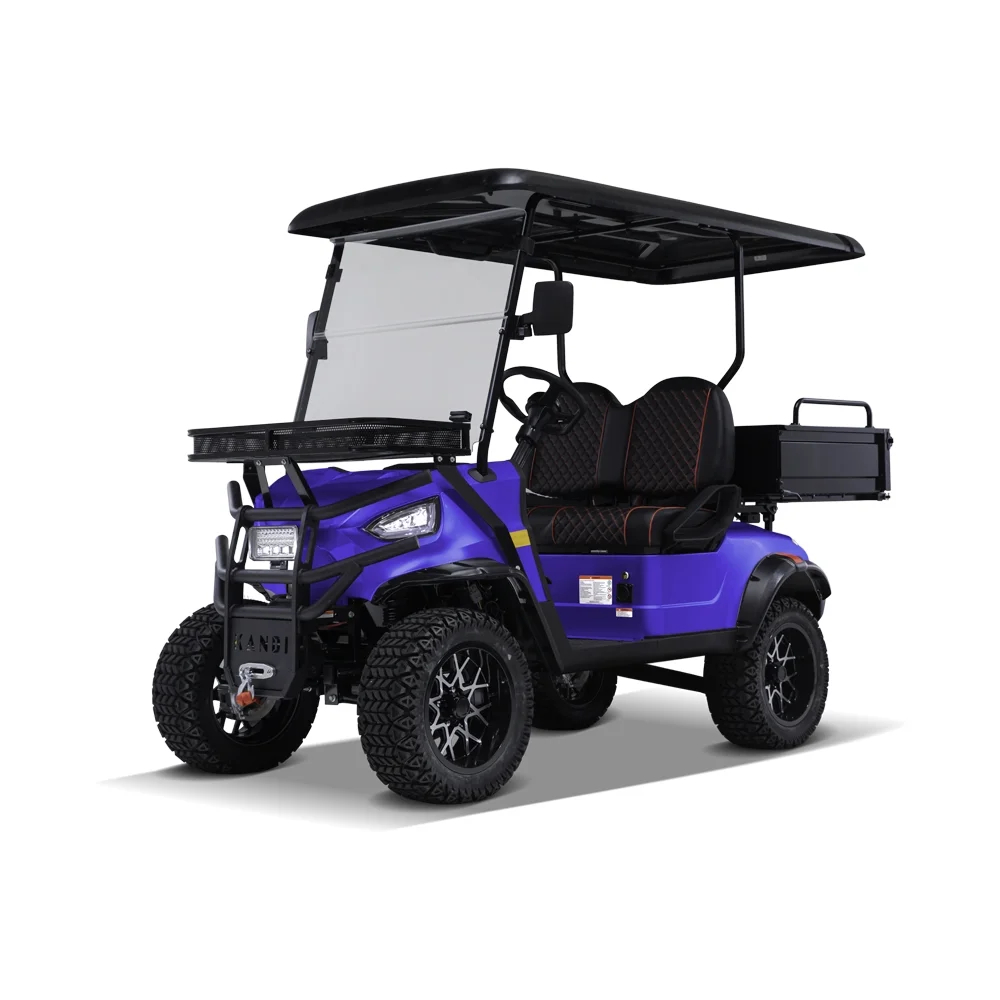
TONGCAI Electric High Speed Utility Golf Cart 50-70km/h

Rapid low-speed logistics vehicle (50-70km/h) with steel frame for industrial park transit.

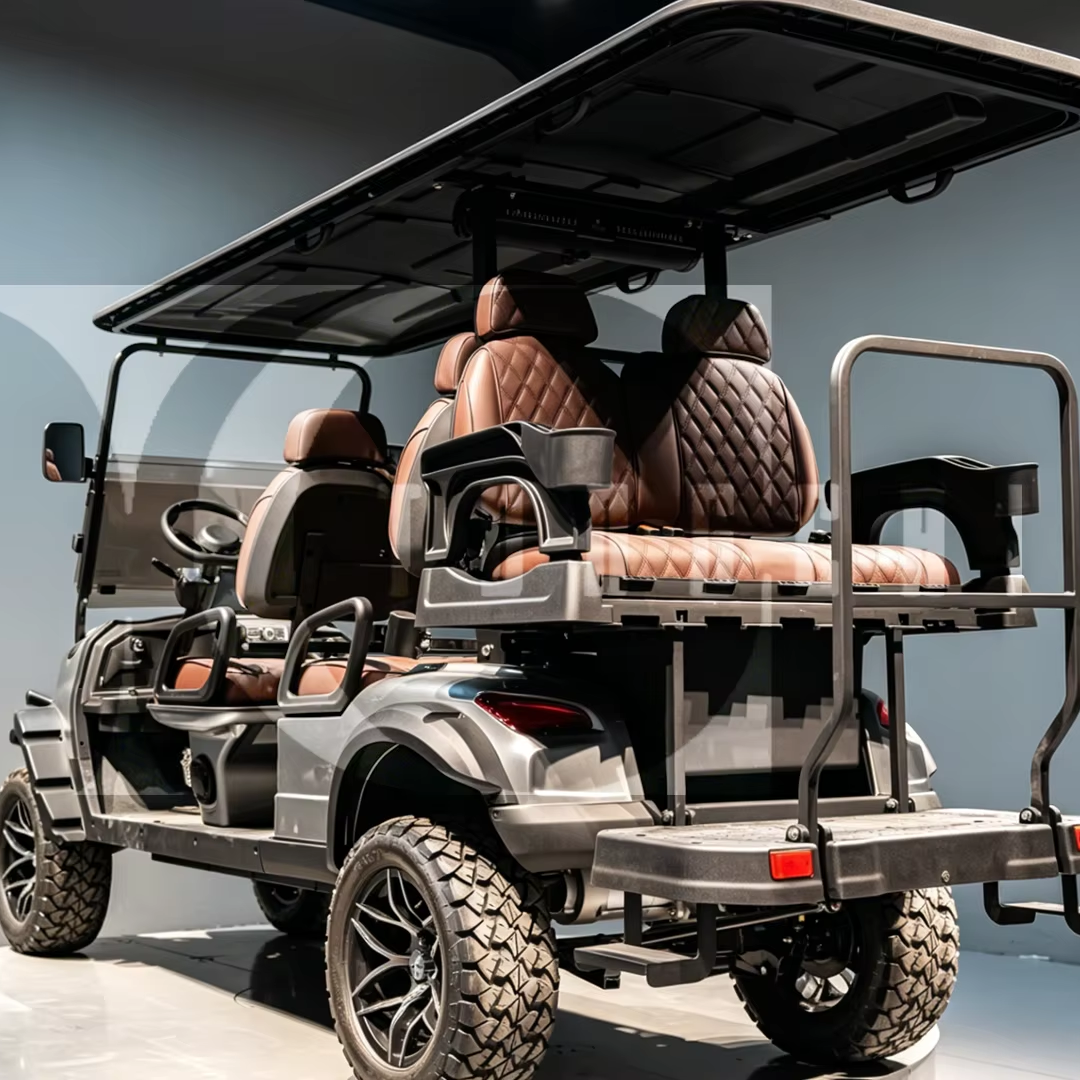
Tongcai 6 Seats Electric Golf Cart Resort Shuttle CE

CE-certified 6-passenger shuttle with enhanced ergonomics for luxury hotel & estate transport.

Tongcai 11-14 Seater Luxury Electric Vintage Classic Shuttle

High-capacity retro sightseeing shuttle with genuine leather seating for historical city tours.

14,200 m²
Dezhou Production Facility
TÜV Verified
On-Site Factory Audit
72V / 5000W
High-Torque AC Drivetrain
LiFePO4
Smart PTC Pre-Heating Pack
Industry Benchmark

Top 10 Electric Tourist Shuttle Factories & Exporters Active in Korea

To assist Korean procurement officers and fleet distributors in evaluating potential manufacturing partners, we have compiled an industry benchmark analyzing the top 10 global and domestic suppliers providing electric shuttle buses, golf carts, and specialty tourist vehicles to the South Korean market.

Manufacturer / Brand Primary Base Key Strengths & Product Focus Korean Market Suitability
Shandong CCB New Energy Machinery Co., Ltd. (TongCai) Dezhou, China Full in-house chassis welding, CNC pipe bending, private mold bodies, 2-14 seat lithium shuttles, custom OEM/ODM. Excellent – High customization, direct factory pricing, low MOQ, RCEP tariff advantages.
CT&T United South Korea Domestic pioneer in e-Zone low-speed vehicles, municipal utility carts, and urban neighborhood electric shuttles. High – Local domestic brand, direct government procurement access.
DY Corporation (formerly Dongyang) Iksan, South Korea Premium golf carts, automated guided shuttle chassis, specialized industrial utility carriers. High – Established Korean distribution, higher unit cost structure.
Club Car (Ingersoll Rand) Augusta, USA Global commercial golf cart manufacturer, Carryall utility vehicles, luxury resort shuttles. Moderate-High – Strong brand legacy, premium price point, long replacement lead times.
EZ-GO (Textron Specialized Vehicles) Augusta, USA Express passenger shuttles, RXV/TXT golf platforms, lead-acid & lithium powertrains. Moderate – Popular in high-end private golf courses, higher cost for municipal fleets.
Yamaha Motor Korea Iwata, Japan / KR Dist. Drive2 quiet gas & electric golf fleets, resort passenger movers, high reliability. Moderate – Strong presence in golf courses; limited custom mobility platforms.
Marshell Green Power Shenzhen, China Mass-market electric sightseeing buses, community shuttles, floor sweepers. Moderate-High – Broad export catalog; standard models with less private-mold flexibility.
Lvtong Electric Vehicle Dongguan, China Large-scale production of passenger sightseeing buses, vintage cars, resort shuttles. Moderate-High – High volume capacity; rigid configuration pipelines.
GreenWheel EV Shenzhen, China Compact urban delivery vehicles, small electric passenger shuttles. Moderate – Niche mobility focus; limited heavy 4WD off-road capabilities.
Speedo Mobility Korea Seoul, South Korea Specialized distributor & assembler of custom resort electric buggies and last-mile vehicles. Moderate-High – Excellent local servicing; relies on overseas OEM suppliers for chassis.
Regional Deployment

Localized Application Scenarios across South Korea

Operating electric tourist shuttles in South Korea involves navigating diverse geographical micro-climates and specialized operational environments. Shandong CCB designs vehicle platforms engineered specifically for these distinct deployment zones:

Jeju Island & Coastal Eco-Resorts

Challenge: High salt-fog humidity, ocean breeze corrosion, and steep volcanic slopes (Seogwipo, Seongsan Ilchulbong).

CCB Solution: Electrophoretic anti-rust steel frames, marine-grade stainless hardware, non-fading UV-resistant fiberglass/PP body panels, and 72V 5000W AC motors delivering high hill-climb torque.

Gangwon Alpine Resorts & Ski Complexes

Challenge: Severe sub-zero winter temperatures (-15°C) and icy inclines in Pyeongchang, High1, and Jeongseon.

CCB Solution: Smart LiFePO4 battery packs featuring automatic PTC heating pads to maintain optimal charge reception, combined with electronic 4WD, lifted suspension, and mountain-grip tires.

Urban Parks & Heritage Sites (Seoul & Gyeongju)

Challenge: Pedestrian safety in high-density areas (Yeouido Han River Park, Everland, Lotte World, Gyeongju Historic Zone).

CCB Solution: Low noise operation, regenerative electromagnetic braking, speed-governed controllers (15–25 km/h limiters), and nostalgic 11–14 seat vintage designs for photo-worthy passenger tours.

Future Outlook

South Korea Micro-Mobility Trends (2025–2030)

Understanding emerging technology trends allows Korean B2B buyers to select vehicle specifications that remain compliant and competitive over a 10-year operational lifecycle.

1. Complete Phase-Out of Lead-Acid in Favor of LiFePO4

South Korea’s environmental regulations and commercial fleet operators are rapidly phasing out toxic lead-acid batteries. Automotive-grade Lithium Iron Phosphate (LiFePO4) chemistry is now the benchmark due to its 3,500+ charge cycle life, zero maintenance, rapid 2-3 hour charging capability, and superior thermal stability.

2. Autonomous-Ready Micro-Shuttle Architectures

Smart city developments in Songdo, Sejong, and Pangyo Techno Valley are testing autonomous driverless shuttles. Forward-thinking buyers prioritize electric vehicle platforms built with CAN-BUS wiring harnesses, electronic power steering (EPS), and drive-by-wire capability to allow future autonomous retrofit kits.

3. Solar Auxiliary Power Integration

To extend daily operational range without returning to charging hubs, eco-resorts are opting for high-efficiency solar roofs. Integrated flexible monocrystalline panels supply continuous trickle-charging to auxiliary 12V systems and main battery banks, boosting daily range by 15–20%.

4. Strict Adherence to KC Safety Standards

Korean regulatory authorities strictly monitor electrical insulation, electromagnetic compatibility (EMC), braking efficiency, and headlight projection on low-speed vehicles. Importing from factories that utilize CE and ISO certified manufacturing pipelines significantly streamlines the local KC certification approval process.

Factory Excellence

Why Shandong CCB New Energy (TongCai) is the Strategic Choice

Located in Tianqu Industrial Park, Dezhou City, Shandong Province, Shandong CCB New Energy Machinery Co., Ltd. stands as a premier direct manufacturer specializing in electric golf carts, utility task vehicles (UTV/ATV), and high-capacity tourist sightseeing buses.

  • TÜV Rheinland Verified Base: On-site verified 14,200 m² modern manufacturing plant with automated robotic welding, cutting, and assembly lines.
  • Full In-House Manufacturing: Unlike mere assemblers, CCB controls tube cutting, machining, pipe bending, frame welding, polishing, spraying, and multi-stage assembly under one roof.
  • Agile OEM/ODM Customization: Custom seating configurations (2 to 14 seats), private chassis molds, logo branding, custom upholstery, and bespoke body paint colors.
  • RCEP Trade Tariff Benefits: Utilizing the Regional Comprehensive Economic Partnership (RCEP) and China-Korea FTA for duty preferences and streamlined customs clearance at Busan and Incheon ports.
  • Comprehensive Spare Parts Support: Full schematic wiring diagrams, English/Korean operational documentation, and priority express dispatch for replacement controllers, motors, and axles.
  • Rigorous FQC Road Testing: Every completed vehicle undergoes dynamic hill-climbing tests, braking distance verification, and rain-water tightness spraying tests prior to container loading.
Send an Inquiry
Buyer Guidance

Frequently Asked Questions (FAQ) for Sourcing Shuttles in Korea

1. What are the key certification requirements for importing electric shuttles into South Korea?

Importers bringing low-speed electric vehicles into South Korea must comply with safety guidelines administered by MOLIT. Vehicles intended for private resorts, closed campuses, and park environments require factory CE certifications, ISO9001 quality compliance, and battery safety test reports (such as UN38.3 for lithium packs). For vehicles operating on public roads, localized KC (Korea Certification) for charger safety and electromagnetic compatibility is required. Shandong CCB provides full technical documentation to assist distributors in obtaining local approvals.

2. How do lithium battery shuttles perform during harsh Korean winter conditions (-10°C to -15°C)?

Standard lithium batteries experience reduced range and charging efficiency in extreme cold. Shandong CCB equips vehicles destined for cold regions (such as Gangwon-do or Seoul winters) with SMART BMS units integrated with automatic PTC heating elements. These pads pre-heat the battery cells to optimal operational temperatures (above 5°C) before initiating the charging cycle, ensuring full capacity, fast charge times, and protected cell longevity.

3. What is the standard lead time for factory production and shipping to South Korean ports?

Standard catalog models typically have a production lead time of 15 to 20 days. Custom OEM/ODM orders (featuring custom private body colors, branding, or non-standard seating layouts) take approximately 25 to 30 days. Shipping from Qingdao or Tianjin port to major Korean sea ports such as Incheon, Busan, or Pyeongtaek takes only 2 to 4 days in transit, allowing extremely fast supply chain turnaround for Korean dealers.

4. Are single-unit sample orders available for market evaluation and testing?

Yes. Shandong CCB supports single-unit sample orders (MOQ = 1) for Korean commercial buyers, resort operators, and automotive dealers conducting local market evaluations. Container-level orders (20GP / 40HQ) unlock wholesale pricing tiers, customized logo branding, and mixed-model container loading plans.

5. What charging infrastructure is required for CCB electric shuttles in South Korea?

Vehicles come equipped with onboard intelligent chargers configured for South Korea's standard single-phase 220V / 60Hz power grid with standard local plugs. Fast charging options allow full battery replenishment from 20% to 100% in 2.5 to 4 hours depending on the total kWh lithium pack size.

6. How does Shandong CCB handle warranty claims and spare parts supply for overseas buyers?

Shandong CCB provides a comprehensive 2-year warranty on core battery packs and motors, and a 1-year warranty on electronic controllers and chassis frames. In the event of a component failure, diagnostic troubleshooting is conducted remotely by senior electrical engineers, and replacement parts are dispatched directly to South Korea via express air freight (DHL/FedEx).

Ready to Upgrade Your Fleet or Expand Your Korean Dealership?

Contact our direct factory engineering desk to request tailored technical spec sheets, localized RCEP shipping estimates, and bulk wholesale pricing for the South Korean market.

Send an Inquiry