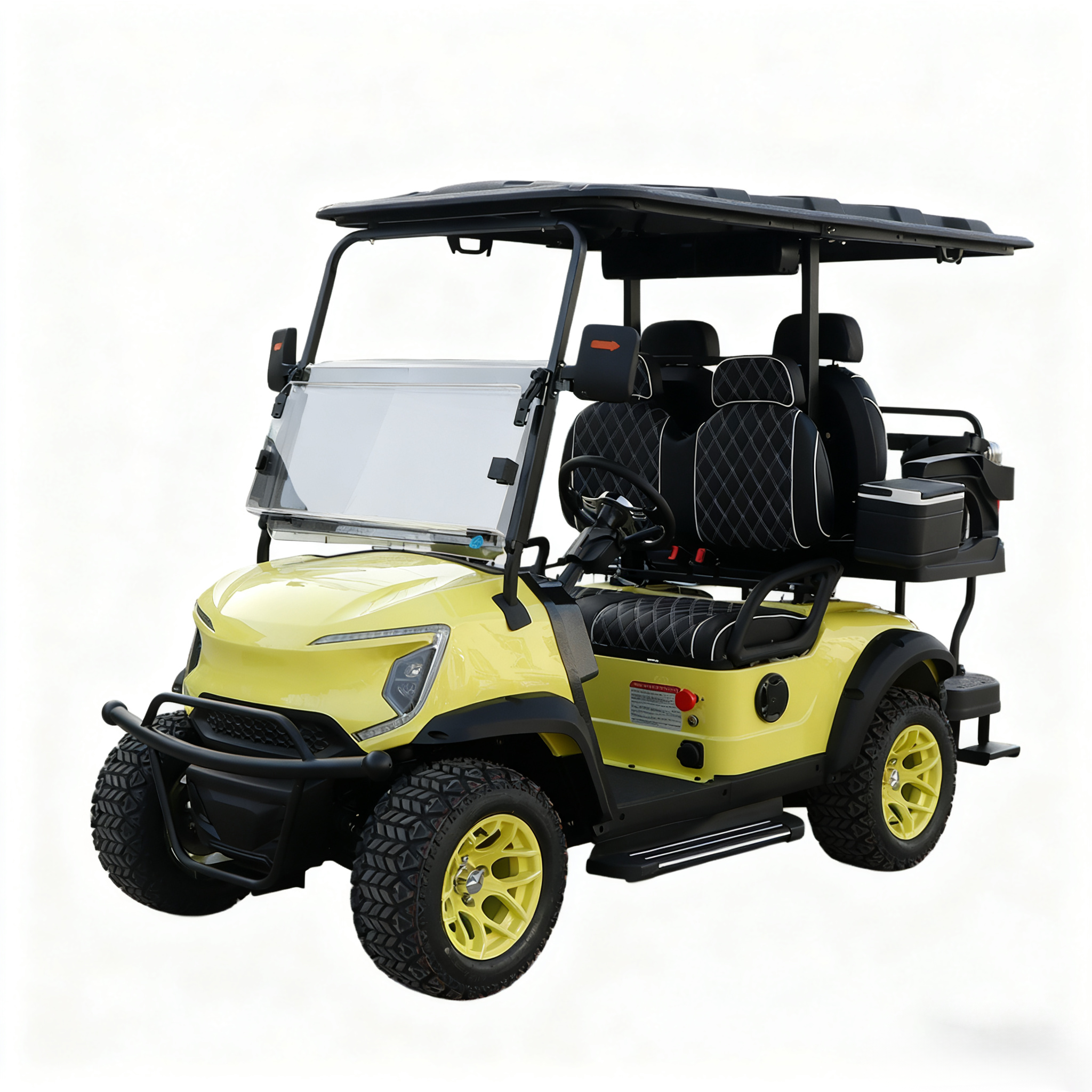
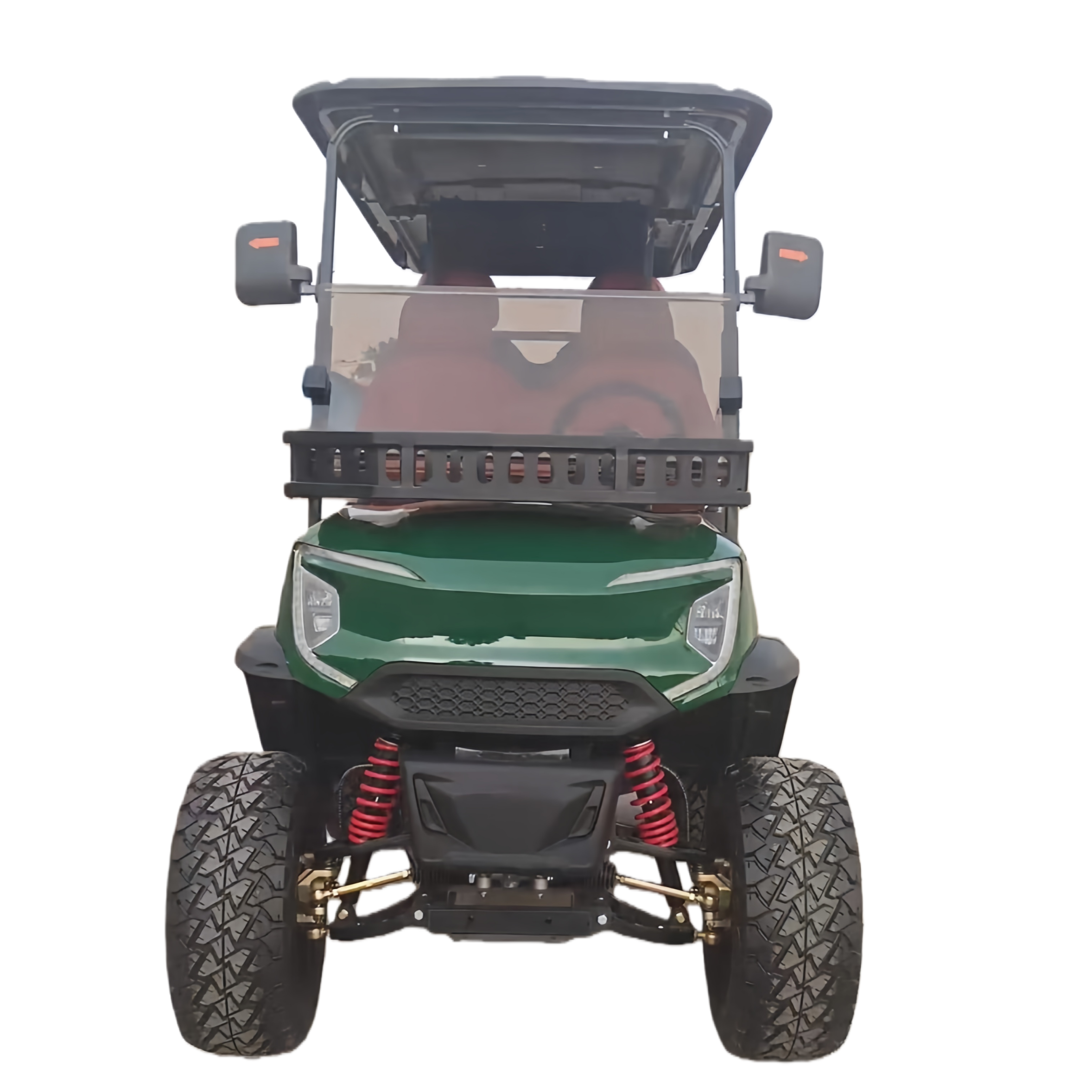
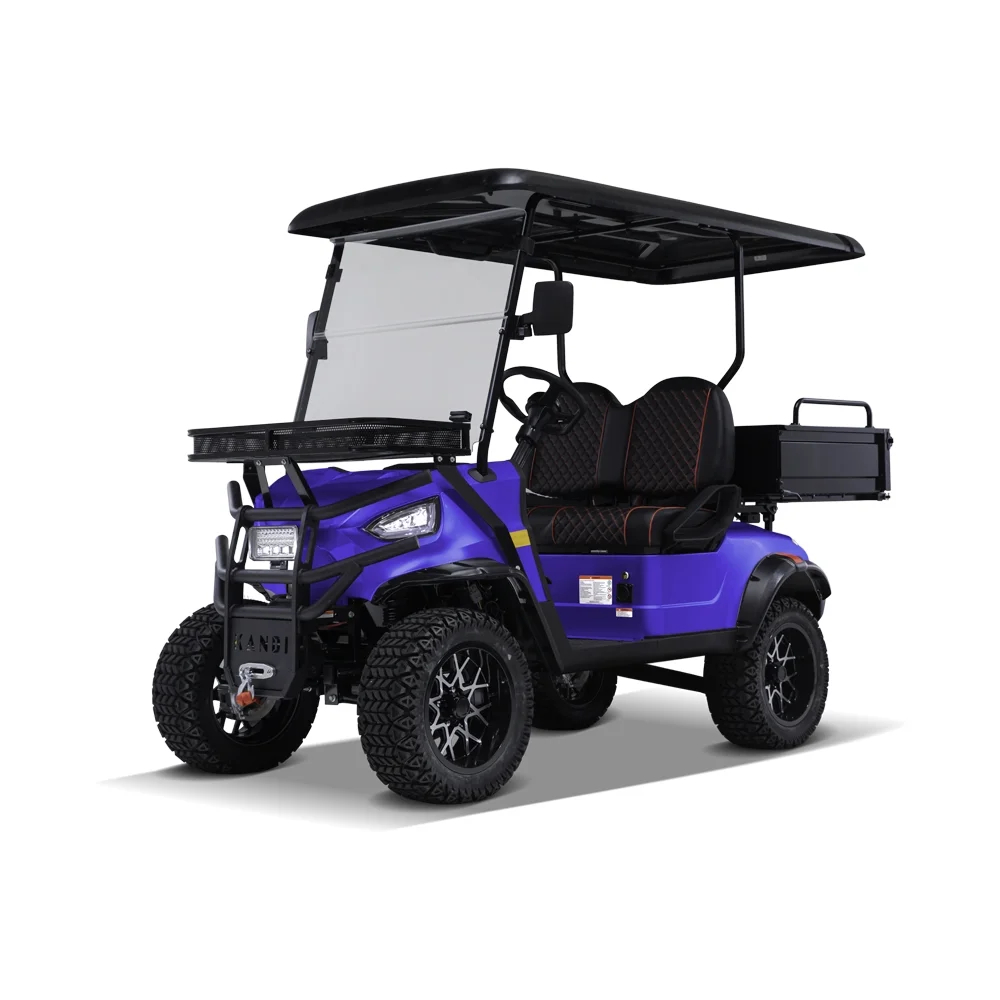
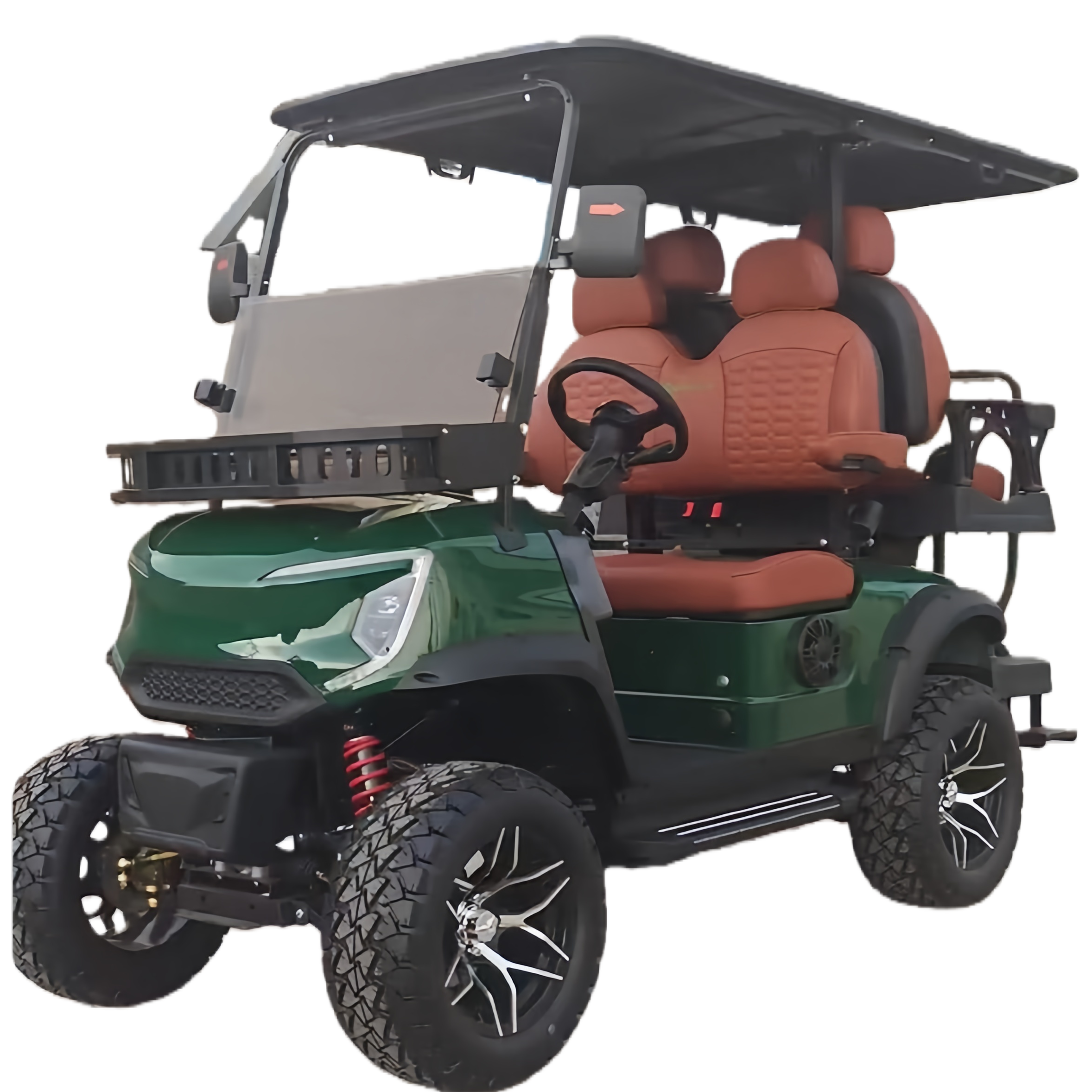
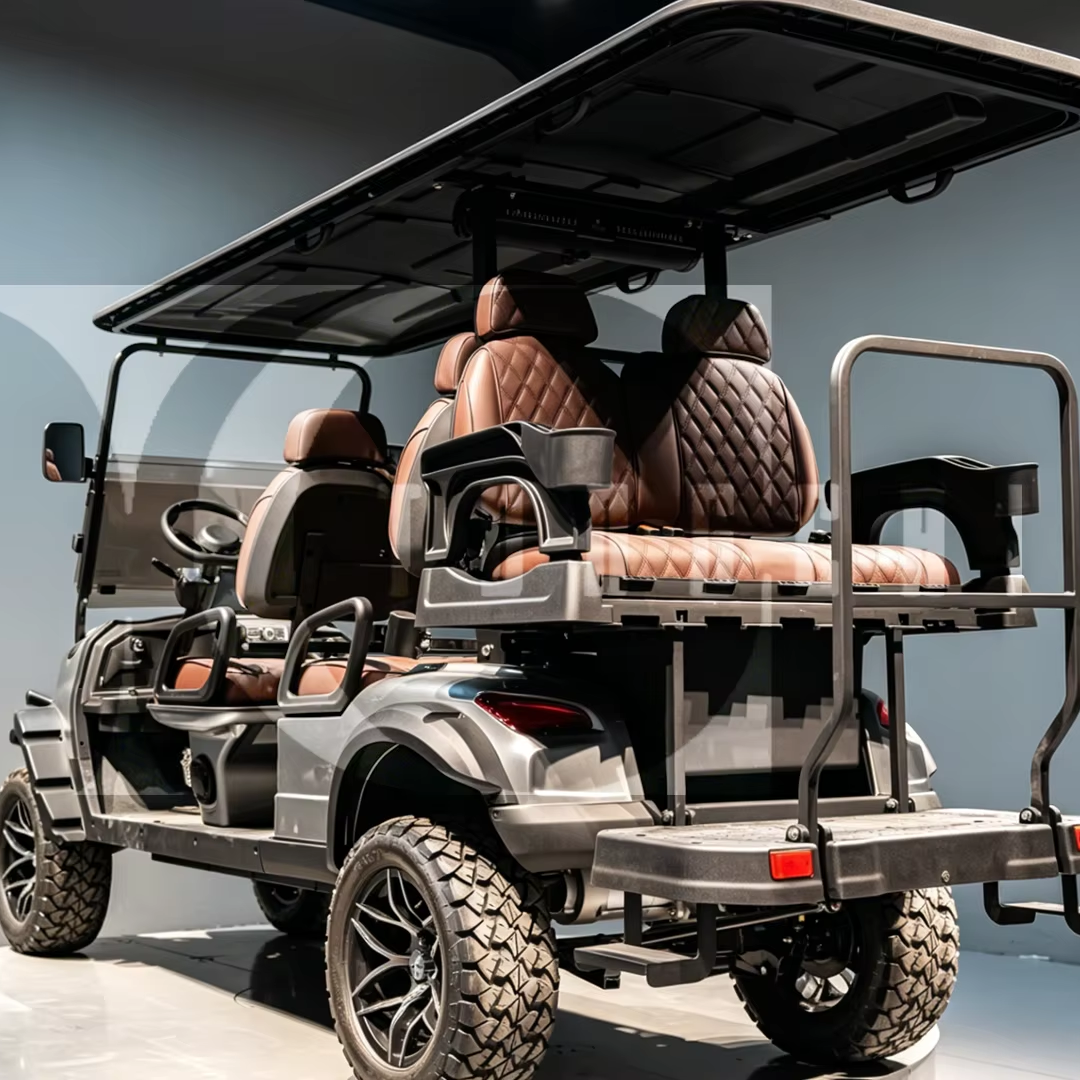
As the primary eco-tourism capital of Honduras and the vital gateway to the Bay Islands (Roatán, Utila, and Guanaja), La Ceiba (Department of Atlántida) is experiencing a structural paradigm shift toward sustainable commercial transportation. Positioned along the Caribbean coastline backed by the rugged terrain of Pico Bonito National Park, resort operators, municipal authorities, port logistics managers, and commercial developers in La Ceiba require specialized low-speed electric vehicles (LSVs) built to withstand harsh tropical environments.
Sourcing commercial sightseeing cars, guest shuttle buggies, and utility vehicles in La Ceiba presents unique engineering challenges. Fleet assets face high ambient humidity, aggressive salt-air oxidation along Puerto Cabotaje and beachfront resorts, steep inclines across mountain eco-lodges, and demanding daily drive cycles. This comprehensive whitepaper provides enterprise buyers, fleet managers, and importers with deep operational insight into selecting high-performance electric sightseeing vehicles engineered by certified OEMs like Shandong CCB New Energy Machinery Co., Ltd. (Tongcai).
Engineered for tropical durability, operational safety, and optimal total cost of ownership (TCO) in Caribbean commercial applications.
Designing and deploying sightseeing cars in La Ceiba requires strict alignment with localized micro-climates, urban topographies, and commercial use-cases. Standard off-the-shelf golf carts frequently suffer premature frame degradation, motor overheating, or insufficient climbing power when subjected to the real-world conditions of Northern Honduras. Shandong CCB engineers custom-configure vehicles according to four predominant local operational environments:
The wilderness eco-resorts surrounding the Cangrejal River and Pico Bonito National Park demand high-ground-clearance vehicles capable of negotiating unpaved trails, mud, and continuous 15% to 25% inclines. Gas-powered buggies create acoustic pollution that disturbs rainforest wildlife and negatively impacts guest experience.
Properties along the beachfront corridors of La Ceiba, Sambo Creek, and Corozal require continuous shuttle operations for guests, luggage, and room service. The proximity to the Caribbean Sea exposes vehicle chassis to relentless salt spray and airborne moisture.
Puerto Cabotaje in La Ceiba serves as the critical transit node for thousands of tourists daily traveling via ferry to Roatán and Utila. Transporting passengers, elderly travelers, and heavy luggage between parking zones, ticketing offices, and boarding docks demands heavy-duty, high-efficiency fleet buggies.
La Ceiba’s vibrant street culture during the Gran Carnaval Internacional de La Ceiba and evening promenade gatherings creates substantial commercial opportunities for mobile hospitality businesses, boutique cafes, and event organizers.
Commercial fleet buyers in La Ceiba face shifting economic and environmental regulatory dynamics. Sourcing decisions are increasingly driven by technical evaluation criteria rather than initial purchase price alone. Key regional trends include:
Traditional lead-acid batteries suffer severe capacity degradation in ambient temperatures exceeding 30°C common in La Ceiba. Modern importers overwhelmingly specify LiFePO4 lithium batteries, which deliver 3,500+ charge cycles, zero maintenance, a 60% weight reduction, and superior thermal stability up to 60°C.
With high average peak sun hours in Atlántida, fitting flexible 300W to 500W monocrystalline solar panels onto cart roofs extends daily driving range by 15–25 km while parked outdoors. This reduces dependence on local municipal grid electricity and lowers overall operating expenses.
Honduran transport frameworks are adopting low-speed vehicle safety norms for municipal corridors. Sourcing vehicles pre-equipped with 3-point seatbelts, DOT-approved tempered glass windshields, hydraulic 4-wheel disc brakes, turn signals, and digital LED instrumentation panels ensures seamless registration and public road operation.
When procuring commercial fleets from overseas manufacturers, direct factory capabilities, rigorous quality control, and export verification are paramount. Operating from a verified 14,200 m² modern manufacturing facility in Dezhou, Shandong, China, Shandong CCB New Energy Machinery Co., Ltd. (Tongcai) is an industry-leading OEM/ODM specializing in electric low-speed vehicles, sightseeing buggies, and utility vehicles.
Unlike trading entities or third-party assemblers that purchase outsourced chassis, Shandong CCB controls the entire production cycle under one roof. Our facility has been audited and verified on-site by TÜV Rheinland, operating 12 standardized production and quality assurance stages:
With over 61 verified technical staff and direct partnerships with 140+ Tier-1 component suppliers, Shandong CCB provides full OEM/ODM customization—including custom body color matching, private-label dealer branding, elevated chassis lift kits, custom seating layouts (2 to 14 seats), and specialized battery system selection (Lead-acid, LiFePO4, 48V, 60V, or 72V configurations).
Clear, technical answers to common questions asked by Honduran resort owners, fleet buyers, and commercial importers.
Our factory supports low-barrier market entry. Most standard and custom catalog models can be ordered starting from 1 single unit for evaluation, resort testing, or sample approval. For commercial buyers, ordering in 20ft (typically holds 4-6 units) or 40ft HQ shipping containers (holds 12-18 units depending on model size) significantly reduces per-unit sea freight costs from China to Puerto Cortés, Honduras.
Vehicles destined for coastal environments undergo our enhanced marine protection protocol. Frame structures are built using high-strength seamless steel or lightweight aluminum alloy chassis, followed by full electrophoretic immersion (e-coating) and UV-stabilized outdoor powder coating. All electrical connectors are upgraded to IP67 waterproof sealed automotive plugs, and structural hardware utilizes 304 stainless steel fasteners to prevent rust from aggressive Caribbean sea mist.
For commercial operators in La Ceiba, LiFePO4 (Lithium Iron Phosphate) is highly recommended. While lead-acid batteries lower initial purchase cost, high tropical ambient temperatures accelerate lead plate degradation, shortening lifespan to 1.5–2 years. LiFePO4 lithium battery packs last 8–10 years (3,500+ cycles), charge 3x faster, withstand high ambient heat without thermal runaway, require zero acid fluid top-offs, and reduce vehicle weight by 150–200 kg—providing superior climbing power on steep eco-lodge trails.
Vehicles are securely packed inside custom steel frames or timber crates to prevent shifting during transit. Containerized shipments depart directly from major Chinese ports (such as Qingdao or Shanghai) to Puerto Cortés, Honduras (the primary Atlantic deep-water port). From Puerto Cortés, cargo clears Honduran customs and is transported via overland transport to La Ceiba (approx. 3.5 hours via CA-13 highway). Our export department provides complete export documentation, including Bill of Lading, Commercial Invoice, Packing List, Certificate of Origin, and CE compliance certificates.
Shandong CCB provides a comprehensive factory warranty covering core drivetrain components (Frame: 5 years; Motors, Controllers & Lithium Batteries: 2 to 3 years). We provide technical manuals, complete wiring schematics, and direct video engineering support for local mechanics. Additionally, when shipping full container orders, we supply a recommended fast-moving spare parts package (switches, brake pads, LED lights, relays, tires) to guarantee 100% operational continuity for your fleet.
Yes. As a direct custom manufacturer, we offer full OEM/ODM branding customization. You can select exact RAL color codes for body paint, custom two-tone stitched leather seating with embroidered resort or company logos, custom lift kits, high-wattage LED light bars, enclosed weather curtains, and high-efficiency roof-mounted solar charging panels.