14,200 m²
TÜV Verified Facility Space
CE & ISO
International Compliance Safety
5000W AC
High-Torque Japanese Grade Drivetrains
3 - 5 Days
Direct Port Logistics to Tokyo/Yokohama
Localized Deployment Scenarios Across Tokyo & The Kanto Region
Understanding the operational challenges unique to Tokyo's urban density, topography, and strict commercial low-emission zones.
Tokyo Golf Clubs & Private Country Clubs
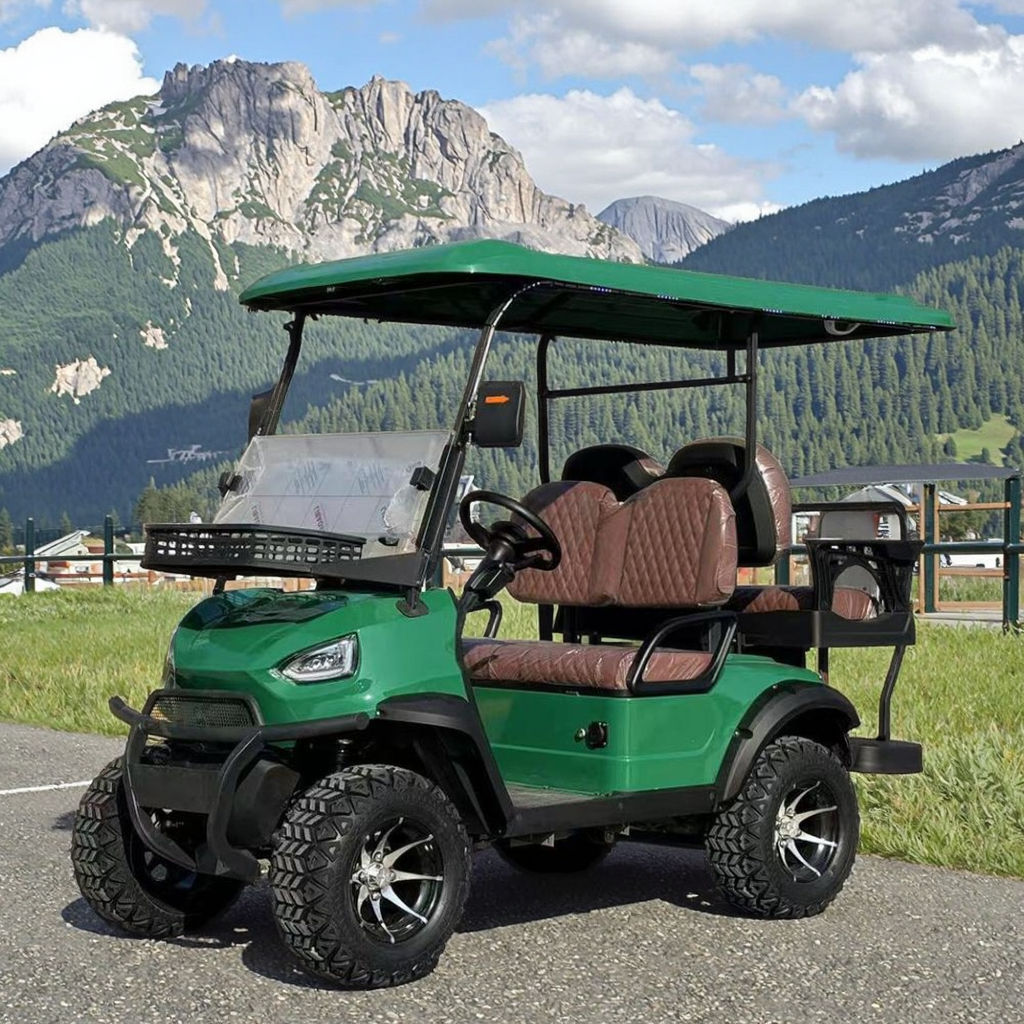
Prestigious golfing venues across Greater Tokyo—such as Wakasu Golf Links in Koto-ku, Tokyo Yomiuri Country Club, and facilities throughout the Tama Hills region—demand whisper-quiet, zero-emission utility carts. Our 72V lithium-powered 4WD models deliver silent operation, eliminating noise disturbance on the fairways while easily negotiating steep 30% slopes with ultra-smooth regenerative braking systems.
Urban Hospitality & Commercial Facilities
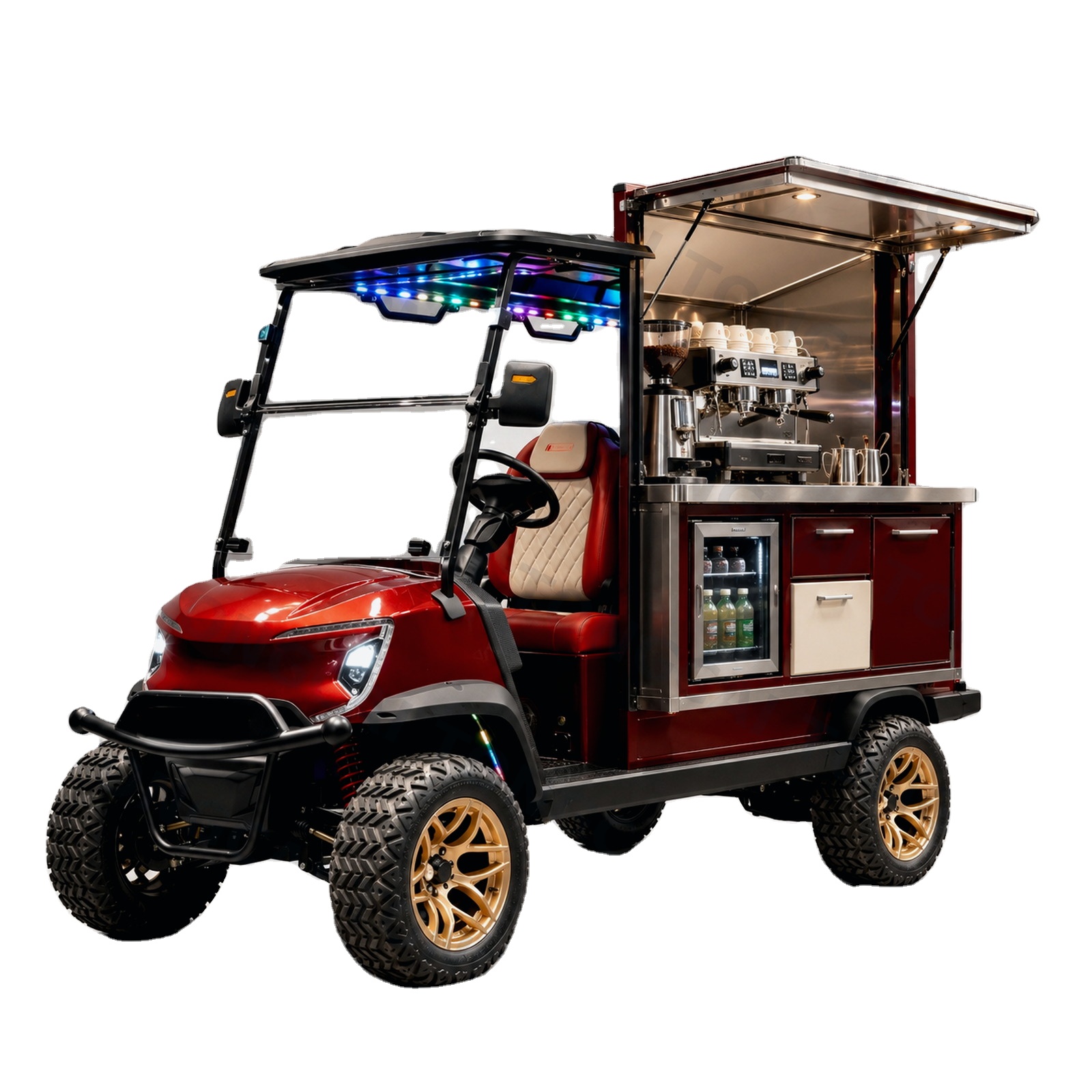
In dense commercial districts like Roppongi, Ginza, Odaiba waterfront resorts, and the Toyosu Market logistics precinct, spatial efficiency is paramount. Our compact 4-seater and custom electric vending vehicles offer ultra-small turning radiuses (under 3.5 meters), seamlessly navigating tight service corridors, underground valet areas, and pedestrianized shopping promenades with zero exhaust emissions.
Municipal Parks, Shrines & Heritage Sites
Sprawling public grounds such as Meiji Jingu Gaien, Yoyogi Park, and Mt. Takao eco-resorts require maintenance vehicles that protect natural surfaces. Featuring lightweight aircraft-grade aluminum alloy frames, independent front suspensions, and non-marking turf tires, our utility vehicles minimize ground pressure while transporting groundskeeping equipment and personnel efficiently.
Tokyo ZEV Policy & Regulatory Compliance Framework
The Tokyo Metropolitan Government (TMG) has established an aggressive roadmap under the "Zero Emission Tokyo Strategy", targeting a 50% reduction in greenhouse gas emissions by 2030 and mandatory transition of commercial utility fleets to Zero Emission Vehicles (ZEV). Operating internal combustion utility vehicles in enclosed venues, public parks, or high-density tourist spots is increasingly restricted by local environmental ordinances.
| Regulatory Standard / Domain |
Compliance Architecture |
Operational Value for Tokyo Import / Fleet Buyers |
| CE Certification (EN 1175 / EN 12184) |
Complete electrical safety, controller isolation, and EMC anti-interference compliance verified by accredited testing bodies. |
Streamlines commercial import approval through Tokyo/Yokohama customs; meets international safety standards for public resort use. |
| Japanese MLIT LSV Category Alignment |
Configured to meet Small Special Motor Vehicle (小型特殊自動車) structural speed and dimenion guidelines. |
Allows private property operation and simplified registration pathways for designated perimeter street clearance in Tokyo. |
| LiFePO4 Lithium Thermal Safety |
Automotive-grade Lithium Iron Phosphate chemistry paired with a Smart BMS featuring temperature-cut sensors. |
Ensures stable thermal performance during Tokyo's high-humidity summer seasons (>35°C) and cold winter mornings (<0°C). |
| Cathodic Electro-Dip Frame Protection |
Anti-corrosion electrophoretic KTL dip coating applied over high-tensile steel frame structures. |
Protects fleet chassis against salty marine moisture in coastal zones like Odaiba, Tokyo Bay, and Yokohama port areas. |
Direct Factory Capabilities: Shandong CCB New Energy
Why top Japanese fleet managers, golf club contractors, and commercial utility distributors partner directly with our manufacturing headquarters in Dezhou.
End-to-End In-House Manufacturing
Unlike assembly-only vendors, our 14,200 m² facility conducts laser pipe cutting, automated CNC bending, robotic seam welding, and multi-stage spray coating in-house. This structural oversight guarantees frame durability and batch-to-batch consistency.
Flexible OEM & ODM Engineering
From custom right-hand drive (RHD) layouts and specialized resort luggage racks to integrated solar charging canopy roofs, our engineering team modifies bodywork, seat arrangements, and drive ratios to match your exact job-site specs.
Rapid Tokyo Maritime Shipping
Located near major East Asian shipping hubs, we provide streamlined container loading (SKD/CKD options) with direct vessel routing to Tokyo Port and Yokohama Port, achieving sea transit times as fast as 3 to 5 days after factory departure.
Frequently Asked Questions for Tokyo Fleet Procurement
Technical, logistical, and import guidance compiled by our export engineering team.
Q1: Are Shandong CCB golf carts certified for export and operation in Japan?
Yes. Our vehicles hold full CE certification (covering electrical safety and machinery safety standards), and our manufacturing facility is independently verified on-site by TÜV Rheinland. For Japanese buyers, we supply detailed technical schematics, chassis numbers, and battery safety documentation required for private facility deployment or local registration under Small Special Vehicle categories where applicable.
Q2: Why is 72V Lithium (LiFePO4) preferred over 48V Lead-Acid for Tokyo commercial applications?
72V LiFePO4 systems deliver significantly higher energy efficiency, stronger torque output for hill climbing (essential for Tama Hills or multi-level venue ramps), and faster charging times (2-3 hours vs. 8-10 hours for lead-acid). Furthermore, lithium packs reduce overall vehicle mass by up to 150 kg, protecting golf course fairways and extending tire/brake lifespan while supporting over 3,500 charge cycles.
Q3: What is the Minimum Order Quantity (MOQ) and sample policy for Japanese buyers?
To support fleet evaluation and trial testing, our sample MOQ starts at 1 unit for most standard catalog models. For wholesale distributors and resort developers seeking container-level orders (20FT / 40HQ), we unlock full OEM branding, custom frame colors, tailored seating materials, and complimentary spare part starter kits.
Q4: How are spare parts and technical after-sales support managed in the Kanto region?
We supply complete digital service manuals, detailed wire harness color maps, and remote diagnostic support directly from our senior electrical engineers. Fast-wear replacement parts (such as brake pads, light assemblies, switches, and controllers) are shipped via express air freight (DHL/FedEx) arriving in Tokyo within 48 to 72 hours.
Q5: Can the utility carts be customized for specialized mobile commercial uses like vending or security?
Absolutely. As seen in our product line, we engineer specialized mobile food/bakery trucks, resort luggage haulers, security patrol buggies, and custom mobile vending vehicles equipped with integrated power inverters, fold-out service counters, and heavy-duty cargo boxes tailored for shopping streets and event venues.
Accelerate Your Tokyo Fleet Electrification Today
Connect with our direct-factory export engineers to receive tailor-made vehicle specifications, CE compliance documentation, and competitive door-to-port freight quotes for Tokyo & Yokohama.
 Deutsch
 Português
 Español
 Français
 Italiano
 Русский
 한국어
 日本語
 العربية
 ไทย
 Tiếng Việt
 Türkçe
 Nederlands
 Indonesia
 עברית
 हिन्दी