Direct Factory Sourcing White Paper & Specification Guide

China Wholesale Golf Course Buggy Manufacturers & Supplier

OEM/ODM Engineering, LiFePO4 Drivetrains, Fleet Homologation, and B2B Supply Chain Optimization for Global Course Fleet Managers & Commercial Distributors

Commercial Fleet Portfolio

High-Performance Electric Buggies, Utility Transporters & Specialized Vehicles

Engineered by Shandong CCB New Energy Machinery Co., Ltd. for championship golf facilities, multi-acre luxury resorts, institutional transit networks, and commercial cargo fleets.

VIP Shuttle / Resort Tongcai High Quality 11-14 Seater Street Legal Luxury Electric Vintage Classic Car
  • Passenger Capacity: 11–14 Persons
  • Premium Hand-Stitched Leather Seating
  • Reinforced Cathodic E-Coated Chassis
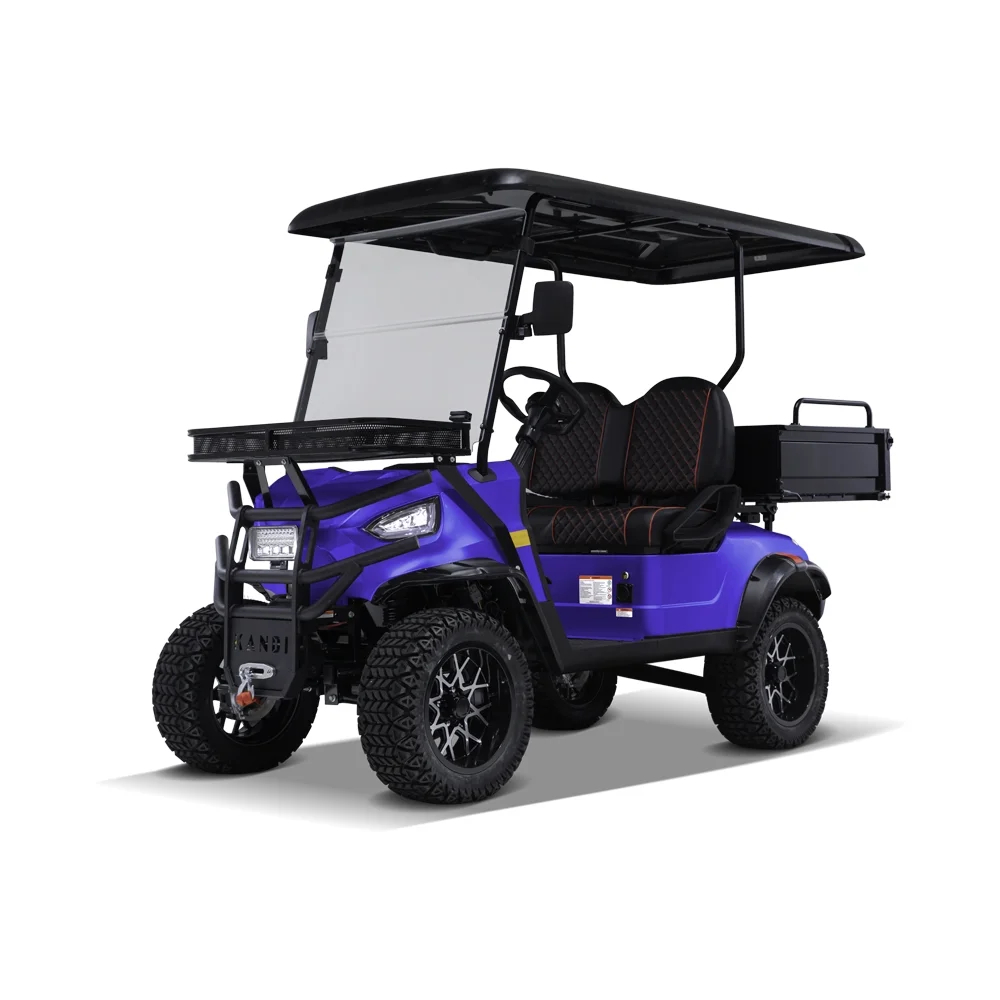
Heavy-Duty Utility TONGCAI Electric High Speed Utility Golf Cart with Rear Cargo Box
  • Max Velocity: 50–70 km/h High-Speed AC
  • Large Weatherproof Steel Cargo Box
  • 4-Seat Layout + Logistics Flatbed
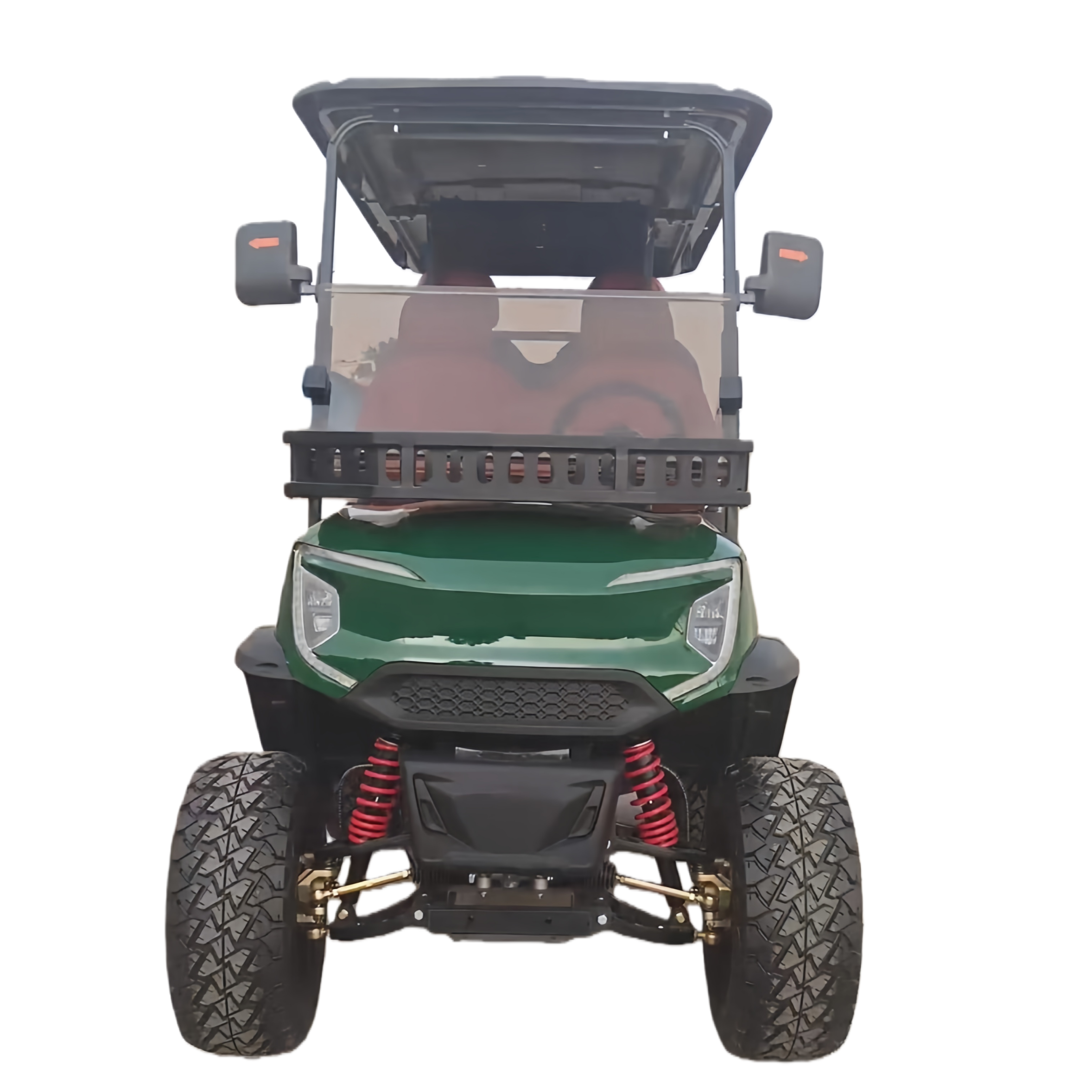
Lifted All-Terrain TongCai New Private Mold Electric Lifted Hunting Golf Cart
  • Proprietary Private Mold Modern Bodywork
  • Aircraft Aluminum Chassis + 90 km Range
  • High-Clearance Off-Road Suspension
Compact Mobility TONGCAI 4 Wheel Electric Mobility Scooter
  • 200 kg Payload Structural Rigidity
  • Ergonomic Captain Seat with Armrests
  • Intelligent Regenerative Braking System
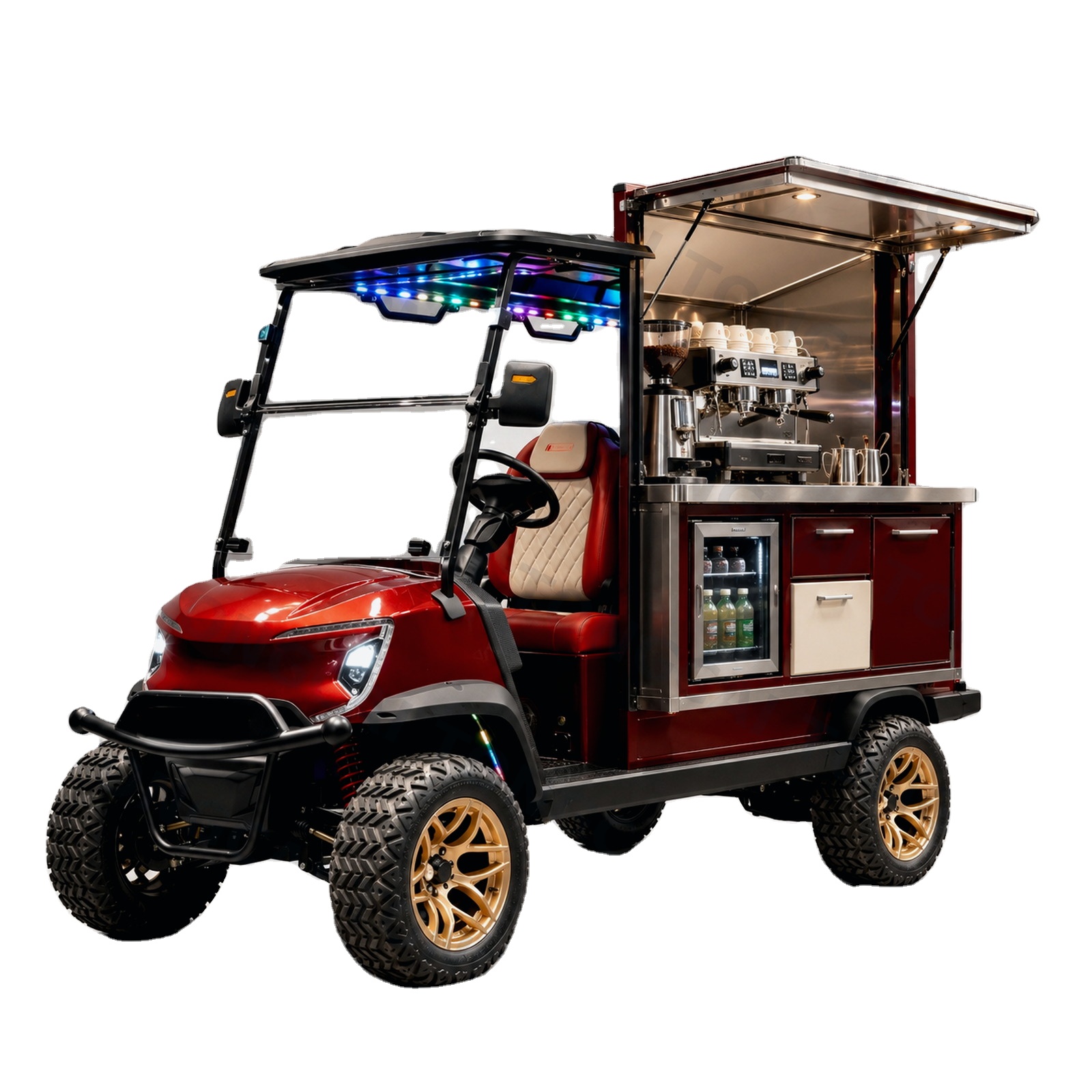
Hospitality & Vending TONGCAI Small Electric Bakery Truck Custom Mobile Dessert Cart
  • Food-Grade Stainless Display Surfaces
  • Auxiliary Inverter for Onboard Equipment
  • Custom Branding & LED Lighting Options
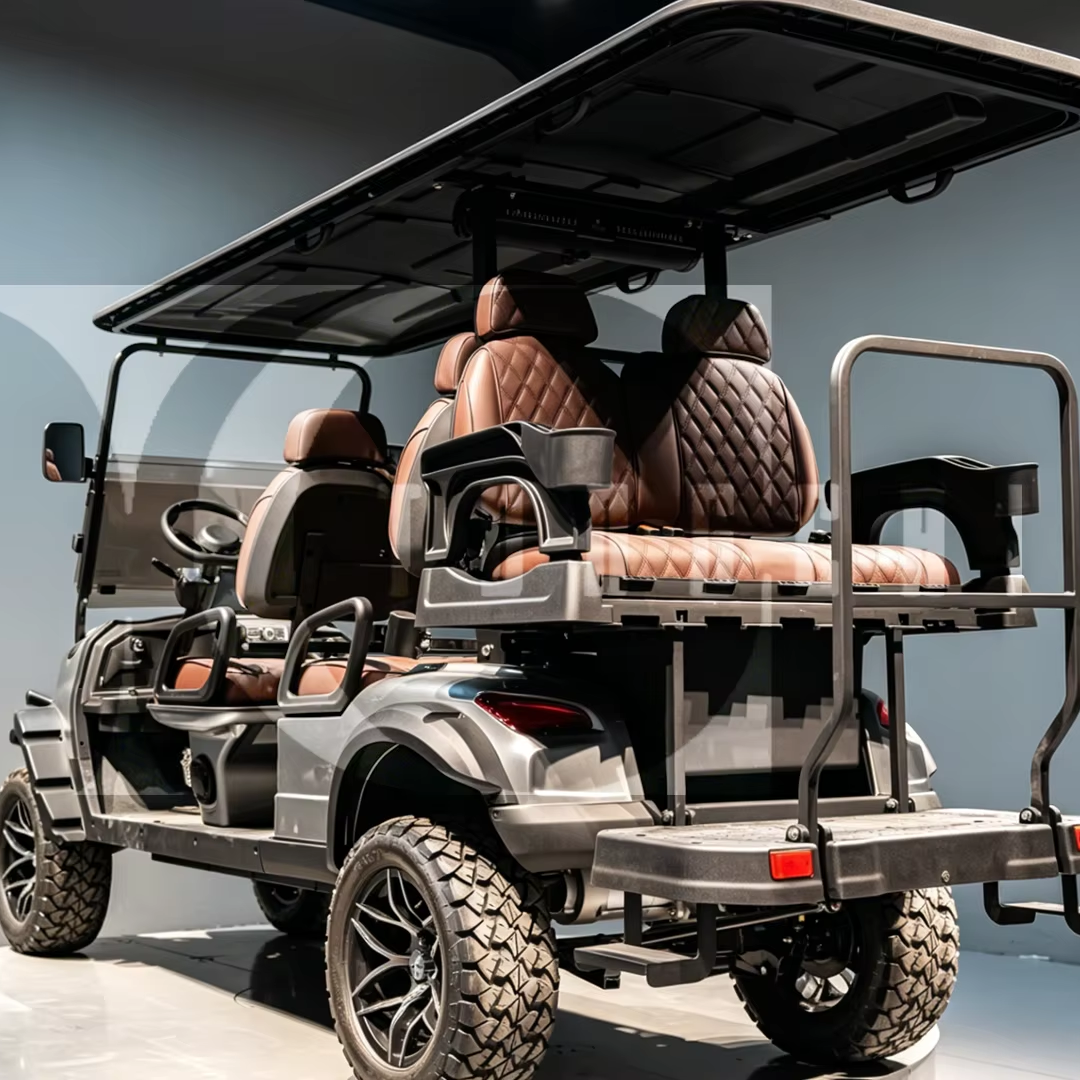
Resort Fleet Leader Tongcai 6 Seats Electric Golf Cart CE Certified
  • CE Certified for Stringent Safety Norms
  • Anti-Corrosion Salt-Spray Protected Finish
  • 6-Passenger Ergonomic Forward/Rear Seating
Commercial Retail TONGCAI Premium Custom Electric Mobile Vending Cart
  • Heavy-Duty Hydro-Formed Steel Framework
  • Integrated Water and Power Hookups
  • Lockable Rolling Shutter Security Panels
Street Legal Cargo TONGCAI Street Legal Electric Large Cargo Box Golf Cart
  • 48V High-Density LiFePO4 Lithium Battery
  • 5.0 kW AC Induction Motor with Hill-Hold
  • Low-Speed Vehicle (LSV) Certified Mirrors & Lights
B2B Procurement White Paper

Engineering Standards, Drivetrain Architectures & Supply Chain Resilience

A comprehensive technical assessment for golf course owners, municipal procurement teams, and commercial dealerships evaluating direct-from-manufacturer partnerships in China.

The global commercial low-speed vehicle (LSV) and golf course buggy ecosystem has undergone a structural paradigm shift. International golf fleet operators, resort asset managers, and commercial logistics developers are transitioning away from high-friction, legacy-branded regional distributor markups in favor of direct-from-source relationships with verified original equipment manufacturers (OEMs). However, navigating the procurement of commercial electric buggies requires rigorous evaluation that extends far beyond aesthetic shell design. Fleet directors must evaluate metallurgical structural integrity, powertrain efficiency, battery chemistry stability, and regulatory compliance protocols.

Strategic Value Insight: Direct factory sourcing from an audited tier-1 Chinese manufacturer can reduce capital equipment expenditure (CapEx) by 38% to 52% across an 80-vehicle commercial course overhaul, while simultaneously enabling customized torque maps, private-label branding, customized battery capacity, and containerized CKD/SKD logistical loading.

Shandong CCB New Energy Machinery Co., Ltd. (operating from an audited 14,200 m² state-of-the-art facility in Tianqu Industrial Park, Dezhou, Shandong) represents the technological frontier of Chinese electric utility mobility. Unlike low-tier regional assembly workshops that purchase third-party generic frames and generic electrical bundles, Shandong CCB operates an end-to-end, vertically integrated manufacturing matrix. By executing precision laser cutting, automated CNC pipe bending, robotic MIG welding, multi-stage cathodic electrophoretic dip coating (ED), and dyno-bench testing under one roof, we eliminate intermediate supply failure points and deliver mission-critical reliability to clients worldwide.

14,200 Production Facility (m²)
140+ Tier-1 Component Partners
61+ Certified Engineers & Techs
4.5 / 5 Verified Audit Satisfaction
Technical Comparative Matrix

Powertrain Engineering: Lithium LiFePO4 vs. Traditional Lead-Acid

A rigorous five-year Total Cost of Ownership (TCO) and mechanical performance comparison for high-duty fleet applications.

Evaluation Parameter CCB Advanced LiFePO4 (Lithium Iron Phosphate) Conventional Flooded / AGM Lead-Acid Commercial Fleet Operational Impact
Cycle Life Expectancy (80% DoD) 3,500 – 4,500 Full Charge Cycles 500 – 750 Full Charge Cycles LiFePO4 provides 6x longevity, eliminating mid-contract battery replacement expenses.
Usable Battery Depth of Discharge 95% – 100% Usable Capacity 50% Max Recommended (To avoid sulfation) Doubles operational range on an identical nameplate amp-hour (Ah) rating.
Weight Differential per 48V Pack Approx. 35 – 45 kg (Integrated Aluminum Case) Approx. 160 – 190 kg (Bank of 6x 8V batteries) 130+ kg weight reduction protects turf roots, enhances climbing efficiency, and decreases motor load.
Recharge Duration (0–100%) 2.0 – 3.5 Hours (Supports Opportunity Charging) 8.0 – 10.0 Hours (Strict Single Cycle Protocol) Fast charging allows continuous turnarounds between morning and twilight 18-hole tee times.
BMS & Telematics Integration CAN-Bus Active Balancing with Cell Telemetry None (Passive chemical balance) Real-time remote state-of-health (SoH) and state-of-charge (SoC) tracking via IoT.
Five-Year Total Cost of Ownership (TCO) Lowest (Zero watering, zero terminal acid scrubbing) 35–45% Higher (Routine labor, frequent replacements) Significant labor savings across 50+ buggy resort fleets.

In high-throughput environments—such as 36-hole resort operations, desert golf retreats, or undulating coastal links—the mechanical interaction between the powertrain and chassis geometry determines asset lifecycle. Shandong CCB designs and configures its golf buggy platform around high-torque, brushless Permanent Magnet Synchronous Motors (PMSM) and AC induction architectures governed by programmable Curtis or Enpower electronic speed controllers. These microcontrollers deliver dynamic regenerative braking downhill, feeding kinetic energy back into the LiFePO4 cells while protecting brake pads from thermal degradation.

Industry Forecasting

Macro Sourcing & Procurement Trends Shaping the Buggy Sector (2025–2030)

Key technological, regulatory, and logistical trajectories global distributors must navigate over the coming decade.

Solar Micro-Generation Integration

Monocrystalline photovoltaic roofs directly bonded to high-durability polymer canopies are shifting from experimental novelty to standard procurement specifications. Integrated MPPT regulators inject continuous 150W–300W supplementary charging during daytime exposure, extending daily range by 15–25% and reducing grid reliance across sun-drenched resort corridors.

4G IoT Telematics & Geofencing

Modern golf course buggies are intelligent edge-computing terminals. Built-in 4G/GPS telematics communicate with cloud-based fleet software, allowing course superintendents to dynamically create no-go exclusion zones around delicate putting greens, automatically throttle vehicle speed on treacherous downhill slopes, and receive real-time predictive diagnostic maintenance alerts.

Dual-Role Homologation (LSV / L7e)

Distributors are moving away from single-use golf-only buggies. Fleets are increasingly specified with DOT FMVSS 500 (Low-Speed Vehicle) and European Union EEC L7e road homologation packages—including DOT-approved AS4 laminated windshields, three-point inertia seatbelts, side rearview mirrors, LED signaling packages, and illuminated license plate brackets.

Containerized SKD/CKD Optimization

With ocean freight volatility remaining a strategic calculation for global trade, advanced tier-1 suppliers design buggies with modular roll-over protection structures (ROPS) and quick-release transaxles. This engineering reduces volumetric cubic meters (CBM), enabling up to 24 units in Semi-Knocked-Down (SKD) form to load into a single 40ft HQ shipping container.

Shandong CCB Advantage

Engineering Precision: Inside Our 12-Stage Manufacturing Ecosystem

Unlike trading entities or assembly workshops, Shandong CCB New Energy Machinery Co., Ltd. controls the metallurgy, fabrication, coating, and electronics in-house.

Stage 01

Precision CNC Cutting

Structural Q235B high-tensile carbon steel and 6061 aircraft aluminum tubing cut via automated laser systems with ±0.2mm tolerance.

Stage 02

CNC Multi-Axis Bending

Mandrel pipe bending preserves circular cross-sectional integrity without micro-cracking across safety cage stress points.

Stage 03

Robotic MIG Welding

Automated fixtures maintain uniform penetration and bead deposition, eliminating human fatigue variance across structural chassis joints.

Stage 04

Electrophoretic Dip (ED)

Total submersion cathodic electrodeposition coats both internal and external tube surfaces for 1,000+ hour ASTM B117 salt-spray corrosion resistance.

Stage 05

Electrostatic Powder Cure

Automated baking ovens polymerize UV-stabilized architectural grade powder topcoats, preventing color fading from intense golf course sunlight.

Stage 06

Transaxle & Suspension

Installation of helical gear transaxles and independent MacPherson front suspension with integrated anti-roll stabilizer sway bars.

Stage 07

Powertrain & Wire Harness

Automotive-grade IP67 sealed wiring harnesses with flame-retardant conduit, integrated fuse blocks, and Deutsch waterproof connectors.

Stage 08

LiFePO4 Integration

Installation of high-C-rate lithium cell banks linked to smart BMS with over-voltage, under-voltage, thermal cutoff, and short-circuit protection.

Stage 09

Bodywork & Ergonomics

Virgin injection-molded automotive-grade ABS/PP impact-resistant panels paired with marine-grade UV-resistant vinyl seats.

Stage 10

Dynamic Dyno Testing

Every buggy undergoes calibrated roller dynamometer testing to verify motor torque, braking deceleration force, and amp-draw parameters.

Stage 11

Laser Wheel Alignment

Computerized toe-in and camber alignment ensures straight-line tracking, preventing premature tire scrub and preserving fairway turf.

Stage 12

Final Export Audit (FQC)

Rigorous pre-shipment checklist: rain-chamber ingress testing, dielectric insulation isolation check, and structural fastener torque marking.

Operating out of Tianqu Industrial Park, Dezhou, Shandong, CCB benefits from an integrated industrial cluster. With access to specialized steel tube mills, tier-1 controller developers, and precision injection molders within a 50-kilometer radius, our supply chain remains resilient against global disruptions. Moreover, our facility holds on-site audit verification by TÜV Rheinland, giving our international distribution partners the institutional credibility required for municipal fleet tenders and institutional hospitality contracts.

Procurement Knowledge Base

Frequently Asked Questions: Global Sourcing & Compliance

Essential guidance covering Minimum Order Quantities (MOQ), customs classifications, shipping methods, and post-sales technical warranties.

What is the Minimum Order Quantity (MOQ) and sample policy for customized golf buggies?

For standard catalog configurations and prototype evaluation, Shandong CCB supports sample orders starting from 1 unit. This allows commercial golf course boards, resort operators, and regional distributors to perform local field evaluations, hill-climb tests, and terrain validation prior to placing volume fleet orders. For customized OEM/ODM projects (involving proprietary color formulations, specialized seat embossing, custom cargo beds, or branded digital instrument clusters), full production advantages and tooling amortizations are typically realized at container quantities (1x 20GP or 1x 40HQ container, accommodating between 8 to 24 units depending on SKD/CBU packing formats).

What international homologation and quality certifications do CCB buggies carry?

Shandong CCB’s manufacturing facilities are on-site verified and audited by TÜV Rheinland, validating production capabilities, quality management protocols, and worker safety. Our core vehicle series carry comprehensive CE certification for the European Union market. When configured for street-legal municipal or community transport, models can be manufactured in compliance with DOT FMVSS 500 (Low-Speed Vehicle standards in North America) and EEC L7e low-speed vehicle criteria in Europe. Battery packs are certified under UN38.3, MSDS, and maritime dangerous goods compliance, ensuring clearance across customs jurisdictions.

How does CCB safeguard golf course turf from vehicle compaction and shear stress?

Fairway preservation is engineered into our vehicle chassis geometry and mass distribution. First, our transition to modular LiFePO4 lithium batteries removes up to 140 kg of dead weight compared to traditional lead-acid battery packs, drastically lowering the ground bearing pressure (measured in PSI). Second, our course-specific buggies come equipped with 18x8.50-8 or 205/50-10 turf-friendly pneumatic tires with broad contact patches and shallow tread grooves that evenly disperse loads across bentgrass and bermudagrass. Third, our electronic controllers feature smooth acceleration profiles that prevent wheel slippage on wet inclines.

What export shipping methods are utilized, and how is transit damage mitigated?

We provide two primary container packaging formats tailored to our distributors' technical capabilities:
1. Completely Built-Up (CBU) in Heavy-Duty Iron Cradles: Ideal for buyers requiring immediate turn-key deployment upon unloading. Each buggy is secured within a rigid welded steel perimeter cage, wrapped in anti-abrasion polymer foil, and stacked inside 40HQ ocean containers.
2. Semi-Knocked-Down (SKD): The chassis arrives assembled with transaxle and motor intact; roofs, windshields, seat backs, and wheels are packed in custom high-density honeycomb cartons. This format maximizes container cube utilization, reducing per-unit ocean freight costs by up to 45% while requiring basic workshop assembly tools.

What warranty coverage and spare parts replacement infrastructure is provided?

We back our commercial commercial vehicles with comprehensive institutional warranties:
• Chassis & Structural Subframe: 5-Year Limited Manufacturer Warranty against fracture or weld integrity failure.
• LiFePO4 Battery Pack: 3 to 5-Year Pro-Rated Performance Warranty guaranteeing capacity retention above 75%.
• Motor, Transaxle & Electronic Speed Controller: 2-Year Warranty.
For fleet orders, we bundle a recommended Fast-Wear Consumable Package (solenoids, brake pads, tie-rod boots, micro-switches, and LED assemblies) inside the container. Replacement parts are dispatched via DHL/FedEx air freight within 48 business hours, and our bilingual engineering team provides live wiring schematics and video diagnostic support.

What Harmonized System (HS) Tariff Code is used for international import customs?

Commercial electric golf carts and buggies are universally classified under HS Code 8703.10.1000 (Vehicles specially designed for traveling on snow; golf cars and similar vehicles, with electric motor). For specialized electric utility cargo trucks with extended beds or heavy cargo boxes, alternative classification under HS Code 8704.90 may apply. We provide custom commercial invoices, packing lists, clean bill of lading (B/L), Certificate of Origin (Form A, Form E, or RCEP certifications where applicable), and certified MSDS documentation to optimize import tariff clearance.

Initiate Your Direct Factory Fleet Procurement

Connect directly with our Dezhou engineering and commercial export desks. Receive technical datasheets, full container loading diagrams, and personalized OEM/ODM pricing within 24 business hours.