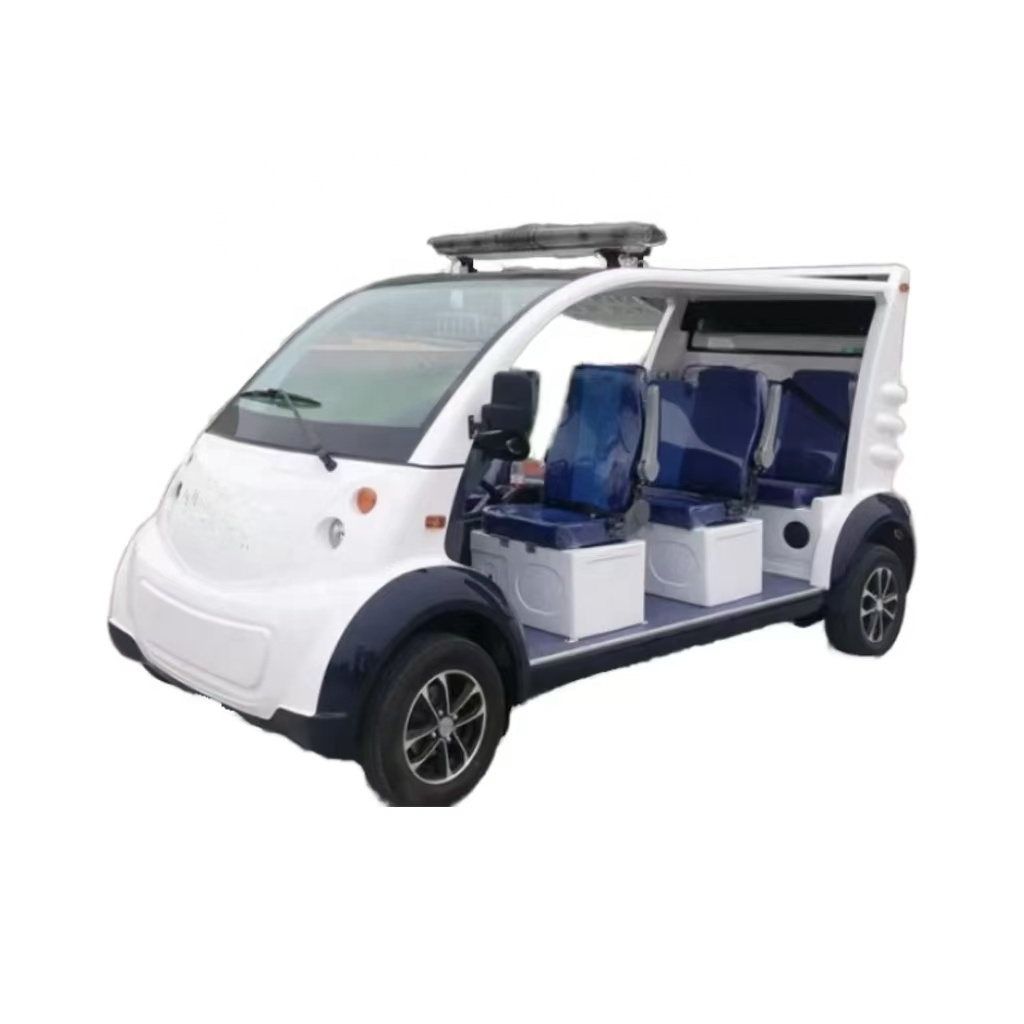



Direct manufacturer deployment of low-speed electric vehicles (LSVs), heavy-duty off-road utility buggies, resort shuttles, and specialized mobility solutions built to international CE compliance.
The global low-speed vehicle (LSV) and light electric utility vehicle market has crossed a structural turning point. Commercial golf courses, hospitality resorts, industrial logistics compounds, and gated residential communities are rapidly retiring internal combustion and legacy lead-acid fleets. In their place, high-efficiency, high-voltage lithium iron phosphate (LiFePO4) systems with integrated Smart Battery Management Systems (BMS) have emerged as the operational standard.
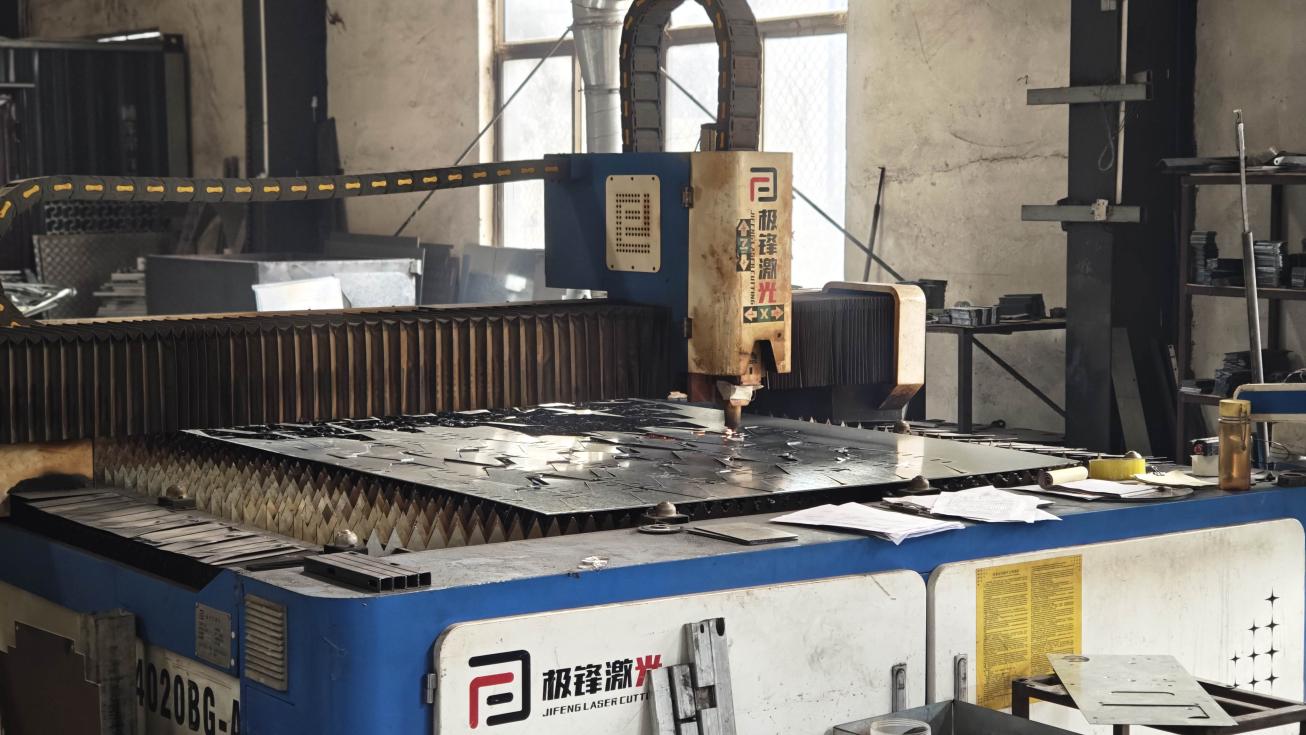
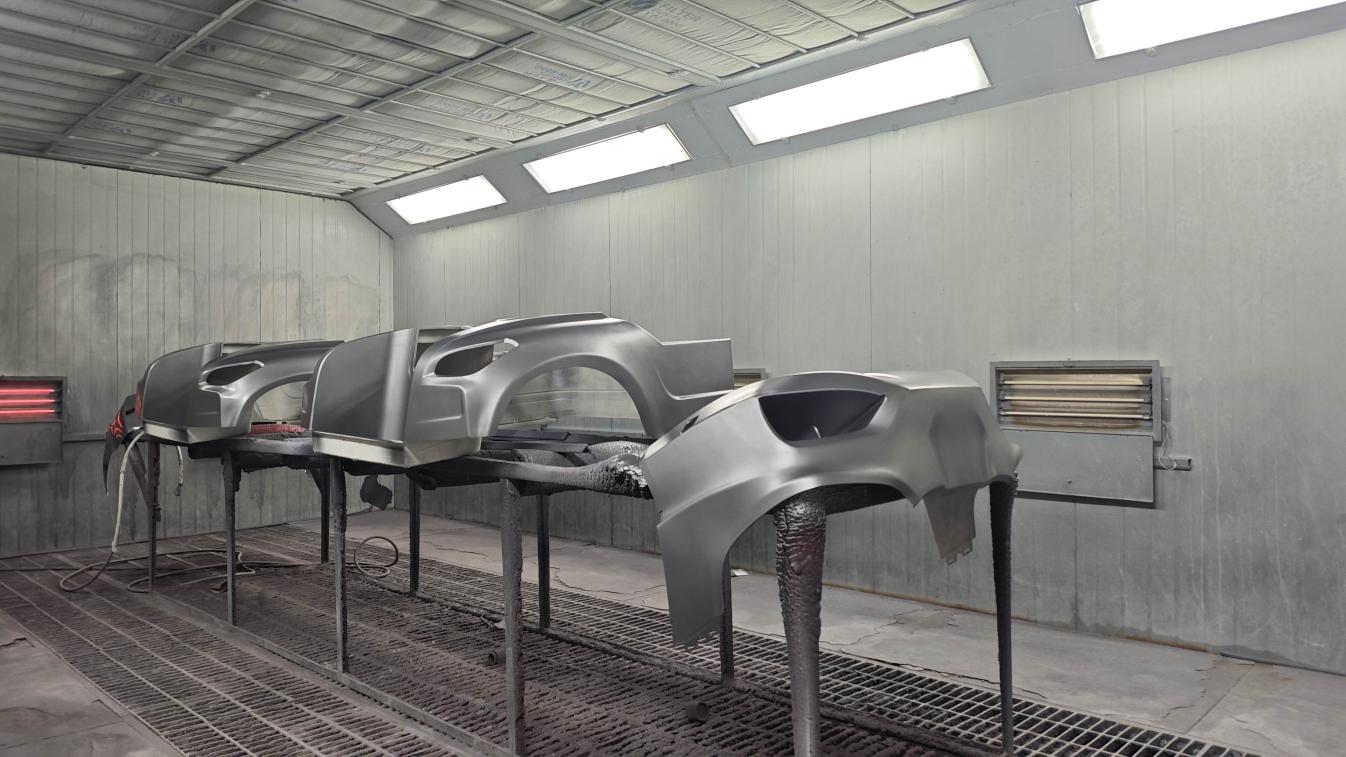
Procuring directly from specialized Chinese manufacturing hubs like Shandong CCB New Energy Machinery Co., Ltd. (operating in the Dezhou Tianqu Industrial Park) enables tier-one distributors, municipal operators, and rental fleet owners to cut capital expenditures by 32% to 45% compared to regional resellers, while securing higher mechanical customization thresholds. Rather than functioning solely as an assembly plant, our vertically integrated manufacturing facility executes robotic pipe bending, automated laser profile cutting, structural inert-gas welding, multi-stage electrocoating, and automated powertrain calibration on-site. This structural whitepaper presents technical data, supply chain realities, and actionable engineering criteria for B2B fleet purchasers worldwide.
Strategic technological trajectories defining the next five years of low-speed electric transport, heavy-duty cargo runabouts, and municipal resort transit.
While the legacy commercial golf cart sector lingered around 36V and 48V direct-current systems, modern performance demands have pushed premier engineering toward 72V LiFePO4 battery platforms. High operating voltages reduce amperage draw across the harness for identical wattage output. This dampens Joule heat generation, suppresses thermal degradation, extends electronic motor controller lifespans, and delivers sustained torque during steep incline hill-climbing under full passenger loads.
Lithium Iron Phosphate chemistries have made lead-acid flood batteries obsolete for institutional buyers. Delivering more than 3,500 full charge cycles at 80% Depth of Discharge (DoD), zero maintenance requirements, zero water top-ups, and no acid-vapor generation, LiFePO4 chemistry eliminates battery replacement cycles over an 8-to-10-year operating horizon. CCB incorporates automotive-grade CAN-bus enabled BMS arrays that constantly monitor cell temperature, delta-voltages, and individual cell impedance.
Photovoltaic monocrystalline solar roofing systems are transitioning from experimental novelties to commercial staples. On tropical luxury resort courses and vast agricultural operations, continuous 300W to 500W overhead solar trickle charging preserves cell equilibrium, combats deep discharge states when vehicles remain remote, and increases continuous daily operational operating range by up to 25-30 kilometers without grid connection.
Commercial course management now demands comprehensive IoT telematics. Next-generation carts feature 4G/GPS telemetry units sending real-time data packets detailing state-of-charge (SoC), operational run-time, speed profiles, and active location. Automated geo-fencing software dynamically cuts accelerator response if a guest veers into prohibited conservation areas or treacherous water hazards, drastically minimizing asset damage.
Operating golf carts and utility transports in humid coastal environments, oceanfront resorts, and island terrains leads to rapid chassis corrosion on low-grade welded steel frames. CCB utilizes aerospace-grade T6 heat-treated extruded aluminum alloy profiles or cathodic electro-deposition dip-treated tubular carbon steel chassis, achieving salt-spray test endurance exceeding 1,000 hours with negligible frame weight, optimizing battery energy density per mile.
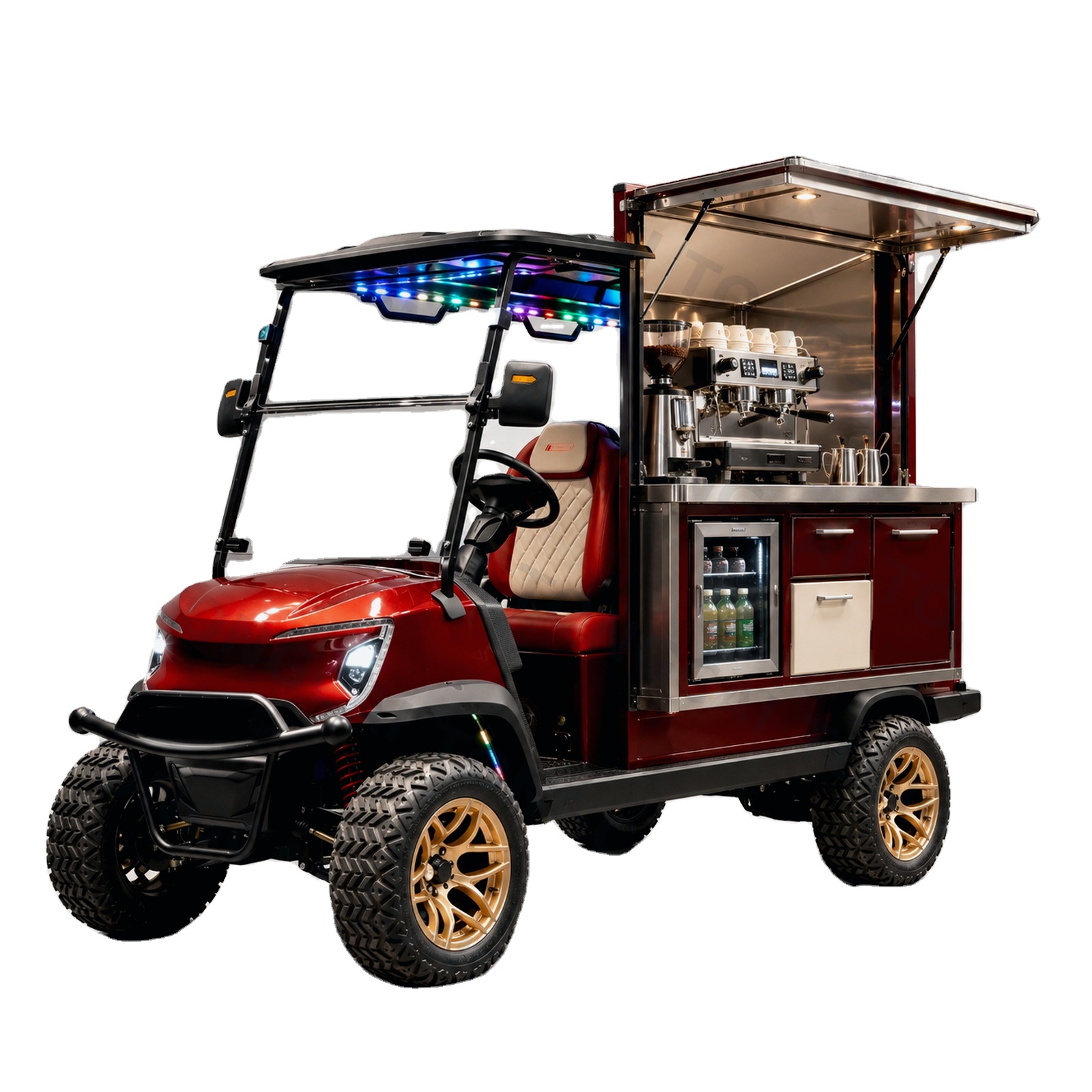
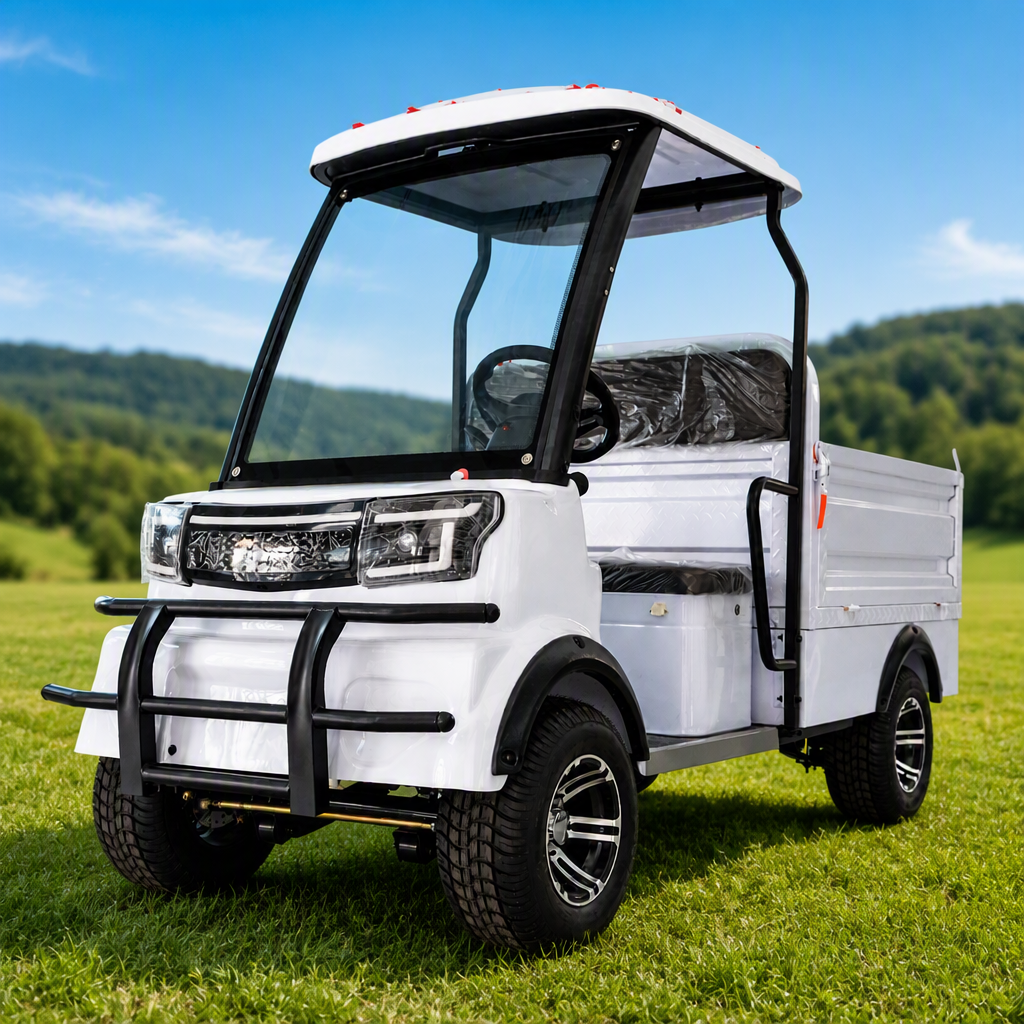
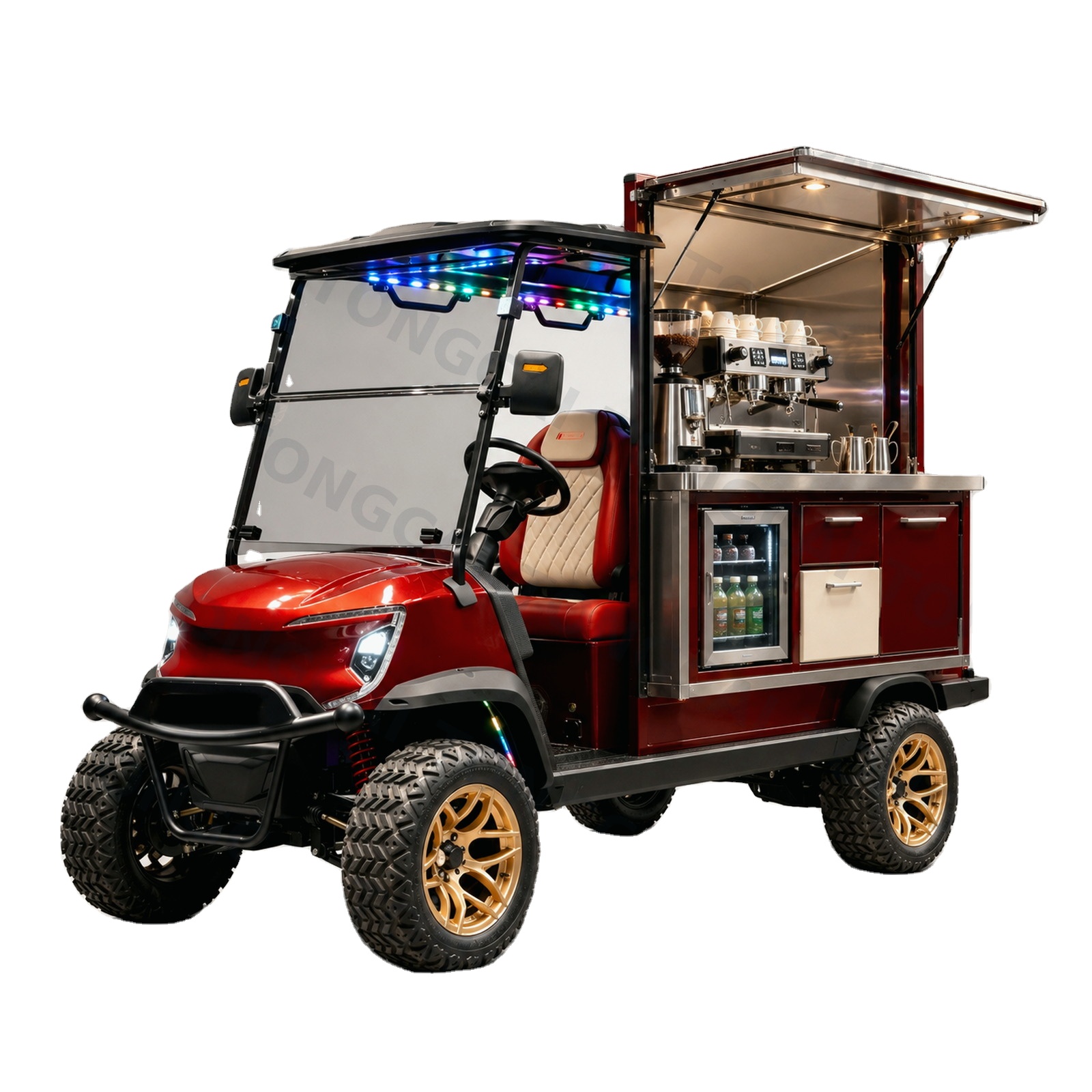
Modern fleet operations avoid single-purpose assets. Next-generation modular sub-frames allow a 4-passenger shuttle to quickly convert into a multi-purpose cargo hauler with a flip-flop flatbed, or mount temperature-controlled bakery and beverage catering setups for festivals, hotel resorts, and campus delivery services, maximizing return on investment across changing seasons.
How international dealers, resort procurement directors, and commercial fleet managers are structuring their factory-direct sourcing strategies.
Historically, procurement departments evaluated low-speed electric vehicles solely on initial acquisition costs (FOB price per cart). However, institutional operators across North America, Europe, Australia, and the Middle East now evaluate fleet replacements on a 7-year Total Cost of Ownership (TCO) matrix. Lead-acid carts appear inexpensive upfront but require complete battery bank replacements every 24 to 36 months, require continuous labor for distilled water replenishment, and suffer high parasitic energy draw during charging. By contrast, factory-direct LiFePO4 battery carts reduce lifetime maintenance labor by 82% and slash electric utility bills by 38% due to higher charging efficiency (95% vs 75%).
| Evaluation Parameter | Legacy Lead-Acid Fleet | CCB 72V Industrial LiFePO4 Platform | Procurement Advantage |
|---|---|---|---|
| Cycle Life Expectancy | 500 - 800 cycles (2-3 Years) | 3,500 - 5,000 cycles (8-10 Years) | +400% extended operational lifecycle |
| Routine Maintenance | Weekly water additions & terminal cleaning | Zero maintenance, automated smart BMS balancing | Saves $650/cart/year in technician labor |
| Charging Efficiency | 70% - 78% (High thermal losses) | 94% - 97% (Direct solid-state transfer) | 30% reduction in grid electricity consumption |
| Chassis Weight & Turf Impact | Heavy (Causes soil compaction on fairways) | 35% lighter overall vehicle kerb weight | Preserves turf grass root integrity |
| Extreme Climate Tolerance | Severe capacity collapse below 0°C & above 40°C | Integrated BMS with internal heating elements | All-season uptime from -20°C to +55°C |
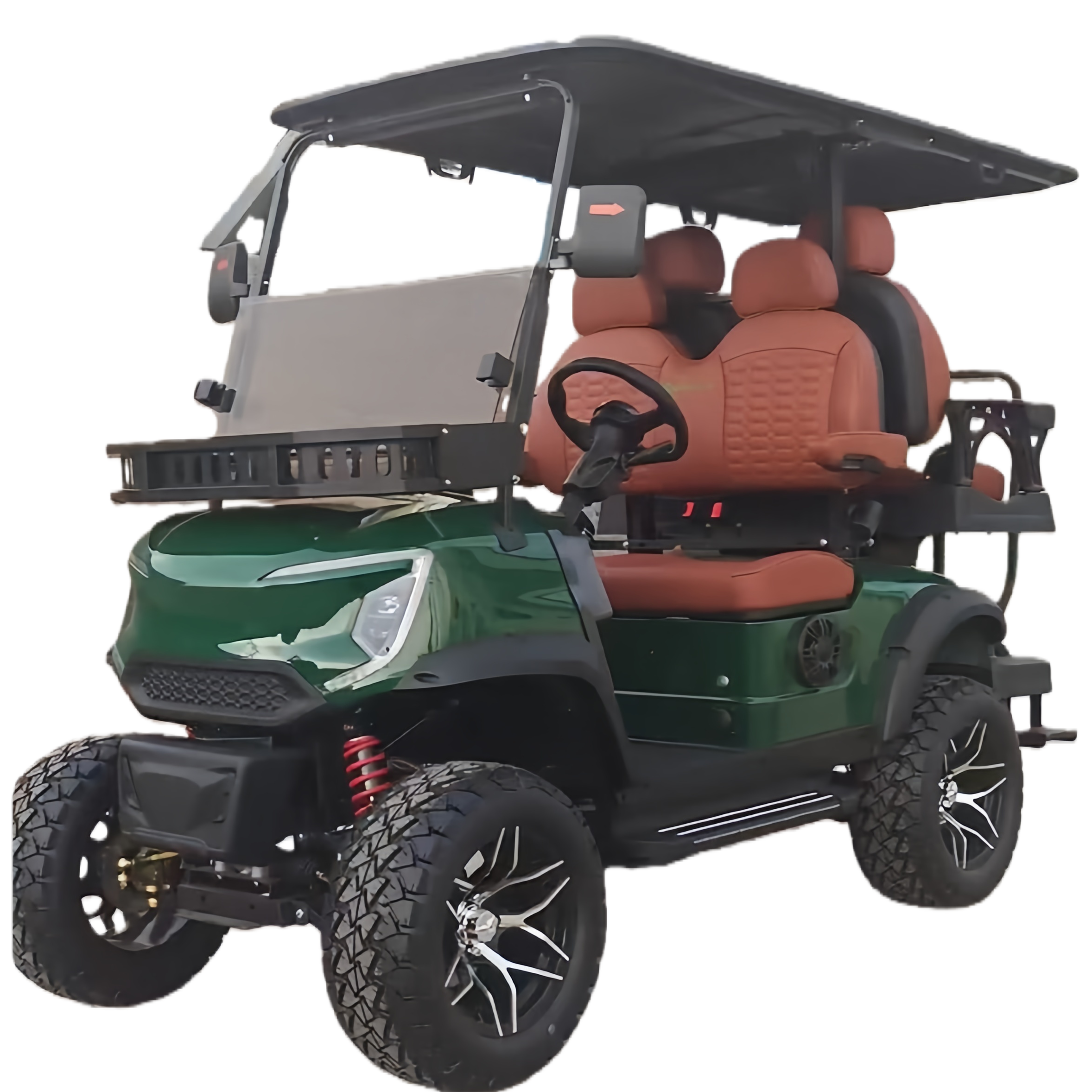
Modern dealerships minimize capital exposure by avoiding single-model bulk purchase commitments. CCB provides custom mixed-model container planning, loading 2-seater runabouts, 4-seater lifted LSVs, 6-seater passenger buggies, and specialized utility cargo boxes into a single 40ft High Cube container, allowing distributors to address varied market segments immediately upon port arrival.
Established distributors and regional brands are abandoning generic branded stock vehicles. By leveraging CCB’s deep OEM/ODM manufacturing capability, overseas partners secure proprietary brand positioning: custom powder-coated color palettes, embroidered luxury marine-grade vinyl seats, custom dashboard mold castings, backlit LED corporate logos, and custom-tuned motor controller firmware tailored to regional road-legal LSV speed limits.
Global supply chain risk management now demands verifiable manufacturing legitimacy. Institutional B2B buyers no longer transact with digital intermediaries or trading companies lacking production infrastructure. Our facilities are verified on-site by TÜV Rheinland, allowing buyers to review physical floor space, machinery assets, quality control protocols, and financial standing prior to placing production deposits.
Shandong CCB New Energy Machinery Co., Ltd. operates an advanced 14,200m² manufacturing facility in Tianqu Industrial Park, Dezhou, Shandong, combining heavy industrial craftsmanship with precision electric vehicle engineering.
Unlike assembly workshops that bolt together third-party chassis, CCB controls the complete production chain under one roof: CNC metal cutting, robotic pipe bending, high-precision jig welding, electrostatic powder spraying, drivetrain alignment, and final road-dyno testing.
Our complete facility has been verified in person by TÜV Rheinland engineers, validating real-world machine capabilities, employee work standards, and factory quality management systems. Our golf carts, patrol vehicles, and shuttle buses hold full CE compliance for seamless export to European and international markets.
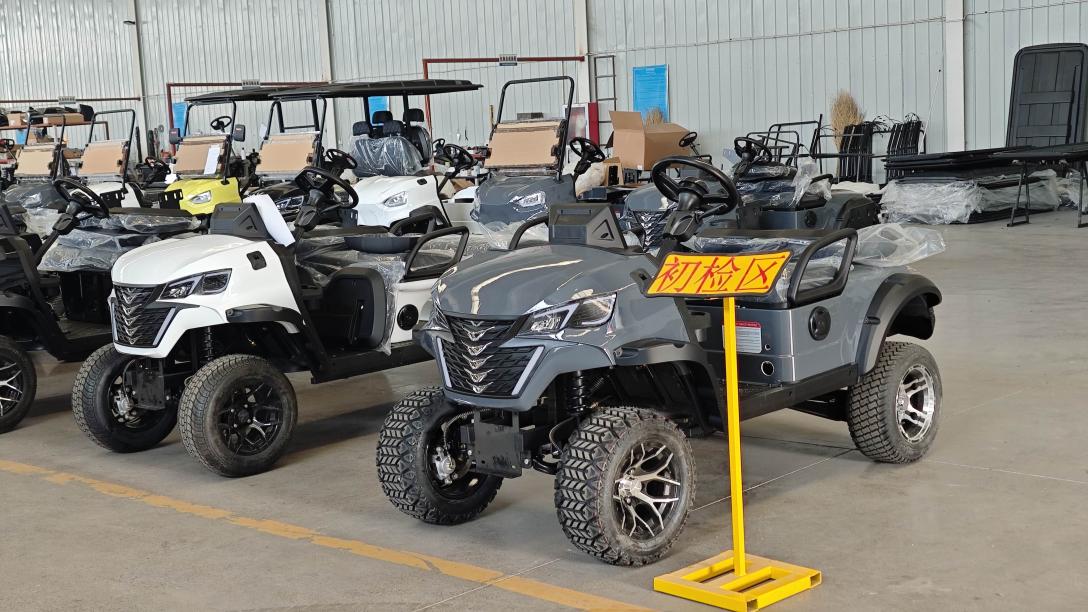
Every single vehicle leaves our line only after completing our rigorous 12-stage inspection protocol. This includes electrical insulation breakdown tests, electromagnetic interference isolation, electronic emergency braking evaluations, high-pressure waterproof spray booth tests, and rough-terrain suspension stress runs.
Direct communication without communication friction. CCB provides specialized multi-lingual engineering desks (Golf Cart, ATV/UTV, Sightseeing Bus, and After-Sales Technical) ensuring technical drawings, electrical schematics, customs documentation, and container loading diagrams are accurate before shipment.
Essential operational insights addressing minimum order volumes, battery configurations, homologation standards, shipping logistics, and distributor after-sales backup.
Connect with our technical engineering division to obtain detailed CAD drawings, complete drivetrain specifications, lithium load cycle graphs, and container consolidation pricing for your target market.