CE Certified Street Legal Golf Cart Factories & OEM Engineering

The Complete Technical Sourcing Whitepaper: Automotive Directives, EEC/L7e Homologation Frameworks, Smart LiFePO4 Drivetrains, and Tier-1 Industrial Manufacturing Architecture.

Export-Ready Homologated Fleet

Featured Commercial & Street-Legal Low Speed Vehicles (LSV)

Every vehicle engineered in our facility undergoes rigorous chassis load calculations, dynamic brake testing, and photometric compliance for EU and North American commercial micro-mobility deployment.

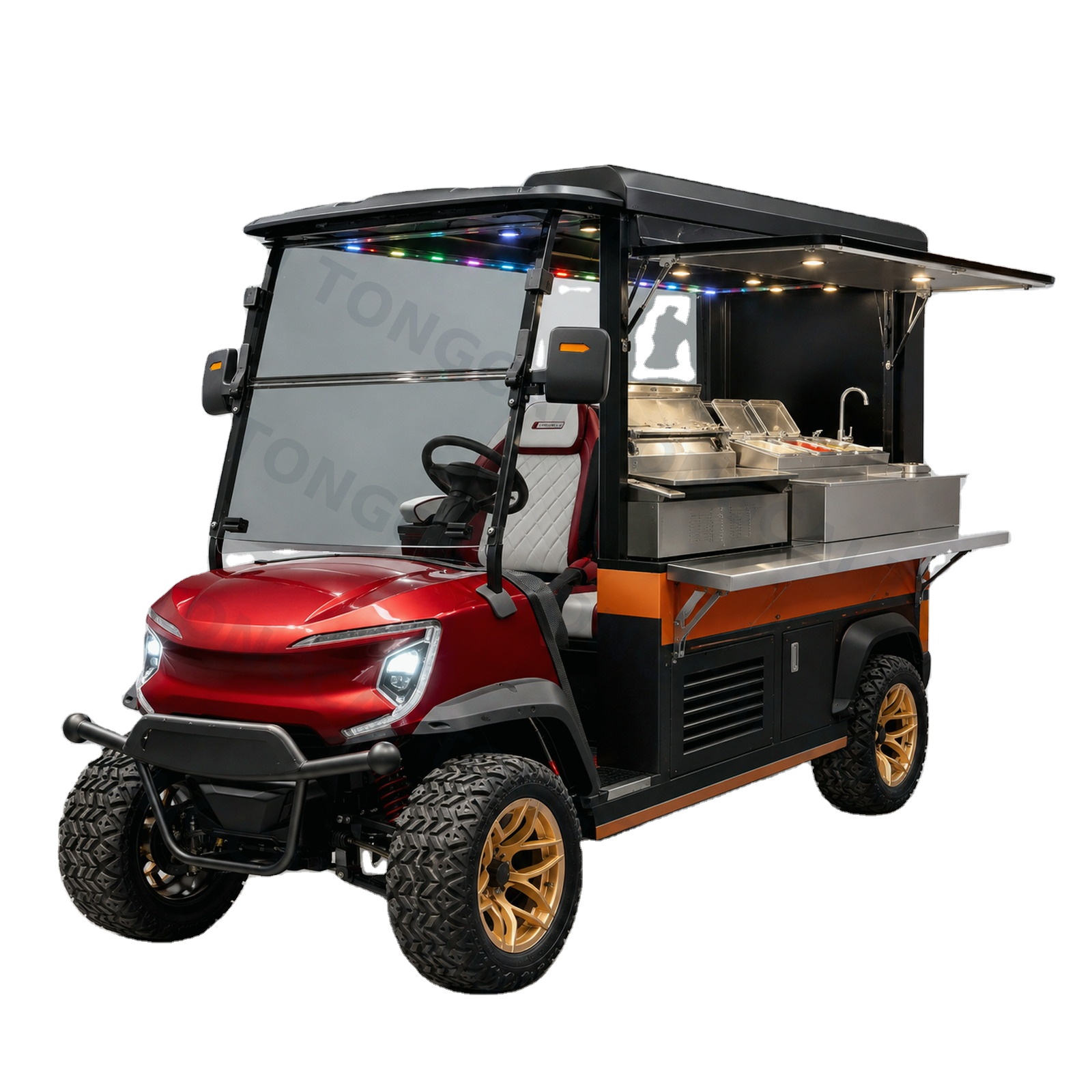
TONGCAI Premium Custom Electric Mobile Vending Cart for Food Retail and Events CE Certified

TONGCAI Premium Custom Electric Mobile Vending Cart for Food Retail and Events

  • Reinforced Food-Grade Stainless Prep Area
  • High-Current Auxiliary Power Outlets
  • Custom Event & Resort Branding Package
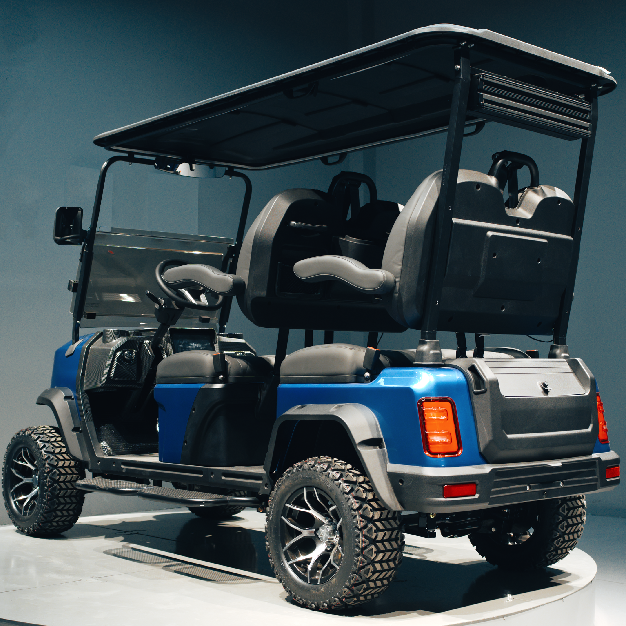
TONGCAI Electric Super Quiet Smooth Ride Golf Buggy 4 Seats Rear View Camera CE Certified

TONGCAI Electric Super Quiet Smooth Ride Golf Buggy 4 Seats Rear View Camera

  • High-Definition Rear Vision Display Camera
  • Ultra-Quiet Helical Gear Drive Transaxle
  • Ergonomic Premium Marine-Grade Vinyl Seats
TONGCAI Electric High Speed Utility Golf Cart 4 Seats Rear Cargo Box CE Certified

TONGCAI Electric High Speed Utility Golf Cart 4 Seats Rear Cargo Box 50-70km/h

  • Heavy-Duty Diamond Plate Cargo Bed
  • High-Torque 5kW-7.5kW AC Induction Motor
  • Warehouse Logistics & Security Configuration
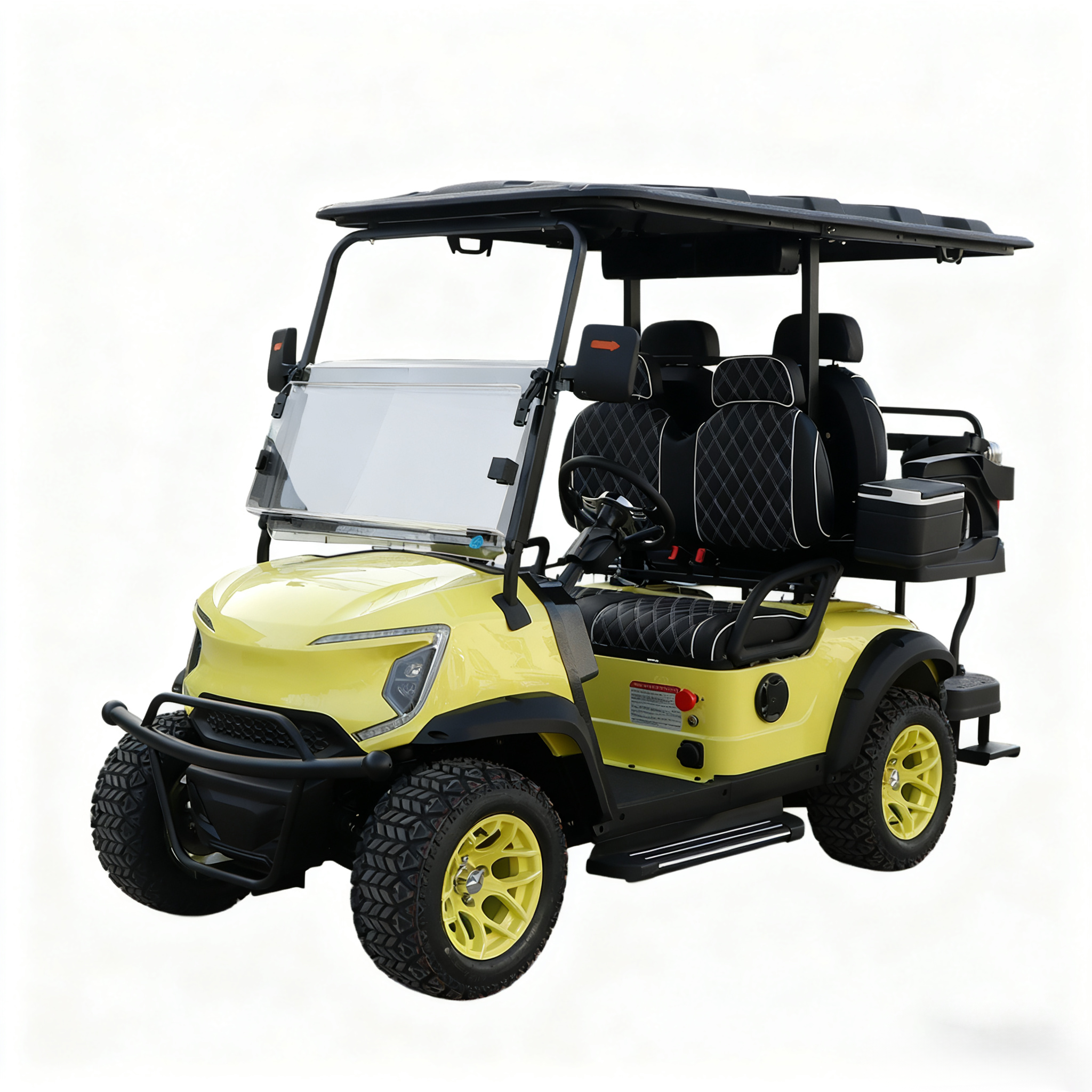
TONGCAI Street Legal Customizable Fast Delivery Electric 48v Lithium Battery 4 Seater CE Certified

TONGCAI Street Legal 48V Lithium 4 Seater Golf Cart 30-50Km/h 90km Range

  • Smart LiFePO4 Battery with Integrated BMS
  • Full Street Lighting & Turn Signal Kit
  • 90km Real-World Sustainable Driving Range
TONGCAI Golf Cart Style Bakery Cart Electric Mobile Food Truck for Cafe Business CE Certified

TONGCAI Golf Cart Style Bakery Cart Electric Mobile Food Truck for Cafe Business

  • Tempered Glass Commercial Display Cabinets
  • Integrated Cold/Hot Storage Compatibility
  • Low-Center-of-Gravity Industrial Chassis
TONGCAI New Design 2 Seat Electric Golf Cart Street Legal Lightweight CE Certified

TONGCAI New Design 2 Seat Electric Golf Cart Street Legal Lightweight LSV

  • Compact Footprint for Urban & Course Use
  • Quick-Charge 48V/60V Architecture
  • Regenerative Hydraulic Braking System
TongCai 72V Lithium Battery Mini Electric Golf Cart 4 Wheel 6 Seater White Aluminum Frame CE Certified

TongCai 72V Lithium Mini Electric Golf Cart 4 Wheel 6 Seater Aluminum Frame

  • Lightweight T6 Aircraft Aluminum Alloy Frame
  • 72V High-Voltage Powertrain for Steep Grades
  • 6-Passenger Forward & Rear Luxury Seating
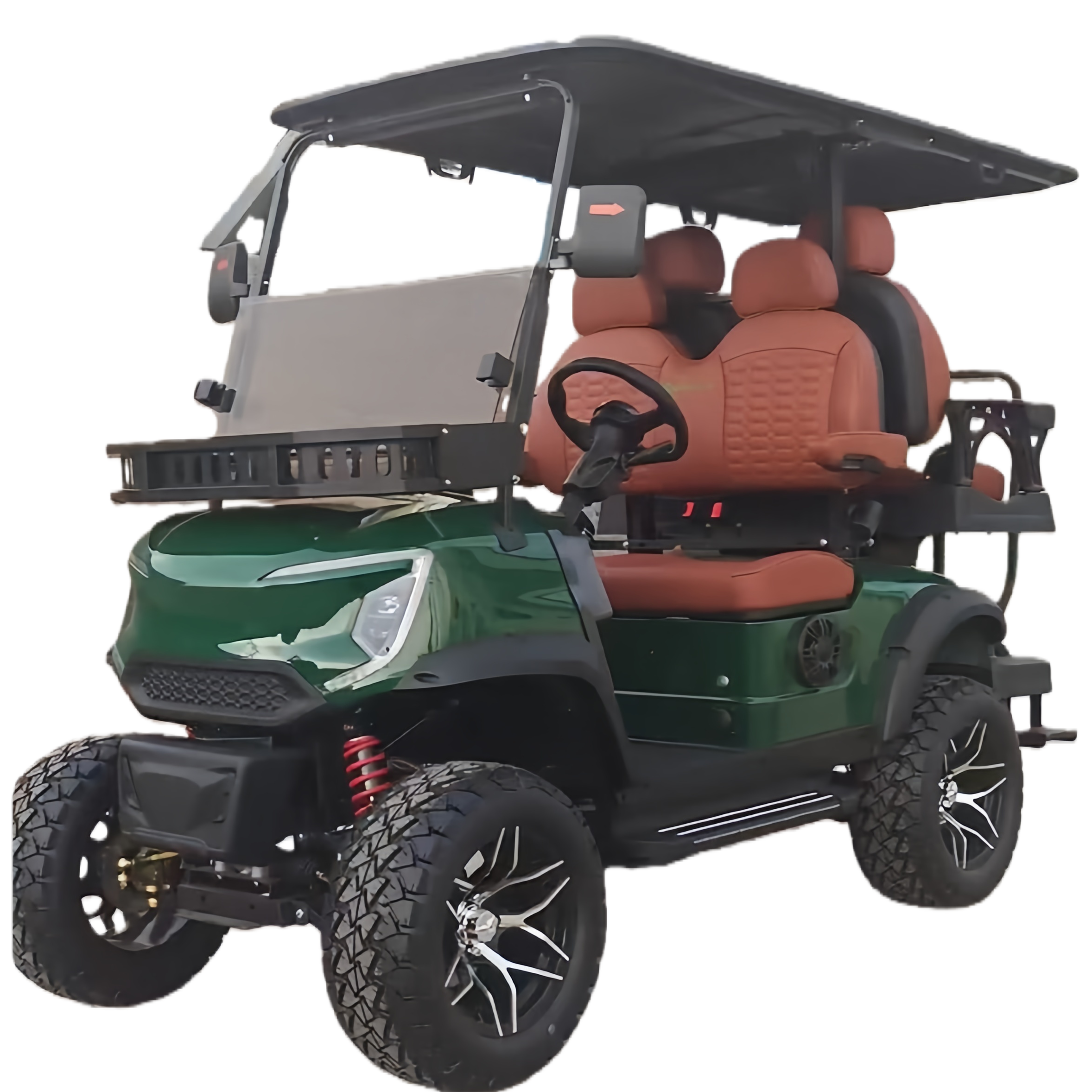
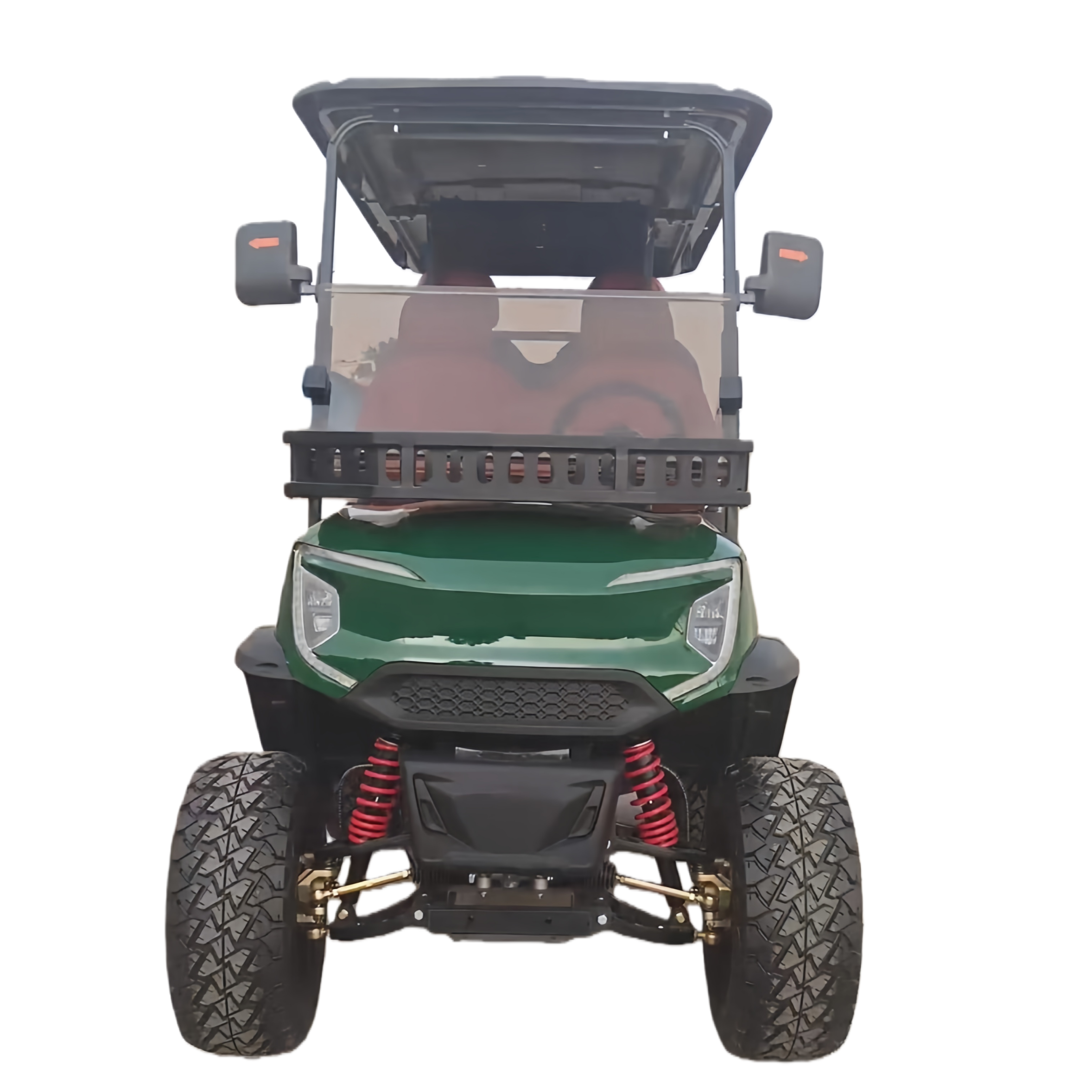
Tongcai DOT Street Legal 72V 4 Seater Luxury Lithium Resort Hunting Buggy LSV CE Certified

Tongcai DOT Street Legal 72V 4 Seater Luxury Resort Hunting Buggy Off Road LSV

  • Dual A-Arm Independent Front Suspension
  • Heavy-Duty All-Terrain Off-Road Radial Tires
  • Electronic Power Steering (EPS) Enabled
14,200m²
Dedicated Production Floor Space
140+
Audited Component Supply Partners
61+
Certified Welders & Assembly Engineers
100%
In-House Chassis Laser Cutting & E-Coating
Regulatory Architecture

Demystifying "CE Certified Street Legal": Automotive Directives vs Machinery Markings

In global micro-mobility procurement, confusion regularly arises over what constitutes a genuine street-legal golf cart versus a traditional off-road recreational vehicle bearing a generic mark. For commercial importers, golf course concessionaires, and municipalities across Europe and the Commonwealth, technical compliance requires rigorous differentiation between the Machinery Directive (2006/42/EC) and genuine road-type approvals under EU Regulation No 168/2013 for L-category vehicles (specifically L6e-A light quadricycles and L7e-CP commercial heavy quadricycles).

A standard industrial CE declaration confirms compliance with low-voltage electrical safety, electromagnetic compatibility (EMC 2014/30/EU), and basic operational safety under factory conditions. However, transforming an electric golf cart into a legal, registerable road vehicle mandates comprehensive automotive-grade engineering. Our Dezhou manufacturing facility bridges this regulatory gap through purpose-built low-speed vehicle (LSV) platforms featuring verified systems:

E-Marked Photometrics

ECE R48 certified high/low beam LED headlamps, integrated sequential indicators, high-mount brake lights, and homologated retro-reflectors ensuring beam spread compliance.

Dual-Circuit Braking

Four-wheel hydraulic disc brakes with independent dual master cylinders and an electromechanical parking brake (EMB) meeting automotive deceleration curves (>4.4 m/s²).

Structural Safety Cells

ISO 3779 compliant 17-digit VIN stamps, DOT-certified shatterproof AS1/AS2 laminate windshields with motorized wipers, and 3-point retractable inertia-reel seatbelts.

Without these verified mechanical and optical integrations, imported carts remain restricted to private resort properties and closed golf communities. Our engineering department works directly with distributors to supply complete Certificate of Conformity (CoC) documentation, factory technical construction files (TCF), and chassis crash-load reports necessary for direct municipal registration, license plate issuance, and public thoroughfare clearance up to 45 km/h (28 mph) or 70 km/h (43 mph) depending on motor classification.

Industrial Integrity

Why Direct Factory Engineering Trumps Pure Assemblers

Unlike trading intermediaries that piece together third-party aftermarket components, Shandong CCB New Energy Machinery operates a fully unified 14,200 m² heavy-machinery manufacturing base.

Our manufacturing philosophy is rooted in primary metallurgy, precision fabrication, and uncompromising electrical quality control. By maintaining critical fabrication phases under one roof in Tianqu Industrial Park, we ensure every chassis weld, powder-coated joint, and electrical harness meets strict lifecycle requirements. This integrated operational structure yields concrete engineering advantages for wholesale fleet buyers:

01
CNC Cutting & Forming
High-precision fiber laser cutting of structural steel and T6-6061 aluminum alloy profiles, ensuring dimensional tolerances within ±0.2mm for all frame mounting joints.
02
Robotic Jig Welding
Custom clamp-fixed fixtures and pulse-MIG welding protocols eliminate chassis distortion, producing uniform structural load dispersion and crack-resistant joint seams.
03
Cathodic Anti-Corrosion
Multi-stage phosphate pretreatment followed by automated electrostatic powder-coating provides superior salt-spray resistance, critical for coastal resorts and tropical island fleets.
04
Dynamic Dyno & FQC
Every finished LSV undergoes roller dynamometer testing, waterproof electrical bath diagnostics, regenerative braking calibration, and dynamic wheel alignment checks.
Technical Benchmark

Architectural Analysis: Legacy Lead-Acid vs. Modern LiFePO4 Drivetrains

A comparative evaluation of powertrain topologies showing how smart lithium battery integration drastically reduces Total Cost of Ownership (TCO) across 5-year fleet operational cycles.

Engineering Attribute Traditional Deep-Cycle Lead-Acid Modern 48V/72V Smart LiFePO4 B2B Operational Impact
Cycle Life Expectancy 500 – 750 cycles (50% DoD) 3,500 – 5,000 cycles (80% DoD) 6x longer service life; eliminates bi-yearly battery swaps.
Pack Weight & Curb Mass 180 kg – 240 kg per pack 45 kg – 65 kg integrated pack Reduced weight increases range by 25% and saves tire wear.
Thermal Range & BMS Passive; performance drops >30% below 5°C Active CAN-Bus BMS with Thermal Cutoff Prevents runaway; guarantees steady output from -20°C to 55°C.
Recharge Protocol 8 – 10 hours continuous (Acid degassing) 2.5 – 3.5 hours Fast Charge (Zero off-gas) Opportunity charging during off-peak enables multi-shift usage.
Motor Integration DC Series Wound or basic AC 3kW Permanent Magnet AC / PMSM 5kW – 7.5kW Higher torque output, regenerative braking recapture up to 18%.
Chassis Architecture Heavy channel stamped mild steel Robotic T6 Aluminum / E-coated tubular steel Total immunity to battery acid corrosion and structural rust.
Market Intelligence

Future Sourcing Horizons: Strategic Micro-Mobility Trends (2025–2030)

Technological shifts and municipal regulatory tightening are redefining the global low-speed electric vehicle procurement landscape.

The 72-Volt Paradigm Shift

Commercial fleets are rapidly phasing out antiquated 36V and 48V setups in favor of 72V high-voltage LiFePO4 powertrains. Operating at 72 volts reduces amperage draw for equivalent torque outputs, allowing cooler motor operating temperatures, thinner wiring harnesses, and superior hill-climbing capabilities on steep terrain and golf courses.

IoT CAN-Bus Fleet Telematics

Modern golf cart buyers now mandate cloud-connected management. Our factory integrates CAN-Bus controllers featuring real-time 4G/GPS telematics. Fleet operators can remotely govern speed per zone (geo-fencing), track real-time battery state of charge (SoC), monitor brake wear, and troubleshoot error codes remotely from an administrative dashboard.

Solar-Augmented Autonomy

Photovoltaic roof integration has evolved from a gimmick to a vital capability. High-efficiency monocrystalline solar panels embedded into the extended hardtop roof supply an additional 150W to 300W of trickle-charging power. This extends working range by 15-20% and prevents deep battery discharge during prolonged outdoor standby.

Procurement Strategy

Container Optimization, SKD vs. CKD, and Total Cost of Ownership (TCO)

For international golf cart distributors and project developers, freight and import logistics constitute up to 25% of landing costs. Sourcing directly from an audited Chinese factory requires a calculated balance between shipping density and local re-assembly capabilities. We provide our global B2B clients with three distinct supply chain configurations:

1. Completely Built Up (CBU)

Ideal for: Sampling, initial municipal trials, small fleet deployments (1–4 units).
Loading Profile: Ships fully assembled in heavy-gauge welded steel frames. Arrives 100% turn-key; unpack, conduct pre-delivery inspection (PDI), and put immediately into service.

2. Semi-Knocked Down (SKD)

Ideal for: Mid-volume distributors and established equipment dealerships.
Loading Profile: Roof, windshield, front bumper, and rear seat kits are removed and nested. Increases 40ft HQ container capacity from 6 units up to 12–16 units, cutting per-unit freight costs by ~45%.

3. Completely Knocked Down (CKD)

Ideal for: Regional distributors with assembly lines and tariff mitigation targets.
Loading Profile: Bare chassis, independent drivetrains, body plastics, and crated batteries packed separately. Maximizes 40ft container capacity up to 24–30 units while qualifying for lower SKD/CKD customs tariffs.

When calculating the true Total Cost of Ownership (TCO) over a 5-year commercial depreciation cycle, the purchasing invoice represents only one variable. By selecting factory-installed lithium cells, sealed AC brushless motors, and anti-corrosive aluminum undercarriages, operators eliminate acid refilling, terminal cleaning, continuous solenoid burnouts, and frequent pack renewals. Over 100,000 km of cumulative fleet operation, these factory-direct engineering choices reduce maintenance overhead by up to 62% compared to entry-level alternatives.

Direct Distributor Inquiry Support

Frequently Asked Sourcing & Compliance Questions

Straightforward, technical answers regarding certifications, factory customization, and container shipping.

What specific certification documents are provided for European road registration?

For European road registration, our factory supplies models configured with complete EEC (European Economic Community) type-approval documentation under Category L6e or L7e quadricycle standards. This includes an individual Certificate of Conformity (CoC) bearing the 17-digit ISO VIN, test reports validating E-marked optical equipment (ECE R48), hydraulic brake deceleration certificates, electromagnetic compatibility (EMC) reports, and automotive shatterproof windshield (ECE R43) certifications.

What is the Minimum Order Quantity (MOQ) for custom private-label OEM manufacturing?

To support market validation and showroom sampling, our factory provides standard catalog models starting from a Minimum Order Quantity of just 1 unit. For full OEM/ODM branding—including bespoke front cowl stamping, custom Pantone-matched automotive paint finishes, laser-embroidered marine upholstery, customized digital speedometer interfaces, and unique tire/rim combinations—our typical baseline is a single 20ft container (2 to 6 units depending on chassis size).

How does the factory manage lithium battery safety and international dangerous goods shipping?

All our lithium battery enclosures are constructed with Grade-A prismatic LiFePO4 cells paired with active CAN-Bus Battery Management Systems (BMS). Every battery pack design is certified under UN38.3 (transportation safety), carrying complete Material Safety Data Sheets (MSDS), drop-test reports, and sea-freight dangerous goods (DG) compliance declarations under IMO Class 9 (UN3481 / UN3480). This ensures seamless, legal customs clearance through all major international container ports.

Can your chassis and electronic components withstand corrosive maritime or high-salinity island air?

Yes. For resort destinations, beachfront developments, and maritime ports, we build vehicles featuring hot-dip galvanized or lightweight T6 aircraft-grade aluminum alloy chassis frames that are completely rust-proof. Furthermore, electrical wiring harnesses feature IP67-rated sealed automotive waterproof connectors, gold-plated contacts, and potted Curtis or Enpower solid-state motor controllers to eliminate moisture ingress and corrosion.

What after-sales warranty coverage, diagnostics, and spare parts support are guaranteed?

We provide comprehensive warranty terms: 5 years on lithium battery packs, 2 years on motor and controller assemblies, and 3 years on structural chassis integrity. For ongoing maintenance, we provide full schematic wiring diagrams, exploded parts catalogs with standardized SKU codes, and direct access to our factory engineering desks for video diagnostics. For every container shipped, we also include a dedicated wearable parts kit (brake pads, relays, bushings, and fuses) to ensure zero fleet downtime.

Direct Factory Engineering & Global Sourcing Consultations

Whether you require a single sample cart for local homologation testing or a regular monthly mixed container program, connect directly with our Dezhou engineering and export desk for detailed specifications, CAD schematics, and FOB/CIF commercial proposals.