Industrial Whitepaper & Logistics Direct

Utility Vehicle Supplier & Exporters in Al Wakrah

Heavy-Duty Electric Utility Platforms, Custom Vending Carts & Commercial Sightseeing Transport Engineered for Coastal Qatar & GCC Climatological Standards

Strategic Industrial Analysis

Al Wakrah Utility Vehicle Procurement Framework: Navigating Modern Electrification & Coastal Micro-Climates

As Al Wakrah accelerates its transformation under Qatar National Vision 2030 (QNV 2030), the requirement for zero-emission, low-speed utility vehicles (LSVs), mobile commercial units, and municipal support transport has expanded exponentially. Situated south of Doha along the shores of the Arabian Gulf, Al Wakrah represents a crucial intersection of historical heritage (Souq Al Wakrah), mega-scale maritime logistics (Hamad Port and Um Al Houl Free Zone), urban municipal infrastructure, and elite sports facilities (Al Janoub Stadium precinct).

Operating electric commercial fleets and utility Task Vehicles (UTVs) in Al Wakrah presents distinct engineering challenges. Procurement directors, site facility managers, municipal sub-contractors, and resort operations teams must evaluate utility vehicle suppliers not merely on initial acquisition cost, but on total cost of ownership (TCO), thermal endurance, corrosion resistance, and local compliance. Shandong CCB New Energy Machinery Co., Ltd. delivers direct OEM/ODM enterprise solutions tailored specifically to withstand the extreme environmental conditions of coastal Qatar.

14,200m²
Verified Facility Floor Space
IP67
Powertrain Sealing Rating
+55°C
Ambient Operating Threshold
100%
E-Coated Chassis Anti-Corrosion
"Standard commercial golf carts and lightweight UTVs built for temperate Western climates frequently suffer premature component failure in Al Wakrah. High airborne salinity, micro-abrasive desert dust, and summer deck temperatures exceeding 60°C necessitate industrial-grade cathodic electrophoretic dip coating and actively cooled LiFePO4 battery management systems."

Technical Localization

Climatological Engineering for the Arabian Gulf Atmosphere

Why Shandong CCB's proprietary manufacturing process outperforms standard low-speed vehicle imports in Al Wakrah's coastal environment.

Marine-Grade Anti-Corrosion Protection

Al Wakrah's proximity to the Gulf creates an aggressively saline maritime environment. Our vehicles feature high-strength seamless steel chassis subjected to full-immersion Cathodic Electrophoretic Deposition (E-Coating) and hot-dip galvanization. Stainless steel hardware (304/316 grade) and marine-grade vinyl upholstery prevent surface oxidation, structural degradation, and salt-spray damage.

High-Ambient Thermal Battery Management

Qatari summers frequently record ambient temperatures exceeding 48°C, pushing ground surface temperatures beyond 60°C. Standard lead-acid batteries suffer severe capacity fade and electrolyte evaporation. CCB equips utility vehicles with advanced LiFePO4 (Lithium Iron Phosphate) battery arrays paired with heat-dissipating Curtis or Inmotion controllers featuring intelligent thermal throttling and active cooling pathways.

Dust & Sandstorm Ingress Prevention

Micro-fine silica sand generated during Shamal wind conditions penetrates unsealed electrical enclosures, resulting in short circuits and motor abrasion. CCB utility platforms utilize IP67-rated sealed brushless AC motors, weatherproof wiring harnesses with sealed Deutsch connectors, and enclosed optical encoders, ensuring uninterrupted operational uptime.

Local Deployment Scenarios

Tailored Utility Vehicle Applications Across Al Wakrah Sectors

1. Souq Al Wakrah & Coastal Heritage Resorts

Operational Need: Quiet, aesthetic, luxury passenger transportation for international tourists and local visitors navigating narrow pedestrian walkways, heritage waterfront promenades, and boutique coastal hotels.

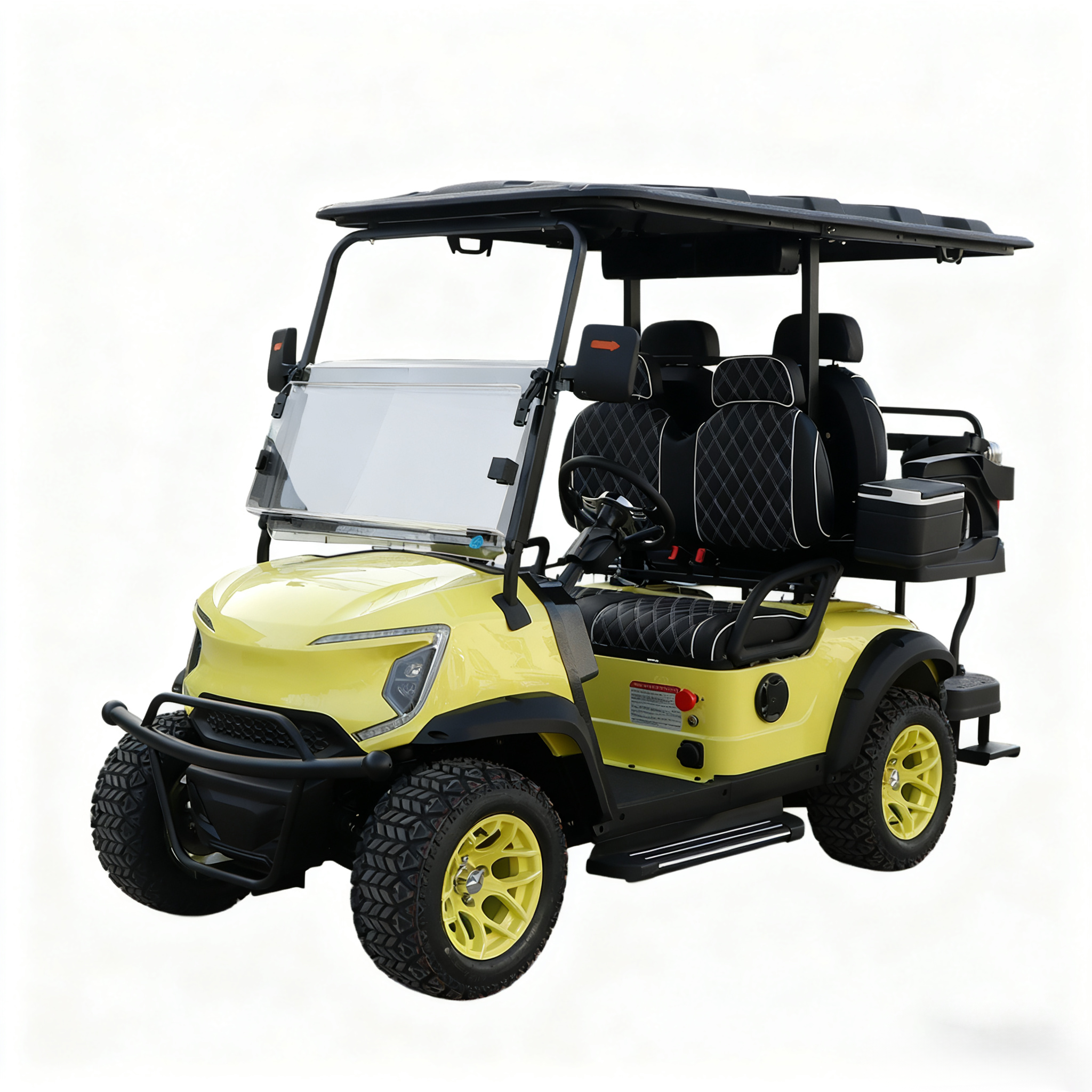
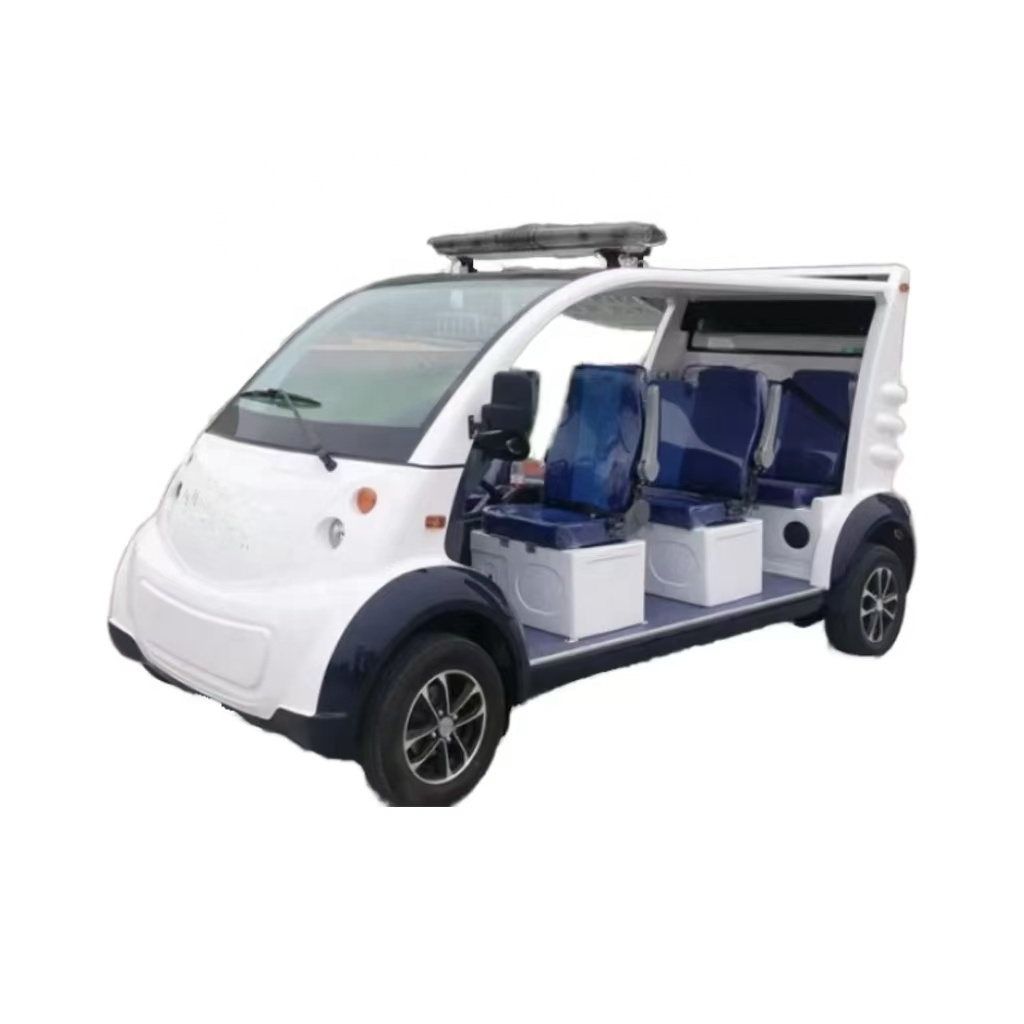
Recommended Platform: Tongcai 11-14 Seater Street Legal Luxury Electric Vintage Classic Cars and 4-6 seat enclosed shuttle carts equipped with genuine leather seating, solar-assist roofs, and whisper-quiet AC drivetrains.

2. Hamad Port & Um Al Houl Free Zone Logistics

Operational Need: Heavy payload hauling, maintenance crew dispatch, facility inspection, and cargo transfer across sprawling industrial port facilities and free zone warehouses.

Recommended Platform: 72V Lithium 4WD Heavy-Duty Electric Utility Vehicles featuring drop-side aluminum cargo beds, 5000W brushless AC traction motors, 800kg payload capacities, and reinforced towing hitches.

3. Al Janoub Stadium & Municipal Public Parks

Operational Need: Zero-emission municipal maintenance, green-space upkeep, trash collection, security patrol, and crowd management across large public precincts.

Recommended Platform: Tongcai Eco-Friendly 2-8 Seater Patrol & Maintenance Carts configured with emergency strobe lighting, utility tool racks, hydraulic dump beds, and all-terrain low-pressure turf tires.

4. Beachfront Mobile Commerce & Event Catering

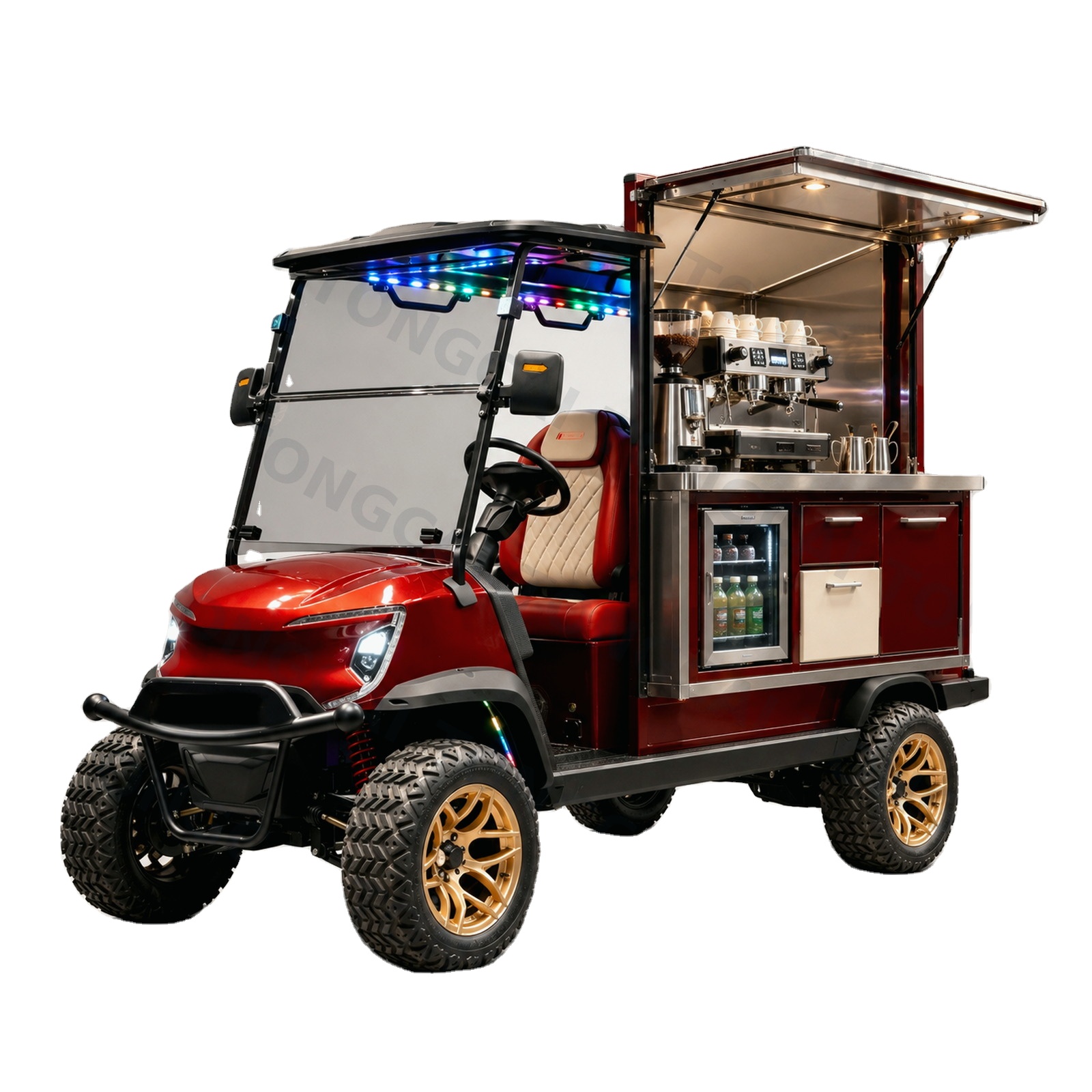
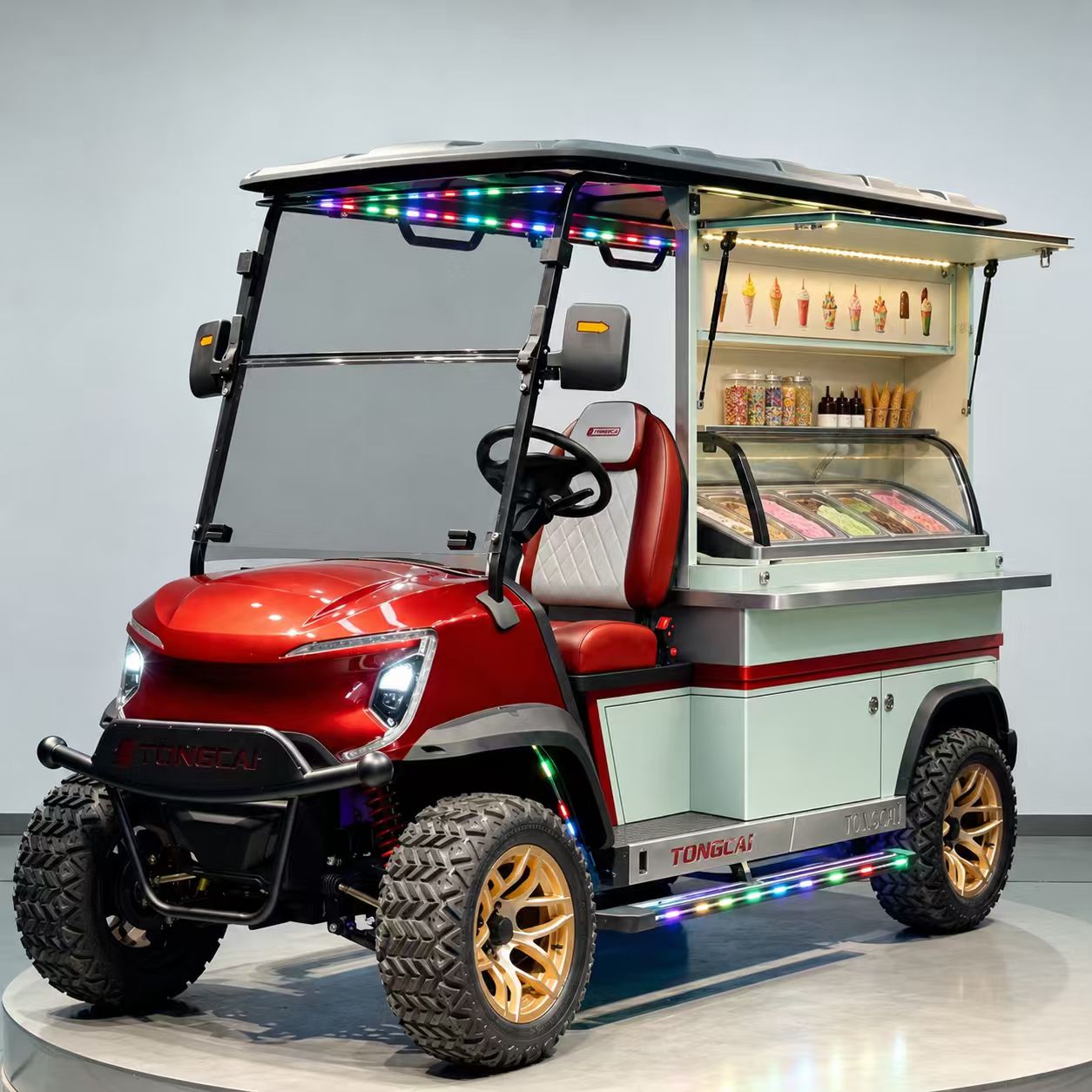
Operational Need: Mobile culinary retail, artisanal gelato, specialty coffee, and fast-casual food vending at Al Wakrah Family Beach, Public Beach parks, and community festivals.

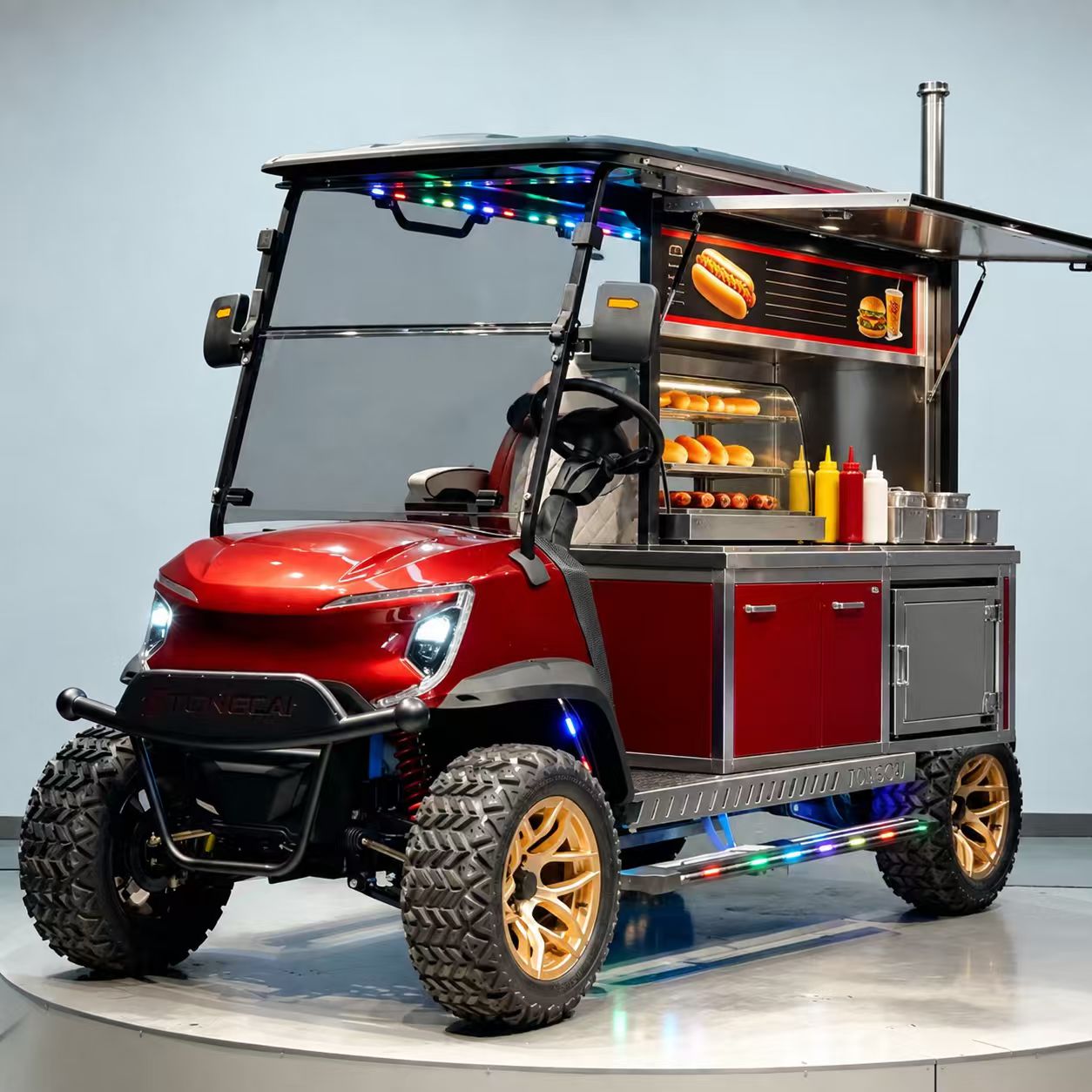
Recommended Platform: TONGCAI Stainless Steel Dual-Axle Mobile Food Vending Trucks & Bakery Carts built with integrated generator bays, food-grade 304 stainless interiors, high-capacity water systems, and customizable LED canopy displays.

Engineering Matrix: Electric Utility Vehicles vs. Conventional ICE Platforms

A comparative evaluation for fleet procurement managers operating within Qatar's strict environmental compliance guidelines:

Performance Feature Shandong CCB Heavy-Duty Electric UTV Standard Gas/ICE Utility Vehicle Al Wakrah Operational Advantage
Power Source / Drivetrain 72V / 60V LiFePO4 Lithium (AC Motor) Single/Twin Cylinder Gasoline Engine Zero direct emissions, quiet operation in public spaces
Chassis Protection Hot-Dip Galvanized + Full E-Coating Standard Powder Coated Mild Steel Eliminates chassis rust from salt fog near Hamad Port
Thermal Resilience Integrated BMS cut-off at +65°C core Engine overheating in summer traffic idling Continuous full-load operation in peak summer thermal conditions
Maintenance Overhead Low (No engine oil, spark plugs, filters) High (Frequent fluid/filter changes) Reduces annual maintenance expenditures by over 65%
Fuel / Energy Cost ~0.04 QAR per kilometer (Electric) ~0.25 QAR per kilometer (Super/Premium) Dramatically reduces recurring operational fuel bills
QNV 2030 Alignment 100% Zero direct CO2 output High carbon footprint & noise pollution Assists corporate entities in fulfilling Qatari ESG standards
Strategic Market Trends

The Economic & Regulatory Transition Driving Utility Electrification in Al Wakrah

The municipality of Al Wakrah has seen a dramatic modern transformation over the past decade. Driven by major infrastructure developments surrounding the 2022 FIFA World Cup at Al Janoub Stadium and ongoing expansion of Qatar’s maritime trade capacity via Hamad Port, local commercial and municipal sectors are undergoing rapid modernization.

1. Alignment with Qatar National Vision 2030 (Environmental Sustainability)

Qatar's Ministry of Municipality and Ministry of Environment and Climate Change have established rigorous sustainability benchmarks for public facilities, commercial real estate developers, and hospitality operators. Transitioning from noisy, polluting combustion engines to high-efficiency electric low-speed utility vehicles directly contributes to target reductions in municipal carbon footprints and urban noise levels. Electric utility carts are now mandatory in closed pedestrian zones such as Souq Al Wakrah and protected coastal reserves.

2. Total Cost of Ownership (TCO) & ROI Calculations

While the initial procurement price of an industrial electric utility vehicle with advanced lithium batteries is comparable to a petrol equivalent, the Total Cost of Ownership over a 5-year operational lifecycle heavily favors electric propulsion in Al Wakrah:

  • Fuel Cost Savings: Electricity tariffs in Qatar for commercial/industrial facilities remain highly cost-effective, offering up to 80% cost savings per operating hour compared to petrol combustion engines.
  • Reduced Mechanical Wear: Electric AC motors possess only one moving part (the rotor), eliminating clutches, torque converters, engine belts, timing chains, and exhaust systems that fail regularly under heat and sand exposure.
  • Extended Battery Life: Premium LiFePO4 cells provided in Shandong CCB utility vehicles deliver 3,000 to 5,000 charge cycles, providing a functional battery lifecycle of 7 to 10 years even under daily commercial discharge cycles.

3. Micro-Mobility in Free Zone Trade & Cold-Chain Logistics

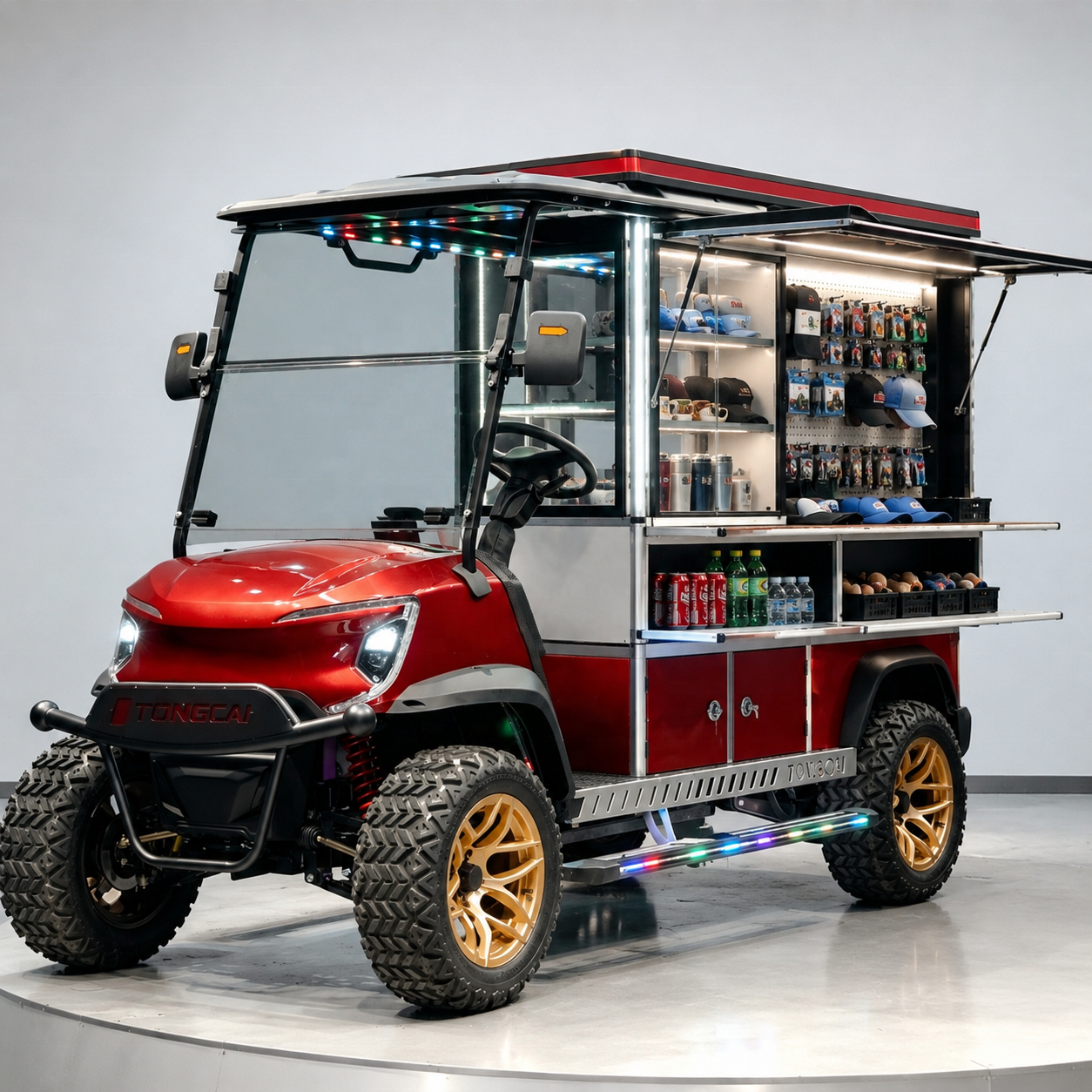
With Um Al Houl Free Zone emerging as a regional center for light manufacturing, maritime services, and logistics, the need for agile indoor/outdoor utility platforms has surged. Flatbed electric carts, specialized payload carriers, and mobile retail food vehicles offer flexible, low-speed transport solutions across corporate campuses where standard automotive road vehicles are impractical.

Manufacturing Excellence

Why Enterprise Buyers & Distributors Partner with Shandong CCB

Direct factory manufacturing, rigorous international quality control, and complete OEM/ODM customization capabilities.

Verified 14,200 m² Manufacturing Facility

Located in Dezhou, Shandong, China, our specialized production plant operates under strict ISO9001 management protocols. Verified on-site by TÜV Rheinland, CCB executes laser cutting, automated tube bending, robotic chassis welding, e-coating, and complete vehicle assembly under one roof.

Complete OEM / ODM Customization

We build tailored utility platforms to exact buyer specifications. From private-label branding, custom metallic paint finishes, and specialized seating configurations to solar recharging canopies, hydraulic cargo beds, and custom mobile kitchen equipment, our engineering team brings your design to fruition.

Rigorous 12-Stage Quality Assurance

Every vehicle undergoes a documented 12-step manufacturing and inspection process—including raw material spectrometer testing, chassis weld integrity analysis, waterproof enclosure testing, high-temperature battery stress testing, and final FQC dynamic track road tests prior to container loading.

Our In-House 12-Stage Manufacturing & Quality Process

01. CNC Tube Cutting
High-precision laser cutting of frame components.
02. Precision Machining
Machining mounting fixtures to exact tolerances.
03. CNC Pipe Bending
Automated roll-cage and canopy frame formation.
04. Robotic Welding
Fixture-locked continuous seam welding.
05. Cathodic E-Coating
Full-immersion anti-corrosion dip coating.
06. Drivetrain Assembly
Axle, suspension, motor & brake integration.
07. Electrical & Wiring
IP67 sealed wiring harness & controller fitment.
08. Body & Cabin Assembly
UV-resistant ABS body panels & seating setup.
09. Electrical Diagnostics
Computerized circuit & BMS diagnostic check.
10. Waterproof Testing
High-pressure water jet enclosure validation.
11. FQC Road Testing
Full-load incline, braking & steering testing.
12. Export Packing
Steel-frame crate packaging for ocean freight.
Frequently Asked Questions

Al Wakrah Procurement & Import FAQs

Expert answers for fleet managers, municipal contractors, and commercial importers in Qatar.

How are Shandong CCB utility vehicles delivered to buyers in Al Wakrah, Qatar?
Vehicles are securely packed in heavy-duty reinforced steel frames or fully enclosed wooden crates to prevent movement during maritime transport. Direct shipments are routed from Chinese export ports straight to Hamad Port in Al Wakrah. Our export logistics team provides complete documentation including Commercial Invoice, Packing List, Bill of Lading, Certificate of Origin (CO), and CE declaration sheets for rapid clearance through Qatari Customs.
What is the Minimum Order Quantity (MOQ) for custom utility carts?
We support prospective enterprise clients, resort developers, and distributors by offering an MOQ of just 1 unit for evaluation samples and initial fleet testing. Bulk container orders (20ft, 40ft, or 40ft HQ containers) unlock customized volume pricing, tailored spare parts packages, customized body colors, and free private-label logo integration.
Why should we select LiFePO4 Lithium batteries over Lead-Acid for Al Wakrah operations?
For commercial utility operations in Qatar, LiFePO4 (Lithium Iron Phosphate) is vastly superior. LiFePO4 batteries weigh ~60% less, accept rapid charging (full charge in 2 to 3 hours), tolerate extreme thermal ambient conditions (+55°C) without thermal runaway, and offer 3,000+ deep discharge cycles compared to only 500-800 cycles for lead-acid. This translates to multi-year continuous commercial service without battery replacement downtime.
Can CCB utility vehicles be customized for specialized commercial food vending or mobile retail?
Yes. Our specialized vending vehicles (such as the TONGCAI Mobile Bakery Truck, Pastry Vending Cart, and Custom Food Truck) are fully customizable. We construct interiors using food-grade 304 stainless steel, install certified electrical wiring with breaker panels, incorporate water storage and drainage systems, and integrate heavy-duty power inverters capable of running espresso machines, gelato freezers, or griddles.
What warranty and spare parts support is available for fleets in Al Wakrah?
Shandong CCB provides comprehensive factory warranty coverage on major structural components (chassis frame), electric motors, controllers, and battery packs. We supply comprehensive technical manuals, wiring schematics, and remote engineering video support. Furthermore, we ship recommended fast-wear replacement parts (brake pads, tires, switches, light assemblies) directly inside your vehicle container shipments for immediate local routine maintenance.
Are these electric utility vehicles street legal for low-speed public roads in Qatar?
Many of our catalog models are engineered as Low-Speed Vehicles (LSVs) and feature CE certifications, three-point safety seatbelts, LED headlights, turn signals, tail lights, side mirrors, hydraulic four-wheel disc brakes, and horn assemblies. Local registration regulations vary depending on specific municipal zone guidelines (e.g., public road versus closed resort or industrial free zone access). Our engineering team can adjust top-speed limits (25 km/h to 50 km/h) to meet local road authority standards.
Direct Factory Inquiry

Partner with a Verified Utility Vehicle Manufacturer

Request tailored technical specifications, localized FOB/CIF Hamad Port freight quotations, or discuss custom OEM fleet engineering with our senior export directors.