

Maritime Engineering & Low-Speed Electric Logistics

Utility Golf Cart Manufacturers & Exporter serving the Bequia market

High-torque powertrains, marine-grade anti-corrosive chassis, and LiFePO4 energy storage systems tailored for the micro-climates, coastal grades, and boutique hospitality operations of Port Elizabeth, Mount Pleasant, and Friendship Bay.

Enterprise Fleet Portfolio

Engineered for Maritime Resilience & Caribbean Island Logistics

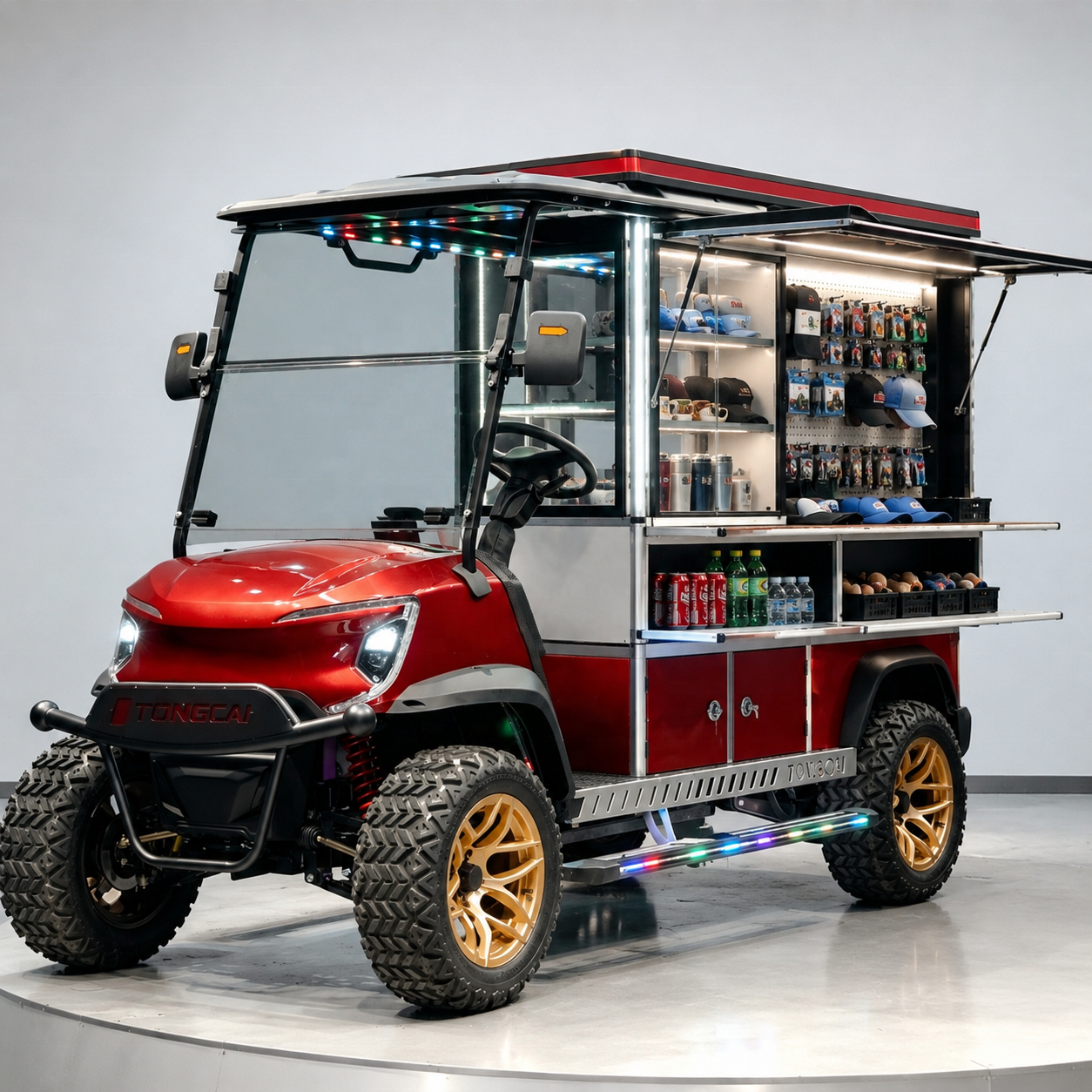
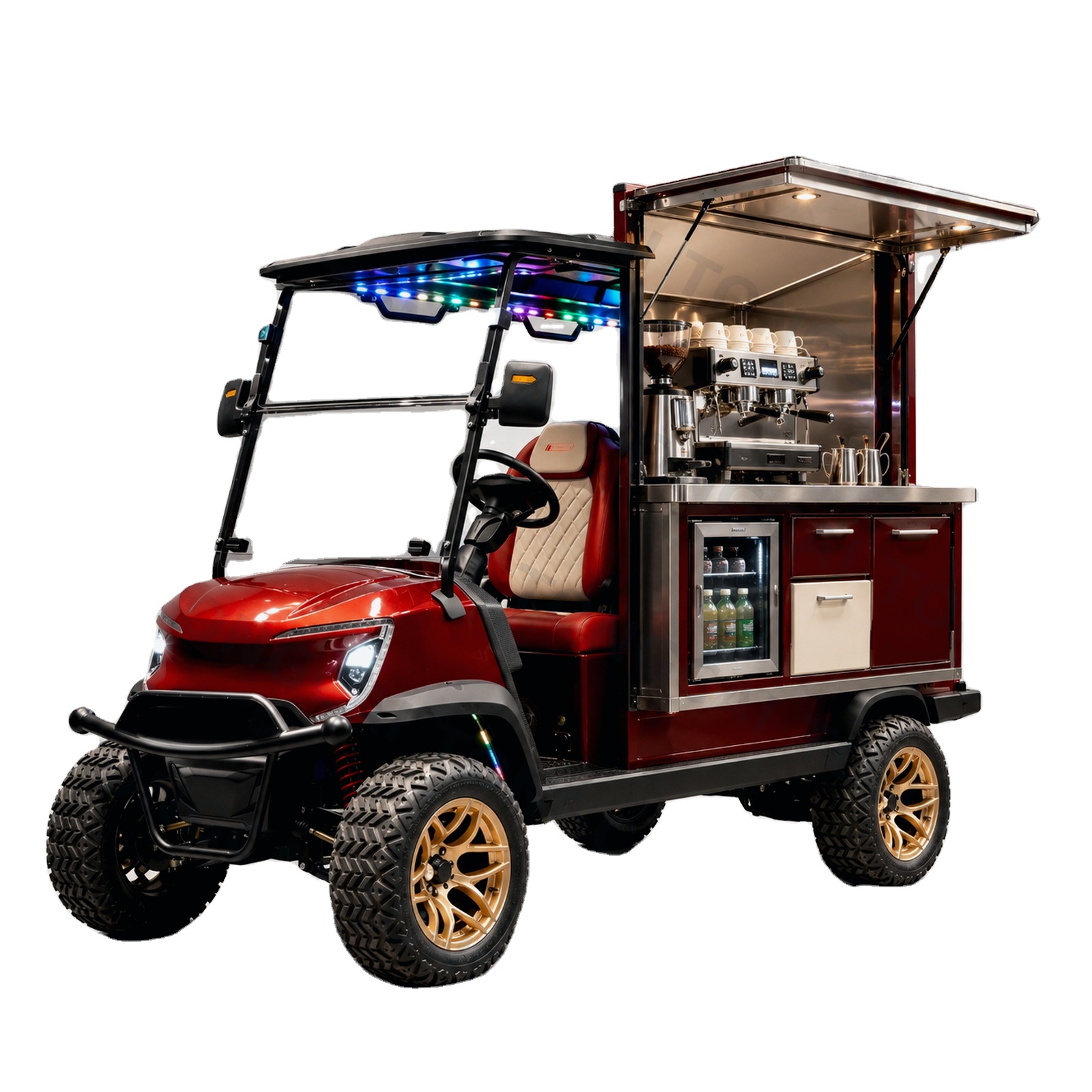
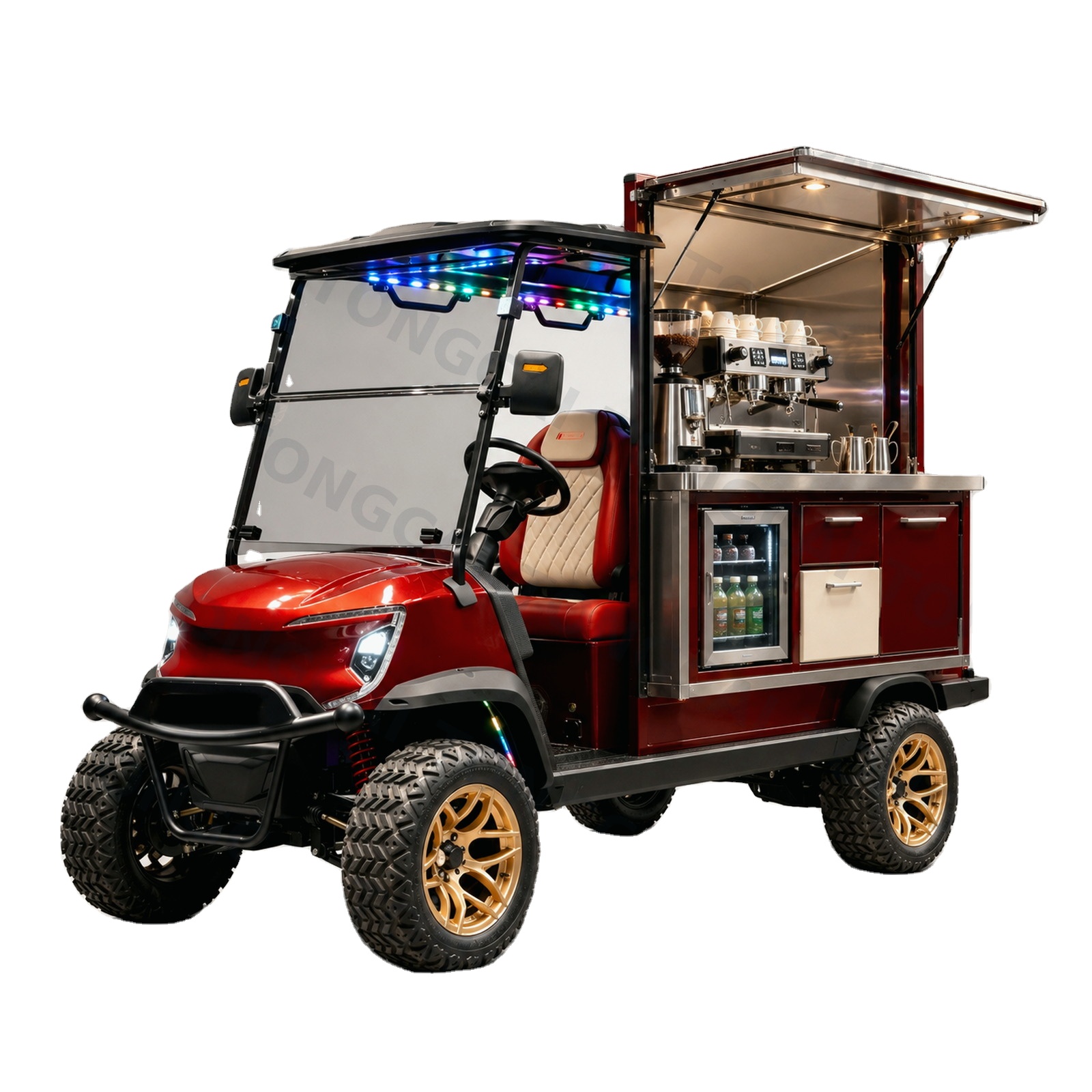
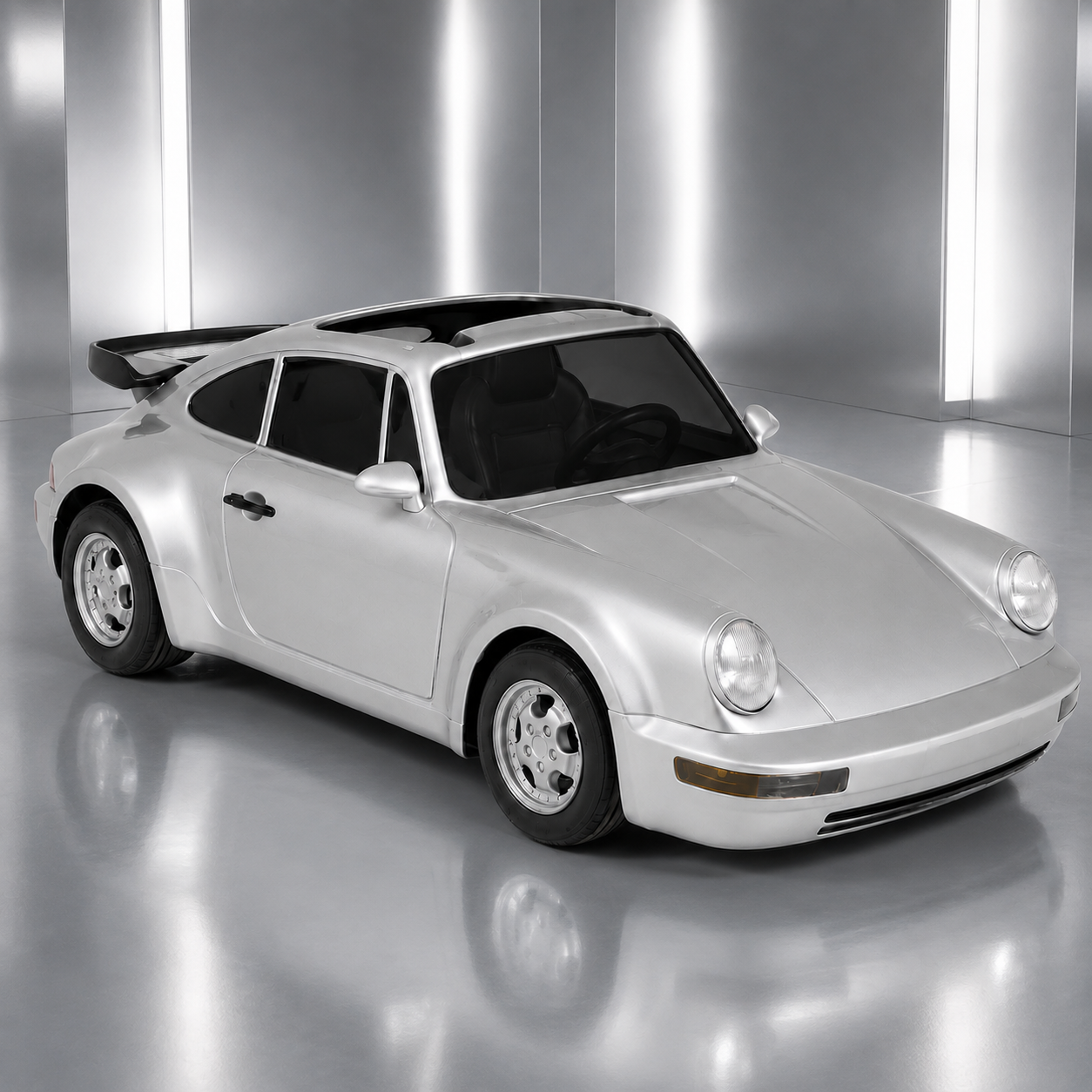
Explore our certified low-speed utility vehicles, multipurpose commercial food and beverage mobile solutions, and heavy-payload passenger transporters engineered to withstand high salinity, intense UV index, and steep tropical gradients.

14,200m²
Production Infrastructure
TÜVVerified
On-Site Verified Facility
140+
Component Tier-1 Partners
4.5/5
Global Export Buyer Rating

Engineering Decarbonized Utility Fleets for Bequia and the Grenadines

Bequia, the second-largest island in the Grenadines chain (measuring just under 7 square miles), presents a distinct operational topography for commercial fleet managers, resort hospitality executives, and private estate directors. With transport running tightly between Port Elizabeth Harbor, high-elevation villas across Mount Pleasant, and luxury beachfront destinations in Lower Bay and Friendship Bay, vehicle reliability hinges on three non-negotiable engineering metrics: anti-corrosion protection against maritime salt spray, high-efficiency thermal management under tropical ambient conditions, and sustained torque delivery over severe incline gradients.

As Shandong CCB New Energy Machinery Co., Ltd., we engineer and export utility golf carts, low-speed electric vehicles (LSVs), and commercial electric vending trucks specifically calibrated to offset the exorbitant imported fossil-fuel costs that constrain island businesses. In a microgrid ecosystem where traditional unleaded gasoline commands significant logistics surcharges, transition to a dedicated LiFePO4 (Lithium Iron Phosphate) electrified utility fleet directly delivers a reduction in total cost of ownership (TCO) of up to 68% over a five-year lifecycle.

Localized Application Scenarios across Bequia

Luxury Resort & Villa Transfers

Silent, zero-emission passenger shuttling through steep, narrow roadways connecting ferry docks to hilltop boutique retreats without acoustic disruption.

Marina & Port Utility Freight

Navigating Admiralty Bay docks, hauling provisioning crates, marine repair hardware, and hotel linens directly across finger piers and sea-level cobblestones.

Shoreline Food & Event Retail

Mobile electric kitchens and beverage distribution units operating fully off-grid at Princess Margaret Beach, powered by internal high-density lithium storage.

Estate Maintenance & Grounds

Multi-utility beds equipped with hydraulic dump hoists for landscaping, organic waste disposal, and construction aggregate transport on private compounds.

Emerging Procurement & Technological Trends in Bequia's Transport Sector

Commercial vehicle procurement throughout Saint Vincent and the Grenadines is currently experiencing an unprecedented technological transition driven by national sustainability frameworks and private investment in solar generation. Key trends currently defining fleet acquisition include:

1. Solar-Integrated Photovoltaic Canopy Systems: Given Bequia's year-round solar irradiance, integrating mono-crystalline solar panels into golf cart roofs provides an additional 15 to 25 kilometers of extended driving range per day without grid connection. This capability allows beachfront concessions and maintenance teams to run continuous split shifts while buffering microgrid electricity instability.

2. Transition from Lead-Acid to LiFePO4 Chemistries: Traditional flooded lead-acid batteries suffer rapid sulfation and plate degradation when exposed to Caribbean ambient temperatures exceeding 32°C combined with frequent partial-charge cycles. By contrast, our automotive-grade LiFePO4 cells feature built-in smart BMS (Battery Management Systems) with thermal throttling, supporting over 3,500 full cycles at 80% DOD (Depth of Discharge) and zero corrosive acid outgassing.

3. Aluminum Alloy Chassis vs. Marine Salt Mist: Standard tubular steel chassis corrode internally within 24 to 36 months when stationed within 500 meters of the coastline. The emerging benchmark requires electrophoretic deposition (EPD) dual-coating or aviation-grade structural aluminum extrusions that provide complete immunity to chloride-induced oxidation.

Our Manufacturing & Quality Engineering Benchmarks

Vertically Integrated Factory

Operating a 14,200 m² facility with full in-house cutting, pipe bending, robotic welding, cathode spraying, and dynamometer testing.

TÜV Rheinland Audited

Verified on-site by TÜV Rheinland as an authentic Custom Manufacturer with documented CE conformity across global production lines.

Tailored ODM Customization

Engineered gear ratios, heavy-duty hill-climbing transaxles, lifted suspension packages, and custom marine vinyl seating tailored to order.

Containerized Island Shipping

Standardized steel-cradle packaging with anti-moisture desiccant barriers tailored for direct discharge at Kingstown or Bequia transshipment.

Our 12-Stage In-House Quality & Manufacturing Route

Stage 01 Tube Cutting
Stage 02 CNC Machining
Stage 03 Pipe Bending
Stage 04 Jig Welding
Stage 05 Anti-Rust Spray
Stage 06 Drivetrain Assy
Stage 07 Electrical Rig
Stage 08 Battery Integration
Stage 09 Body Panel Mount
Stage 10 Brake & Slope Test
Stage 11 Road Dyno Test
Stage 12 Final QC & Crate

Bequia Fleet Procurement: Frequently Asked Questions

Direct technical and logistical insights from our export engineering department to assist procurement officers, hotel operators, and private importers in Saint Vincent and the Grenadines.

How do your electric carts perform on Bequia’s steep, winding roads like Mount Pleasant? +
Standard flat-course golf carts (2.5kW to 3.3kW motors) frequently stall or overheat on Bequia's acute topography. For this market, we configure vehicles with high-torque 4kW to 5kW AC synchronous or permanent magnet motors matched to a 16:1 or 18:1 hill-climbing transmission ratio. Combined with a 60V or 72V LiFePO4 electrical rail and regenerative downhill motor braking, our utility carts climb continuous 20% to 25% inclines fully loaded without thermal tripping, while recharging the battery array on downhill runs.
What anti-corrosion protection is provided against Bequia's aggressive marine environment? +
Operating within a small Caribbean island exposes every chassis component to constant chloride salt aerosols. Our export models utilize dual-stage protection: first, our robotic-welded steel chassis undergo multi-step immersion phosphate treatment followed by automotive-grade electro-deposition (e-coating) and a resilient polyurethane topcoat. We also offer fully extruded aircraft-grade aluminum chassis options that are fundamentally impervious to rust. All exposed bolts, hardware, and fasteners are 304 or 316-grade stainless steel, and harness connections are sealed to IP67 ingress protection standards.
How are spare parts, lithium battery replacements, and warranties handled for remote island operations? +
We understand that isolated island logistics require preventative maintenance autonomy. Every fleet container dispatched to Bequia is supplied with a customized "Critical Spares Kit" (including replacement solenoids, motor controllers, brake shoes, suspension bushings, and charging cables). Our LiFePO4 cells are supported by an international 5-year replacement warranty, while the motor and chassis carry comprehensive manufacturer coverage. In addition, our factory engineers deliver complete digital wiring schematics, OBD diagnostic tools, and live video technical sessions to your local mechanics.
What is the shipping process, lead time, and container loading configuration to Bequia? +
Shipments typically route from Qingdao Port or Shanghai Port directly to the Kingstown deepwater port in Saint Vincent, where roll-on/roll-off barges or inter-island cargo vessels (such as the Bequia Express or Admiralty Transport) transport the cargo to Port Elizabeth. Production lead time is approximately 15 to 25 days depending on OEM customization level. A standard 20ft container accommodates 4 to 6 units (knock-down or semi-assembled), while a 40ft high cube container fits up to 12 to 16 units depending on chassis lift kit configurations, maximizing freight economies.
Can the vehicles be made street-legal according to local SVG traffic regulations? +
Yes. We manufacture LSV (Low-Speed Vehicle) packages compliant with national road licensing standards. This includes integrated LED high/low beam headlights, amber turn indicator lights, hazard flashers, horn, AS1-certified laminated safety glass windshield with electric wiper, dual exterior side-view mirrors, rear-view mirror, 3-point retractable safety seatbelts, and mechanical/hydraulic dual-circuit parking brakes. Full CE certificates, Certificate of Origin (Form A), and stamped chassis VIN plates are supplied with all export documentation.

Modernize Your Bequia Fleet with Verified Factory Direct Engineering

Discuss your utility, hospitality, or commercial vending vehicle project with our engineering desks. We provide comprehensive technical specifications, container loading plans, and competitive CIF Kingstown/Bequia quotations.

Get Catalog