

Verified low-speed electric shuttles, utility carts, and micro-vending platforms optimized for thermal endurance and urban historical preserves.
An authoritative technical evaluation for municipal transport authorities, resort managers, and private import suppliers seeking zero-emission passenger shuttles in central Iran.
Isfahan, renowned globally for its Safavid architecture, grand boulevards, and UNESCO World Heritage locations such as Naqsh-e Jahan Square (Meidan Emam), represents one of the most demanding operational environments for tourist transportation in the Middle East. The city's municipal strategy strongly emphasizes noise reduction, zero tailpipe emissions, and historic infrastructure preservation.
Traditional internal combustion engine (ICE) vehicles are increasingly restricted across key cultural axes like Chaharbagh Abbasi Street and the bridges crossing the Zayandeh River. Consequently, electric tourist shuttles and low-speed passenger vehicles (LSVs) have shifted from an optional amenity to an essential municipal infrastructure requirement.
Supplying tourist shuttles to the Isfahan market demands rigorous thermal and mechanical resilience. Summer ambient temperatures in Isfahan routinely surpass 40°C (104°F) with high solar irradiance levels, while winter nights can drop near freezing. Standard electric golf carts designed for temperate climates frequently suffer from thermal throttling, battery degradation, and brake fade under these conditions.
To guarantee operational uptime, Shandong CCB New Energy Machinery Co., Ltd. integrates high-capacity LiFePO4 (Lithium Iron Phosphate) battery chemistry backed by intelligent Thermal Management Systems (BMS), heavy-duty Curtis AC controllers, and IP65-sealed wiring harnesses that effectively block fine desert dust infiltration.
Below is an engineering analysis highlighting key modifications required for continuous, heavy-duty commercial deployment in central Iranian tourism zones:
| Engineering Parameter | Standard Commercial Golf Cart | Isfahan Heavy-Duty Specification (CCB) | Operational Impact in Isfahan |
|---|---|---|---|
| Battery Chemistry | Flooded Lead-Acid / Basic NMC | LiFePO4 with High-Temp Smart BMS | Prevents thermal runaway; retains 80%+ capacity after 3,000 thermal cycles at 45°C. |
| Ingress Protection (IP) | IP54 Open-Frame Connections | IP65 / IP67 Sealed Motor & Harnesses | Completely eliminates dust short-circuits from atmospheric desert particulate. |
| Chassis Corrosion Barrier | Single-Layer Powder Coat | Electrophoretic Dip + Anti-Corrosion Primer | Resists intense UV breakdown and ground salt mineral exposure around dry riverbed soils. |
| Braking Architecture | Rear Mechanical Drum Brakes | Four-Wheel Hydraulic Disc + Regenerative | Guarantees short stopping distances carrying 6-10 passengers on paved heritage stones. |
| Incline Hill Torque | 3.0 kW Motor (12-15% grade) | 5.0 kW - 7.5 kW AC Motor (20-25% grade) | Seamlessly ascends steep access ramps around Mount Soffeh Telecabin and park complexes. |
How specialized electric passenger vehicles serve diverse operational demands across Isfahan’s historic, recreational, and hospitality sectors.
Spanning 512 meters by 163 meters, Naqsh-e Jahan Square demands silent, non-polluting transportation for tourists visiting Sheikh Lotfollah Mosque, Ali Qapu Palace, and the Imperial Bazaar. Low-speed 6-seater to 10-seater open-air shuttles equipped with non-marking rubber tires protect sensitive stone pavers while moving elderly and international tour groups effortlessly.
The pedestrianized boulevards adjoining the Zayandeh River bridges require continuous, low-speed passenger shuttles that operate safely alongside walking crowds. Custom speed-governed electric shuttles (capped at 15-20 km/h) with clear audio-visual alerts deliver comfortable transfers between heritage bridges and nearby parking hubs.
Isfahan’s traditional courtyard hotels—such as the Abbasi Hotel, Kianpour Historical House, and Ghasr Monshi—feature tight brick gateways and landscaped courtyards. Custom 2-seater and 4-seater luxury electric carts transport VIP guests and heavy luggage smoothly without noise or exhaust odors.
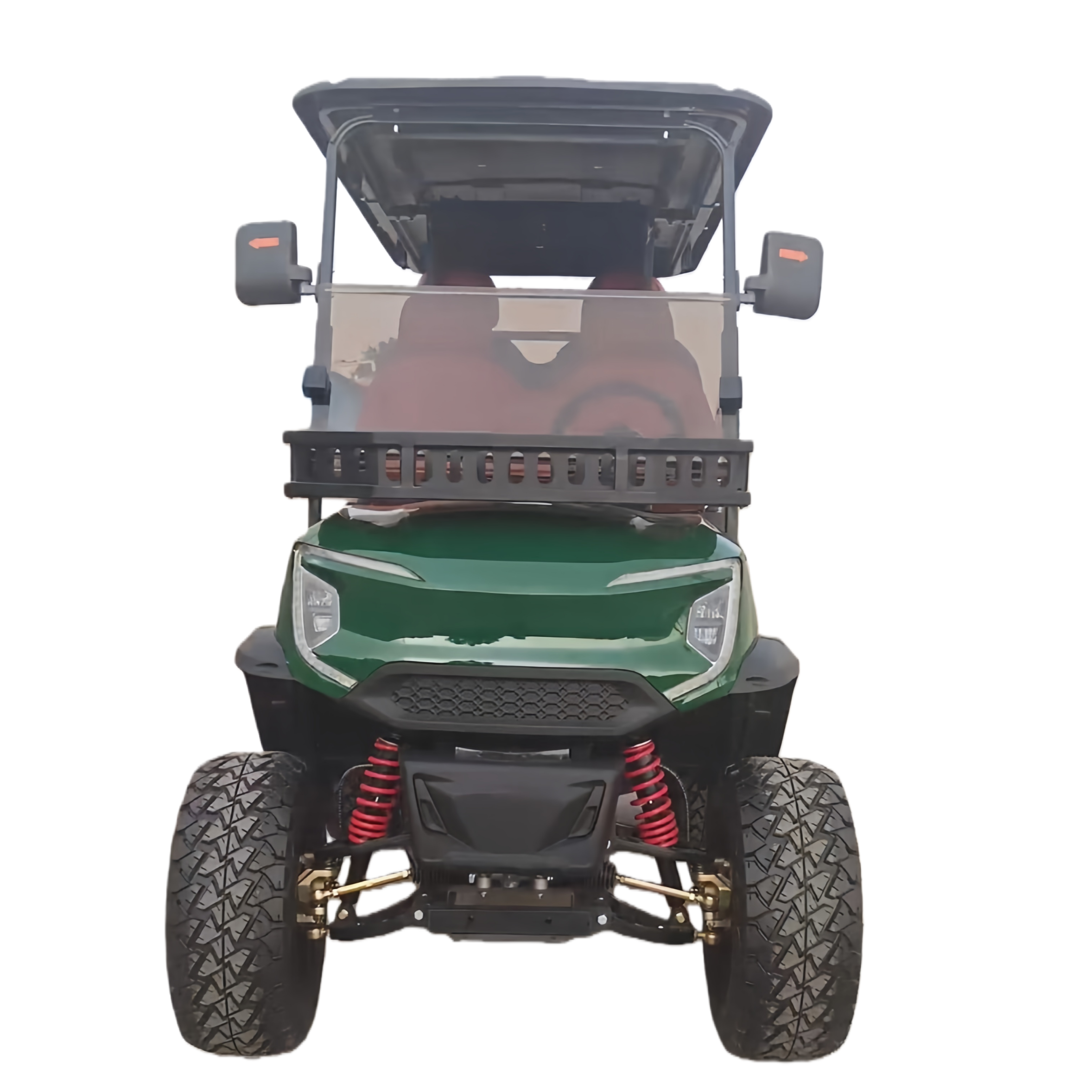
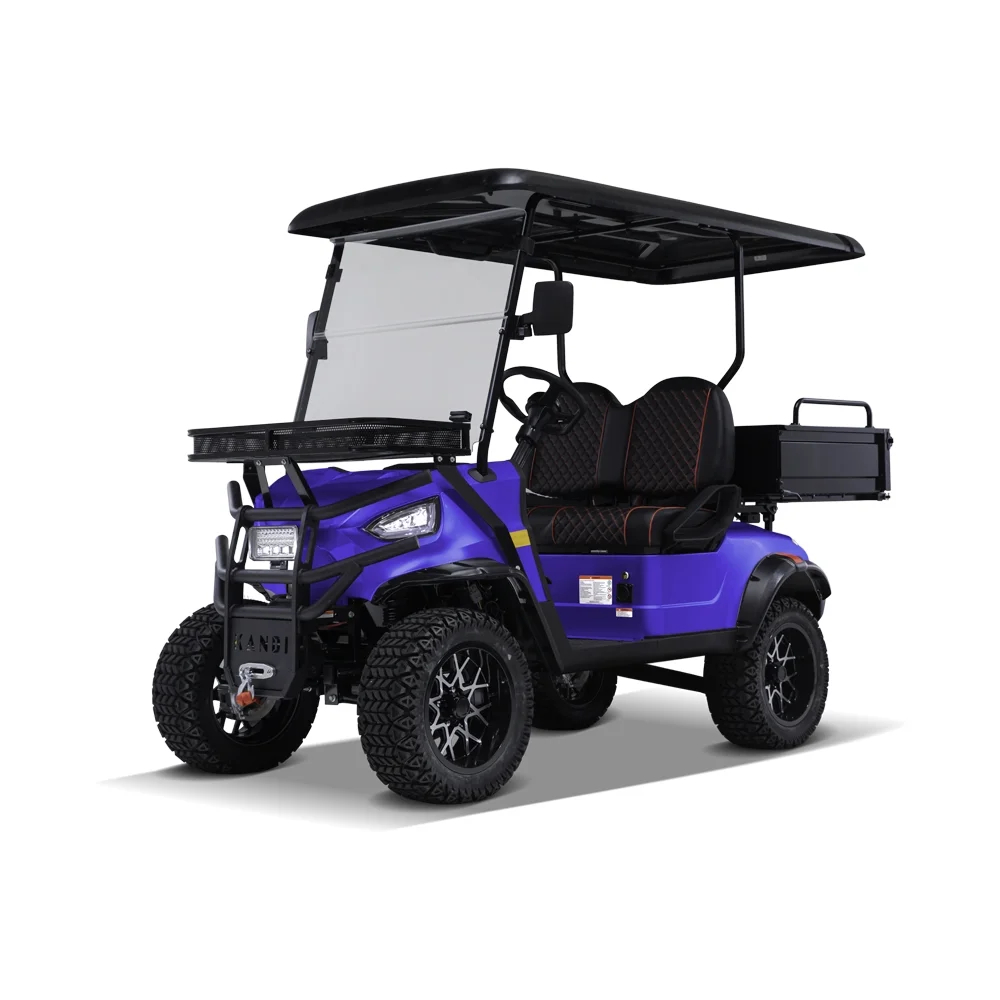
For large eco-parks and mountain recreational parks, high-ground-clearance lifted 4WD electric golf carts and 72V utility vehicles handle steep inclines, unpaved gravel trails, and high passenger loads with zero environmental disruption.
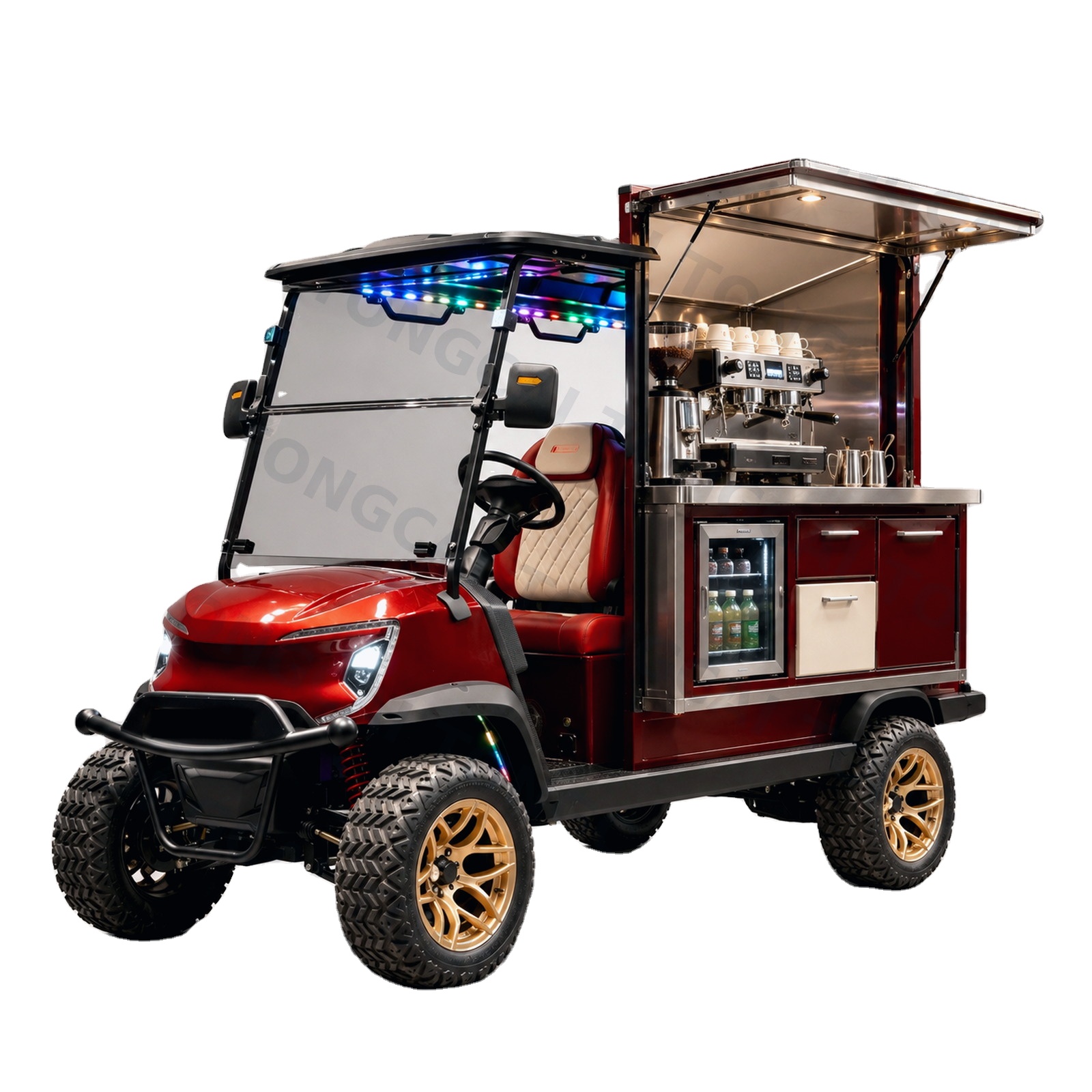
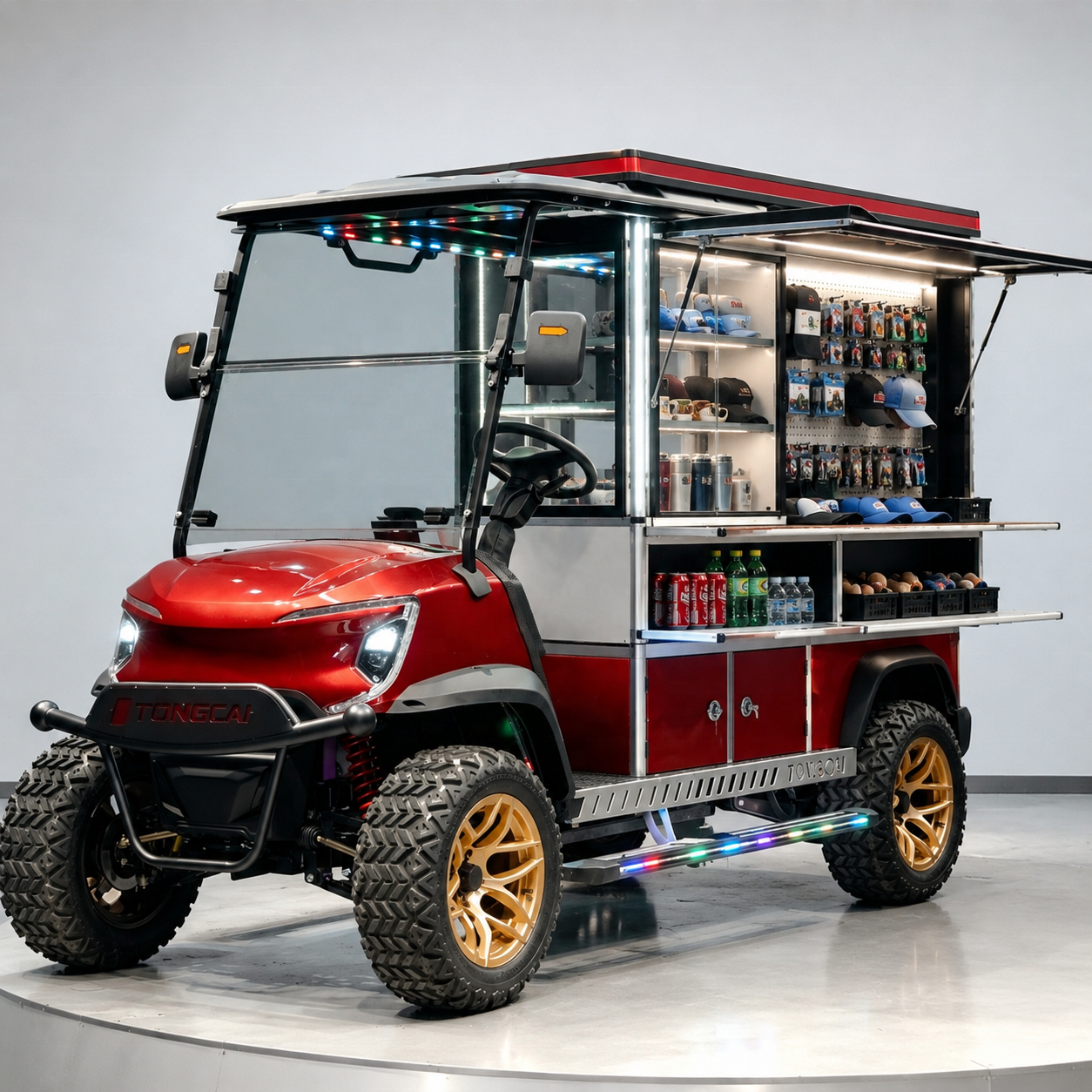
Custom mobile dessert carts, electric ice cream trucks, and mobile pastry vehicles bring flexible micro-vending options directly to heavy pedestrian thoroughfares, blending commercial utility with attractive retro aesthetics.
Providing 4-wheel single-seat electric mobility scooters and low-floor passenger carts enables municipal tourism boards to offer inclusive travel options for elderly visitors traversing sprawling museum grounds and botanical gardens.
Macro shifts shaping fleet procurement, battery specification requirements, and green transit mandates across Iran’s cultural centers.
Given Isfahan’s high annual solar irradiance (averaging over 300 sunny days per year), municipal and private fleet operators are rapidly adopting solar-roof integrated electric shuttles. Photovoltaic solar panels mounted on vehicle canopy roofs continuously trickle-charge the battery pack during daytime operations, extending total daily range by 15% to 25% and reducing grid dependency during peak daytime tariffs.
Iranian fleet managers are aggressively retiring legacy lead-acid batteries in favor of LiFePO4 packs. While lead-acid batteries carry a lower initial purchase cost, their rapid capacity loss under Isfahan's high summer heat leads to frequent battery replacement every 12 to 18 months. Lithium Iron Phosphate chemistry provides a total cost of ownership (TCO) savings of over 40% over a 5-year operational lifecycle.
Modern tourist shuttle procurement contracts in Isfahan increasingly specify real-time GPS tracking, battery state-of-health (SoH) monitoring, and remote speed limiter control. Fleet dispatchers at large tourist parks utilize centralized dashboards to optimize vehicle routing, monitor driver performance, and schedule predictive maintenance before mechanical failures occur.
Shandong CCB New Energy Machinery Co., Ltd. operates a TÜV Rheinland on-site verified 14,200 m² manufacturing facility in Dezhou, Shandong. Unlike traders who outsource chassis fabrication, we execute raw steel cutting, high-precision CNC tube bending, fixture welding, anti-corrosion electrophoretic painting, and final vehicle assembly completely in-house.
We tailor body styling, seating arrangements (2 to 10 seats), battery voltages (48V, 60V, 72V), motor wattage, exterior color matching, custom Iranian language decals, and specialized roof options (solar canvas / hardtop) directly during production.
Every tourist shuttle undergoes comprehensive chassis stress testing, electrical insulation checks, waterproofing rain spray testing, and an intensive load climbing ramp evaluation prior to container loading and export documentation clearance.
Essential logistical, technical, and commercial answers for Iranian fleet managers, import agents, and tourism project planners.