Top Trusted Electric Cargo Cart Manufacturers & Factories for the Ottawa Market

A Comprehensive Industry Whitepaper & Technical Procurement Guide for Fleet Managers, Municipal Buyers & Commercial Operators in Eastern Ontario

14,200 m²
TÜV Verified Manufacturing Facility
72V LiFePO4
Cold-Resistant Battery Architectures
1,000+ kg
Heavy Freight Payload Capacity
140+
Vetted Component Supply Partners
Local Market Analysis

Macro Electrification Trends in the Ottawa & Eastern Ontario Region

Understanding local climate demands, municipal zero-emission mandates, and last-mile urban logistics shifts across the National Capital Region.

The commercial landscape in Ottawa, Ontario is undergoing a rapid transition toward zero-emission localized transportation. Driven by the City of Ottawa’s Climate Change Master Plan—which aims to reduce municipal greenhouse gas emissions by 100% by 2040 and community-wide emissions by 2050—enterprise operators, university campuses, park authorities, and private businesses are actively replacing traditional internal combustion utility vehicles with heavy-duty electric cargo carts.

However, sourcing electric utility and cargo vehicles for Canada’s Capital Region introduces distinct operational challenges that standardized off-the-shelf low-speed carts cannot address. Ottawa experiences one of the most extreme temperature swings of any G7 capital city, ranging from hot, humid summers reaching +30°C to severe sub-zero winter conditions dipping below -25°C with heavy snowfall and road salt exposure. Fleet operators require specialized thermal battery management, electrophoretic chassis anti-corrosion protection, and reliable 4WD drivetrains capable of handling un-plowed industrial zones and icy grades around Parliament Hill, the ByWard Market, and Gatineau Park perimeter areas.

Key Market Drivers Shaping Ottawa Commercial Procurement

  • Urban Density & Low-Speed Vehicle Pilots: Ontario’s ongoing Low-Speed Vehicle (LSV) frameworks allow municipality-level permitting for zero-emission utility carts operating on public roads capped at 40 km/h, perfect for last-mile deliveries across Centretown, Westboro, and Kanata Tech Park.
  • Sub-Zero Thermal Resilience Requirements: Standard Lithium-ion or Lead-Acid batteries suffer severe range degradation under cold temperatures. Local fleets require integrated LiFePO4 self-heating cell modules and insulated enclosures to maintain 85%+ operational range during Ottawa winters.
  • Corporate Sustainability & ESG Directives: Major institutions like Carleton University, the University of Ottawa, The Ottawa Hospital campuses, and National Capital Commission (NCC) maintenance contractor teams now enforce strict green-procurement scoring that heavily penalizes gas-powered equipment.
  • Vending & Festival Micro-Mobility: Ottawa’s thriving mobile event ecosystem—including Winterlude, the Canadian Tulip Festival, and ByWard Market street vendors—requires fully self-contained, high-capacity mobile bakery, coffee, and retail vending carts with built-in inverter power systems.

Technical Benchmarks

Shandong CCB / TongCai Engineering & Factory Advantages

How our TÜV Rheinland on-site verified factory engineers commercial vehicles to outperform harsh environmental and heavy-duty usage cycles.

Thermal-Shield LiFePO4 Power

Equipped with smart BMS and automatic cell-heating elements. Our 48V, 60V, and 72V LiFePO4 packs sustain up to 3,500+ charge cycles and resist voltage drops even in sub-zero Ottawa winter operations.

Severe-Duty Chassis Coating

Reinforced high-strength steel and aluminum alloy chassis treated with hot-dip galvanization and electro-coating. Engineered to withstand heavy exposure to Ottawa’s winter road salt and liquid de-icers.

High-Torque 5000W+ Drivetrains

Selectable 4WD systems paired with AC brushless motors and heavy-duty controllers. Delivers exceptional climbing ability on steep inclines and smooth hauling through heavy snow, mud, or unpaved terrain.

12-Stage Factory QC Protocol

Every vehicle produced in our 14,200 m² Dezhou plant undergoes laser alignment, rain-chamber waterproofing inspection, dynamic load testing, and electrical safety insulation audits before packing.

Flexible OEM / ODM Modular Design

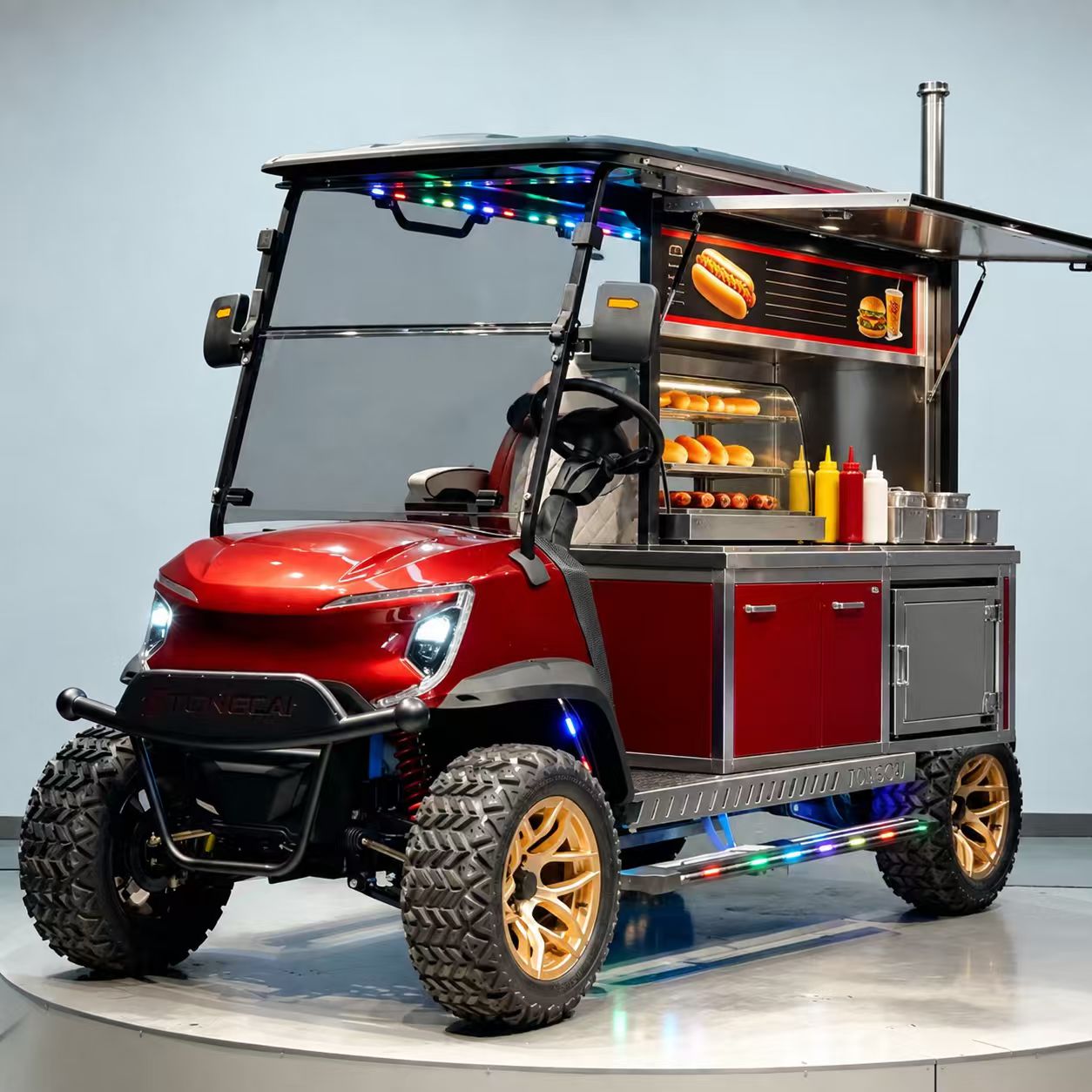
Custom enclosure sizing, stainless-steel food-grade counter integrations, branding, hydraulic dump beds, and custom seating configurations built precisely to regional commercial specs.

Comprehensive Export Support

Streamlined shipping from Chinese major ports direct to Eastern Ontario, backed by detailed wiring schematics, spare parts kits, and fast engineer-to-engineer remote troubleshooting support.

Information Gain Matrix

Electric Cargo Carts vs. Traditional Fleet Options for Ottawa Businesses

A technical comparison evaluating total cost of ownership (TCO), cold weather efficiency, payload capabilities, and regulatory access in Ontario.

Evaluation Parameter TongCai Heavy-Duty Electric Cargo Cart Gas-Powered Utility Vehicle (UTV) Commercial Cargo E-Bike
Operating Cost / km (CAD) $0.02 – $0.04 (Low hydro rates) $0.18 – $0.25 (High fuel & maintenance) $0.01 – $0.02
Payload & Towing Capacity Heavy Duty (500 kg – 1,200 kg) Heavy Duty (400 kg – 1,000 kg) Light Duty (80 kg – 150 kg max)
Winter Operational Reliability High (When paired with LiFePO4 BMS heaters) Medium (Cold start & carburetor issues) Low (Traction and rider safety limits)
Indoor & Enclosed Zone Access 100% Zero-Emissions (Warehouse & Pedestrian) Strictly Prohibited (Exhaust fumes) Allowed, but limited volume
Noise Level & Community Impact Whisper-Quiet (<50 dB) High Noise Disruption (>85 dB) Silent (<45 dB)
Annual Scheduled Maintenance Minimal (No oil changes, minimal brake wear) High (Engines, filters, spark plugs, belts) Moderate (Chains, mechanical brakes)
Custom Branding & Utility Add-ons Integrated (Bakery carts, food units, dumps) Limited to rigid beds Small storage boxes only
Get Full Technical Comparison Sheet
Target Deployment Scenarios

Where TongCai Electric Vehicles Drive Value across Ottawa

Real-world use cases customized for local enterprise, hospitality, municipal, and commercial sectors.

1. Last-Mile Micro-Logistics & Postal Distribution

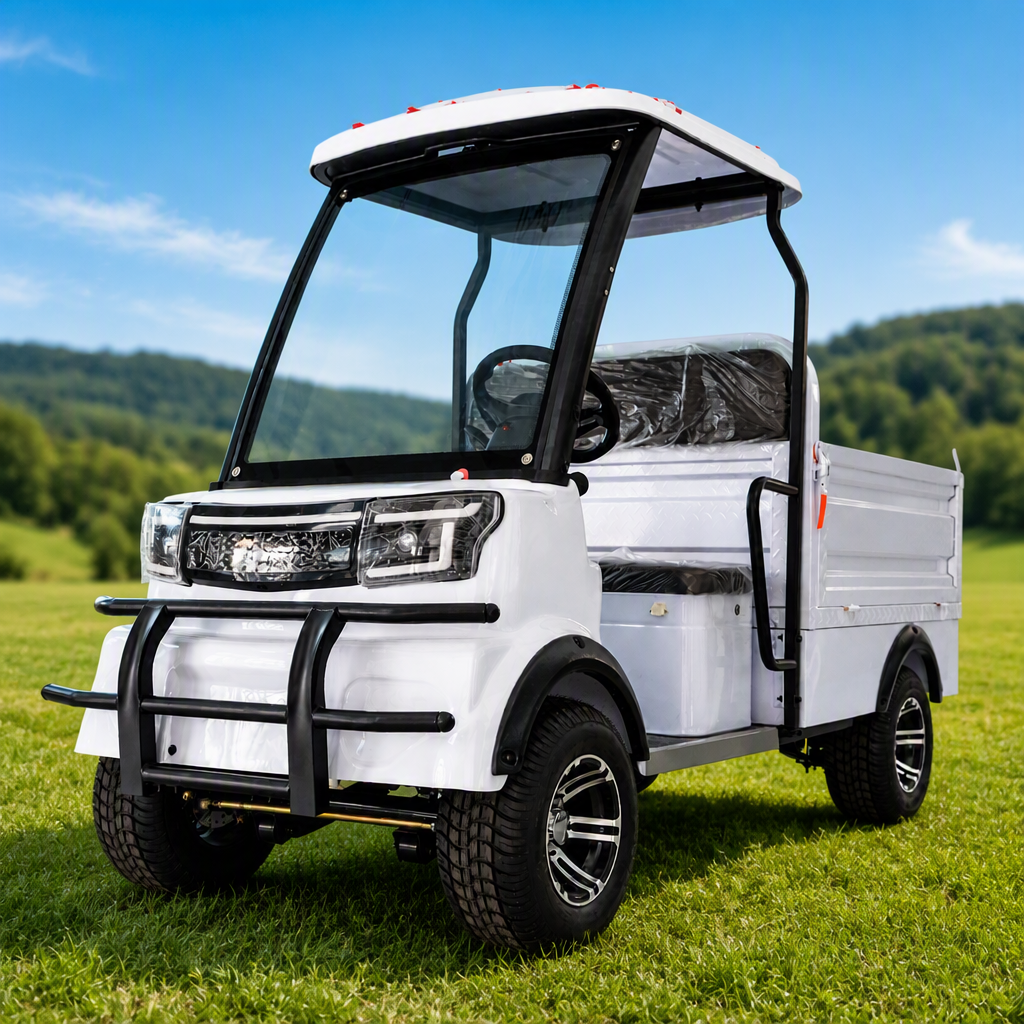
Navigating dense downtown urban corridors such as Centretown, Sandy Hill, and the ByWard Market presents severe parking and congestion bottlenecks for full-sized delivery vans. Our 4WD Electric Freight Vehicles with fully enclosed cargo canopies allow logistics providers to navigate pedestrian alleys, load zones, and narrow lanes effortlessly while transporting up to 1,000 kg of parcels per trip.

2. Institutional Campus Facilities & Maintenance

Sprawling facilities like Carleton University, Ottawa University, Algonquin College, and The Ottawa Hospital (Civic & General Campuses) require continuous maintenance, waste management, and equipment transfer across multi-building estates. Electric cargo carts provide quiet, non-disruptive transport that can transition seamlessly between outdoor pedestrian pathways and indoor service tunnels.

3. Mobile Culinary, Bakery & Event Vending Carts

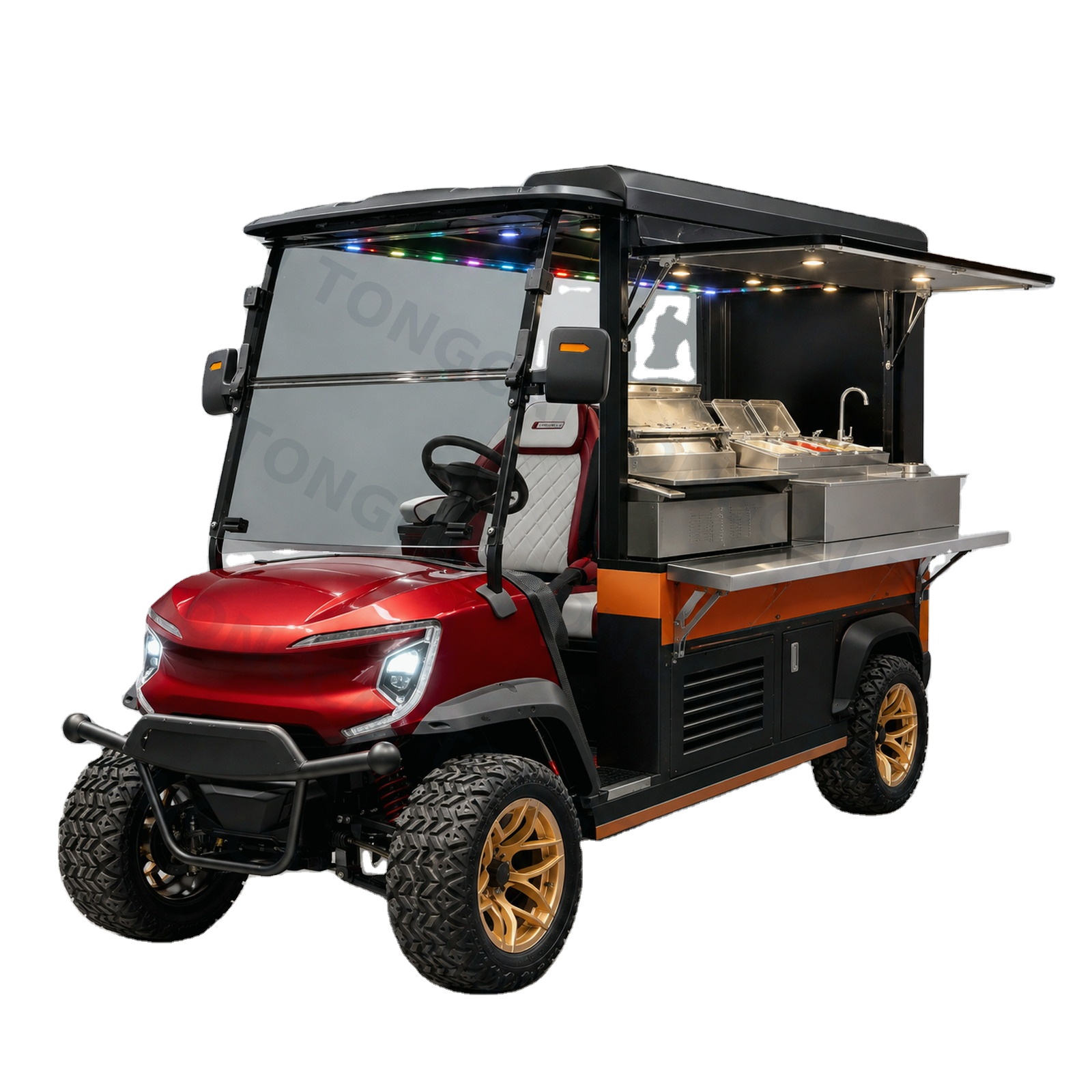
Ottawa’s seasonal festivals—such as the Canadian Tulip Festival at Dow's Lake and Winterlude along the Rideau Canal—attract hundreds of thousands of visitors. TongCai custom mobile food trucks, electric dessert vehicles, and golf-cart style bakery units are engineered with heavy-duty stainless-steel frames, integrated auxiliary power, and customizable exterior branding panels to maximize mobile retail revenues.

4. Municipal Parks, Green Spaces & Heritage Trail Maintenance

Managing expansive parklands across the National Capital Commission (NCC) Greenbelt, Gatineau Park pathways, and local Ottawa community parks demands low-impact, zero-emission machinery. TongCai 4WD electric off-road cargo carts navigate sensitive turf and unpaved trails without causing exhaust contamination or ground erosion.

Buyer Knowledge Base

Frequently Asked Questions for Ottawa Procurement Managers

Essential answers regarding Canadian regulatory compliance, shipping logistics, warranty support, and winter customization.

How do TongCai electric cargo carts perform during harsh Ottawa winter conditions?

Our export vehicles destined for Canadian buyers can be optioned with cold-weather performance packages. This includes high-grade LiFePO4 lithium batteries fitted with integrated BMS thermal heating blankets, enclosed cabs with glass windshields and defrosters, and rugged 4WD all-terrain tires. These features minimize cold-temperature capacity loss and ensure safe traction on snow and ice.

What is the minimum order quantity (MOQ) for Canadian commercial buyers?

We support fleet operators and local distributors with flexible order volumes. Sample units (MOQ = 1 unit) can be ordered for initial field testing and local municipal evaluations. For container-level orders (20ft or 40ft HQ), we offer complete OEM private-label branding, customized paint colors, and factory-direct volume pricing.

Are these electric cargo carts compliant with Ontario's low-speed vehicle guidelines?

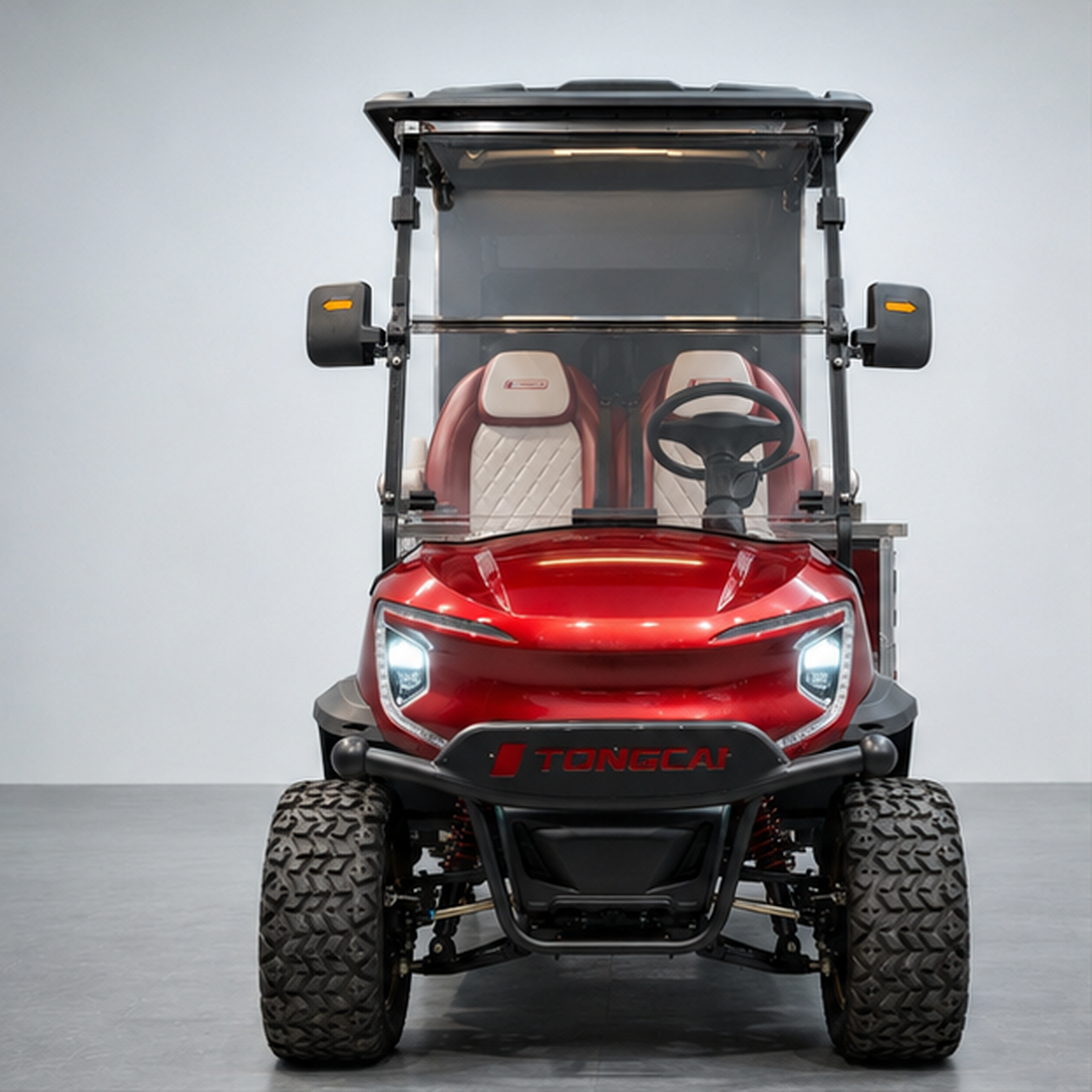
Yes. Our engineering team customizes vehicle configurations (including top speed limiters, headlights, tail lights, turn signals, seat belts, side mirrors, and horn assemblies) to meet local low-speed vehicle (LSV) and commercial off-road utility regulations enforced in Ontario and municipal Ottawa zones.

How are spare parts and post-purchase technical support handled in Canada?

Shandong CCB New Energy Machinery provides comprehensive after-sales support. Every order includes a customized spare parts package (switches, controllers, relays, wear-and-tear components). In addition, our engineering team provides complete technical schematics, wiring diagrams, and direct video technical support for local maintenance crews.

Can we fully customize mobile vending and bakery carts for local Ottawa health codes?

Absolutely. As a TÜV Rheinland on-site verified manufacturer, we build mobile food vending carts utilizing food-grade 304 stainless steel interior counter surfaces, dual-sink water systems with hot/cold holding tanks, custom electrical conduits for refrigeration/heating appliances, and splash guards tailored to satisfy Ottawa Public Health equipment standards.

What is the typical shipping timeline from your factory to Eastern Ontario ports/hubs?

Standard factory production time ranges from 15 to 25 days depending on customization complexity. Ocean freight and inland container transit to Canadian entry ports (such as Montreal or Halifax) followed by rail delivery to Ottawa freight terminals typically takes an additional 25 to 35 days. Full logistics tracking and import documentation are provided for seamless customs clearance.

Accelerate Your Ottawa Fleet Electrification Today

Partner directly with Shandong CCB New Energy Machinery Co., Ltd.—your trusted TÜV-verified manufacturer for heavy-duty electric cargo carts, mobile vending units, and commercial utility vehicles. Contact our technical export desk for OEM specs, cold-weather options, and direct factory pricing.

Get Catalog & Custom Quote