Panama Market Whitepaper & Fleet Solutions

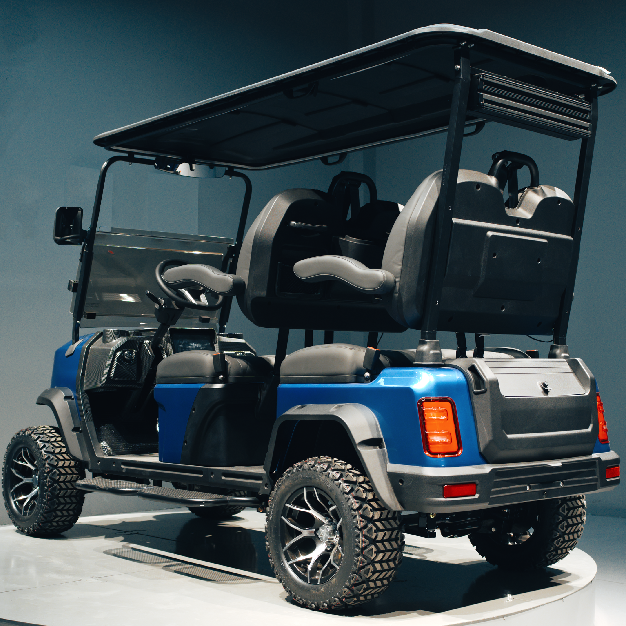
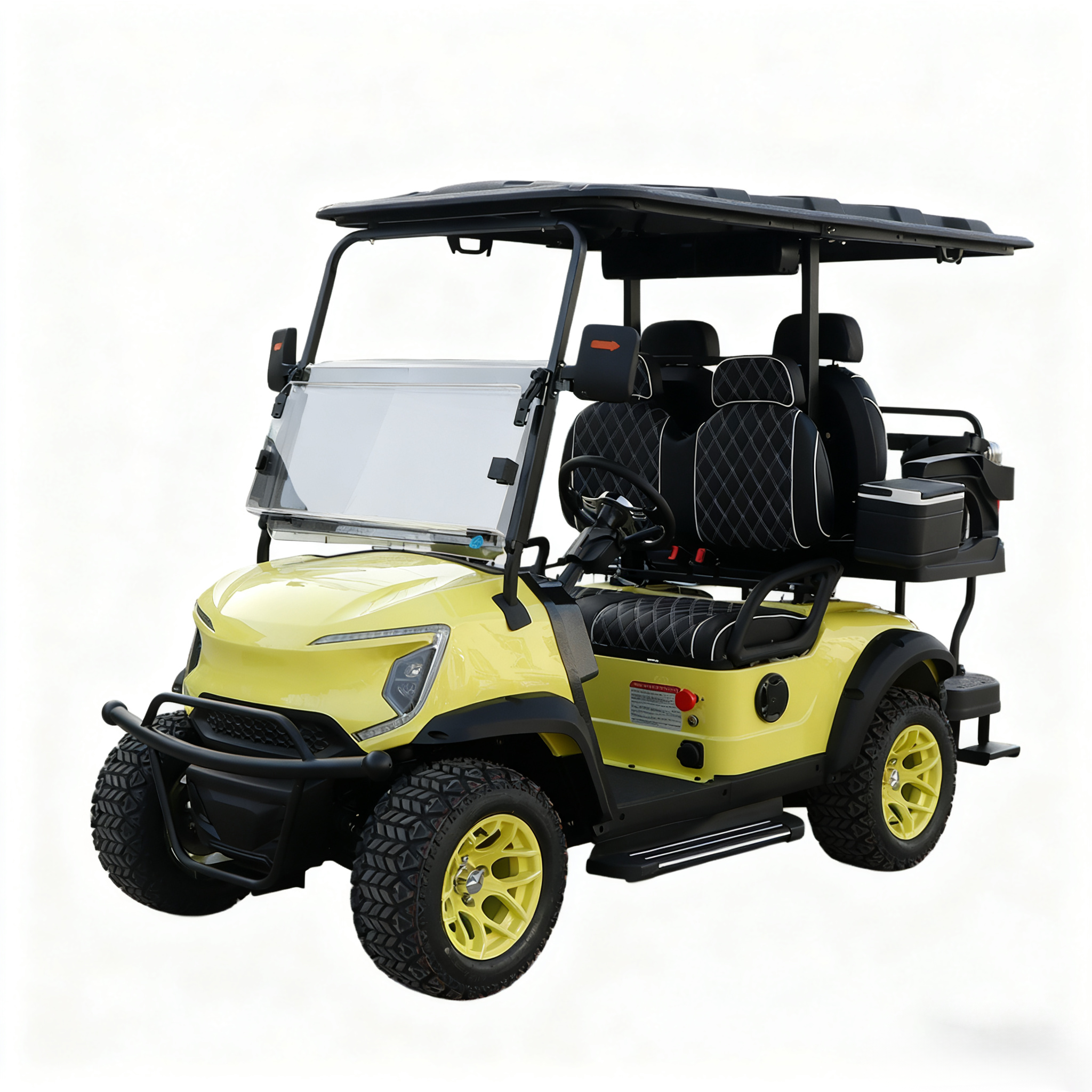
Top Trusted 8 Passenger Golf Cart Manufacturer & Supplier Serving the Panama Market

Engineered for Tropical Durability, Steep Coastal Inclines & Eco-Resort Logistics Across Panama

Export-Grade Fleet Lineup

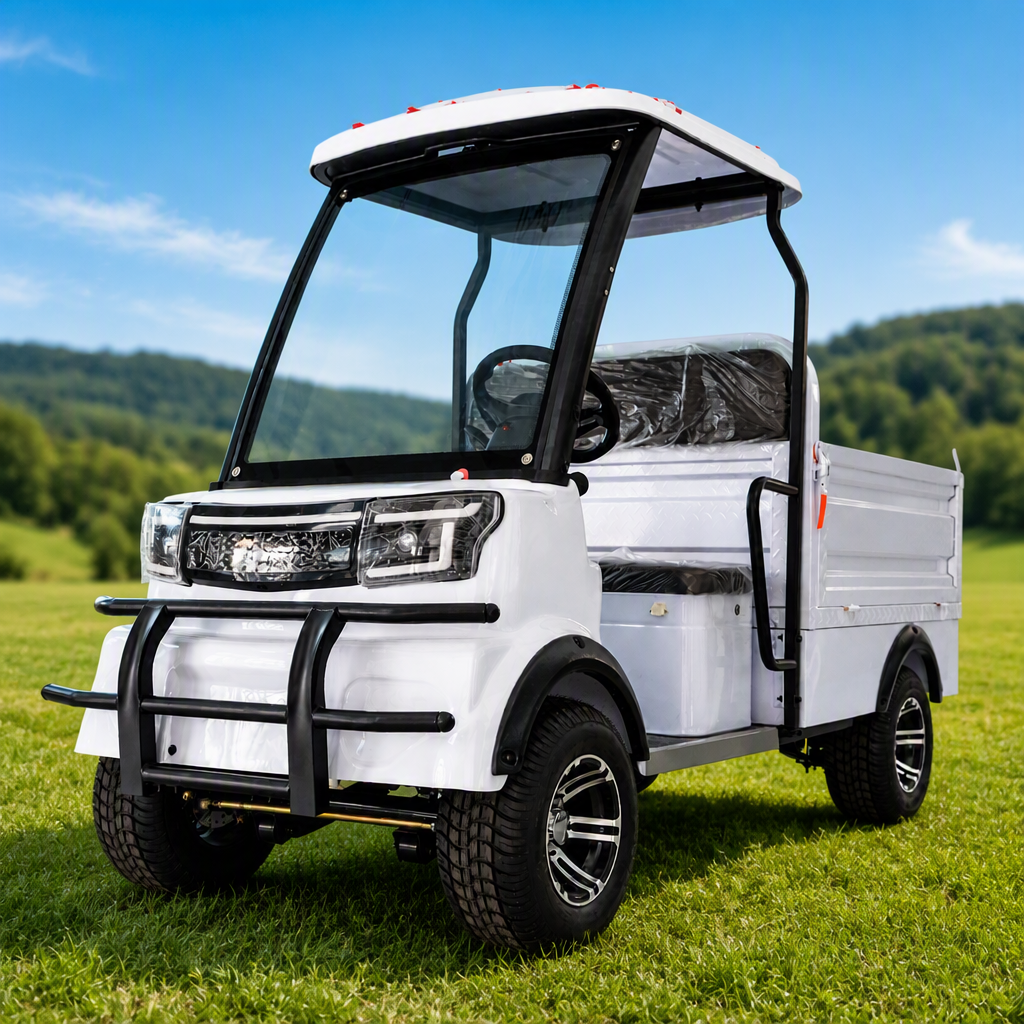
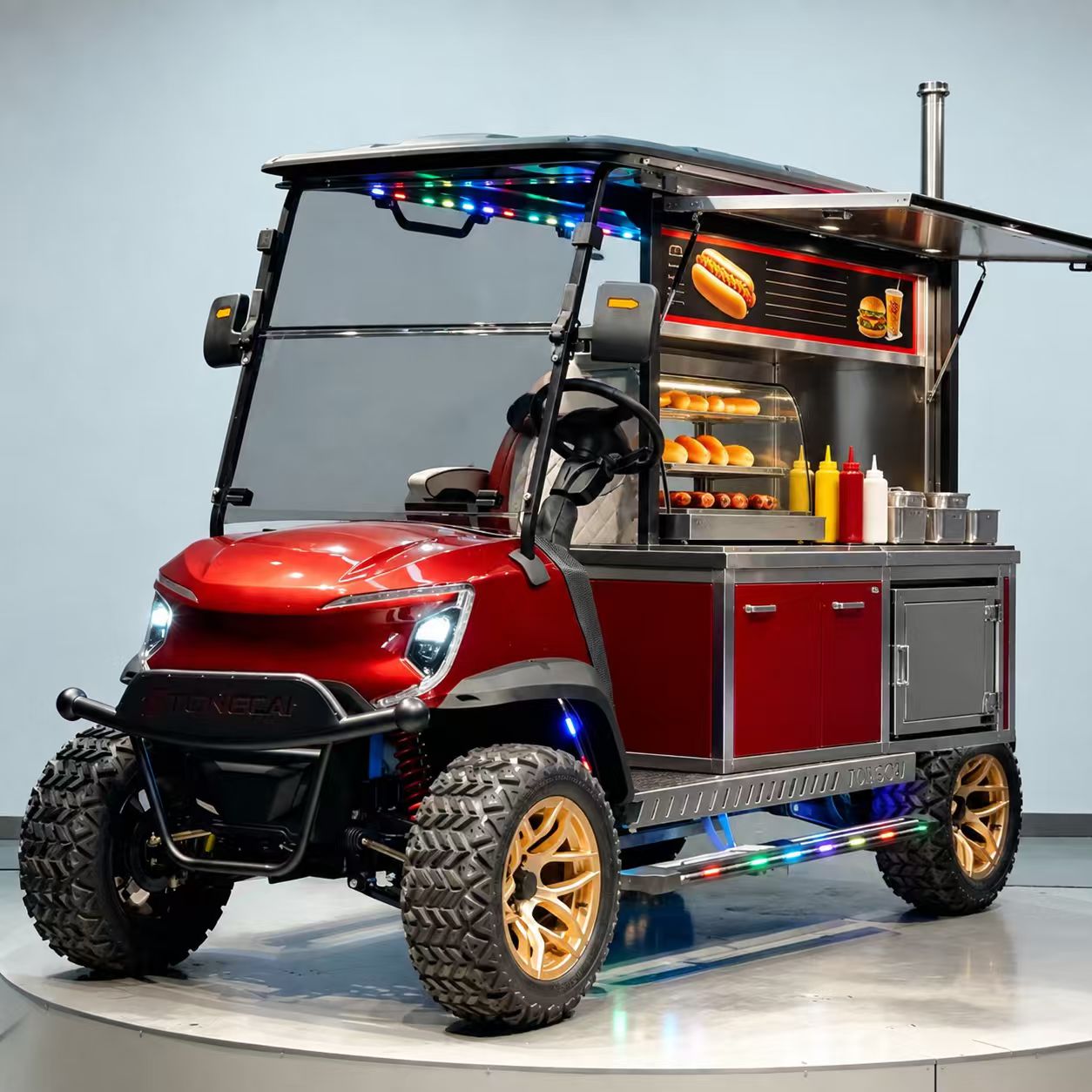
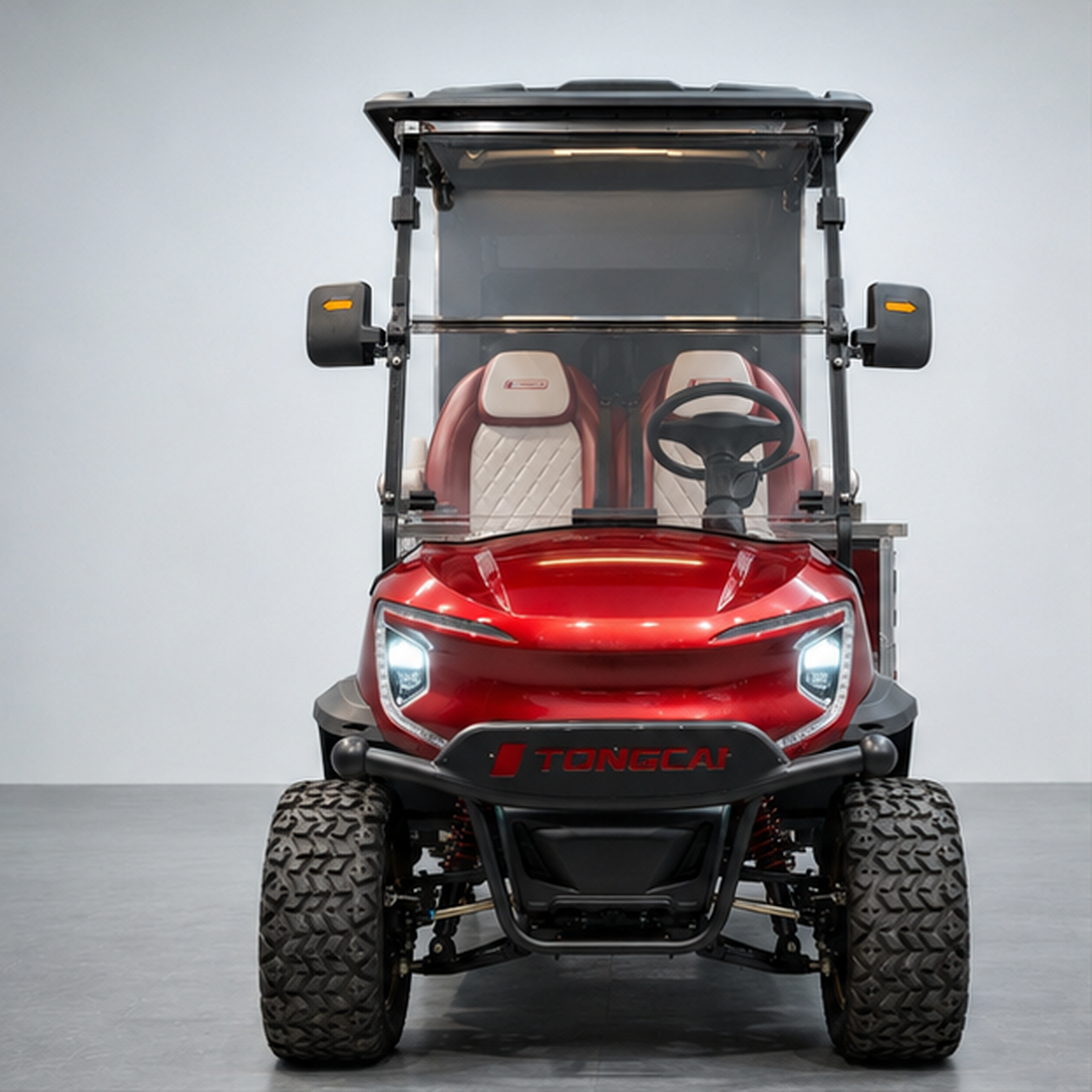
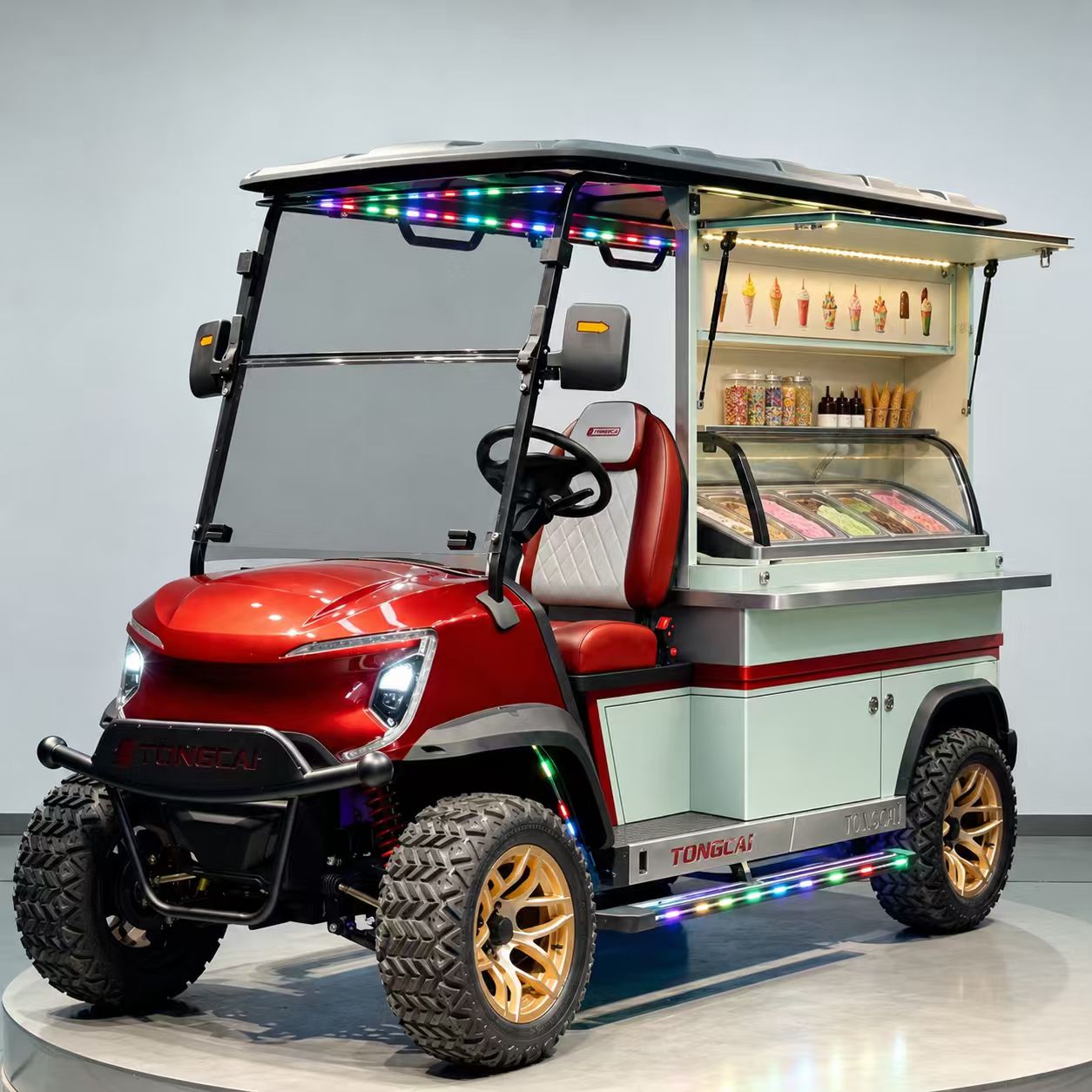
Featured Multi-Passenger Electric Vehicles & Specialized Carts

Direct factory supply solutions customized for resort transit, gated community mobility, and mobile vending across Panama City, Bocas del Toro, and Buenaventura.

Technical Engineering Whitepaper

Optimizing 8-Passenger Electric Golf Carts for Panama's Unique Microclimates & Terrain

A Data-Driven Procurement & Structural Analysis for B2B Fleet Buyers, Resort Developers, and Municipal Operators

Key Insight for Panamanian Fleet Buyers: Operating electric low-speed vehicles (LSVs) in Panama presents unique engineering challenges. High relative humidity (often exceeding 90% during the eight-month rainy season), coastal salt air in regions like Bocas del Toro and the Pearl Islands, and steep inclines in Boquete require specialized chassis treatments, tropicalized battery thermal management, and high-torque AC motors.

1. Structural Frame Integrity: Cathodic Dip Coating vs. Traditional Painting

In coastal Panamanian resort environments, standard painted steel chassis suffer from rapid oxidation caused by sodium chloride spray and atmospheric humidity. Standard golf cart frames typically show structural corrosion within 18 to 24 months of exposure in Pacific or Caribbean beachfront deployments.

To solve this, Shandong CCB / Tongcai integrates an 18-stage automated cathodic electro-deposition (E-coating) process combined with electrophoretic dipping and powder coating. This creates an impenetrable physical and chemical barrier over the high-strength tubular steel frame. Alternatively, for extreme marine environments (e.g., overwater bungalows or island resorts), we manufacture full 6061-T6 aviation-grade aluminum alloy frames, reducing chassis weight by 35% while providing 100% rustproof durability.

Corrosion Resistance

Passes 1,500-hour neutral salt spray (NSS) testing, guaranteeing structural integrity against coastal Panamanian sea breezes.

LiFePO4 Power System

Integrated Smart BMS protection prevents thermal runaway and capacity degradation in ambient temperatures above 38°C.

High Gradeability

5kW to 7.5kW AC brushless motors deliver 30%+ incline climbing ability under full 8-passenger capacity loads.

2. Drivetrain Architecture: Torque Demands for 8-Passenger Full Payloads

Carrying 8 adult passengers along with luggage or golf equipment yields a gross vehicle payload of approximately 650kg to 800kg. Standard 48V 3.3kW DC motors found in entry-level carts frequently overheat when climbing continuous 15° to 20° gradients, such as those in gated communities around Valle de Anton or elevated resort properties.

Our 8-passenger electric golf carts feature 72V maintenance-free AC brushless motors paired with high-efficiency Curtis or Enpower 400A/500A programmable controllers. This configuration delivers higher low-end torque, reduced thermal loss, and regenerative braking. Regenerative braking recharges the lithium battery during downhill descents while reducing brake shoe wear by up to 60%, a vital safety feature on steep Panamanian mountain roads.

14,200 m²
Modern Manufacturing Facility
72V LiFePO4
Advanced Power Architecture
30%+
Full-Load Hill Climbing Gradeability
12 Stages
In-House Production & QC Audit

3. Battery Chemistry Selection: Lithium Iron Phosphate (LiFePO4) vs. Deep-Cycle Lead-Acid

While traditional flooded lead-acid batteries have a lower upfront cost, their total cost of ownership (TCO) in Panama is significantly higher due to several environmental factors:

  • Thermal Vulnerability: Lead-acid lifespan drops by 50% for every 10°C increase above 25°C. Panama's warm climate accelerates grid corrosion and water evaporation in lead-acid cells.
  • Maintenance Requirements: Lead-acid batteries require continuous distilled water top-offs. In commercial resort fleets, improper maintenance frequently leads to premature battery bank failure.
  • Weight Efficiency: A 72V 105Ah LiFePO4 battery pack weighs roughly 45kg, compared to ~280kg for an equivalent lead-acid system. Saving over 200kg improves vehicle range and reduces suspension stress.

LiFePO4 cells maintain over 80% capacity after 3,500+ charge cycles, support fast charging (full top-off in 2.5 to 3.5 hours), and operate safely in high ambient temperatures without releasing hazardous gas.

Panama Use Cases

Targeted Deployment Scenarios Across Panamanian Commercial Sectors

Tailored vehicle configurations designed for specific regional infrastructure, terrain, and operational demands.

1. Luxury Eco-Resorts & Private Islands (Bocas del Toro & Pearl Islands)

Eco-resorts operating in pristine natural environments require zero-emission, near-silent passenger shuttles that operate quietly near wildlife and guest villas. Our 8-passenger carts can be equipped with optional solar panels integrated directly into the roof structure. This solar trickle-charging system provides 10km to 15km of supplementary range daily, reducing reliance on island diesel generators.

2. Master-Planned Gated Communities (Costa del Este & Buenaventura)

High-end residential communities require stylish, comfortable low-speed vehicles (LSVs) for family mobility, golf course access, and local errands. Configured with forward-facing luxury seats, ambient interior lighting, Bluetooth audio soundbars, 14-inch aluminum wheels, and complete LED street-legal packages (headlights, turn signals, seatbelts, side mirrors), our carts fit seamlessly into luxury residential environments.

3. Ports, Free Trade Zones & Logistics Hubs (Colon Free Zone & Amador)

Industrial logistics parks and port terminals require durable staff shuttles and administrative transport vehicles. Our heavy-duty 8-passenger platforms feature flip-flop rear seating that converts into a flatbed utility cargo deck in seconds. This allows operations teams to switch effortlessly between passenger transport and cargo logistics throughout the workday.

4. Municipal Mobility & Historical District Tourism (Casco Viejo, Panama City)

Navigating the narrow cobblestone streets of Casco Viejo requires a compact turning radius, excellent low-speed control, and dependable pedestrian safety features. Our 8-passenger electric shuttles deliver zero tailpipe emissions, helping preserve historic architecture while providing tourists with comfortable, panoramic sightseeing rides.

Market Analysis & Financial TCO

Panama's E-Mobility Transition & 5-Year Fleet Investment Matrix

How Panama’s National Electric Mobility Strategy Is Driving Sustainable Fleet Adoption

Panama is leading the clean energy transition in Central America under its Estrategia Nacional de Movilidad Eléctrica. This policy initiative aims to electrify public transit, municipal fleets, and commercial transport networks. Concurrently, major hospitality chains and gated residential developments are phasing out gas-powered utility vehicles in favor of zero-emission alternatives.

Below is a comparative 5-year Total Cost of Ownership (TCO) analysis comparing an 8-passenger gas cart, a lead-acid electric cart, and our high-efficiency 72V LiFePO4 electric cart operating in Panama:

Evaluation Parameter Gas-Powered 8-Pass Cart Electric 8-Pass (Lead-Acid) CCB / Tongcai 72V LiFePO4
Initial Capital Outlay (CapEx) Moderate ($9,500 - $11,000) Lower ($8,000 - $9,500) Optimal Factory Direct ($9,200 - $11,500)
5-Year Energy / Fuel Costs (Panama Rates) High (~$6,800 @ $4.20/gal) Moderate (~$2,200 electricity) Lowest (~$1,400 electricity)
Maintenance & Battery Replacements High (Oil, belts, spark plugs) High (1-2 battery swaps @ $3k) Minimal (Zero engine maintenance / BMS protected)
Expected Battery / Engine Lifespan 3,000 operational hours 500 - 800 charge cycles 3,500+ charge cycles (8-10 years)
Tropical Heat & Corrosion Tolerance Moderate (Exhaust heat adds wear) Poor (High thermal degradation) Superior (E-coated frame / BMS protection)
5-Year Net Operational TCO High (~$19,500+) Moderate (~$15,000+) Lowest (~$11,800 total)

Choosing a 72V LiFePO4 battery system cuts 5-year operating costs by roughly 39% compared to gas models and 21% compared to traditional lead-acid carts. This makes it an ideal option for Panamanian resort operators and commercial fleet buyers seeking fast payback and reliable long-term performance.

Manufacturing Excellence

Why Partner with Shandong CCB New Energy Machinery Co., Ltd.?

A Verified Custom Manufacturer Delivering Full Engineering Control and Export Assurance

Unlike trading vendors who assemble purchased components, Shandong CCB New Energy Machinery Co., Ltd. operates a 14,200 m² integrated production plant located in Tianqu Industrial Park, Dezhou, Shandong, China. Audited and verified on-site by TÜV Rheinland, our facility handles metal cutting, machining, CNC pipe bending, robotic welding, e-coating spraying, dual assembly lines, and rigorous road testing under one roof.

12-Stage Quality Control Workflow

Every vehicle passes through 12 internal quality gates, including ultrasonic weld testing, electronic harness insulation audits, waterproof shower testing, and dynamic brake road testing.

Full OEM / ODM Customization

Custom-configure every detail of your fleet: 48V/60V/72V systems, custom RAL paint matching, private label logo embroidery, lifted suspensions, off-road wheels, and solar-assisted roofs.

Direct Panamanian Shipping Support

We handle complete container loading logistics for shipments to Port of Balboa (Pacific) and Port of Cristobal / Colon Free Zone (Atlantic), supplying complete export documentation and spare parts lists.

Panama Importer FAQ

Frequently Asked Questions for Panamanian B2B Fleet Procurement

Essential Answers Regarding Shipping, Customs, Maintenance, and Local Operation

How are golf carts shipped to Panama and what are the primary port options?

We ship vehicles via 20ft and 40ft High Cube (HQ) ocean containers directly from Chinese ports to Panama’s major trade hubs. Depending on your destination, shipments can be routed to the Port of Balboa on the Pacific side (convenient for Panama City, Coronado, and Buenaventura) or the Port of Cristobal / Colon Free Zone on the Atlantic side (ideal for Caribbean resorts and regional distribution). A 40ft HQ container typically accommodates 4 to 6 fully assembled 8-passenger golf carts, or up to 8-10 units in knock-down (SKD) steel frame crates to optimize freight costs.

How do your vehicles withstand Panama's ocean salt spray and heavy rainfall?

Our export vehicles feature comprehensive marine-grade protection, including automated electrophoretic cathodic e-coated steel chassis (or optional 6061-T6 aviation aluminum frames), IP67 waterproof-rated electric motor controllers, sealed wiring harnesses with marine-grade connectors, stainless steel hardware, and UV-resistant, anti-mildew synthetic leather seats designed to withstand intense tropical sun and heavy rainy season downpours.

Can an 8-passenger cart navigate steep hills in Boquete, El Valle, or Highland resorts under full load?

Yes. For mountainous terrain, we configure the vehicle with a high-torque 72V 7.5kW AC brushless motor, a 500A programmable controller, and heavy-duty 6-leaf rear spring suspension. This powertrain delivers over 30% hill-climbing gradeability under full passenger loads while utilizing regenerative braking to maintain safe control during steep downhill descents.

What is the lead time for custom OEM manufacturing and delivery to Panama?

Standard factory production time ranges from 15 to 25 business days, depending on custom options (e.g., custom RAL colors, logo embroidery, solar roofs). Ocean transit from China to Panamanian ports typically takes 28 to 35 days. Overall, clients should plan for a total door-to-port timeline of approximately 45 to 60 days from order confirmation.

How do local mechanics handle servicing and replacement parts support in Panama?

We supply detailed English/Spanish service manuals, exploded-view parts diagrams, and color-coded wiring schematics with every fleet delivery. Key electrical components (Curtis controllers, Delta-Q chargers, Albright contactors) use globally standardized parts. Additionally, we include a consumable spare parts package (brake pads, light assemblies, switches, fuses) with every container order and provide direct engineering video support for local maintenance technicians.

Are solar-assisted roofs worth adding for operations in Panama?

Yes, especially for island resorts in Bocas del Toro or San Blas that rely on private diesel generators for power. Our integrated monocrystalline solar panels provide continuous charging whenever exposed to sunlight, adding 10km to 15km of extra range per day. This extends battery cycle life by reducing deep discharge cycles and lowers grid charging costs.

Build Your Custom 8-Passenger Electric Fleet for Panama

Connect directly with our engineering and export team. Get tailored landed-cost quotes, factory technical specifications, and custom OEM branding plans for your Panamanian business.

Send an Inquiry