Top China 2 Passenger Golf Cart Manufacturers & Supplier serving the Kawasaki market

High-Performance 48V/72V Lithium Micro-Mobility Engineering for Coastal Industrial, Hospitality & Commercial Operations in Kanagawa

Technical Specification & Executive Engineering Whitepaper: 2-Passenger Golf Carts in Kawasaki

As the industrial and logistical backbone of the Greater Tokyo Area within Kanagawa Prefecture, Kawasaki presents a unique set of operational challenges for commercial micro-mobility. Ranging from dense port zones in Ukishima to scenic public parkways along the Tamagawa River and exclusive golf facilities like the Kawasaki International Golf Club, commercial electric low-speed vehicles (LSVs) must combine high structural integrity, zero local emissions, and compact maneuverability.

This whitepaper evaluates how leading Chinese original equipment manufacturers (OEMs)—specifically Shandong CCB New Energy Machinery Co., Ltd. (TONGCAI)—are re-engineering 2-passenger electric golf carts and light utility vehicles to meet the rigorous demands of Japanese industrial buyers, municipal facility managers, and commercial fleet operators.

72V
High-Torque Powertrain
IP67
Enclosure Protection
3,500+
Lithium Life Cycles
100%
PSE & CE Compliance

1. Chassis Engineering & Coastal Anti-Corrosion Protection

Kawasaki’s coastal climate, affected by Tokyo Bay's saltwater breeze, accelerates corrosion on standard automotive steel frames. TONGCAI’s premium 2-passenger golf carts utilize automotive-grade electrophoretic coating (ED) combined with hot-dip galvanized steel frames or high-strength lightweight aluminum alloy chassis. This dual-layer anti-corrosion barrier exceeds 1,200 hours of neutral salt spray testing (ASTM B117 standards), ensuring structural durability across coastal logistics yards, waterfront resorts, and open-air industrial facilities.

2. Powertrain Efficiency & Japanese Electrical Grid Compatibility

The standard electrical infrastructure in Japan operates on 100V/200V AC grid configurations at 50Hz in Eastern Japan (including Kawasaki and Kanagawa). Chinese custom manufacturers serving Kawasaki supply fully integrated, high-efficiency onboard intelligent chargers designed specifically for Japanese nominal voltages. Equipped with active Power Factor Correction (PFC) and IP66 water-resistant sealing, these chargers ensure rapid replenishment of energy without overloading local distribution panels.

Information Gain Insight: Unlike standard off-the-shelf golf buggies designed for mild climates, exported TONGCAI 2-passenger units for Kanagawa feature an intelligent Battery Management System (BMS) with real-time cell thermal monitoring. This prevents thermal degradation during Kawasaki’s humid summer months while optimizing cell balancing for extended low-temperature discharge during winter.

Comparative Engineering Matrix: Lead-Acid vs. LiFePO4 Lithium Powertrains

When selecting a 2-passenger electric utility or golf cart fleet for deployment in Kawasaki, procurement managers must analyze Total Cost of Ownership (TCO) rather than focusing solely on upfront acquisition expenses.

Technical Parameter Standard Lead-Acid Battery System TONGCAI Advanced LiFePO4 Lithium System Operational Impact in Kawasaki
System Voltage Options 48V Deep Cycle Lead-Acid 48V / 60V / 72V LiFePO4 Smart Pack Higher voltage provides enhanced hill-climbing torque on Tamagawa slopes.
Cycle Life Expectancy (80% DOD) 500 – 800 Cycles 3,500 – 5,000 Cycles 7+ years of continuous multi-shift operation without battery replacement.
Curb Weight Impact Heavy (~120kg battery mass) Ultra-Light (~45kg battery mass) Lower weight preserves turf integrity on golf courses and reduces tire wear.
Charging Speed (0–100%) 8 – 10 Hours (Slow) 2 – 3.5 Hours (Fast Charge Ready) Enables opportunity charging during lunch breaks for continuous plant shifts.
Maintenance Requirement Regular distilled water topping 100% Maintenance-Free Sealed Unit Drastically reduces labor overhead for Japanese facility management teams.
Thermal Range 0°C to 40°C -20°C to 60°C with Smart Heating Flawless year-round operation along coastal Kanagawa port districts.

Localized Application Scenarios in Kawasaki & Kanagawa

Tailored micro-mobility solutions delivering optimal performance, reduced noise pollution, and zero tailpipe emissions across versatile commercial sectors.

1. Ukishima & Kawasaki Port Heavy Industrial Zones

Kawasaki Port is home to extensive petrochemical complexes, steel manufacturing plants, and high-tech warehousing complexes. In these sprawling indoor-outdoor environments, 2-passenger electric golf carts and low-speed utility buggies serve as essential transport for facility managers, safety inspectors, and maintenance technicians. The compact width (under 1.2 meters) allows vehicles to navigate tight equipment aisles where full-sized automotive trucks cannot enter.

2. Tamagawa Riverside Parks & Municipal Green Spaces

Along the Tamagawa River, public parks, athletic grounds, and recreational walkways require low-noise, eco-friendly maintenance transport. Standard internal combustion engine (ICE) utility vehicles generate exhaust fumes and engine noise that disrupt park visitors. TONGCAI’s super-quiet 2-passenger electric carts, equipped with turf-friendly soft-compound tires, ensure seamless ground maintenance, trash collection, and security patrols without damaging grass or disturbing surrounding neighborhoods.

3. Exclusive Golf Clubs & Resort Facilities

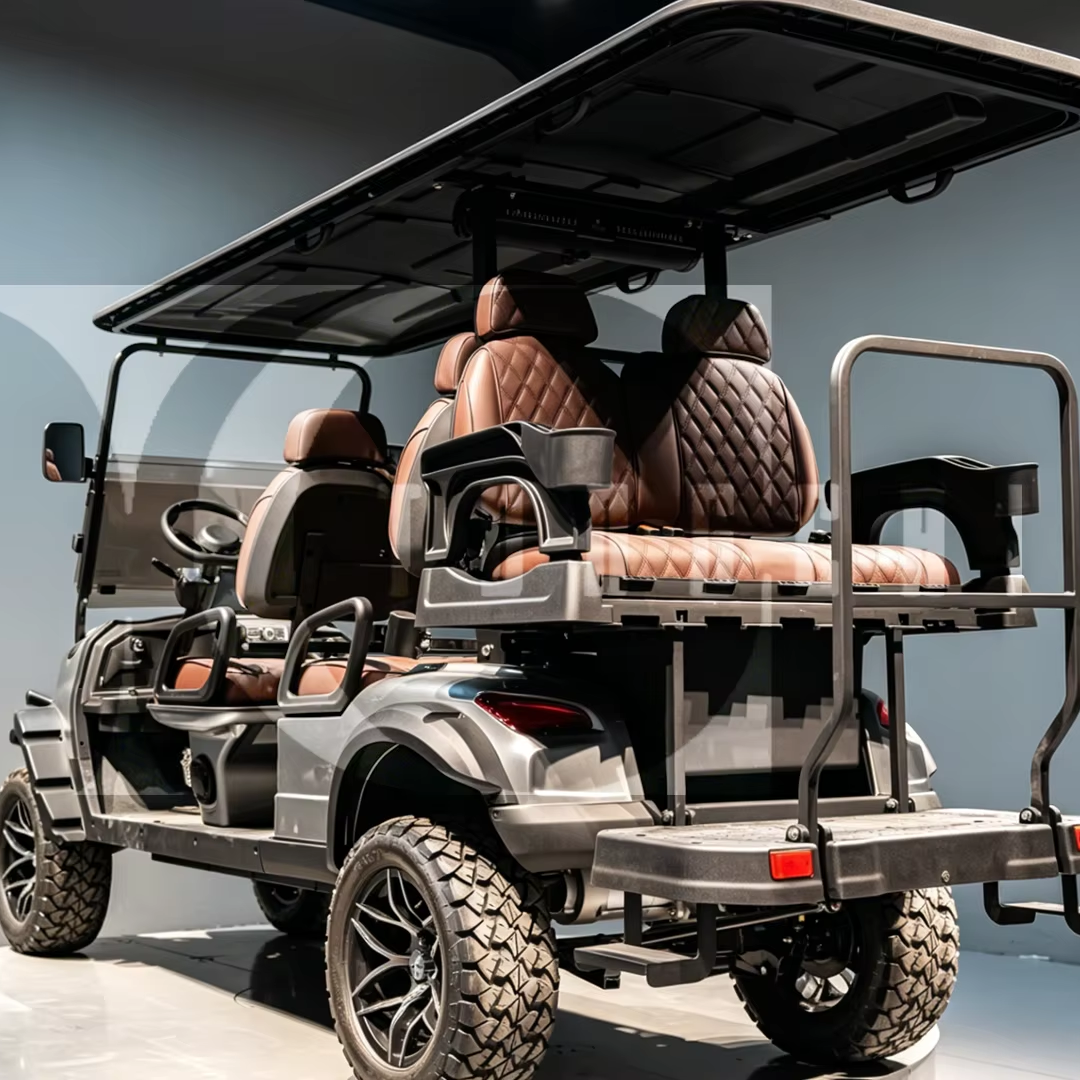
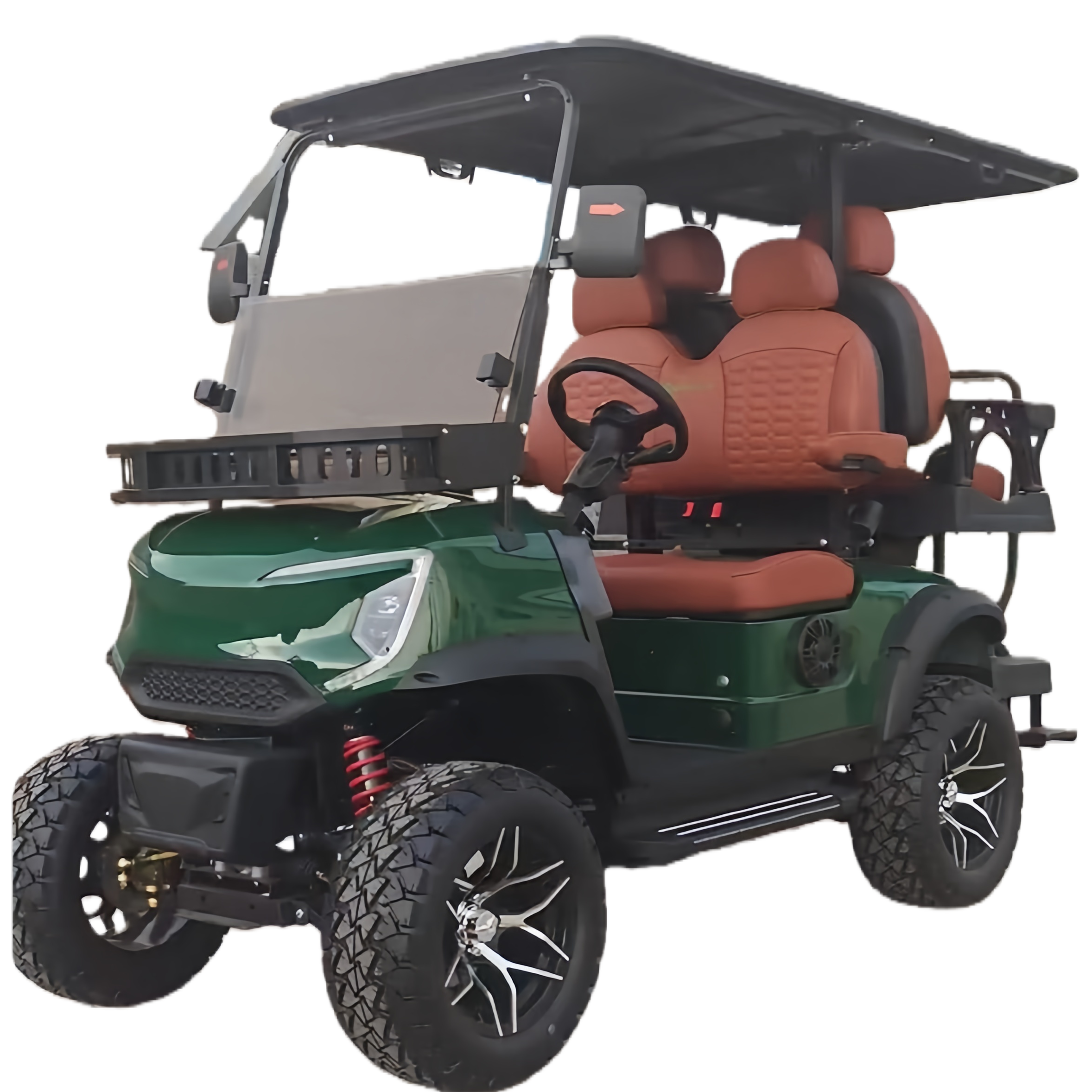
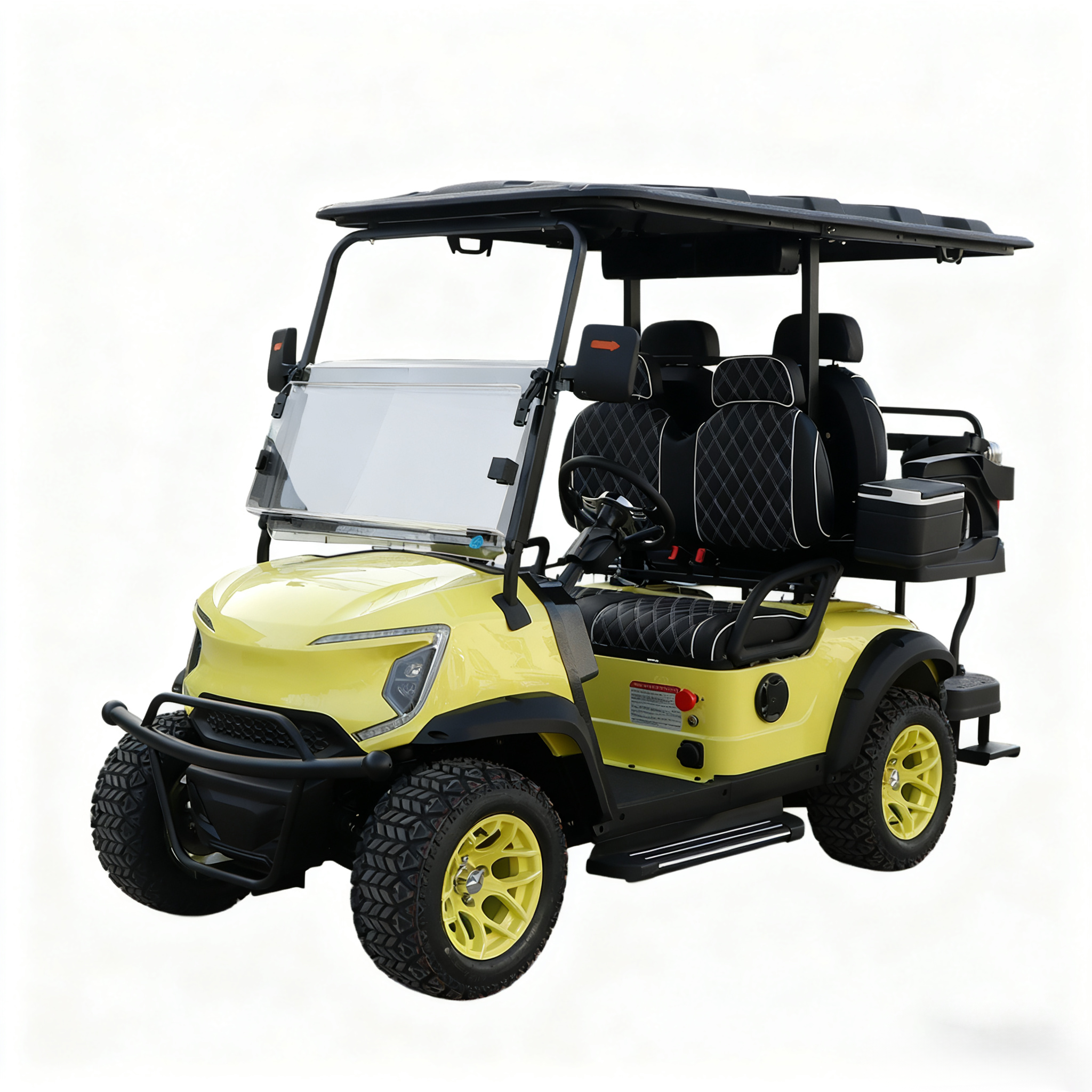
Golf facilities throughout Kanagawa Prefecture demand luxurious, reliable, and smooth-riding 2-passenger carts for members and guests. Outfitted with independent front suspension systems, ergonomic contoured leatherette seats, integrated caddy bag holders, and dual-cup consoles, our vehicles deliver an premium player experience while effortlessly tackling gradient fairways and paved paths.

4. Last-Mile Commercial Micro-Logistics & Vending Units

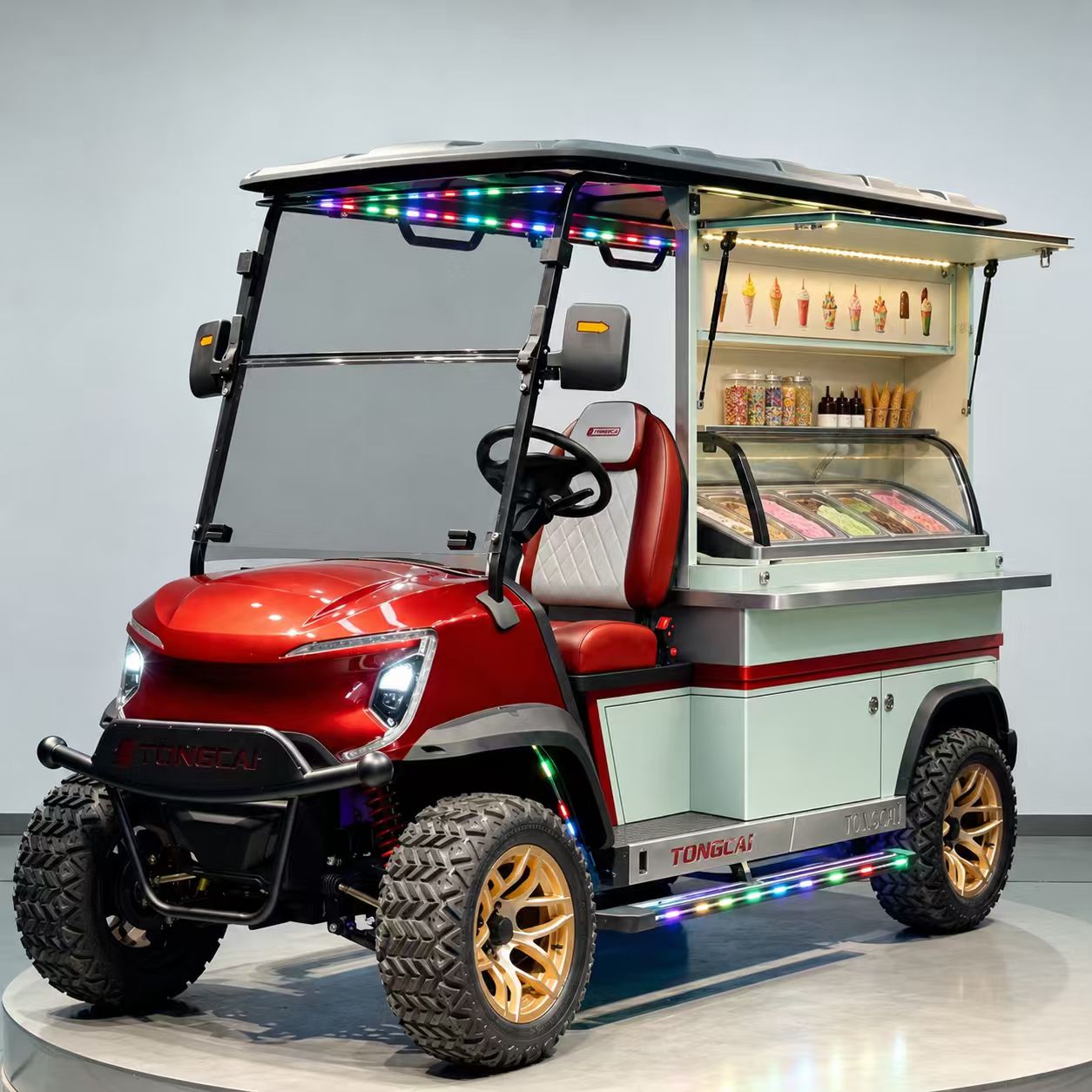
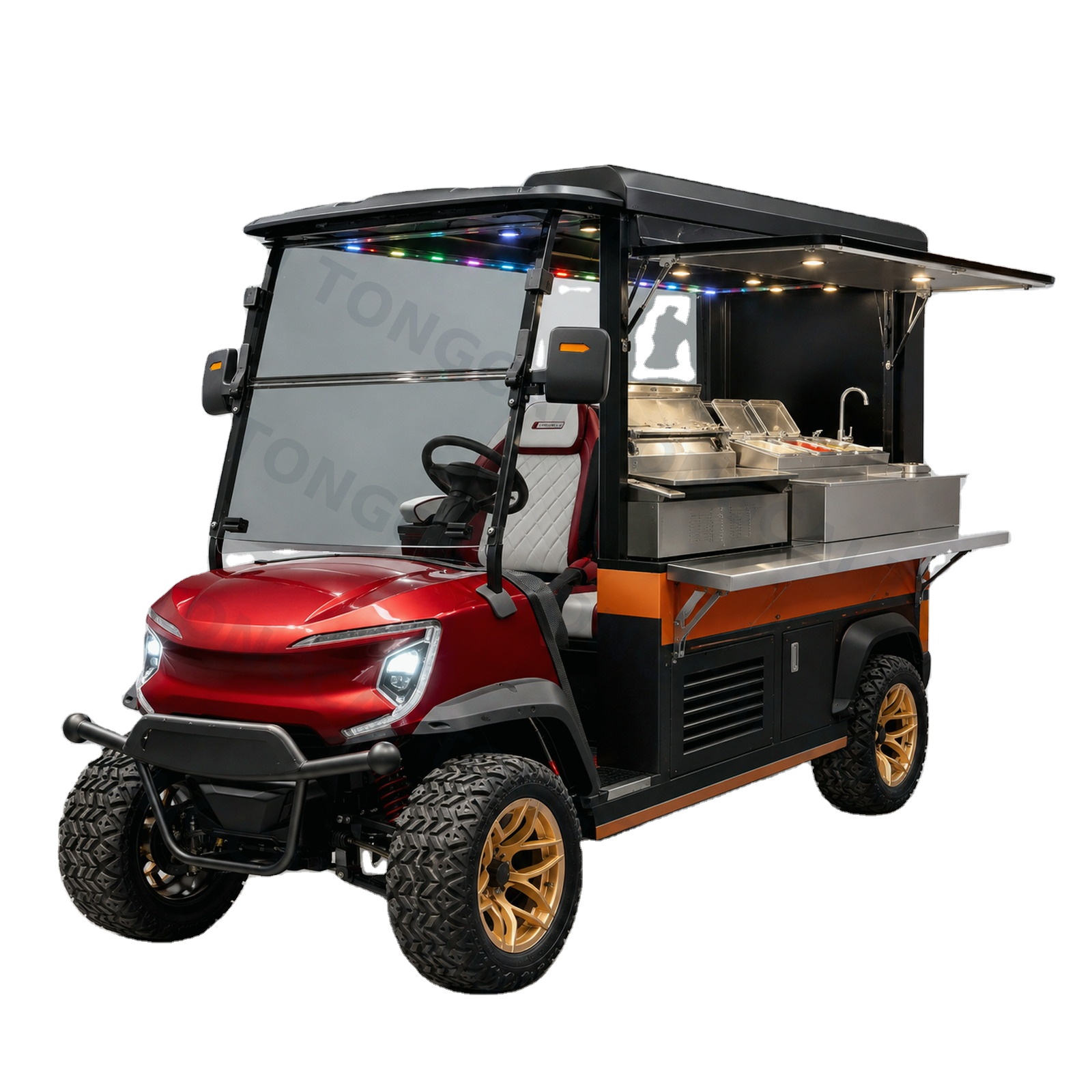
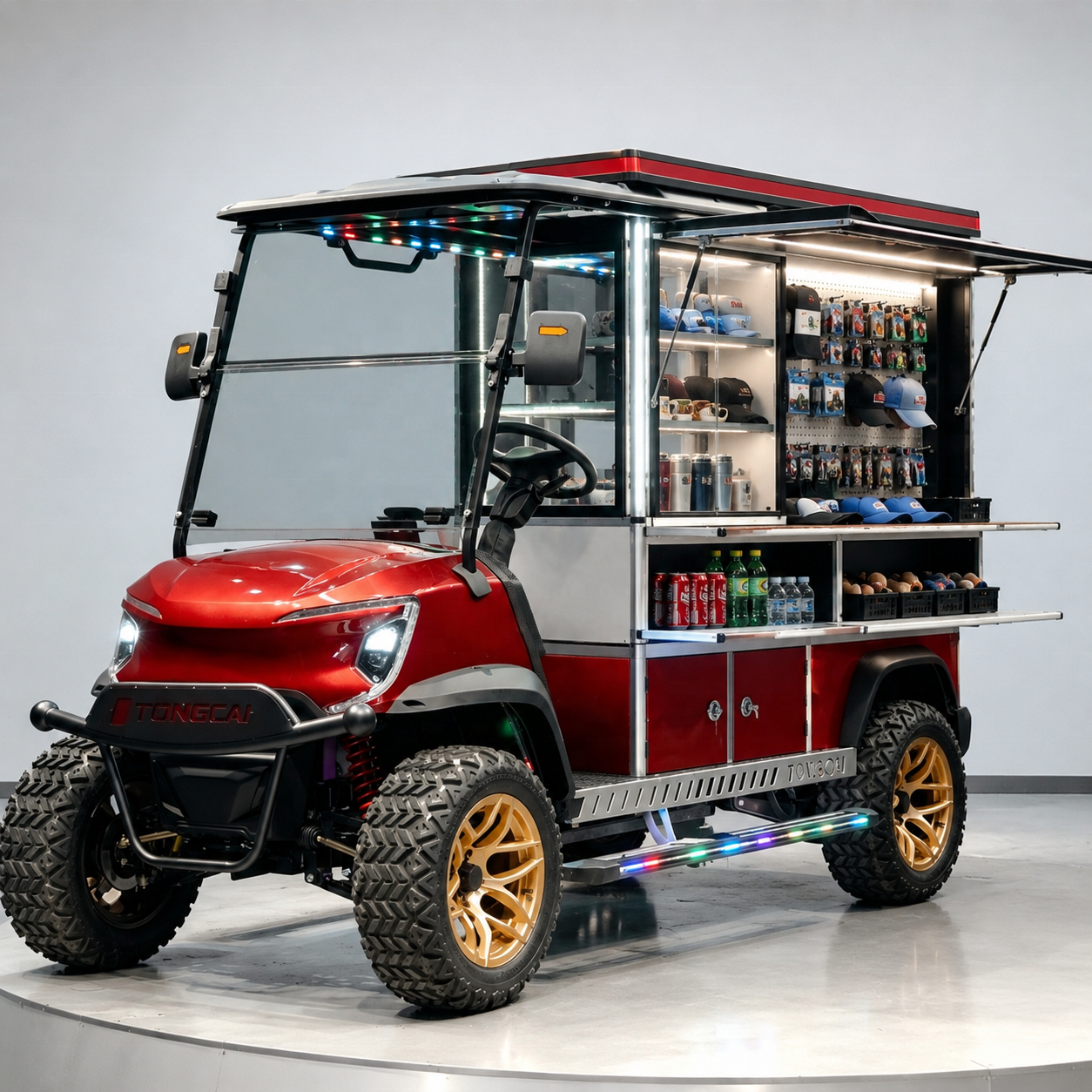
Kawasaki’s compact urban streetscapes favor micro-vending and mobile utility vehicles. Modified 2-passenger electric platforms featuring rear cargo boxes or custom food/beverage display modules serve high-foot-traffic commercial zones near Kawasaki Station. These low-speed vehicles offer an agile, cost-effective alternative to traditional gasoline delivery vans.

Localized Market Trends in Kawasaki & Greater Kanagawa (2025–2030)

The market for low-speed electric vehicles (LSVs) and 2-passenger golf carts in Kawasaki is rapidly evolving, driven by strict national environmental mandates, corporate ESG commitments, and demographic shifts across Japan.

1. Japan’s Net-Zero 2050 Goal & Corporate Fleet Decarbonization

Under Japan’s Green Growth Strategy, local municipalities including Kawasaki City are implementing stringent decarbonization targets. Industrial facilities in the Keihin Industrial Zone are actively transitioning internal transport fleets from diesel and gasoline carts to zero-emission lithium electric platforms. By replacing legacy combustion fleets with 72V lithium 2-passenger electric vehicles, industrial operators eliminate thousands of metric tons of localized CO2 emissions annually.

2. Regulatory Framework for Low-Speed Electric Vehicles (LSVs)

Japanese road transport regulations strictly categorize micro-mobility vehicles based on dimensions, maximum speed (typically capped at 20–30 km/h for unregistered internal low-speed use or specialized light vehicle registration), and safety lighting compliance. Chinese suppliers with established OEM engineering support customize lighting assemblies—incorporating Japanese-compliant LED headlights, turn signals, hazard lights, side reflectors, and audible backup alarms—ensuring seamless operation across private commercial zones and designated road routes.

3. Micro-Mobility for an Aging Technical Workforce

Japan’s changing demographic landscape highlights the importance of ergonomic design in workplace tools and vehicles. TONGCAI’s 2-passenger golf carts feature low step-in heights, intuitive dashboard layouts, power-assisted steering, and electronic automatic braking (EM brake systems) that engage instantly when the vehicle comes to a stop. These safety features reduce operator fatigue and lower workplace accident risks for aging facility personnel.

Why Partner with Shandong CCB / TONGCAI Manufacturing?

As a TÜV Rheinland on-site verified manufacturer operating a 14,200 m² state-of-the-art production facility in Shandong, China, we deliver factory-direct engineering tailored for Japanese distributors and commercial clients.

In-House Robotic Fabrication

Unlike assemblers who source third-party chassis, we perform steel tube cutting, automated CNC pipe bending, robotic welding, and anti-corrosion coating entirely in-house under strict ISO 9001 quality management systems.

TÜV Rheinland Verified

Our facility, production capacity, and export quality controls undergo rigorous on-site audits by TÜV Rheinland, providing Japanese buyers with full transparency and verified compliance documentation.

Flexible OEM / ODM Customization

From private-label branding, custom paint finishes, and custom seat stitching to specialized voltage systems (48V, 60V, 72V), solar roof panels, and custom rear cargo beds, we tailor vehicles to your exact fleet specifications.

Advanced Quality Inspection (FQC)

Every single 2-passenger electric cart undergoes a 12-stage quality inspection process, including dynamic road testing, brake efficiency testing, water tightness rain-booth testing, and electrical insulation checks before export packaging.

Secure Overseas Logistics Packing

Vehicles are securely packed in heavy-duty steel frame crates to prevent transit damage during sea freight from Chinese ports to Yokohama or Tokyo Port, ensuring pristine arrival in Kawasaki.

Dedicated After-Sales & Spare Parts

We provide comprehensive wiring schematics, technical documentation, engineer troubleshooting support, and guaranteed fast-track availability for spare controller, motor, and chassis components.

Inquire Now

Frequently Asked Questions (FAQ) for Kawasaki Buyers

Clear, direct answers regarding customs compliance, battery safety, ordering processes, and technical support for importers in Japan.

What is the Minimum Order Quantity (MOQ) for importing 2-passenger golf carts into Kawasaki?
We support fleet buyers, local distributors, and commercial enterprises with flexible MOQs starting from just 1 unit for sample evaluation and road testing. Container-level orders (20ft / 40ft HQ) unlock maximum ocean freight cost efficiency and complete private-label OEM branding options.
Are the battery chargers compatible with Japan’s 100V and 200V AC grid standard?
Yes, absolutely. All vehicles exported to Japan are equipped with wide-input smart chargers (AC 90V–240V, 50/60Hz) with PSE-compliant power cords and plug configurations, allowing effortless plug-and-play charging at standard facility outlets throughout Kanagawa.
Should we choose Lithium LiFePO4 or Lead-Acid batteries for industrial use in Kawasaki Port?
For heavy-duty, multi-shift industrial applications or coastal facilities, we strongly recommend Lithium LiFePO4 battery systems. They offer 3,500+ charge cycles, fast charging capability (2–3 hours), zero maintenance, and a weight reduction of up to 60%, resulting in lower long-term operating costs. Lead-acid options are also available for budget-conscious seasonal operations.
What anti-rust measures are taken to withstand Kawasaki’s marine environment?
Our export buggies feature electrophoretic coated (ED) steel chassis or high-grade aluminum alloy frames, stainless steel hardware, waterproof IP67-rated electrical harnesses, and sealed AC induction motors to resist salt-spray corrosion along Tokyo Bay.
How long is the manufacturing lead time and shipping duration to Yokohama / Tokyo Port?
Standard production lead time is typically 15 to 25 days depending on customization requirements. Transit time via direct container vessel from Qingdao or Shanghai port to Yokohama or Tokyo Port is approximately 4 to 7 days, ensuring swift delivery to your facility in Kawasaki.
How are technical issues and replacement spare parts handled in Japan?
We provide detailed English maintenance manuals, wiring diagrams, and remote video engineering support directly with our technical team. Key wear-and-tear parts (controllers, brake pads, solenoids, switches) can be bundled with vehicle shipments for immediate local stock availability.

Transform Your Fleet with China’s Leading Golf Cart Manufacturer

Contact our dedicated export team today to receive detailed technical datasheets, customized factory-direct quotations, and ocean freight logistics solutions tailored for the Kawasaki market.

Inquire Now