Factory-direct electric sightseeing cars, customizable transport trucks, and low-speed utility vehicles engineered for high slope efficiency, ultra-quiet operations, and local operational durability.
An in-depth technical report on low-speed electric vehicle (LSV) deployment, slope dynamics, and regulatory alignment in Japan's cultural capital.
Kyoto represents one of the world's most delicate urban environments for transit planning. As the municipality aggressively moves toward its 2030 Zero-Carbon City initiative, local fleet operators, luxury Ryokans, temple grounds management, and scenic tour agencies are faced with a dual challenge: eliminating carbon emissions while navigating ultra-narrow heritage alleyways (Machiya districts) and steep natural gradients. Traditional internal combustion engine (ICE) shuttle buses are increasingly restricted across historic districts like Gion, Higashiyama, and Arashiyama due to exhaust degradation of historic wooden structures, noise pollution, and pedestrian overcrowding.
To capture sustainable competitive advantages, commercial operators require purpose-built, high-torque electric sightseeing cars and utility low-speed vehicles (LSVs) that deliver zero localized emissions, whisper-quiet operations (under 42 dB), and customized aesthetic harmony. Shandong CCB New Energy Machinery Co., Ltd. supplies specialized electric mobility platforms engineered directly to meet the technical standards and structural demands of the Japanese municipal transport landscape.
Kyoto experiences significant seasonal temperature shifts, ranging from freezing, humid winters to intense summer heat waves. Standard golf carts and low-tier electric shuttles often suffer severe lithium battery degradation, voltage drops on steep inclines, and premature brake fade under sustained downhill loads. As a verified custom manufacturer, our engineering team integrates high-capacity LiFePO4 (Lithium Iron Phosphate) battery management systems (BMS) with built-in thermal equalization circuits and active thermal heating jackets.
This technical architecture ensures consistent energy output across temperatures from -15°C to +45°C. Paired with high-torque 48V, 60V, or 72V AC brushless motors (ranging from 4kW to 7.5kW continuous rating), our sightseeing cars deliver smooth acceleration without high-frequency electrical hum, satisfying Kyoto's strict acoustic regulations in tranquil temple gardens and luxury hospitality compounds.
| Technical Parameter | Standard Fleet Carts | Shandong CCB Kyoto-Spec Sightseeing Cars | Operational Benefit for Kyoto Operators |
|---|---|---|---|
| Battery System | Conventional Lead-Acid / Basic NMC | Grade-A LiFePO4 with BMS Thermal Equalization | 3,500+ charge cycles; zero cold-weather range drop in Kyoto winters. |
| Acoustic Output | 58 dB - 65 dB (Mechanical Noise) | < 42 dB Ultra-Quiet Precision Gearbox | Preserves peaceful atmosphere in Gion Machiya & temple gardens. |
| Gradient Climbing | 12% - 15% Max Incline | 20% - 28% Hill-Climbing Vector Control | Effortless navigation of Higashiyama & slope-heavy scenic routes. |
| Chassis Corrosion Resistance | Standard Spray Painting | Automotive Electrophoretic Dip Coating (EDP) | Resists humidity and road salt; prevents frame rust for 10+ years. |
| Braking System | Mechanical Rear Drum Brakes | 4-Wheel Hydraulic Disc + Regenerative Braking | Maximum passenger safety during steep downhill descent with energy recovery. |
How specialized electric vehicles solve specific transportation, hospitality, and commercial challenges across Kyoto's unique geographical zones.
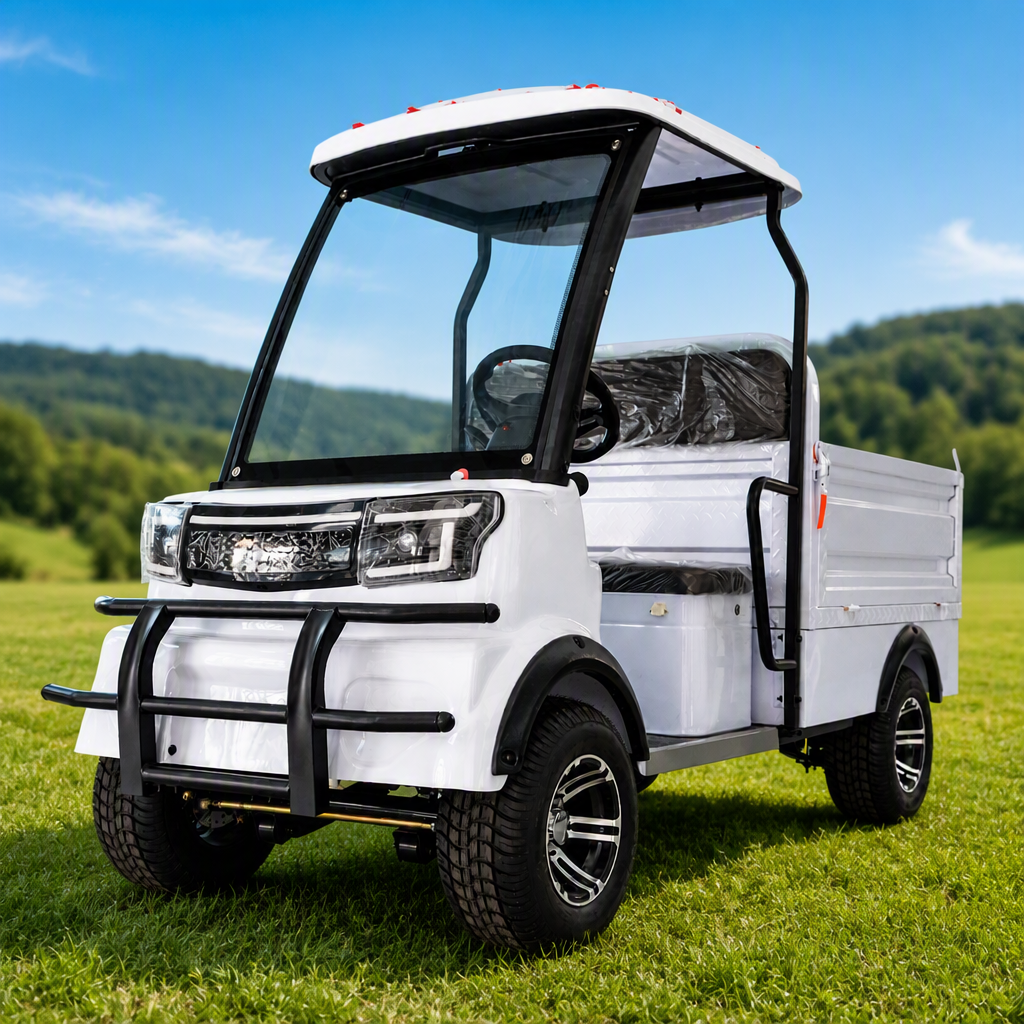
In narrow preservation quarters where heavy commercial vehicles are restricted, compact 4-seater to 10-seater open-air sightseeing cars provide premium micro-mobility for tourists, senior travelers, and guided group tours. Custom wood-grain interior trims and bamboo-inspired canopy designs allow the vehicles to aesthetically blend with Machiya architecture while transporting guests seamlessly from main thoroughfares to boutique ryokans.
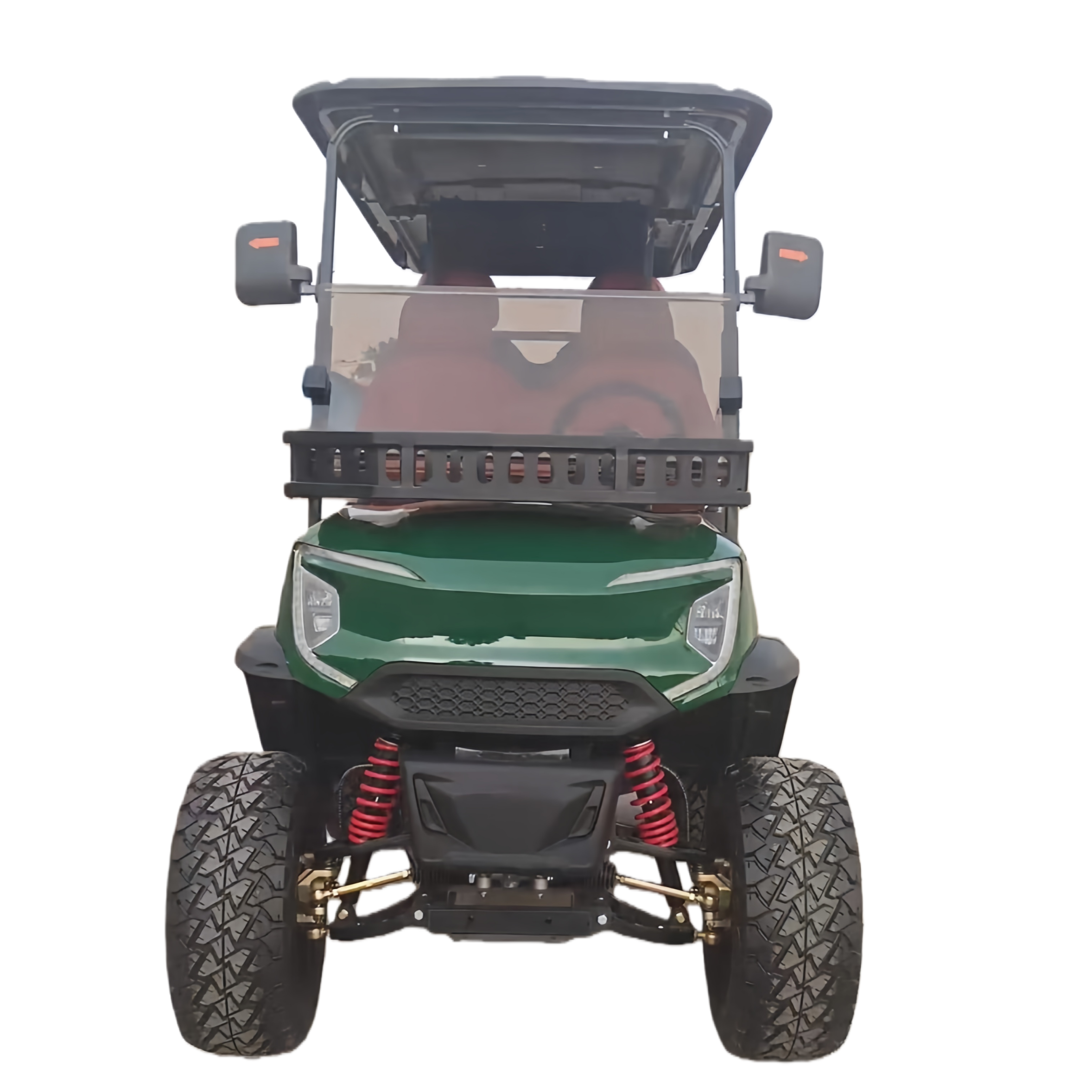
Navigating the gentle inclines and dirt pathways surrounding the Arashiyama Bamboo Grove requires high ground clearance and wide all-terrain tires that do not damage unpaved paths. Our lifted 4WD sightseeing carts offer silent motor drives that ensure wildlife and natural soundscapes remain undisturbed while taking visitors to secluded viewpoints and historic villas.
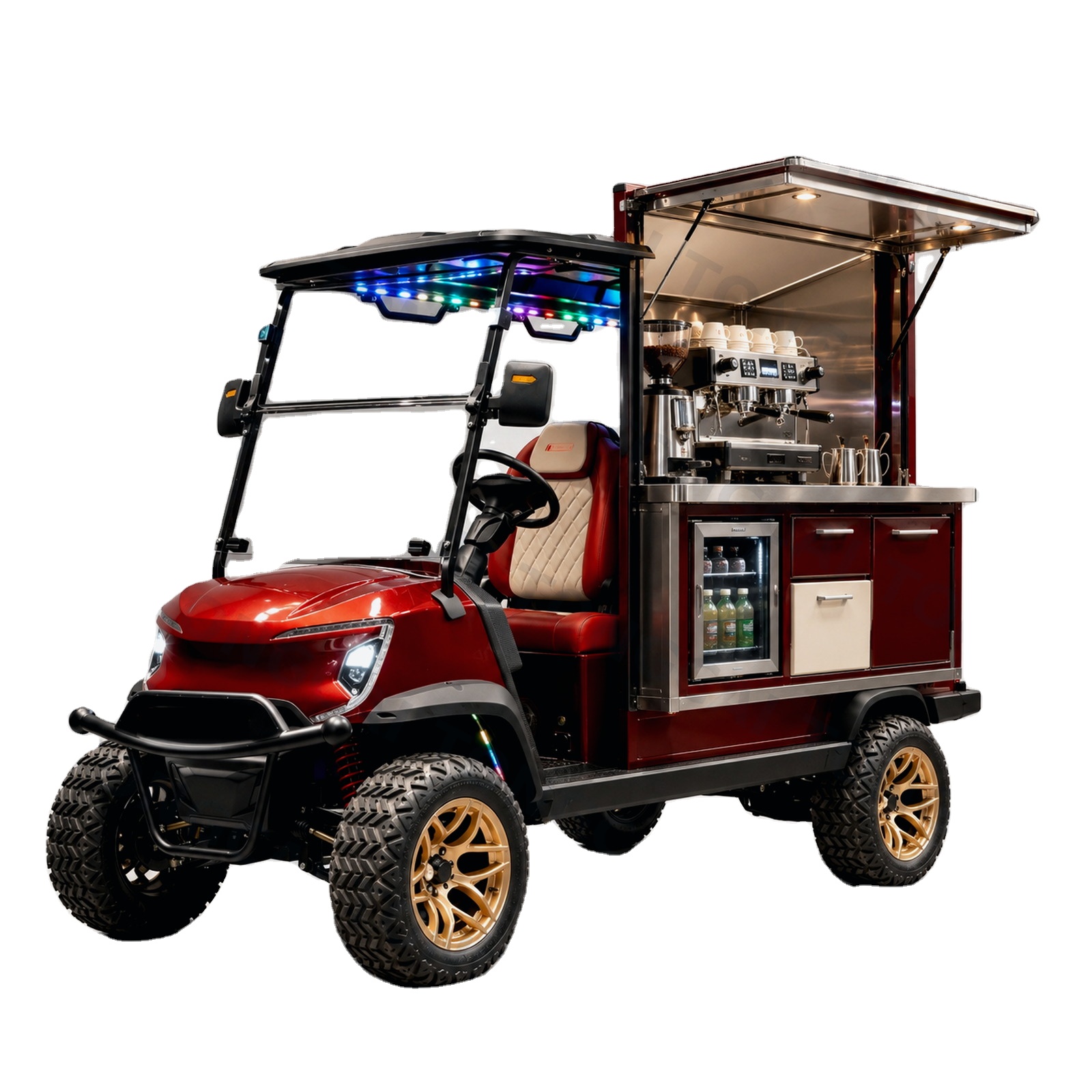
Kyoto’s seasonal festivals (Gion Matsuri, Autumn Illuminations) rely heavily on mobile food carts and dessert trucks. Custom-built electric mobile bakery cars and food carts equipped with stainless steel serving windows, integrated electrical power hubs, and customized logo branding provide commercial vendors with clean, zero-fuel vending units permitted inside pedestrian-only zones.
Understanding the macro shifts driving municipal purchases, eco-labeling requirements, and electric vehicle adoption across Kansai commercial sectors.
1. Strict Carbon Footprint Mandates in Tourism Procurement: Kyoto City’s climate action framework targets a 40% reduction in greenhouse gas emissions from commercial transport by 2030. Hotel groups, resort operators, and temple transport trusts are prioritizing suppliers who offer verified zero-emission electric vehicles with full lithium lifecycle options. Operators purchasing low-emission fleets gain access to regional green tourism grants and preferred municipal operating permits in restricted cultural zones.
2. Evolution of Micro-Transit Vending & Pop-up Commercial Mobility: The post-pandemic tourism boom in Kyoto has sparked high demand for flexible pop-up retail and mobile cafes. Electric bakery carts and mobile dessert trucks with street-legal low-speed certifications allow hospitality vendors to set up temporary sales stations during cherry blossom (Sakura) and autumn leaf (Koyo) seasons without expensive brick-and-mortar leases.
3. Demand for OEM Aesthetic Customization (Match Cultural Heritage): Standard industrial golf carts with bright metallic paint and plastic panels often clash with Kyoto’s traditional aesthetic policies (such as the Kyoto City Outdoor Advertising Ordinance). Japanese commercial buyers actively seek direct factory manufacturers who offer custom earth-tone matte finishes, wooden dashboard accents, traditional canvas roofs, and customized logo integration right from the assembly line.
Full-process in-house manufacturing, TÜV Rheinland verified facilities, and comprehensive OEM/ODM engineering capabilities for global distributors.
Located in Tianqu Industrial Park, Dezhou, Shandong, China, our modern factory operates under strict ISO-aligned manufacturing processes. Unlike pure assembly vendors who buy pre-made frames, we perform raw steel tube laser cutting, high-precision pipe bending, CNC machining, robotic frame welding, and automated electrophoretic dipping under one unified facility roof. This total operational control ensures consistent dimensional accuracy and structural integrity for every chassis produced.
Our plant has been verified on-site by TÜV Rheinland, giving global buyers complete transparency. Every vehicle built for export passes through 12 strict production stations, including raw material inspection, frame alignment testing, water-spray leak testing, high-gradient slope braking tests, continuous battery discharge profiling, and Final Quality Control (FQC) road testing before container loading.
We work directly with Japanese vehicle importers, local dealers, and commercial operators to develop tailored mobility solutions. From initial CAD drawing approval to sample build validation and container loading optimization, our engineering team handles:
Essential answers regarding importing, technical compliance, winter battery performance, and custom options for Kyoto commercial operators.
Tell us your target seating capacity, operational terrain, and custom branding needs. Our dedicated export desk will respond with technical specifications, pricing, and container delivery schedules.