Industry Whitepaper 2025
Executive Summary: Urban Mobility Electrification in Metro Manila
The Metropolitan Manila Area (National Capital Region), encompassing 16 dense cities including Manila, Makati, Taguig (BGC), Pasay, and Quezon City, is undergoing a transformative transition in intra-district transit. As the Philippine government accelerates implementation of the Electric Vehicle Industry Development Act (EVIDA / Republic Act No. 11697) and the Public Utility Vehicle Modernization Program (PUVMP), commercial fleet operators, luxury integrated resorts, and real estate developers face unprecedented structural demand for heavy-duty, zero-emission passenger shuttles.
This technical whitepaper examines the engineering specifications, environmental adaptation factors, and supply chain logistics required for passenger shuttle suppliers serving the Metro Manila market. Operating zero-emission shuttles in the Philippine tropical maritime climate presents hyper-specific engineering challenges: extreme relative humidity (averaging 75% to 85%), ambient temperatures frequently exceeding 38°C, localized flash flooding during typhoon season, and intense stop-and-go urban duty cycles. Sourcing electric shuttles for this environment demands rigorous evaluation of battery chemistry, thermal management, chassis anti-corrosion treatments, and local regulatory compliance with the Land Transportation Office (LTO) and Land Transportation Franchising and Regulatory Board (LTFRB).
85%
Peak Humidity Resistance (Marine Coating)
72V
High-Torque Powertrain Architecture
IP67
Waterproof Drive & Battery Enclosure
3,500+
LiFePO4 Battery Charge Cycles
Localized Application Scenarios in Metro Manila and CALABARZON
To maximize Return on Investment (ROI) and minimize Total Cost of Ownership (TCO), passenger shuttle fleets in Metro Manila must be tailored to distinct spatial micro-environments. Below are the five dominant operational deployment profiles in NCR:
1. BGC & Makati Business District Transit
High-frequency, low-speed intra-district passenger circulation across Bonifacio Global City (BGC), Makati Central Business District, and Ortigas Center. Shuttles connect commercial towers, MRT/LRT stations, and high-density retail complexes, requiring 10 to 23-seater configurations with fast-charging LiFePO4 battery systems and regenerative braking for stop-and-go gridlock.
2. Manila Bay Integrated Resorts & Casinos
Entertainment City developments (Okada Manila, Solaire Resort, City of Dreams, and Newport World Resorts) demand ultra-quiet, high-comfort VIP passenger buggies and closed-cabin electric shuttles. Priority specifications include luxury leather seating, air conditioning, ambient lighting, and smooth air-suspension for high-net-worth guest transfers.
3. Historical & Eco-Tourism Zones
Intramuros Administration heritage corridors, Rizal Park, and coastal eco-parks require lightweight zero-emission vehicles that preserve historical stone paving while delivering quiet guided tours. Custom vintage-style electric classic cars and open-air 8-seater sightseeing buggies are heavily deployed here.
4. Industrial Parks & Logistics Hubs
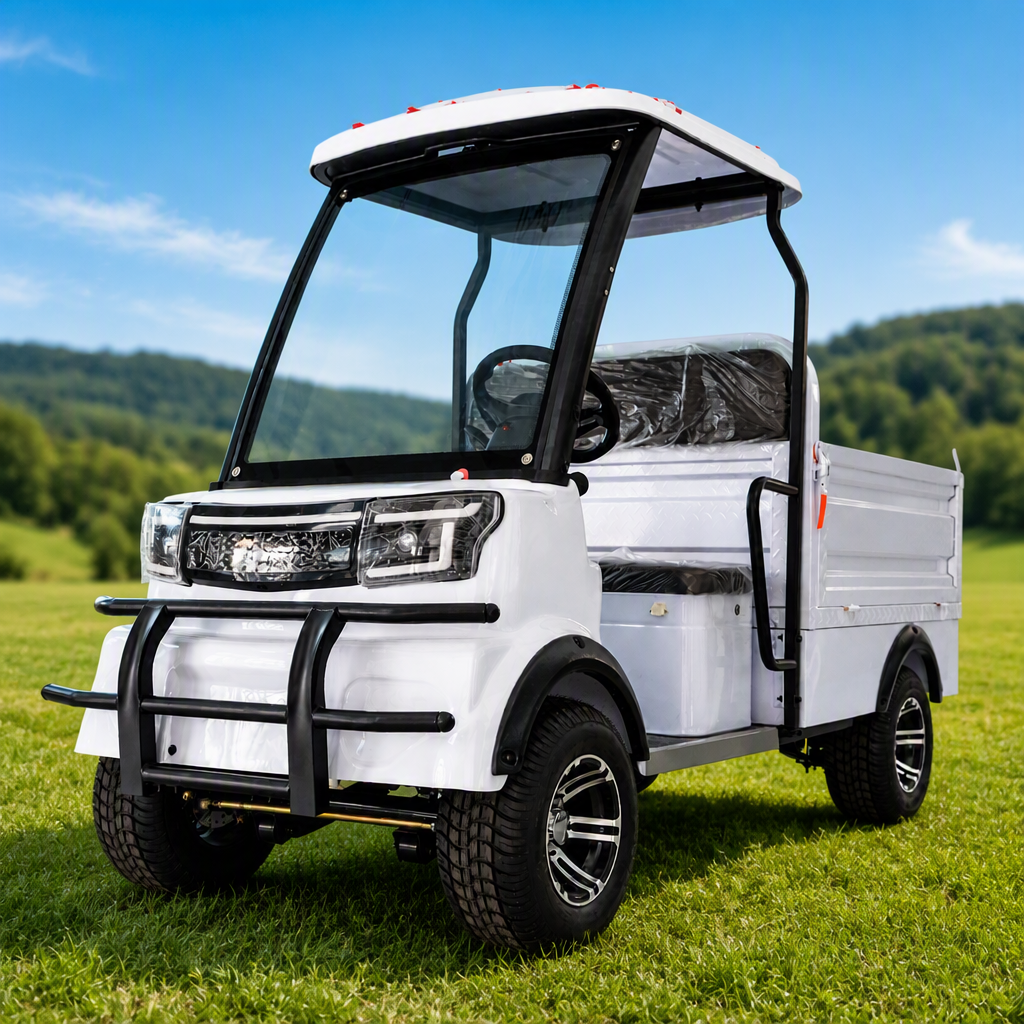
Major industrial estates in the Cavite-Laguna-Batangas-Rizal-Quezon (CALABARZON) belt surrounding Metro Manila utilize heavy-duty electric utility trucks and multi-purpose passenger-cargo hybrid vehicles for worker transportation across expansive manufacturing plants, bonded warehouses, and container yards.
5. Exclusive Gated Communities & Villages
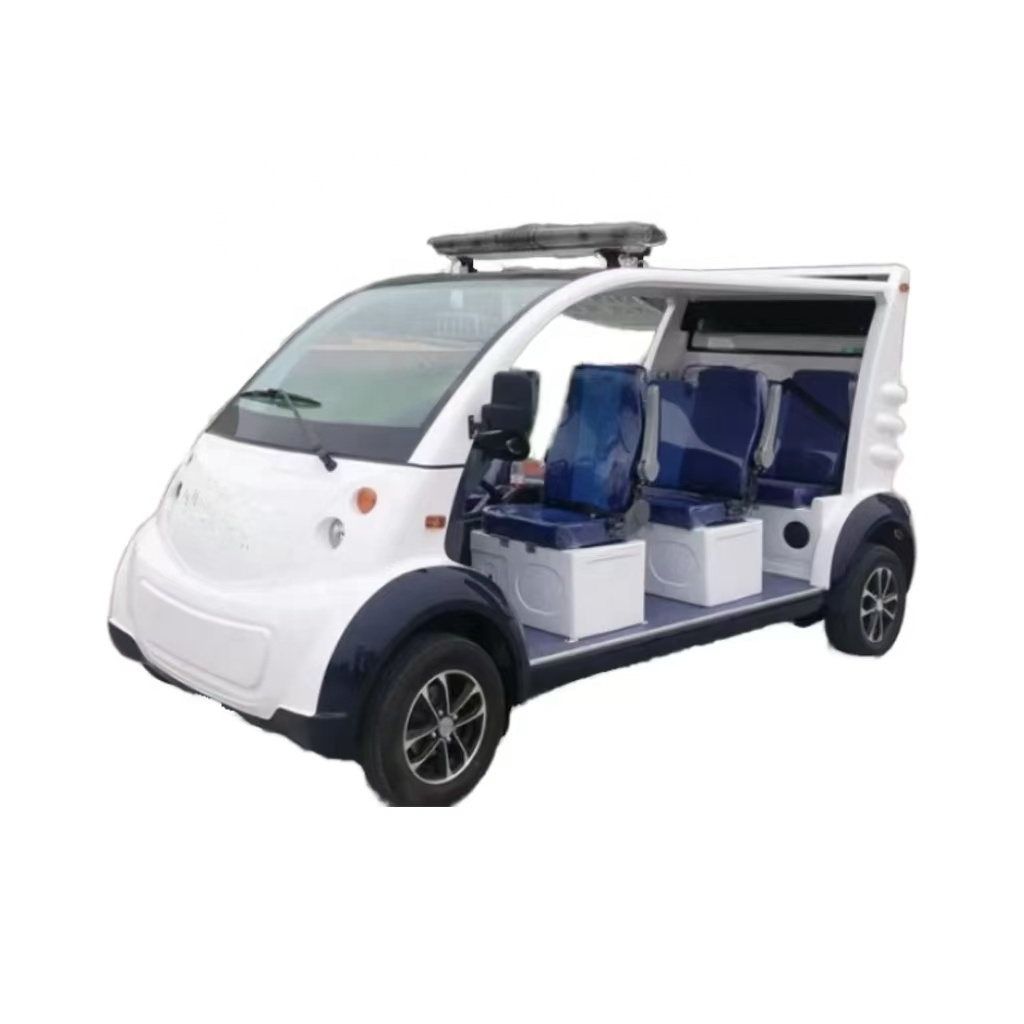
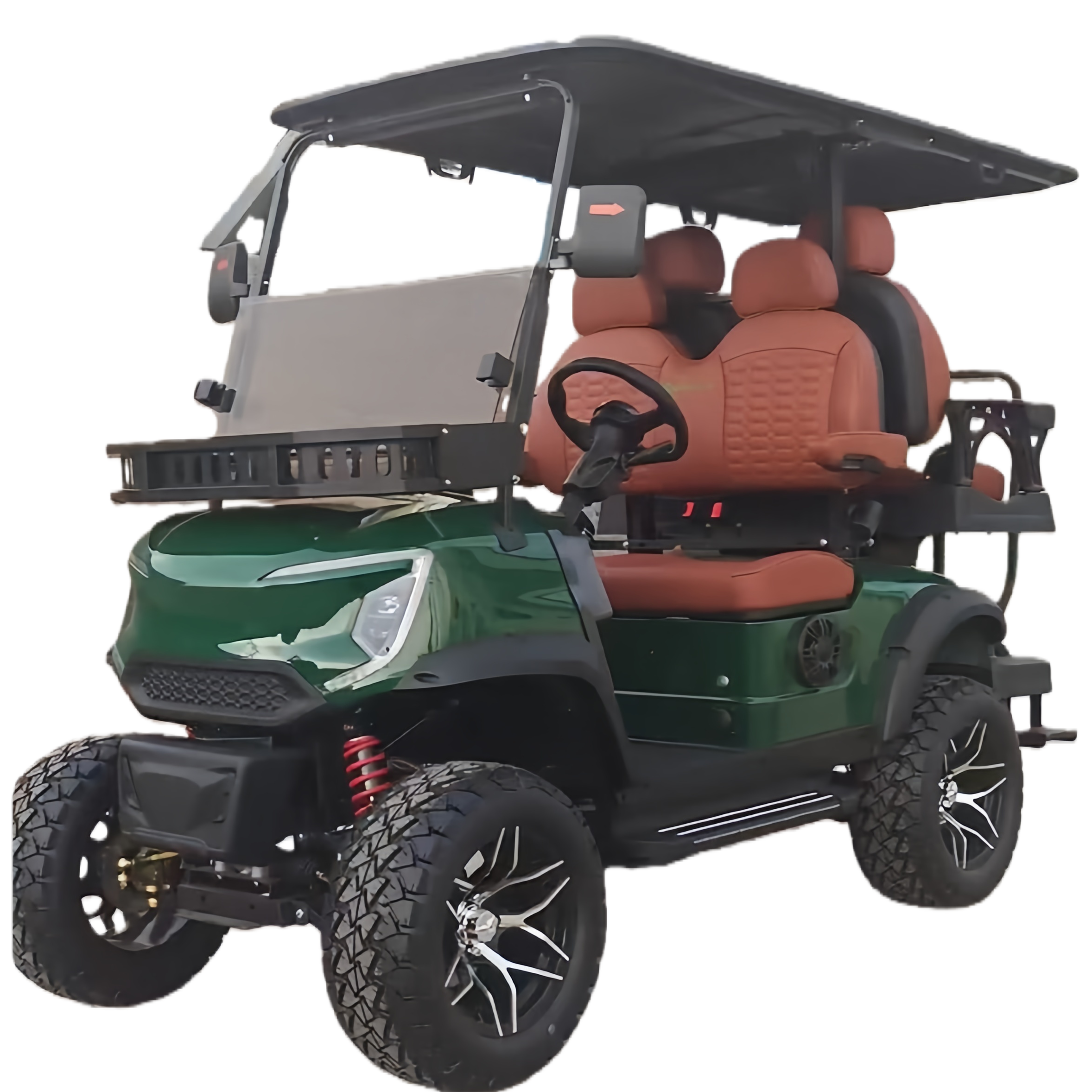
High-end residential enclaves (Forbes Park, Dasmariñas Village, Ayala Alabang, and Greenhills) enforce strict noise and emission restrictions. Lifted 4WD electric buggies and 4-6 seater neighborhood electric vehicles (NEVs) serve as primary security patrol cars and resident mobility shuttles.
6. Campus & Medical Center Networks
Sprawling academic campuses (such as UP Diliman and Ateneo de Manila) and medical complexes rely on fixed-route, electric open-air shuttles to move thousands of students, faculty, and patients daily without contributing to local air pollution.
Technical Landscape: Adapting Passenger Shuttles for Manila Environment
Deploying electric vehicles in Metro Manila requires solving technical bottlenecks unique to Southeast Asian tropical urban landscapes. Standard golf carts or lightweight shuttles imported without climate-adaptation engineering suffer rapid component degradation, electrical failure, and frame oxidation.
| Engineering Vector |
Standard Export Specification |
Tropicalized Manila Market Specification (Shandong CCB Standard) |
| Chassis Protection |
Single-layer spray paint over mild steel |
Hot-dip galvanized frame + Electrophoretic Deposition (ED) coating (Marine Grade C4-H anti-corrosion). |
| Battery Chemistry |
Flooded Lead-Acid / Standard AGM |
Lithium Iron Phosphate (LiFePO4) with IP67 thermal enclosure & Battery Management System (BMS). |
| Ingress Protection |
IP54 (Basic dust/splash) |
IP67 Waterproof Rating on AC Induction/PMSM drive motor, controller, and high-voltage wiring harnesses. |
| Powertrain Voltage |
48V System (3.5kW Motor) |
60V / 72V Architecture (5kW - 10kW PMSM) engineered for steep parking ramps & 20% incline urban hills. |
| Cooling & Comfort |
Natural air draft (Open air) |
High-output solar charging roofs, heavy-duty overhead tropical fans, and optional integrated 12,000 BTU AC units. |
The primary environmental degradation factor in Manila is atmospheric salt mist paired with acid rain and seasonal standing water. Standard painted steel frames develop structural rust within 12 to 18 months when operated near Manila Bay (Pasay/Paranaque). Shandong CCB New Energy Machinery Co., Ltd. addresses this through multi-stage cathodic electrophoretic dip coating and specialized chassis undercoating that resists salty coastal air and flood immersion up to axle height.
Enterprise Strengths: Shandong CCB New Energy Machinery Co., Ltd.
Choosing a qualified manufacturer is the single most critical factor in securing a reliable supply of passenger shuttles. Shandong CCB New Energy Machinery Co., Ltd., located in the Tianqu Industrial Park, Dezhou, Shandong, China, operates as a TÜV Rheinland On-Site Verified Custom Manufacturer, bridging advanced vehicle engineering with direct export capabilities.
Vertical Integration
Unlike third-party traders who assemble outsourced components, CCB operates a 14,200 m² state-of-the-art facility featuring automated CNC laser tube cutters, 3D hydraulic pipe benders, robotic welding stations, and an automated powder coating line. All chassis geometry is calibrated on precision jigs to ensure zero tolerance drift.
Complete OEM / ODM Flexibility
From 2-seater resort buggies to 23-passenger commercial electric buses, our engineering desk delivers custom body paneling, seating layouts, localized LTO-compliant lighting (ECE/DOT certified LED headlights, turn signals, mirrors), right-hand or left-hand drive configurations, and custom corporate branding directly from the factory line.
Rigorous Quality Assurance
Every single shuttle undergoes a 12-stage Quality Control (QC) inspection protocol before container packing. This includes rain-chamber leak testing, full-load dynamic slope braking analysis, electrical harness insulation testing, and road endurance validation.
Procurement & Technical FAQ for Manila Buyers
Directly addressing common regulatory, operational, and financial inquiries from fleet managers and procurement officers in the Philippines.
What are the LTO and LTFRB registration requirements for electric shuttles in the Philippines?
+
Under EVIDA (Republic Act 11697) and LTO Administrative Order AHS-2008-011, electric low-speed vehicles (LSVs) and electric buggies operated within private subdivisions, resorts, industrial parks, and designated eco-zones (like BGC or Intramuros) do not require public highway LTFRB franchises. However, for shuttles operating on public feeder roads, CCB provides full Certificate of Conformity (COC), VIN plate stampings, technical specification sheets, and CE documentation required by the LTO for commercial electric vehicle registration.
Why is LiFePO4 battery chemistry superior to Lead-Acid for Manila fleets?
+
While lead-acid batteries have a lower initial purchase price, LiFePO4 (Lithium Iron Phosphate) delivers a drastically lower Total Cost of Ownership (TCO). In Manila's high ambient heat (35°C+), lead-acid batteries suffer severe thermal degradation, reducing their lifespan to less than 1.5 years (approx. 500 cycles). LiFePO4 chemistry withstands high heat without thermal runaway risk, offering 3,500+ charge cycles (6-8 years of daily service), 70% weight reduction, faster 2-3 hour quick-charging, and zero maintenance (no distilled water refilling).
What is the estimated shipping lead time and customs process to Manila Port (MICT / South Harbor)?
+
Production lead time at our Shandong facility typically ranges from 15 to 25 business days depending on customization requirements. Transit time from Qingdao or Tianjin Port to Manila International Container Terminal (MICT) or Manila South Harbor is exceptionally short—typically 7 to 12 days direct sea freight. Our export logistics desk prepares all required import documentation, including Commercial Invoice, Packing List, Bill of Lading, Certificate of Origin (Form E for ASEAN-China Free Trade Area preferential tariffs), and CE certificates.
How do CCB electric shuttles perform on steep ramps and multi-level parking garages in Makati & BGC?
+
Commercial multi-level parking structures in Metro Manila often feature steep inclines between 15% and 25%. Standard 48V 3.5kW shuttles stall under full passenger load on these ramps. Shandong CCB equips Manila-bound shuttles with high-torque 72V 5kW–10kW AC induction or Permanent Magnet Synchronous Motors (PMSM) paired with high-output Curtis or Enpower controllers. Coupled with automated Hill-Hold Assist and electromagnetic park brakes, our shuttles effortlessly launch and hold on steep inclines fully loaded.
What spare parts support and warranty services are guaranteed for Philippine operators?
+
We provide a comprehensive warranty package: 3 years on LiFePO4 battery packs, 2 years on the electric motor and controller, and 5 years on the structural hot-dip galvanized frame. For container-level orders, we include a recommended fast-moving spare parts package (tire assemblies, brake pads, windshields, relays, light clusters, and chargers). In addition, our engineering team offers direct remote technical support, wiring schematics, and rapid courier delivery for replacement parts directly to Manila.
Can the shuttles be fitted with solar charging panels to extend operational range?
+
Yes. Metro Manila receives abundant solar irradiance throughout the year. CCB offers custom roof-integrated flexible monocrystalline solar panels (200W to 600W system output) equipped with MPPT boost controllers. Solar integration continuously trickles charge into the battery bank during daylight operations, extending daily driving range by 15% to 25% (an additional 15-25 km range daily) and significantly reducing grid electricity consumption.
Partner with a Verified Passenger Shuttle Supplier Today
Whether you are expanding a resort shuttle fleet in Manila Bay, establishing an intra-district transport system in BGC, or sourcing utility vehicles for a CALABARZON industrial hub, Shandong CCB delivers engineered excellence, direct factory pricing, and full OEM customization.
 Deutsch
 Português
 Español
 Français
 Italiano
 Русский
 한국어
 日本語
 العربية
 ไทย
 Tiếng Việt
 Türkçe
 Nederlands
 Indonesia
 עברית
 हिन्दी