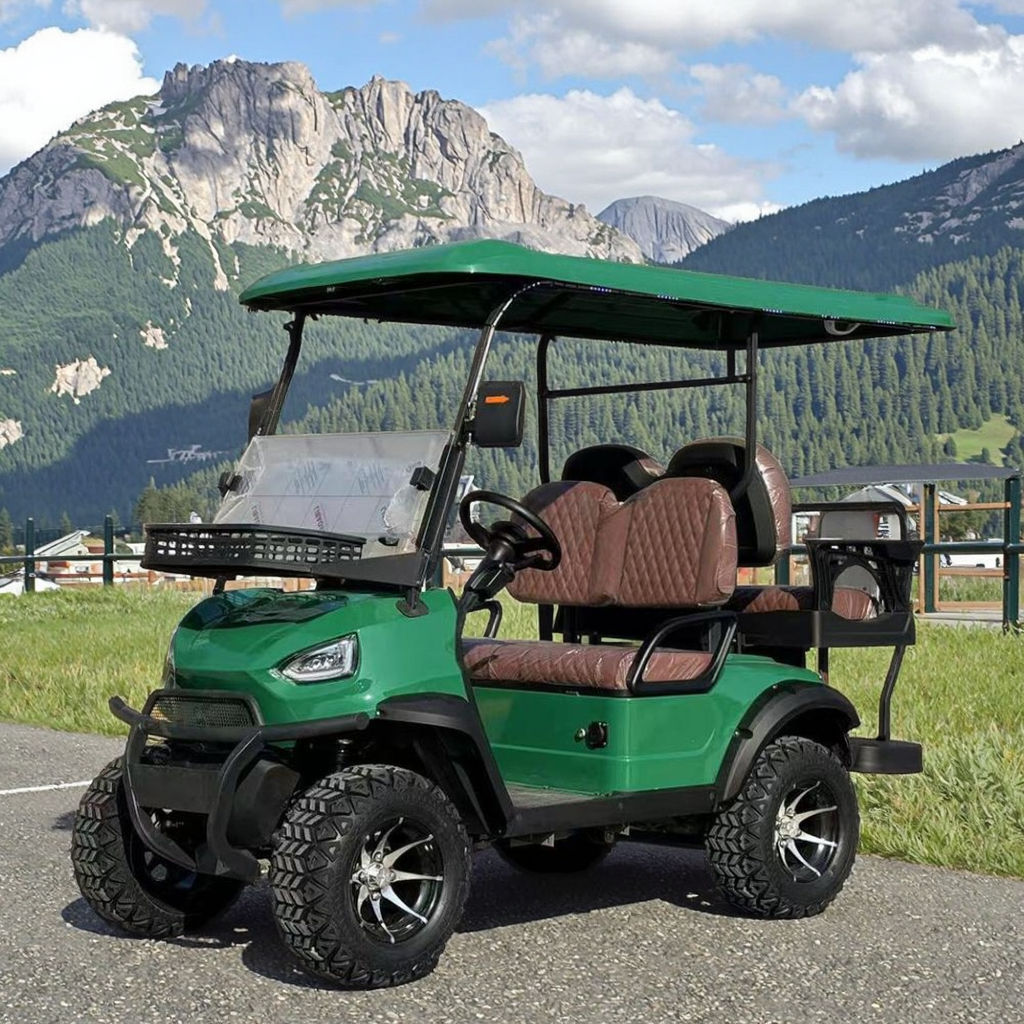
Electric Sightseeing Car Manufacturers & Exporters for the Chiang Mai Market

Technical Whitepaper & Commercial Fleet Sourcing Guide for Northern Thailand’s Eco-Tourism, Luxury Resorts, and Urban Hospitality Mobility

Strategic Market Analysis

Chiang Mai Electric Mobility Transition: Macro Trends & Localized Demands

Analyzing the intersection of Thailand's EV policies, eco-tourism mandates, and Northern Thailand's unique mountainous and historical urban topography.

Chiang Mai, the cultural heart and economic engine of Northern Thailand, is undergoing a rapid transformation in its commercial transportation landscape. Driven by the Thai Ministry of Energy’s national EV roadmap (Targeting 30% zero-emission vehicle production by 2030) and the specific local initiatives of the Chiang Mai Smart City project, commercial operators across the province are aggressively transitioning from internal combustion engine (ICE) tuk-tuks and petrol buggies to high-efficiency electric sightseeing cars and commercial vending buggies.

Unlike flat coastal tourist hubs such as Phuket or Pattaya, Chiang Mai presents a unique dual-geography challenge for commercial fleet managers:

  • 1. The Historic Old City & Nimmanhemin Urban Grid: Defined by narrow, tightly enclosed soi (alleys), heavy pedestrian traffic around temples (such as Wat Phra Singh and Wat Chedi Luang), and strict acoustic/emission limits near heritage sites. Sightseeing buggies operate in dense ambient heat and require ultra-small turning radii with whisper-quiet electric powertrains.
  • 2. The Mountainous Foothills of Mae Rim, Hang Dong & Mae On: Home to luxury boutique eco-resorts, elephant sanctuaries, and tea/coffee plantations. Vehicles operating in these zones encounter steep inclines (15% to 25% grades), unpaved dirt trails, high humidity, and monsoon downpours, demanding heavy-duty torque, hill-descent electromagnetic braking, and IP67-rated moisture sealing.

Information Gain: The TCO Advantage in Chiang Mai (THB Fuel Savings vs Electric Duty Cycle)

Operating petrol-powered shuttle buses or utility carts in Chiang Mai currently incurs an average fuel cost of 38.5 THB/liter (Gasohol 95). With an average resort shuttle covering 65 km daily, an ICE vehicle costs approximately 240–280 THB per day in fuel alone, excluding frequent oil changes, clutch replacements, and belt wear caused by low-speed stop-and-go driving.

In contrast, a Shandong CCB 72V LiFePO4 Electric Sightseeing Car charged on Thailand's Commercial PEA (Provincial Electricity Authority) off-peak rate consumes approximately 6.2 kWh per full 90 km charge cycle, translating to roughly 26.5 THB total energy cost per day. This yields over 88% direct operating cost reduction, allowing hotel groups and tour operators to amortize the procurement capital expenditure (CapEx) within 11 to 14 months of daily operation.
88%
OPEX Fuel Savings
14,200m²
TÜV Verified Plant
25%
Gradeability Climbing
3,000+
LiFePO4 Battery Cycles
Application Engineering

Tailored Sightseeing & Utility Solutions for Chiang Mai Enterprise Use

How Shandong CCB custom-builds electric chassis, thermal enclosures, and power configurations for Northern Thailand's exact commercial use cases.

Eco-Resort & Hotel Guest Shuttles

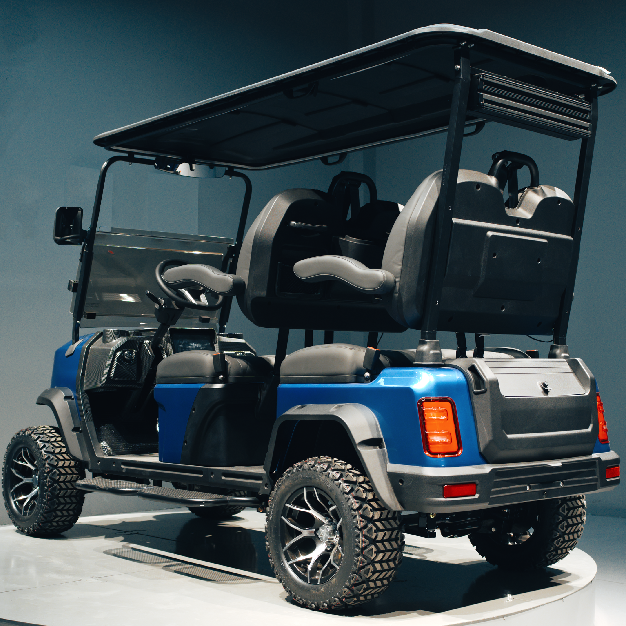
Designed for luxury hospitality destinations in Mae Rim and Hang Dong. Equipped with ultra-quiet 5kW–7.5kW AC brushless motors, premium independent suspension, rear backup cameras, and custom weather curtains for seamless guest transport between villas, spas, and dining halls.

Historic Old City & Cultural Heritage Hop-On Shuttles

Featuring narrow track widths, street-legal turning radii (<3.8m), hydraulic disc brakes, and high-visibility open-frame sightlines. Ideal for guided city tours around Wat Chedi Luang, Tha Phae Gate, and the Sunday Walking Street, ensuring zero local tailpipe emissions near sacred monuments.

Mobile Culinary & Street Food Vending Carts

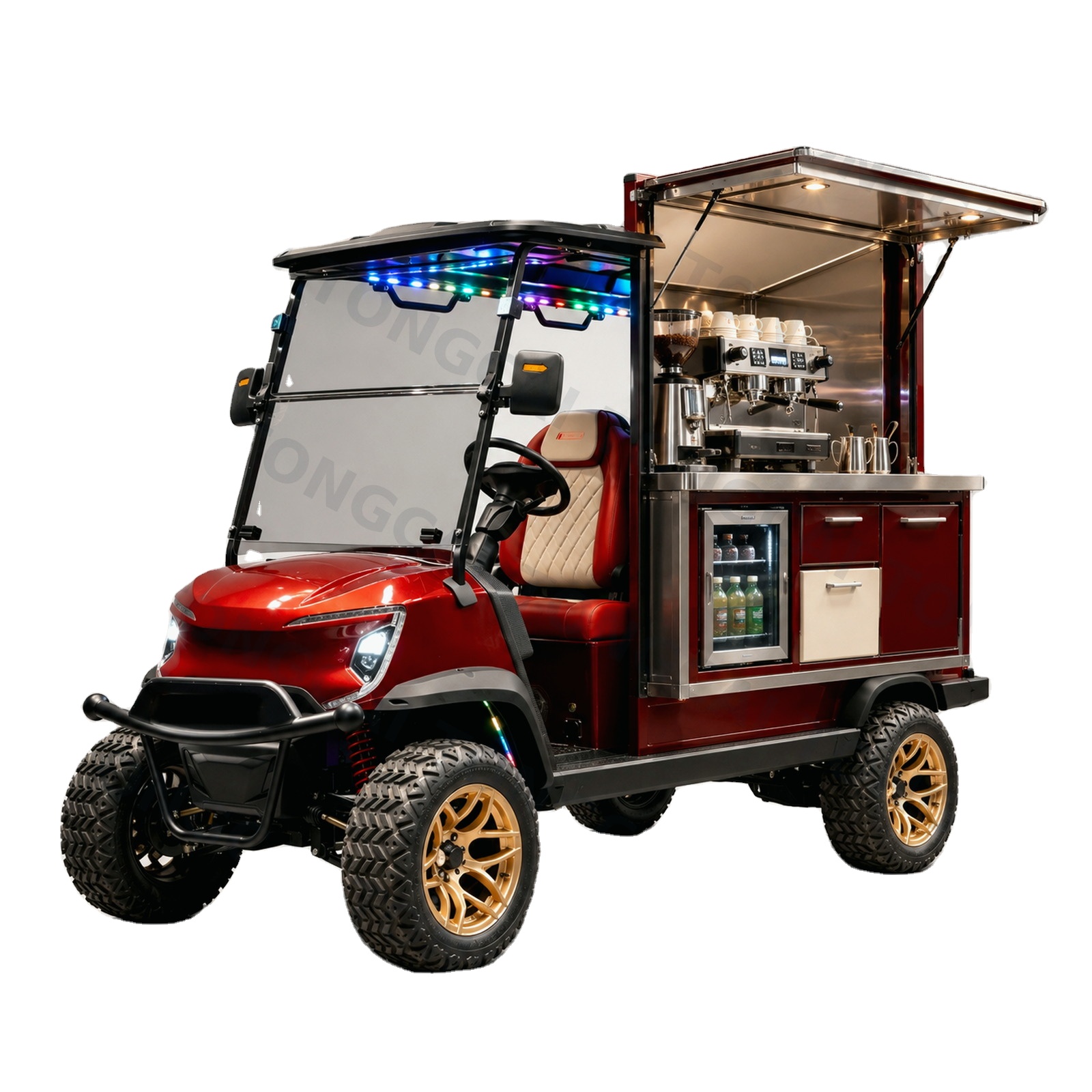
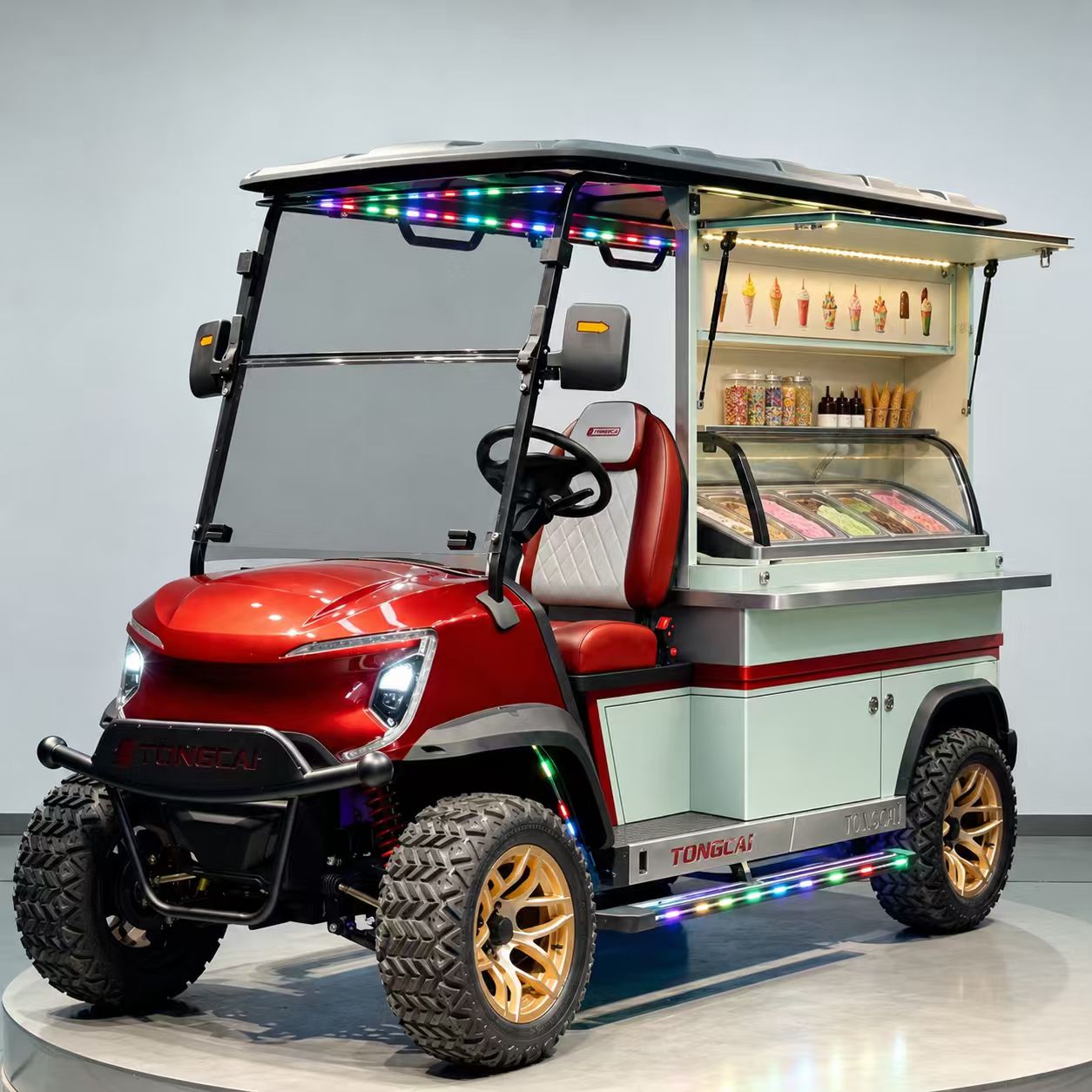
Custom-fabricated mobile food trucks (TONGCAI series) for Chiang Mai's thriving night market economy. Integrated with food-grade 304 stainless steel serving counters, high-capacity lithium battery inverter systems (supporting espresso machines, waffle irons, and refrigeration), and integrated LED branding pop-ups.

Campus, Hospital & Community Internal Transit

Multi-passenger 6-to-10 seat electric shuttle buggies optimized for large institutions like Chiang Mai University (CMU) and private healthcare campuses. Low step-in height for senior citizens and mobility-impaired passengers, compliant with ISO 9001 and CE safety regulations.

Solar Auxiliary Roof Integration

Taking advantage of Chiang Mai’s 2,500+ annual sun hours. Optional monocrystalline rooftop solar panel systems generate up to 15–20 km of extended daily driving range, significantly extending battery lifespan and reducing plug-in grid dependency for full-day resort operations.

Monsoon-Proof Waterproof Engineering

Built to withstand Northern Thailand's intense May–October rainy season. Enclosed marine-grade wiring harnesses, IP67 sealed Enpower/Toyota AC controllers, and elevated battery tray mounting prevent water ingress during localized road flooding.

Factory Authority & Quality Control

Shandong CCB New Energy Machinery Co., Ltd. — Verified Manufacturing Strength

Direct-from-factory engineering, full custom OEM/ODM production, and rigorous export inspection standards.

When sourcing commercial electric vehicles for the Thai market, fleet operators face significant risks if buying from unverified trading companies or small assembly workshops. Shandong CCB New Energy Machinery Co., Ltd. (located in Tianqu Industrial Park, Dezhou City, Shandong Province, China) is an on-site verified manufacturer audited by TÜV Rheinland and certified on Alibaba.com.

Spanning over 14,200 square meters of standardized manufacturing floor space, our facility operates complete end-to-end production lines rather than simple bolt-together assembly. Our 12-stage manufacturing process guarantees unmatched structural integrity and long-term durability:

1. Precision CNC Tube Cutting

High-precision laser cutting of high-tensile carbon steel frame tubes to exact engineering tolerances.

2. Automated Robotic Welding

Robotic fixture welding ensures 100% seam consistency and structural strength against frame twisting on rough roads.

3. Cathodic Electrophoresis Coating

Full-submersion anti-rust treatment, protecting the chassis frame from high humidity and coastal salt spray.

4. Dynamic Roll & Brake Testing

Every vehicle undergoes dynamic roll testing, brake balance validation, and hill-climb holding tests before packing.

OEM/ODM Customization Capabilities for Thai Dealers & Importers

We provide full customization tailored specifically to Thai market preferences and traffic regulations:

  • Right-Hand Drive (RHD) Steering Alignment: Standard compliance for Thailand road safety requirements.
  • Custom Thai Branding & Livery: Direct factory silk-screening, custom body paint color matching (RAL system), and backlit LED signage for resort branding.
  • Battery System Matching: Choose between cost-effective deep-cycle lead-acid battery packs or high-performance 48V/60V/72V LiFePO4 (Lithium Iron Phosphate) battery modules with integrated Smart BMS and Bluetooth monitoring.
  • Tropical Comfort Trim: Premium weather-resistant bamboo-pattern trim, leatherette ventilated seating, and acrylic windshields with flip-down ventilation.
Procurement Guide

Frequently Asked Questions by Chiang Mai Fleet Managers & B2B Buyers

Addressing crucial operational, logistical, legal, and maintenance queries regarding electric sightseeing car imports into Thailand.

What are the local regulations and street-legal requirements for electric sightseeing cars in Chiang Mai?
In Thailand, low-speed electric sightseeing vehicles (LSVs) operating inside private resort properties, golf courses, university campuses, or designated resort compounds do not require DLT (Department of Land Transport) vehicle registration plates. However, for sightseeing buggies operating on municipal public roads in Chiang Mai (such as Old City tour routes), vehicles must be equipped with right-hand drive (RHD), street-legal LED lighting systems (headlights, turn signals, brake lights), rear-view mirrors, horn, seatbelts, and hydraulic braking systems. Shandong CCB manufactures fully compliant LSV configurations designed for seamless registration and road safety compliance.
Should we select Lithium LiFePO4 or Lead-Acid batteries for Chiang Mai resort operations?
For high-utilization commercial fleets in Chiang Mai (operating >6 hours per day or navigating hilly resorts in Mae Rim), we strongly recommend LiFePO4 (Lithium Iron Phosphate) batteries. LiFePO4 packs offer over 3,000 charge cycles (8–10 year lifespan), fast charging (2–3 hours to 80%), zero maintenance, and 30% weight reduction which significantly improves hill-climbing gradeability. Lead-acid batteries have a lower initial purchase cost but require distilled water maintenance, weigh significantly more, and only last 500–800 cycles, making lithium far superior in Total Cost of Ownership (TCO).
How do Shandong CCB vehicles handle steep mountain roads in Northern Thailand?
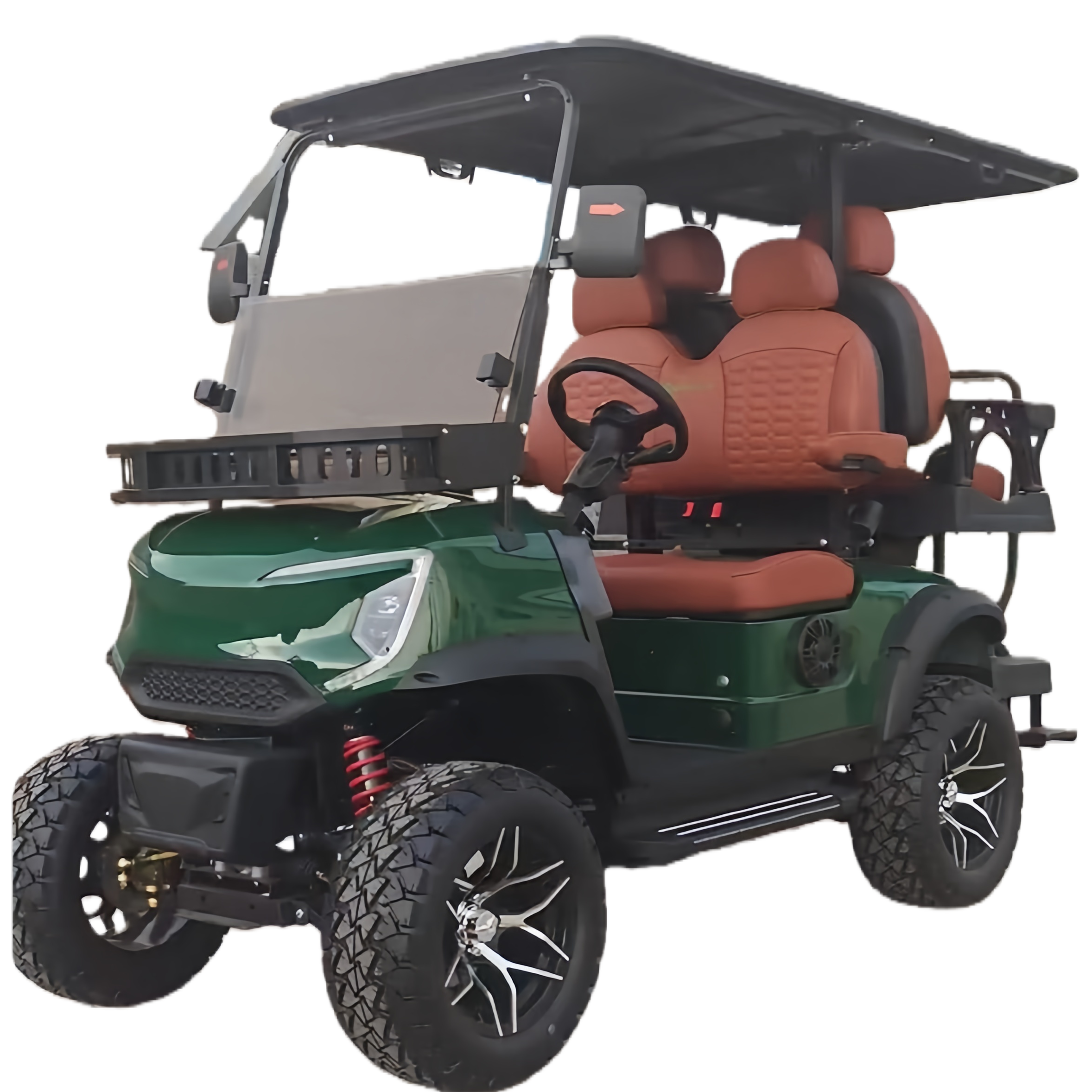
Our resort buggies and lifted golf carts engineered for Northern Thailand feature 60V or 72V high-torque AC induction motors (5kW to 7.5kW) paired with 350A–450A Enpower/Curtis controllers. This drivetrain configuration provides up to 25% gradeability (climbing capability), making it effortless to haul fully loaded passenger groups up steep mountain resort driveways in Doi Suthep, Mon Cham, or Mae Kampong without motor overheating.
What is the shipping route, lead time, and customs clearance process from China to Chiang Mai?
Orders are produced at our Dezhou plant (15–20 days manufacturing lead time) and shipped via sea container from Qingdao or Tianjin Port to Bangkok Port (Klong Toey) or Laem Chabang Port (7–10 days transit). From the port, land transport trailers convey the container directly to your Chiang Mai location (2–3 days). Under the China-ASEAN Free Trade Agreement (FORM E), Thai importers can enjoy 0% or significantly reduced import tariffs on electric vehicles and spare parts when submitting our official Certificate of Origin Form E.
How is spare parts supply and after-sales service handled in Thailand?
Shandong CCB supplies comprehensive after-sales support including detailed technical service manuals, wiring schematics, HD assembly videos, and remote engineer diagnostics via video call. Furthermore, we provide a recommended "Fast-Moving Spare Parts Package" (including brake pads, relays, tires, switches, and controllers) with container shipments, ensuring your local mechanics can perform routine maintenance without operational downtime.
What is the Minimum Order Quantity (MOQ) and sample order policy?
To assist commercial buyers, hotel owners, and potential regional distributors in testing market demand in Chiang Mai, our Minimum Order Quantity (MOQ) starts at 1 unit for catalog models. Container-level orders (20GP / 40HQ) unlock full OEM custom color matching, private label logo printing, and optimized mixed-model shipping plans.

Request Your Custom Chiang Mai Fleet Quotation Today

Connect directly with our senior export engineers to receive technical specifications, factory-direct pricing, FOB/CIF Thailand shipping rates, and Form E tax-exemption guidance.

Inquire Now