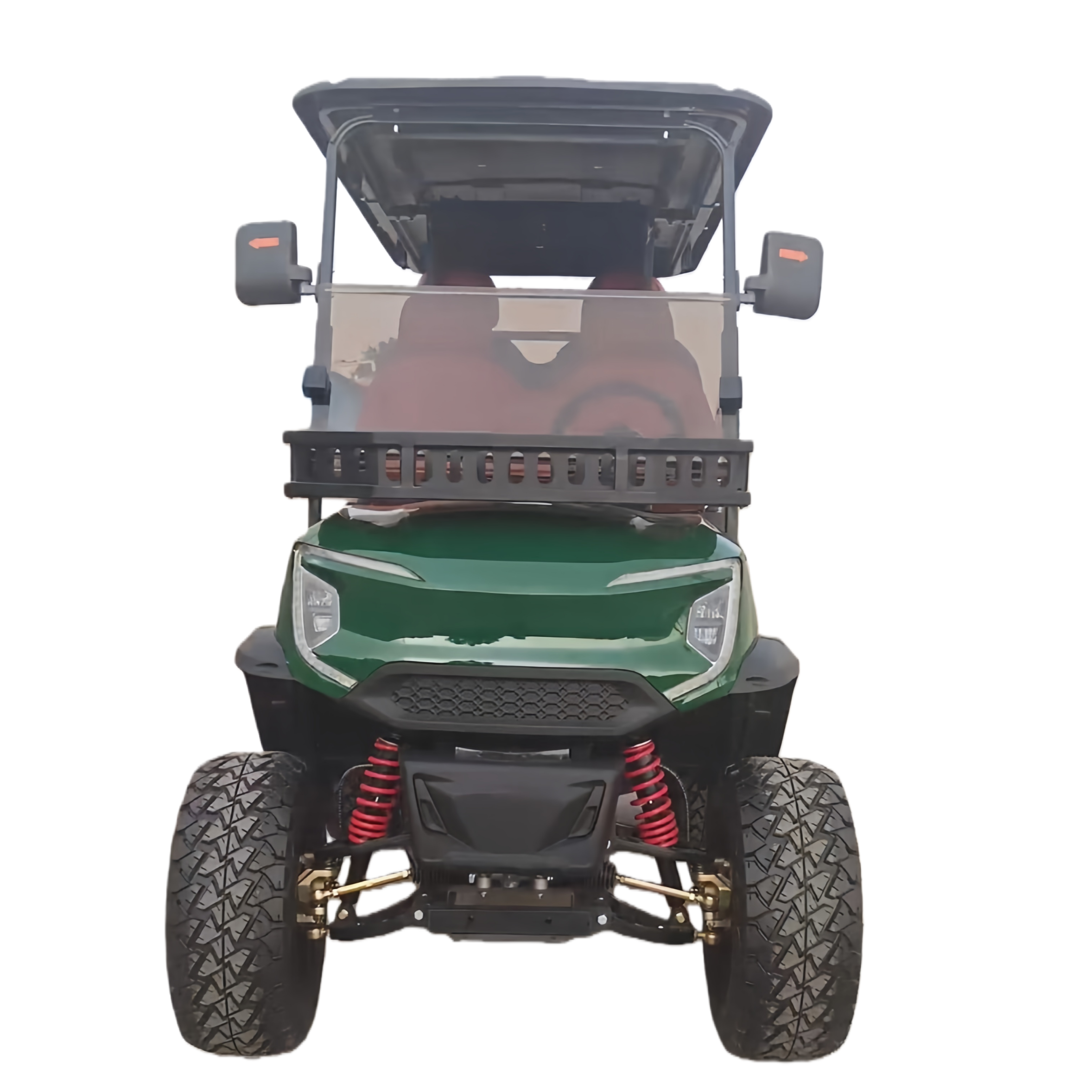
TONGCAI High-Speed Utility Golf Cart (4 Seats)
Heavy-duty steel frame with reinforced rear cargo box. Top speeds of 50-70 km/h engineered for warehouse logistics, delivery service, and multi-use facility transport.
Get Catalog Deutsch
 Português
 Español
 Français
 Italiano
 Русский
 한국어
 日本語
 العربية
 ไทย
 Tiếng Việt
 Türkçe
 Nederlands
 Indonesia
 עברית
 हिन्दी
A authoritative guide on procuring heavy-duty, low-emission electric passenger shuttles, utility cargo carts, and off-road municipal vehicles engineered for Middle Eastern climatic conditions.
The demand for reliable, energy-efficient, and low-maintenance transportation across the Syrian Arab Republic is undergoing a structural transition. As municipal infrastructure rehabilitates, tourism corridors along the Mediterranean coast reopen, and commercial enterprises seek to hedge against rising liquid fuel volatility, electric passenger shuttles and low-speed utility vehicles (LSVs) have emerged as a primary mobility solution. Sourcing from a verified electric shuttle supplier serving Syria provides municipalities, industrial parks, resort operators, and agricultural enterprises with a resilient fleet architecture capable of operating independently of traditional fuel supply bottlenecks.
This white paper synthesizes structural engineering standards, battery chemistry performance under extreme ambient temperatures, and localized operational integration across Syria’s key economic zones—including Damascus, Aleppo, Lattakia, Tartus, and Homs. By pairing industrial-grade steel chassis engineering with advanced LiFePO4 lithium storage and photovoltaic solar charging modules, Shandong CCB New Energy Machinery Co., Ltd. delivers purpose-built electric shuttle fleets tailored to the operational realities of the Syrian market.
Direct factory supply of certified electric passenger carts, freight vehicles, and specialized commercial shuttles.
Heavy-duty steel frame with reinforced rear cargo box. Top speeds of 50-70 km/h engineered for warehouse logistics, delivery service, and multi-use facility transport.
Get Catalog
72V high-torque motor paired with all-terrain tires and dual A-arm independent suspension. Delivers an extended 70-90 km range across unpaved surfaces.
Get Catalog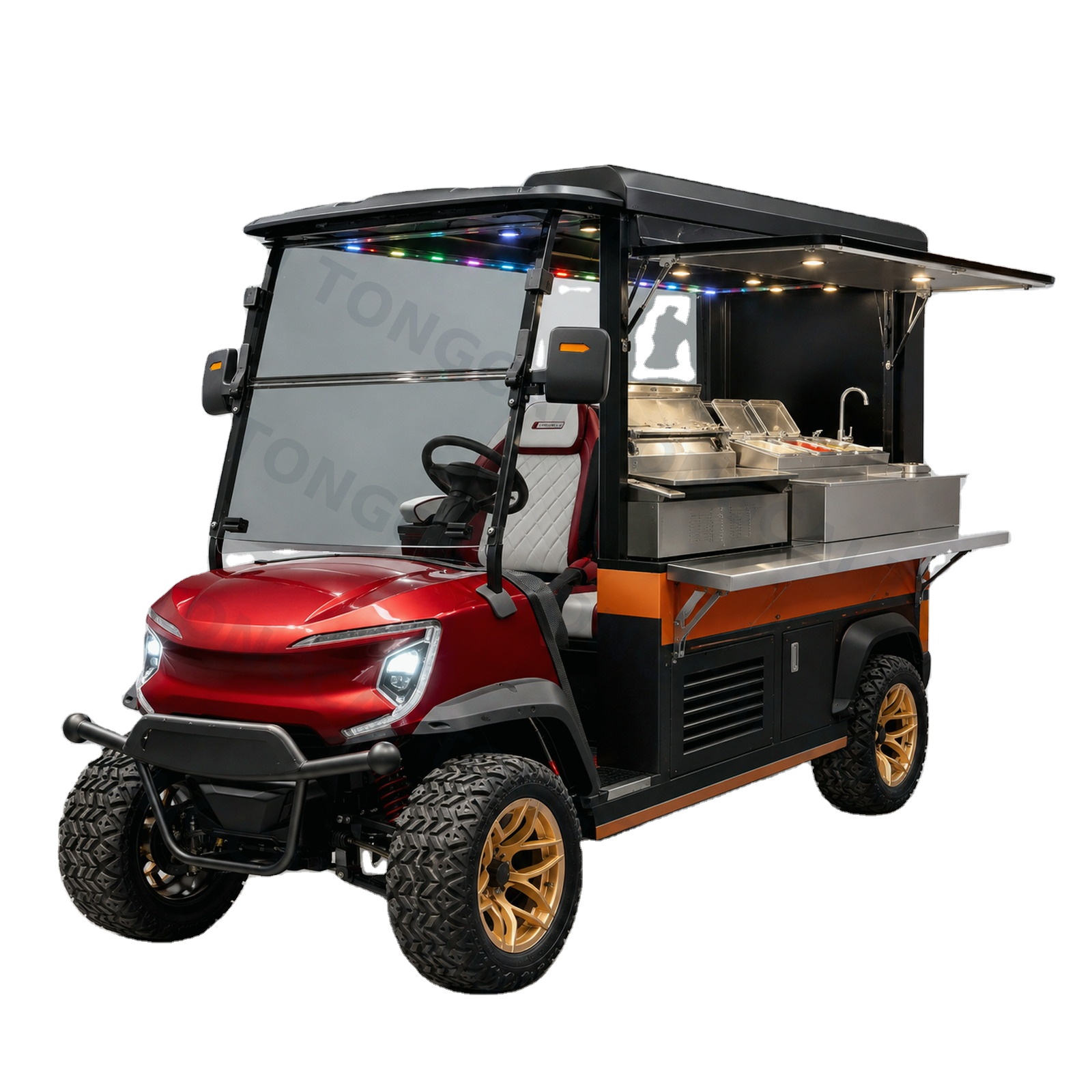
Customizable mobile retail shuttle fitted with specialized display windows, food-grade storage, and auxiliary power outlets for hospitality micro-businesses.
Get Catalog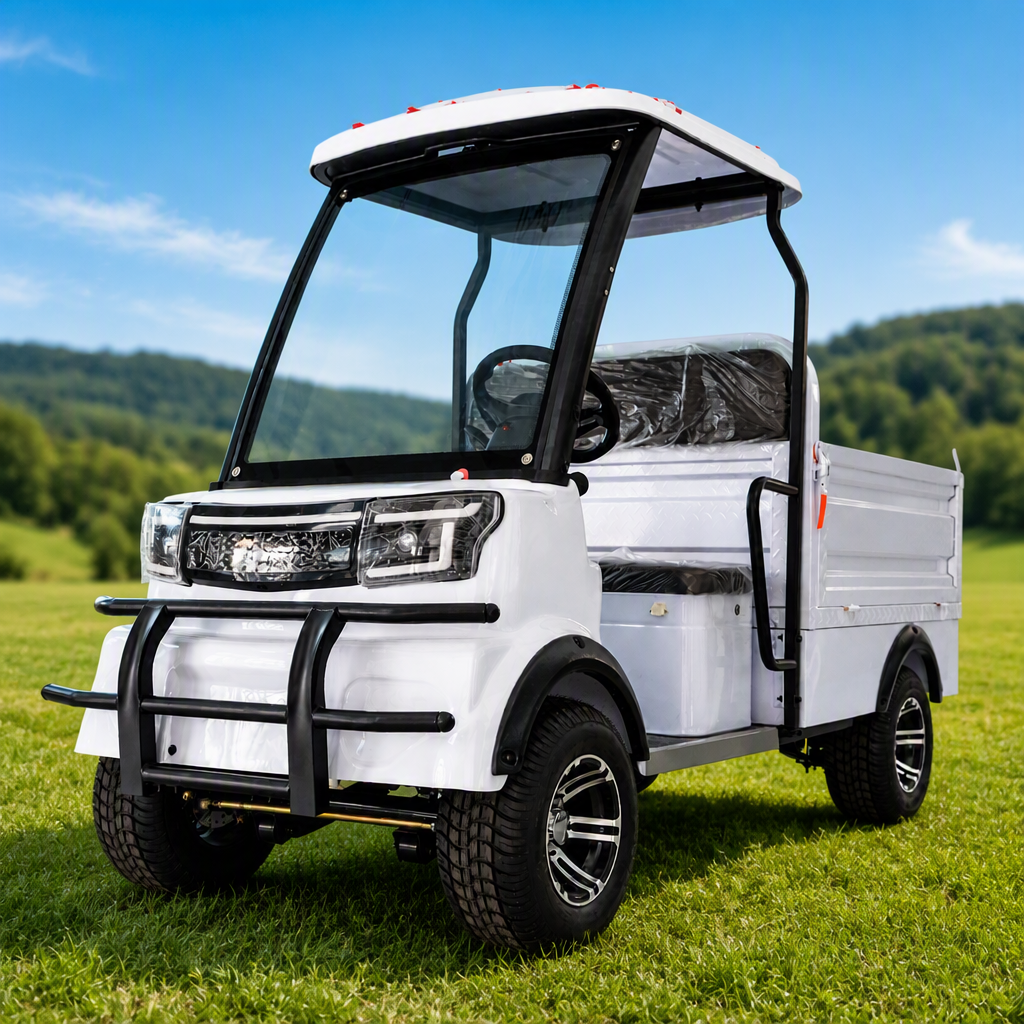
Four-wheel drive powertrain with off-road tread tires, all-weather protective canopy, and high-capacity flatbed cargo bed for heavy site logistics.
Get Catalog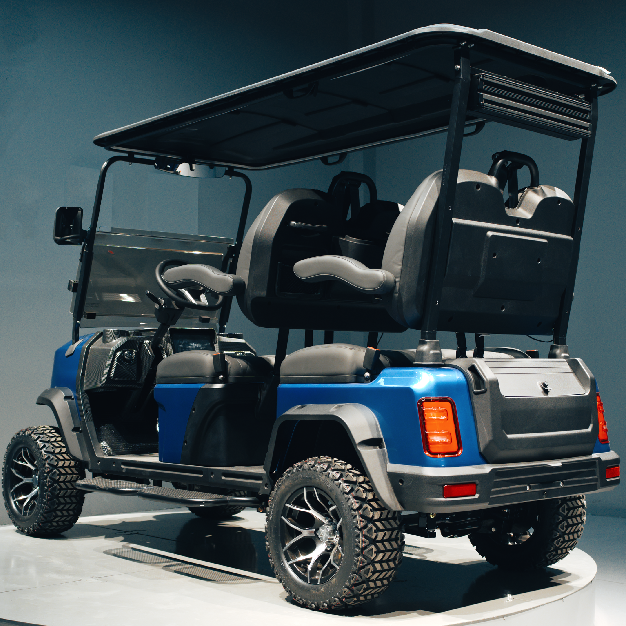
48V LiFePO4 battery pack providing 90 km range. Equipped with street-legal LED lighting, turn signals, hydraulic disc brakes, and seatbelts.
Get Catalog
Utility retail cart designed with hydraulic side windows, stainless steel counters, and modular cabinet storage for public parks and event spaces.
Get Catalog
Combines 3-4 passenger capacity with a spacious weather-sealed cargo box. Driven by a 48V high-efficiency AC brushless motor for commercial delivery.
Get Catalog
Customizable recreation and tourist kart with 75 km/h max speed, 200 kg load rating, high-discharge battery pack, and reinforced tubular safety cage.
Get CatalogTailored mobility configurations built to solve municipal, tourist, and industrial transportation needs.
The ancient quarters of Damascus (Bab Touma, Al-Hamidiyah) and Aleppo feature narrow stone-paved alleys, dense pedestrian traffic, and zero tolerance for tailpipe emissions or engine noise. Compact 4-to-8 seat electric shuttles with tight turning radiuses provide ideal passenger transport for residents, trade merchants, and visiting cultural delegations without structural risk to heritage masonry.
Beachfront hotels, private resorts, and marina complexes along Syria’s Mediterranean coastline demand premium guest transit. Vehicles deployed in these environments feature cathodic anti-corrosion chassis treatments to resist coastal salt spray. Open-air and luxury enclosed sightseeing shuttles provide quiet movement between accommodations, beach facilities, and dining venues.
Industrial complexes, port warehouses, and free-trade zones in Adra, Hassia, and Tartus require high-tonnage internal freight transport. Electric heavy-utility carts equipped with steel rear cargo boxes and 4WD drive systems lower operating overhead compared to diesel haulers, providing reliable multi-shift operation inside enclosed manufacturing bays.
Institutional facilities—such as Damascus University campus grounds and regional medical centers—require scheduled passenger shuttle loops. Low-speed high-capacity shuttles (ranging from 10 to 23 seats) ensure safe, accessible, and quiet mobility for students, staff, and medical patients across expansive grounds.
Analyzing key structural factors driving electric shuttle adoption in Syrian fleet management.
Due to periodic load-shedding and regional grid supply constraints in Syria, traditional reliance on grid power for vehicle charging can lead to operational bottlenecks. The modern fleet trend focuses on solar-assisted electric shuttles and dedicated PV charging station kits. By mounting high-efficiency monocrystalline solar panels directly onto the vehicle’s composite roof canopy, fleets can capture 15–20% of their daily energy requirements through ambient solar irradiation. For stationary fleets, off-grid battery energy storage systems (BESS) coupled with solar arrays ensure 100% continuous shuttle uptime regardless of municipal power availability.
Summer ambient temperatures in central and eastern Syria frequently exceed 42°C to 45°C. Battery thermal stability is critical for fleet longevity and safety:
| Performance Metric | Lithium Iron Phosphate (LiFePO4) | Deep-Cycle Flooded Lead-Acid | Maintenance-Free AGM Gel |
|---|---|---|---|
| Thermal Stability Threshold | High (>60°C thermal runaway point) | Moderate (Requires water monitoring) | Moderate (Prone to heat swelling) |
| Expected Cycle Life (80% DOD) | 3,500 - 5,000 Cycles | 500 - 800 Cycles | 700 - 1,000 Cycles |
| Energy Density & Weight | High (~140 Wh/kg) - Lightweight | Low (~35 Wh/kg) - Very Heavy | Low (~40 Wh/kg) - Heavy |
| Maintenance Requirement | Zero Maintenance (BMS Managed) | Weekly Distilled Water Top-off | Zero Maintenance |
| Syrian Operational Suitability | Optimal for Commercial Fleets | Entry-level / Low-budget light use | Moderate seasonal use |
Particulate airborne dust in inland Syria can accelerate wear on exposed mechanical joints and electrical controllers. Standard golf carts designed for pristine turf quickly experience component failure under rougher operational demands. Shuttle suppliers catering to Syria must implement IP67-sealed AC motor controllers, dust-proof suspension bushings, and fully enclosed wire harnesses. Furthermore, chassis frames require automotive-grade electrophoretic dip coating (EDP) to prevent underbody rust caused by road debris and harsh environmental exposure.
Integrated design, steel fabrication, assembly, and global export infrastructure.
Located in Tianqu Industrial Park, Dezhou, Shandong, CCB operates a fully integrated manufacturing facility inspected on-site by TÜV Rheinland. Unlike assembly-only suppliers, we control raw tube cutting, CNC bending, robotic welding, painting, and final testing under one roof.
We provide sample-based and design-based vehicle customization. Syrian procurement buyers can specify seating capacity (2 to 23 seats), drive options (2WD/4WD), voltage systems (48V, 60V, 72V), motor wattage (3kW to 10kW), body colors, and logo branding.
Every shuttle follows a 12-stage quality protocol: raw material inspection, tube cutting, machining, frame welding, polishing, anti-corrosion spraying, mechanical assembly, electrical wiring, functional testing, water-tightness testing, road trial, and final export packing inspection.
Key technical, logistical, and operational considerations when importing electric shuttles into Syria.
Our electric shuttles engineered for Middle Eastern export feature high-grade aluminum cooling heat-sinks on all AC controllers, thermally protected brushless induction motors, and optional LiFePO4 battery modules with built-in active Battery Management Systems (BMS). The BMS automatically regulates current output and monitors cell temperatures to prevent thermal throttling, ensuring stable operation in ambient temperatures exceeding 45°C.
Yes. CCB provides solar-compatible charge controller options across our passenger shuttle and utility cart lines. Fleet operators in Syria can charge vehicles via off-grid solar storage systems or order shuttles equipped with roof-integrated solar panels. Roof solar kits provide trickle-charging throughout daytime operation, extending operational range by up to 15-20 km per day.
Our minimum order quantity is 1 unit for sample evaluation and testing. For full commercial shipments, 20-foot and 40-foot High Cube (HQ) shipping containers are utilized. A 40HQ container can accommodate up to 4–8 units depending on vehicle length and knockdown (SKD/CKD) packaging preferences, minimizing ocean freight costs per unit.
CCB provides complete technical support documentation, exploded-view part catalogs, and schematic wiring diagrams with every order. For fleet orders, we supply a recommended 2-year wearable spare parts package (including brake pads, shock absorbers, light assemblies, and key switches). Engineering troubleshooting and diagnostic support are available remotely via our dedicated export desks.
For daily commercial service (such as tourist passenger transport or high-frequency resort loops), we strongly recommend our 72V LiFePO4 (Lithium Iron Phosphate) battery system. LiFePO4 offers over 3,500 charge cycles, zero maintenance requirement, fast-charging capability (2-3 hours), and significant weight savings over conventional lead-acid batteries.
Yes. Many CCB electric vehicle models are CE certified, meeting strict European safety, braking, lighting, and structural standards. Our manufacturing facilities are audited on-site by TÜV Rheinland, giving Syrian commercial buyers verified assurance of build quality and material compliance.
Partner with a verified electric shuttle manufacturer serving Syria. Contact our engineering team for customized vehicle specifications, container loading plans, and competitive wholesale quotations.
