Electric Shuttle Sightseeing Bus Suppliers & Exporter serving Seattle
Heavy-Duty, Zero-Emission Micro-Mobility Fleet Vehicles Engineered for Seattle's Steep Topography, Marine Climates, and Municipal Clean Air Standards.
Export Fleet Recommendation
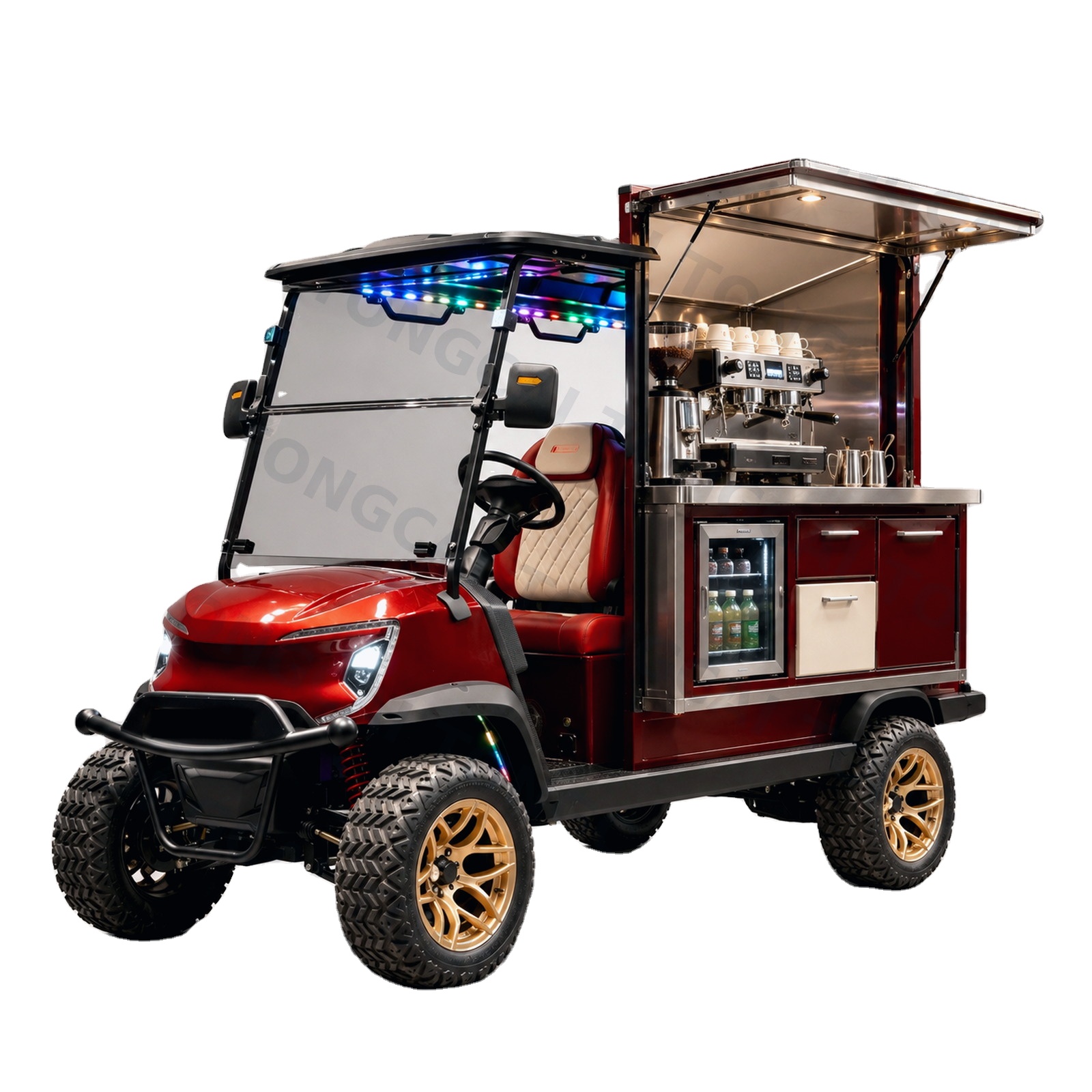
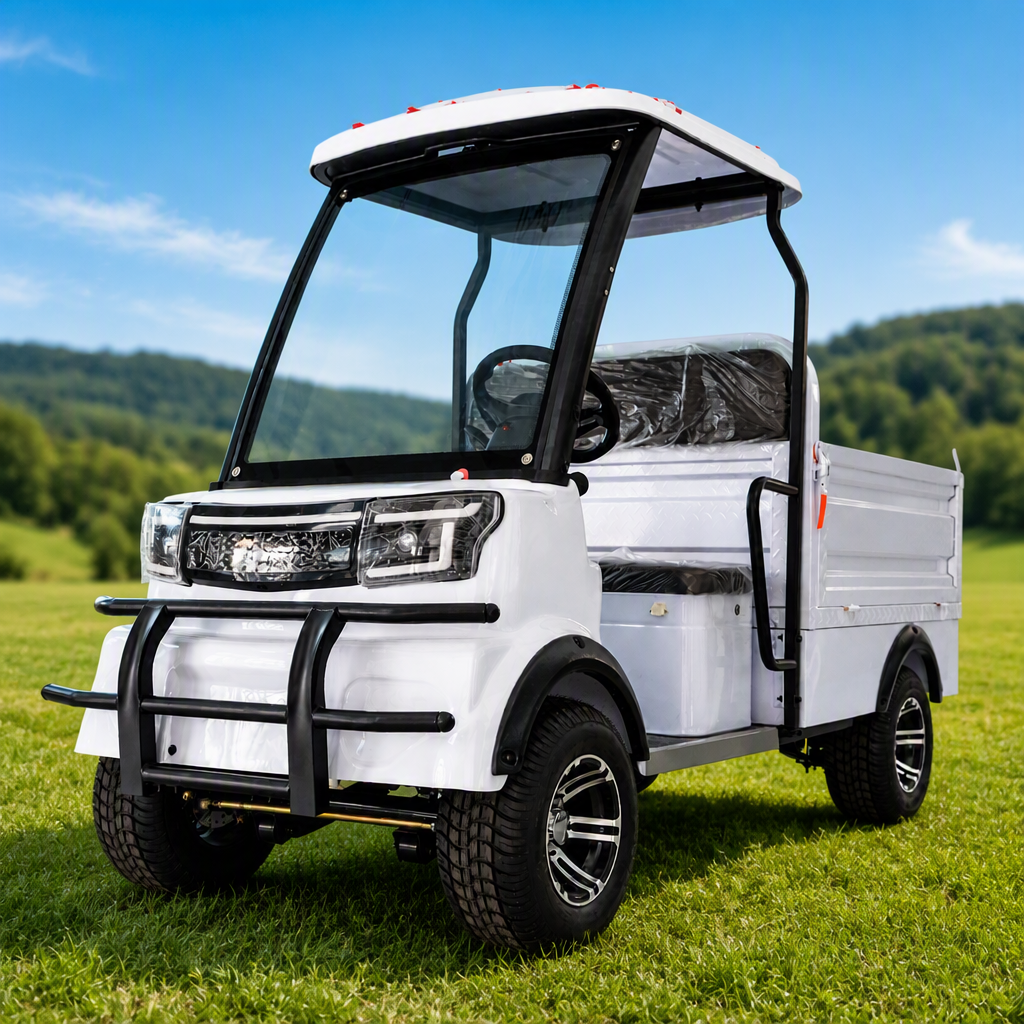
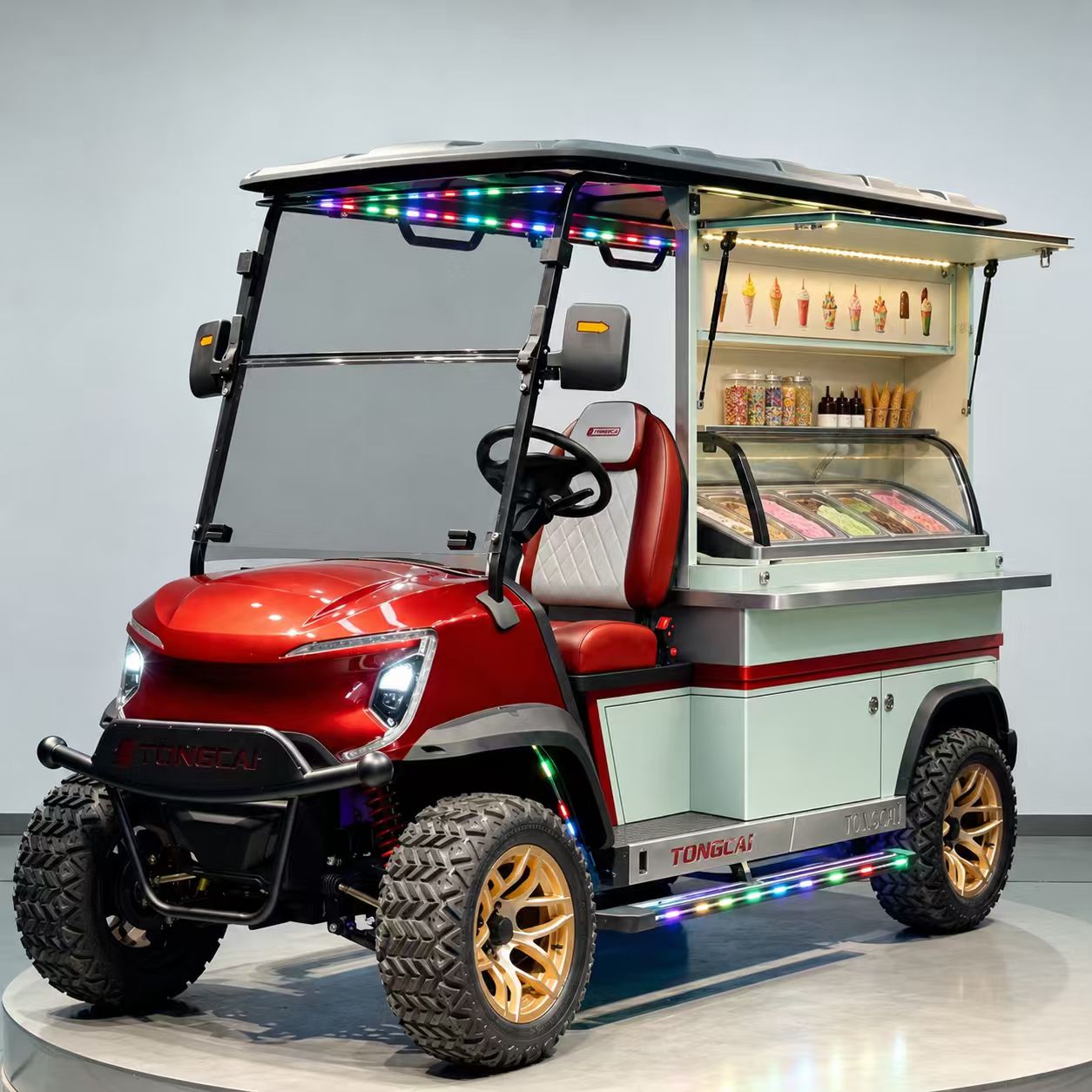
Heavy-Duty Electric Sightseeing & Vending Fleet Range
Factory-direct OEM/ODM electric shuttles, utility transport vehicles, and customized mobile vending units optimized for Seattle urban and commercial deployments.
Operating commercial electric shuttle buses and passenger transit fleets in the Greater Seattle area presents unique engineering challenges. Unlike flat grid cities, Seattle’s coastal topography features inclines ranging from 12% to 21% across districts such as Queen Anne, Capitol Hill, First Hill, and downtown corridors connecting Elliott Bay to Pike Place Market. Furthermore, the Pacific Northwest marine environment subjects vehicles to over 150 days of rain annually, continuous high humidity, and airborne marine salt from Puget Sound.
As a premier manufacturer and global exporter, Shandong CCB New Energy Machinery Co., Ltd. custom-engineers passenger sightseeing buses (ranging from 8 to 23 seats) specifically tailored for Seattle municipal transit operators, tour companies, tech campuses, and resort hospitality venues. By integrating high-torque AC synchronous/PMAC drive systems, IP67-rated waterproof electronics, hot-dip galvanized chassis frames, and advanced regenerative braking, CCB vehicles deliver uncompromised reliability and safety across the Pacific Northwest region.
High-Torque Hill-Climbing Powertrain
Equipped with 72V/96V high-efficiency AC motors (7.5kW to 15kW rated), paired with high-ratio helical gear transaxles capable of conquering sustained 20% slopes without thermal throttling.
Marine-Grade Anti-Corrosion Protection
Chassis frames undergo electrophoretic immersion coating (E-coat) plus hot-dip galvanizing and automotive-grade polyurethane topcoats to resist salt-air degradation along Puget Sound.
Smart Regenerative Descent Braking
Advanced motor controllers capture kinetic energy during downhill deceleration on steep Seattle streets, returning up to 18% charge back into the battery pack while preventing brake fade.
21%
Max Gradeability Torque
IP67
Weatherproof Enclosure
100+ km
Single Charge Range
3,500+
Lithium Battery Life Cycles
Localized Application Scenarios Across Greater Seattle
Seattle’s green transportation initiatives and aggressive zero-emission goals under the King County Clean Fleets Plan make low-speed electric shuttles (LSVs) and open/enclosed sightseeing buses the ideal transit medium. CCB electric shuttle buses serve diverse commercial and public use cases:
Waterfront & Cruise Terminals
Elliott Bay & Pier 66/91 Passenger Connectivity
Connecting cruise ship passengers arriving at Bell Street Pier or Smith Cove to Downtown Seattle and Pike Place Market. Open-air and panoramic clear-enclosure shuttles provide sightseers with unhindered views while offering shelter from sudden drizzle.
Cultural & Park Campuses
Seattle Center, Space Needle & Museum Loops
Zero-emission, low-noise passenger shuttles operating smoothly within pedestrian-dense zones at Seattle Center, Chihuly Garden, Museum of Pop Culture (MoPOP), and Woodland Park Zoo without disturbing park visitors or disturbing local air quality.
Corporate & Tech Headquarters
South Lake Union & Bellevue Tech Shuttle Fleets
Enclosed, climate-controlled 14-to-23-passenger electric buses providing rapid, predictable micro-transit for employees moving between multi-building tech campuses across South Lake Union, Downtown Bellevue, and Redmond.
Island & Eco-Tourism Transit
Bainbridge Island, San Juan & Resort Mobility
Providing island ferry terminals, boutique wineries, and eco-resorts with clean, silent group transportation that aligns with the Pacific Northwest's environmental protection standards.
Technical Comparison: CCB Heavy-Duty Electric Bus vs. Traditional Fleet Shuttles
Technical Parameter
CCB Custom Electric Sightseeing Bus
Standard Gas/Diesel Shuttle
Conversion Fleet Golf Carts
Slope Gradeability
20% – 25% (High-torque AC)
15% – 18% (Gear torque lag)
10% – 12% (Motor overheating risk)
Corrosion Resistance
Hot-Dip Galvanized + E-Coat
Standard painted steel (Rust prone)
Basic powder-coated aluminum/steel
Braking System
Hydraulic 4-Wheel Disc + Regen
Standard hydraulic drum/disc
Mechanical rear drum brakes
Battery System
LiFePO4 (Thermal Heating BMS)
12V Starter Battery only
Standard Lead-Acid (Deep discharge penalty)
Operating Cost / Mile
~$0.04 USD / mile
~$0.38 USD / mile
~$0.09 USD / mile
Weather Enclosures
Modular Marine-Grade Roll-up/Doors
Fixed metal body structure
Basic plastic rain curtains
Pacific Northwest Electric Transit & Sustainability Trends (2025–2030)
The Pacific Northwest is leading North America in green fleet mandates. Under Washington State’s zero-emission targets and local municipal guidelines established by the Seattle Department of Transportation (SDOT), commercial fleet operators are required to transition from internal combustion engines to electrified platforms. Electric sightseeing shuttles not only fulfill these regulatory requirements but also dramatically reduce Total Cost of Ownership (TCO).
By eliminating oil changes, fuel filters, exhaust system maintenance, and engine wear, fleet owners in Seattle achieve up to 75% savings in lifetime maintenance costs. Furthermore, with Seattle City Light offering clean hydroelectric energy at competitive commercial electricity rates, charging an electric shuttle overnight costs a fraction of refuel charges for gas-powered passenger vans.
Shandong CCB New Energy Machinery Co., Ltd. - Enterprise Authority
Located in Dezhou, Shandong, China, Shandong CCB New Energy Machinery Co., Ltd. operates a state-of-the-art 14,200 m² manufacturing facility dedicated to electric golf carts, utility task vehicles (UTVs), vintage luxury classic cars, and electric shuttle buses. As a TÜV Rheinland on-site verified manufacturer, CCB enforces rigorous quality control across every stage of production—from raw steel tube laser cutting, automated pipe bending, and robotic welding to final electrical safety and road testing.
14,200 m² Manufacturing Facility
Self-owned industrial production base equipped with automated laser cutters, CNC bending machines, paint lines, and vehicle assembly stations.
TÜV Rheinland Verified
On-site audited factory compliance ensuring raw material traceability, structural safety standards, and global export certification readiness.
Complete OEM/ODM Flexibility
Custom seat layouts (8 to 23 seats), custom body colors, lithium battery sizing, wheelchair ramps (ADA compliant), and branding graphics.
Frequently Asked Questions for Seattle & Pacific Northwest Buyers
Common technical, regulatory, and logistics queries from fleet managers, commercial buyers, and transit operators importing electric shuttle buses to Washington State.
Can CCB electric shuttle buses handle Seattle's steep hills (e.g., Queen Anne, 18%+ grades)?
Yes. We configure vehicles intended for hill-heavy geography like Seattle with high-torque 72V or 96V AC synchronous motors (up to 15kW peak) and heavy-duty motor controllers (Curtis or Enpower). Combined with custom final-drive gear ratios and hill-start assist, our shuttles can smoothly ascend and stop on slopes up to 25% grade without rolling backward or overheating.
How do your electric vehicles withstand Seattle’s continuous rain and salt-air moisture?
Every chassis is built using thick steel tubing treated with electrophoretic coating (E-coat) followed by hot-dip galvanizing or zinc-rich primer. All electrical wiring harnesses use sealed IP67-rated waterproof connectors, controller boxes are weather-sealed, and passenger seating utilizes marine-grade anti-mildew vinyl designed to withstand constant ambient moisture without degrading.
Are these electric vehicles street-legal for low-speed municipal roads in Washington State?
We offer DOT/FMVSS 500 compliant low-speed vehicle (LSV) packages that include safety glass windshields with wipers, seat belts for all passengers, headlights, turn signals, high-mount brake lights, horn, side mirrors, and VIN stamping. These enable registration as low-speed vehicles for use on public roads with posted speed limits of 35 mph or less (subject to SDOT and local municipal codes).
What battery options perform best in Seattle’s cooler winter climate?
We strongly recommend our CATL or EVE LiFePO4 (Lithium Iron Phosphate) battery packs equipped with an integrated Battery Management System (BMS) and internal thermal heating pads. This system ensures consistent discharge performance, fast charging, and stable range retention even when temperatures drop to 35°F–40°F (1°C–5°C) during PNW winters.
How are vehicles shipped to Seattle, and what is the lead time?
Vehicles are securely packed in steel crate frames within standard 20ft or 40ft High Cube containers and shipped directly from Qingdao/Qingdao port to the Port of Seattle or Port of Tacoma. Manufacturing lead time typically ranges from 15 to 25 days depending on customization, with sea freight transit to the US West Coast taking approximately 14 to 18 days.
What warranty and spare parts support do you provide to US importers?
We provide a 5-year warranty on lithium battery packs, 2-year warranty on the motor and controller, and 1-year warranty on structural chassis components. Replacement spare parts (relays, brake pads, switches, glass, lights) are shipped via express air freight (DHL/FedEx) within 48 hours to ensure your commercial fleet experiences zero operational downtime.
Ready to Electrify Your Seattle Sightseeing or Shuttle Fleet?
Contact our engineering and export team today to request custom vehicle CAD drawings, detailed technical spec sheets, or a competitive factory-direct quote tailored to your local operational requirements.
 Deutsch
 Português
 Español
 Français
 Italiano
 Русский
 한국어
 日本語
 العربية
 ไทย
 Tiếng Việt
 Türkçe
 Nederlands
 Indonesia
 עברית
 हिन्दी