Strategic Overview: The Rapid Electrification of Commercial Mobility in the Greater Seoul Area
The Metropolitan Seoul market—encompassing Seoul City, Incheon, and Gyeonggi Province—represents one of Asia’s most demanding environments for light electric vehicles (LEVs), utility low-speed vehicles (LSVs), and commercial electric golf carts. As South Korea accelerates its transition toward carbon neutrality under the K-EV100 (Korean Eco-Friendly Car Fleet 100) initiative, municipal planners, golf resort operators, corporate campuses, and micro-mobility entrepreneurs are turning to specialized electric cart factories capable of delivering customized, heavy-duty, and weather-resilient vehicle architectures.
Deploying electric golf carts and specialized electric utility vehicles in Seoul introduces distinct technical requirements. Unlike flat, sun-drenched golf courses in southern latitudes, South Korea’s topography features dramatic elevation changes, mountainous golf courses (often exceeding 25-degree inclines), cold winter climates with freezing temperatures reaching -15°C, and stringent national regulatory safety expectations. To serve the Seoul market effectively, electric golf cart factories must transcend off-the-shelf catalog manufacturing. They require sophisticated engineering control over frame metallurgy, lithium battery thermal management, high-torque AC motor calibration, and custom bodywork.
14,200 m²
TÜV Verified Manufacturing Base
35% Grade
Hill-Climbing Incline Capacity
IP67
Waterproof Harness & Motor Seal
100% OEM
Customization for Local Dealers
As a verified direct-factory manufacturer, Shandong CCB New Energy Machinery Co., Ltd. serves as a premier OEM/ODM supplier for South Korean fleets and commercial distributors. Operating from our advanced 14,200 m² production facility in Dezhou, Shandong, we bridge the gap between heavy industrial manufacturing excellence and the bespoke localized specifications demanded by Seoul’s commercial operators.
Localized Application Scenarios across Seoul & Gyeonggi-do Commercial Sectors
Electric golf carts have evolved beyond simple fairway transportation. In Seoul's modern urban and commercial ecosystem, our factory-direct electric carts and customized mobile utility platforms fulfill a vast spectrum of specialized applications:
Mountain Golf Courses & Luxury Resorts
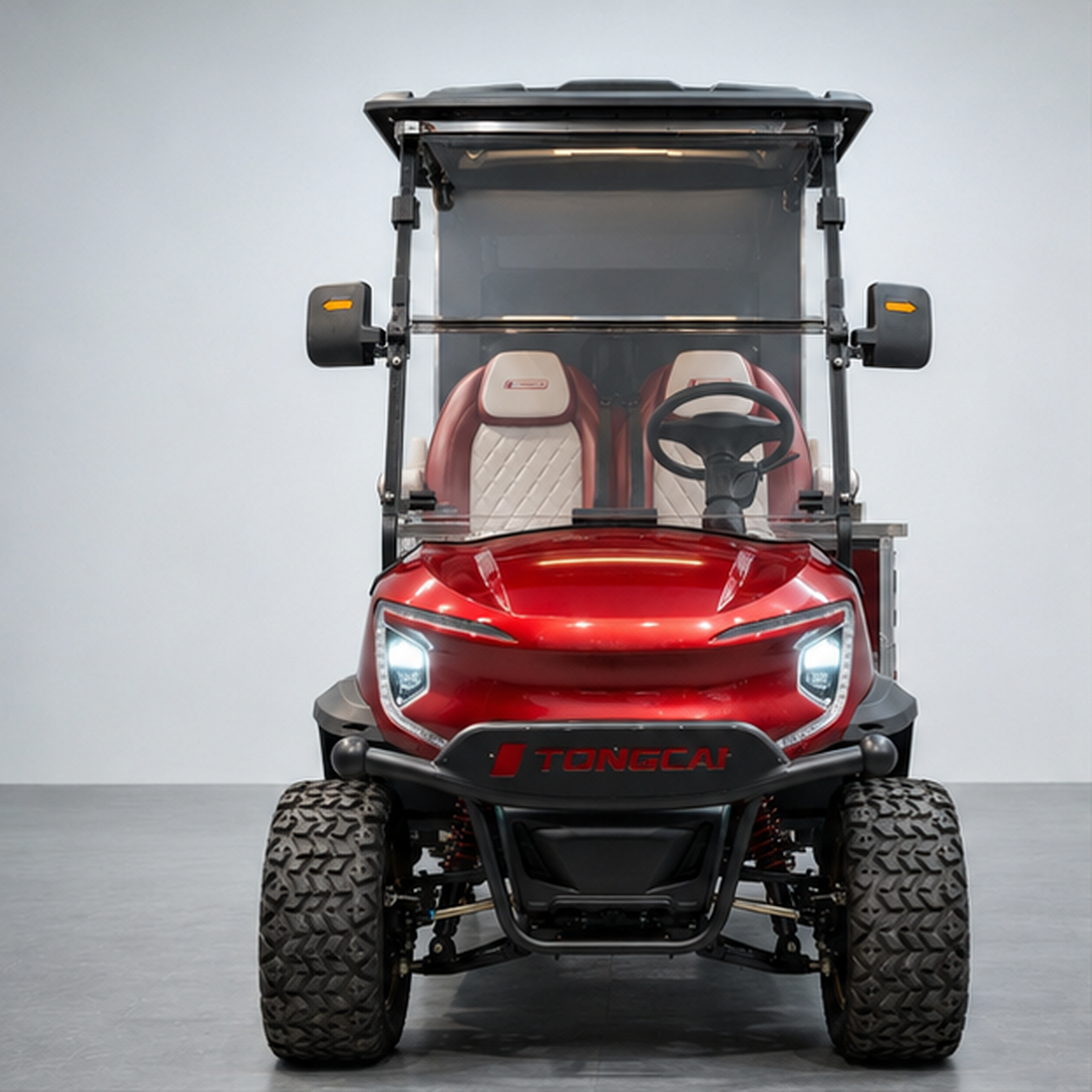
South Korean golf courses in regions like Gapyeong, Yongin, and Pyeongchang require high-torque 72V AC motor systems with regenerative downhill braking. Our lifted 4WD and 4-6 seat luxury lithium carts navigate steep cart paths flawlessly while ensuring passenger comfort.
Urban Vending & Micro-Retail Fleets
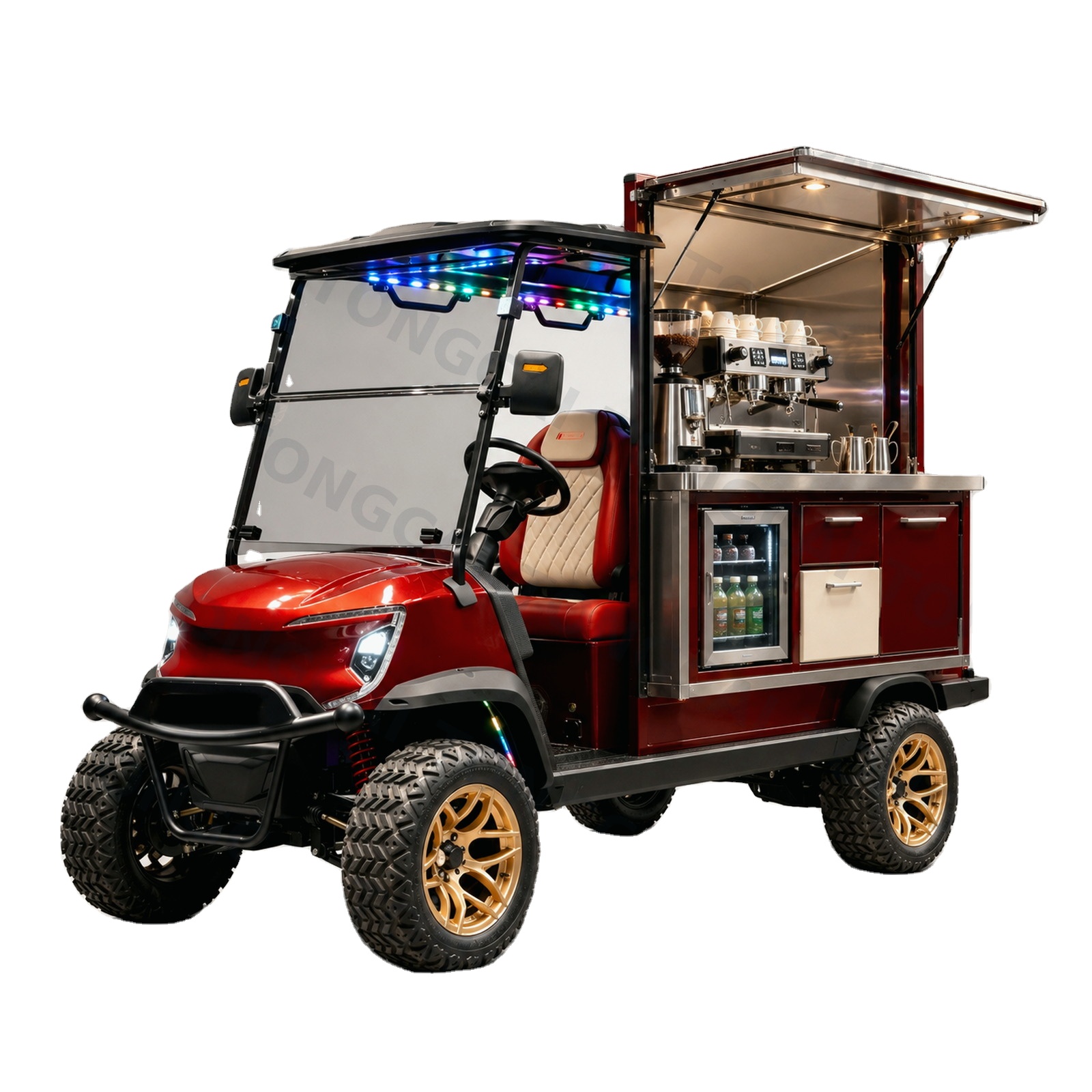
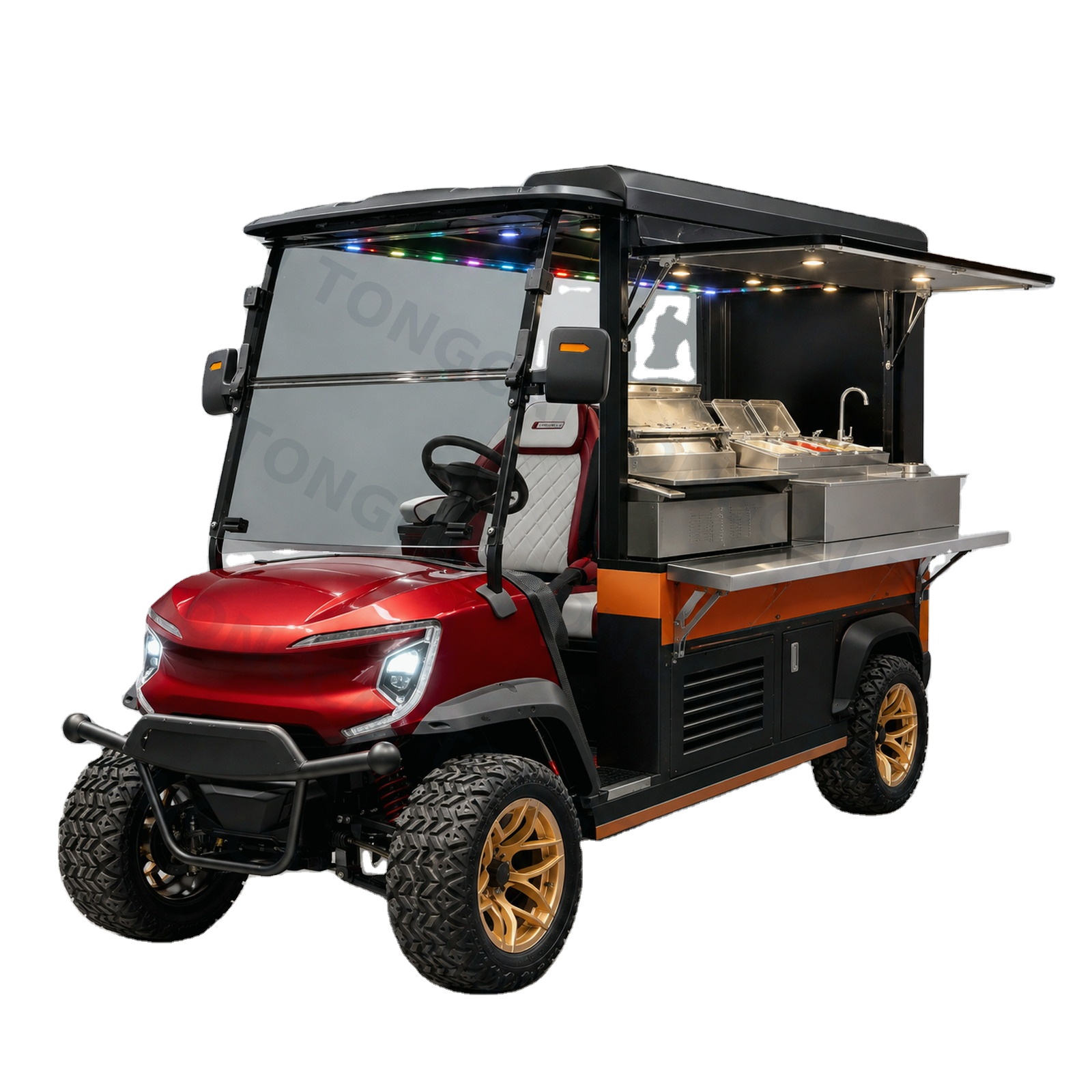
In high-density commercial hubs such as Myeongdong, Seongsu-dong, and along the Yeouido Hangang River Park, our customized golf-cart-style mobile food trucks, waffle carts, and dessert vending vehicles provide eco-friendly, zero-emission mobile storefronts.
Smart Industrial Parks & Logistics Hubs
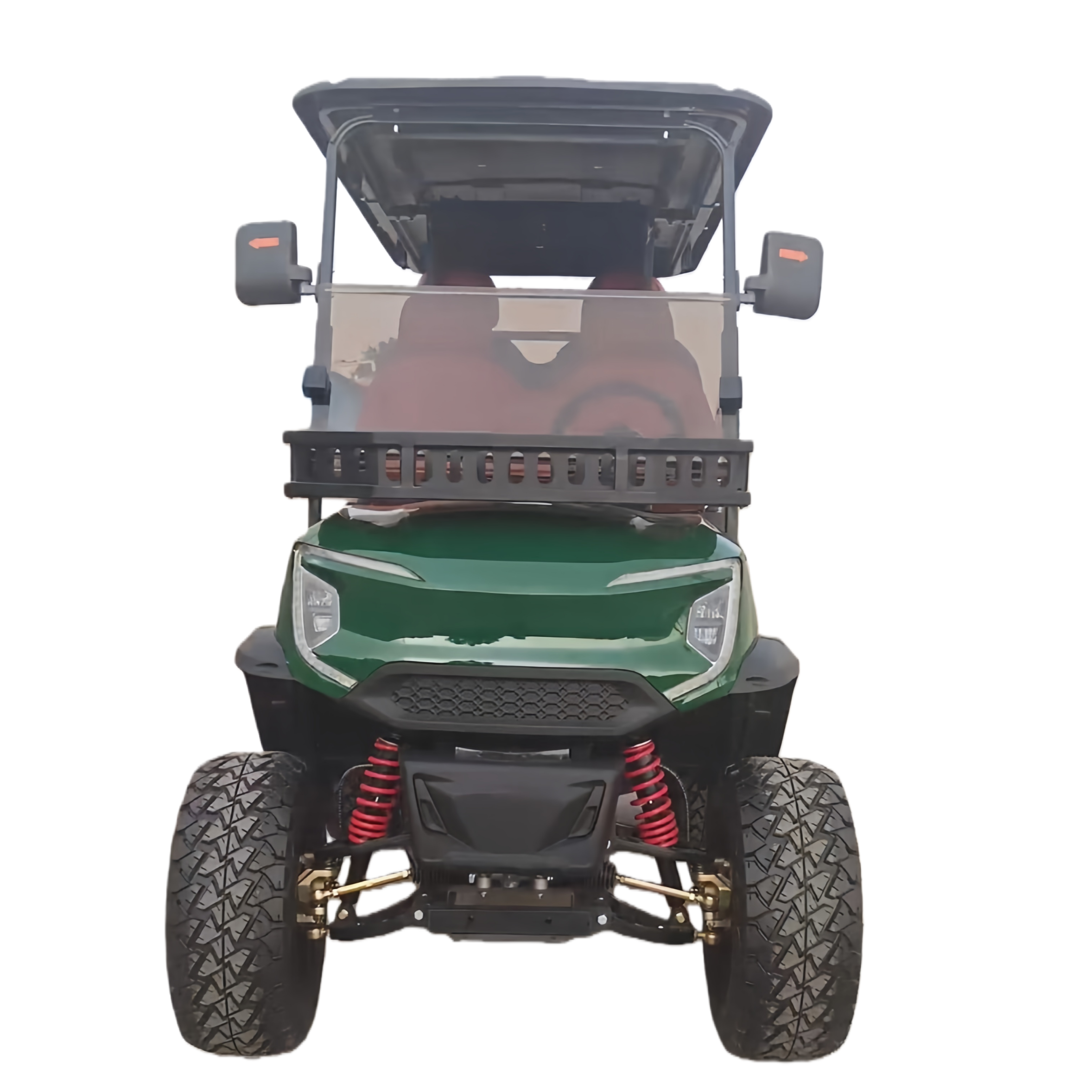
Major distribution centers and high-tech manufacturing complexes in Incheon and Pangyo Techno Valley utilize our high-speed utility cargo golf carts (equipped with rear steel cargo boxes) for rapid zero-emission intra-facility transport and express parcel sorting.
Heritage Tourism & Municipal Parks
For historical sites near Gyeongbokgung, Namsan Park, and eco-tourism zones, our street-legal 11-14 seater electric vintage classic cars provide quiet, elegant, passenger-friendly transportation lined with premium anti-corrosion exterior coatings and hand-stitched leather seating.
Gated Residential & University Campuses
Prestigious university campuses (such as Seoul National University and Yonsei) and ultra-luxury residential complexes in Hannam-dong rely on silent 4-6 seat LSV golf carts for security patrols, facility maintenance, and guest transit.
Solar-Assisted Eco-Fleets
To maximize operational uptime, commercial fleet operators are adopting our solar-roof electric golf carts. Integrated photovoltaic roof panels continuously trickle-charge the battery pack, extending daily driving range by up to 20-25% during summer operations.
Engineering for South Korea: Low Temperatures, High Inclines & Safety Compliance
Deploying electric vehicles in South Korea demands specialized structural and electrical engineering to ensure longevity, battery safety, and driver performance. Shandong CCB New Energy Machinery Co., Ltd. incorporates localized technical upgrades across all factory runs destined for Seoul:
1. Sub-Zero Thermal Management for LiFePO4 Batteries
Seoul’s sub-zero winters can drastically diminish standard battery output and slow down chemical reactions during charging. Our Seoul-spec vehicles utilize CATL / EVE grade-A Lithium Iron Phosphate (LiFePO4) chemistry integrated with an intelligent Battery Management System (BMS) featuring integrated heating pads. When connected to a charger in freezing conditions, the automated BMS pre-heats the battery cells to optimal temperature before initiating charge cycles, preventing lithium plating and maintaining full operational range year-round.
Standard flat-land golf carts utilize 3.5kW motors that overheat on sustained mountain climbs. For the Korean landscape, our factory fits heavy-duty 5.0kW to 7.5kW brushless AC induction motors paired with high-efficiency Curtis or Enpower vector AC controllers. Combined with 4.8:1 high-torque rear axle gear ratios, our carts effortlessly climb sustained 30% to 35% grades even when fully loaded with 6 passengers or 500kg of cargo.
South Korea experiences intense summer monsoon rains (Jangma) and coastal humidity around Incheon and Busan. Every steel chassis produced in our factory undergoes a multi-stage process: automated CNC laser cutting, robot-assisted MIG welding, shot blasting, electrophoretic immersion coating (E-coat), and automotive-grade electrostatic powder painting. All electrical wiring harnesses utilize IP67 sealed waterproof connectors, preventing short circuits during torrential downpours.
Performance Specification
Standard Export Configuration
Seoul / Korea High-Spec Configuration
Battery Technology
48V Maintenance-Free Lead-Acid
48V / 60V / 72V LiFePO4 with Internal Self-Heating BMS
Automotive E-Coat + Powder Coating (1,000hr Salt Spray Tested)
Ingress Protection (IP)
IP54 Standard Wiring
IP67 Sealed Harness, Waterproof Controller & LED Pods
Braking Architecture
Rear Mechanical Drum Brakes
Four-Wheel Hydraulic Disc Brakes + EM Park Brake
Factory-Direct Advantage: Shandong CCB New Energy Machinery Co., Ltd.
When sourcing electric golf carts, commercial buyers must distinguish between trading intermediaries and true manufacturing enterprises. Shandong CCB New Energy Machinery Co., Ltd. is an on-site verified manufacturer by TÜV Rheinland, maintaining complete control over the entire fabrication life cycle across our 14,200 m² modern production base.
Unlike assembly-only shops, our facility houses comprehensive raw material processing machinery. We maintain 12 strict in-house manufacturing and quality control stages, ensuring every frame, body shell, and electrical system meets rigorous international standards:
02. Precision Machining: Suspension mounting brackets and steering pivot assemblies are CNC machined for zero-play fitment.
03. Automated CNC Pipe Bending: Roof supports, roll cages, and bumper guards are contoured cleanly without wall thinning.
04. Robotic Fixture Welding & Polishing: Frame seams are 100% full-penetration welded on robotic jigs and ground smooth.
05. Multi-Stage Surface Treatment & Spraying: Anti-corrosion electro-coating followed by UV-resistant baked paint finishing.
06. Primary Chassis Assembly (Stage I): Heavy drivetrain installation—transaxle, motor, front independent suspension, and hydraulic brake lines.
07. Secondary Vehicle Assembly (Stage II): Mounting custom injection-molded body panels, ergonomic seating, lithium packs, and smart digital dashboards.
08. Comprehensive Electrical Inspection: Testing wire resistance, BMS communication protocols, lighting arrays, and safety cutoff switches.
09. Automated Sheet Metal Stamping: Custom steel cargo boxes and vending body panels formed on high-tonnage hydraulic presses.
10. Structural Panel Bending: Precision bending for commercial food-cart shelving, serving windows, and storage compartments.
11. Hydraulic & Pneumatic Line Calibration: Pressure testing dual-circuit hydraulic brake systems and vacuum power assist units.
12. Final Quality Control (FQC) & Track Testing: Every completed vehicle undergoes a 5km obstacle track test, slope hold test, and rain-chamber leak check before packing.
Key Market Trends Shaping Golf Cart & Utility LEV Adoption in Seoul
Importers, local distributors, and fleet buyers in Seoul must align their purchasing strategies with emerging market forces shaping the South Korean commercial EV sector:
1. Transition from Lead-Acid to Lithium
Korean fleet operators are rapidly phasing out heavy, toxic lead-acid batteries. LiFePO4 packs offer 3,500+ charge cycles (compared to 500 cycles for lead-acid), zero maintenance, fast 2-hour charging, and a 60% reduction in battery weight, resulting in significantly lower turf compaction on golf courses.
2. Boom in Street-Legal & Micro-Commercial Vehicles
With rising urban density and e-commerce demands, small electric utility trucks and food vending carts are replacing noisy combustion vehicles. Customized electric bakery, waffle, and coffee carts are becoming iconic fixtures across Seoul’s night markets and pop-up retail districts.
3. Demand for OEM Private-Label Branding
South Korean equipment distributors require full OEM customization—including custom automotive color paint matching (Pantone/RAL), localized Korean display menus on digital LCD dashboards, custom badge embroidery, and unique LED light signatures to establish distinct brand identities.
Frequently Asked Procurement Questions for Seoul & Korean Importers
What is the minimum order quantity (MOQ) for shipping to South Korean ports?
We support sample orders starting from 1 unit for market testing, quality verification, and local certification trials. For full-container orders (20ft GP / 40ft HQ), we offer custom mixed-model loading plans—allowing distributors to combine 4-seater golf carts, lifted off-road models, and mobile food carts within a single container shipment to Incheon or Busan ports.
Are your chargers compatible with South Korea’s 220V / 60Hz electrical grid?
Yes, absolutely. All electric golf carts and vending vehicles configured for the Korean market are supplied with smart, waterproof onboard chargers built to 220V / 60Hz single-phase input standards, equipped with standard South Korean Type C/F plugs. Fast DC-to-DC charger upgrades are also available for commercial lithium operations requiring rapid 1-2 hour top-offs.
How do you support KC certification and local regulatory documentation?
Many of our flagship models are CE certified, and our manufacturing facilities are verified on-site by TÜV Rheinland. For South Korea, we provide comprehensive technical documentation—including electromagnetic compatibility (EMC) test reports, LiFePO4 battery UN38.3 & MSDS sheets, complete schematics, and wiring diagrams to streamline local KC safety certification and customs clearance processes for our distributors.
What post-sales spare parts and engineering support do you provide to dealers?
We supply comprehensive spare parts packages with every container order (including wear items such as brake pads, tire assemblies, solenoids, controllers, and wiring modules). Furthermore, our dedicated international engineering desk provides remote diagnostic support, video troubleshooting, and detailed service manuals so local Korean maintenance teams can service vehicles efficiently.
Empower Your Seoul Fleet with Factory-Direct Electric Carts
Partner with Shandong CCB New Energy Machinery Co., Ltd. for verified TÜV manufacturing quality, localized engineering customization, and competitive direct pricing.
 Deutsch
 Português
 Español
 Français
 Italiano
 Русский
 한국어
 日本語
 العربية
 ไทย
 Tiếng Việt
 Türkçe
 Nederlands
 Indonesia
 עברית
 हिन्दी