Technical Whitepaper
Engineering Lifted Electric Golf Carts for Jakarta’s Micro-Climates and Terrain
Why off-the-shelf standard golf carts fail in Jabodetabek, and how Shandong CCB’s heavy-duty lifted architecture solves tropical corrosion, monsoon flooding, and extreme heat degradation.
The Greater Jakarta metropolitan region (Jabodetabek)—encompassing North Jakarta coastal developments like Pantai Indah Kapuk (PIK 1 & 2), hilly southern townships in Sentul Highlands, and expansive industrial parks in Cikarang—presents a harsh operational environment for electric low-speed vehicles (LSVs). Standard golf carts engineered for temperate North American or European golf courses frequently suffer from chassis rust, electrical short circuits during monsoon flash floods, and severe battery thermal throttling due to Jakarta’s year-round ambient temperatures of 28°C to 35°C with relative humidity exceeding 85%.
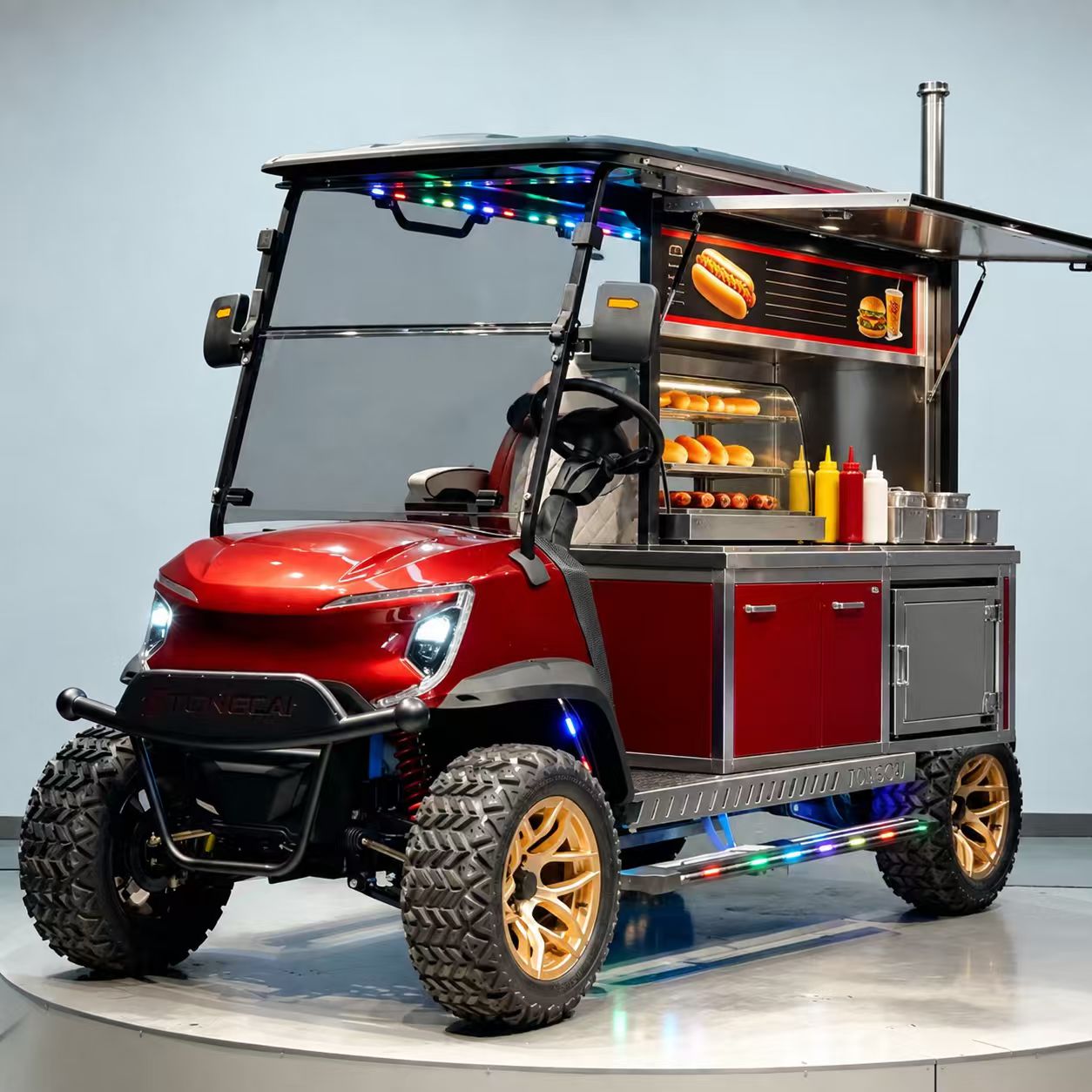
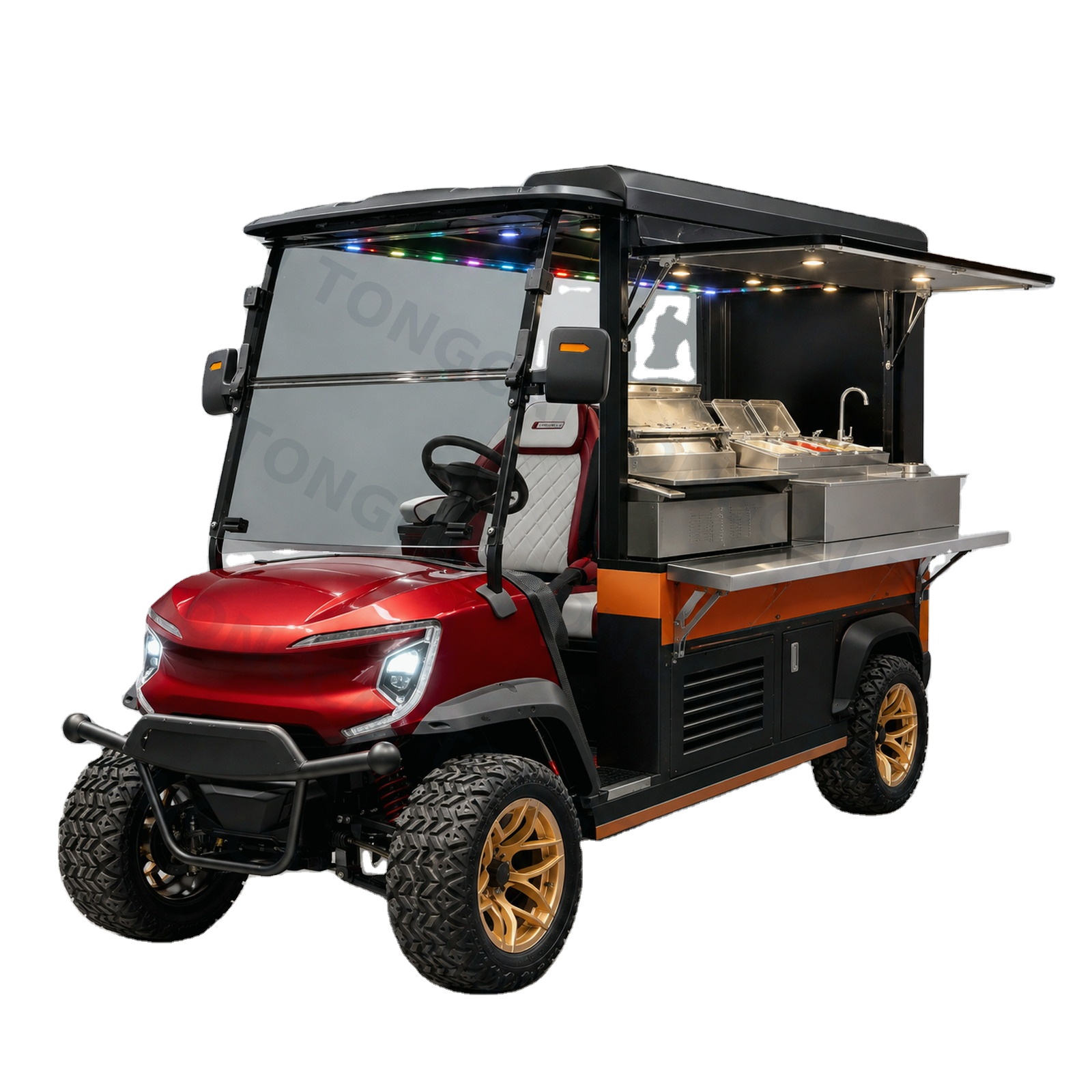
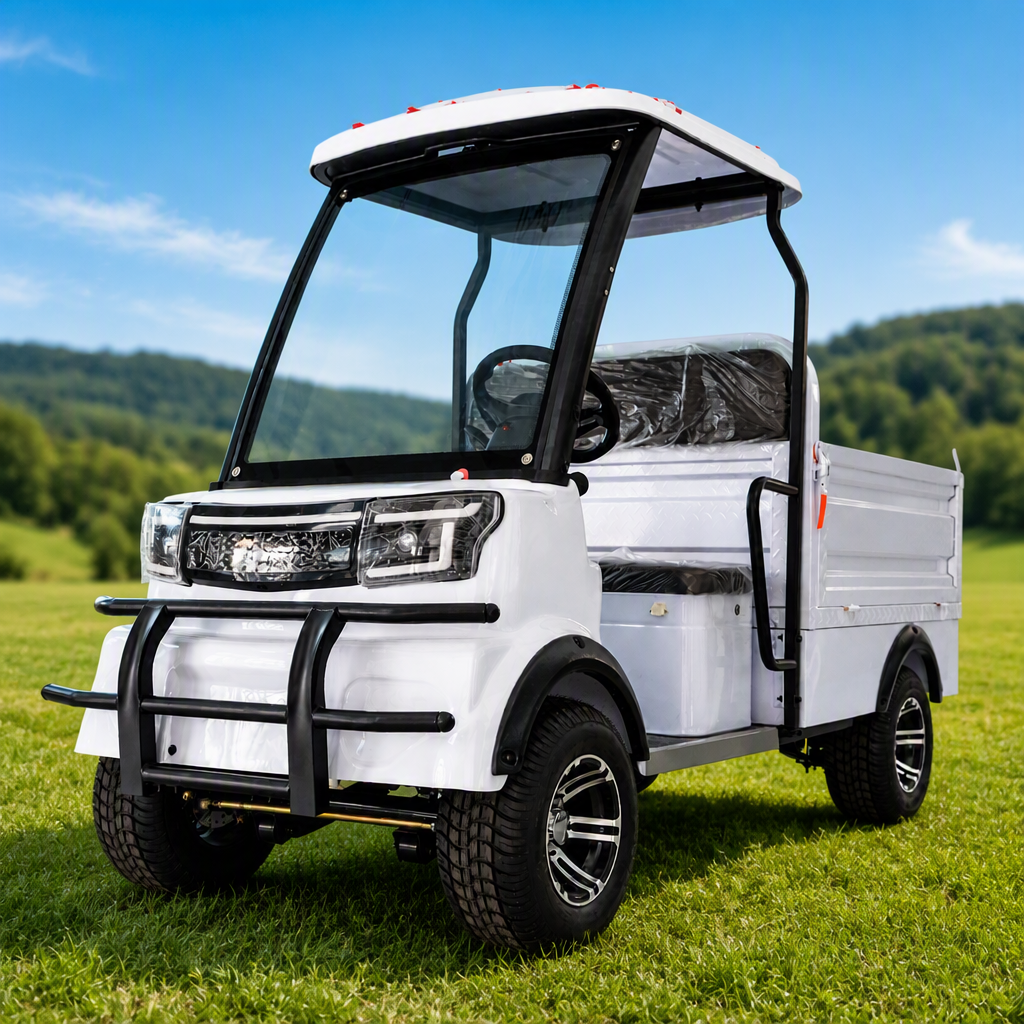
As a leading custom manufacturer based in Shandong, China, Shandong CCB New Energy Machinery Co., Ltd. has engineered a specific export line of Lifted 4WD Electric Golf Carts and Utility Vehicles customized specifically to overcome Indonesia's tropical operational challenges. Through structural frame reinforced zinc-dip electrophoretic coating, elevated ground clearance (up to 280mm), and smart LiFePO4 battery active cooling BMS, our vehicles deliver zero-downtime reliability for commercial operators, luxury developers, and resort managers across Jakarta.
1. Chassis Elevation & Suspension Architecture for Monsoon Resilience
Jakarta’s heavy monsoon rains regularly create standing water levels of 100mm to 200mm across resort pathways, estate roads, and industrial parks. Standard low-clearance golf carts submerge their electric transaxles and brake assemblies, leading to rapid motor burnouts and corrosion.
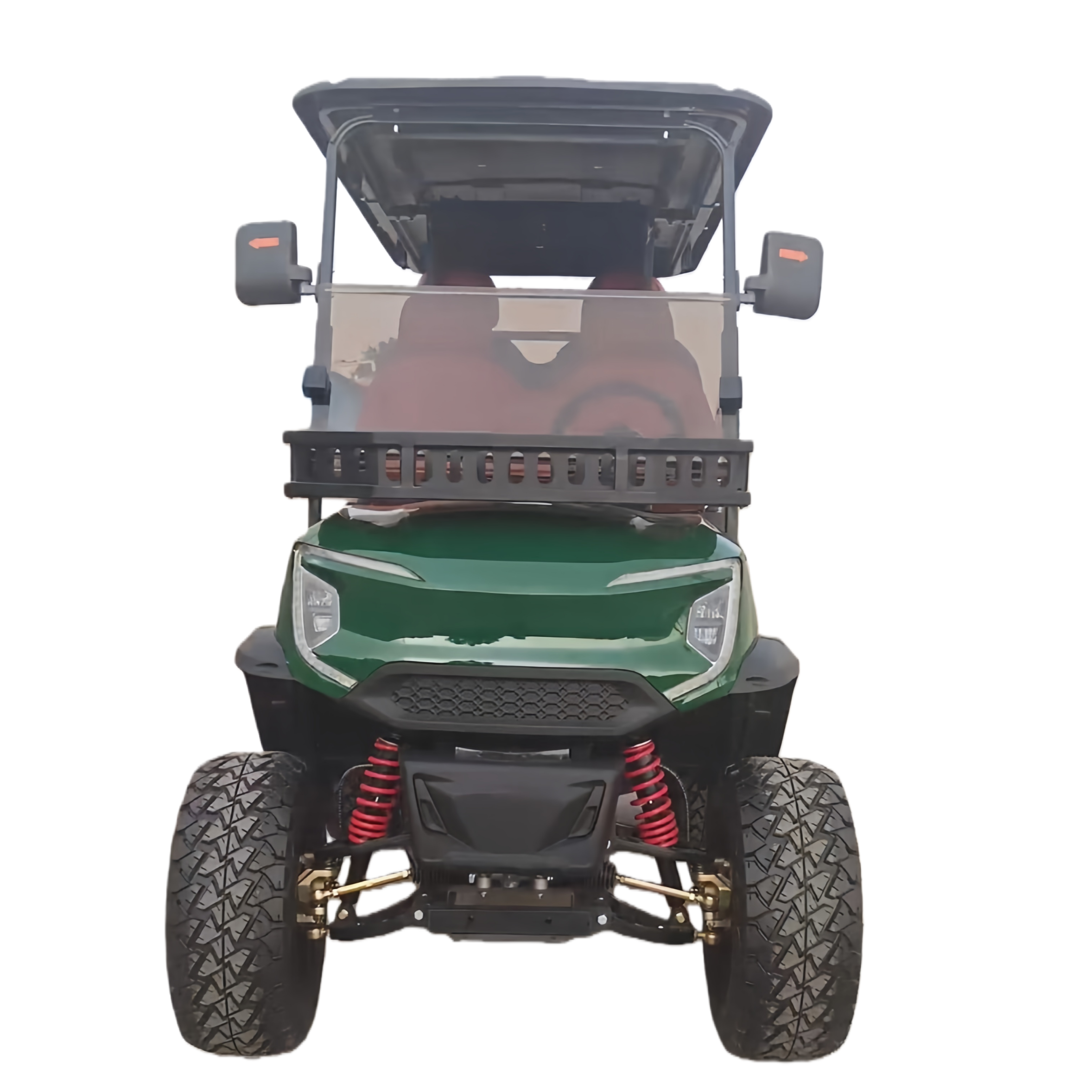
- 6-Inch to 8-Inch Heavy-Duty Factory Lift Kits: Our lifted fleet utilizes heavy-duty aluminum and high-tensile steel lift assemblies that raise the frame ground clearance to 220mm–280mm, ensuring safe clearance over flash-flooded pathways and steep speed bumps prevalent in Jakarta residential clusters.
- Independent Double A-Arm Front Suspension: Paired with hydraulic coil-over shock absorbers, our suspension absorbs uneven pavement, gravel, and unpaved resort trails in Bogor and Sentul without compromising passenger comfort or chassis alignment.
- Four-Wheel Hydraulic Disc Brakes: Unlike traditional mechanical drum brakes that lose stopping power when wet, our sealed hydraulic disc brake systems maintain instant stopping responsiveness even after navigating through waterlogged terrain.
Electrophoretic Frame Protection
Double-layer cathodic electro-coating prevents salt spray oxidation in coastal North Jakarta (PIK 2, Ancol) and resists chemical breakdown from humid urban smog.
LiFePO4 Lithium Thermal Safety
Grade-A LiFePO4 cells featuring IP67 sealed battery boxes and intelligent thermal management BMS, rated for 3,500+ charge cycles at high tropical temperatures.
High-Torque 72V AC Powertrains
Maintenance-free 5kW to 7.5kW AC brushless motors engineered to climb 25% to 30% inclines in hilly Sentul and Bandung resort destinations with full passenger loads.
2. Advanced Lithium Battery (LiFePO4) vs. Lead-Acid Deployment in Indonesia
While traditional lead-acid battery carts carry a lower initial purchase cost, their lifespan in Jakarta’s heat drops drastically to under 18 months due to rapid electrolyte evaporation and thermal runaway. Shandong CCB equips all export-bound Jakarta models with high-density Lithium Iron Phosphate (LiFePO4) battery packs that deliver a 5-to-7-year service life.
Equipped with an integrated 220V/50Hz onboard smart charger compatible with standard Indonesian PLN power sockets (Type C and F plugs), our vehicles recharge from 20% to 100% in under 3.5 hours. Furthermore, our regenerative braking systems capture kinetic energy during downhill descents in hilly terrains, boosting total driving range per charge to over 90 km.
Strategic Market Insights
Macro Trends Driving Electric Golf Cart Adoption in Indonesia (2025–2030)
Understanding the regulatory shift, zero-tariff trade frameworks, and commercial drivers accelerating eco-mobility across the Indonesian archipelago.
Indonesia’s push toward net-zero emissions—codified under Presidential Regulation (Perpres) No. 55/2019 concerning the Acceleration of Battery Electric Vehicle Programs—has expanded far beyond highway electric cars. Commercial sectors, municipal parks, resort operators, and private real estate conglomerates in Jakarta are actively phasing out gas-powered utility carts in favor of zero-emission electric fleets.
1. Net-Zero Tourism Mandate
The Ministry of Tourism and Creative Economy (Kemenparekraf) has instituted strict sustainability guidelines for luxury resorts in Bali, Lombok, and Greater Jakarta, prioritizing quiet, zero-carbon electric shuttle buses and lifted golf carts for guest mobility.
2. Low Emission Zones (LEZ)
Jakarta’s provincial government is expanding Low Emission Zones in historic districts like Kota Tua and high-density commercial hubs. Low-speed electric carts serve as ideal first-mile/last-mile logistics and maintenance vehicles within these restricted zones.
3. Form E Zero-Tariff Benefits
Under the ASEAN-China Free Trade Area (ACFTA), Indonesian importers sourcing electric golf carts from Shandong CCB with a valid Form E Certificate of Origin enjoy 0% import duty rates, drastically reducing total procurement cost.
 Deutsch
 Português
 Español
 Français
 Italiano
 Русский
 한국어
 日本語
 العربية
 ไทย
 Tiếng Việt
 Türkçe
 Nederlands
 Indonesia
 עברית
 हिन्दी