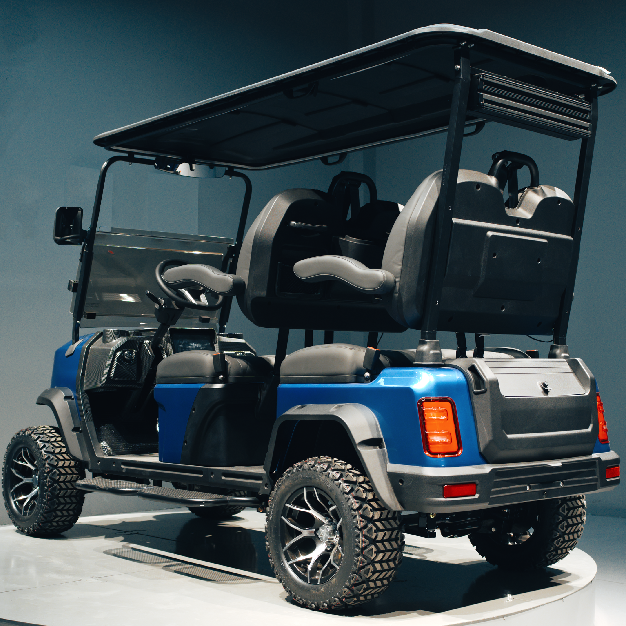
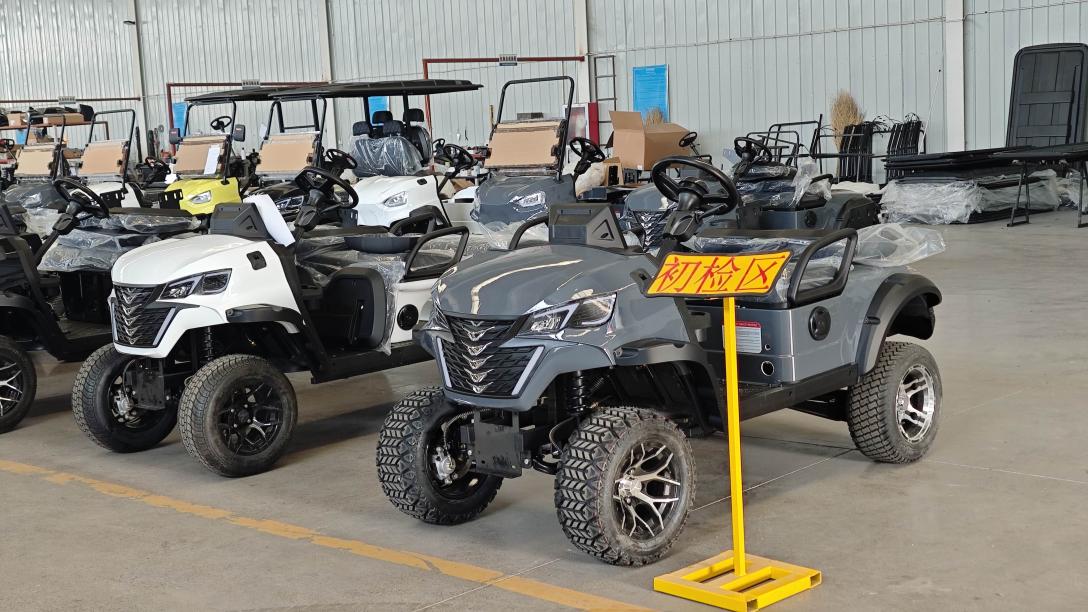
Heavy-duty electric mobility solutions built with reinforced aluminum frames, high-altitude PMSM motors, and high-capacity LiFePO4 lithium batteries.
Operating low-speed electric vehicles (LSVs) and passenger sightseeing buggies in the Denver Metropolitan Area—often referred to as the Mile High City—presents a distinct set of engineering challenges that standardized golf cart manufacturers fail to address. Positioned at an exact elevation of 5,280 feet above sea level, adjacent to the steep inclines of the Colorado Front Range, Denver requires specialized drivetrain ratios, advanced thermal management for lithium-ion battery cells, and heavy-duty chassis construction.
Commercial operators, resort owners, real estate developers, and municipal parks departments across Denver, Aurora, Lakewood, and nearby mountain corridors like Vail and Breckenridge are rapidly transitioning away from internal combustion engine (ICE) shuttles toward zero-emission electric vehicles. However, importing commercial electric vehicles from Chinese manufacturers requires a rigorous understanding of both technical vehicle adaptation and local Colorado regulatory compliance.
Most commercial buyers assume electric motors are unaffected by atmospheric changes because they do not rely on air intake like gasoline engines. While air density does not penalize electric power generation, mountain elevation and ambient cold weather severely degrade vehicle performance through thermal dissipation changes and electrolyte sluggishness.
Navigating Denver’s 8% to 18% incline grades (such as paths surrounding Red Rocks Amphitheatre or Foothills parks) creates thermal spikes in standard 3.5kW DC motors, triggering thermal throttling. We engineer 5kW to 7.5kW AC Synchronous / PMSM systems with liquid-assisted aluminum heat sinks to maintain continuous peak torque without system shutoff.
Denver winters drop below freezing (-10°C to -20°C). Conventional LiFePO4 batteries experience rapid lithium plating during charging under 0°C. Shandong CCB integrates active internal PTC thermal heating blankets within the battery management system (BMS), maintaining optimal cell temp during charging and discharge.
Descending mountain routes demands automatic electromagnetic holding brakes and multi-stage regenerative braking. Our proprietary controllers harvest kinetic energy back into the 72V lithium pack while controlling downhill rollout speeds to under 25 mph without mechanical brake pad fading.
Denver’s heavy use of magnesium chloride and road salt during winter causes aggressive frame rusting on standard steel buggies. We utilize automobile-grade electrophoretic coating (E-coating) and lightweight hot-dip galvanized aircraft aluminum frames (6061-T6 alloy).
From urban historic districts to high-altitude resort campuses, explore how our vehicles adapt to local operational workflows across Colorado.
Ideal for shuttling tourists through Larimer Square, the RiNo Art District, and the Denver Botanic Gardens. Silent 72V lithium 6-seater and 10-seater open-air sightseeing buses allow clear panoramic views while operating within municipal low-noise zones.
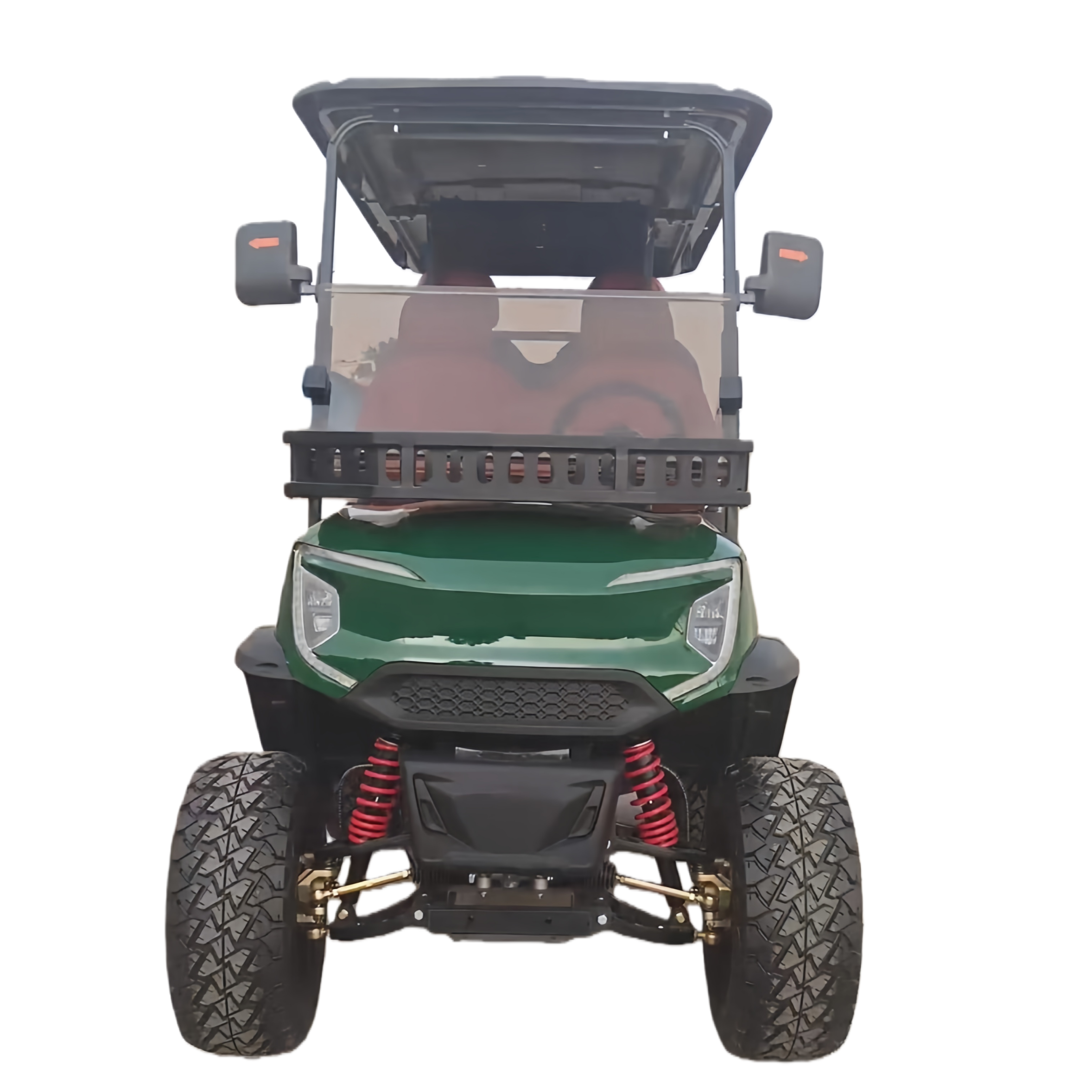
Navigating private communities and luxury mountain golf courses in Evergreen, Golden, and Castle Rock. Lifted 4WD LSV buggies with off-road pneumatic tires overcome loose gravel, wet turf, and steep cart paths effortlessly.
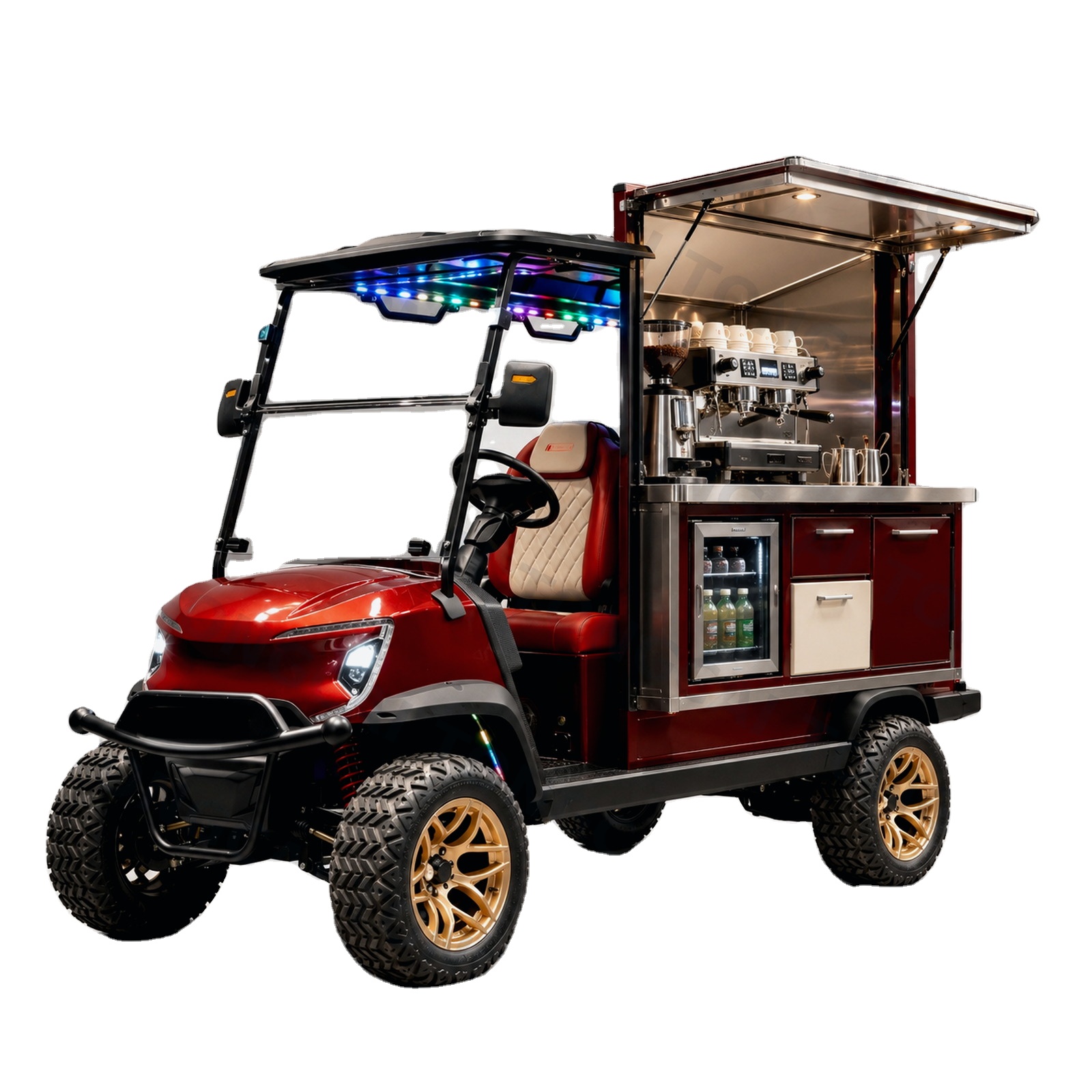
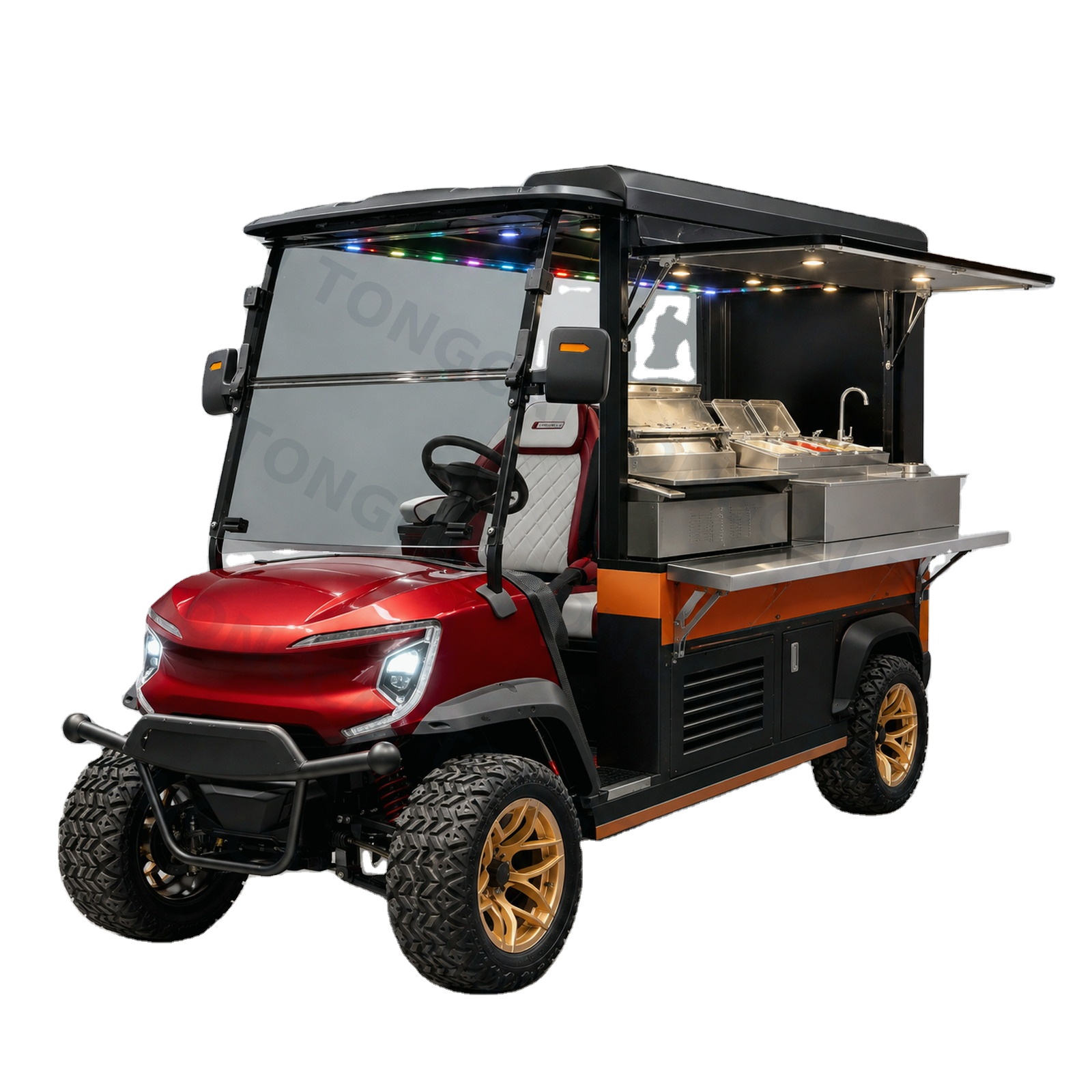
Denver’s booming outdoor food festival scene, 16th Street Mall vendors, and stadium tailgating (Coors Field / Empower Field at Mile High) utilize our custom Electric Mobile Bakery Trucks and Food Carts equipped with integrated inverter systems for onboard commercial appliances.
A granular side-by-side engineering comparison showing why custom manufacturing is mandatory for high-altitude endurance.
| Engineering Parameter | Generic Domestic/Standard Carts | CCB Denver High-Altitude Export Spec |
|---|---|---|
| Powertrain Motor Type | 3.5kW DC Brushed Motor | 5.0kW - 7.5kW Brushless AC / PMSM Motor |
| Battery Chemistry & Tech | Flooded Lead-Acid / Basic Lithium | CATL / Eve Grade A LiFePO4 with Active PTC Heaters |
| Max Incline Gradeability | 12% to 15% (Risk of overheating) | 25% to 30% Continuous Hill Climbing Torque |
| Chassis Corrosion Barrier | Basic Spray Paint over Carbon Steel | 6061-T6 Aircraft Aluminum + Full Electrophoretic Coat |
| Braking & Safety System | Rear Mechanical Drum Brakes | 4-Wheel Hydraulic Disc Brakes + Electromagnetic Parking Brake |
| DOT & Street Legal LSV Specs | Off-Road Only (Requires Retrofitting) | DOT Approved Windshield, AS1 Glass, Seatbelts, VIN Tag |
| Cold Weather Capacity Drop | -40% Capacity at 0°C (32°F) | < 8% Capacity Reduction via Intelligent Thermal BMS |
Denver's Climate Action, Sustainability and Resiliency (CASR) plan has set aggressive decarbonization goals, aiming to reduce greenhouse gas emissions by 65% by 2030. This policy push directly impacts commercial transportation and resort transit operations across Colorado. Commercial operators importing vehicles from China can leverage several local market trends:
Under Colorado Revised Statutes (C.R.S. Title 42-4-109.5), Low-Speed Electric Vehicles certified to federal safety standard FMVSS 500 (speeds up to 25 mph) are granted access to public roads posted up to 35 mph. Commercial sightseeing operators in Denver are shifting toward 4-seater and 6-seater DOT-compliant buggies to run legal street tours without paying expensive commercial bus licensing fees.
High-end resorts along the Front Range are replacing noisy gas carts with luxury 72V lithium sightseeing vehicles. Guests demand zero noise pollution and zero exhaust smell while touring scenic trails. Our quiet PMSM motor drives provide ultra-smooth acceleration ideal for luxury hospitality environments.
The rise of micro-business initiatives in Denver’s urban core has increased demand for custom specialized vehicles. Mobile bakery trucks, coffee buggies, and event utility carts built on reliable electric chassis allow small businesses to operate with zero tailpipe emissions while serving high-traffic pedestrian zones.
We are a TÜV Rheinland on-site verified manufacturer operating a 14,200 m² facility in Dezhou, Shandong. We control every stage of fabrication in-house.
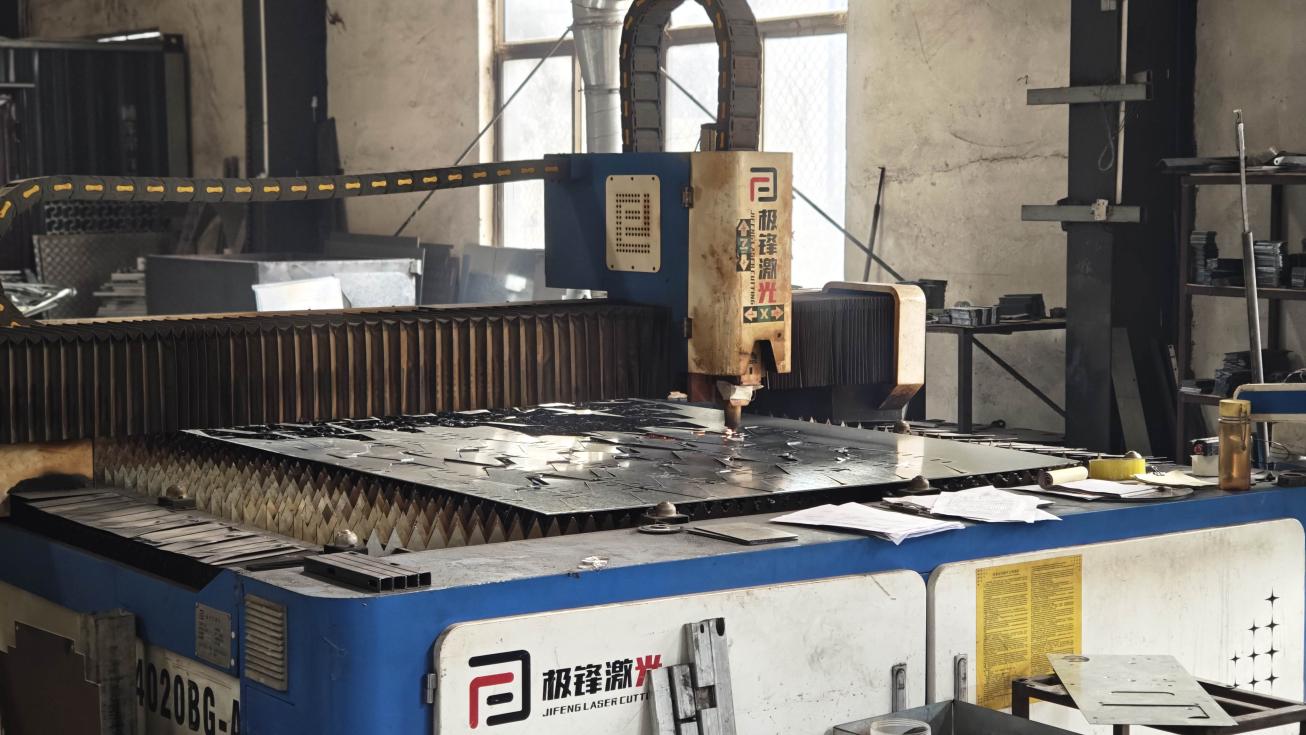
High-precision fiber laser cutting ensures chassis frame components match exact engineering CAD blueprints.
Full-seam robotic welding guarantees frame structural integrity under heavy mountain payload strains.
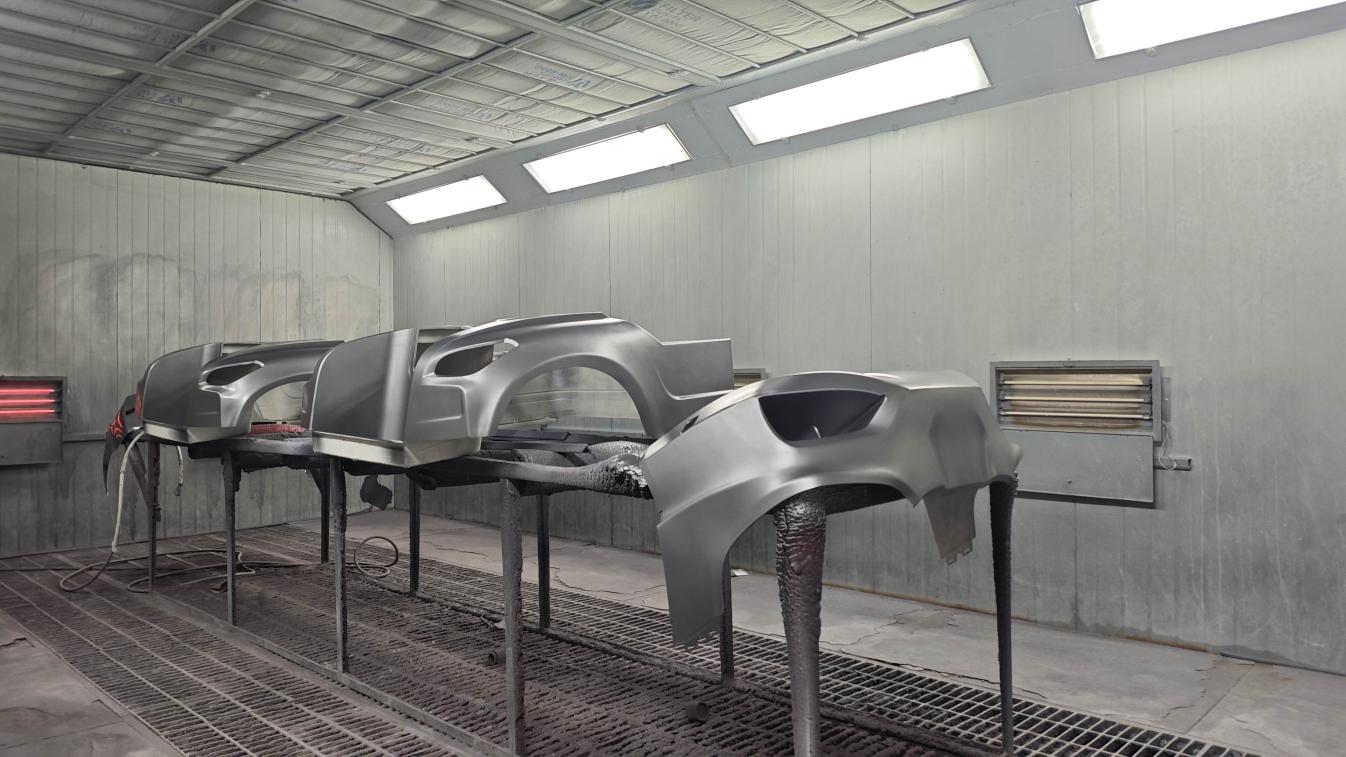
Automobile-grade electrophoretic bath protection prevents rust from Colorado winter road salt chemical exposure.
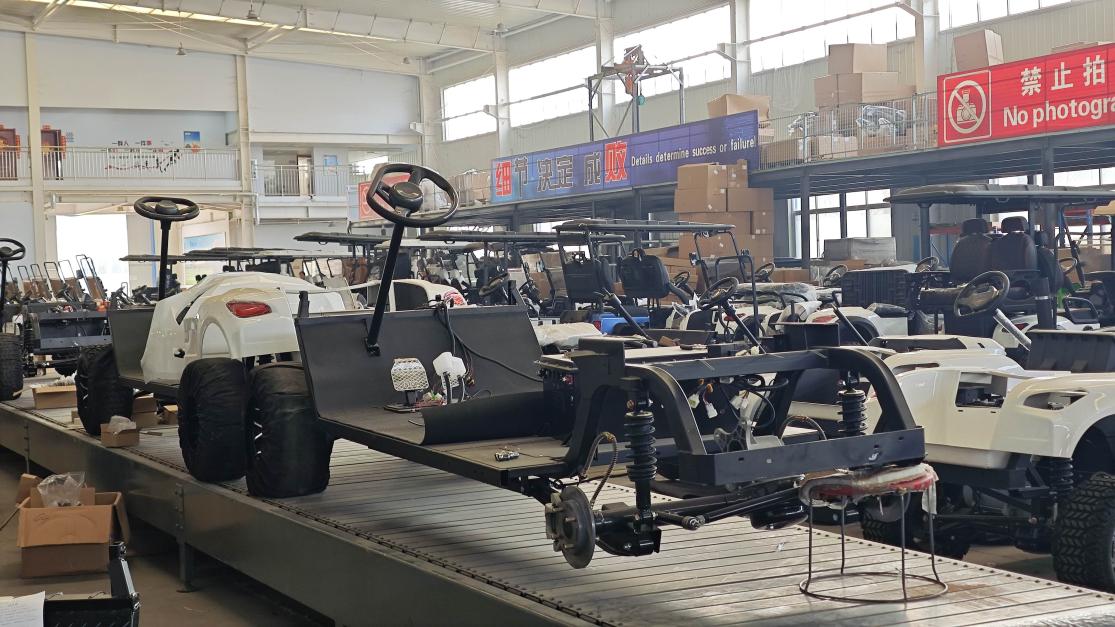
Integration of high-torque AC motors, transaxles, and independent double-A arm front suspension.
Flame-retardant wiring harnesses, smart BMS controllers, and Grade-A lithium cells installed by experts.
Every vehicle undergoes simulated ramp climb testing, rain-leak testing, and braking distance verification.
Because Denver is a landlocked mountain hub, shipping commercial electric vehicles from China requires an optimized intermodal logistics route to keep transit times fast and freight costs low.
Containers depart from Chinese ports (Qingdao, Shanghai, or Ningbo) and arrive at the Port of Los Angeles or Long Beach in 14 to 18 days.
Cargo is transferred via Union Pacific (UP) or BNSF Railway intermodal rail directly to the Denver Intermodal Terminal in 4 to 6 days.
Electric sightseeing cars drop under HTS Code 8703.90.01. We provide full ISF filing documentation, Certificate of Origin, and EPA/DOT clearance paperwork.
We optimize container loading using steel framework stacking, fitting up to 12 units in a standard 40HQ container, lowering per-unit freight costs significantly.
Everything you need to know about importing, customizing, and operating Chinese electric sightseeing vehicles in Colorado.
Partner directly with Shandong CCB New Energy Machinery Co., Ltd. Get factory-direct pricing, high-altitude technical specifications, and dedicated export support.
Get a Quote