TÜV Rheinland Verified Factory Direct Export

Top China Golf Course Cart Manufacturer & Exporter

Precision-engineered electric golf carts, utility patrol vehicles, and commercial low-speed vehicles (LSV) customized for luxury resorts, premier golf syndicates, and international dealership networks.

Industry Strategic Whitepaper

Next-Generation Commercial Fleet Electrification

The global low-speed electric vehicle (LSV) and golf utility landscape has transitioned from simple recreational transport into an engineering domain demanding automotive-grade chassis durability, dynamic LiFePO4 battery management, and custom operational versatility. As an industry-leading manufacturer based in Tianqu Industrial Park, Dezhou, Shandong, CCB bridges heavy-duty manufacturing with customized export logistics.
14,200m²
Dedicated Production Facility
140+
Supply Chain Partners
100%
In-House Pipe Bending & Weld
4.5/5
Global Verified Rating
Market Dynamics

Future Procurement Trends in Commercial Golf Carts

B2B fleet buyers, golf syndicated operators, and municipal distributors must navigate a technological shift. Understanding these procurement drivers directly safeguards long-term asset residual values.

1. The Universal Transition to LiFePO4 Chemistry

Traditional flooded lead-acid batteries are rapidly being phased out due to acid corrosion, labor-intensive water maintenance, and short thermal lifecycles. Fleet operators are prioritizing Lithium Iron Phosphate (LiFePO4) powertrains operating at 48V, 60V, and 72V. LiFePO4 delivers 3,500+ charge cycles at 80% Depth of Discharge (DoD), cuts vehicle curb weight by 130–180 kg, reduces turf compaction on PGA-grade greens, and supports opportunistically timed fast-charging cycles between operational rounds.

2. Street-Legal LSV Homologation Standards

Commercial clients no longer purchase golf carts strictly for the fairway. Modern municipal and resort properties mandate Low-Speed Vehicle (LSV) compliance spanning DOT FMVSS 500 in the Americas and EEC L7e certification in the European Union. Procurement demands standard factory inclusion of automotive AS1 three-point safety harnesses, certified laminated glass windshields with motorized wipers, reverse sensors, integrated LED turn indicators, and digital speedometer consoles.

3. Telematics, IoT Fleet Geofencing & Solar Integration

Institutional operators managing 50 to 300 vehicles demand CAN-bus vehicle telemetry. Cloud management platforms allow operators to track real-time State-of-Charge (SoC), remotely isolate vehicles violating fairway boundary geofences, and analyze regenerative braking telemetry. Simultaneously, monocrystalline solar charging roofs providing 150W–300W trickle power are extending daily operational range by 15–22 km without grid draws.

Powertrain Architecture Comparison: Procurement Decision Matrix

A comprehensive engineering trade-off comparison designed for procurement directors assessing 5-year Total Cost of Ownership (TCO).

Evaluation Parameter Legacy Lead-Acid (48V Deep Cycle) Standard LiFePO4 Lithium (48V / 105Ah) High-Output 4WD Lithium (72V / 160Ah)
Cycle Life Expectancy 500 – 750 cycles (50% DoD) 3,500 – 4,000 cycles (80% DoD) 4,000+ cycles with Active Thermal BMS
Routine Maintenance Bi-weekly distilled water, terminal cleaning Zero maintenance, fully sealed casing Zero maintenance, automated cell balancing
Weight Impact on Turf Heavy (~160 kg pack), increases soil compaction Ultra-light (~42 kg pack), turf-friendly Medium (~58 kg pack), optimal 4WD traction
Charging Duration 8 – 10 hours (Requires ventilation) 2.5 – 3.5 hours (Rapid opportunity charge) 2.0 hours (32A high-speed onboard charger)
Motor Hill-Climb Capacity Voltage sag on inclines >15° Constant voltage output up to 25° incline Dual-motor torque vectoring up to 35° incline
5-Year TCO Evaluation High (Requires 2 full pack replacements) Optimal (Lowest lifecycle cost per hour) Superior for heavy utility & commercial payload
Factory Authority & Reliability

Why Global Importers Partner with CCB New Energy

Headquartered in Dezhou, Shandong, CCB New Energy Machinery Co., Ltd. is not an assembly workshop sourcing generic stamped chassis. We operate a completely integrated manufacturing ecosystem inspected on-site by TÜV Rheinland. Our engineering floor controls the full vehicle birth cycle from cold-rolled steel profiling to electrophoretic anti-corrosion deposition.

  • TÜV Rheinland Audited
  • In-House Pipe Bending Lines
  • Robotic Chassis Welding Jigs
  • Cathodic Electro-Coating (EDP)
  • CE & ISO Quality Compliance
  • Complete 12-Stage QC Protocol
Send an Inquiry

Factory Audit Profile

Location Tianqu Industrial Park, Dezhou, CN
Production Footprint 14,200 Square Meters
Manufacturing Model OEM / ODM Custom Manufacturer
Chassis Fabrication High-Tensile Tubular Steel / Alloy
Suspension Dynamics Independent MacPherson Front / Coil-Over
Export Markets North America, EU, Middle East, APAC
Procurement Consultation

Frequently Asked Questions on Golf Cart Sourcing

Direct technical and commercial answers addressing common international distribution, compliance, and logistics bottlenecks.

What is the minimum order quantity (MOQ) and sample lead time for overseas distributors?
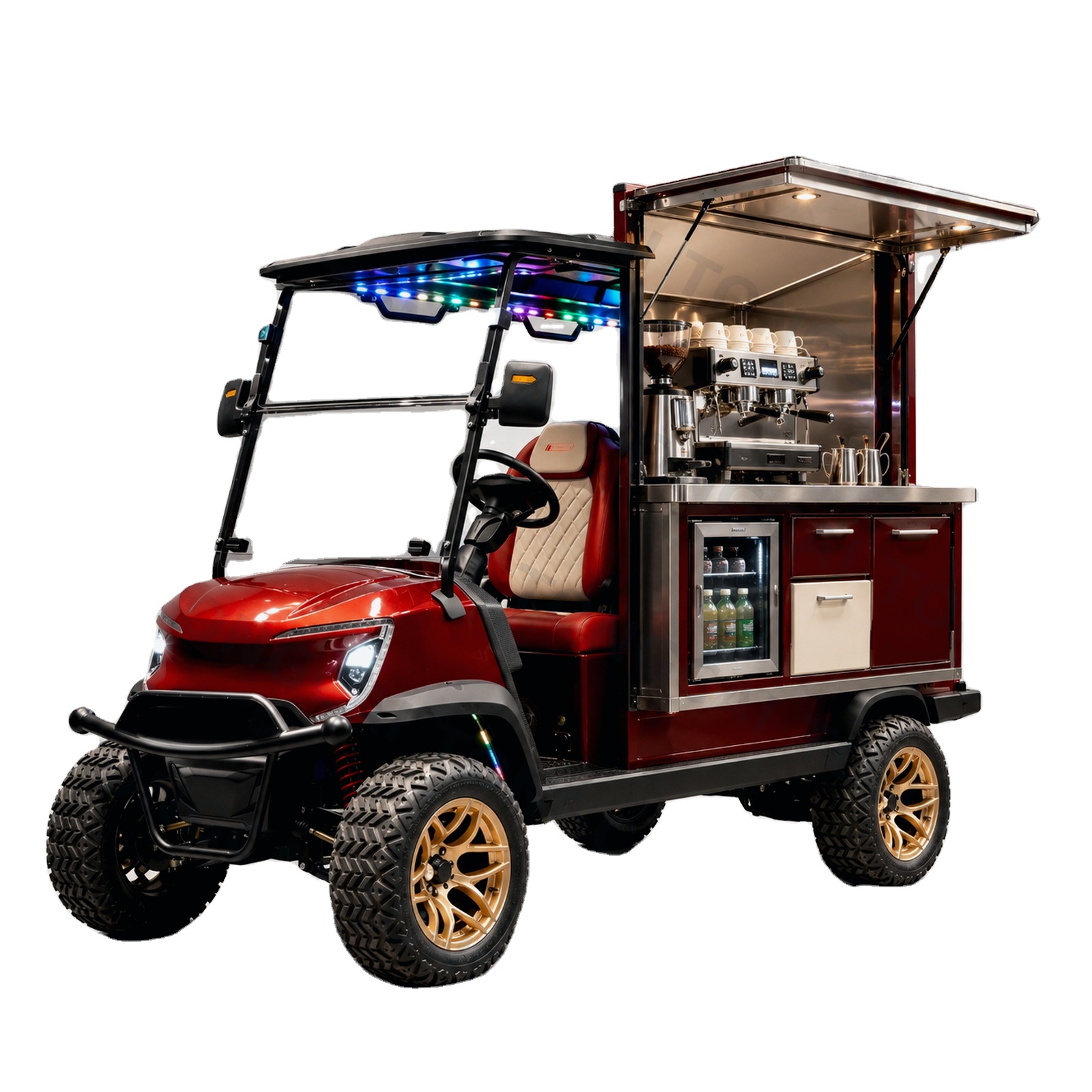
To facilitate regional distribution trials, evaluate ride compliance, and assess local consumer demand, we support an MOQ of 1 unit for prototype and sample testing. Standard lead times for stock vehicle models range from 10 to 15 working days. Tailored OEM projects featuring custom body mouldings, auxiliary food service installations, or dedicated lithium voltages (60V/72V) ship in 20 to 25 working days. Full container orders (20GP / 40HQ) unlock mixed-model loading plans with optimized crating to minimize ocean freight overhead.
How does CCB engineer chassis anti-corrosion for coastal resorts and high-humidity golf courses?
Golf carts operating in beachfront resorts, tropical tourist islands, and coastal fairways encounter severe saline and moisture degradation. Unlike factories utilizing quick spray primers, CCB treats all welded steel chassis tubes through a multi-stage process: acid pickling, zinc phosphate conversion coating, and full-immersion cathodic electrophoretic deposition (EDP / E-Coat). This process penetrates both the inner and outer tube surfaces, passing rigorous 1,000-hour salt spray testing (ASTM B117) before receiving automated powder topcoats. Aluminum alloy chassis configurations are also available for environments demanding near-zero oxidation risk.
What certifications accompany export shipments to the United States, Europe, and Australia?
Our primary export vehicles hold CE certification in full compliance with European Machinery Directive (2006/42/EC) and Low Voltage Directive (2014/35/EU). For street-legal Low-Speed Vehicle (LSV) registrations in North America, we configure units with DOT-stamped windscreens, FMVSS-compliant seat belts, certified tires, and 17-digit ISO VIN stamps. Battery packs and battery management systems (BMS) are rigorously tested and carry UN38.3, MSDS, and CE certifications, ensuring frictionless ocean transit and smooth customs clearance at major international ports.
What aftermarket spare parts guarantee and engineer troubleshooting do you supply?
Distributor partnerships succeed or fail on aftermarket reliability. We provide full English technical service manuals, detailed schematic wiring diagrams, and CAN-bus troubleshooting codes with every commercial shipment. In addition, we furnish a comprehensive 3-year warranty on lithium battery systems and a 1-year bumper-to-bumper warranty on main drive axles, controllers (Curtis / Enpower), and AC motors. Our Dezhou factory maintains dedicated stock of wearable replacement components (brake drums, suspension bushings, steering knuckles, relays) dispatchable via air courier within 48 hours.
Can CCB support comprehensive OEM branding and bespoke body configurations?
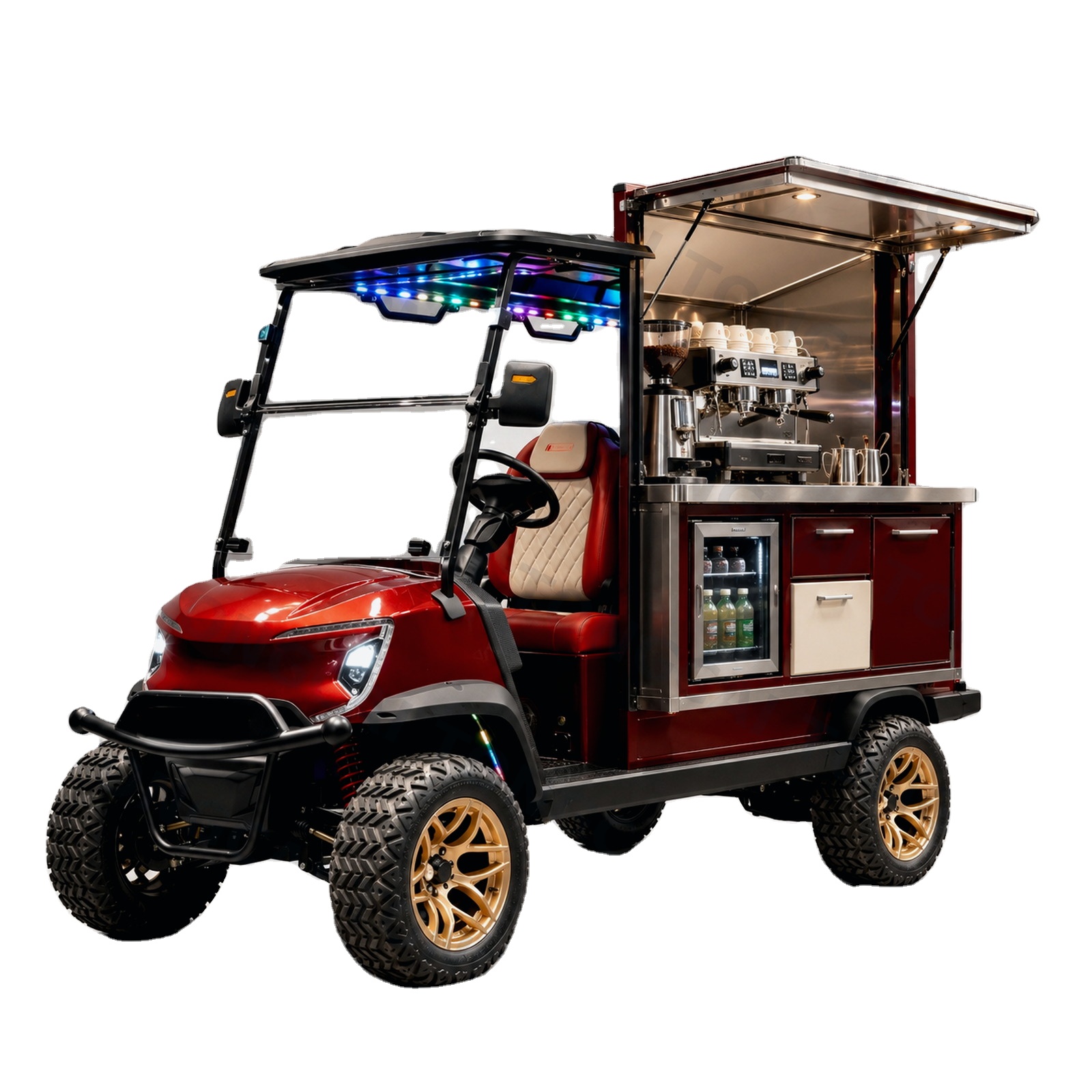
Yes, OEM and ODM projects constitute over 65% of our annual export volume. We accommodate full private-label branding, including custom embossed steering wheel logos, embroidered marine-grade vinyl seats, custom dashboard layouts with capacitive touch displays, specific Pantone body shell paint codes, and functional add-ons. Our specialized conversions range from resort beverage delivery trucks with onboard refrigerated compartments to off-road lifted utility vehicles featuring hydraulic cargo dump systems.
How are vehicles crated and secured to prevent transit damage in ocean containers?
Vehicles undergo either Semi-Knocked Down (SKD) packing in rigid, stackable iron crates or Completely Built-Up (CBU) roll-on roll-off containerized loading. Under SKD, roofs and wheels are systematically packed within the vehicle perimeter inside high-gauge steel framing, wrapped in dustproof moisture-barrier films. This maximizes container volume, allowing up to 18–24 units inside a standard 40HQ container, lowering landed per-unit transport expenses by up to 35% compared to conventional unstacked methods.

Consult Directly with Our Factory Engineering Desks

Tell us your regional terrain, seating requirements, battery voltage expectations, and target market compliance needs. Our export sales engineering department will reply with comprehensive vehicle spec sheets and container-level trade quotes.