

TÜV Rheinland Audited OEM / ODM Factory

Top China Electric Golf Cart Factories & Supplier

Precision Engineering, Commercial Customization, and Direct Export Sourcing Architecture for Global Distributors & Fleet Operators

Enterprise Fleet Portfolio

Specialized Fleet & Custom Low-Speed Vehicles (LSV)

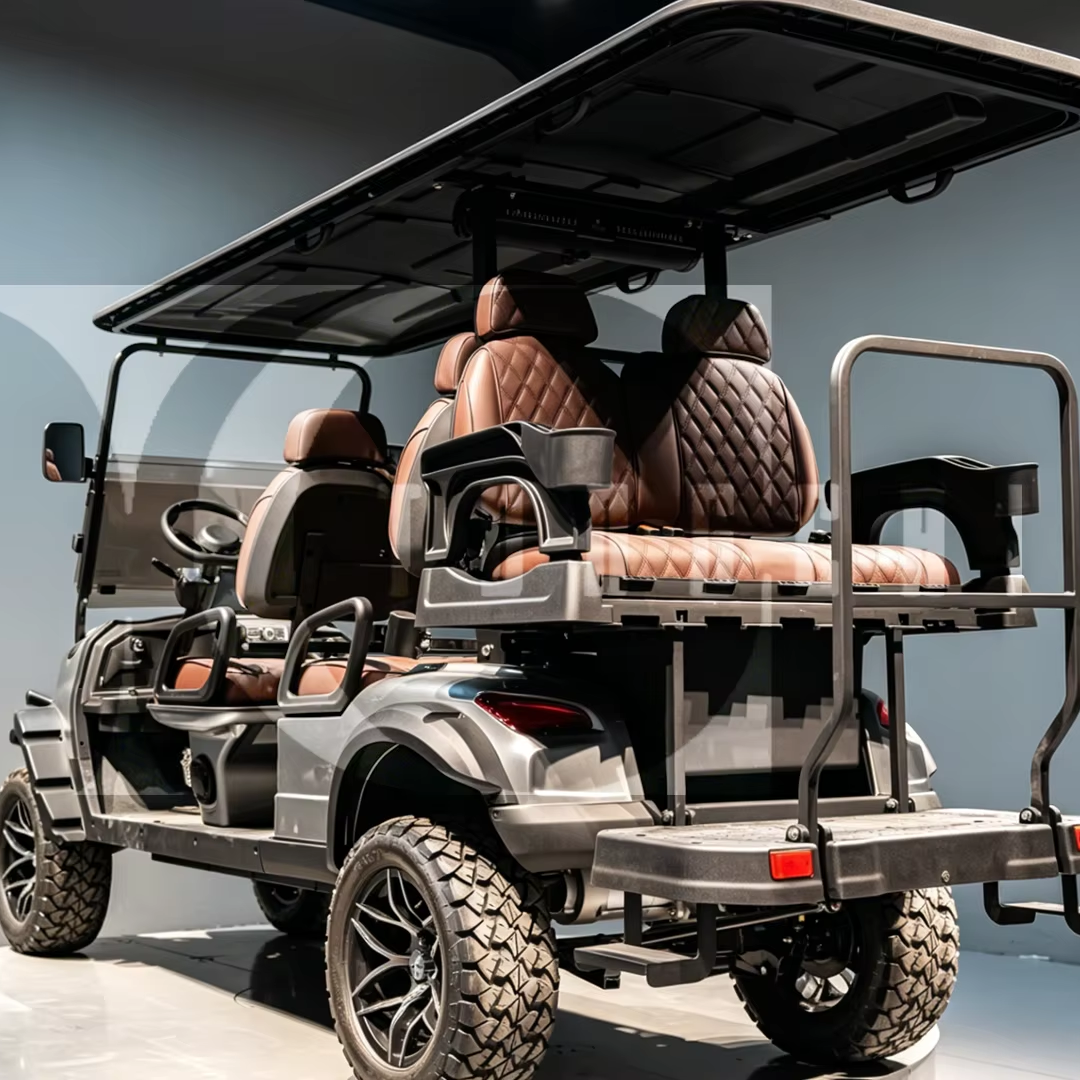
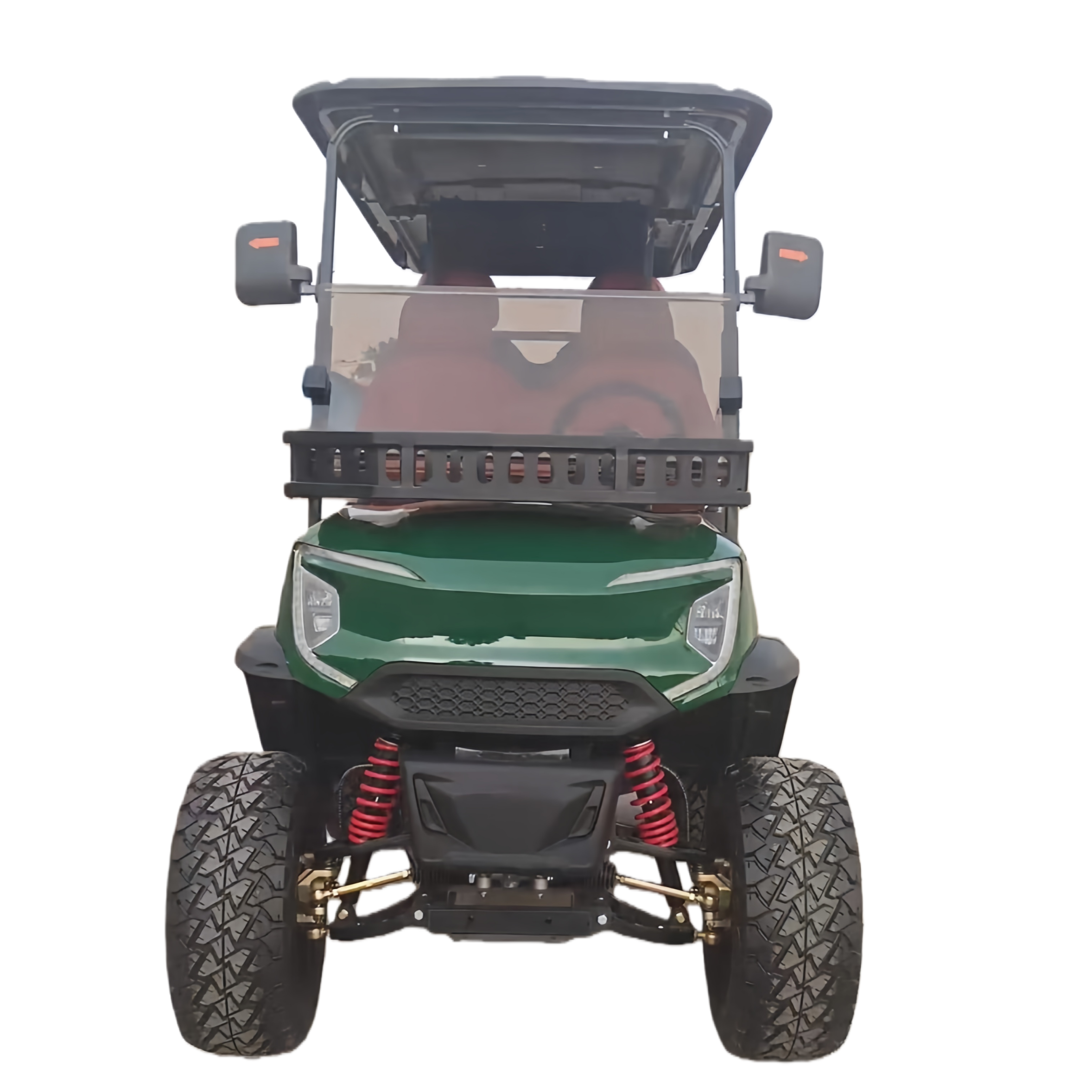
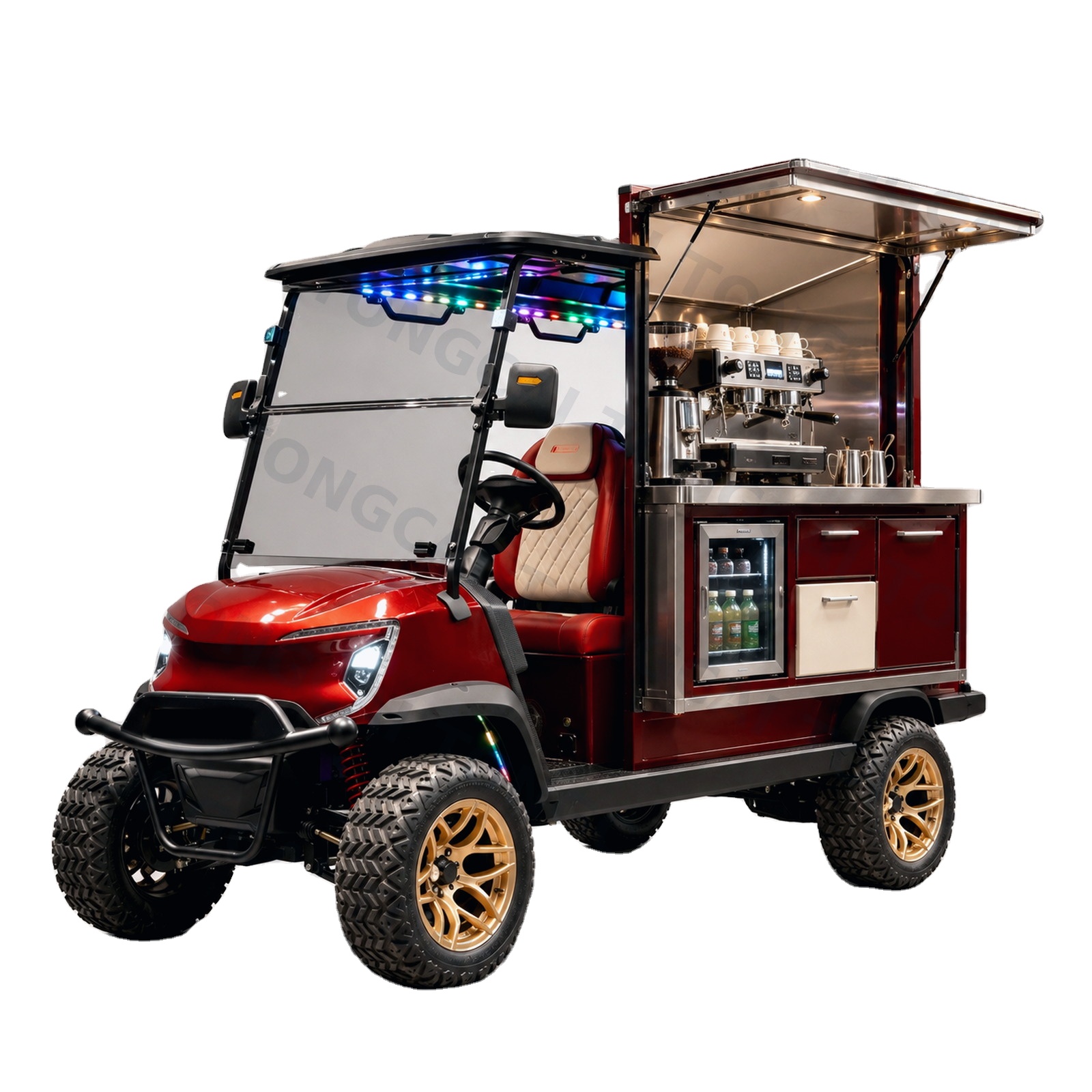
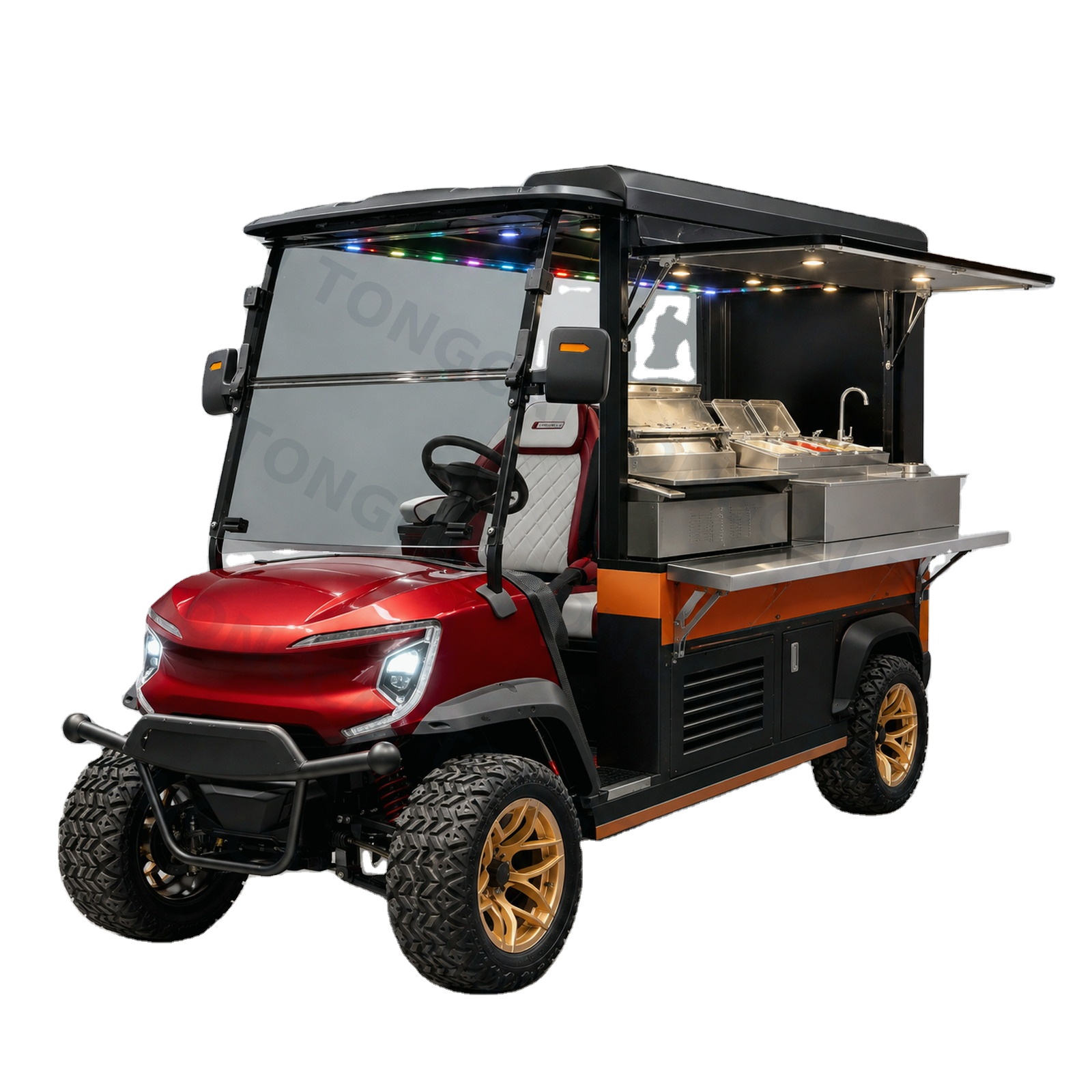
Direct from our 14,200 m² manufacturing plant in Dezhou: explore high-demand utility, passenger shuttle, luxury hospitality, and specialized vending models tailored to international compliance standards.

14,200 m²
Modernized Workshop Footprint
140+
Tier-1 Component Partners
60+ Units
Daily Assembly Capacity
100%
TÜV Rheinland Audited Quality
Manufacturing Authority

Why Global Fleet Importers Choose Our Factory Platform

Unlike trading entities or mere CKD assembly sheds, Shandong CCB New Energy Machinery Co., Ltd. operates a vertically integrated production infrastructure in Tianqu Industrial Park, Dezhou. We engineer durability, traceability, and localized homologation from raw steel to export container.

TÜV Rheinland On-Site Verification

Our complete workshop operations, tooling assets, worker competencies, and Quality Management Systems (QMS) have undergone rigorous on-site audit by TÜV Rheinland. We provide legitimate credit reporting, clear business licensure, and authentic production line verification for bank letters of credit (LC) and government tenders.

Vertical Robotic Chassis Fabrication

We do not purchase aftermarket frames. All chassis are fabricated using CNC high-precision pipe benders, automated laser tube cutters, and continuous robotic MIG weld fixtures. This guarantees geometric uniformity, zero chassis drift, and structural fatigue resistance over 10+ years of intensive multi-shift operation.

Marine-Grade Cathodic Protection

Standard carts rust rapidly in island resorts, coastal hotels, and high-salinity zones. CCB applies automotive-grade cathodic electrodeposition coating (e-coat) paired with electrostatic polyester powder spraying, passing 1,000+ hours of ASTM B117 neutral salt spray testing without cosmetic or structural bubbling.

Automotive-Grade Drivetrains

We deploy high-efficiency AC brushless induction motors (3.3kW to 7.5kW) and PMSM systems paired with programmable Curtis (USA) and Toyota electronic motor controllers. Enjoy regenerative hill-hold braking, customizable acceleration curves, dynamic downhill descent safety, and high-speed delivery configurations.

LiFePO4 Intelligent BMS Integration

Transition seamlessly from traditional flooded lead-acid batteries to premium Grade-A Lithium Iron Phosphate (LiFePO4) energy systems. Our packs feature integrated smart CAN-Bus Battery Management Systems (BMS), cell temperature monitoring, high-rate charge balancing, and an active operational lifespan exceeding 3,500 charging cycles.

Engineered Container Loading Logistics

Container transport efficiency directly defines your landed unit cost. Our engineering team prepares bespoke 3D CAD loading layouts for 20GP, 40GP, and 40HQ containers, using heavy-duty steel skeleton racks, double-tier vertical stacking fixtures, and detachable canopies to pack up to 24 units per 40HQ container safely.

Quality Management System

The 12-Stage Industrial Manufacturing Protocol

Every commercial vehicle leaving the CCB facility adheres to an unbroken audit trail of incoming raw material inspections, sub-assembly checklists, and full-load dynamic dyno verifications.

Stage 01 - 03

Precision Metalworking

Cold-drawn carbon steel pipe cutting, robotic chamfering, and mandrel CNC bending to guarantee chassis dimensional stability.

Stage 04 - 06

Welding & Surface Treatment

Continuous MIG fixture welding followed by ultrasonic weld testing, phosphate acid wash, and high-temp e-coat baking.

Stage 07 - 09

Drivetrain Integration

Independent double A-arm front suspension assembly, hydraulic disc brake setup, transaxle mounting, and Curtis controller calibration.

Stage 10 - 12

Electrical & Dynamic FQC

CAN-Bus wiring loom hookup, automated torque-gun screw verification, high-pressure water ingress test, and track dynamic roll dyno check.

Industry White Paper Forecast

Electric Golf Cart Procurement Trends (2025–2030)

Analyze key industry shifts, battery chemistry migrations, and legal regulatory developments shaping the next decade of commercial utility and micro-mobility procurement.

Technical Decision Matrix

Commercial Platform Comparison & Specification Parameters

Compare standard fleet buggies, heavy-duty lifted 4WD utility platforms, commercial vending vehicles, and luxury vintage shuttles to identify the optimal configuration for your operational profile.

Platform Category Primary Drive System Battery Chem / Voltage Max Speed / Gradient Payload / Seating Homologation Standards
Standard Fairway Fleet 3.3kW – 4.0kW AC Brushless 48V 105Ah LiFePO4 / Lead-Acid 25 – 32 km/h | 25% Grade 360 kg / 2–4 Passengers CE / Standard LSV
Lifted 4WD Off-Road Cart 5.0kW – 7.5kW PMSM Dual Motor 60V / 72V 150Ah Lithium Iron 40 – 50 km/h | 35% Grade 550 kg / 4–6 Passengers CE / EEC L6e Pending
Industrial Utility Cargo Box 5.0kW Heavy-Torque Motor 60V / 72V 120Ah LiFePO4 50 – 70 km/h | 30% Grade 800 kg / 2–4 Seats + Bed CE / ISO 9001 Tested
Mobile Vending & Dessert Truck 4.0kW High-Efficiency Transaxle 48V / 60V Dual Pack Setup 25 – 35 km/h | 20% Grade 650 kg Retail Equipment CE / Food-Grade Prep
Luxury Vintage Shuttle Cruiser 7.5kW AC Induction Motor 72V 200Ah Lithium Deep-Cycle 30 – 40 km/h | 22% Grade 1,200 kg / 11–14 Seats CE / Street Legal Low-Speed
Procurement Due Diligence

Frequently Asked Questions for B2B Golf Cart Importers

Everything procurement officers, distributors, and logistics directors need to know about sample orders, homologation documents, battery shipping clearance, and factory warranties.

What is the typical Minimum Order Quantity (MOQ) and lead time?

For standard catalog configurations, our MOQ starts at just 1 unit to allow dealers to inspect weld quality, battery BMS performance, and ride dynamics prior to wholesale investment. Commercial container-level batches (20GP/40HQ) require 15 to 25 working days depending on bespoke color codes and OEM decal customization requirements.

What international export certifications and shipping approvals do you hold?

Our complete electric cart lineup carries European CE compliance certification (Machinery, Low Voltage, and EMC Directives). For lithium battery models, our battery packs are supplied with valid UN38.3 test reports, Material Safety Data Sheets (MSDS), and official IMDG maritime Dangerous Goods (DG) transit approvals, ensuring seamless global port customs clearance.

Can the vehicles be registered for on-road use in our destination market?

Yes. If your market operates under US DOT Low-Speed Vehicle (LSV) FMVSS 500 rules or European L6e/L7e light quadricycle regulations, we configure carts with DOT-approved laminated glass windshields with electric wipers, hydraulic 4-wheel disc brakes, mechanical handbrakes, rear license plate brackets with illumination, digital speedometers, and registered 17-digit VIN stamps.

How does the factory warranty and overseas spare parts supply work?

We provide a comprehensive 5-year structural warranty on our robot-welded chassis frame, a 3-year full replacement warranty on Grade-A LiFePO4 lithium battery cells, and 18 months on electronic motors and Curtis controller units. For wholesale distributor partners, we provide a 2% complimentary wearing parts consignment kit (bushings, brake pads, relays, cables) packed directly with every full container shipment.

Can you execute custom ODM sheet metal and retail fit-outs?

Absolutely. As shown in our custom mobile bakery, dessert, and beverage cart series, our in-house engineering studio accepts SolidWorks or AutoCAD blueprints to adapt chassis lengths, install 110V/220V on-board inverter power stations, mount stainless food-grade service counters, and produce bespoke thermoformed ABS or fiberglass front fascias with your private corporate branding.

How are golf carts packaged to prevent sea transit corrosion and damage?

Vehicles are wrapped in heavy-gauge VCI anti-corrosive plastic film, secured onto heavy tubular steel transport pallets, and blocked inside maritime shipping containers using high-tensile polyester tie-down ratchets. For partially assembled (SKD) container packing, wheels and canopies are stowed in dedicated sub-compartments, enabling dealer technicians to complete final uncrating in under 20 minutes.

Initiate Your Factory-Direct Procurement Partnership

Request confidential distributor price lists, customized 3D CAD vehicle layouts, container load optimization plans, or full TÜV Rheinland factory audit documentation from our engineering team.

Get a Quote