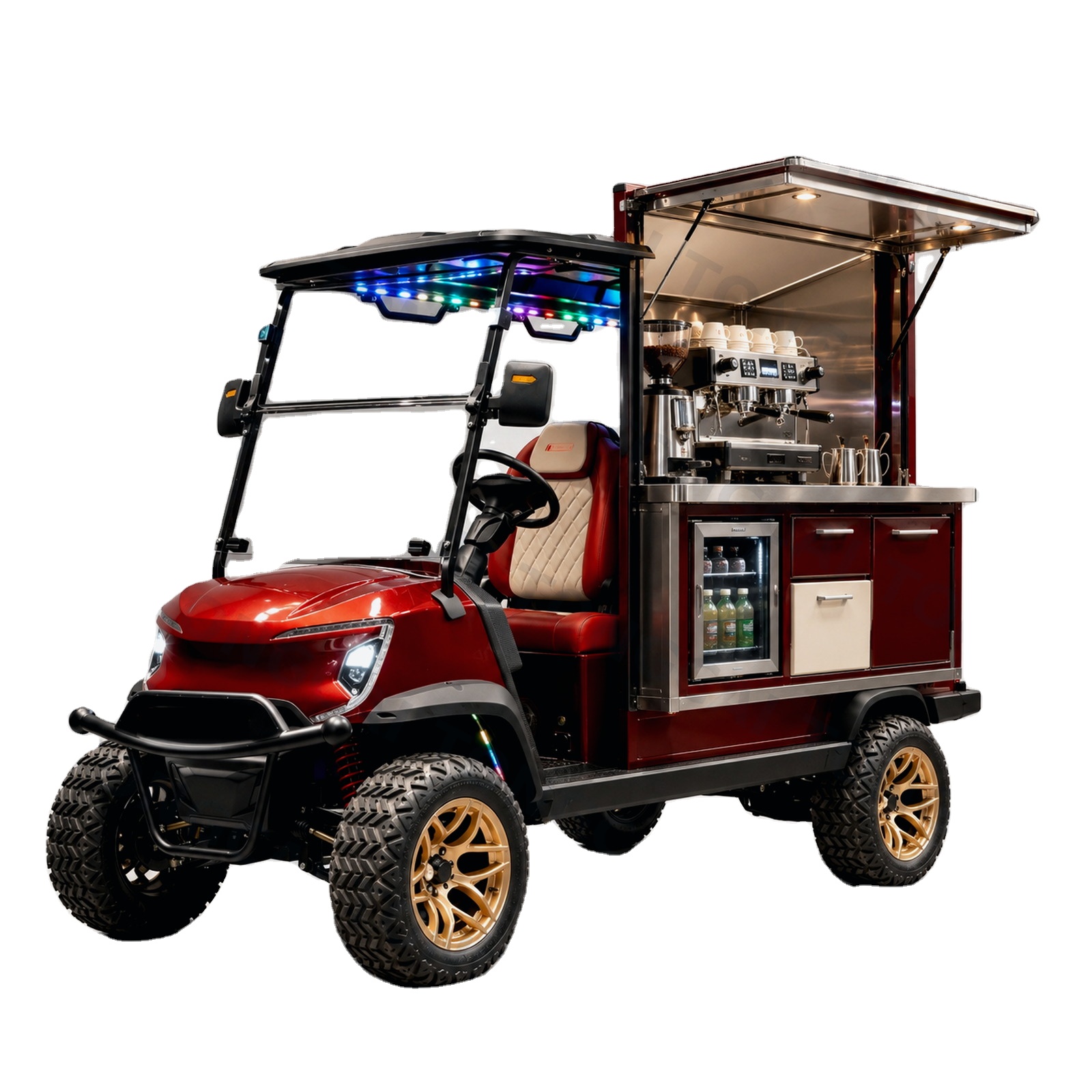
TONGCAI Small Electric Bakery Truck Custom Mobile Dessert Cart for Shopping Street
- Food-grade stainless counter & serving bay
- Extended 48V auxiliary power routing
- Compact footprint for resort pedestrian avenues
 Deutsch
 Português
 Español
 Français
 Italiano
 Русский
 한국어
 日本語
 العربية
 ไทย
 Tiếng Việt
 Türkçe
 Nederlands
 Indonesia
 עברית
 हिन्दी
In-House Heavy Production Facility
Cooperating Precision Component Suppliers
On-Site TÜV Rheinland Inspected Lines
Verified International Buyer Satisfaction Rating
Explore eight heavy-duty electric vehicle architectures precision-calibrated for passenger transit, coastal hospitality terrains, and boutique mobile operations.


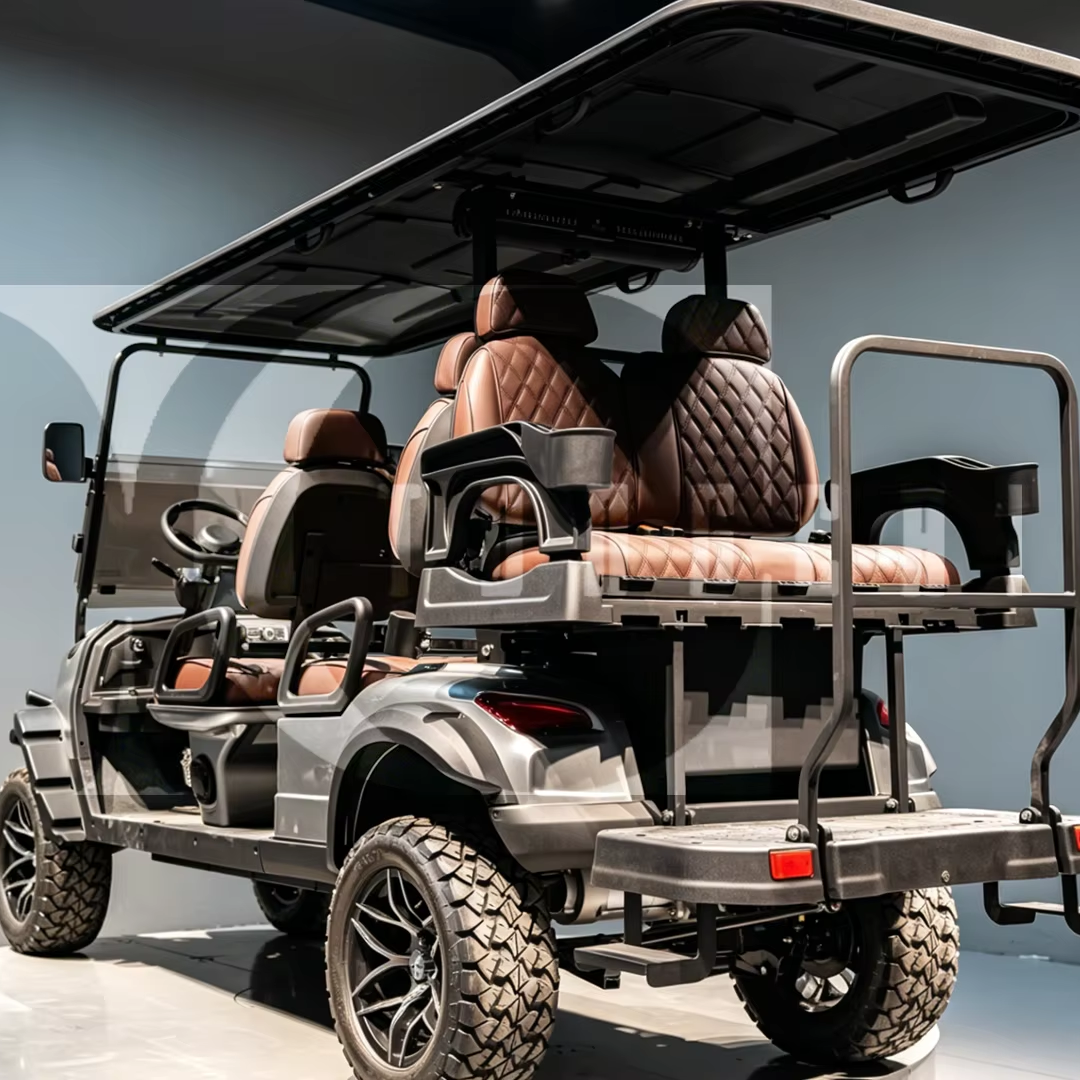
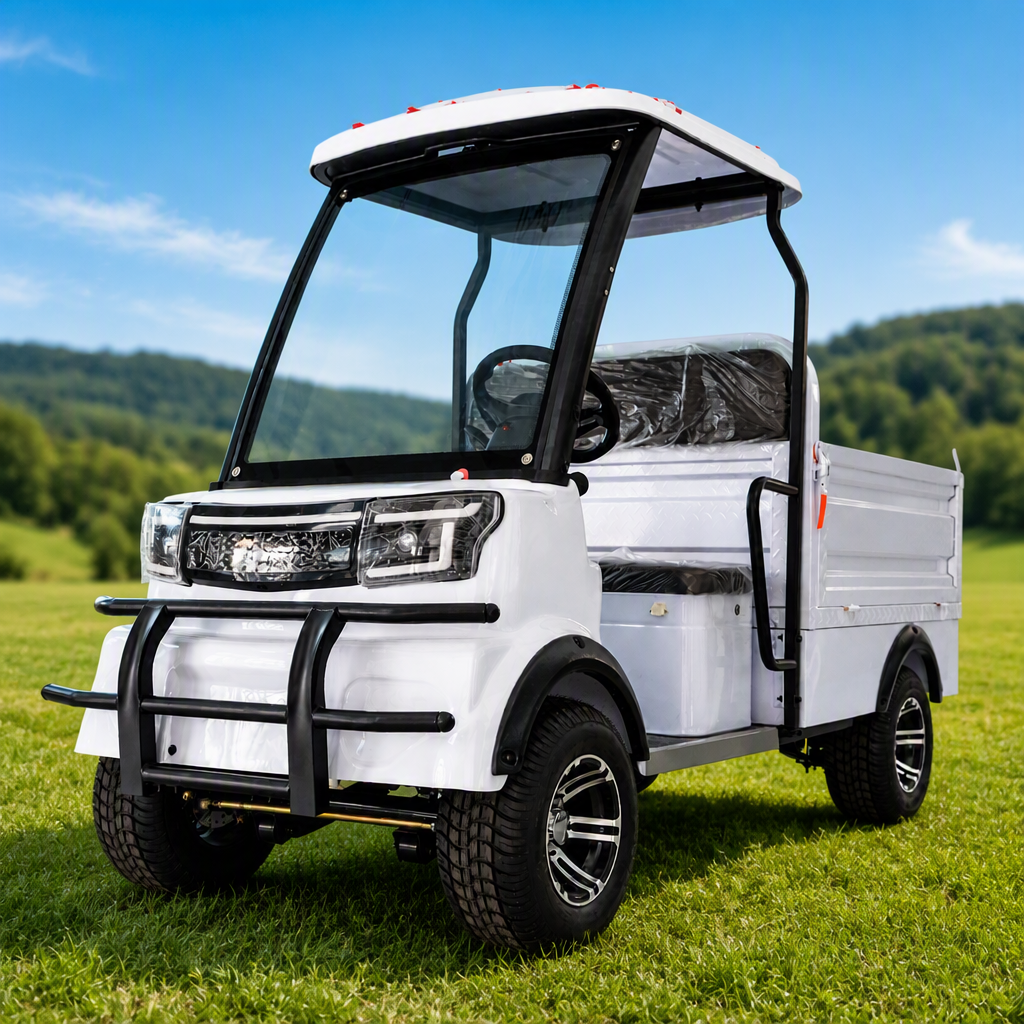
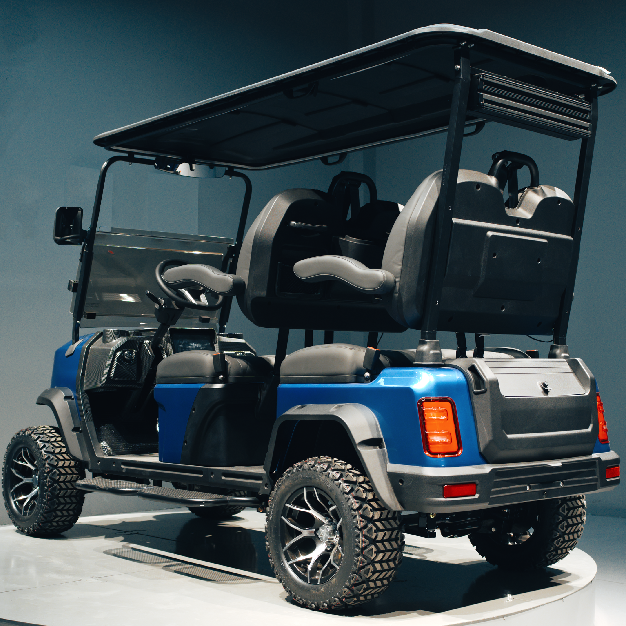

The hospitality and luxury recreation sector is experiencing an unprecedented structural transition in micro-mobility. Modern resorts, integrated casino complexes, coastal eco-sanctuaries, and upscale master-planned residential communities have outgrown legacy lead-acid fleet runabouts. Today, fleet directors and procurement executives evaluate suppliers on total cost of ownership (TCO), functional passenger safety, structural anti-corrosion, integration with cloud telematics, and direct OEM customization agility.
When procurement managers map the top global golf cart factories, manufacturers broadly divide into two tiers: traditional Western heritage brands and specialized advanced-fabrication industrial powerhouses based in East Asia. Legacy American OEMs typically excel in established distribution channels but operate with substantial brand equity markups, closed diagnostic architectures, and rigid modular catalogs. Conversely, tier-one verified manufacturers in Shandong, China—such as Shandong CCB New Energy Machinery Co., Ltd.—have integrated full-scale automotive production processes directly into their low-speed vehicle (LSV) assembly ecosystems.
By housing cutting, robotic pipe bending, precision welding, multi-stage electrophoretic coating, and rigorous functional testing in a dedicated 14,200 m² facility, verified Chinese manufacturers empower overseas dealers and resort networks to acquire direct-from-factory bespoke vehicles. This enables high mechanical integrity while capturing a 30% to 45% capital expenditure reduction against legacy brands.
| Manufacturer Profile / Tier | Primary Production Focus | Chassis & Frame Integrity | Battery / Drivetrain Architecture | Customization Agility | Export Compliance |
|---|---|---|---|---|---|
| Shandong CCB New Energy (China) | Resort, Commercial Cargo, UTV, LSV | In-House Tubular Steel / Aluminum Alloy | 48V/60V/72V LiFePO4 + AC Induction | High (Sample & CAD-Level Custom) | CE, TÜV Rheinland Verified |
| Club Car (Ingersoll Rand - USA) | Golf Courses, Personal LSV | AlumiCore™ Ladder Frame | 48V Lithium / Flooded Lead-Acid | Low (Standardized Catalogs) | DOT, SAE, ANSI Standards |
| E-Z-GO (Textron - USA) | PGA Golf Courses, Gated Fleets | Welded Tubular Steel | ELiTE Samsung SDI Lithium | Moderate (Accessory-Based) | DOT, ISO 9001 Certified |
| Yamaha Golf-Car (Japan/USA) | Country Clubs, Corporate Resorts | HybriCore™ Hybrid Structural Chassis | 48V AC Electric / QuieTech EFI Gas | Low (Pre-Engineered Packages) | EPA, CARB, CE Compliant |
| Garia Luxury Utility (Denmark) | Ultra-Luxury Resorts, Gated Estates | Automotive Extruded Aluminum | Lithium-Ion High Efficiency Packs | High (Luxury Bespoke Interiors) | EU Low-Speed Vehicle, US LSV |
| Melex (Poland) | European Municipal, Industrial Parks | Steel Welded Chassis | AC 48V / 72V Industrial Packs | Moderate (Chassis Adaptation) | EEC Homologation, ISO 14001 |
| STAR EV (JH Global - USA/Asia) | Commercial Shuttles, Street LSV | Coated High-Tensile Steel | Trojan Deep Cycle / Lithium Modules | Moderate (Assembly Configuration) | FMVSS Standard 500, CE |
| Marshell Green Power (China) | Sightseeing Buses, Security Patrol | Electrophoresis Coated Steel | 48V/72V Maintenance-Free Acid/Lithium | Moderate (Fleet Paint & Seating) | CE, ISO 9001, EEC Verified |
| LVTong (China) | Public Parks, High-Capacity Shuttles | Galvanized Tube Structure | 48V DC / AC Traction Powertrain | Moderate (Standard Modular Runs) | CE Certified Platform |
| Cushman (Textron Specialized - USA) | Heavy Maintenance, Course Utilities | Heavy-Gauge Welded Steel | ELiTE Lithium / Gas Powertrain | Low (Work-Class Trims) | OSHA, ANSI B71.8 Standards |
Institutional purchasers within resort networks must anticipate regulatory shifts, energy evolution, and guest expectations. Sourcing vehicles constructed under outdated technical blueprints risks early obsolescence, frequent downtime, and negative customer perception.
Lead-acid batteries are obsolete for commercial resort deployments. Modern supply contracts prioritize Lithium Iron Phosphate (LiFePO4) featuring intelligent Battery Management Systems (BMS). LiFePO4 delivers 3,500+ thermal charge cycles, opportunity rapid charging without thermal runaway risk, and a 65% chassis curb weight reduction that protects fairway turf from rutting.
Modern luxury hospitality properties operate in sun-drenched coastal and tropical microclimates. Monocrystalline photovoltaic cells directly laminated into automotive-grade ABS/polycarbonate canopies generate supplemental trickle currents. This passive top-up architecture yields 15km to 25km of autonomous range extension daily, reducing terminal grid dependency and grid peak load.
Resort hospitality managers now require real-time 4G/CAN-bus digital telemetry. Connected fleet architectures allow operational headquarters to dynamically enforce speed-governed geo-boundaries around pool decks and guest promenades, monitor live battery cell health, track maintenance intervals, and diagnose component faults over-the-air.
Unlike trading brokerages or assembly facilities dependent on commercial off-the-shelf third-party frames, our 14,200 m² heavy-manufacturing operation delivers end-to-end metallurgical and electrical control.
Heavy tubular steel profiles undergo automated robotic cutting, precision CNC tube bending, and multi-axis welding jigs. Structural torsional rigidity ensures zero frame deformation under maximum payload duty cycles.
Coastal and oceanfront golf environments accelerate salt-mist frame corrosion. Every CCB chassis undergoes submerged cathodic dip tanks and multi-stage electrophoretic baking, guaranteeing long-term rust resistance.
From custom luggage shelving, hotel keycard ignition, and integrated POS retail bodies to elevated off-road suspension packages, we translate corporate brand specifications into industrial realities.
Verified on-site by TÜV Rheinland, CCB maintains rigorous multi-station quality control checksheets across incoming electrical sub-assemblies, dynamic dyno braking checks, and high-pressure water spray sealing.
Inside our Tianqu Industrial Park facility, precision machinery transforms raw commercial alloys into finished export vehicles under standardized protocols.
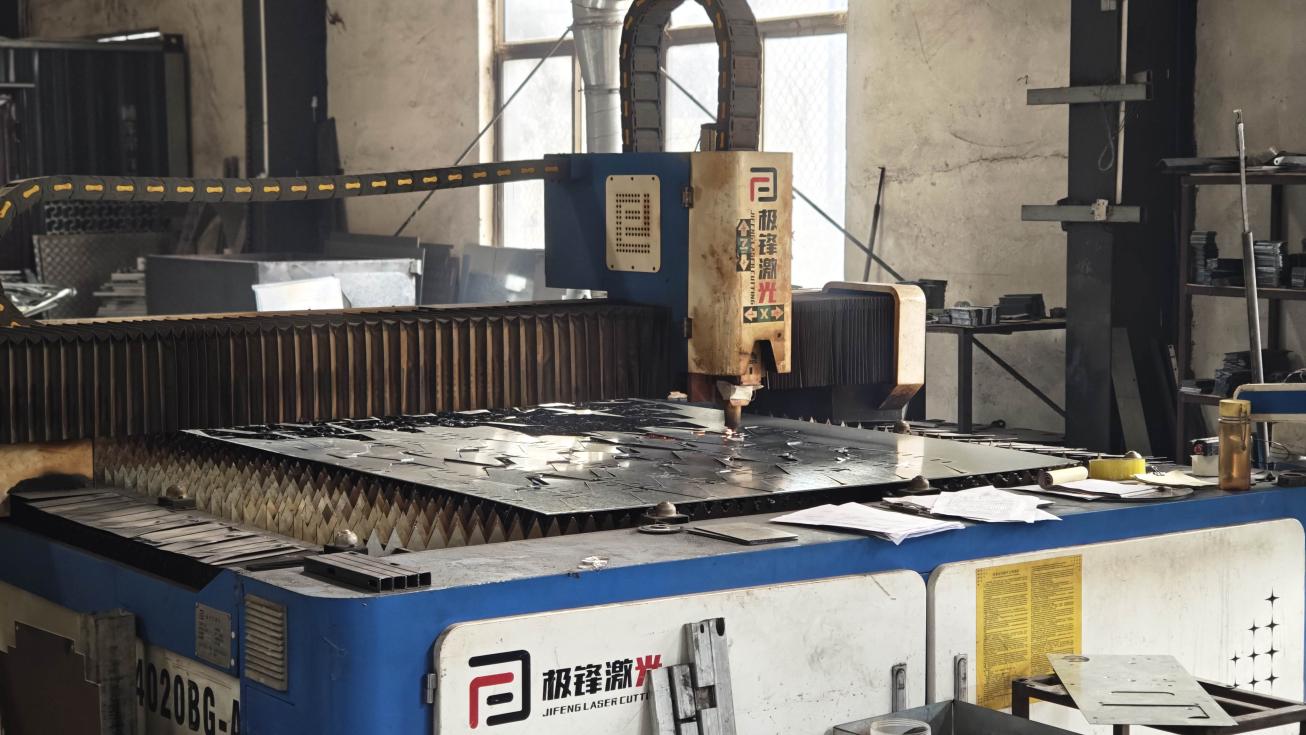
Structural high-grade steel tubing is partitioned on CNC saws ensuring micrometer-accurate end angles for unyielding weld joints.

Chassis contours and occupant safety roll arches are hydraulically cold-formed without seam thinning or stress fractures.

Independent suspension linkages, high-torque helical gear transaxles, and dual-circuit hydraulic braking calipers are secured to chassis rails.
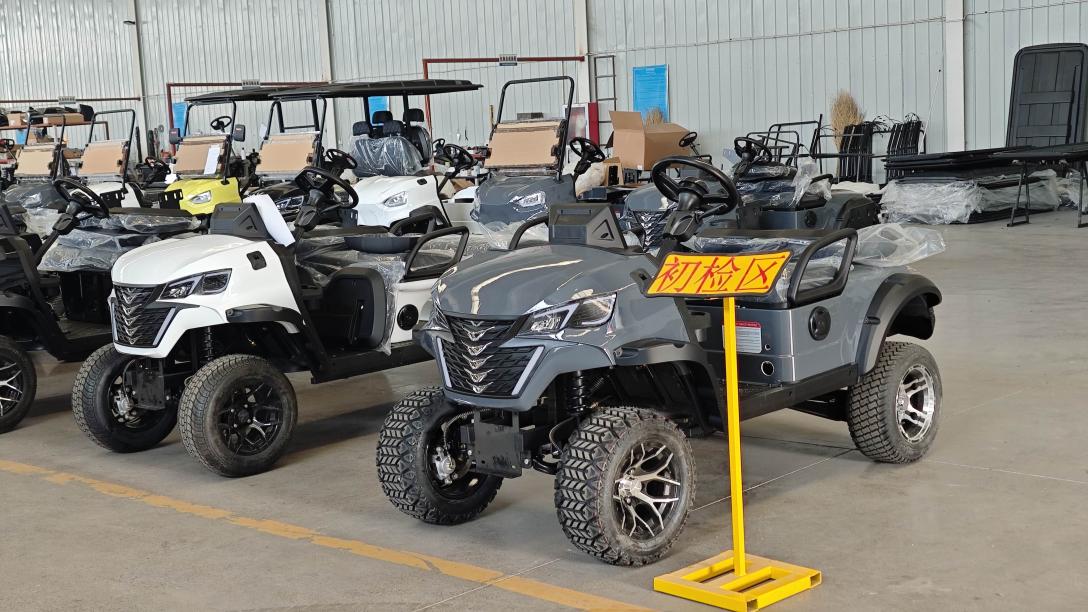
Every completed vehicle undergoes brake deceleration checks, gradient climbing verification, and full electrical load auditing prior to packaging.
Practical risk mitigation, customs compliance, and fleet engineering insights directly from CCB's international trade desks.
Consult with our engineering and international export desk for detailed CAD dimensional drawings, custom fleet livery mockups, and tailored FOB/CIF shipping quotations.
