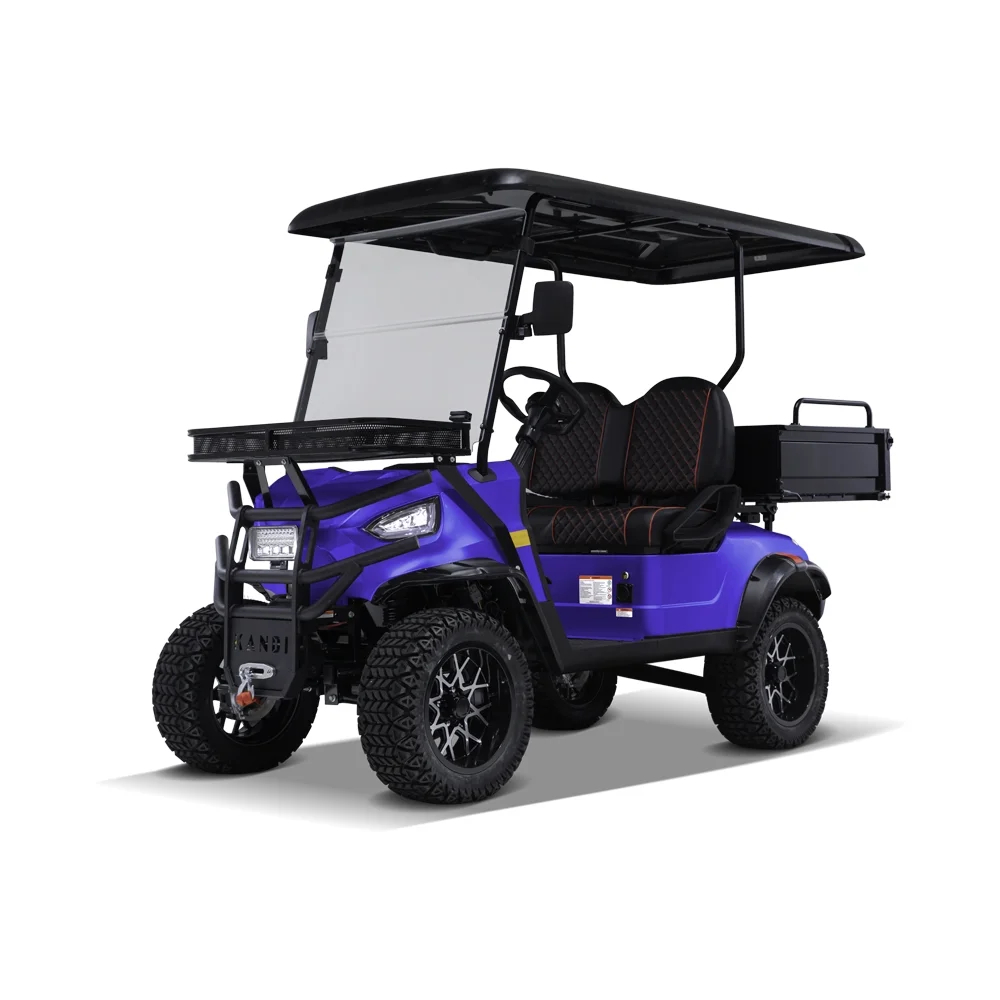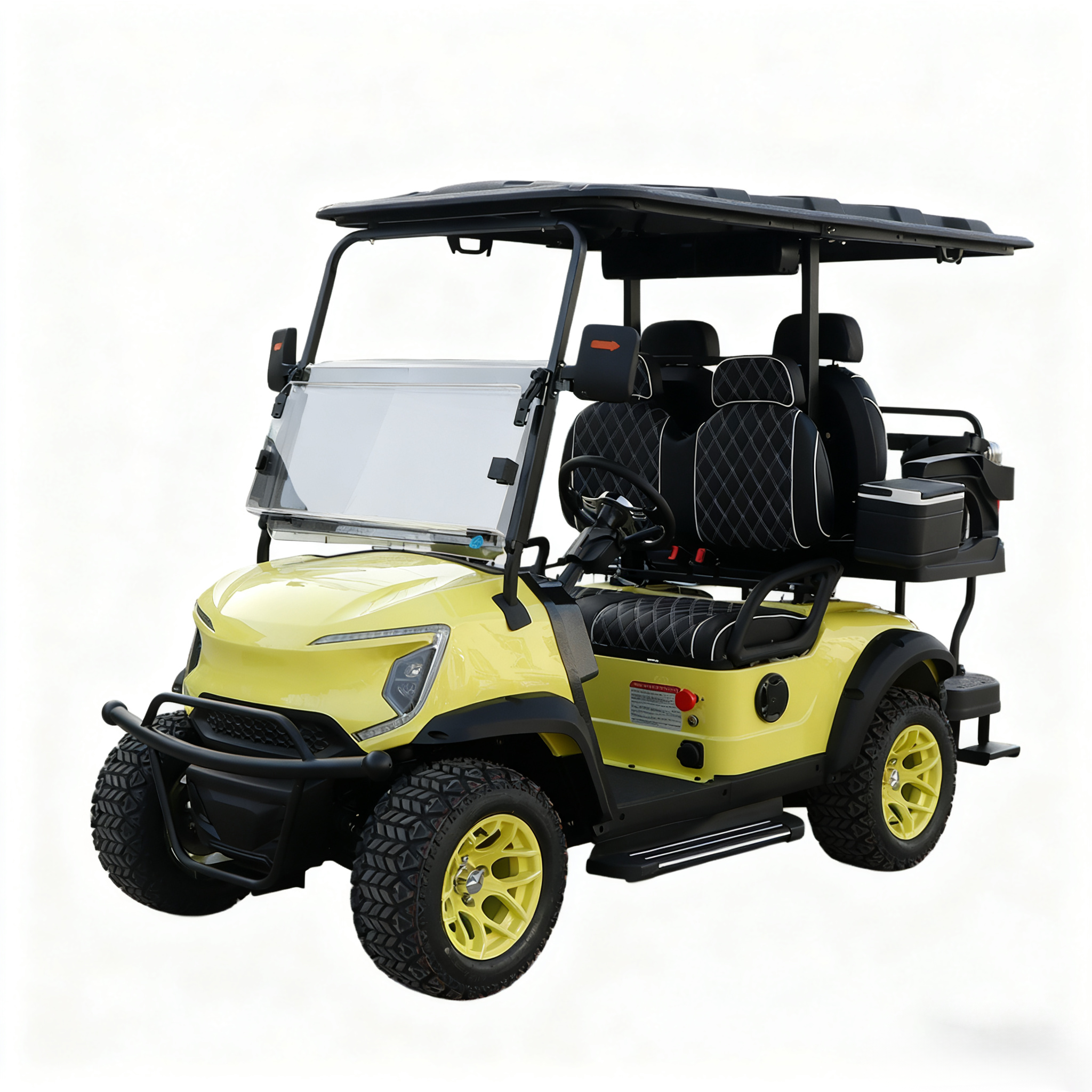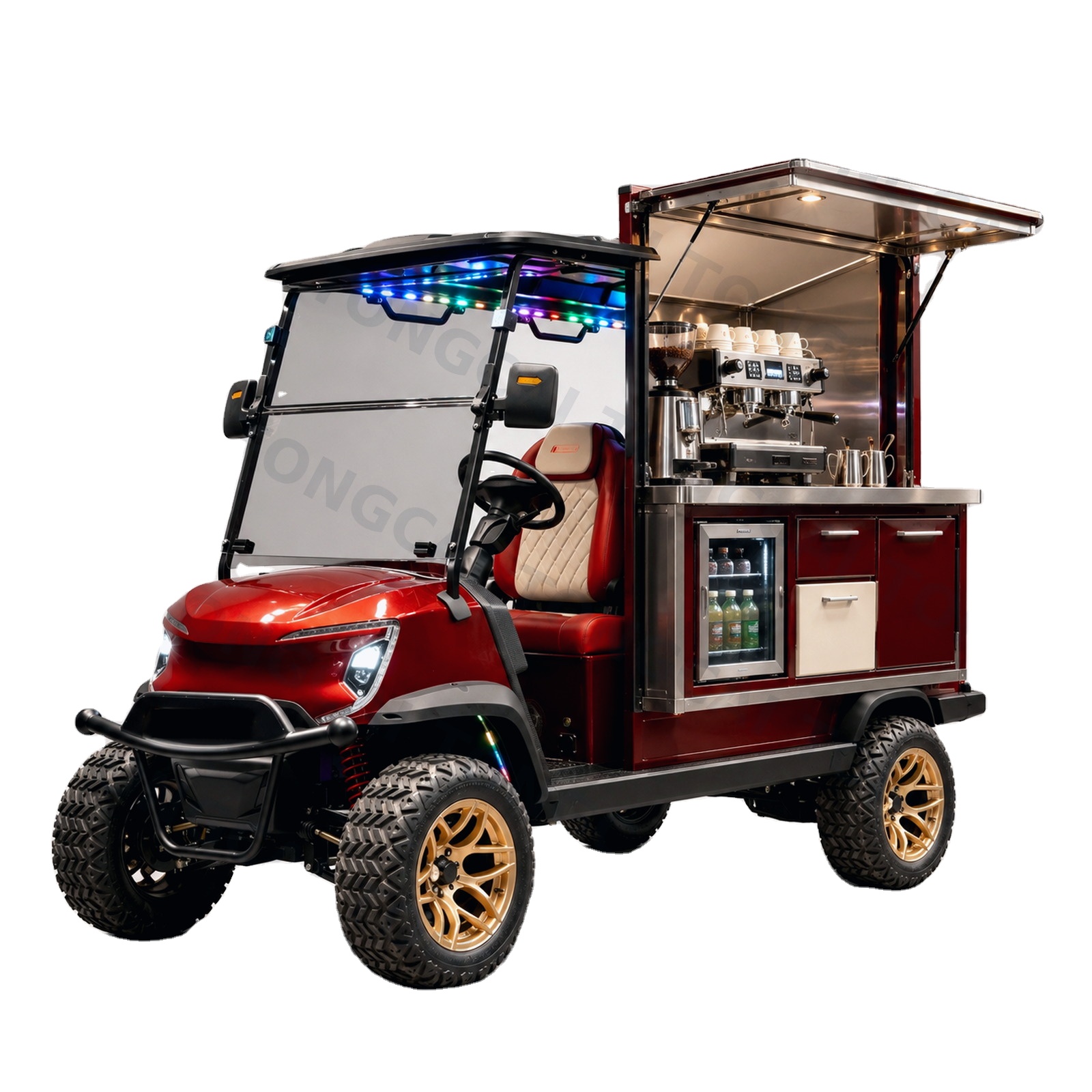


Engineered for hospitality resorts, master-planned gated communities, municipal services, and industrial material transit. Explore verified export configurations below.
Evaluating commercial electric buggy manufacturers requires looking beyond surface-level aesthetics into structural integrity, electrical architecture, and lifecycle durability.
Exporters relying on outsourced mild steel frames face rapid degradation in coastal humidity. Leading exporters utilize robotic seamless tube welding with hot-dip galvanization or high-tensile aluminum alloy frameworks that resist structural oxidation for over a decade.
The transition from flooded lead-acid batteries to Lithium Iron Phosphate (LiFePO4) systems at 48V, 60V, or 72V is non-negotiable. Qualified exporters supply intelligent CAN bus communication protocols and temperature-compensating BMS modules.
For street-legal LSV applications in the US, Europe, and Australia, top exporters supply DOT-approved windshields with wipers, FMVSS 500 seat belts, dual-circuit hydraulic four-wheel disc brakes, and complete automotive-grade LED signaling assemblies.
Understanding where low-speed electric mobility is heading enables enterprise procurement officers to secure assets with minimal obsolescence risk.
Modern fleets require remote geofencing, dynamic speed limiting, remote battery state-of-charge tracking, and predictive maintenance diagnostics integrated into onboard cellular or IoT gateways.
Monocrystalline solar canopies directly integrated with MPPT step-up charge controllers now offset 15% to 25% of daily consumption, maximizing runtime in high-insolation resort environments.
2-seater models are transitioning from static configurations to quick-swap utility platforms. Standardized chassis anchor points allow operators to alternate between fold-down cargo boxes, medical stretchers, and laundry crates.
Brushed DC technology has been entirely supplanted by high-torque AC asynchronous and PMSM (Permanent Magnet Synchronous Motor) powertrains paired with programmable Curtis or Enpower controllers.
Operating a dedicated 14,200 m² production facility in Dezhou, Shandong, CCB bridges the gap between customized ODM flexibility and mass-production efficiency.
Unlike assembly-only brokers, raw steel and aluminum tubes undergo automated laser cutting, robotic 3D pipe bending, fixture-guided welding, and cathodic electrocoating under one roof.
Every single cart undergoes rigorous stage-gate verification: chassis stress testing, harness insulation checks, water-ingress rain tests, ramp load tests, and electronic alignment before packaging.
From custom chassis track widths and custom corporate livery matching to specialized marine-grade anti-corrosive fasteners, our on-site engineering team builds to your exact operational requirements.
Our packaging department utilizes custom steel-frame crates and modular knocked-down (SKD/CKD) loading methodologies, drastically reducing per-unit ocean freight charges for global distributors.
Dealers benefit from standardized, cataloged replacement parts, complete electrical schematics, CAD exploded views, and prioritized air-express component dispatch to minimize fleet downtime.
Verified on-site by TÜV Rheinland, CCB maintains verifiable operational safety standards, sound environmental control, and transparent production capacity records for enterprise buyers.
Key technical, contractual, and regulatory considerations clarified by our senior export directors.
Range is heavily dictated by pack capacity and terrain. A standard 48V 105Ah LiFePO4 battery yields roughly 60 to 75 km per single charge under moderate payload. Upgrading to a 72V 105Ah or 150Ah pack delivers 90 to 120 km of operational autonomy and maintains higher top-end torque on inclines exceeding 20%.
All export units receive a dedicated surface passivation treatment, multi-layer powder coating, and stainless steel hardware for critical exposed fasteners. Vehicles are sealed in high-barrier protective vapor bags with industrial desiccant inside reinforced steel crate structures to prevent saltwater condensation during ocean transit.
Yes. We optimize 40HQ container load plans to mix standard 2-seater buggies, lifted off-road models, mobile food carts, and longer utility passenger vehicles. Our CAD loading software ensures maximum spatial utilization without risk of transit impact or load imbalance.
Depending on your jurisdiction, we issue Certificate of Conformity (COC) documents, 17-digit ISO-standard VIN stampings, CE declaration dossiers, DOT glass certification stamps, and complete electrical schematics for local Department of Motor Vehicles (DMV) or equivalent municipal licensing.