4WD Utility
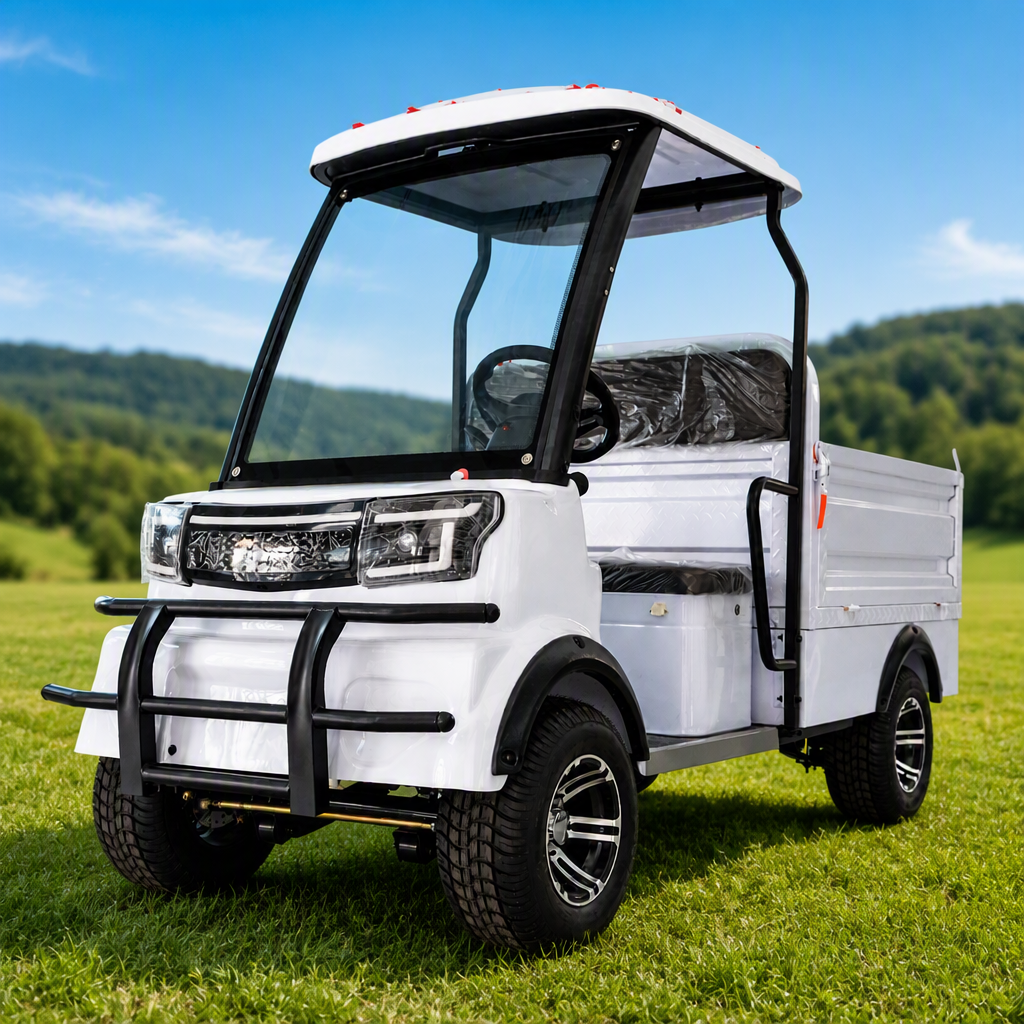
Tongcai Factory Direct Supply Multi-purpose Freight Electric 4WD Vehicle
- Dual-Motor All-Terrain 4WD System
- Heavy-Duty Cargo Bed with All-Weather Canopy
- Enhanced Clearance MacPherson Front Struts
 Deutsch
 Português
 Español
 Français
 Italiano
 Русский
 한국어
 日本語
 العربية
 ไทย
 Tiếng Việt
 Türkçe
 Nederlands
 Indonesia
 עברית
 हिन्दी
Precision-built low-speed vehicles (LSV), utility workhorses, and resort shuttles manufactured to international safety standards with full OEM/ODM chassis parametrization.
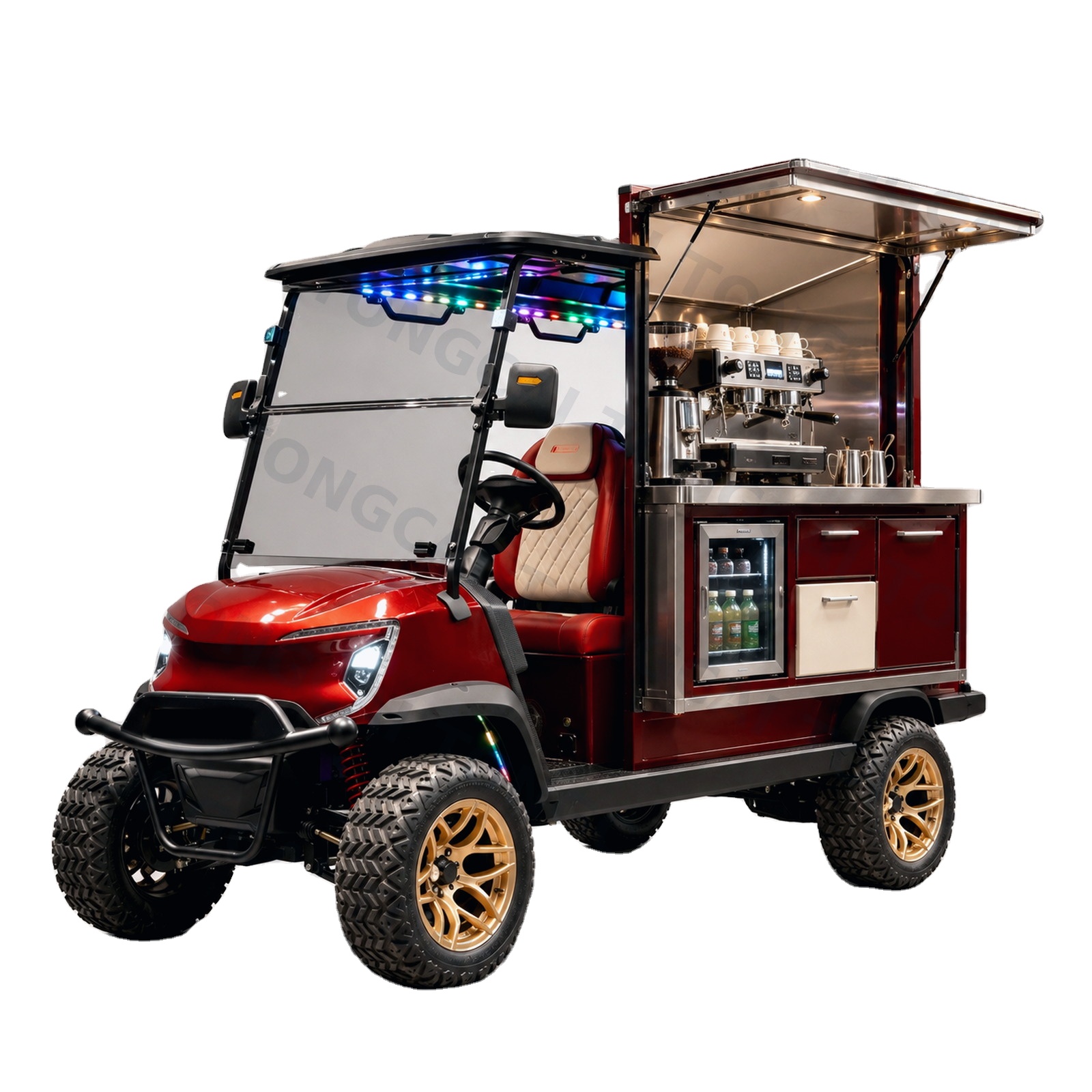

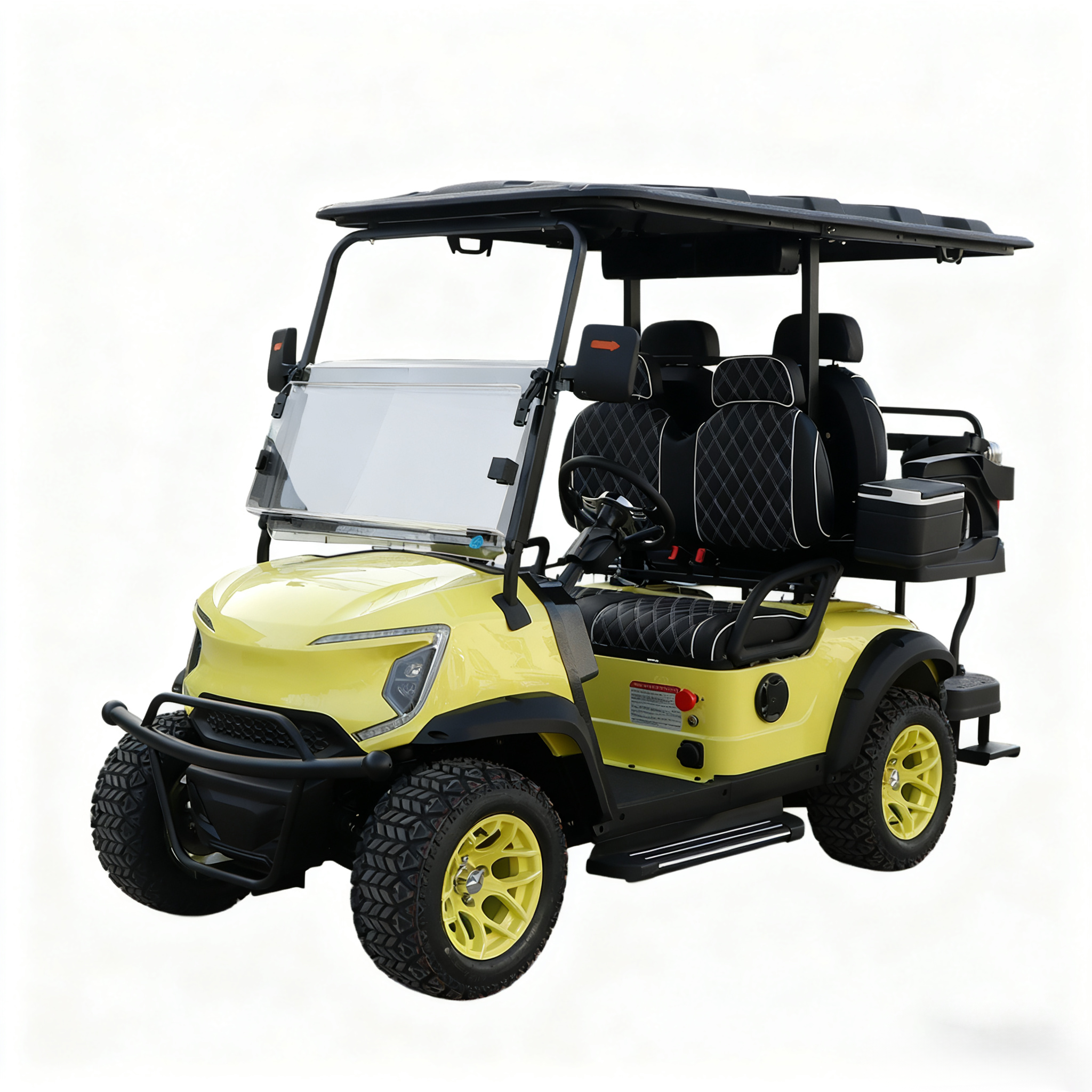
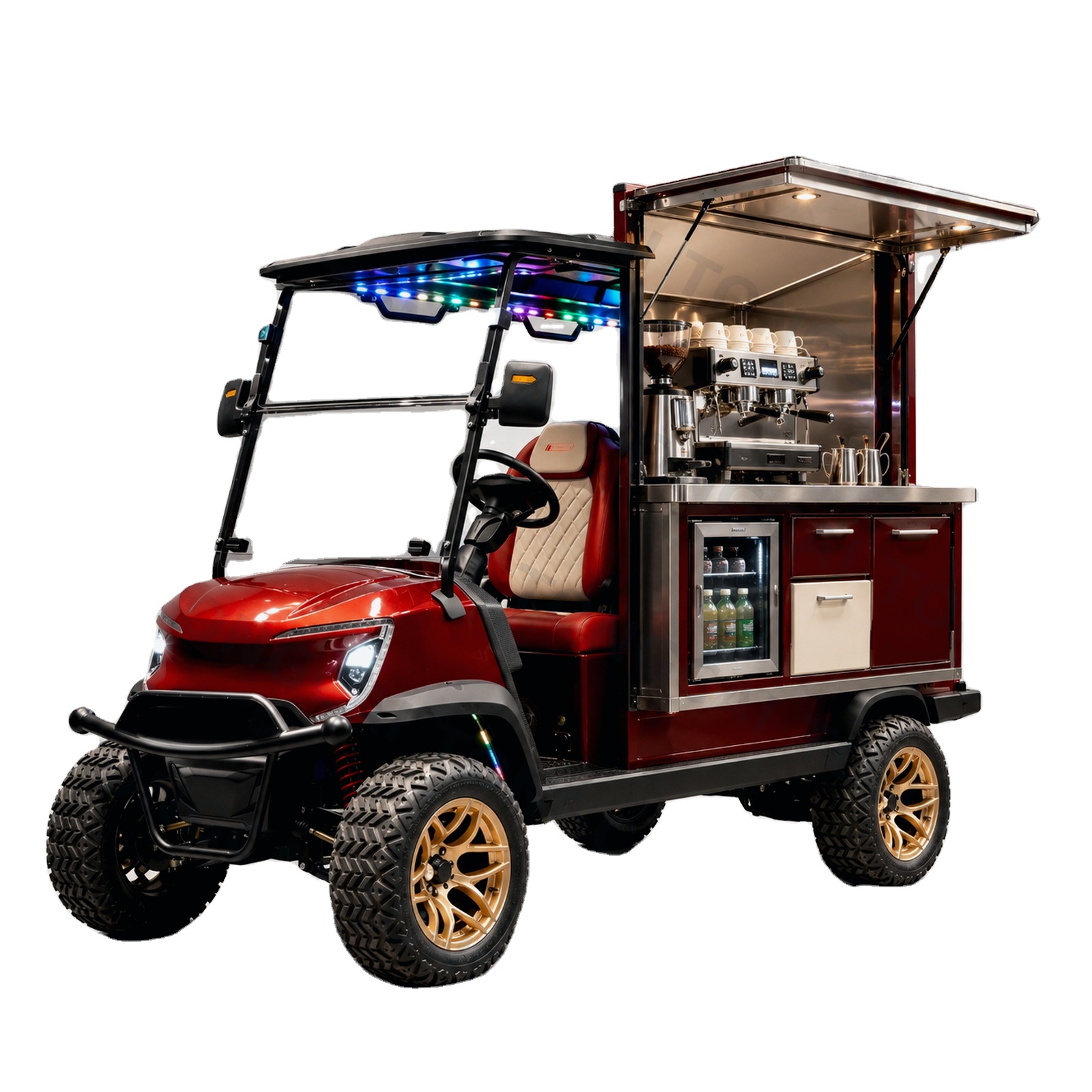
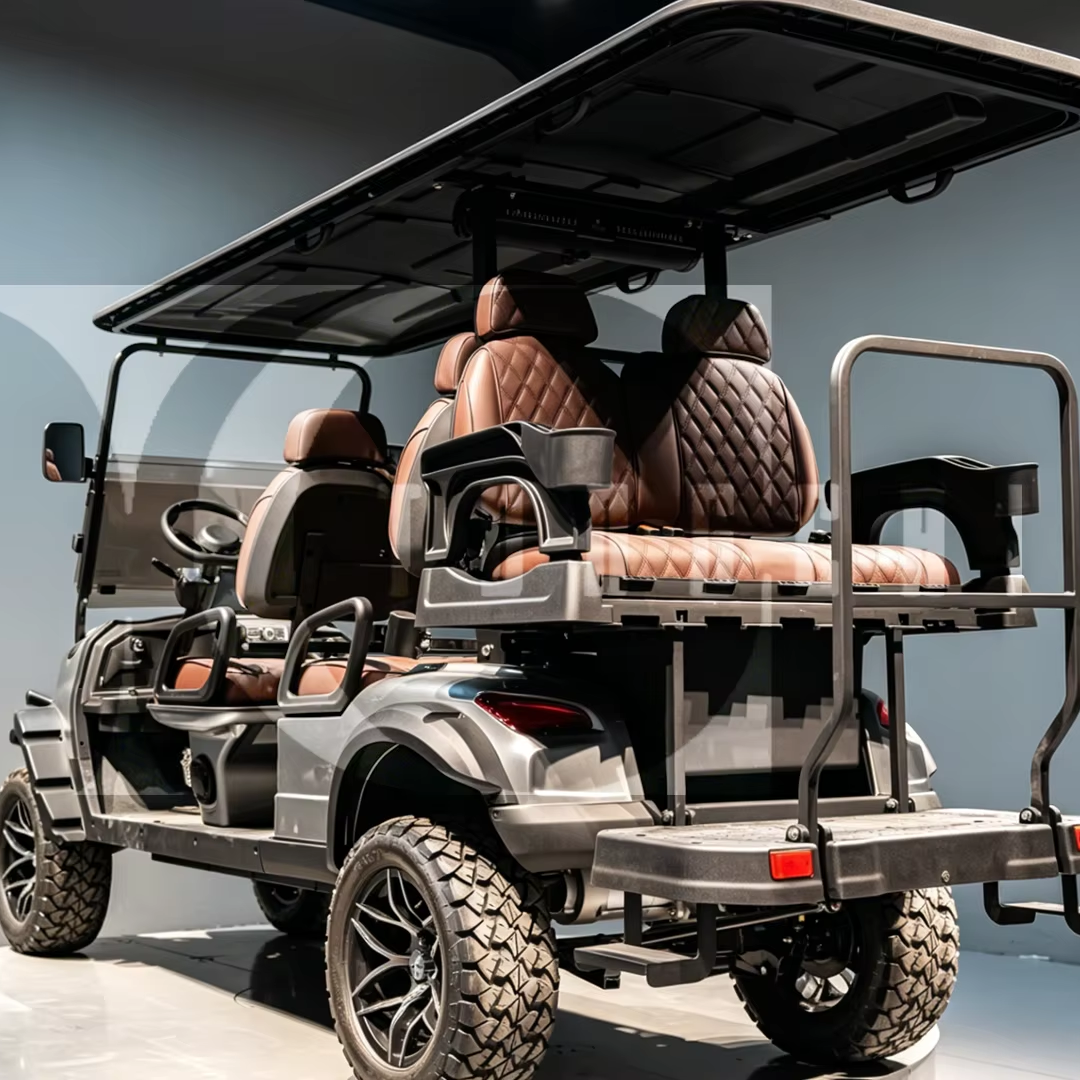

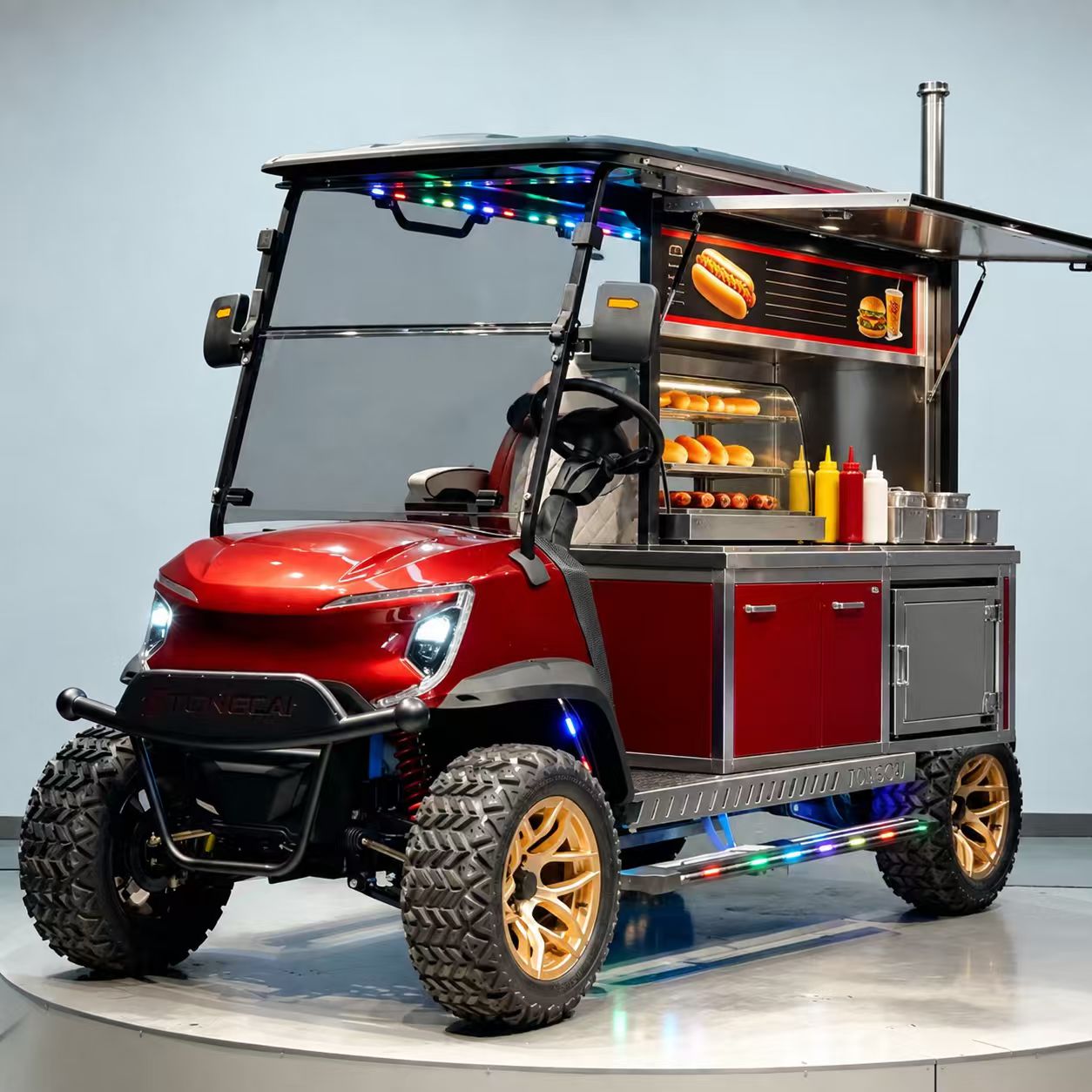
Global golf fleet management and municipal LSV procurement are experiencing radical architectural transitions. Understanding these technological vectors is essential for mitigating residual value loss and reducing lifetime operational expenditure (OpEx).
Traditional flooded and AGM lead-acid battery packs have officially become liability items in modern fleet operations. B2B volume buyers are rapidly moving to unified 48V and 72V LiFePO4 configurations due to their 3,500+ lifecycle rating at 80% Depth of Discharge (DoD), zero maintenance requirements, and 65% reduction in total battery ballast weight, resulting in significantly lower fairway soil compaction.
Next-generation commercial deployments mandate integrated IoT control units. Utilizing 4G LTE/GPS integrated CAN-bus modules, course superintendents can remotely enforce dynamic turf speed zones, track vehicle locations in real time, monitor battery state-of-health (SoH) at the cell level, and automate geofenced containment boundaries to prevent off-trail damage during rain-saturated ground conditions.
Distributors no longer purchase single-purpose vehicles. The demand curve has decisively swung toward multi-utility platforms certified under US DOT FMVSS 500 standards and European EEC L6e/L7e guidelines. Factory-integrated automotive lighting packages, 3-point DOT safety harnesses, shatterproof AS4 laminated glass windshields, and dual hydraulic braking systems ensure seamless private-course to public-road transition.
Sourcing directly from tier-one Chinese manufacturing plants requires understanding critical powertrain components and structural metallurgy to distinguish mass-market novelty carts from commercial-grade vehicles.
| Technical Dimension | Legacy Low-Cost Assemblers | Shandong CCB Direct Factory Architecture | Procurement Strategic Benefit |
|---|---|---|---|
| Chassis Structure | Painted low-gauge welded carbon steel pipe | 6061-T6 Aluminum Alloy or Hot-Dip E-Coated Box Tube | Zero rust propagation in coastal salt spray and chemical fertilizer contact. |
| Powertrain Technology | DC brushed or early series-wound motors | AC Induction / PMSM Brushless (3.5kW – 5.0kW) Motors | Maintenance-free, higher continuous torque curves, zero brush replacements. |
| Motor Controller | Generic unbranded analog drive units | Curtis / Enpower Digital Intelligent CAN-Bus Units | Precision software programmable acceleration curves and regenerative braking. |
| Suspension Setup | Rigid front axle with basic leaf springs | Automotive Independent Double A-Arm + Coil-Over Shocks | Superior lateral stability, passenger comfort, and minimized turf shear damage. |
| Braking Architecture | Rear-wheel mechanical drum cable brakes | Four-Wheel Hydraulic Disc with Auto EM Park Brake | Fail-safe steep slope holding; stopping distance reduced by over 40%. |
While legacy rental fleets historically adopted 48V systems, modern high-capacity operations (6-seat and 8-seat stretched shuttles, or lifted all-terrain cargo utility trucks) are aggressively pivoting toward 72V architecture. The thermodynamic reality of 72V drive configurations is straightforward: by delivering equivalent kinetic wattage at higher voltage, the nominal current (amperage) flowing through the vehicle wiring harness and motor windings is reduced by approximately 33%.
Reduced amperage directly suppresses Joule heating losses ($I^2R$). The result is extended duty cycles, dramatically lower motor operating temperatures during continuous steep incline climbs, and heightened electronic controller longevity. For international operators running heavy elevation changes across alpine golf courses or large-scale beach resorts, 72V architecture is the gold standard for fleet reliability.
Unlike third-party brand traders and superficial assemblers, our Dezhou facility spans 14,200 m² of specialized production cells, maintaining complete metallurgical, mechanical, and electrical traceability from raw steel tubing to final container stuffing.
High-precision fiber laser cutting of heavy-wall chassis tubes and gusset plates to millimeter tolerances.
Milling and drilling of structural pivot mounts, steering knuckles, and motor alignment assemblies.
Computer-governed 3D mandrel bending ensures structural canopy supports and roll cage integrity without tube buckling.
Precision robotic welding on customized jig tooling delivers 100% repeatable seam penetration and weld bead consistency.
Multi-stage chemical pre-treatment, cathodic electro-deposition primer, and automotive-grade UV-stable polyurethane topcoat.
Installation of high-torque transaxles, independent suspension arms, steering racks, and hydraulic disc braking lines.
Modular wiring harness routing, Curtis/Enpower controller mounting, smart BMS lithium battery installation, and body panels.
Rigorous dielectric testing, insulation resistance checking, CAN-bus ping diagnostics, and emergency kill-switch verification.
In-house CNC press brakes form custom utility beds, aluminum battery trays, and heavy-duty cargo dividers.
Specialized heavy-gauge profiling for curved safety bumpers, commercial display trailers, and canopy contours.
Every completed vehicle undergoes dyno roller evaluation, regenerative brake calibration, and a 30% incline parking test.
Comprehensive 100-point cosmetic inspection, anti-corrosion barrier wrapping, and reinforced steel-cradle shipping packing.
As an audited supplier certified on-site by TÜV Rheinland, Shandong CCB New Energy Machinery Co., Ltd. operates with a documented Quality Management System that matches international automotive assembly expectations. When procurement directors engage directly with our factory floor, they bypass layered trading markups and communicate directly with bilingual mechanical and electrical engineers.
Whether requiring customized chassis lengths, custom paint codes for institutional resort branding, special auxiliary inverter circuits for mobile food vending, or left/right hand drive steering setups, our engineering division offers rapid prototyping, customized 3D CAD drawings within 48 hours, and streamlined container loading programs configured for maximum freight efficiency.
Direct technical answers to common questions regarding customs homologation, container stuffing logistics, battery life guarantees, and global aftermarket support.
For standard catalog configurations, we support a minimum order quantity (MOQ) of 1 unit to facilitate dealer evaluation, structural inspection, and localized trial testing. For full OEM/ODM branding—including custom livery, customized dashboard electronics, customized gear ratios, and client-specified upholstery—our typical minimum is a 20ft container (4–6 units) or 40ft HQ container (12–18 units depending on packaging methodology). Factory production lead time generally spans 18 to 25 business days from CAD drawing confirmation.
We provide two shipping formats depending on your destination country's tariff schedule and localized assembly capabilities:
Semi-Knocked Down (SKD): The vehicle arrives with the chassis, motor, wiring, and rear axle pre-assembled on wheels. Tires, steering column, canopy roof, and bench seating are stacked above. Unpacking and final assembly take under 45 minutes per cart.
Completely Knocked Down (CKD): Major assemblies (chassis, power unit, body plastics) are separated to maximize freight volume (up to 24-28 carts in a 40ft HQ). This structure frequently qualifies for lower raw-component customs duties rather than fully assembled vehicle rates.
Our Tier-1 grade LiFePO4 battery enclosures feature integrated Smart BMS (Battery Management Systems) with active cell-balancing, high/low temperature cutoffs, over-charge/discharge protections, and CAN-bus telemetry output. We provide a factory-backed 5-year replacement warranty on our lithium battery modules. For clients operating in severe desert environments (e.g., GCC markets) or sub-zero mountain resorts, we offer optional internal cell warming blankets and auxiliary cooling airflow designs to maintain battery longevity.
Our export models are engineered to comply with target destination statutory frameworks. For the European Union, models are delivered with full CE certification under Low Voltage and Machinery Directives, alongside optional EEC L6e/L7e road-homologation packages. For North American buyers, our LSV configurations comply with US Federal Motor Vehicle Safety Standard FMVSS 500 regulations, featuring DOT-certified windshields, safety belts, automotive headlamps, horn, dynamic braking, and 17-digit VIN encoding.
We supply a categorized "Fast-Moving Spares Kit" (brake pads, solenoids, relays, bushings, fuses, lighting units) free of charge with every full-container order. In the rare event of a component failure during the warranty period, diagnostic logs captured via the controller's handheld programmer or USB interface are reviewed by our technical engineers within 12 hours. Replacement components are dispatched via DHL/FedEx international air priority directly to the dealer's facility.
Yes. We engineer integrated monocrystalline and flexible solar canopy panels with peak ratings from 150W to 350W, coupled with specialized MPPT step-up solar controllers. In standard sunny outdoor operations, this setup delivers a continuous passive charge, increasing overall daily driving range by 15% to 25% and reducing grid-charging cycles, while extending battery pack lifespan by maintaining higher average state-of-charge.
Whether calculating fleet electrification ROI, reviewing custom chassis blueprints, or organizing a TÜV-certified factory live video inspection, our senior technical advisors are available to assist your operations.
