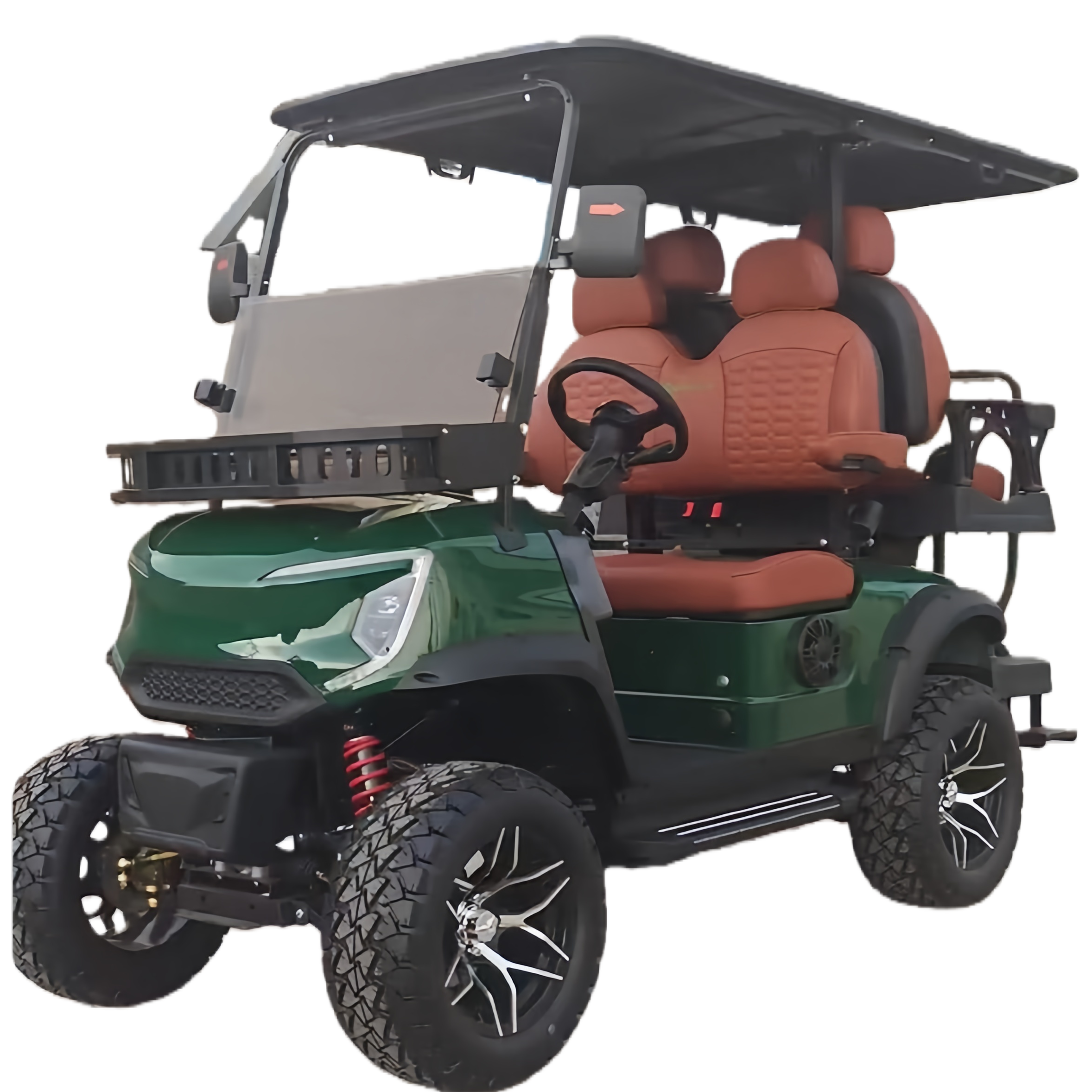
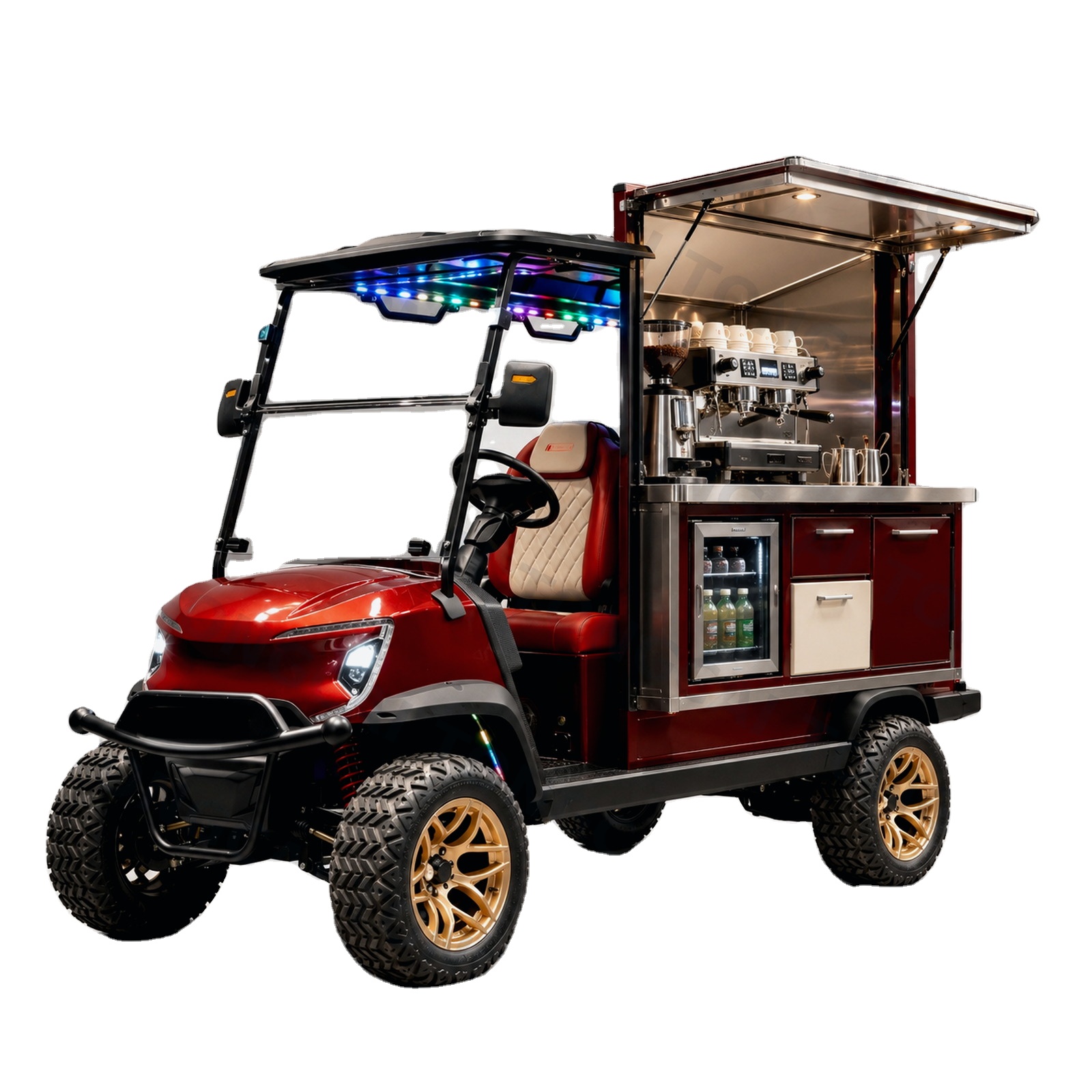
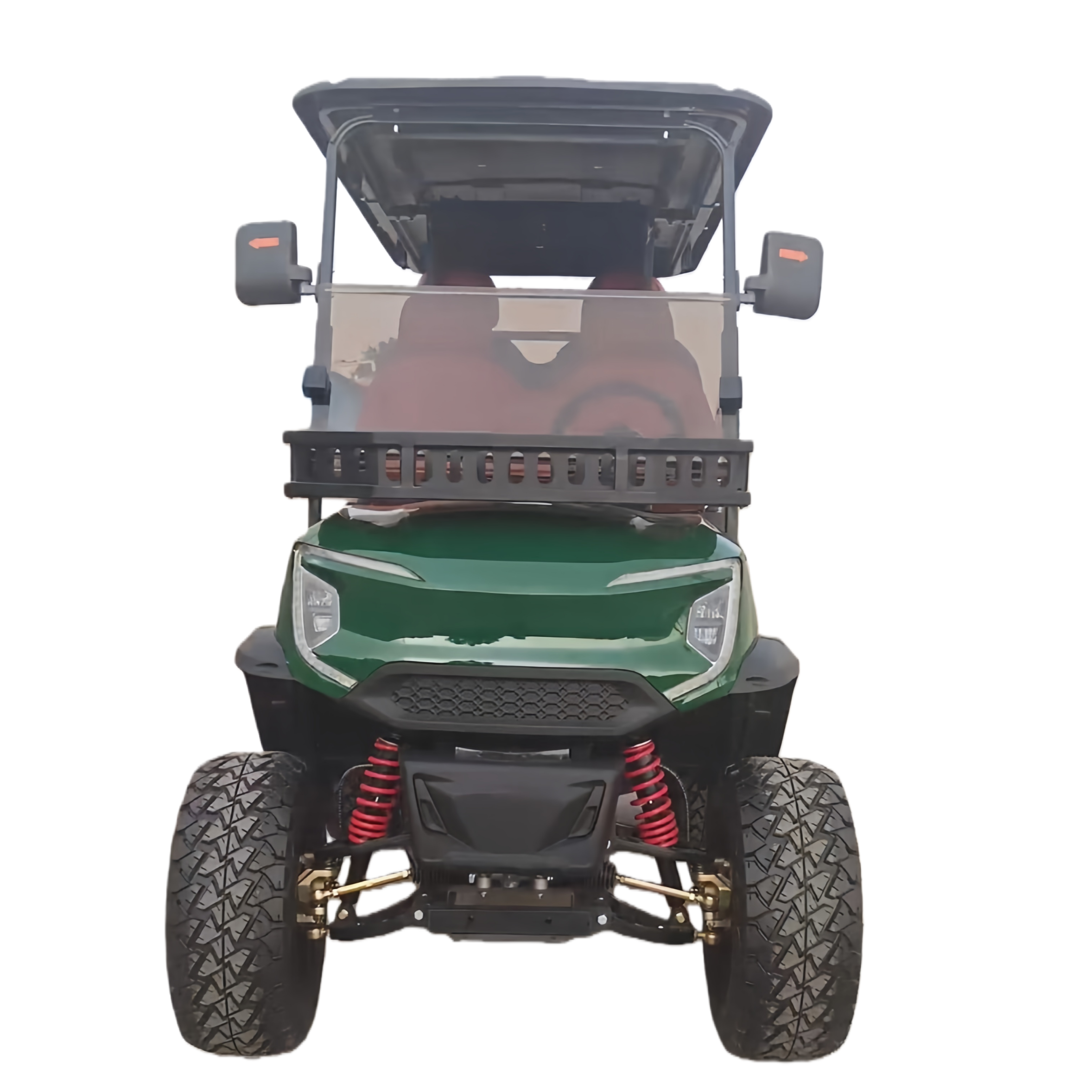
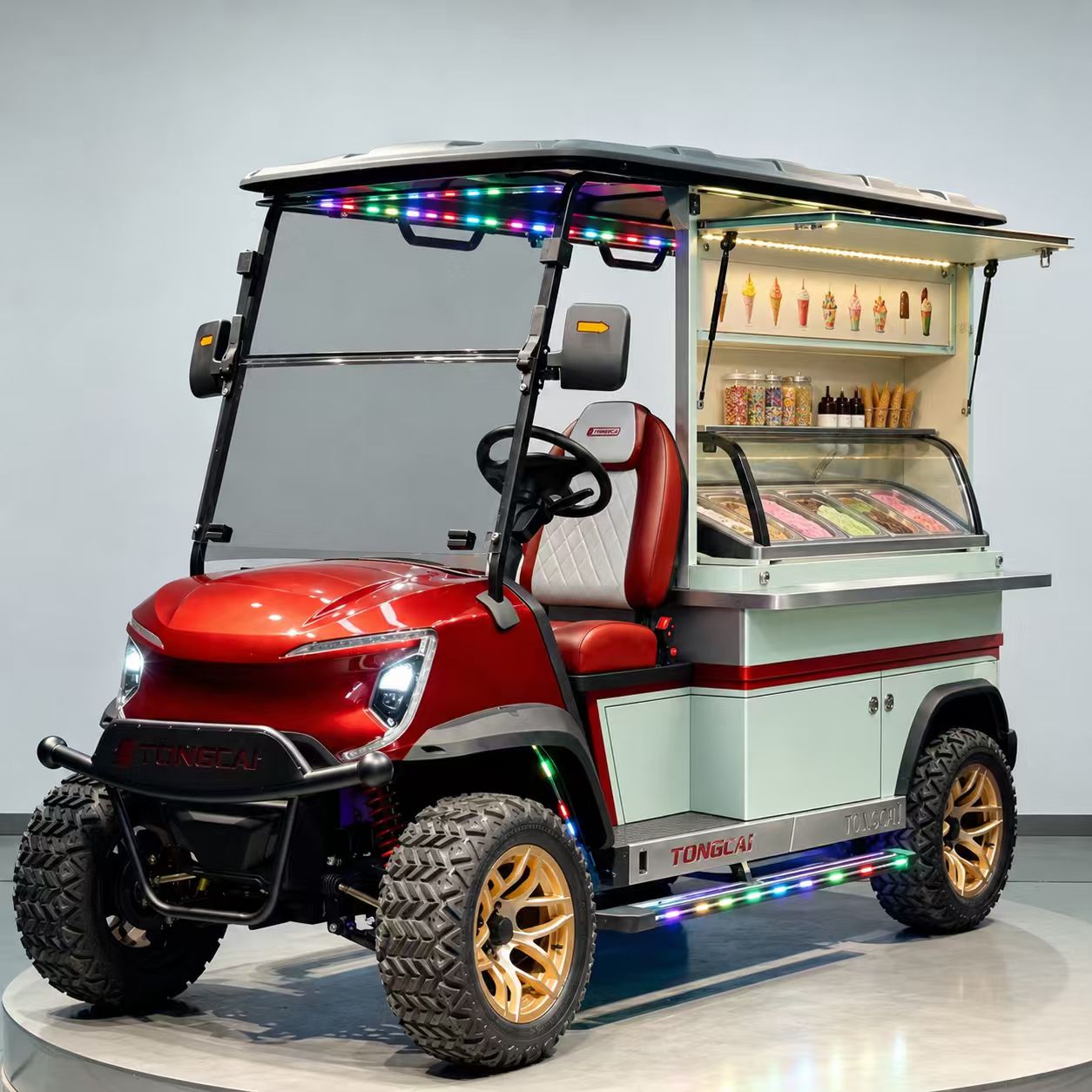
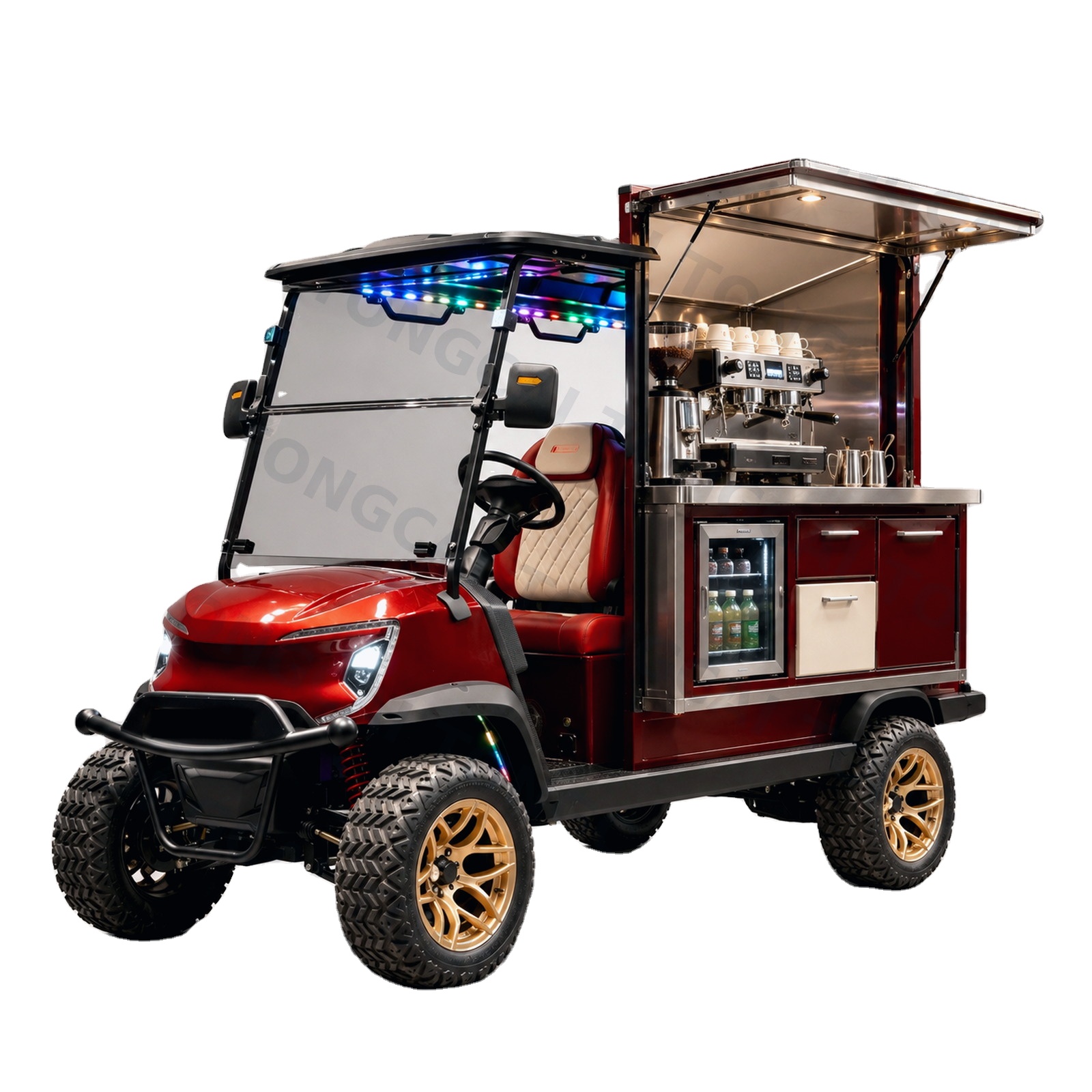
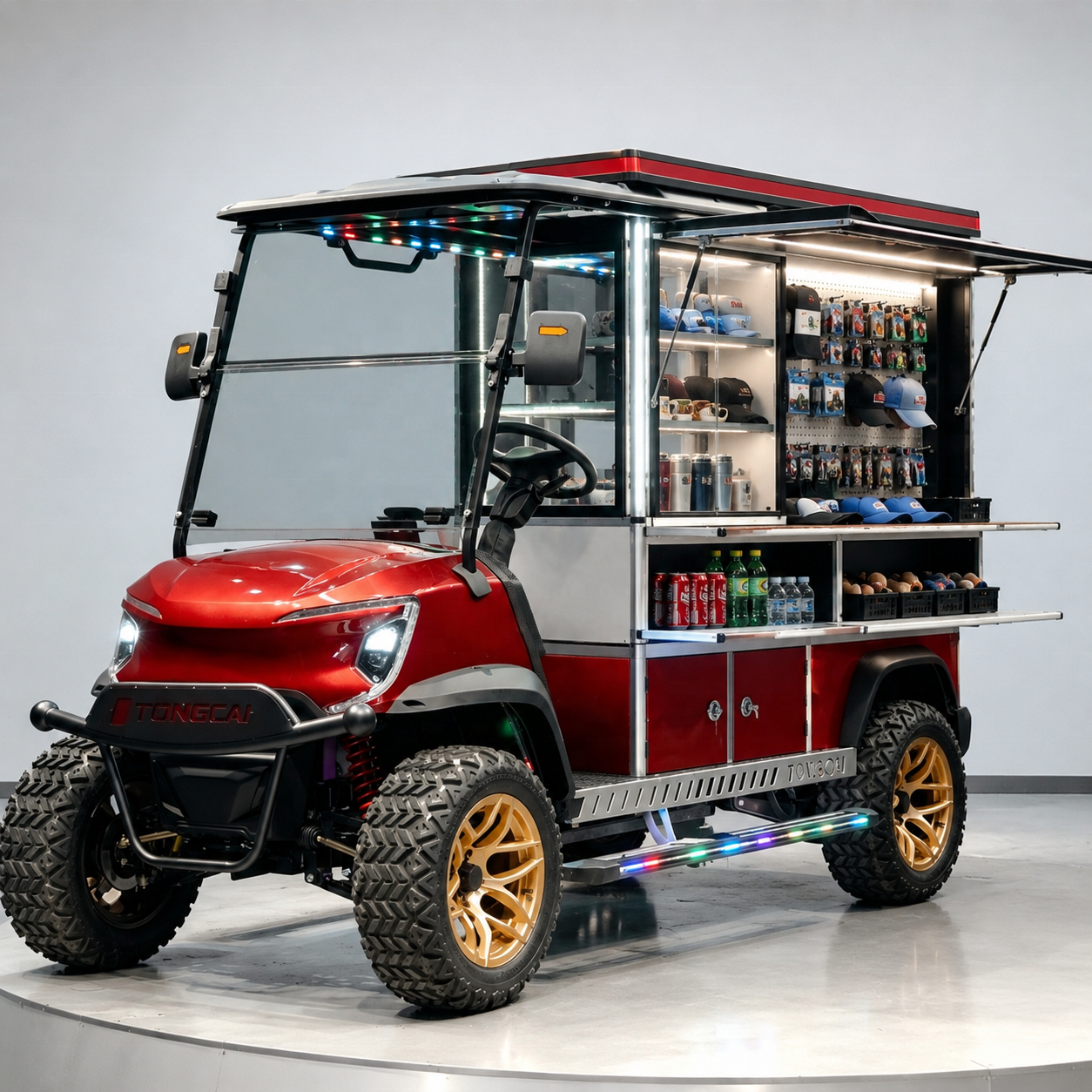
In the modern commercial landscape, the traditional golf cart has evolved far beyond recreational fairways. Today, global supply chains, international resort complexes, municipal transit hubs, and last-mile delivery infrastructures require heavy-duty, zero-emission Industrial Electric Utility Vehicles (UTVs) engineered with structural integrity, high energy density, and strict regulatory compliance. As China's premier manufacturer and exporter, our facility in Dezhou, Shandong combines automotive-grade vertical manufacturing with bespoke OEM customization, delivering vehicles that achieve the lowest Total Cost of Ownership (TCO) in the low-speed electric mobility sector.
Commercial Procurement Trends Shaping the Global Industrial Golf Cart Industry
Enterprise procurement officers, resort operations directors, and commercial facility managers are facing profound structural transitions. Sourcing low-speed electric vehicles no longer centers on simple upfront unit cost; it is driven by holistic fleet reliability, operational safety protocols, intelligent battery management systems, and stringent international emissions mandates. B2B buyers must evaluate four foundational sourcing trends to safeguard long-term ROI over the coming decade.
LiFePO4 Total Transition
Lead-acid technology has been largely phased out among tier-one enterprise buyers due to short life cycles, hazardous off-gassing, and maintenance overheads. Standardized 48V, 60V, and 72V Lithium Iron Phosphate (LiFePO4) systems with high thermal run-away ceilings now dominate over 88% of container-scale orders.
CAN-Bus Telematics & IoT
Fleet operators demand centralized oversight. Modern procurement contracts now mandate integrated CAN-Bus controllers capable of transmitting real-time SOC (State of Charge), geofencing, remote motor diagnostics, preventive maintenance alerts, and regenerative braking efficiency to central servers.
Interchangeable Modules
Instead of deploying dedicated single-purpose carts, enterprise facilities require multi-mission modular chassis. A single industrial golf cart platform must rapidly adapt from a 4-passenger resort shuttle to a flatbed maintenance hauler or a enclosed cold-chain food-vending vehicle in under two hours.
Strict Regulatory Homologation
Global markets strictly monitor LSV classification. Procurement specifications require certified compliance with US DOT Federal Motor Vehicle Safety Standard (FMVSS 500), EEC/CE homologation under EU L7e/L6e micro-mobility directives, and standardized automotive functional safety audits.
Data Comparison: 7-Year Total Cost of Ownership (TCO) Fleet Analysis (10-Unit Commercial Fleet)
Evaluation Parameter
Legacy Lead-Acid Fleet
Automotive LiFePO4 System (CCB Standard)
Operational Impact & Financial Gain
Initial Capital Outlay (CapEx)
Lower Baseline ($)
Moderate Premium (+18% to 22%)
Offset within 14 months of commercial duty
Usable Battery Cycle Life
500 - 800 Full Cycles (@ 50% DoD)
3,500 - 4,500 Cycles (@ 80% DoD)
5x extended operating lifecycle without replacement
Annual Scheduled Maintenance
High (Water replenishment, terminal clean)
Zero Maintenance (Hermetically sealed BMS)
Cuts direct workshop labor expenditure by 85%
Charging Energy Efficiency
72% - 78% (Thermal dissipation loss)
95% - 98% (High coulombic efficiency)
Lowers municipal electrical consumption by ~23%
Curb Weight & Payload Ratio
Heavy (~120kg ballast disadvantage)
Lightweight (High volumetric density)
Reduces tire, bushing, and suspension wear by 40%
Fleet Residual Value (7-Year)
< 10% Initial Valuation
42% - 48% Intact Value
Superior liquidity during fleet rotation cycles
Technological Architecture: The Next Generation of Industrial Golf Carts
To conquer diverse international operating parameters—from humid tropical island resorts to heavy manufacturing distribution parks—our engineering R&D team continuously refines powertrain, chassis, and electronic sub-assemblies. The integration of automotive manufacturing disciplines into the golf cart industry allows CCB / Tongcai to set benchmark standards across mechanical longevity, thermal management, and passenger security.
PMSM vs AC Asynchronous Powertrains
While standard consumer golf carts utilize brushed DC or basic AC induction motors, our industrial series features high-efficiency Permanent Magnet Synchronous Motors (PMSM) paired with intelligent Curtis or Enpower vector controllers. Delivering up to 5000W-7500W peak output, this powertrain delivers maximum torque at zero RPM, providing effortless 25-30% gradeability on loaded industrial ramps.
Monocrystalline Solar PV Roof Integration
Commercial operations requiring non-stop daylight utility deploy our proprietary monocrystalline solar canopy roofs. Featuring high-efficiency MPPT (Maximum Power Point Tracking) controllers, our integrated PV roofs generate up to 250W-400W of supplementary trickle charging, offsetting auxiliary refrigeration or HVAC draw and extending daily range by 20% to 35%.
Cataphoretic E-Coated Monocoque Frames
Coastal resorts and corrosive salt-air marine environments frequently degrade generic steel frames. Our structural frames utilize precision-bent Q235B high-tensile steel tubing subjected to multi-stage automotive electrophoretic immersion (E-Coating) and high-bake powder curing, guaranteed for 10+ years against structural rust and perforation.
Why Global Distributors & Fleet Operators Partner with CCB / Tongcai
Operating out of Tianqu Industrial Park, Dezhou, Shandong, China, Shandong CCB New Energy Machinery Co., Ltd. operates as a verified direct manufacturer—not an assembly trading middleman. Spanning 14,200 square meters of production workshops, our facility retains full vertical ownership over every phase of vehicle creation. This centralized industrial control enables us to tailor voltages, gear ratios, suspension dampening, and aesthetic bodywork to match exact geographic regulations and dealer specifications.
The 12-Stage In-House Manufacturing & Strict QC Workflow
Stage 01
CNC Laser Cutting
Automated fiber laser cutting of high-grade tubular steel to ±0.2mm precision tolerances.
Stage 02
Precision CNC Machining
Automated milling and lathing of suspension mounts, hubs, and steering knuckles.
Stage 03
CNC Pipe Bending
Multi-axis automated roll cage and chassis tube shaping without structural wall pinching.
Stage 04
Fixture Robot Welding
Rigid jig welding ensuring unified chassis alignment, followed by manual weld grinding.
Stage 05
Electrophoresis & Spraying
Cathodic electro-dipping anti-rust tank treatment followed by dual-coat electrostatic paint.
Wiring harness installation, controller mounting, and lithium pack containment setup.
Stage 08
Bodywork & Outfitting
Mounting PP/injection-molded panels, marine-grade vinyl seating, and canopy roof systems.
Stage 09
Electrical Function QC
100% check of CAN-Bus diagnostics, lighting arrays, safety interlocks, and emergency cut-offs.
Stage 10
Hydraulic Brake Testing
Pressure dynamometer calibration verifying 4-wheel stopping distance under full payload.
Stage 11
Water Ingress & Rattle Dyno
High-pressure monsoon cabin testing and simulated rough-terrain rolling road shakedowns.
Stage 12
Final FQC & Export Crating
Comprehensive 80-point audit, protective film wrapping, and steel-frame maritime crating.
Industrial Golf Cart Procurement FAQ: Technical Guidance for Importers
Importing commercial electric vehicle fleets from China requires precise knowledge of maritime logistics, battery customs regulations, voltage standardization, and warranty execution. Our senior export engineers have answered the most common operational questions below.
What are the minimum order quantities (MOQ) and sample lead times?
To support distributor evaluation and project validation, our standard MOQ is 1 unit for prototype sampling. Standard catalog prototypes require 10–15 business days for factory production and testing. Container-volume orders (20GP / 40HQ) unlock full OEM branding, custom pantone colors, tailored transaxle ratios, and mixed-model loading plans with typical assembly times of 25–30 calendar days.
What battery chemistries and compliance certifications do you provide for maritime export?
We provide deep-cycle maintenance-free AGM lead-acid batteries and premium grade-A LiFePO4 (Lithium Iron Phosphate) automotive cells. All lithium packs come certified with full UN38.3 test summaries, MSDS documentation, and compliant Dangerous Goods (DG Class 9) maritime packaging protocols to ensure seamless customs clearance at destination ports across North America, Europe, Australia, and the Middle East.
Can CCB configure golf carts for Low-Speed Vehicle (LSV) and street-legal use?
Yes. For clients requiring street registration, we supply full DOT-compliant LSV packages conforming to US FMVSS 500 and European L7e micro-mobility standards. This includes AS4-certified laminated safety glass windshields with electric wipers, three-point retractable seatbelts, automotive-grade LED headlights with high/low beams, directional turn signals, emergency hazard flashers, side mirrors with indicators, a rear backup camera, and an audible pedestrian warning chime.
How are vehicles packed to maximize container utilization and prevent transit damage?
We offer two logistics packing methods: CBU (Completely Built Up) and SKD (Semi-Knocked Down). For SKD shipping, the wheels, canopy roof, and rear seat kits are neatly disassembled and secured in customized stackable welded steel tubular crating. This packing design allows up to 6–8 units in a standard 20ft container and 16–24 units in a 40ft HQ container, cutting per-unit sea freight costs by up to 55%.
What after-sales warranty, spare parts support, and technical diagnostics are guaranteed?
We provide a 5-year warranty on LiFePO4 battery packs, a 3-year warranty on chassis frames, and a 1-year warranty on electric motors, transaxles, and controllers. Every container order includes a complimentary emergency consumable parts kit (relays, switches, brake shoes, suspension bushings). Additionally, our engineering team supplies full English wiring schematics, CAD service manuals, and remote video diagnostic support within 24 hours.
How does the factory handle custom chassis modifications for specialized utility platforms?
Because we own our CNC tube cutting, bending, and robotic welding stations in Dezhou, our R&D department can customize chassis length, wheelbase, ground clearance, and load capacities. We frequently engineer custom elongated flatbeds for medical stretchers, insulated enclosed boxes for food catering, hydraulic rear dump beds for waste management, and heavy-duty lifted suspensions with 23x10.5-12 all-terrain tires for rugged farm and off-road resort use.
Partner Directly with China's Premier Golf Cart Exporter
Whether you require a customized 20-unit resort fleet, a high-volume OEM private-label production run, or specialized mobile industrial platforms, our technical sales engineers provide direct factory-floor pricing, custom 3D design renderings, and comprehensive freight estimates.
 Deutsch
 Português
 Español
 Français
 Italiano
 Русский
 한국어
 日本語
 العربية
 ไทย
 Tiếng Việt
 Türkçe
 Nederlands
 Indonesia
 עברית
 हिन्दी