Street Legal LSV
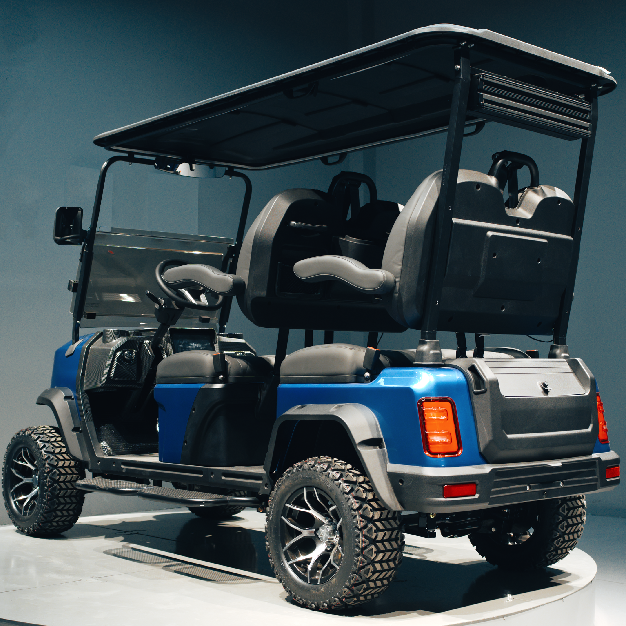
Street Legal 48V Lithium 4-Seater Golf Cart
- 30–50 km/h Programmable Top Speed
- 90 km Certified Extended Range
- Fully Integrated LED Lighting System
 Deutsch
 Português
 Español
 Français
 Italiano
 Русский
 한국어
 日本語
 العربية
 ไทย
 Tiếng Việt
 Türkçe
 Nederlands
 Indonesia
 עברית
 हिन्दी
Constructed inside an audited 14,200 m² smart manufacturing plant. Designed with reinforced automotive frames, high-yield AC drivetrains, and global safety standards for worldwide commercial distributors.


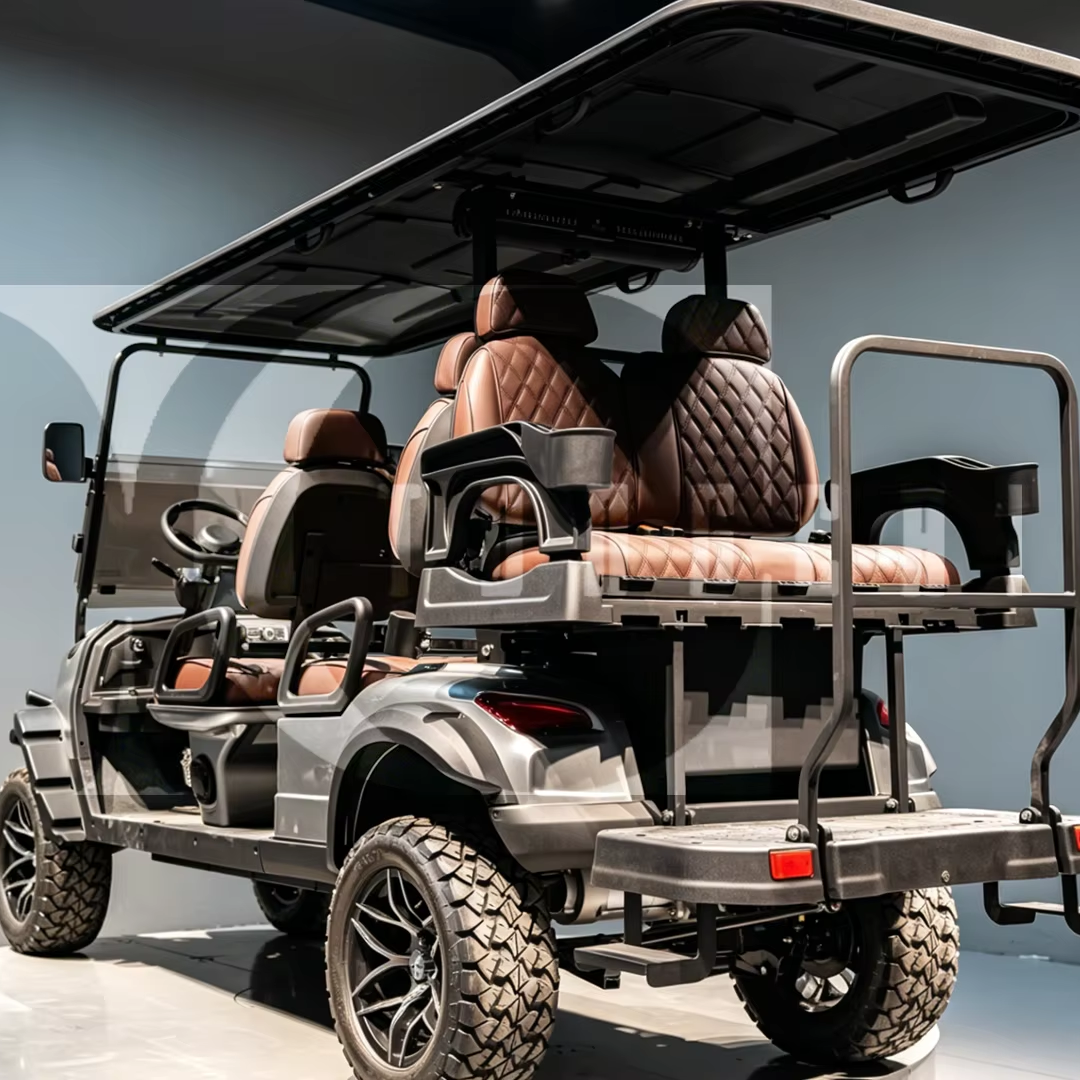

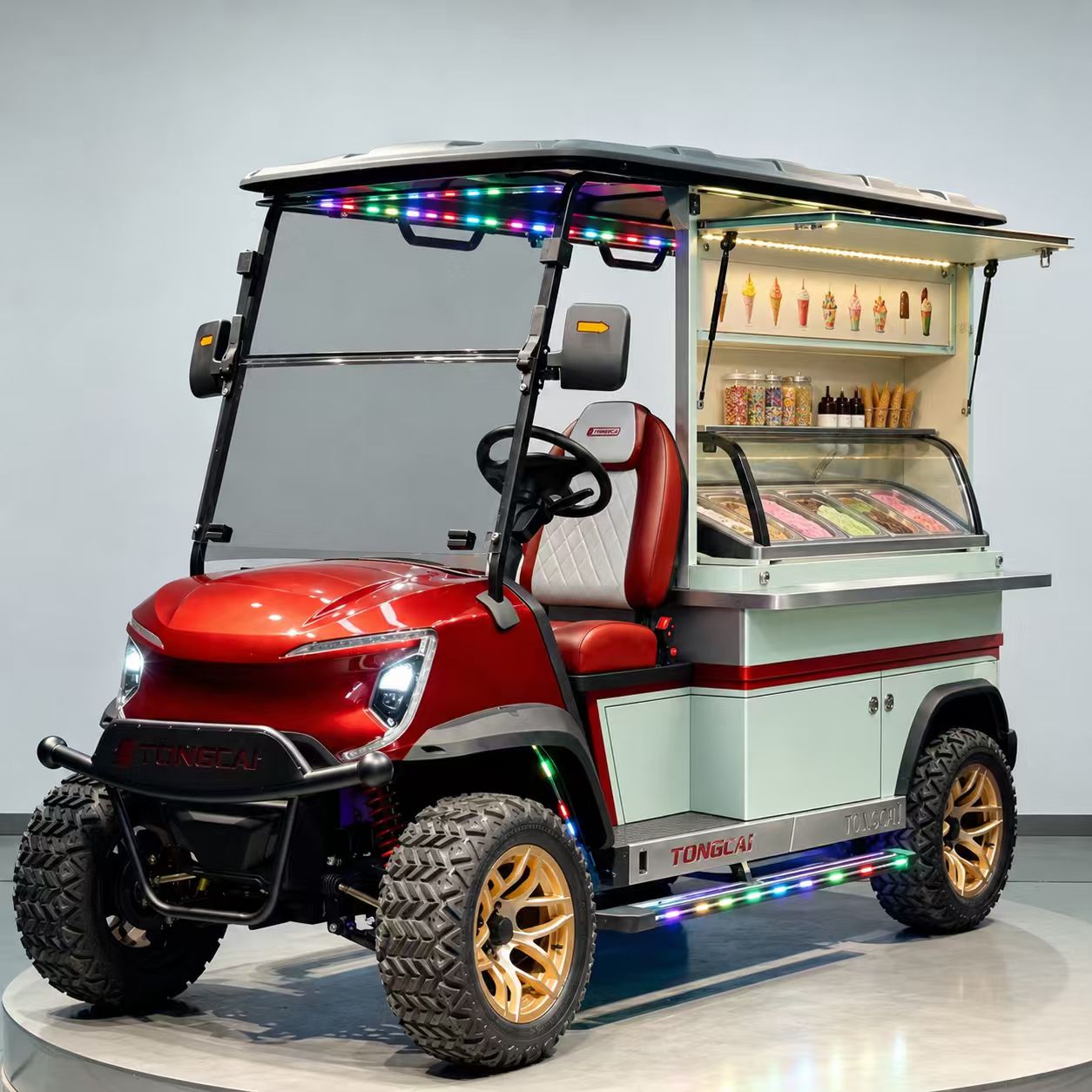
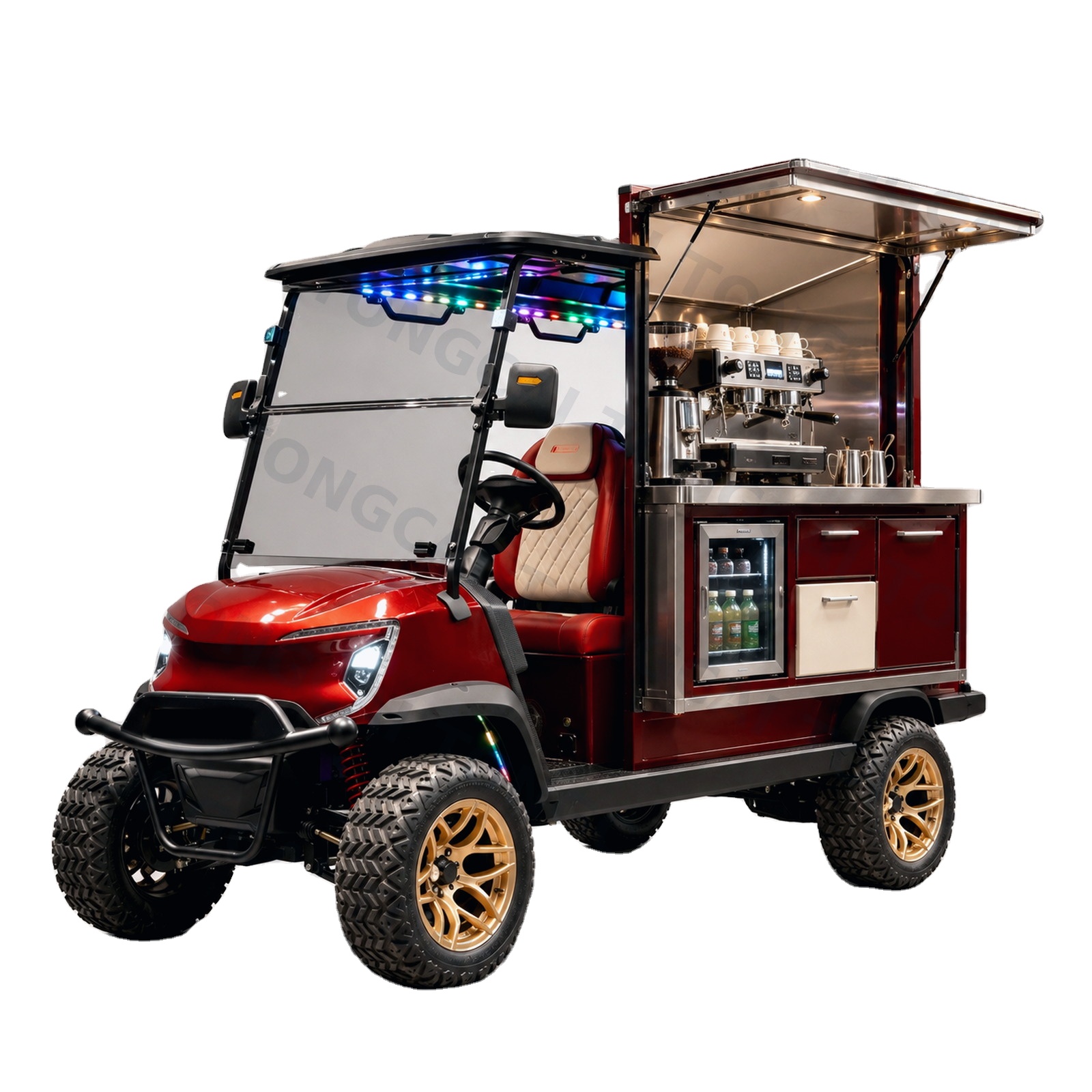

A comparative evaluation of regional industrial clusters, chassis metallurgy, and assembly autonomy for overseas distributors.
The global demand for 4-passenger electric golf carts and low-speed vehicles (LSVs) has evolved rapidly from basic greens-keeping transport to versatile community micro-mobility, resort shuttles, and commercial fleet workhorses. For international procurement directors, fleet leasing corporations, and multi-state dealership networks, sourcing directly from Chinese manufacturing centers has become the benchmark for operational viability. However, identifying the true top-tier manufacturers requires looking beyond surface-level trade listings to examine actual factory capabilities.
In China's electric vehicle manufacturing framework, production is concentrated in two dominant geographical clusters: the Yangtze River Delta (spanning Jiangsu and Zhejiang) and the Northern Industrial Corridor (headquartered in Shandong). While southern facilities often operate around standardized consumer electronics supply chains, Shandong's Tianqu Industrial Park in Dezhou has developed into the global center for high-yield steel fabrication, heavy-duty utility drivetrains, and agricultural/off-road mobility. OEM/ODM buyers sourcing four-seater passenger carts face a critical decision matrix between true end-to-end original equipment manufacturers (OEMs) and intermediate assembly workshops.
Supply Chain Security Note: Intermediate assemblers routinely source mass-market chassis from third-party welders, causing hidden metallurgical inconsistencies, rapid saltwater corrosion, and frame misalignment under rough usage. Tier-1 manufacturers run all 12 stages internally—including laser cutting, CNC bending, automated fixture welding, cathodic electrocoating, and final roller testing.
| Evaluation Parameter | Tier-1 Factory Direct (e.g., CCB / Tongcai) | Commercial Trading Firms / Assemblers |
|---|---|---|
| Structural Integrity | Robotic fixture welding; robotic tube bending; anti-corrosion dipping | Outsourced third-party frames; inconsistent dimensional tolerance |
| Electrical Integration | CAN-bus smart architecture; IP67 LiFePO4 batteries; OEM Curtis/Enpower | Generic lead-acid packs; standard wiring without circuit isolation |
| Bespoke Customization | Full CAD chassis changes, lifted ride heights, 4WD additions | Cosmetic exterior badge swaps and basic seat color alterations only |
| Global Certification | TÜV Rheinland certified facility; CE street-legal documentation | Secondary non-audited certificates; limited export customs validation |
Key technological shifts that commercial fleet buyers, resorts, and municipal districts must factor into their 3-to-5-year equipment lifecycles.
Legacy 48V flooded lead-acid batteries are rapidly being phased out of commercial tenders. Enterprise buyers are shifting to 72V LiFePO4 (Lithium Iron Phosphate) platforms, which deliver high thermal stability, zero terminal maintenance, 3,500+ deep discharge cycles, and full recharge within 2.5 hours via standardized level-2 connectors.
Next-generation 4-seater fleets now feature integrated 4G/GPS telematics modules. Commercial buyers can track geofencing perimeters in real time, monitor remote battery charge levels, log regenerative braking data, and run predictive maintenance diagnostics directly from unified web software dashboards.
Fleet operators want vehicles that can handle both the golf course and the street. Dual-purpose architectures that transition from smooth turf to rugged access roads—equipped with lifted suspension, independent A-arms, and automotive four-wheel hydraulic disc brakes—maximize vehicle utilization and lower total cost of ownership (TCO).
How intelligent engineering, structural light-weighting, and clean energy integrations are elevating the next generation of electric carts.
The industry is transitioning away from standard heavy angle-iron welding toward aerospace-grade extruded 6061-T6 aluminum alloys and high-tensile tubular frames. This structural weight reduction lowers overall curb weight by 28%, significantly extending single-charge range and reducing turf compaction on delicate golf greens.
Advanced monocrystalline solar panels are now being laminated directly into extended aerodynamic roofs. These high-efficiency panels continuously feed a secondary trickle-charge system, delivering an extra 12 to 18 kilometers of daily operational range in outdoor conditions while taking pressure off localized grid charging infrastructure.
As road-legal certifications (such as DOT, EEC, and ISO) become standard requirements across Europe and North America, passenger cart platforms are adopting automotive safety systems: electro-hydraulic four-wheel disc brakes, automatic parking brakes, ISOFIX child-seat anchors, three-point inertia safety belts, and reverse radar sensors.
Why leading international brands, municipal operators, and volume distributors trust Shandong CCB New Energy Machinery Co., Ltd. for their private-label manufacturing programs.
Our 14,200 m² modern manufacturing plant in Tianqu Industrial Park, Dezhou, undergoes thorough on-site verification by TÜV Rheinland, ensuring full structural accountability and transparent supply chain practices.
We do not outsource critical assembly. Raw steel tube cutting, precision machining, pipe bending, fixture welding, electrostatic spraying, chassis assembly, and final road-load tests are handled 100% in-house.
From initial design sketches and samples to full container-load production: our dedicated engineering teams build customized seating, battery voltages (48V/60V/72V), lift kits, and paint finishes tailored to your target market.
Vehicles ship secured inside high-strength steel-frame cradles with moisture-sealed packaging. Our logistics specialists calculate container weight and volume distributions, keeping shipping costs low and transit safe.
Direct, practical answers to common engineering, logistical, and warranty questions asked by international buyers and distribution partners.
Contact our engineering team to review 48V/72V passenger cart blueprints, get container shipping plans, and receive our comprehensive 2025 OEM/ODM Product Catalog.
