Engineering Excellence in Low-Speed Electric Vehicle (LSV) Manufacturing
The global shift toward sustainable micro-mobility and carbon-neutral hospitality infrastructure has redefined the procurement benchmark for commercial passenger vehicles. As the demand for China best electric sightseeing car factories surges across North America, Europe, Southeast Asia, and the Middle East, commercial buyers require deep technical insights into industrial metallurgy, battery chemistry, motor control integration, and international homologation standards.
Shandong CCB New Energy Machinery Co., Ltd. (operating modern facilities in Tianqu Industrial Park, Dezhou, Shandong) represents the cutting edge of domestic manufacturing. Unlike trading aggregators who assemble vehicles from third-party generic kits, an authentic original equipment manufacturer operates through tightly managed vertical integration—ranging from laser steel tube cutting and precision CNC robotic bending to cathodic electrodeposition coating and automated chassis assembly.
Procurement Trends Shaping Commercial Electric Fleets (2025–2030)
Strategic fleet procurement officers are moving away from short-term initial expenditure evaluations in favor of Total Cost of Ownership (TCO) calculations. Three dominant technological paradigms are directing international purchase specifications:
Lithium LiFePO4 Standard
Traditional flooded lead-acid batteries are rapidly being phased out due to acid leakage risks and limited cycle lifetimes (500–700 cycles at 50% DoD). Modern lithium iron phosphate (LiFePO4) battery packs deliver over 3,500 continuous cycles, integrate high-precision BMS (Battery Management Systems), support opportunity fast-charging (80% in 2 hours), and reduce vehicle kerb weight by up to 35%.
Chassis Anti-Corrosion
Resort and coastal hospitality developments present extreme saline and humid conditions. High-tier Chinese manufacturers now employ automotive-grade electrophoretic deposition (e-coat) primers combined with robotic seam welding and hot-dip galvanization, preventing internal chassis oxidation and extending operational chassis lifespan beyond 12 years.
Smart Telematics & CAN-Bus
Modern commercial operations require fleet-wide oversight. Integration of CAN-Bus vehicular microcontrollers enables real-time diagnostic reporting, cellular IoT remote speed governor adjustments, geo-fencing safety boundaries for theme parks, and predictive battery degradation monitoring directly via central dashboards.
Critical Technical Comparison: Chinese Manufacturing Standards
When selecting a Chinese factory partner, discerning enterprise procurement teams evaluate rigorous build metrics. The engineering breakdown below contrasts standard domestic commercial builds against premium export-grade manufacturing practices executed at our Dezhou plant:
| Engineering Dimension |
Standard Tier-3 Assembly Workshop |
CCB Export-Grade Manufacturing Standard |
| Chassis Architecture |
Manually cut carbon steel with standard primer spray |
High-strength robotically welded Q235 tube with cathodic dip e-coat |
| Drivetrain & Motor |
3.0kW DC series wound brushed motor |
4.0kW – 7.5kW AC asynchronous / PMSM brushless high-torque motors |
| Suspension System |
Rigid leaf spring setup with basic shock cylinders |
MacPherson front independent suspension with coil-over dampers |
| Braking Performance |
Rear mechanical drum brakes |
Four-wheel hydraulic disc brakes with regenerative electronic braking |
| Factory Quality Control |
Visual visual check before dispatch |
12-stage documented QA, dynamometer testing, water spray & tilt-angle tests |
Future Technological Evolutions in Commercial Sightseeing Vehicles
The electric sightseeing vehicle sector is rapidly converging with advanced automotive engineering. Looking ahead, three evolutionary fronts are establishing new global requirements:
1. Solar Photovoltaic Roof Integration: Advanced monocrystalline flexible photovoltaic cells laminated directly onto the vehicle's composite canopy provide a continuous trickling charge of 300W–600W. Under standard tropical sunlight conditions, this self-replenishing array extends daily operating range by 15–25 km, significantly mitigating grid charging intervals for high-traffic scenic reserves.
2. Drive-by-Wire & Autonomous Shuttling: As closed-campus autonomous transit progresses, forward-thinking manufacturers are retrofitting low-speed chassis with steer-by-wire and brake-by-wire electronic actuation interfaces. These drive-ready platforms allow swift system integration with LiDAR, ultrasonic sensors, and RTK-GPS navigation stacks for driverless resort transport.
3. Monocoque High-Impact Composite Enclosures: Traditional fiberglass (FRP) is being superseded by recyclable thermoformed automotive plastics (ABS/PP alloys). These materials yield higher impact elasticity, reduce curb weight, and preserve immaculate surface finishes under severe UV exposure without color degradation.
Why Enterprise Fleets Choose Shandong CCB New Energy
Headquartered in Dezhou, Shandong, Shandong CCB New Energy Machinery Co., Ltd. operates as a verified direct manufacturer offering end-to-end bespoke customization. Our competitive advantage relies on eliminating middlemen and controlling each facet of low-speed electric transport engineering:
TÜV Rheinland Audited
Our complete 14,200 m² industrial facility has undergone stringent on-site verification by TÜV Rheinland, validating machinery assets, welding certifications, and capacity throughput.
Flexible OEM/ODM Design
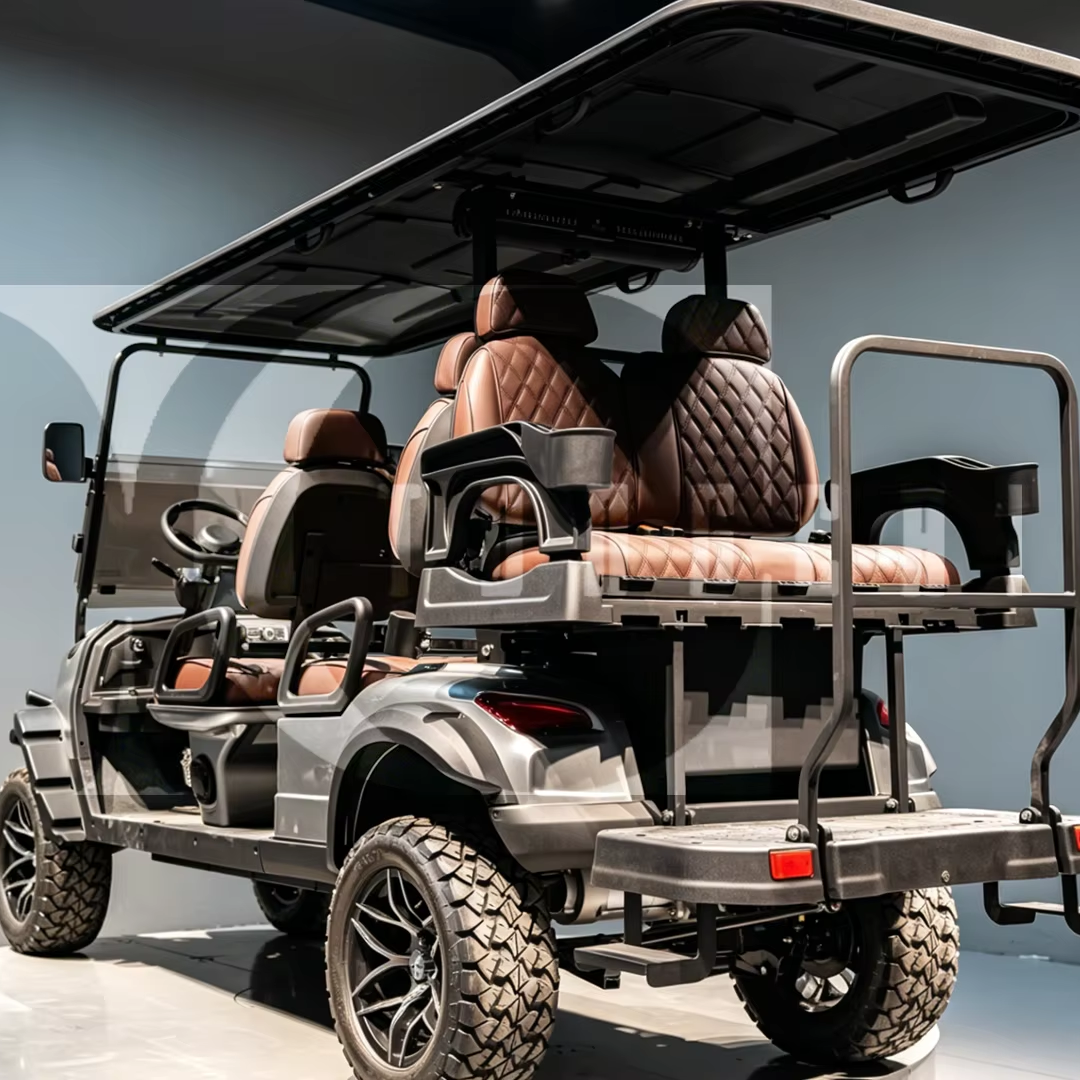
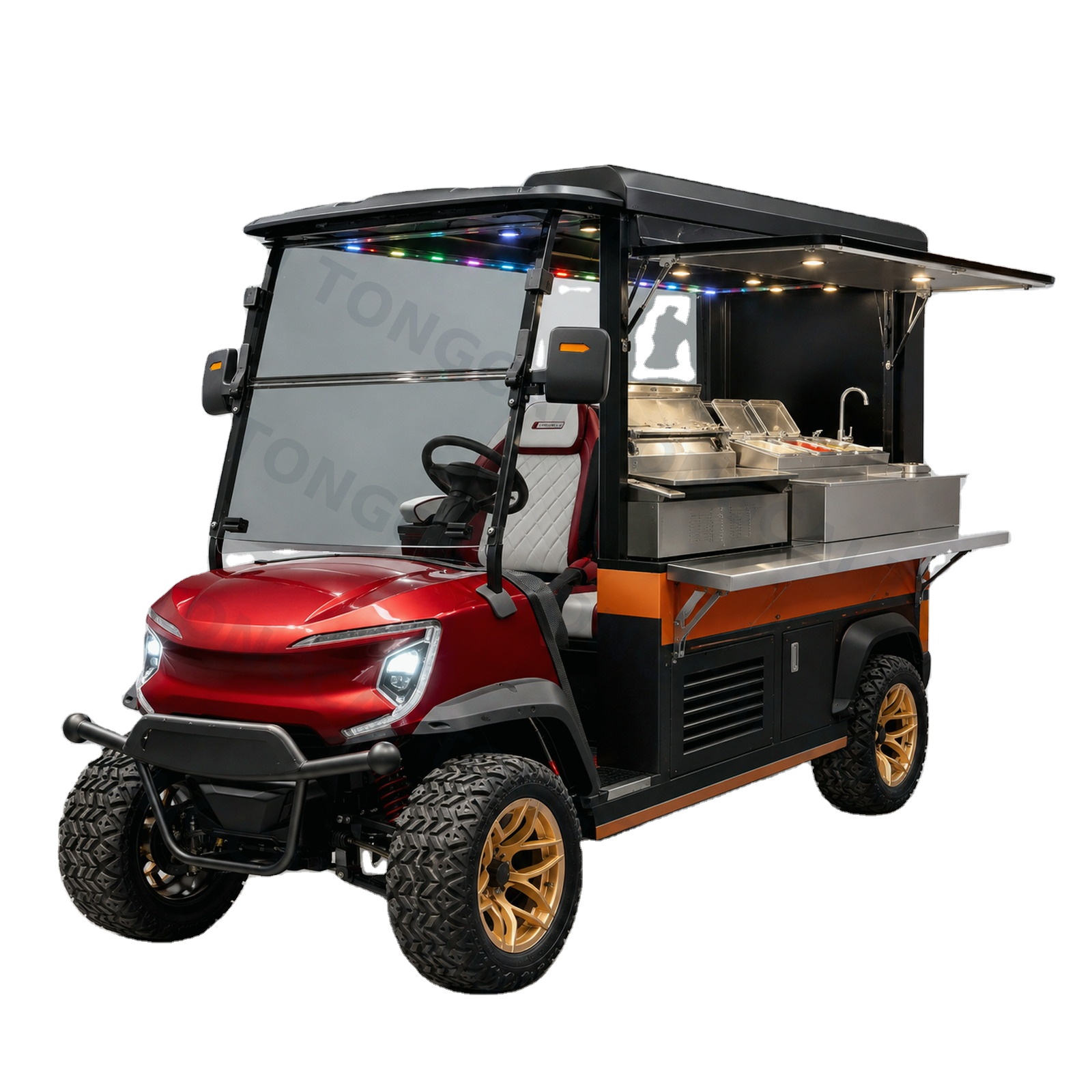
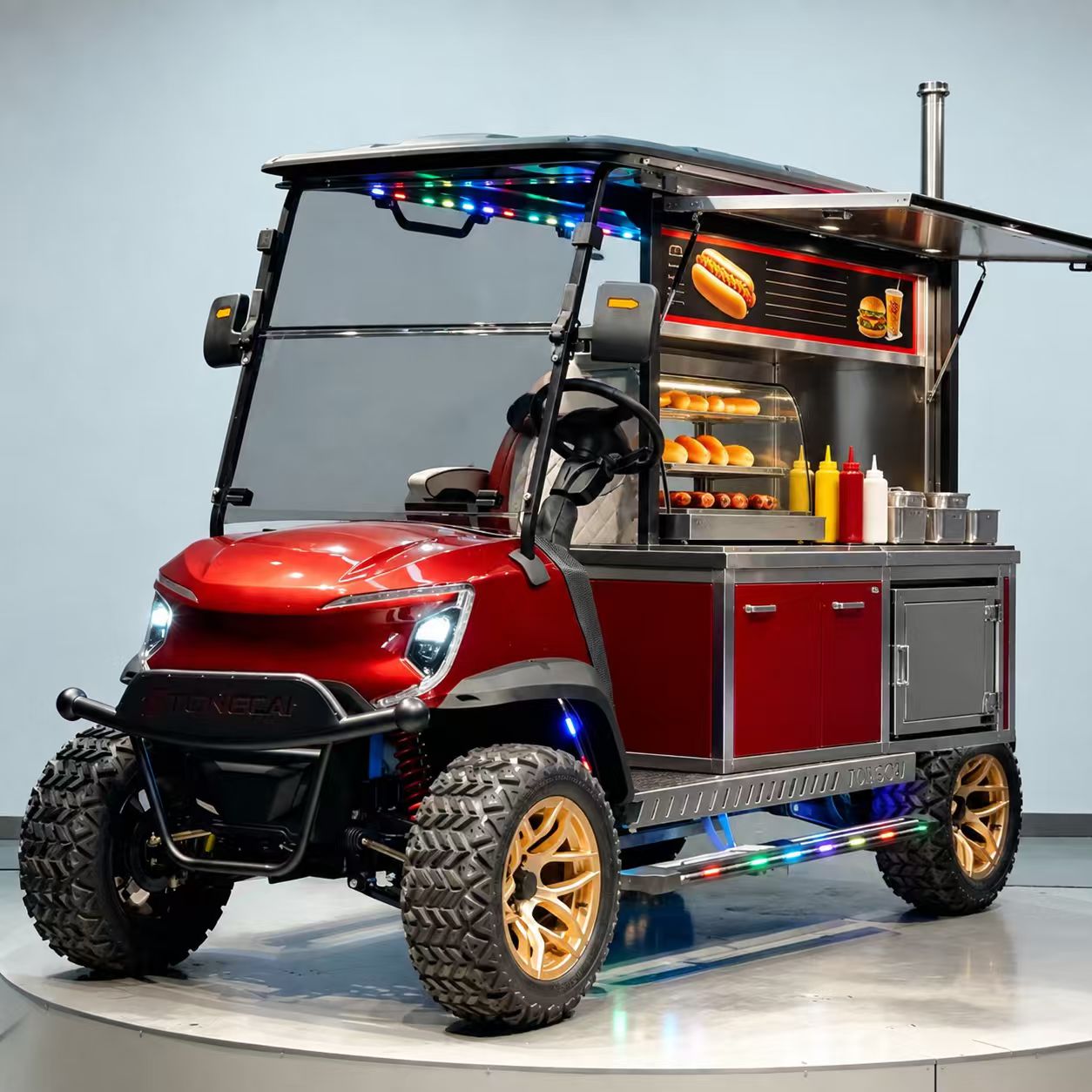
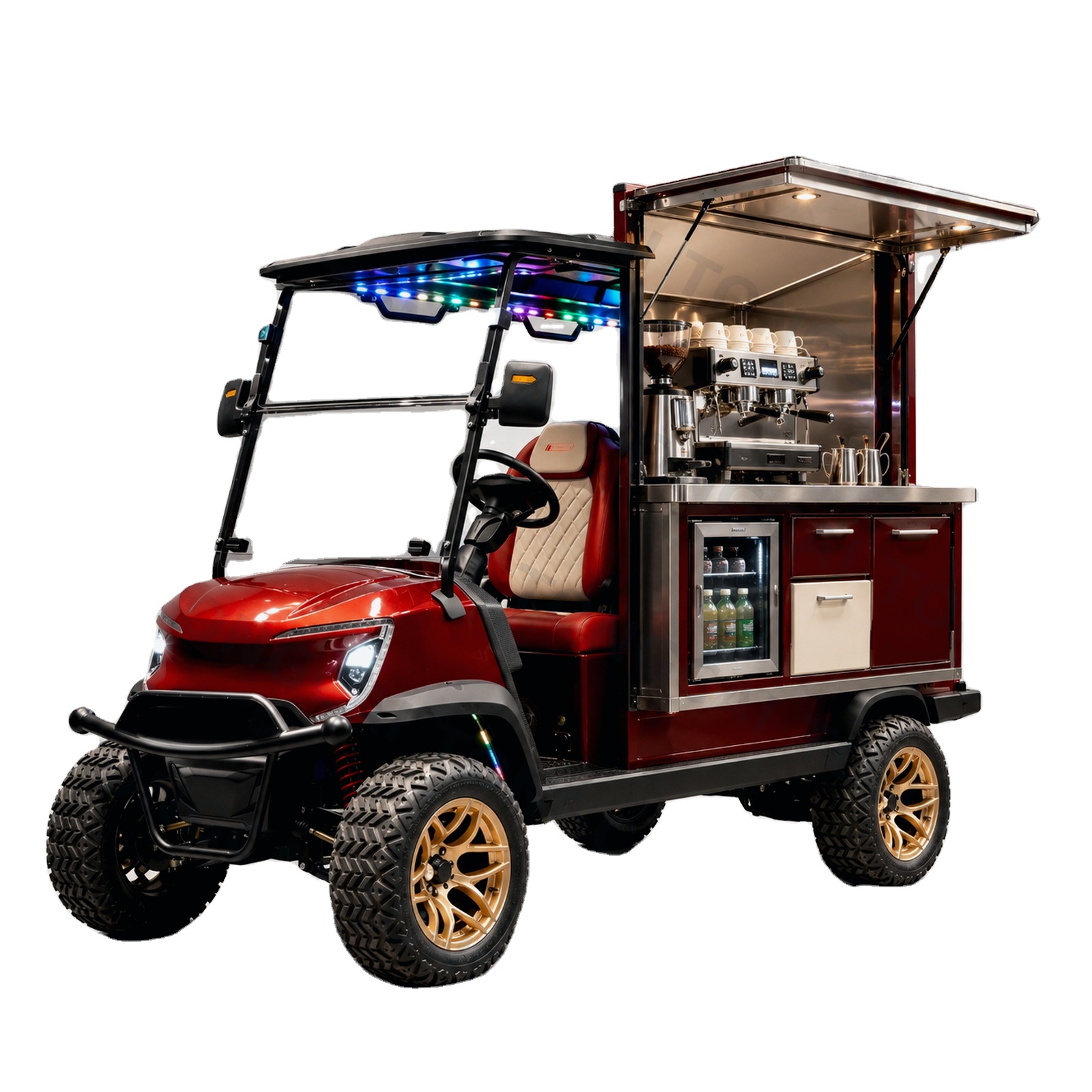
From initial CAD styling and aluminum profile extrusions to bespoke brand livery, seat leather stitching, and dual-axle culinary mobile modifications, we build to exact distributor requirements.
In-House Fabrication
We do not assemble bolt-together kits. We manage cutting, machining, robotic pipe bending, structural welding, polishing, spray painting, and assembly within our dedicated plant.
Global Parts & Support
We secure uninterrupted operations via detailed schematic diagrams, remote engineering diagnostic support, and guaranteed factory containerized parts dispatches for international fleets.
Request Factory-Direct Pricing & Complete Technical Dossier
Consult with our engineering team regarding bespoke fleet configurations, lithium upgrades, and low-speed road homologation tailored to your region.
Inquire Now
 Deutsch
 Português
 Español
 Français
 Italiano
 Русский
 한국어
 日本語
 العربية
 ไทย
 Tiếng Việt
 Türkçe
 Nederlands
 Indonesia
 עברית
 हिन्दी