14,200 m²
Dezhou Smart Factory Floor
TÜV Verified
On-Site Factory Audited
61+ Experts
In-House R&D & Assembly
140+ Nodes
Direct Component Supply Chain
Featured Cargo & Utility Fleet Solutions
Precision-Engineered Electric Cargo Golf Carts & Specialty Vehicles
Custom payload configurations, high-torque AC powertrains, and all-terrain utility architecture manufactured strictly in our Shandong export production base.
Heavy-Duty 72V

72V Powertrain
70-90km Range
Independent A-Arm
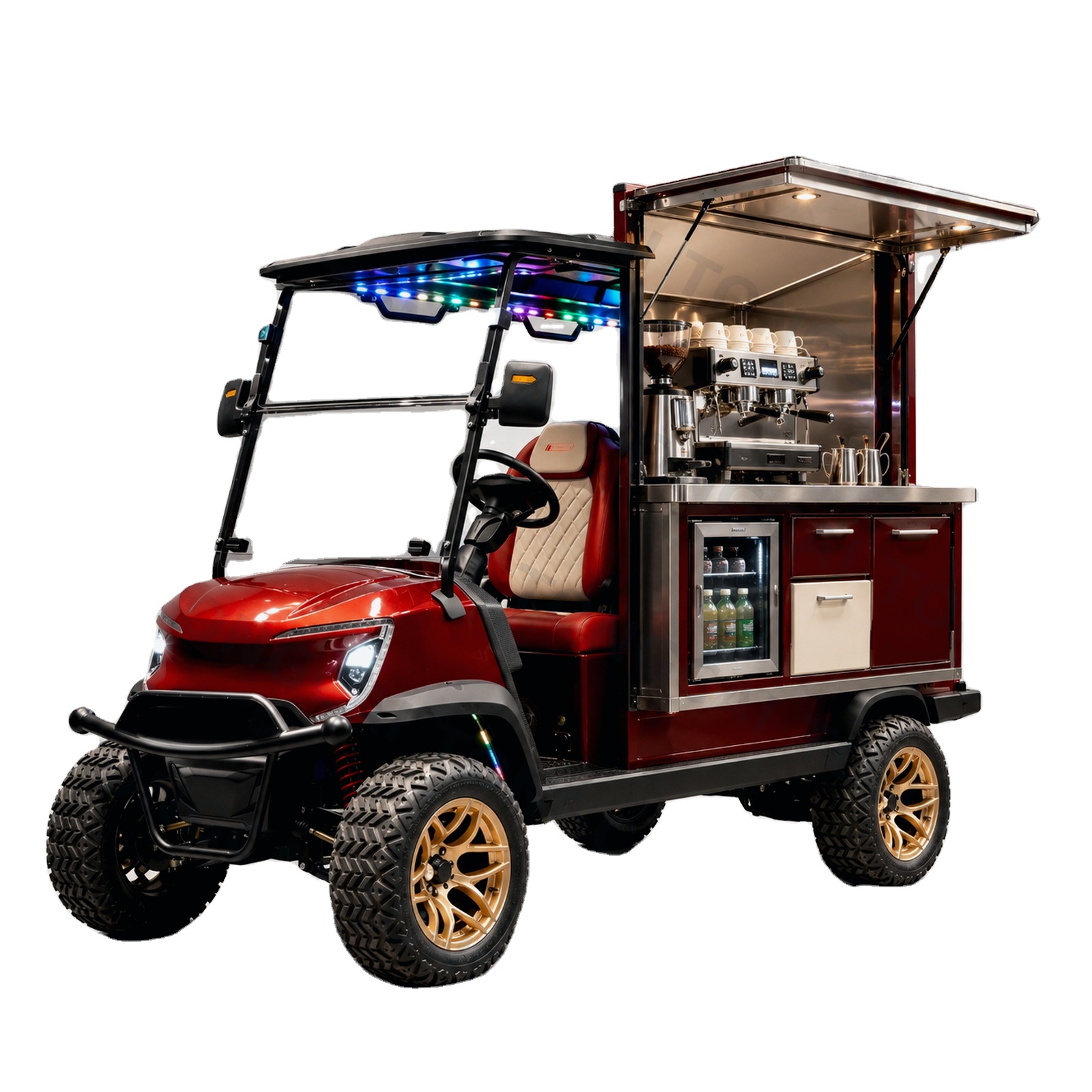
Mobile Commercial
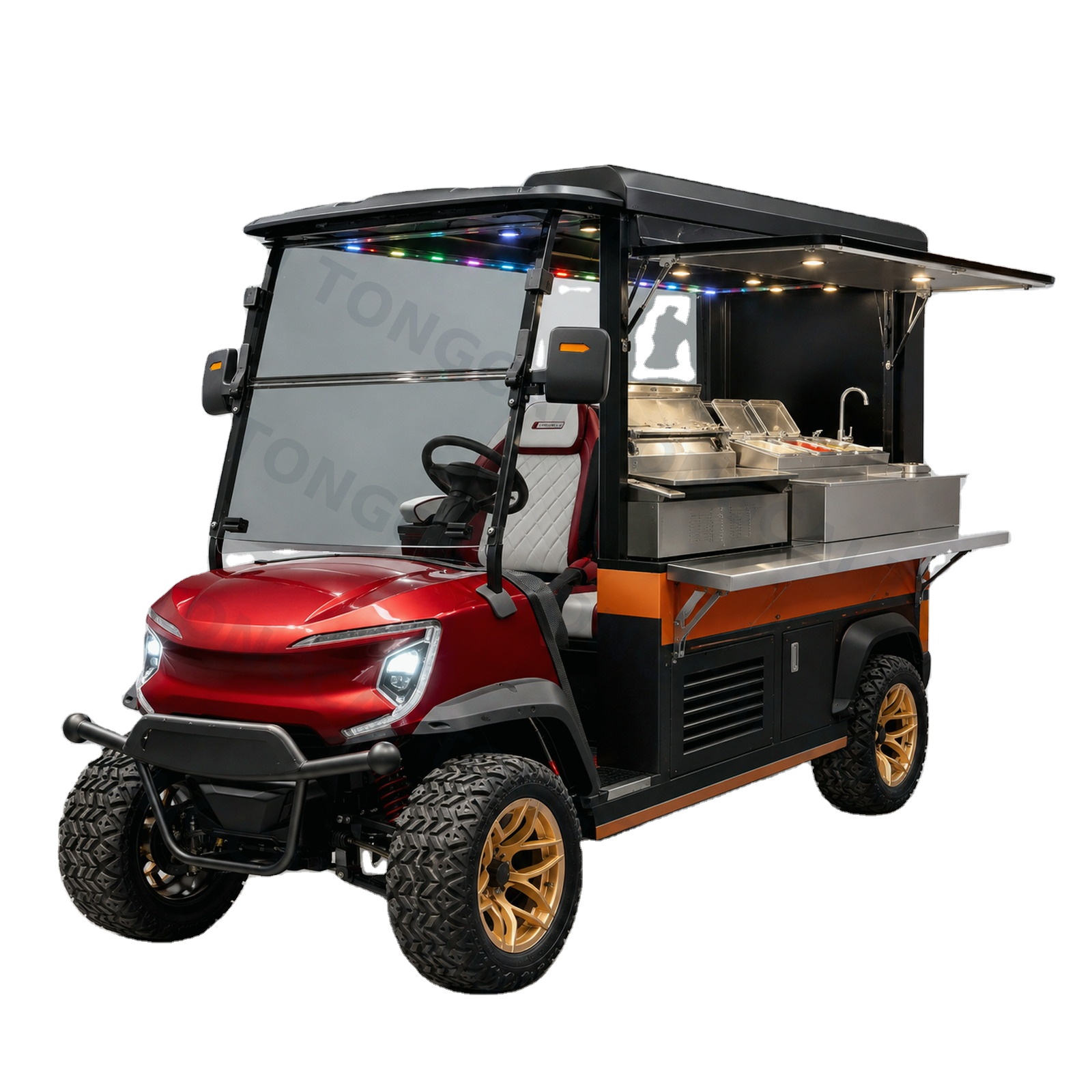
Modular Box
Food-Grade Steel
High Payload
Retail Utility

Dual Outlets
Insulated Canopy
Event Utility
Factory Custom
Enclosed Cargo
Hydraulic Wing Door
Heavy Load
Street Legal LSV
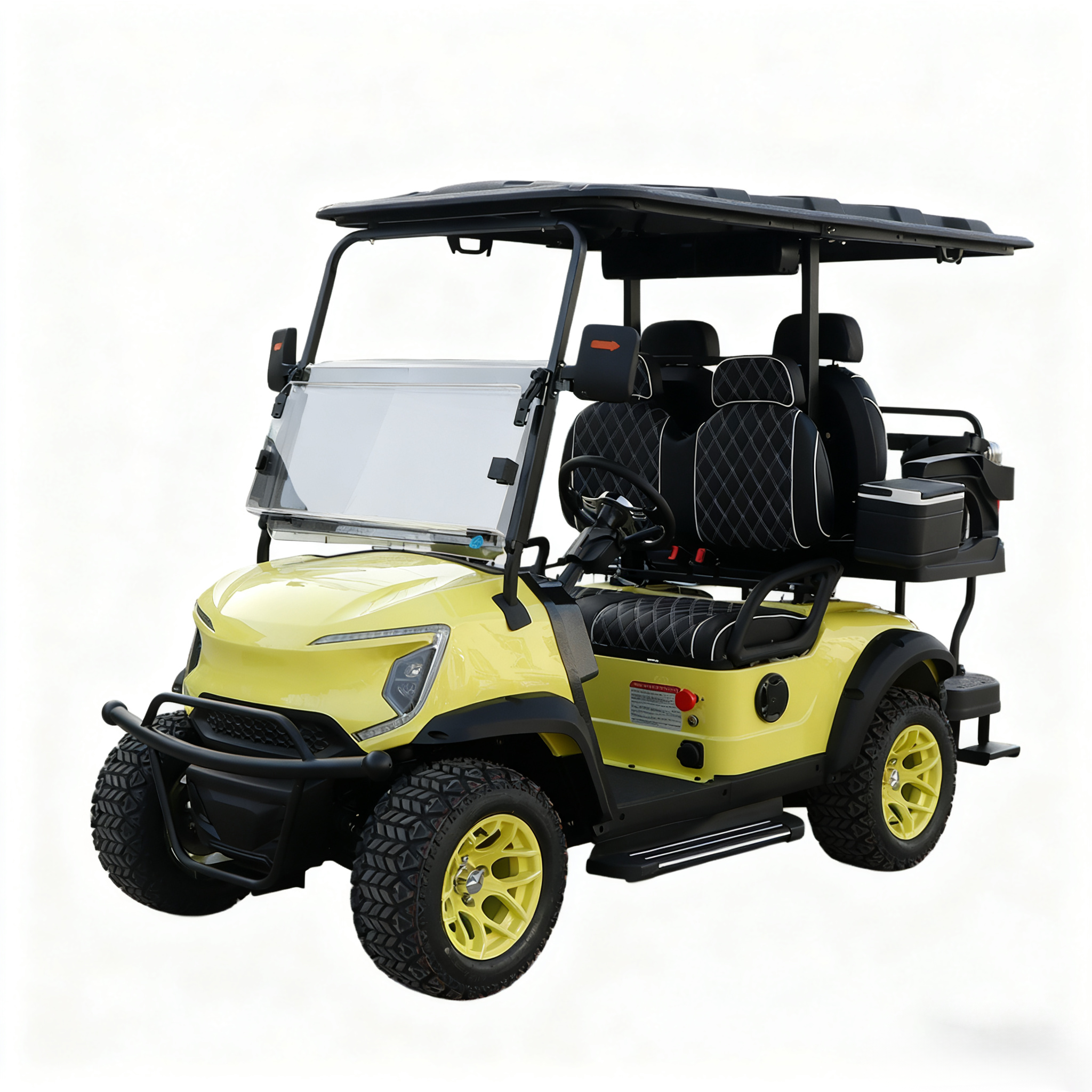
DOT/CE Lights
Compact Footprint
50-70km/h
Commercial 48V
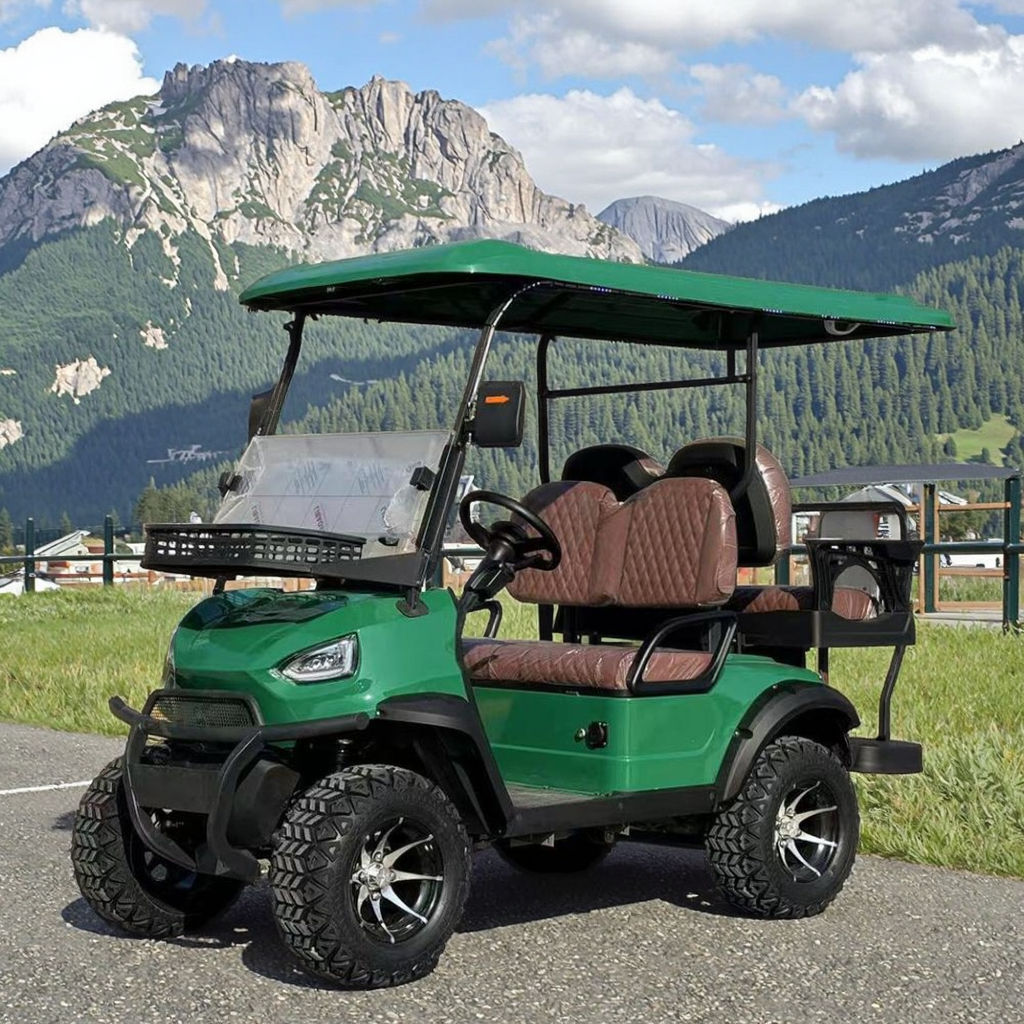
Tight Turning
Flip-Flop Cargo Bed
AC Brushless
Luggage & Shuttle
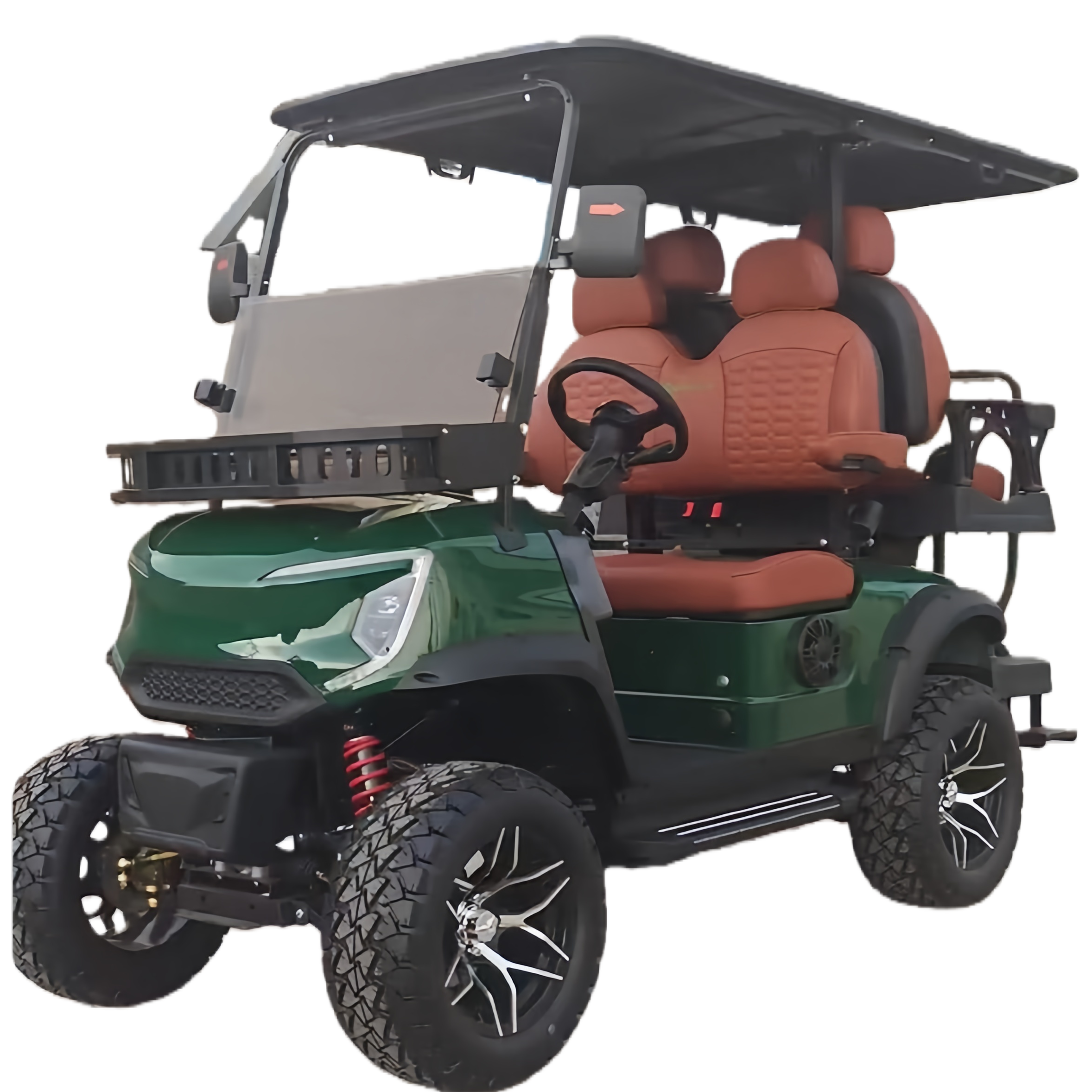
Rear Cargo Carrier
Camera Safety
Resort Silent
Heavy Multi-Seat/Patrol
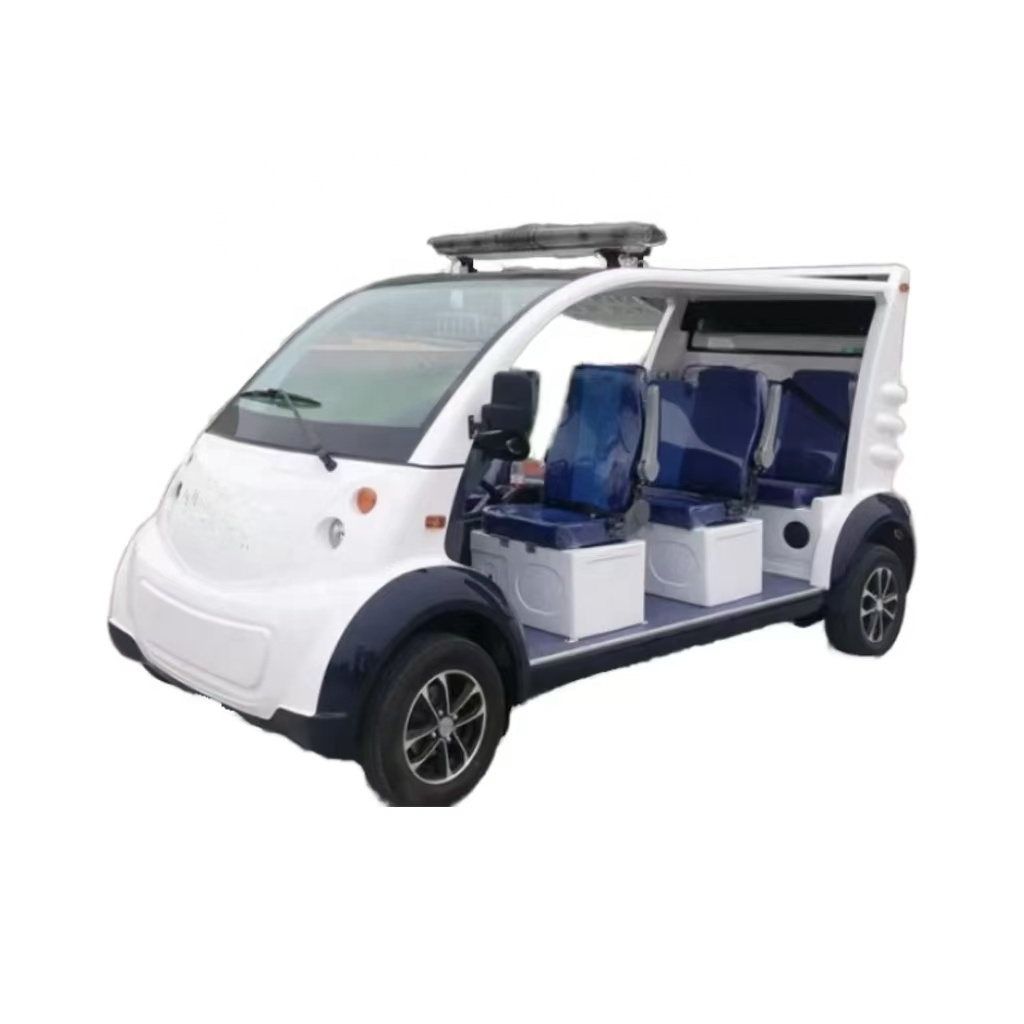
CE Certified
Industrial Chassis
Airport/Campus
Engineering Authority: Inside China's Premier Cargo Golf Cart Manufacturing Facility
As international commercial logistics operators, eco-resorts, municipal groundskeeping departments, and industrial manufacturing plants transition from internal combustion utility vehicles to zero-emission low-speed fleets, selecting an authentic, source-level manufacturing partner is critical. Shandong CCB New Energy Machinery Co., Ltd. (CCB), operating out of Tianqu Industrial Park in Dezhou, Shandong, China, has emerged as a premier original equipment manufacturer (OEM) and original design manufacturer (ODM) of electric cargo golf carts, utility task vehicles (UTVs), and specialty commercial electric platforms.
Unlike third-party assembly traders that merely source pre-welded chassis and low-grade aftermarket body plastics, Shandong CCB retains full-cycle metallurgical, mechanical, and electro-chemical manufacturing sovereignty across a specialized 14,200 square meter modernized manufacturing complex. Verified through rigorous on-site audit by TÜV Rheinland, our production line executes every stage of vehicular fabrication under stringent ISO 9001 and CE conformity standards.
"True commercial fleet reliability does not come from cosmetic shell redesigns. It is established through robotic chassis welding, cathode electrophoretic dip coating to prevent maritime rust, intelligent lithium battery management systems (BMS), and torque-tuned AC drive systems designed to haul continuous 500kg to 1,200kg payloads across severe gradients."
Vertical Integration: The 12-Stage Factory Production Process
Our Dezhou facility maintains 12 in-house engineering and quality assurance stations, guaranteeing structural repeatability, dimensional accuracy within +/-0.5mm, and zero field failure rates for critical running gear:
Automated CNC Tube Cutting & Bending
High-tensile seamless rectangular steel tubing is CNC laser-cut and mandrel-bent to preserve wall thickness and torsional rigidity under maximum cargo load stresses.
Robotic Fixture Welding & Stress Relief
Frame jigs fix crossmembers with sub-millimeter precision before automated robotic CO2 shielded arc welding, followed by ultrasonic seam inspection to eliminate cold laps.
Cathodic Electrophoresis & Powder Coating
Complete chassis submerge into multi-stage cathodic electrophoretic paint tanks to guarantee 1,000+ hours of ASTM B117 salt spray resistance—imperative for coastal resort operations.
LiFePO4 Lithium Assembly & Active BMS
Grade-A lithium iron phosphate cells with high thermal stability (3,500+ cycles) are matched with CAN-bus enabled BMS, delivering active cell balancing and low-temperature protection.
Modular Cargo Deck Ergonomics
Aircraft-grade corrugated aluminum diamond-plate beds, fold-down rear tailgate systems, and hydraulic self-dumping rams built to client-specified cargo bed geometries.
100% Dynamic FQC Testing
Every completed cargo vehicle undergoes loaded dynamometer torque verification, 25-degree ramp grade holding tests, hydraulic brake decelerations, and continuous rain-chamber sealing checks.
Technological Evolution: Next-Gen Engineering Standards in Cargo Golf Carts
The global cargo golf cart sector has fundamentally shifted from modified golf course leisure carts to purpose-built, heavy-duty commercial utility electric vehicles. Understanding the core engineering differences allows commercial procurement managers to avoid expensive fleet lifecycle mistakes.
1. High-Efficiency 72V AC & Permanent Magnet Synchronous Motors (PMSM)
Historical utility buggies relied on 48V series-wound DC motors, which suffered from carbon brush wear, excessive thermal generation under prolonged hill climbs, and sluggish initial torque. As China's leading cargo golf cart supplier, our current generation incorporates 72V high-efficiency AC induction motors and PMSM drive units ranging from 4,000W to 7,500W continuous output. Operating at elevated system voltages significantly reduces resistive current losses ($P = I^2R$), dramatically reducing cabling temperatures and delivering peak stall torque up to 120 Nm for instantaneous full-payload starts on rough inclines.
2. Independent Double A-Arm Front Suspension & Heavy-Leaf Rear Axles
Cargo operations demand completely divergent suspension tuning between unloaded deadweight and maximum payload capacity. Our chassis design integrates an independent automotive-style MacPherson or dual wishbone double A-arm front suspension with hydraulic coil-over shocks, maintaining tire contact patches across undulating terrain. The rear cargo deck is mounted above a heavy-duty integral axle supported by progressive parabolic multi-leaf springs paired with secondary hydraulic dampeners, ensuring smooth ride stability when carrying delicate mobile retail assets, maintenance tools, or agricultural loads.
3. Automotive-Grade Regenerative Electromagnetic & Hydraulic Four-Wheel Disc Brakes
Halting an electric utility vehicle carrying 800kg of payload down a 20-degree golf resort hill requires comprehensive kinetic energy management. Our vehicles utilize dual-circuit hydraulic four-wheel disc braking systems paired with high-performance electronic controllers (such as Enpower or Curtis CAN-bus units). The regenerative braking system reclaims over 15% of braking kinetic energy directly back into the LiFePO4 battery pack, while an automated electromagnetic park brake (EMB) locks the vehicle securely whenever motion ceases, completely eliminating runaway roll risks on steep gradients.
| Engineering Parameter |
Legacy Utility Golf Carts |
Shandong CCB Heavy Cargo Series |
Commercial Fleet Advantage |
| Operating System Voltage |
36V / 48V DC Brushed |
60V / 72V AC or PMSM |
30% higher climb torque; cooler operating temperatures |
| Battery Chemistry & Life |
Flooded Lead-Acid (500–700 cycles) |
LiFePO4 Lithium (3,500+ cycles) |
Zero maintenance; rapid 2-3 hr charging; 70% weight saving |
| Chassis Metallurgical Spec |
Stove-enameled mild steel tube |
Cathodic E-Coat / Q235B High-Tensile |
Corrosion resistance exceeding 10 years in marine climates |
| Payload Deck Capacity |
200 kg – 300 kg max |
500 kg – 1,200 kg rated |
Full commercial logistics & mobile retail capabilities |
| Braking Architecture |
Rear mechanical drum brakes |
4-Wheel Hydraulic Disc + Regenerative EMB |
Sub-3 meter stopping distance at 30km/h under full payload |
Future Procurement Trends: Navigating the 2025–2030 Commercial Fleet Landscape
For fleet managers, corporate procurement directors, and international equipment dealers, sourcing decisions made today must anticipate regulatory developments, total cost of ownership (TCO) shifts, and evolving operational workflows over the next 5 to 10 years. Industry data from tier-one international markets highlights several macro shifts in the commercial cargo golf cart ecosystem:
01
100% Phase-Out of Lead-Acid Batteries
Rising hazardous disposal tariffs, distilled water maintenance labor costs, and strict environmental standards are making lead-acid obsolete. Tier-one buyers mandate LiFePO4 packs equipped with integrated Battery Management Systems capable of deep discharge cycles, multi-shift opportunity charging, and cold-weather pre-heating.
02
Modular "Quick-Swap" Utility Decks
Fleet operators are rejecting single-purpose platforms. Sourcing trends favor universal modular chassis that allow maintenance staff to swap between a drop-side flatbed, a lockable aluminum toolbox, an insulated mobile catering box, or a rear-facing passenger kit in under 15 minutes using standard quick-release mountings.
03
IoT Telematics & Fleet Asset Intelligence
Modern enterprise fleets demand 4G/GPS telematics integration. On-board diagnostics broadcast real-time state of charge (SoC), geographic geofencing boundaries, driver impact detection, remote speed limit governors, and predictive maintenance fault codes straight to enterprise ERP dashboards.
04
DOT / EEC Street Legal (LSV) Homologation
The boundary between off-road golf carts and on-road commercial vehicles has blurred. Commercial procurers increasingly demand Low Speed Vehicle (LSV) compliance, requiring DOT-approved three-point seatbelts, AS4 laminated safety glass windshields, LED signal arrays, high-mounted brake lamps, and audible pedestrian warning systems.
05
Solar Canopy Integration for Range Extension
Industrial parks, island resorts, and agricultural operations are leveraging monocrystalline solar canopy roofs. Integrated high-efficiency solar arrays deliver a continuous trickle charge of 250W to 400W, extending real-world operating range by 15-25km per day, significantly reducing grid charging dependency.
06
Lightweight Aluminum Structural Frames
To maximize legal gross vehicle weight ratings (GVWR) for actual cargo rather than vehicular deadweight, leading suppliers are implementing aircraft-grade 6061-T6 structural aluminum box-beam chassis, delivering unmatched strength-to-weight ratios while guaranteeing permanent immunity to oxidation.
Commercial Procurement FAQ: Technical Guidance for Global Fleet Importers
Direct answers from our senior engineering and export trade desks addressing real-world technical, logistical, and compliance inquiries from international commercial clients.
Q
What is the minimum order quantity (MOQ) and sample lead time?
We support fleet verification with a minimum order quantity (MOQ) of just 1 unit for evaluation and market homologation trials. Sample production typically completes in 15 to 20 working days. Full container orders (20GP/40HQ) average a 25 to 30-day turnaround depending on the level of bespoke engineering requested.
Q
How do you calculate real-world cargo capacity versus gross vehicle weight?
Gross Vehicle Weight Rating (GVWR) accounts for chassis deadweight, battery pack, operators, and payload. Our standard utility platforms deliver a rated payload capacity of 500kg up to 1,200kg depending on suspension geometry, motor kW output, and axle load ratings. We provide exact axle weight distribution calculations for custom box builds.
Q
Can we customize the rear cargo box dimensions and interior fittings?
Yes, as a verified custom manufacturer, we execute full ODM fabrication. Options include electric hydraulic dumpers, three-way opening aluminum tailgates, insulated food-grade 304 stainless steel catering boxes, built-in shelving, lockable tool compartments, integrated auxiliary 12V/110V/220V power outlets, and custom utility mounts.
Q
What certifications and documentation are supplied for customs clearance?
Our electric vehicle line holds CE certificates (Machinery and Low Voltage Directives). For lithium configurations, we supply complete UN38.3 test reports, MSDS documentation, and sea freight transport security certificates. We also generate Certificates of Origin (Form E, Form F, CO) to optimize import tariff duties for your jurisdiction.
Q
How are vehicles packaged to prevent ocean transit moisture and frame damage?
Vehicles are shipped in rigid welded iron framework crates designed for multi-tier container stacking. We apply anti-corrosion VCI protective wrapping, desiccant packs, and waterproof heavy-gauge shrink coverings. Semi-knocked-down (SKD) and completely knocked-down (CKD) packing schemes are available to optimize freight costs by fitting up to 18 units in a 40HQ container.
Q
What after-sales parts support and engineering warranties are provided?
We provide a 5-year warranty on LiFePO4 lithium battery systems and a 2-year warranty on chassis frames, motors, and electronic speed controllers. We include free fast-wearing spare parts bundles with container shipments and maintain complete digital schematics and video troubleshooting support with our dedicated engineers.
Engineer Your Commercial Cargo Fleet with China's Premier Manufacturer
Connect directly with our Dezhou engineering and export trade desks. Request comprehensive technical blueprints, custom payload dimension CAD drawings, wholesale price tiers, and factory audit verification packages today.
 Deutsch
 Português
 Español
 Français
 Italiano
 Русский
 한국어
 日本語
 العربية
 ไทย
 Tiếng Việt
 Türkçe
 Nederlands
 Indonesia
 עברית
 हिन्दी
