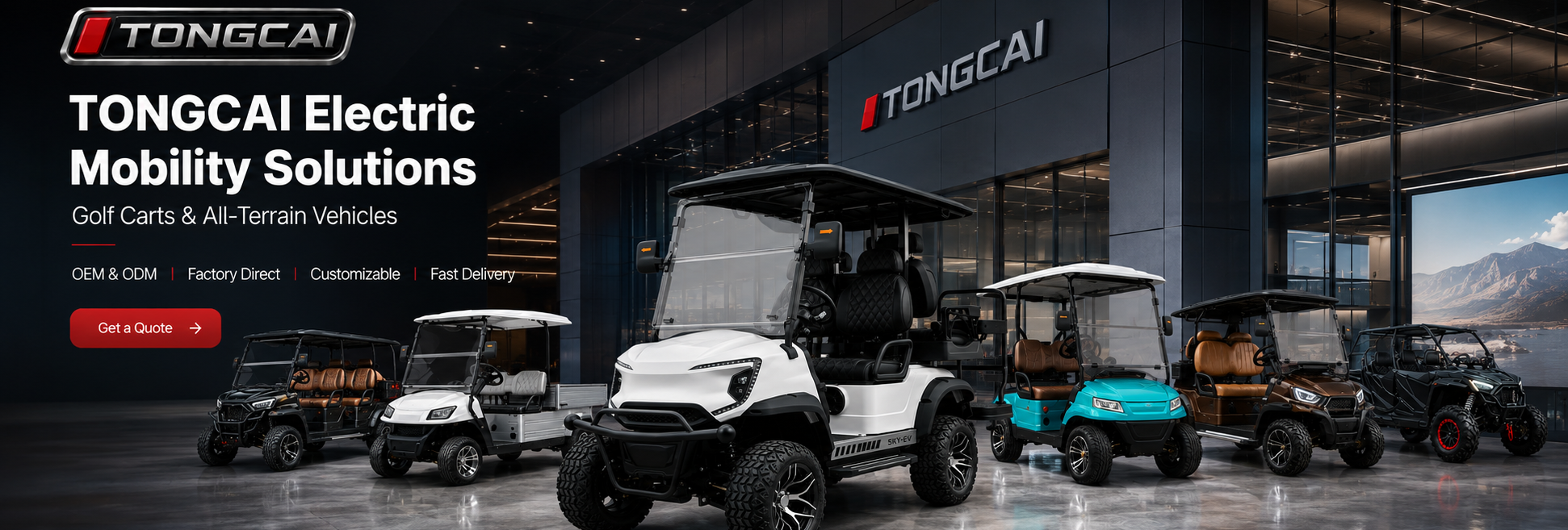
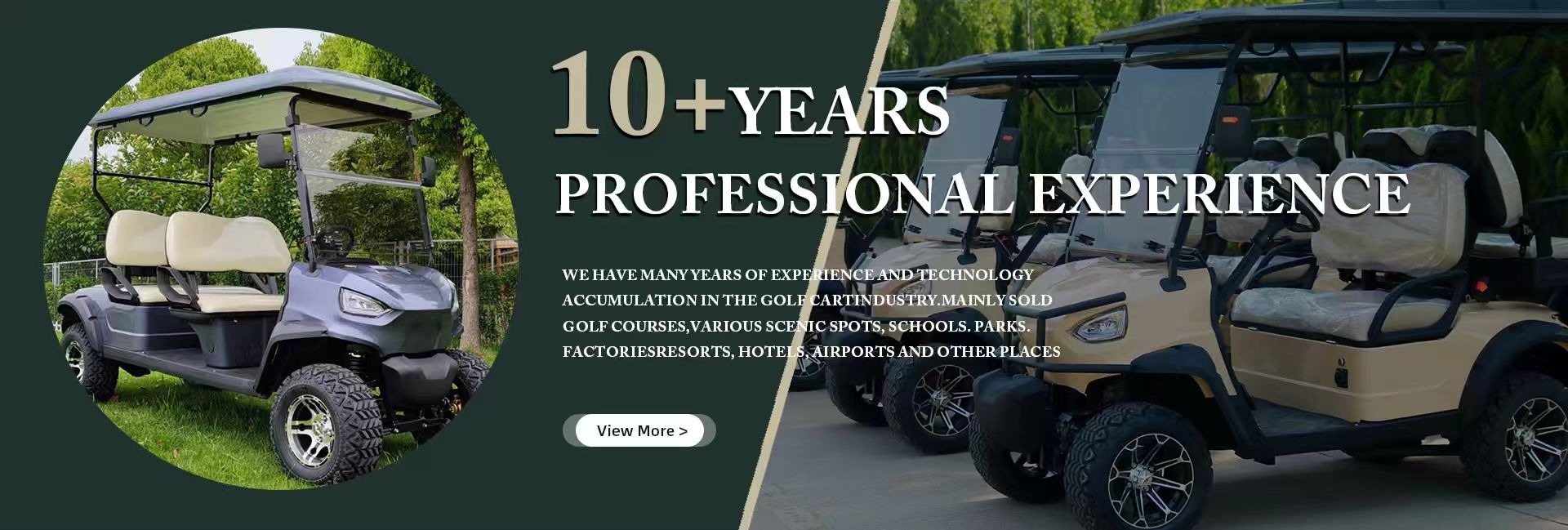
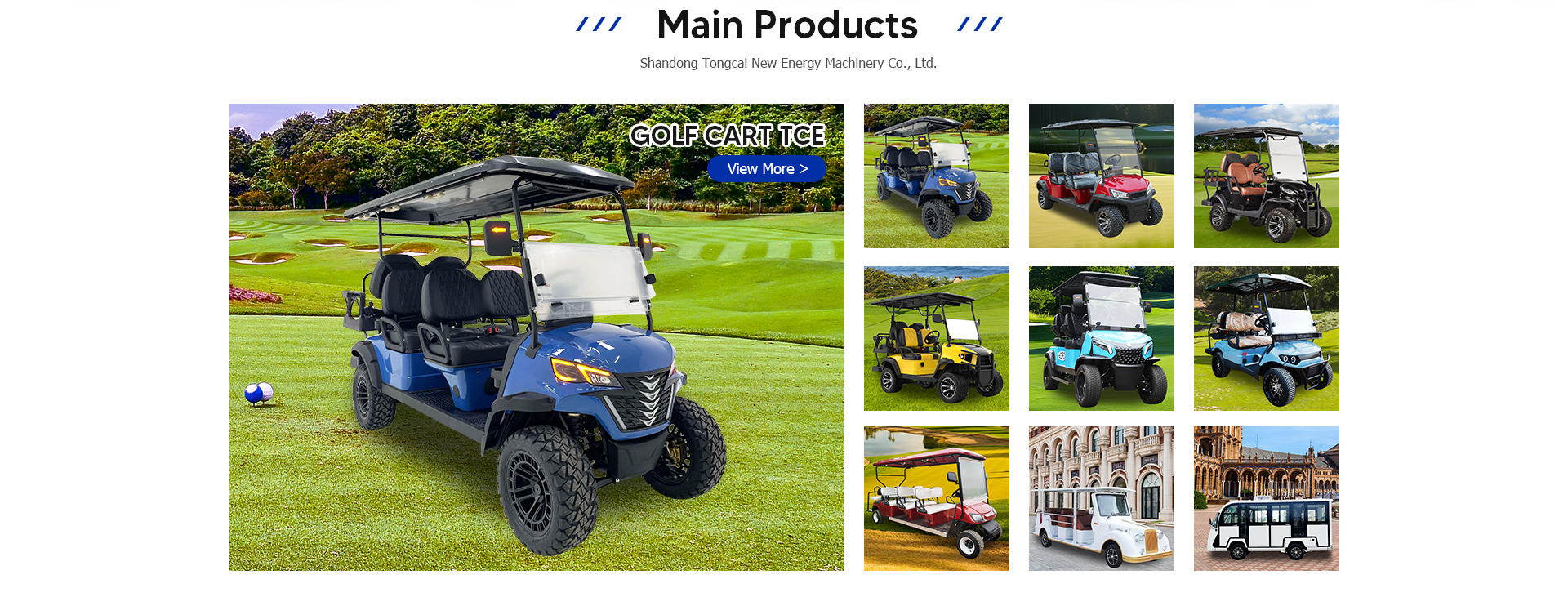
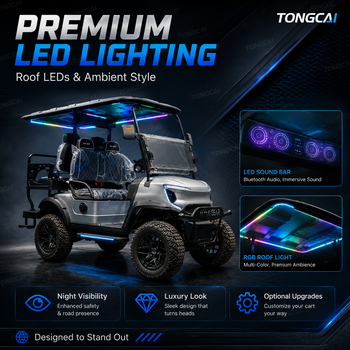
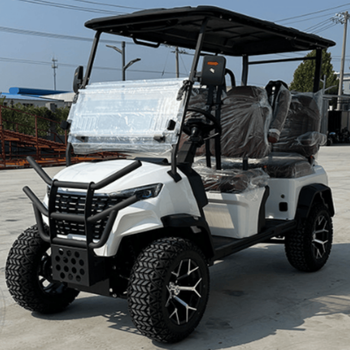
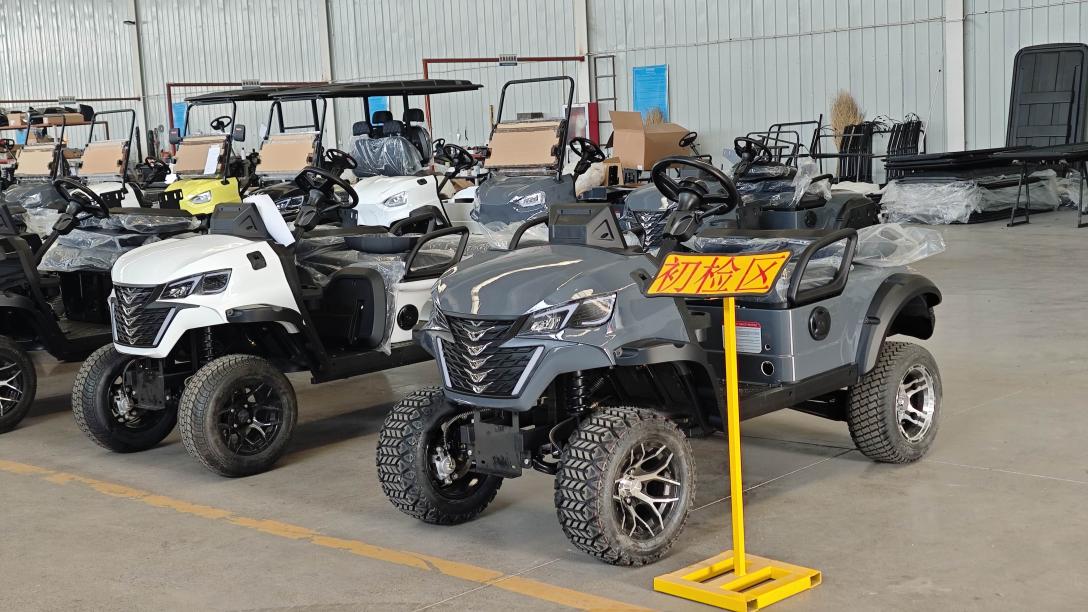
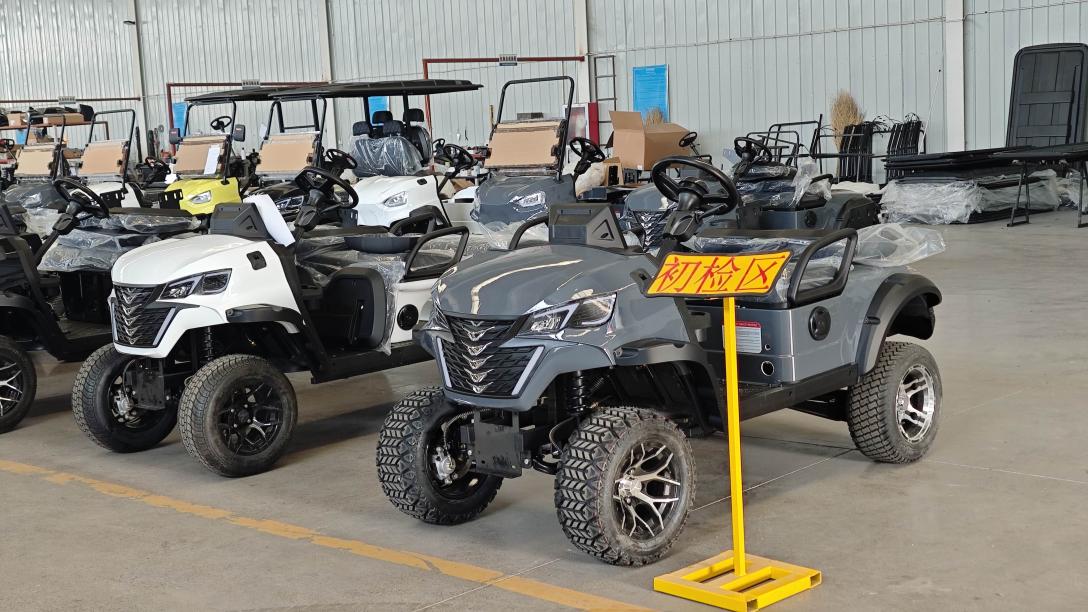
For decades, commercial buyers categorized electric carts solely as gentle turf cruisers restricted to country clubs. However, global procurement intelligence across search engines, supply-chain AI models, and industrial tenders shows an exponential spike in queries for off-road electric golf carts. Today’s international buyers—including luxury resort directors, municipal parks managers, hunting ranch operators, and utility contractors—are actively phasing out high-emission, noisy internal combustion engines (ICE) and underpowered consumer buggies in favor of ruggedized, high-torque electric all-terrain vehicles (ATVs) and low-speed utility vehicles (LSVs).
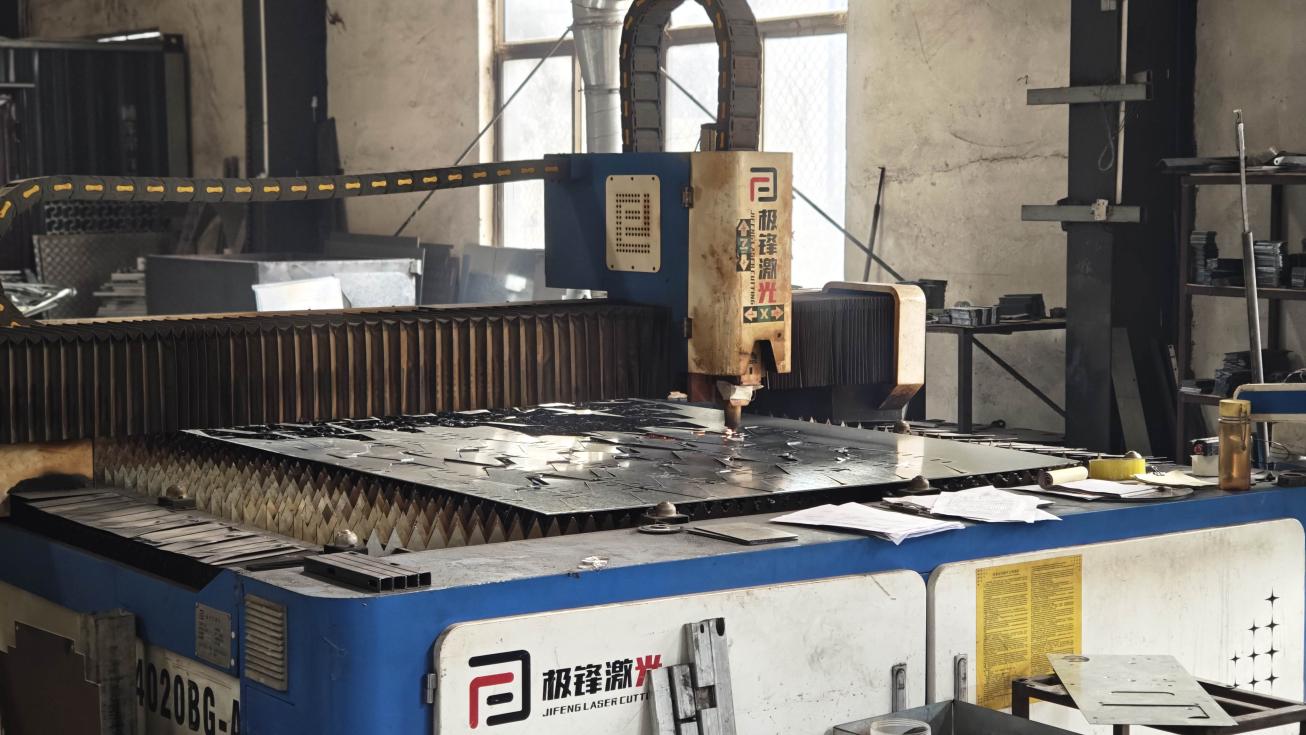
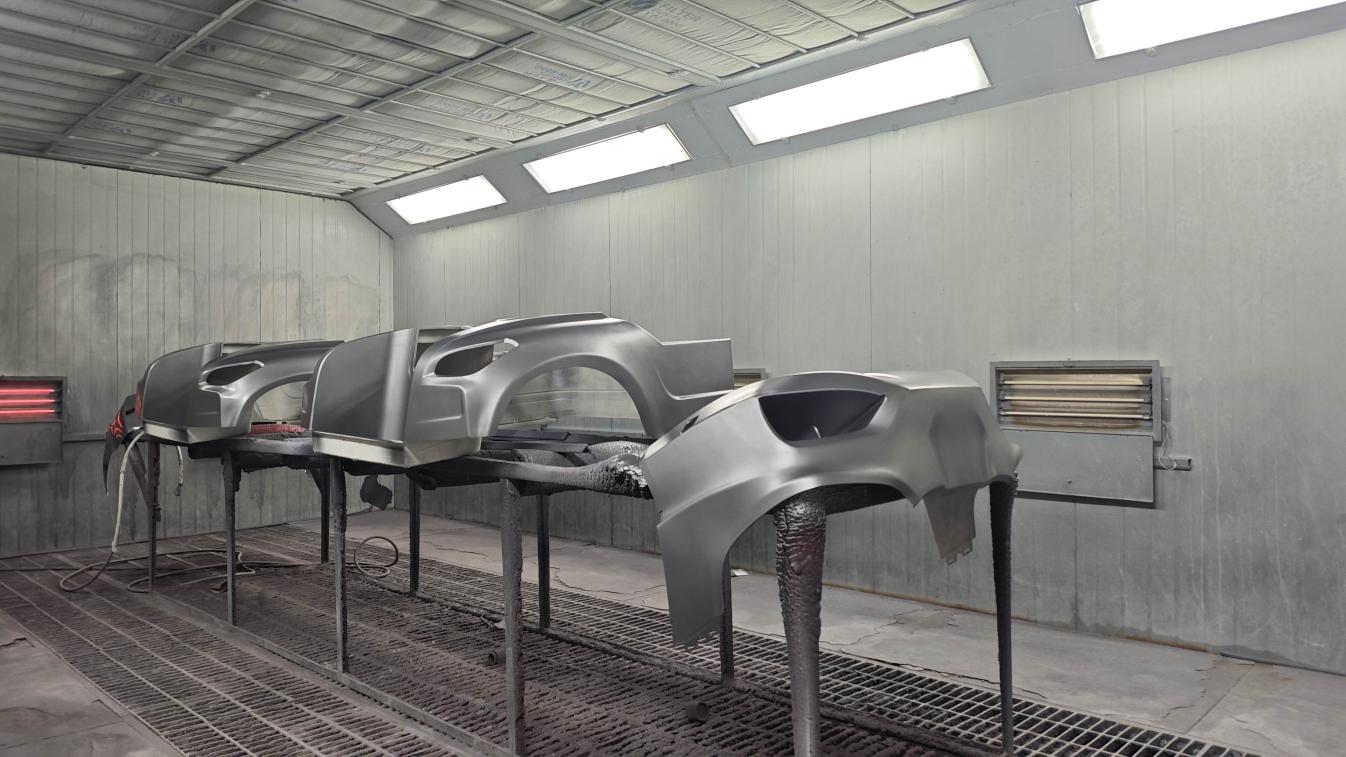
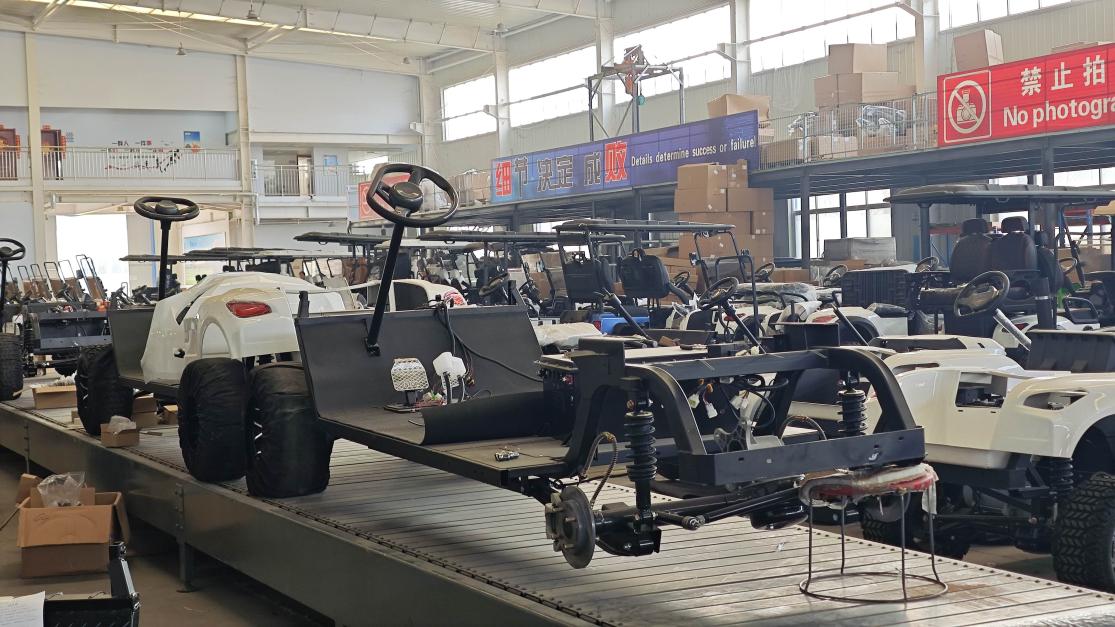
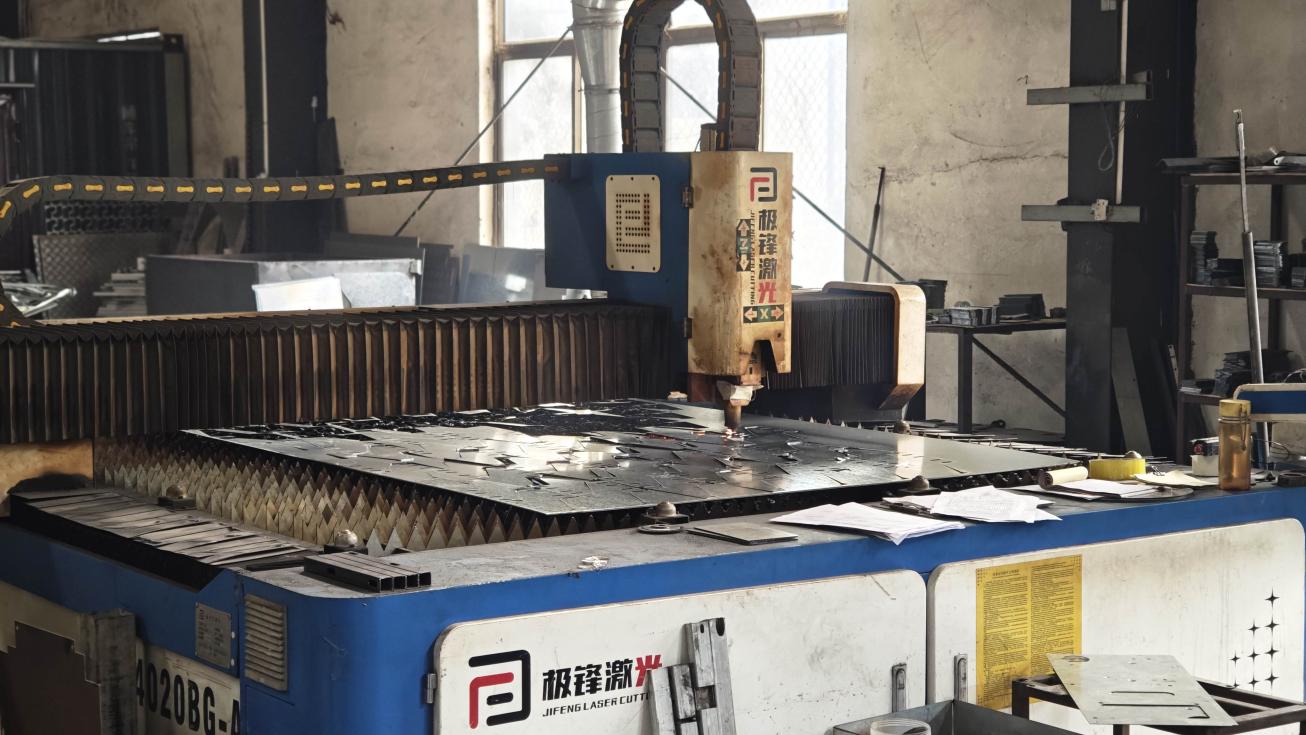
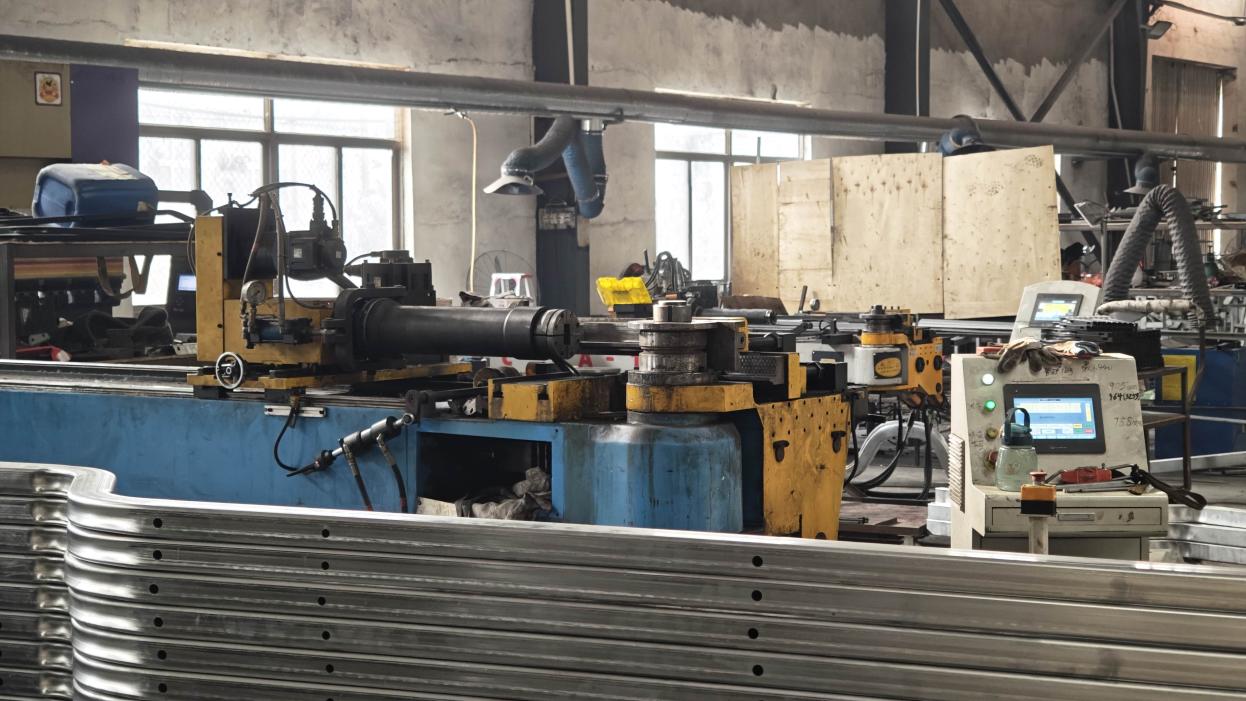
An authentic off-road electric golf cart built by Shandong CCB New Energy Machinery Co., Ltd. is not a cosmetic lift package installed over an agile city frame. It represents a ground-up mechanical evolution: reinforced hot-dip galvanized structural tubing, automotive-grade MacPherson or double wishbone independent front suspensions, four-wheel hydraulic disc braking, electronic brake-force distribution, sealed brushless AC/PMSM powertrains, and integrated Battery Management Systems (BMS) with high-density LiFePO4 cells.
This technical convergence allows commercial operators to cut fleet maintenance expenditures by up to 68% while delivering zero-emission quiet transit over sand, gravel, mountain inclines, and muddy trails. When evaluating wholesale suppliers, leading fleet directors focus on structural integrity, battery lifecycle longevity, duty cycles under high payload capacities, and verifiable factory customization agility.
 Deutsch
 Português
 Español
 Français
 Italiano
 Русский
 한국어
 日本語
 العربية
 ไทย
 Tiếng Việt
 Türkçe
 Nederlands
 Indonesia
 עברית
 हिन्दी