Comprehensive Strategic Procurement Report: OEM/ODM Utility Vehicles in Ho Chi Minh City
As Southern Vietnam accelerates its municipal transition toward zero-emission urban mobility and green tourism infrastructure, commercial procurement directors, resort operators, and industrial logistics managers in Ho Chi Minh City (HCMC) face a rapidly shifting operational landscape. Sourcing utility task vehicles (UTVs), electric low-speed vehicles (LSVs), and commercial mobile vending carts requires navigating specific tropical climate dynamics, regulatory compliance under Vietnamese transportation mandates, and rigorous total cost of ownership (TCO) benchmarks.
This technical whitepaper outlines the structural parameters of sourcing specialized OEM/ODM utility vehicles from verified Chinese manufacturing hubs directly into Ho Chi Minh City's major ports, including Cat Lai, Tan Cuan, and the Cai Mep-Thi Vai port complex.
Core Procurement Insight: Operating electric utility fleets in Ho Chi Minh City demands anti-corrosion chassis treatments, heavy-duty thermal management for LiFePO4 battery modules under ambient temperatures exceeding 38°C, and ingress protection rated at IP67 minimum for electrical components exposed to tropical monsoon flash floods.
Localized Application Scenarios across Southern Vietnam
Ho Chi Minh City serves as the economic engine of Vietnam, featuring high-density industrial hubs, sprawling commercial master-planned communities, and vibrant tourist sectors. Utility vehicles supplied via specialized OEM/ODM channels perform critical operational roles tailored to distinct local environments:
1. Industrial Logistics & Export Processing Zones (EPZs)
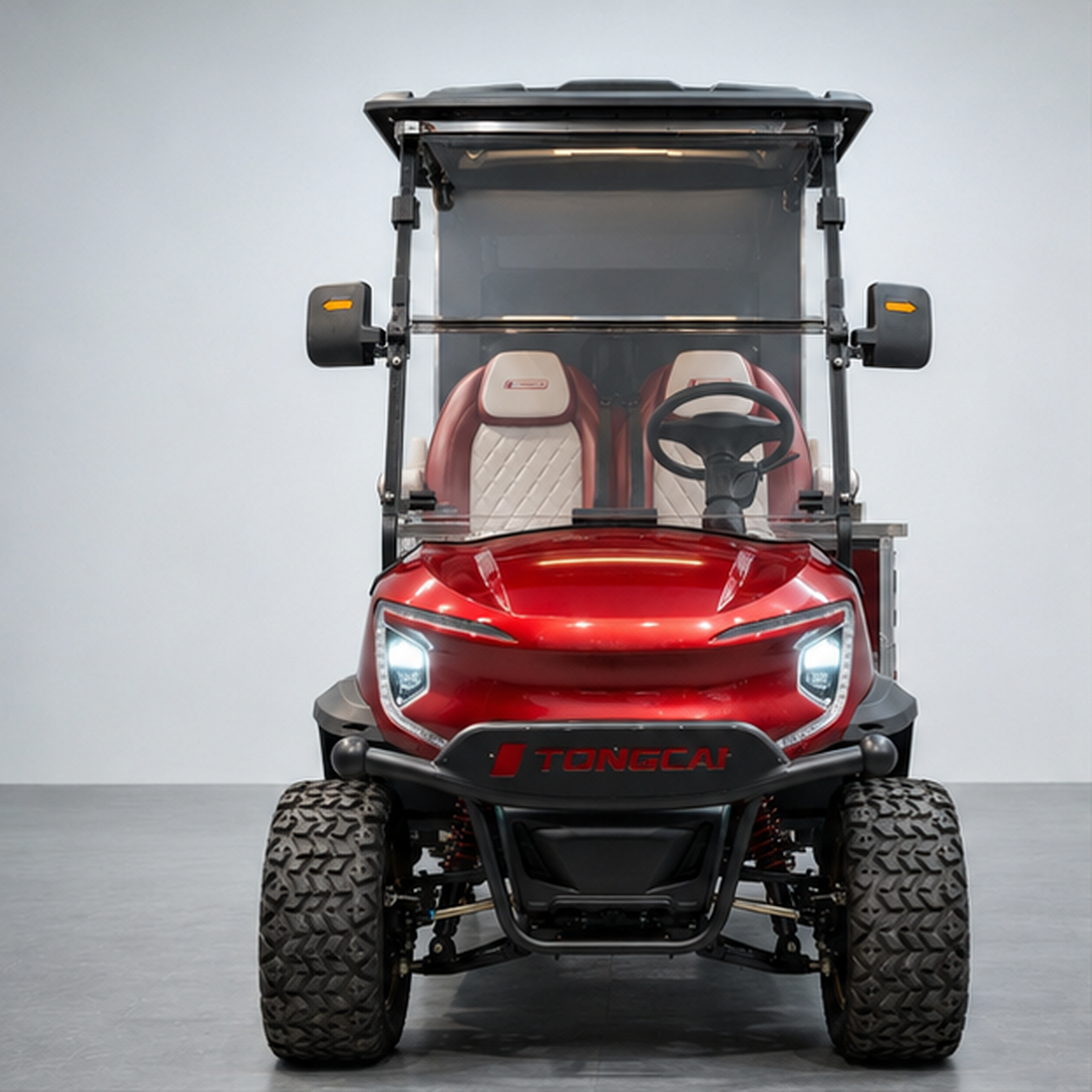
Industrial complexes such as Tan Thuan Export Processing Zone (District 7), Saigon Hi-Tech Park (SHTP - Thu Duc City), and VSIP (Vietnam-Singapore Industrial Park in neighboring Binh Duong) rely heavily on high-torque electric cargo utility vehicles. Equipped with heavy-duty steel rear cargo boxes and load capacities ranging from 500kg to 1,500kg, vehicles like the TONGCAI Electric High-Speed Utility Cart facilitate intra-facility cargo transport, heavy component moving, and maintenance operations. Zero tailpipe emissions make these vehicles ideal for indoor-outdoor transition warehouse handling without violating strict indoor air quality mandates.
2. Urban Eco-Tourism, Hospitality & Master-Planned Communities
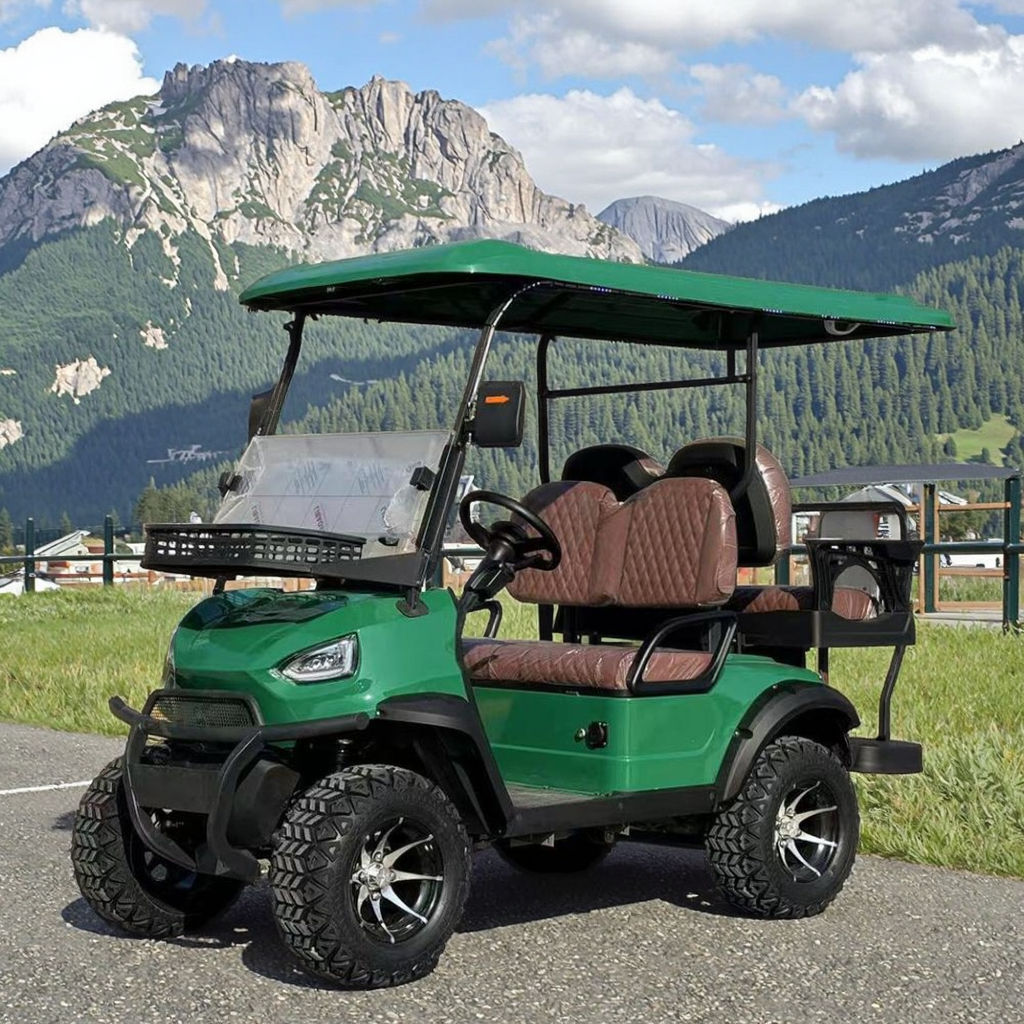
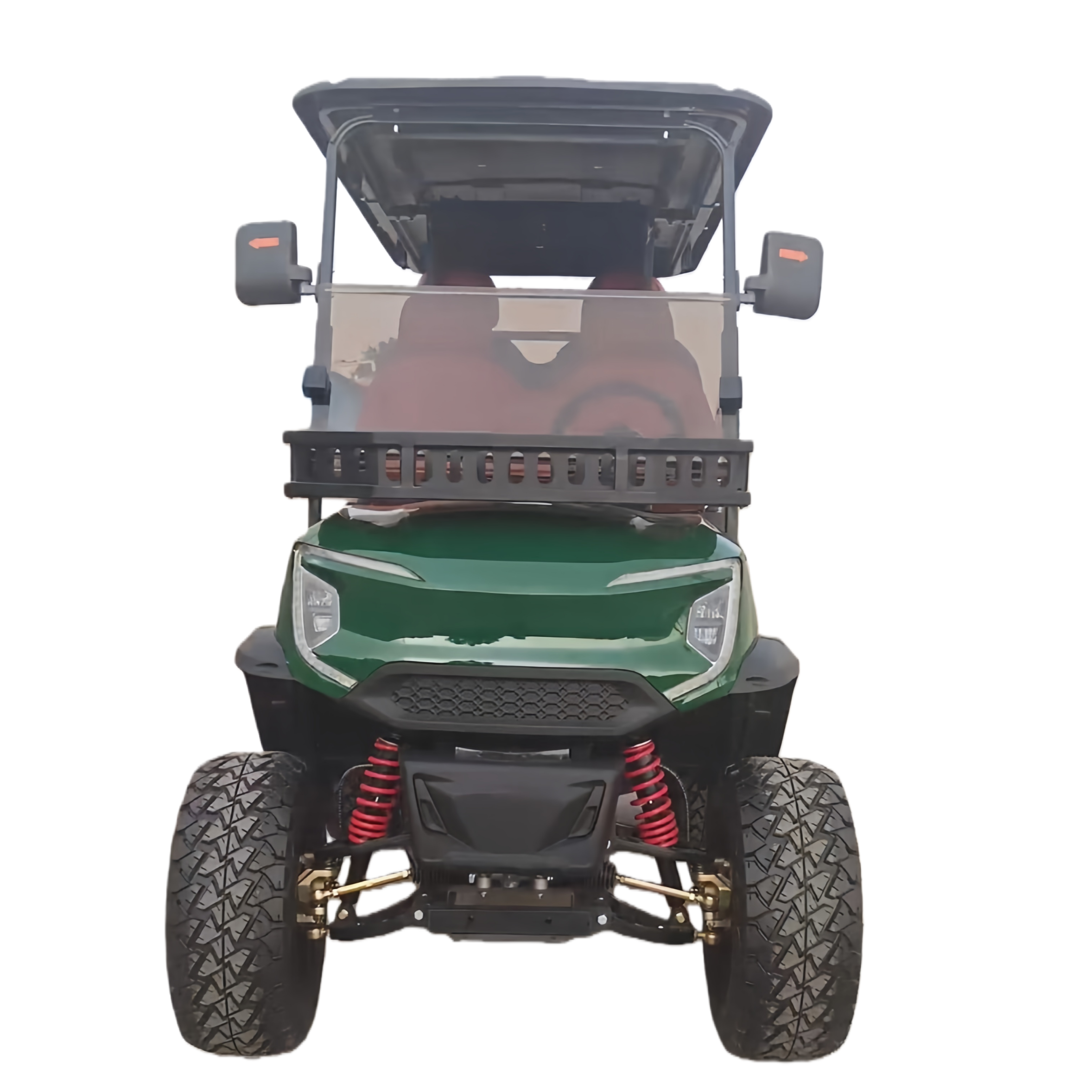
In high-end residential enclaves such as Phu My Hung (District 7) and Vinhomes Grand Park (Thu Duc City), alongside luxury resorts along the Saigon River and nearby Vung Tau/Mekong Delta eco-resorts, guest transport requires Whisper-quiet, ultra-smooth operation. Low-speed electric shuttle buses and 4-to-10-seater lifted golf carts provide eco-friendly passenger mobility. The TONGCAI Compact 4-Seater Electric Cart delivers an exceptional turning radius, essential for navigating narrow resort paths and dense urban walkways effortlessly.
3. Urban Street Retail & Culinary Vending Fleet Operations
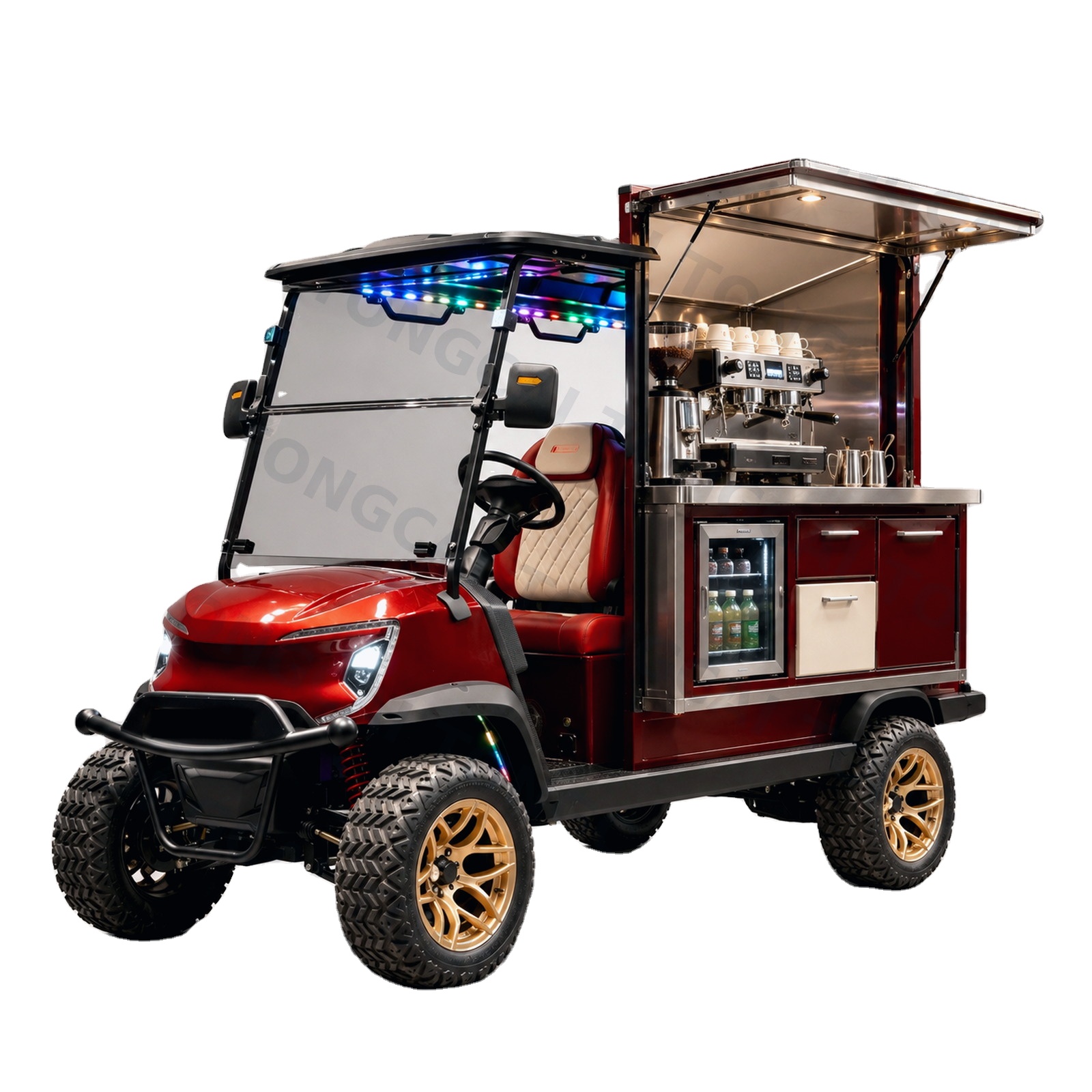
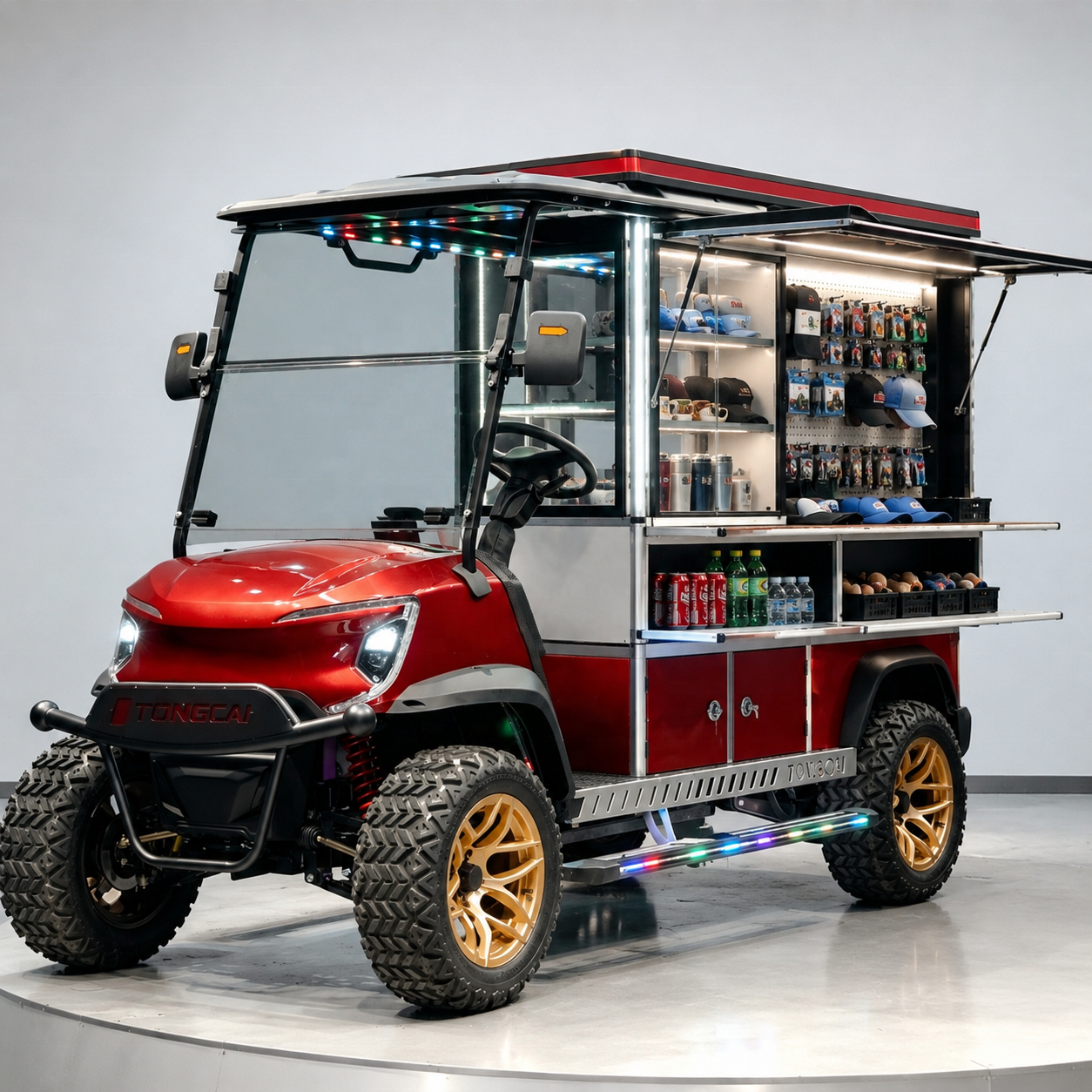
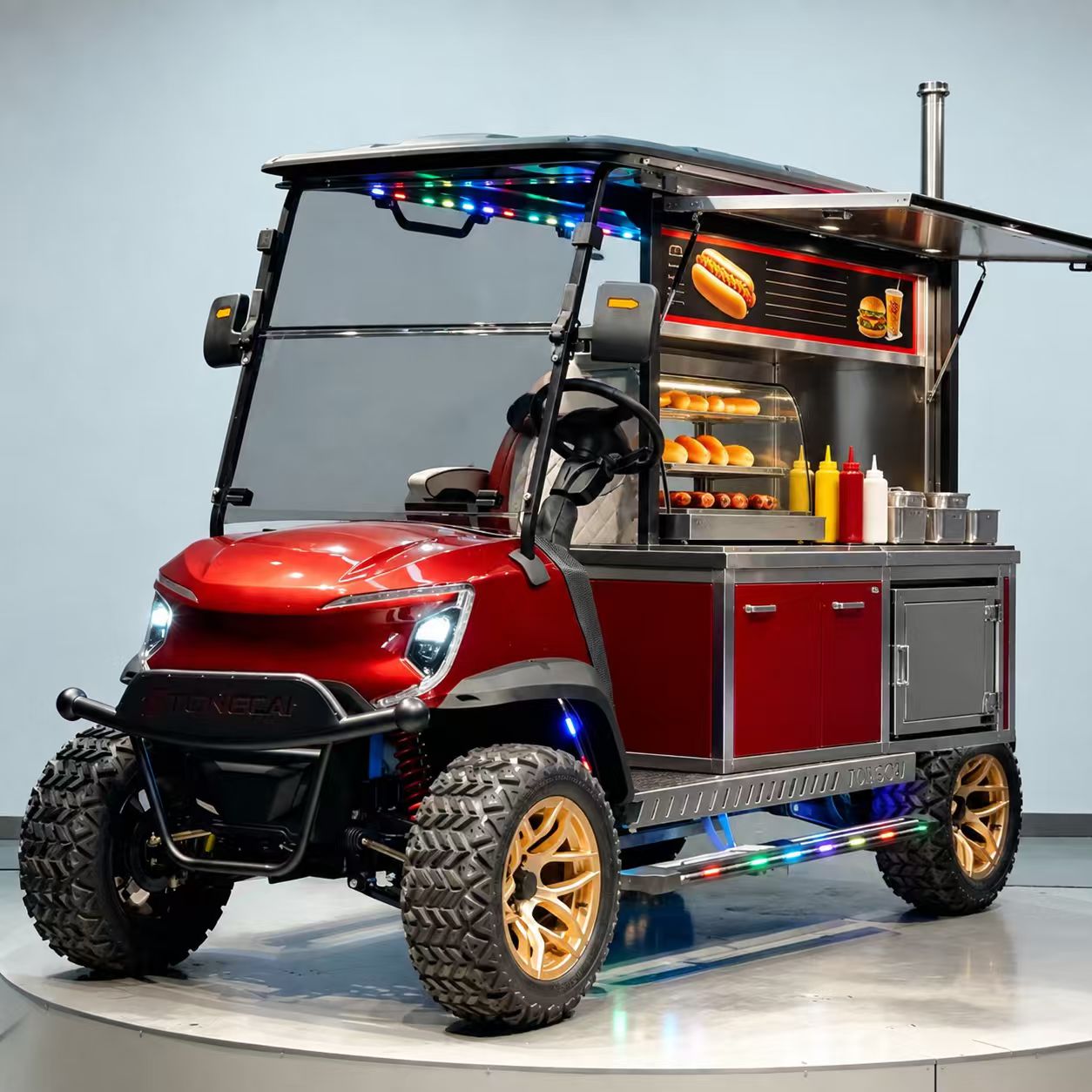
Ho Chi Minh City's world-famous street food culture is modernizing. Municipal initiatives aimed at streamlining informal street vending have spurred demand for custom branded mobile retail carts. Vehicles such as the TONGCAI Custom Mobile Bakery Cart, Ice Cream Truck, and Stainless Steel Dual Axle Vending Vehicles are equipped with onboard lithium-powered auxiliary energy systems. These systems power commercial espresso machines, refrigeration units, soft-serve ice cream freezers, and LED signage without relying on noisy, polluting gasoline generators.
Engineering & Customization Capabilities (Shandong CCB / TONGCAI Manufacturing Direct)
Representing Shandong CCB New Energy Machinery Co., Ltd. (operating from a TÜV Rheinland-verified 14,200m² manufacturing facility in Dezhou, Shandong), our OEM/ODM custom vehicle division addresses the stringent technical demands of overseas business buyers:
- Structural Chassis Fabrication: High-tensile carbon steel frames undergo robotized MIG welding followed by full-immersion electrophoretic cathodic dip coating (EDC). This process provides superior resistance against saltwater atmospheric corrosion prevalent in HCMC's coastal river delta.
- Powertrain Versatility: Advanced 48V, 60V, and 72V AC brushless motor options (3KW to 7.5KW) paired with Curtis/Enpower intelligent controllers offer smooth acceleration, regenerative braking, and 30% hill-climbing capability to easily clear steep bridge ramps across the Dong Nai and Saigon rivers.
- Lithium Battery Integration (LiFePO4): High-density Lithium Iron Phosphate battery banks with integrated Smart BMS (Battery Management System) provide operating ranges of 70km to 120km per charge, thermal runaway protection up to 60°C, and rapid charging capabilities (2–4 hours).
- Complete Tailor-Made OEM Branding: Customizable options include exact corporate Pantone color matching, stainless steel counter layouts for mobile kitchen carts, custom canopy configurations, solar panel roofing systems, and integrated digital sound systems.
Ho Chi Minh City Electric Utility Vehicle Industry Trends
Understanding Southern Vietnam's macro-environmental shifts is vital for making forward-looking fleet procurement decisions:
1. National Net-Zero 2050 Mandates & Municipal Low-Emission Zones
Following Vietnam’s commitment at COP26 to achieve Net-Zero carbon emissions by 2050, the Ho Chi Minh City Department of Transport is preparing restricted Low-Emission Zones (LEZs) within Central District 1 and District 3. Internal combustion engine (ICE) utility vehicles and traditional three-wheelers face increasing operational restrictions, creating an urgent market transition toward zero-emission electric LSVs and custom electric utility carts.
2. Rise of Last-Mile Micro-Logistics & Cold-Chain Retail Carts
Rapid urban growth in Southern Vietnam has driven significant demand for last-mile delivery innovations. E-commerce logistics operators and food beverage brands are rapidly adopting custom electric cargo vehicles. Compact footprints allow these vehicles to navigate HCMC’s famous narrow alleyways (hẻm), where standard delivery trucks cannot enter.
3. B2B Direct Sourcing and HS Code Optimization
Procurement managers in HCMC actively leverage ASEAN-China Free Trade Area (ACFTA) framework benefits. By utilizing Form E Certificate of Origin documentation, import duties on electric utility vehicles (HS Code 8703.80 / 8704.90) are optimized, delivering a 15% to 25% cost saving compared to importing from Western manufacturers.
Q:
What is the lead time for shipping custom OEM utility vehicles to Cat Lai Port, Ho Chi Minh City?
Production lead times for custom or OEM fleet orders typically range from 15 to 25 working days depending on order size and customization level. Sea freight transit time from Qingdao or Tianjin port directly to Cat Lai or Tan Cuan port in Ho Chi Minh City is exceptionally short—usually taking only 7 to 10 days.
Q:
How do lithium battery systems perform under Ho Chi Minh City’s high heat and heavy rain monsoon season?
Our export vehicles bound for Southeast Asia utilize premium grade LiFePO4 (Lithium Iron Phosphate) battery chemistry, which inherently withstands ambient operating temperatures up to 60°C without degradation. Battery enclosures and motor controllers are fully sealed with IP67 rated waterproofing, allowing vehicles to operate safely during intense tropical downpours and through standing shallow water.
Q:
Can we request Form E Certificate of Origin documentation for import tariff concessions in Vietnam?
Yes. As a fully registered manufacturer and direct exporter (Shandong CCB New Energy Machinery Co., Ltd.), we issue official Form E Certificates of Origin under the ASEAN-China Free Trade Agreement, helping Vietnamese importers minimize customs import duties.
Q:
What support is available for spare parts and warranty servicing in Southern Vietnam?
We provide a comprehensive warranty framework (up to 3 years on chassis and lithium batteries). For container-level orders, we include a tailored 2% wear-and-tear spare parts kit (controllers, solenoids, brake pads, tire assemblies). Technical manuals, wiring diagrams, and direct video engineer assistance are available 24/7.
Q:
Is full custom branding (logo, body wrap, specialized vending hardware) supported for small batch orders?
Yes. We support low minimum order quantities starting from 1 unit for market testing and sampling. Custom vinyl body wrapping, logo application, specialized counter layouts, and color matching are fully managed in-house prior to final export packaging.
 Deutsch
 Português
 Español
 Français
 Italiano
 Русский
 한국어
 日本語
 العربية
 ไทย
 Tiếng Việt
 Türkçe
 Nederlands
 Indonesia
 עברית
 हिन्दी