Commercial Neighborhood & Utility Electric Cart Lineup
Explore our factory-engineered electric golf carts, mobile retail vending units, and high-speed utility vehicles optimized for Canadian resort communities, municipal districts, and commercial operations.
1. Executive Whitepaper: The Evolution of Neighborhood Electric Vehicles (NEVs) in Canada
The Canadian micro-mobility and Low-Speed Vehicle (LSV) landscape is undergoing a systemic structural transformation. Driven by municipal zero-emission mandates, expanding master-planned residential communities, high-density resort zones, and the operational electrification of commercial facilities, golf carts have transitioned from traditional fairways to vital neighborhood transport infrastructure.
Deploying electric golf carts and low-speed passenger/utility vehicles within Canadian borders requires an engineering approach distinct from sunbelt installations in the southern United States or Southern Europe. Canadian geography imposes strict environmental demands: freezing winter sub-zero ambient temperatures, exposure to road de-icing chemicals (calcium chloride and sodium chloride), variable terrain across provincial topographies, and rigorous Transport Canada safety frameworks (CMVSS 500 standards).
Key Takeaway for Canadian Commercial Buyers:
Purchasing neighborhood electric carts in Canada is no longer merely a pricing decision; it is a structural engineering evaluation. Off-the-shelf golf buggies built without cold-weather battery management systems (BMS), anti-corrosion frame dips, and certified automotive-grade lighting fail within 24 to 36 months under harsh Canadian climate exposure.
As an established manufacturer, Shandong CCB New Energy Machinery Co., Ltd. bridge this gap by delivering direct-from-factory custom OEM/ODM production lines calibrated specifically for Canadian regional performance requirements, provincial low-speed vehicle bylaws, and demanding commercial utility needs.
14,200m²
Factory Floor Footprint
1000+ Hrs
Salt Spray Salt-Resistance
-30°C to +50°C
LiFePO4 BMS Working Range
TÜV Verified
On-Site Manufacturing Quality
2. Engineering for the Canadian Environment: Cold Weather, Corrosion & Powertrain
To deliver measurable performance gain over domestic assembly intermediaries, our engineering team focuses on three core physical pillars: thermal dynamic battery management, electro-coated structural chassis engineering, and high-torque AC powertrain efficiency.
LiFePO4 Self-Heating Smart BMS
Standard lithium-ion battery packs suffer severe capacity degradation and charging blockages when ambient temperatures drop below 0°C. Our Canadian-export models feature integrated PTC self-heating thermal blankets managed by a proprietary Smart BMS. The battery automatically pre-heats cells to optimal charging temperatures before accepting current, guaranteeing reliable winter range retention down to -30°C.
Cathodic Electrophoretic Frame Protection
Canadian road slush, winter salt, and coastal sea spray accelerate chassis oxidation. Rather than standard spray-paint applications, CCB constructs chassis using heavy-gauge tubular steel and aircraft-grade T6 aluminum alloys, subjected to a multi-stage hot-dip cathodic electrophoretic e-coating bath. This creates a impenetrable barrier tested to withstand over 1,000 hours of continuous salt-spray exposure (ASTM B117 standard).
High-Torque 72V AC Brushless Motors
Hilly terrain in British Columbia, snowy paths in Quebec, and heavy commercial loads demand superior torque curve dynamics. Our 48V, 60V, and 72V maintenance-free AC brushless motors (ranging from 4kW to 7.5kW heavy-duty peak) deliver instant torque, 30%+ gradeability under maximum passenger payload, and regenerative braking systems that charge battery banks during down-slope deceleration.
Technical Battery & Powertrain Architecture Matrix
A direct comparison of energy storage tech engineered for Canadian commercial operational environments:
| Engineering Parameter |
CCB Smart LiFePO4 (Canadian Grade) |
Standard Lithium Ion |
Conventional Deep-Cycle Lead-Acid |
| Low Temp Performance (-20°C) |
85% - 90% Capacity (Self-Heated) |
40% - 50% Capacity (Thermal Shutdown) |
35% - 45% Capacity (Permanent Damage) |
| Cycle Operational Lifespan |
3,500 - 5,000 Cycles (10+ Years) |
1,000 - 1,500 Cycles |
400 - 600 Cycles (2-3 Years) |
| Total Weight Impact |
Ultra-Lightweight (Increases Vehicle Range) |
Moderate |
Heavy (Causes Frame Stress & High Wear) |
| Maintenance Overhead |
Zero Maintenance (Automated Smart BMS) |
Low Maintenance |
High (Distilled Water Refills, Terminal Cleaning) |
| Chassis Galvanization Level |
Hot-Dip Electrophoretic Bath + E-Coat |
Standard Primer Paint |
Single-Layer Powder Coating |
3. Localized Application Scenarios Across Canadian Provinces
Understanding regional Canadian use cases allows golf cart distributors, estate managers, and municipal planners to select the optimal frame configuration, speed gearing, and seating layout.
Resort & Hospitality Corridors
(Muskoka, ON | Okanagan Valley, BC | Mont-Tremblant, QC | Banff, AB)
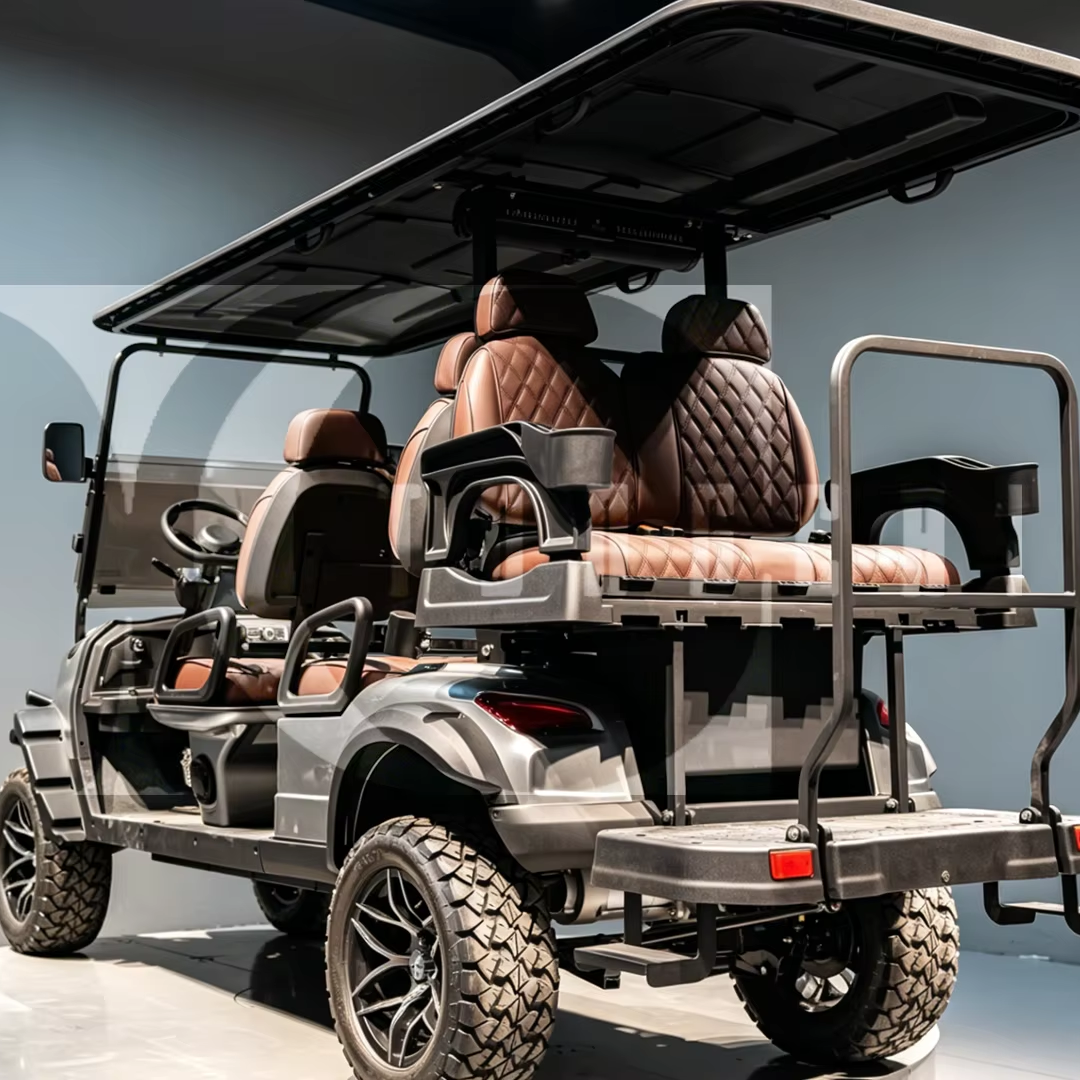
High-capacity 6-seater and 10-seater electric shuttle buggies streamline guest transport across large resort properties, golf courses, and alpine villages. Quiet zero-emission electric drivelines preserve scenic natural acoustics while providing luxury passenger comfort with weatherproof enclosures and heated seating options.
Master-Planned Neighborhoods & Gated Communities
(South Surrey, BC | Calgary Suburbs, AB | Niagara-on-the-Lake, ON)
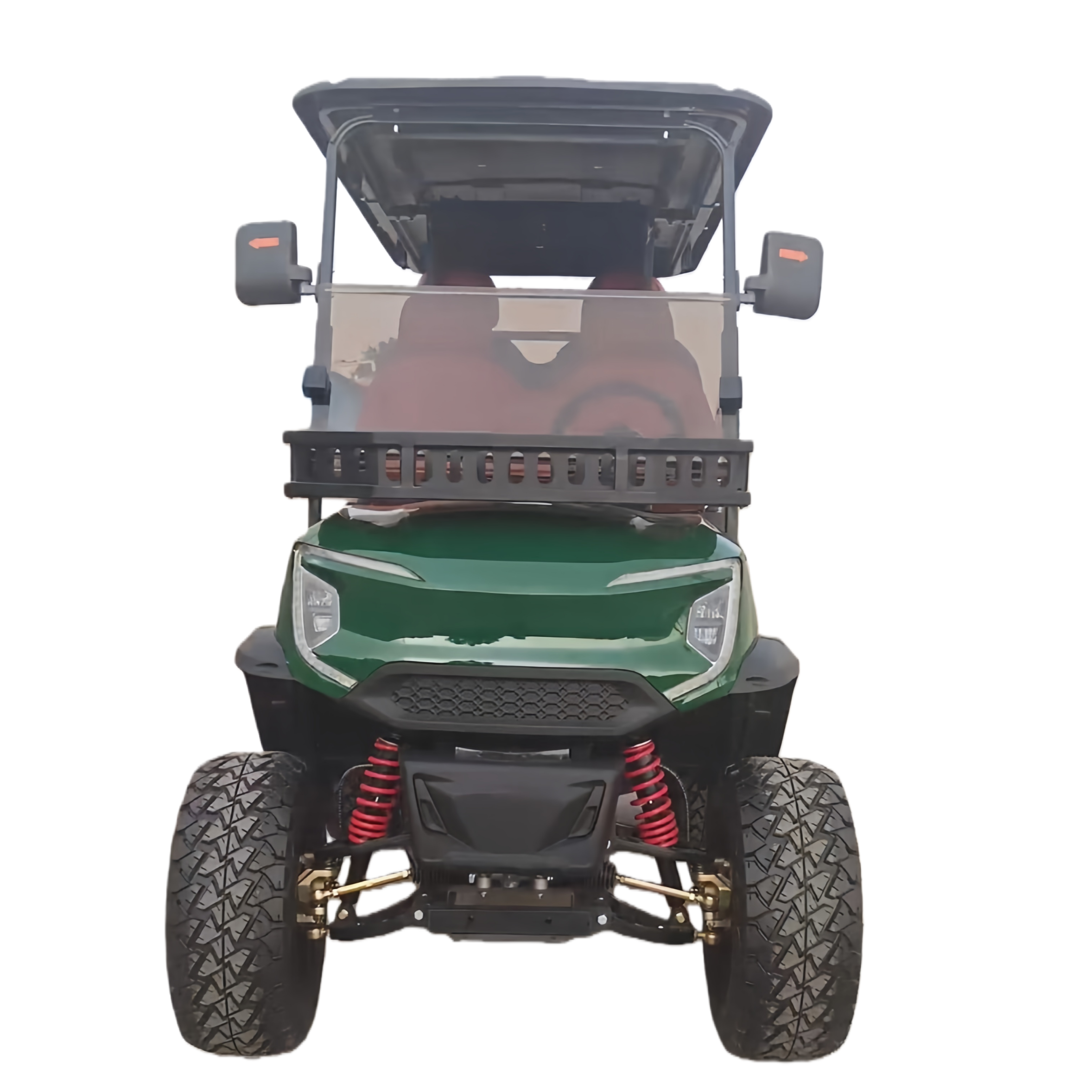
As Canadian municipalities adopt Low-Speed Vehicle (LSV) pilot bylaws, residents utilize 4-seater lifted golf carts for short-distance daily commuting, local school runs, grocery errands, and neighborhood social travel. Street-legal packages include DOT safety glass windshields, three-point seatbelts, LED turn signals, high-beam headlights, and side mirrors.
Commercial Vending & Urban Event Operations
(Toronto, ON | Vancouver, BC | Montreal, QC | Halifax, NS)
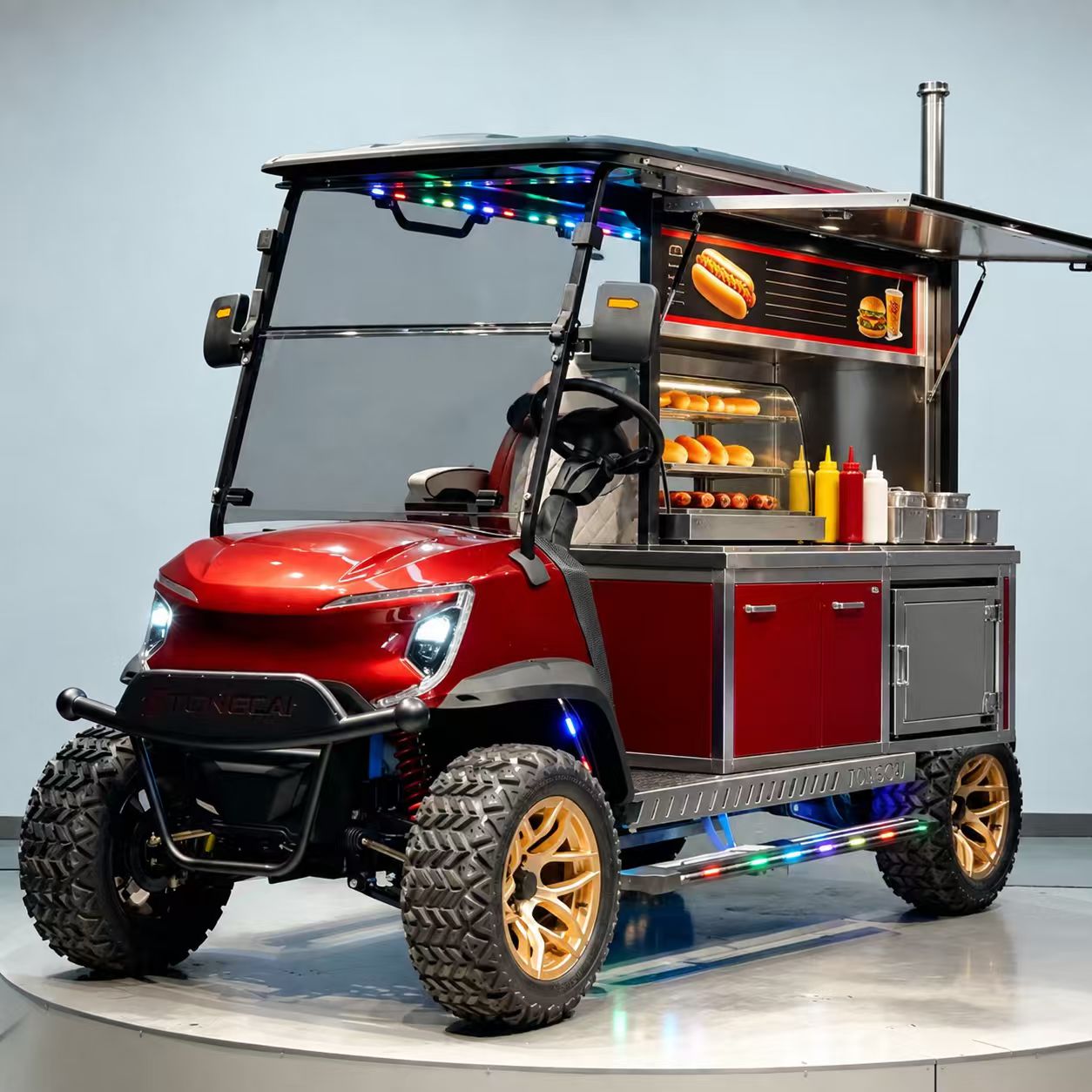
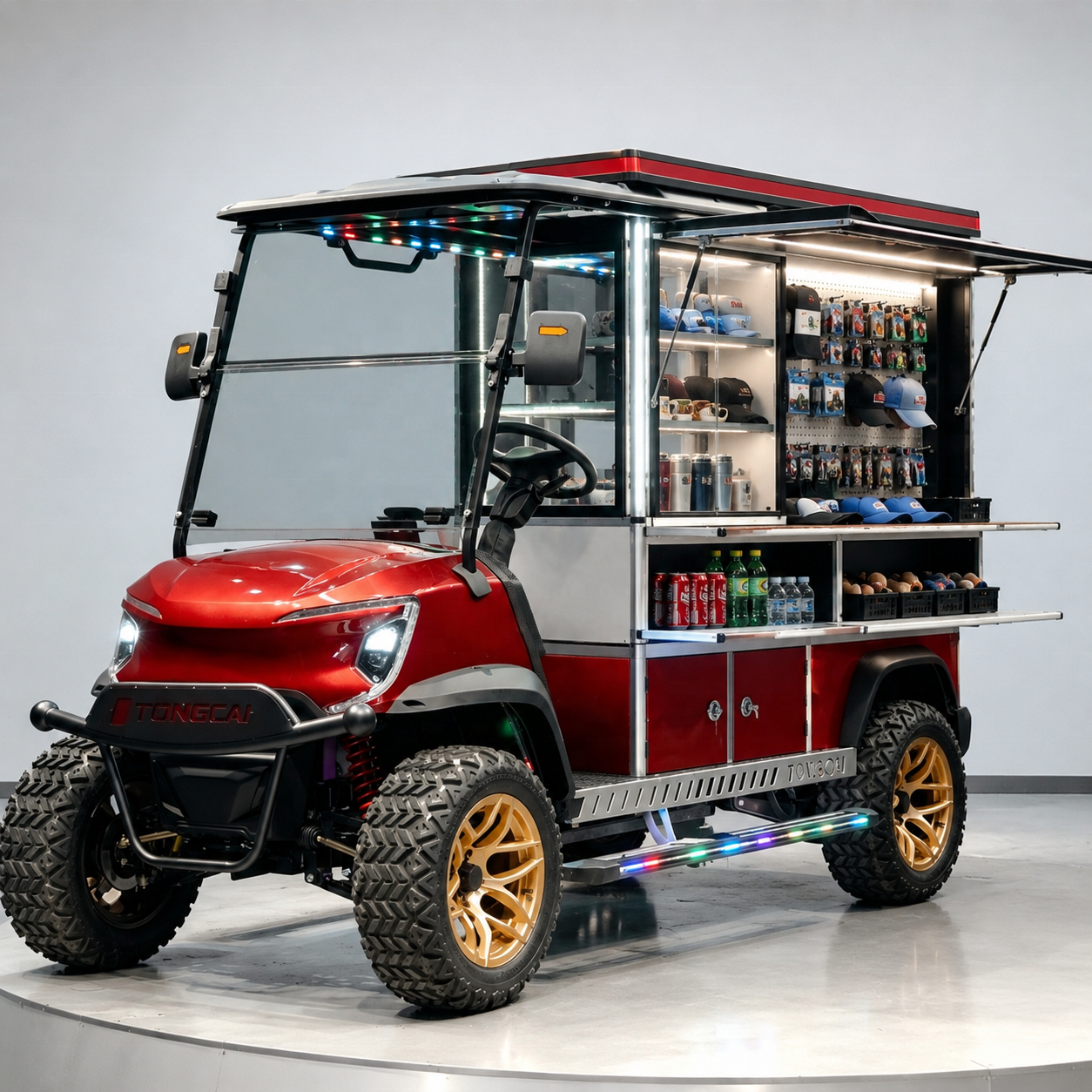
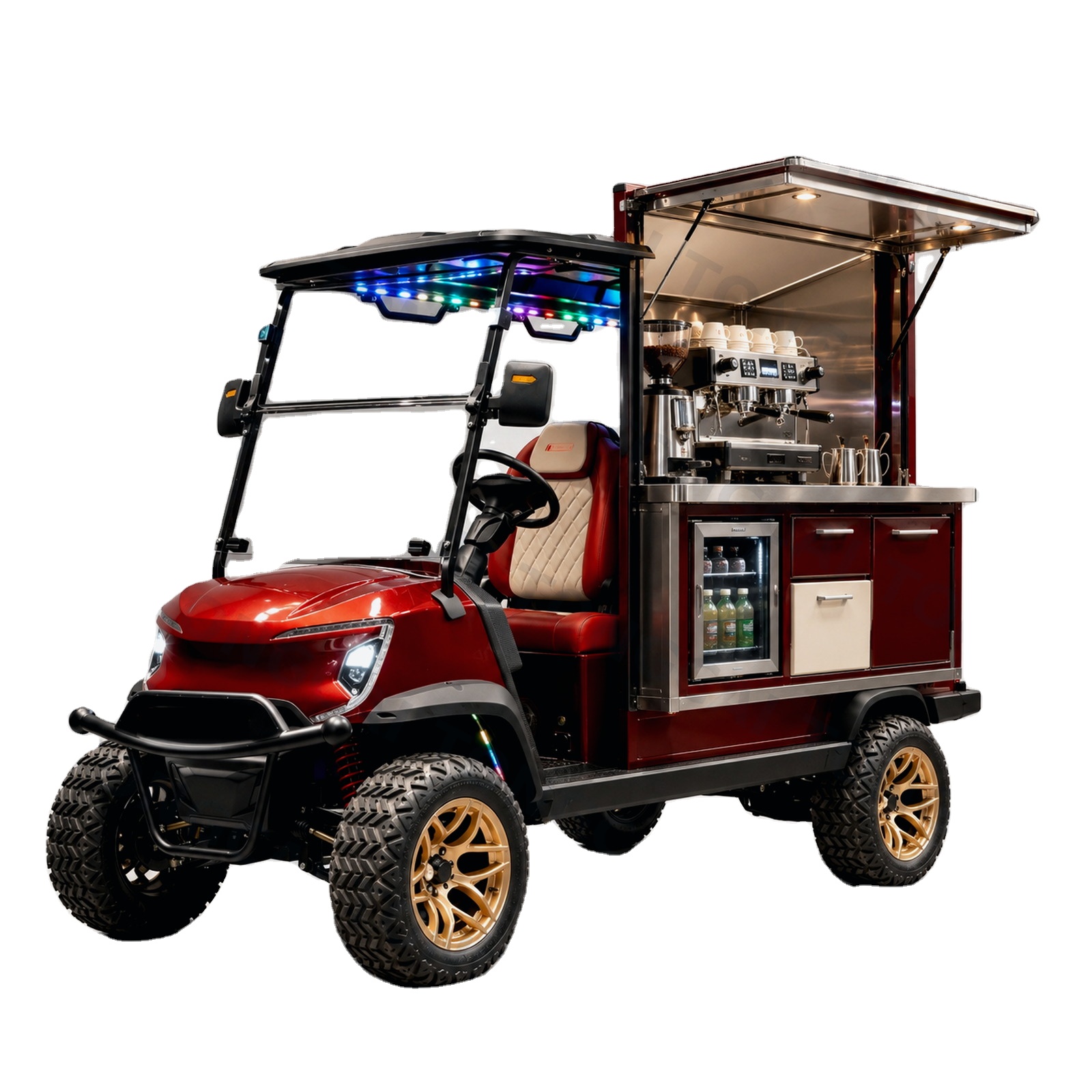
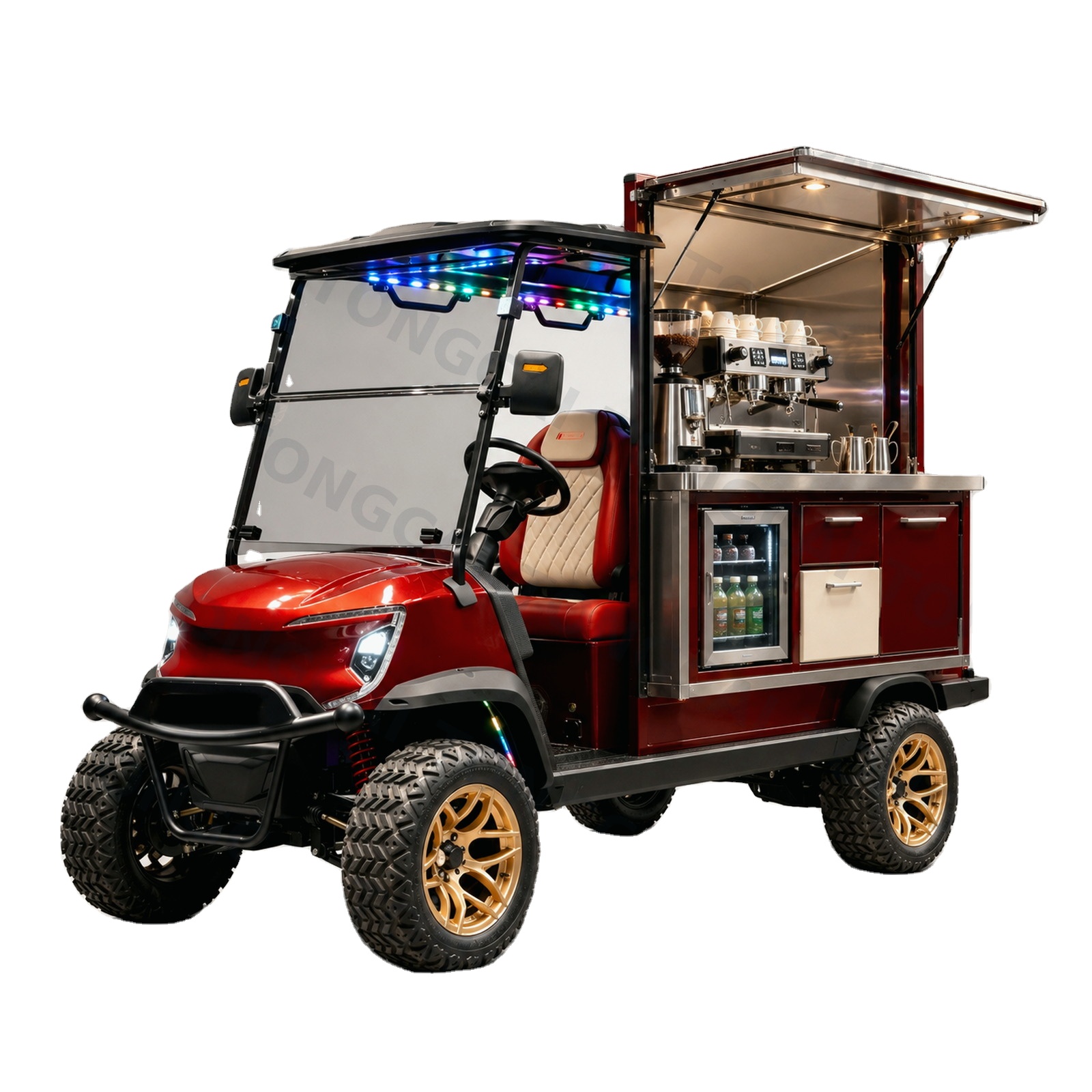
Custom mobile bakery trucks, coffee vending carts, and mobile dessert units allow food retail entrepreneurs to service waterfront boardwalks, public parks, and outdoor festival grounds. Built on custom reinforced tandem axle chassis with food-grade 304 stainless steel, integrated electrical inverters, and branded LED signage.
Utility, Warehouse & Cargo Last-Mile Delivery
In addition to passenger transport, Canadian industrial complexes, airport logistics centers, greenhouse operations, and municipal maintenance crews rely on high-speed utility golf carts equipped with hydraulic rear dump boxes, flatbed cargo platforms, and enclosed cabs. Heavy-duty payload capacities up to 1,000 kg enable efficient intra-facility material handling without indoor air quality risks.
4. Localized Market Trends & Regulatory Framework in Canada
Commercial buyers and fleet importers in Canada must align procurement with evolving regulatory trends and economic factors shaping micro-mobility across provinces:
- Expansion of Provincial Low-Speed Vehicle (LSV) Pilot Programs: Provinces like Ontario (under Highway Traffic Act Regulation 215/17), British Columbia, and Alberta continue expanding municipal frameworks allowing certified LSVs (vehicles with top speeds between 32 km/h and 40 km/h) on public roadways with speed limits of 50 km/h or less.
- Commercial Fleet Decarbonization Mandates: Federal and provincial clean-energy subsidies and zero-emission targets push industrial parks, universities, and hotel fleets away from gas-powered utility vehicles toward 100% electric operations to reduce carbon accounting footprints.
- Rise of Mobile Micro-Retail Vending: High urban commercial lease rates in major metropolitan areas like Vancouver and Toronto have accelerated demand for mobile commercial vending vehicles. Turnkey electric bakery, coffee, and dessert carts provide a low-CapEx food service footprint with flexible location agility.
- Transition from Lead-Acid to High-Density Lithium Iron Phosphate: Canadian fleet managers are rapidly retiring lead-acid fleets due to short lifespan and severe winter degradation. Lithium LiFePO4 has become the standard specified technology in commercial procurement tenders.
5. Enterprise Factory Strengths: Why Import Direct from Shandong CCB
When sourcing neighborhood golf carts and commercial utility vehicles in volume, sourcing directly from a vertically integrated manufacturer provides crucial cost advantages, precise engineering customization, and stringent quality control over third-party trading intermediaries.
Shandong CCB New Energy Machinery Co., Ltd. operates a modern 14,200 square meter production facility located in Dezhou, Shandong Province, China. Verified on-site by international inspection agency TÜV Rheinland, our manufacturing plant incorporates complete full-cycle vehicle production:
In-House Structural Fabrication
We do not purchase pre-made chassis frames. Our workshop runs automated CNC steel pipe benders, precision laser cutters, hydraulic press brake stampings, and robotic welding stations under strict QA supervision.
Full OEM / ODM Customization
We tailor every vehicle to dealer specifications: custom paint color matching (RAL codes), private label logo branding, elevated lift kits, off-road all-terrain tire packages, custom seating patterns, and solar charging roof panels.
Rigorous 12-Stage Quality Control
Every cart passes through a 12-station assembly and FQC inspection process. Final testing includes electronic circuit diagnostic runs, water-tight rain chamber testing, brake force testing, and track road test analysis before export crating.
Need direct factory pricing and custom engineering layout drawings for your fleet order?
Send an Inquiry
6. Canadian B2B Procurement FAQ for Importers & Dealers
Answers to common regulatory, logistical, and technical questions asked by Canadian commercial buyers and golf cart distributors:
What are the key safety requirements for operating neighborhood golf carts on public roads in Canada?
To qualify under provincial Low-Speed Vehicle (LSV) pilot bylaws or municipal road access regulations, vehicles must be equipped with CMVSS 500 compliant safety gear: automotive-grade laminated safety glass windshield, three-point seatbelts, side/rearview mirrors, turn signals, LED headlights, taillights, horn, parking brake, and a speed governor configured to the regional legal threshold (typically 32–40 km/h).
How does CCB ensure electric golf cart batteries survive Canadian sub-zero winters?
Our Canadian-spec vehicles utilize LiFePO4 battery chemistry integrated with an intelligent BMS and automated PTC self-heating thermal jackets. When connected to a charger in cold weather, the BMS pre-heats the internal cells to optimal charging temperatures before allowing power intake, preventing lithium plating and ensuring full capacity retention down to -30°C.
What is the Minimum Order Quantity (MOQ) and sample lead time for Canadian buyers?
We support growing regional dealers and fleet buyers by offering sample orders starting at 1 unit for market testing and evaluation. Production lead time for standard models is typically 15–20 days, while full container load (FCL) customized OEM orders are completed in 25–30 days.
How are golf carts packaged and protected during ocean freight shipping to Canada?
Vehicles are secured inside heavy-duty steel frame crates or fully wooden crating with moisture-barrier wrapping to prevent rust or transit damage. Orders ship directly via container vessel to major Canadian ports including Vancouver (Metro Vancouver terminals), Montreal, and Halifax, with full loading manifests and bill of lading documentation provided.
Can CCB assist with custom branding for mobile vending trucks and commercial cart fleets?
Yes. As a verified custom manufacturer, we offer end-to-end ODM/OEM branding services. You can specify precise body colors, high-resolution vinyl brand wraps, custom stainless steel counter layouts, internal equipment installation, illuminated rooftop signage, and LED banner lighting.
What spare parts support and warranty protection do you supply to Canadian dealers?
We provide a comprehensive factory warranty on core components (chassis frame, motor, controller, BMS, and battery). Replacement parts packages—including brake pads, windshields, electrical relays, controllers, and tire assemblies—can be loaded directly inside your initial container shipment for rapid local maintenance turnarounds.
Partner with a Verified Neighborhood Electric Vehicle Factory
Whether you are establishing a golf cart dealership in Canada, expanding a resort shuttle fleet, or building a mobile retail vending enterprise, Shandong CCB New Energy Machinery Co., Ltd. delivers direct factory pricing, certified engineering rigor, and tailored OEM customization.
 Deutsch
 Português
 Español
 Français
 Italiano
 Русский
 한국어
 日本語
 العربية
 ไทย
 Tiếng Việt
 Türkçe
 Nederlands
 Indonesia
 עברית
 हिन्दी