Hunting Golf Cart Factory & Exporters Serving the Yokohama Market

Technical Whitepaper & OEM Supply Chain Briefing for Commercial Fleets, Resort Developers & Micro-Mobility Importers in Kanagawa Prefecture

Strategic Regional Insights

Electrification Trends in Greater Yokohama & Kanagawa Commercial Mobility

Analyzing procurement requirements, topography challenges, and legal frameworks for low-speed electric vehicles in Japan's second-largest municipal economy.

The Commercial vehicle landscape across Yokohama, Kawasaki, and the broader Kanagawa Prefecture is undergoing a structural shift toward zero-emission micro-mobility. Driven by Japan’s Green Growth Strategy Through Carbon Neutrality in 2050, municipal authorities, private luxury estates, port logisticians, and hospitality operators are actively phasing out internal combustion engines in favor of high-performance electric utility vehicles (UTVs) and specialized golf carts.

Yokohama’s geography presents a unique dual challenge for low-speed electric vehicles (LSVs). The city transitions rapidly from coastal marine zones—such as the Port of Yokohama, Minato Mirai 21, and Honmoku Pier—to steep, undulating hilly terrain in districts like Naka-ku, Yamate, and the adjacent Hakone and Tanzawa mountain foothills. Vehicles operating in these sectors require robust uphill torque vectors, dynamic regenerative braking systems, and maritime-grade anti-corrosion protection.

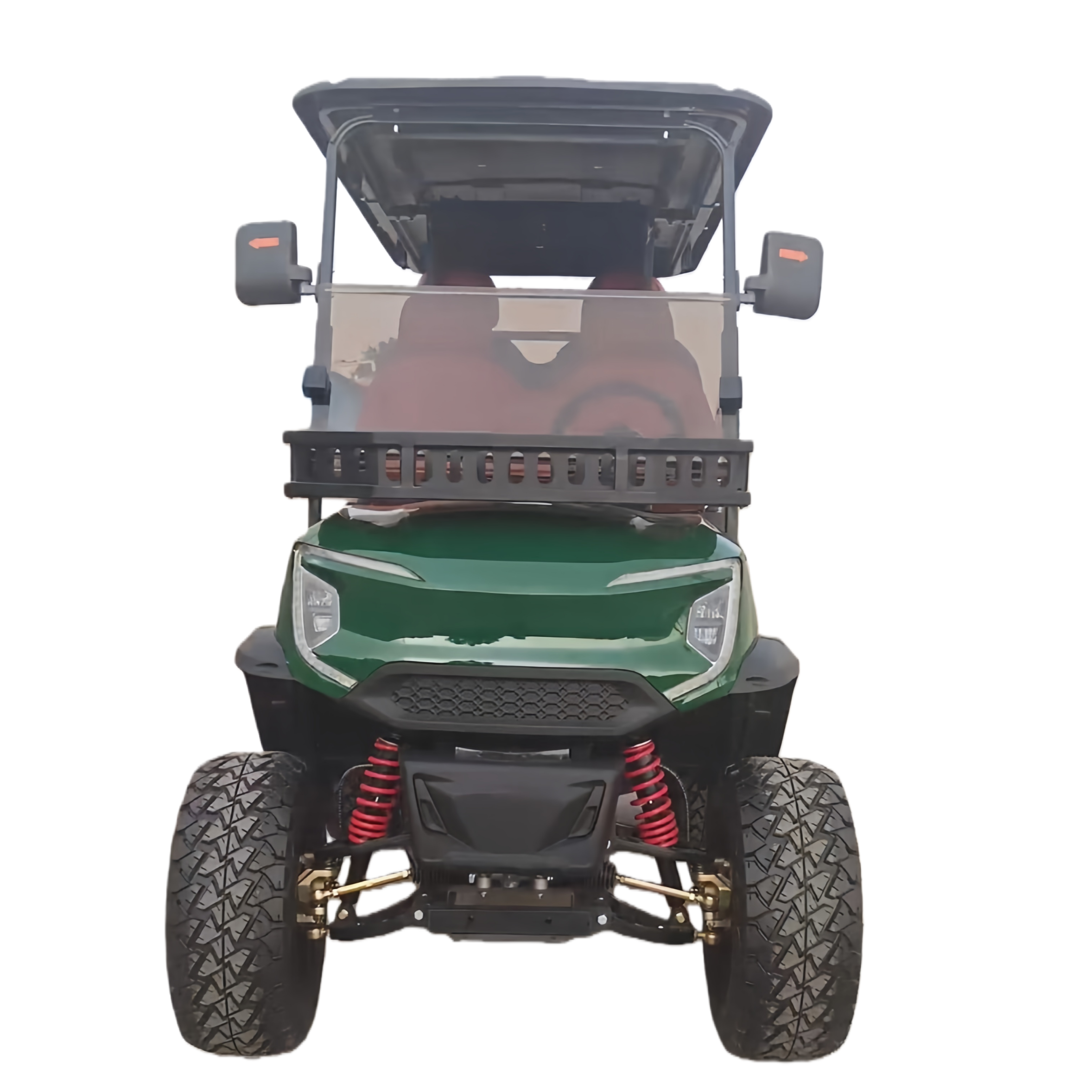
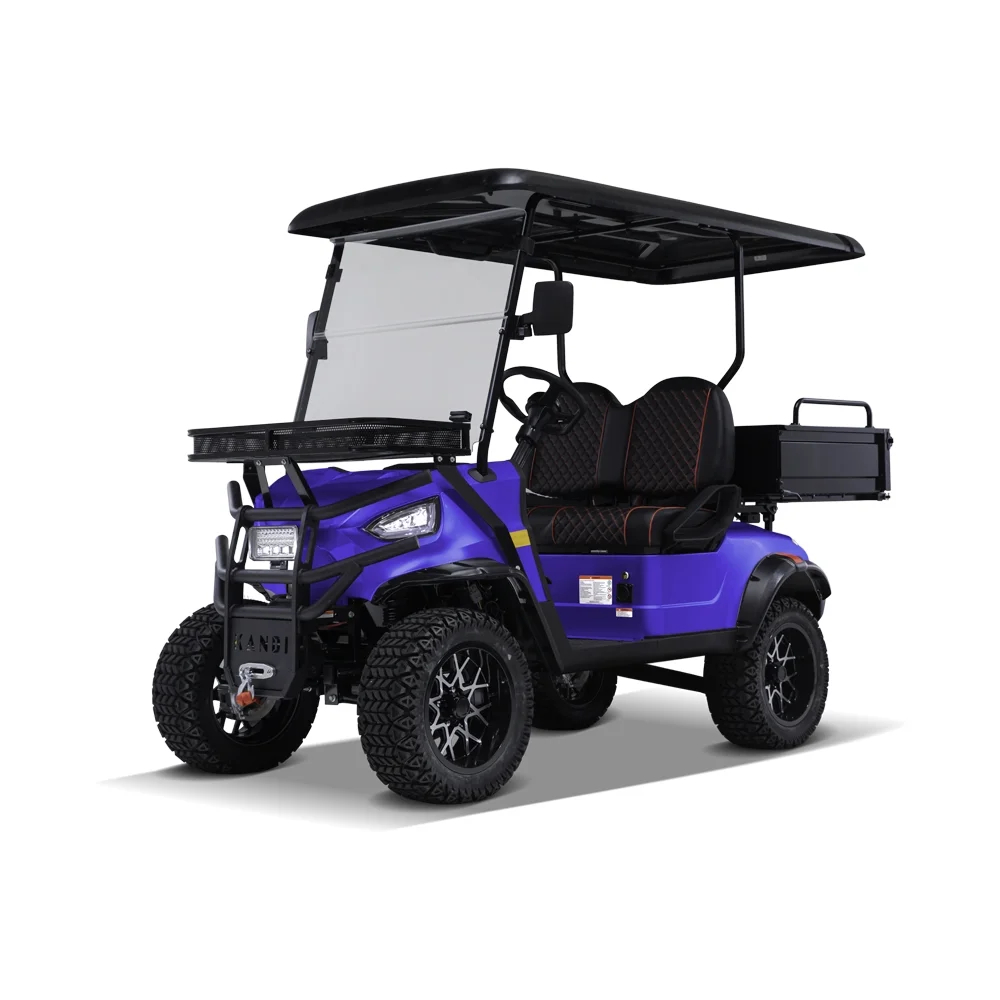
As a leading Chinese custom manufacturer verified on-site by TÜV Rheinland, Shandong CCB New Energy Machinery Co., Ltd. engineered its export line of lifted 4WD electric hunting golf carts specifically to address these regional demands. Combining 72V LiFePO4 battery architecture with high-clearance aluminum alloy chassis, our vehicles provide seamless mobility across resort grounds, forestry management zones, and heavy utility operations serving the Greater Tokyo-Yokohama Bay Area.

14,200 m²
TÜV Verified Manufacturing Facility
72V / 5kW
High-Torque Powertrain
90 km
Single-Charge Range
C5-M Grade
Anti-Corrosion Chassis Treatment
Factory Engineering

Localized Engineering: Adapting Vehicles for Japanese Standards

Rigorous OEM/ODM modifications engineered to satisfy Japanese electrical grids, climate conditions, and municipal safety regulations.

100V AC Grid & PSE Compliant Charging

Japanese electrical outlets standardly operate on 100V AC at 50Hz (Eastern Japan / Tokyo & Yokohama). Our engineering team equips export models with wide-range smart onboard chargers (90V–240V AC input) featuring integrated PFC (Power Factor Correction), thermal sensors, and Japanese PSE safety standard compatibility.

Marine-Grade C5-M Anti-Corrosion

Coastal atmospheric exposure in Yokohama Bay accelerates corrosion on standard automotive steel. CCB utilizes electrophoretic dip coating (EDP) combined with zinc-phosphate pretreatment and automotive-grade polyurethane topcoats, exceeding 1,200 hours of continuous salt spray testing under ISO 12944 standards.

72V LiFePO4 Smart Battery Architecture

Equipped with CATL or EVE Grade-A Lithium Iron Phosphate cells, our 72V battery systems feature proprietary BMS protection (overcharge, thermal runaway, cell balancing). LiFePO4 chemistry retains over 80% capacity after 3,500 full charge cycles, ideal for intensive rental and resort operations.

Road Vehicle Law Compliance Readiness

For operations requiring registration under Japan's Road Transport Vehicle Law (小型特殊自動車 - Small Special Vehicle category), CCB vehicles can be customized with LED headlamps, side indicators, dual mirrors, horn, parking brakes, and speed limiters factory-calibrated to local thresholds.

Independent Double A-Arm Suspension

Navigating Yokohama’s steep inclines and off-road hunting trails requires superior traction. Our lifted 4WD models utilize heavy-duty hydraulic shock absorbers, adjustable coil springs, and independent double A-arm front suspension systems engineered for maximum wheel articulation.

Full OEM / ODM Factory Customization

Distributors and commercial buyers in Yokohama can request customized body paint matching RAL codes, custom vinyl interior stitching, integrated solar panels, flip-flop rear cargo seats, enclosed weather doors, and private label logo branding directly from our factory line.

Technical Benchmark Matrix: CCB Export Lineup

Specification Parameter Standard 4-Seat Golf Cart Lifted 4WD Hunting Golf Cart High-Speed Cargo Utility Cart Electric Sightseeing Bus
Drive System 48V RWD (Rear Wheel Drive) 72V Switchable 2WD / 4WD 60V / 72V Heavy-Duty RWD 72V Commercial RWD
Motor Rating 3.7 kW / 4.0 kW AC Motor 5.0 kW / 7.5 kW AC Brushless 5.0 kW High-Torque AC 7.5 kW Asynchronous AC
Battery Options Lead-Acid or LiFePO4 (100Ah) 72V 105Ah / 210Ah LiFePO4 60V/72V Lithium Pack 72V 210Ah Industrial Lithium
Ground Clearance 120 mm 220 mm (Lifted Chassis) 160 mm 150 mm
Max Speed & Gradeability 30 km/h | 20% Grade 45–50 km/h | 35% Grade 50–70 km/h | 25% Grade 25–30 km/h | 20% Grade
Chassis Structure High-tensile welded steel Aluminum Alloy / Galvanized Steel Reinforced Steel Cargo Frame Heavy-Duty Channel Steel
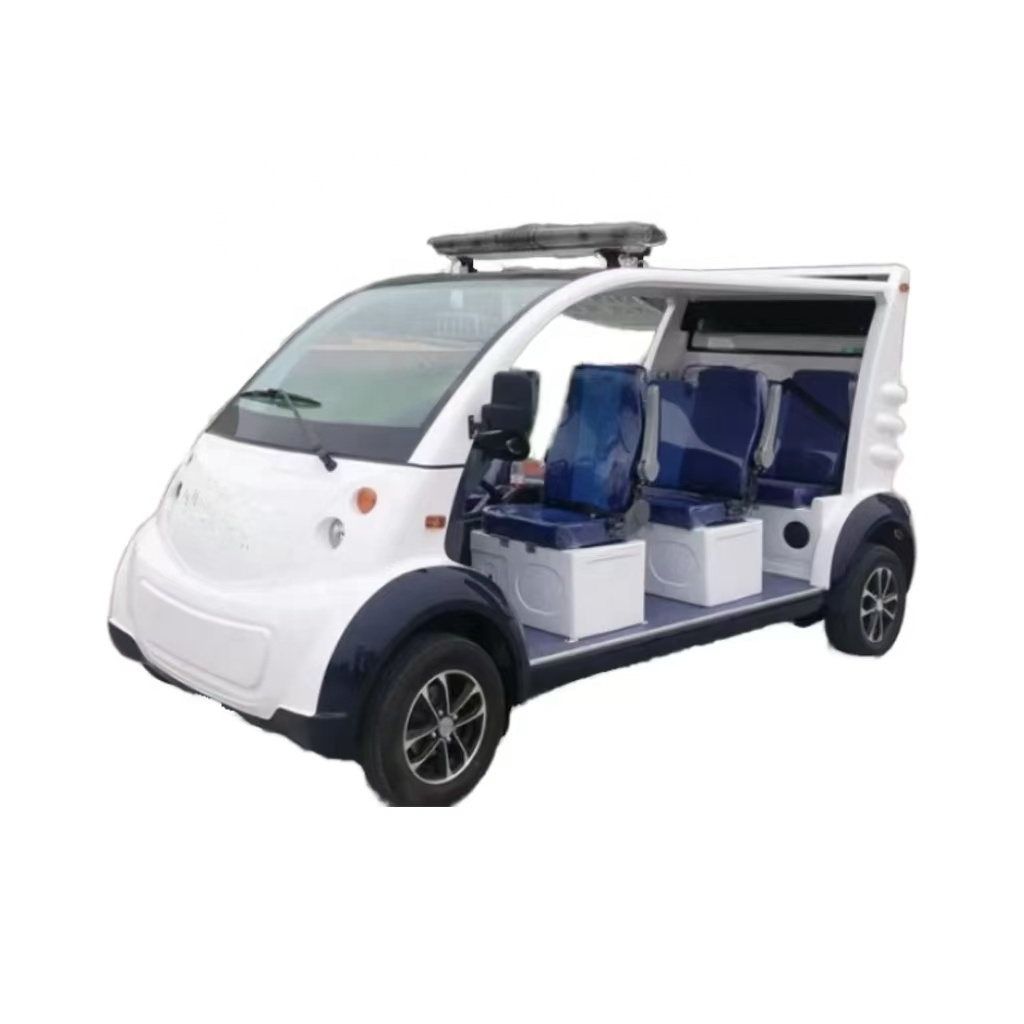
Target Yokohama Use Case Golf Clubs & Gated Communities Hunting Lodges, Forests & Hillside Resorts Port Logistics & Warehouse Express Tourism, Minato Mirai & Hotel Shuttles
Operational Deployment

Localized Application Scenarios Across Kanagawa Prefecture

From coastal urban resorts to rugged mountainous forestry, explore how CCB electric utility vehicles serve local business operations.

1. Hakone & Sagami Bay Luxury Resort Hospitality

Hotels and traditional Ryokans in nearby Hakone, Kamakura, and along the Sagami Bay coast require silent, zero-emission guest shuttles. CCB’s customized 4-seat and 6-seat golf carts operate effortlessly on steep resort paths, allowing guests to travel between hot-spring villas, golf courses, and dining halls without noise pollution or diesel fumes.

2. Tanzawa Mountain Range Hunting & Outdoor Expeditions

The rugged forest trails of the Tanzawa Mountains present demanding conditions for wildlife management, forestry research, and hunting expeditions. CCB’s lifted 4WD hunting golf carts feature off-road mud tires, heavy-duty front winches, gun rack mounts, and 72V high-torque motors capable of climbing 35% mud-and-gravel slopes easily.

3. Port of Yokohama & Industrial Warehouse Logistics

Inside the vast logistics terminals of Daikoku Pier and Honmoku Pier, our high-speed utility cargo carts provide fast, eco-friendly transport for dock inspectors, maintenance crews, and lightweight cargo transfers. The sealed steel rear cargo box protects tools and equipment from corrosive salt air.

4. Eco-Tourism & Commercial Mobile Retail

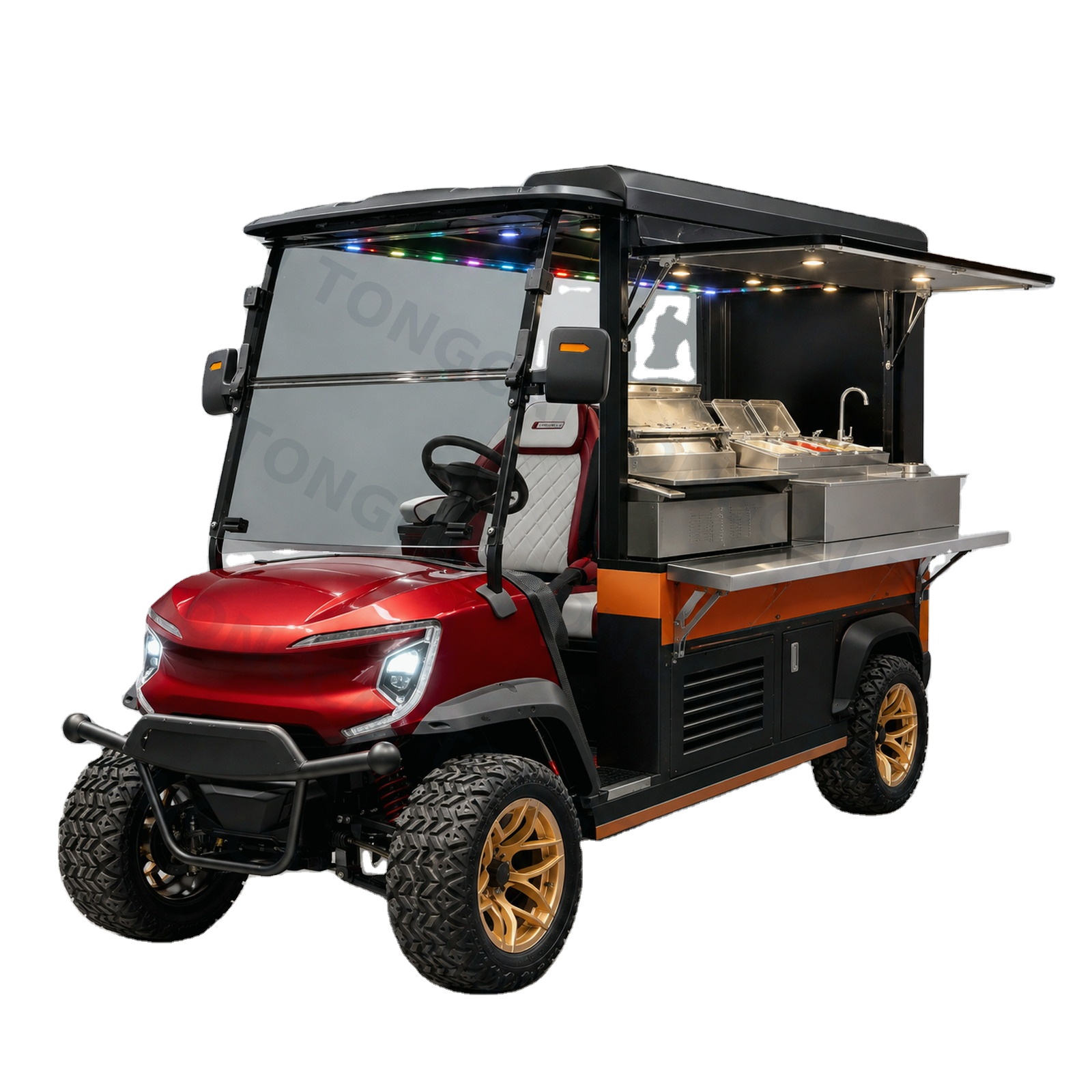
For tourist hubs around Minato Mirai and Yamashita Park, CCB builds custom electric mobile bakery carts and food trucks. These eye-catching, quiet vehicles serve as mobile coffee shops or dessert kiosks, fully compliant with municipal safety codes and customizable with corporate logos.

Manufacturer Trust & Authority

Why Yokohama Importers Partner Directly with Shandong CCB

Vertical manufacturing control, TÜV Rheinland verification, and transparent export documentation.

100% In-House Production

Unlike trading vendors who assemble outsourced parts, CCB executes steel pipe bending, robotic laser cutting, chassis welding, anti-corrosion painting, and final electrical testing entirely within our 14,200 m² facility in Dezhou, Shandong.

TÜV Rheinland Audited Quality

Our factory undergoes rigorous annual on-site inspections by TÜV Rheinland. Every vehicle leaving our assembly line passes a 12-point quality check including brake dynamics, electrical insulation safety, waterproof sealing, and high-incline load tests.

Flexible MOQs & Container Loading

We support regional Japanese distributors by offering sample orders starting at 1 unit for market evaluation. Container orders (20GP / 40HQ) feature customized steel-frame packing to prevent transit damage during East China Sea shipping.

Ready to Consult with Our Yokohama Export Engineering Desk?

Receive detailed CAD drawings, battery discharge curve sheets, custom paint samples, and direct FOB/CIF Yokohama port shipping quotations within 24 hours.

B2B Import FAQ

Frequently Asked Questions by Japanese Importers & Fleet Operators

Clear, authoritative technical and commercial answers regarding shipping, custom clearances, compliance, and battery maintenance.

Q1: What are the shipping lead times and port logistics from China to Yokohama Port? +

Shipments departing from Qingdao or Tianjin port typically reach Yokohama Port (Daikoku or Honmoku Container Terminals) within 4 to 7 days of maritime transit. Production lead times at our factory range from 15 days for standard catalog models to 25-30 days for customized OEM/ODM container orders. We supply complete shipping documentation including Commercial Invoice, Packing List, Bill of Lading, and Certificate of Origin (Form E or RCEP preferential tariff certificates).

Q2: How do your electric chargers adapt to Japan’s 100V AC power grid? +

Standard export models intended for North America or Europe use 110V/220V systems. For Japan, our electrical engineering team installs wide-input voltage onboard chargers (rated 90V–240V AC, 50Hz/60Hz). These chargers operate smoothly on standard Japanese 100V wall sockets without transformer overheating, maintaining high energy efficiency and smart shut-off once charging is complete.

Q3: What Japanese road safety features can be customized for registration? +

Depending on whether your vehicle will operate exclusively on private property (resorts, golf courses, factory grounds) or seeks registration as a Small Special Vehicle (小型特殊自動車), CCB provides factory-installed option packages. These include JIS-compliant LED headlight clusters, turn signals, dual side-view mirrors, rear hazard lamps, horn assemblies, hydraulic disc braking on 4 wheels, and electronic speed governors set to mandated local limits.

Q4: How does the 72V 4WD hunting cart perform on steep Japanese mountain terrain? +

Our 72V lifted 4WD model is specifically engineered for severe incline conditions found in Kanagawa’s mountain sectors. Powered by a 5000W or 7500W AC brushless motor paired with an intelligent Curtis/Inmotion controller, the vehicle delivers up to 120 Nm of peak torque. This enables smooth starting and sustained climbing on slopes up to 35% grade, supported by automatic downhill electromagnetic braking to prevent uncontrolled slipping.

Q5: What anti-corrosion protection is applied for coastal Yokohama environments? +

Yokohama’s proximity to Tokyo Bay exposes vehicles to high humidity and airborne ocean salts. CCB applies a multi-stage protection system: hot-dip galvanization or high-grade electro-coating (EDP) on the steel chassis frame, stainless steel fasteners at critical joints, sealed weatherproof wiring harnesses (IP67 rating), and corrosion-resistant aluminum alloy body sub-frames on premium lifted models.

Q6: How are spare parts and technical warranties handled for Japanese buyers? +

CCB provides a 2-year factory warranty on major structural components (chassis, frame) and LiFePO4 battery packs, with a 1-year warranty on motors and controllers. We provide comprehensive wiring schematics, digital diagnostic tools, and technical manual packages in English. Spare parts (such as replacement controllers, tires, brake pads, and windshields) can be bundled directly inside container shipments or dispatched via fast air freight (DHL/FedEx) to Yokohama within 3 business days.

Start Your Project

Partner with China's Premier Golf Cart Exporter

Upgrade your vehicle fleet with high-torque, lithium-powered electric utility vehicles tailored for the Japanese market.

Whether you need a single custom sample for regional testing or a full fleet of lifted 4WD hunting carts for a luxury resort development in Kanagawa, our engineering team is ready to assist with CAD modeling, spec sheets, and competitive pricing.