1. Executive Summary & Market Architecture: Osaka’s Micro-Mobility Transition
As the commercial capital of Kansai and a primary gateway to Western Japan, Osaka is undergoing an aggressive transformation toward zero-emission passenger transport. Driven by national mandates under Japan’s Green Growth Strategy Through Achieving Carbon Neutrality in 2050, regional municipal bodies and enterprise operators across Osaka Prefecture are re-engineering their short-range transit infrastructure. From high-density commercial corridors in Umeda and Namba to sprawling coastal developments on Yumeshima Island—the venue for World Expo 2025—the demand for high-efficiency, low-noise, and zero-emission electric passenger vehicles (EVs) has reached an unprecedented peak.
Shandong CCB New Energy Machinery Co., Ltd. (operating as CCB) serves as a specialized OEM/ODM manufacturer and direct exporter delivering commercial-grade electric passenger vehicles engineered specifically to address the demanding operational criteria of Osaka’s commercial, resort, industrial, and urban transport sectors. Operating a TÜV Rheinland on-site verified 14,200 m² manufacturing facility in Dezhou, Shandong, CCB bridges advanced powertrain engineering with strict compliance frameworks necessary for seamless integration into Japanese logistics and passenger transportation fleets.
Key Technical Insight for Osaka Fleet Procurement Directors:
Unlike standardized municipal transport buses or personal passenger motorcars, Low-Speed Electric Vehicles (LSVs), custom electric vending carts, and multi-passenger sightseeing shuttles occupy a unique operational niche in Kansai. They require ultra-tight turning radii (< 3.8 meters) to navigate historical districts, high-discharge lithium-iron-phosphate (LiFePO4) powertrains for continuous 16-hour daily duty cycles, and anti-corrosive chassis treatments to withstand the moist, salt-laden marine air surrounding Osaka Bay.
2. Engineering Whitepaper: Drivetrain Dynamics, Lithium Chemistry & Thermal Management
To deliver measurable information gain for B2B fleet purchasers, engineers, and import distributors serving Osaka, CCB’s vehicle architectures are built around high-density AC brushless and Permanent Magnet Synchronous Motor (PMSM) drive systems paired with advanced battery management systems (BMS).
2.1 Battery Chemistry Selection: LiFePO4 vs. Traditional Lead-Acid in Kansai Climates
Osaka experiences diverse micro-climatic conditions ranging from humid, high-temperature summer months (exceeding 35°C in dense urban centers) to near-freezing winter operations along elevated resort routes in nearby Hyogo and Nara. CCB provides dual power options engineered to maximize cycle durability and total cost of ownership (TCO):
- LiFePO4 (Lithium Iron Phosphate) Architecture: Operating at system voltages of 48V, 60V, and 72V, CCB’s LiFePO4 packs offer an industry-leading lifecycle exceeding 3,500 to 4,000 charge cycles at 80% Depth of Discharge (DoD). Integrated with smart CAN-bus thermal control, these packs eliminate thermal runaway risks and maintain stable voltage output even during sustained high-torque climbing on 30% incline slopes. Fast-charging capabilities allow 0-to-80% power replenishment in under 2.5 hours using standard 200V Japanese single-phase grid connections.
- Maintenance-Free Deep Cycle Lead-Acid Systems: Designed for budget-conscious seasonal operators or low-mileage gated community applications, CCB’s heavy-duty lead-acid configurations utilize high-density tubular plate technology. These systems offer predictable discharge profiles, low initial acquisition expenditure, and complete end-of-life recyclability via established regional scrap management channels.
2.2 Chassis Metallurgy & Structural Engineering
Fleet durability in coastal Osaka requires structural integrity that resists frame flex under maximum payload while providing lifetime protection against atmospheric corrosion. Every CCB passenger chassis undergoes a multi-stage manufacturing sequence:
- Automated Laser Cutting & CNC Pipe Bending: High-tensile seamless steel tubing and aluminum alloy extrusions are cut and formed with millimeter-level precision, ensuring perfectly aligned suspension pickup points and structural stress distribution.
- Robotically Guided Fixture Welding: Critical structural joints, motor mounts, and roll-cage assemblies are welded using automated MIG/TIG processes, ensuring seam consistency and structural load capacities up to 1,500 kg for high-capacity 10-seater shuttles.
- Cathodic Electro-Phoretic Dip (KTL / E-Coating): Post-welding, the entire frame assembly is submerged in a KTL electro-coating bath. This process applies a uniform anti-corrosion barrier across all internal and external tube cavities, delivering 1,000+ hours of neutral salt spray resistance—essential for operation along the Osaka Bay coastline and maritime port facilities.
14,200m²
Verified Production Facility
3,500+
LiFePO4 Battery Cycle Life
100%
Full In-House Quality Inspection
TÜV
On-Site Verified Audit
3. Localized Application Scenarios Across Osaka and the Kansai Region
Understanding user intent requires matching specialized vehicle features to real-world local topographies and business operations in Osaka. CCB vehicles are optimized for four key local application scenarios:
3.1 Yumeshima Island, Expo 2025 & Eco-Resort Guest Mobility
The development of Yumeshima as an international tourism hub requires continuous, silent, zero-emission passenger shuttles. CCB’s 6-seater, 8-seater, and 10-seater electric shuttle buses are designed with open-air panoramic sightseeing layouts, low step-in heights for elderly guests, and heavy-duty front double-A-arm independent suspension. These features ensure smooth, stable transit across hotel complexes, waterfront promenades, and exhibition centers.
3.2 Urban Micro-Vending & Street Logistics in Dotonbori & Shinsekai
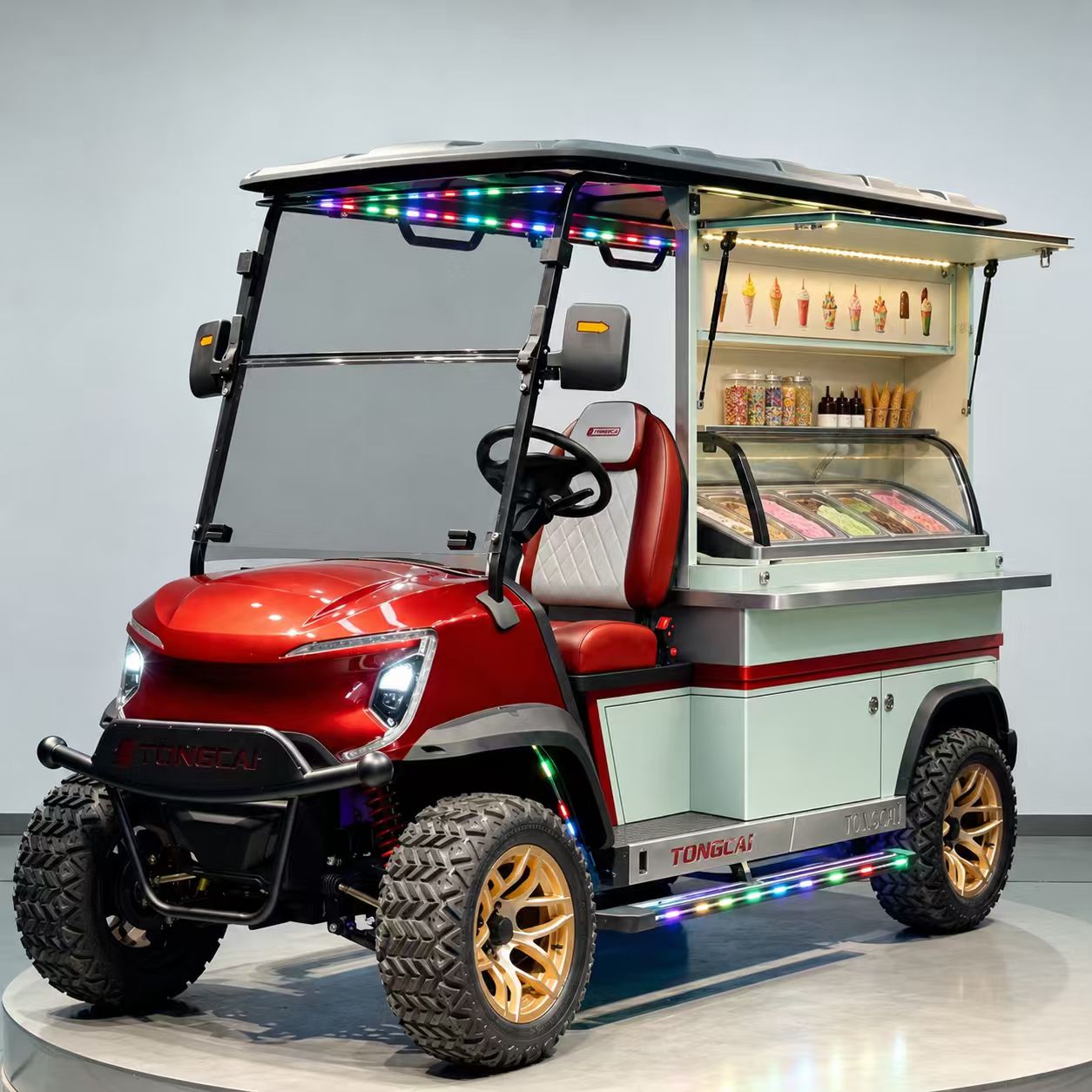
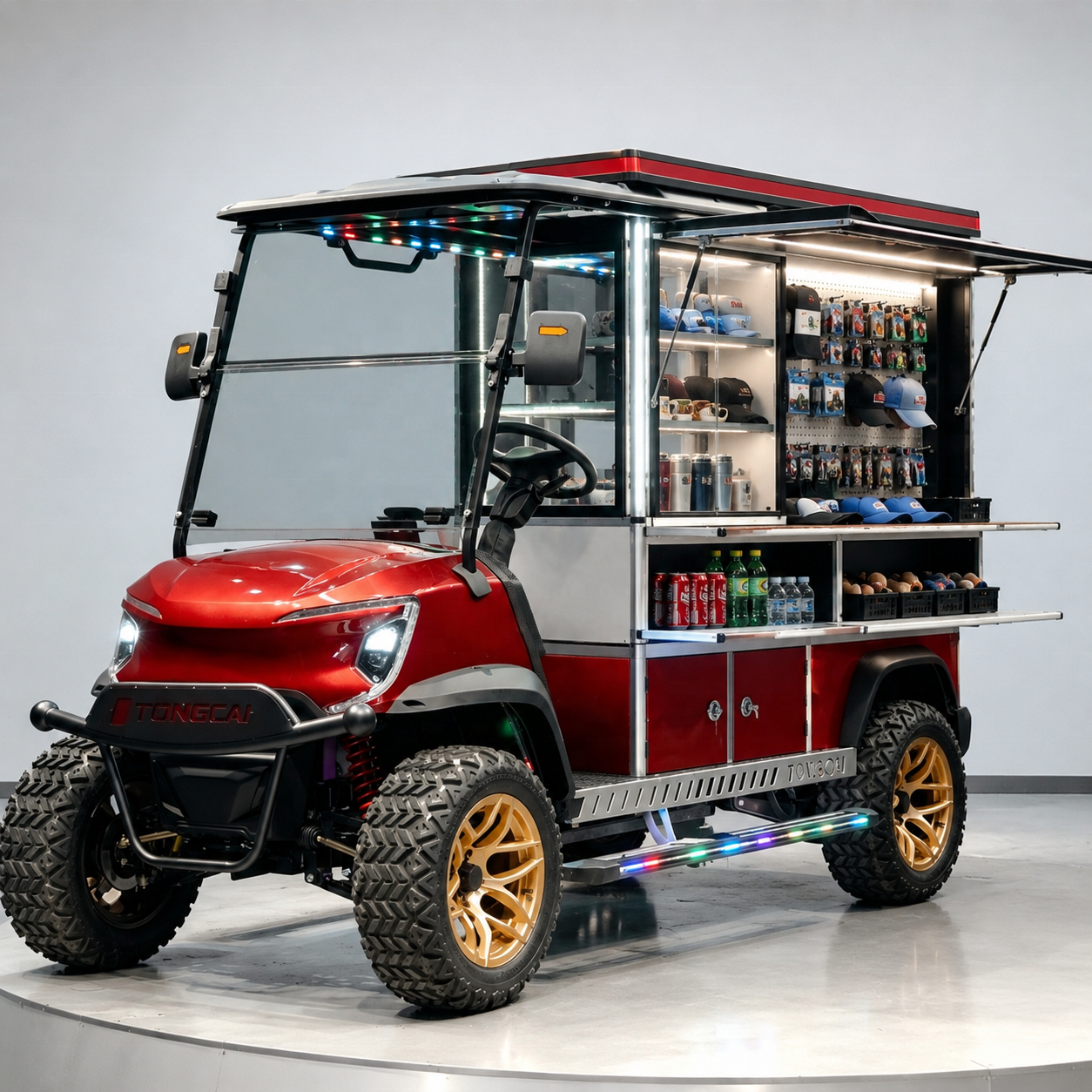
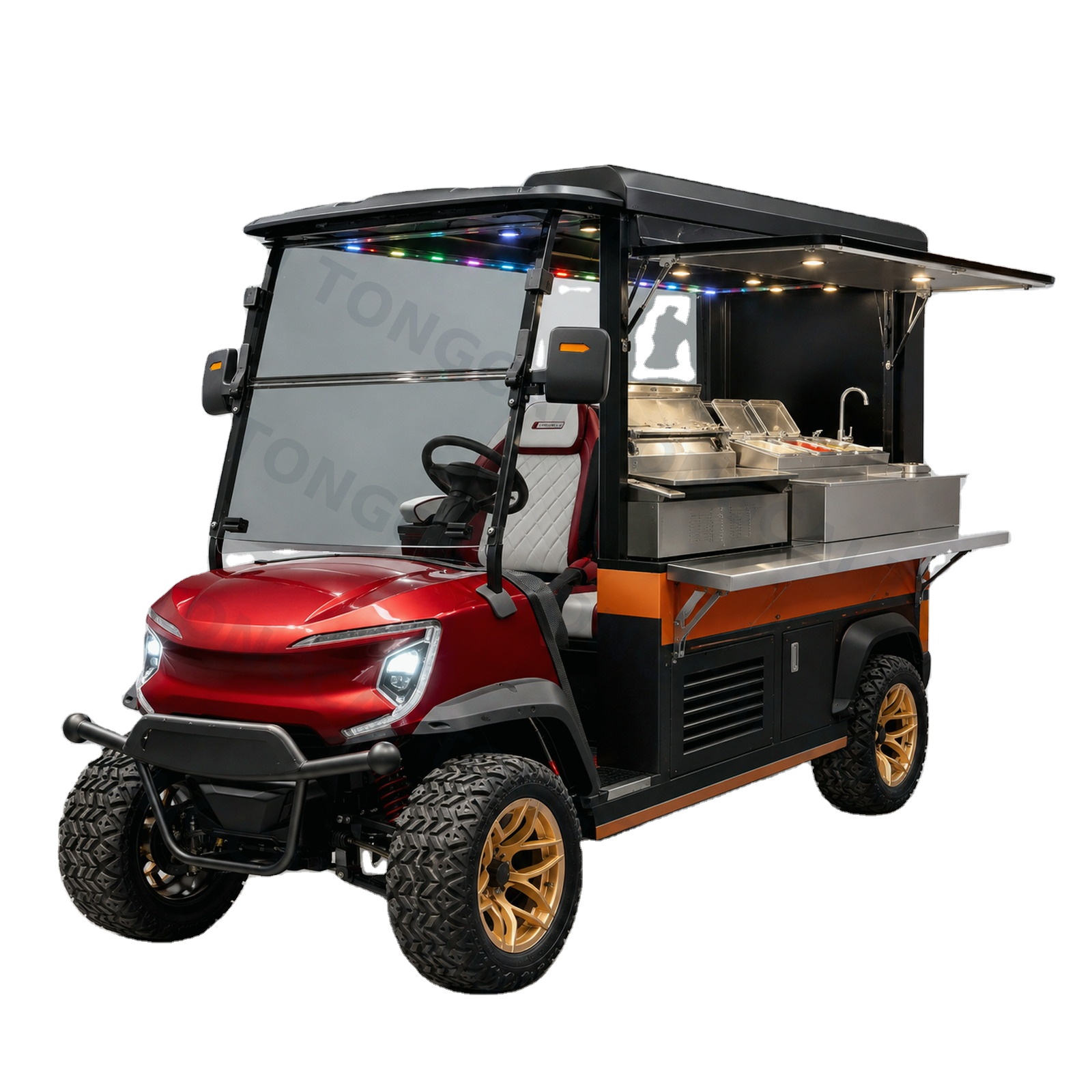
Osaka’s world-famous culinary culture is rapidly embracing eco-friendly mobile catering. CCB’s specialized electric food trucks, mobile bakery carts, and dessert vending vehicles feature food-grade 304 stainless steel interior surfaces, integrated high-capacity battery power invertors (supplying stable 100V AC power for coffee espresso machines, refrigeration units, and display cases), and custom hydraulic serving windows. Their compact footprints allow vendors to operate seamlessly within narrow urban side-streets and private commercial plazas without generating exhaust fumes or noise pollution.
3.3 Park Maintenance & Visitor Transport (Osaka Castle Park & Expo '70 Park)
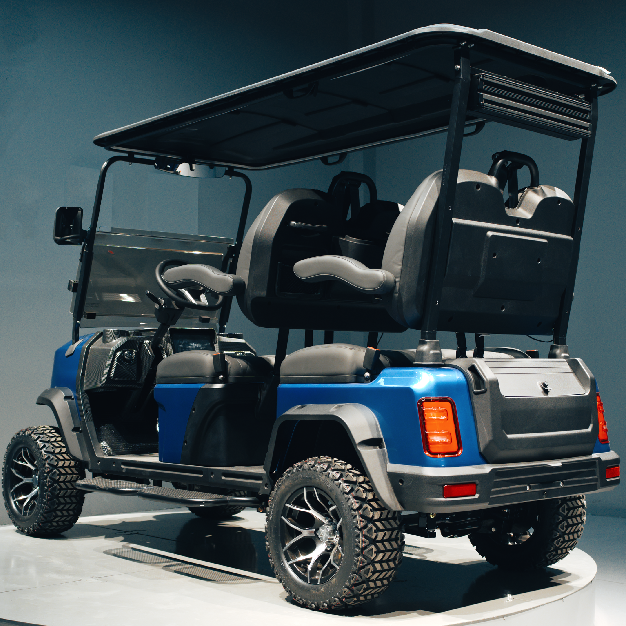
Public parks and historical monuments require non-intrusive vehicles that protect pedestrian safety while preserving quiet environments. CCB’s compact 4-seater LSVs and low-speed utility vehicles are equipped with electromagnetic automatic braking systems, speed limiters adjustable between 15 km/h and 30 km/h, and high-visibility LED lighting suites to safely navigate pedestrian-dense pathways.
3.4 Premium Golf Resorts in Osaka, Hyogo, and Kyoto Borders
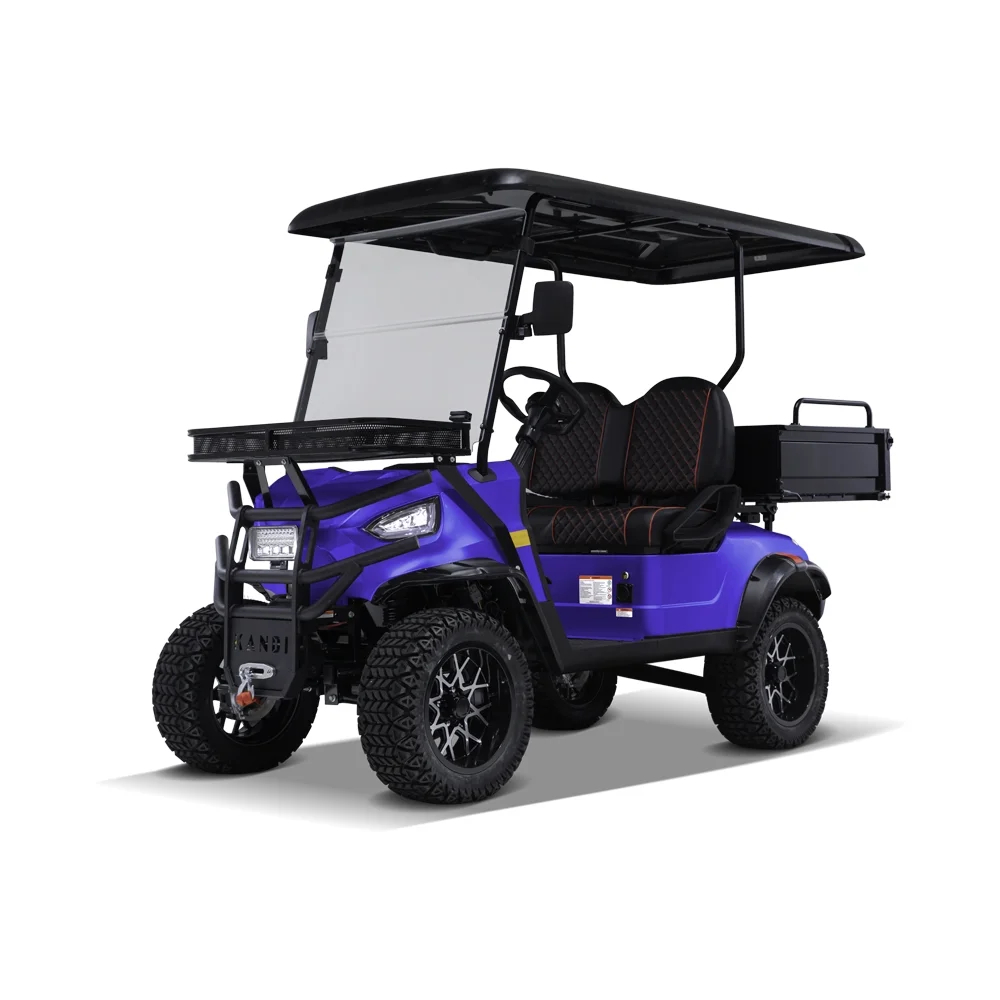
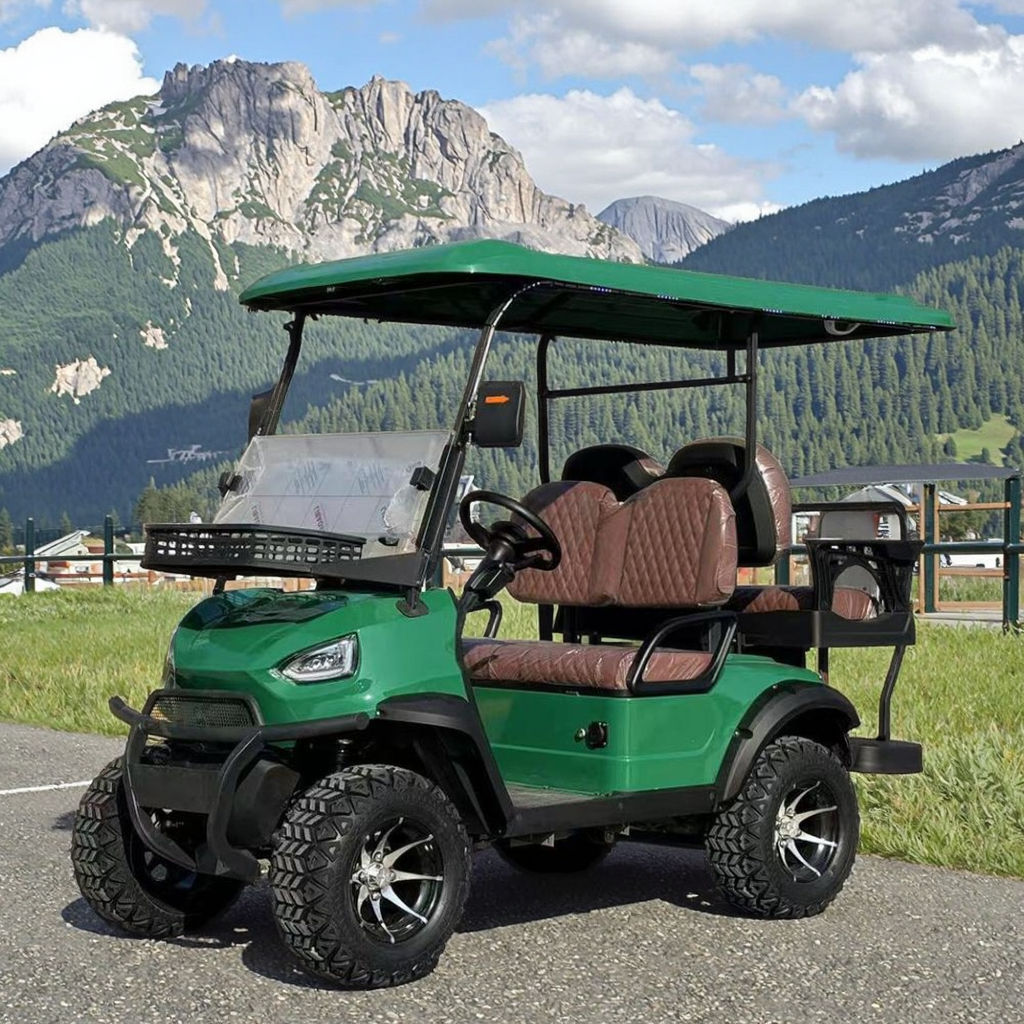
Kansai hosts some of Japan's most prestigious golf courses, characterized by undulating terrain and strict fairway preservation rules. CCB’s private-mold lifted electric golf carts incorporate high-torque 72V 5000W AC motors, wide-tread turf tires that minimize soil compaction, and regenerative braking systems that recharge the battery during steep downhill descents while providing automatic downhill speed control.
CAN-Bus Smart Diagnostics
Real-time digital telemetry monitors individual cell voltage, controller temperature, and motor speed, enabling rapid local maintenance and troubleshooting across Osaka operations.
PSE & CE Compliance
Onboard chargers, wiring harnesses, and high-voltage connectors comply with stringent international electrical safety standards and Japanese market import criteria.
Modular Seating Layouts
Easily convert vehicles between 2-seat cargo haulers, 4-seat passenger LSVs, or 6/8/10-seat high-capacity resort shuttles based on seasonal operational demands.
4. Regional Market Trends & Regulatory Navigations in Japan
Importing and operating electric vehicles in Osaka requires a clear understanding of local regulatory classifications under the Japanese Road Traffic Act (道路交通法) and Road Transport Vehicle Act (道路運送車両法). B2B buyers must align vehicle technical specifications with specific operational environments:
Green Slow Mobility (グリーンスローモビリティ): The Japanese Ministry of Land, Infrastructure, Transport and Tourism (MLIT) actively promotes "Green Slow Mobility"—electric passenger vehicles operating at speeds under 20 km/h on public roads. CCB’s street-legal LSVs can be factory-configured with precision electronic speed governors, turn signals, rear-view mirrors, hydraulic 4-wheel disc brakes, and seatbelt assemblies to fulfill local homologation standards for low-speed public road transit.
Grid Interoperability & Charging Infrastructure: Japan’s commercial electrical grid operates at 100V/200V AC at 60 Hz in Western Japan (including Osaka). CCB equips export vehicles with high-efficiency onboard intelligent chargers designed specifically for 200V single-phase input. This setup allows fleet operators to recharge vehicles using standard commercial power outlets without requiring expensive industrial transformer upgrades.
5. Corporate Competence: Shandong CCB New Energy Machinery Co., Ltd.
As a TÜV Rheinland on-site verified custom manufacturer located in Tianqu Industrial Park, Dezhou, Shandong, CCB provides complete end-to-end control over the entire manufacturing lifecycle. Rather than acting as a simple assembly operation using third-party components, CCB operates fully integrated production workshops spanning 14,200 square meters:
- 12 In-House Quality & Assembly Stages: Raw metal cutting → Machining → CNC Pipe Bending → Robotic Welding & Polishing → Anti-Corrosion Spraying/E-Coating → Primary Drivetrain Assembly → Wiring & Battery Installation → Function Testing → Automated Sheet Bending → Precision CNC Tube Forming → Pre-Shipment Inspection → Final Road Test & QC Sign-off.
- Full OEM/ODM Flexibility: From custom body color matching and corporate logo integration to custom chassis extensions, solar-charging roof panel integration, and specialized handicap-accessible ramps, CCB’s engineering team creates tailored solutions based on client blueprints or sample units.
- Global Logistics & Export Packaging: Vehicles are protected in heavy-duty steel crate frames and secured inside 20ft or 40ft High Cube containers. CCB provides complete export documentation, loading diagrams, wiring schematics, and spare parts packages to ensure smooth customs clearance through the Port of Osaka or Port of Kobe.
 Deutsch
 Português
 Español
 Français
 Italiano
 Русский
 한국어
 日本語
 العربية
 ไทย
 Tiếng Việt
 Türkçe
 Nederlands
 Indonesia
 עברית
 हिन्दी