Electric Cargo Truck Supplier & Exporter serving Nassau

Heavy-Duty Commercial Fleet Electrification & Marine-Grade Utility Solutions for New Providence Island

Export Catalog

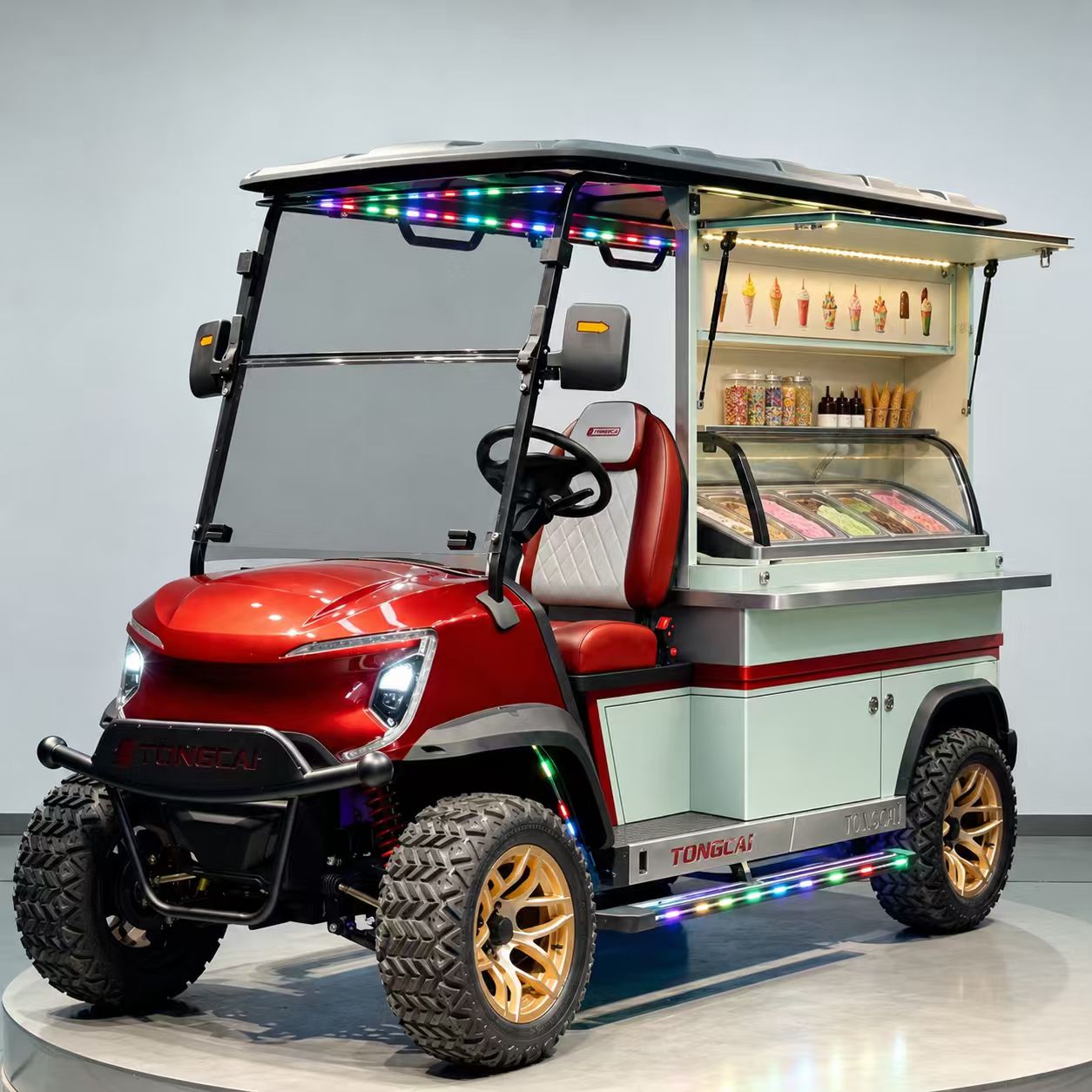
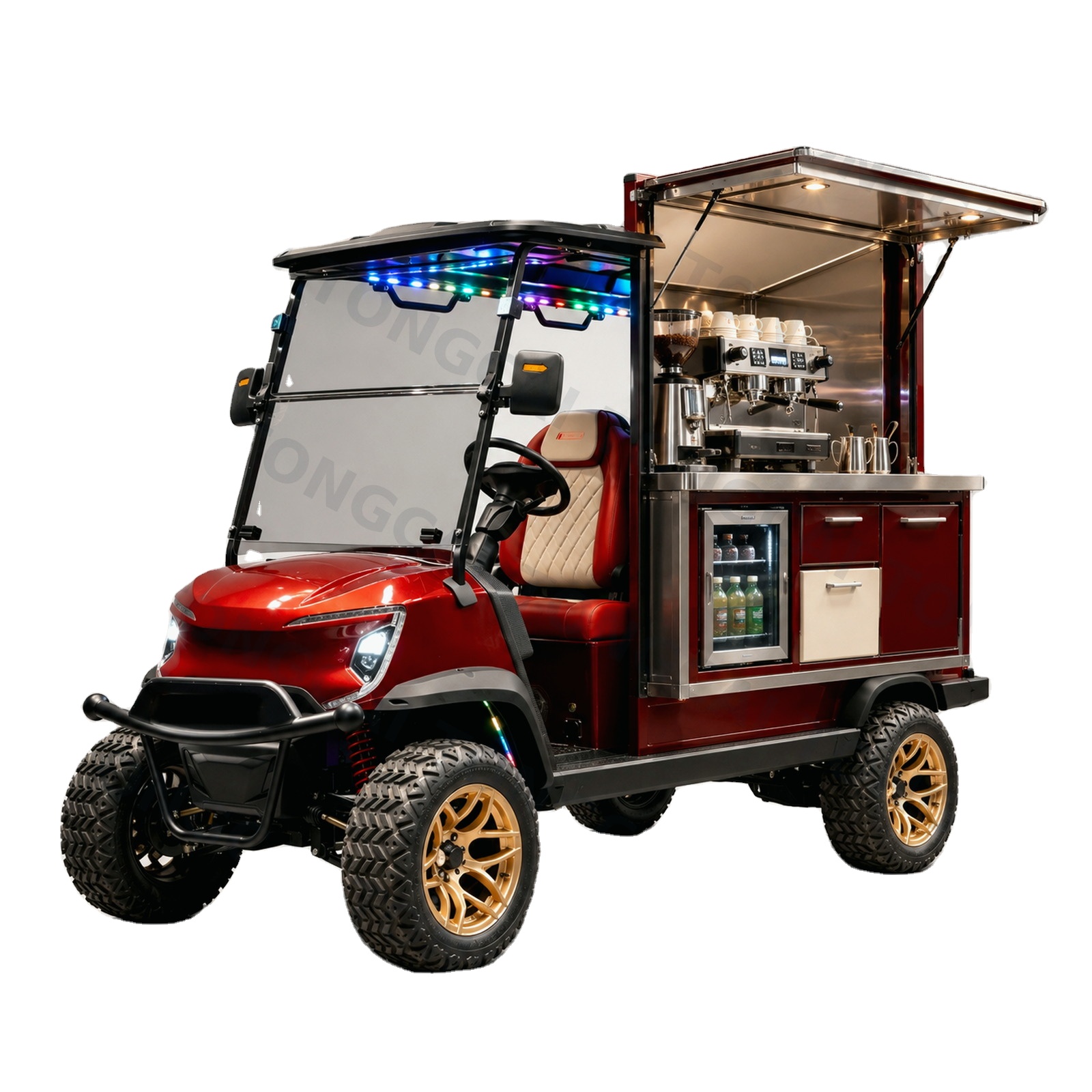
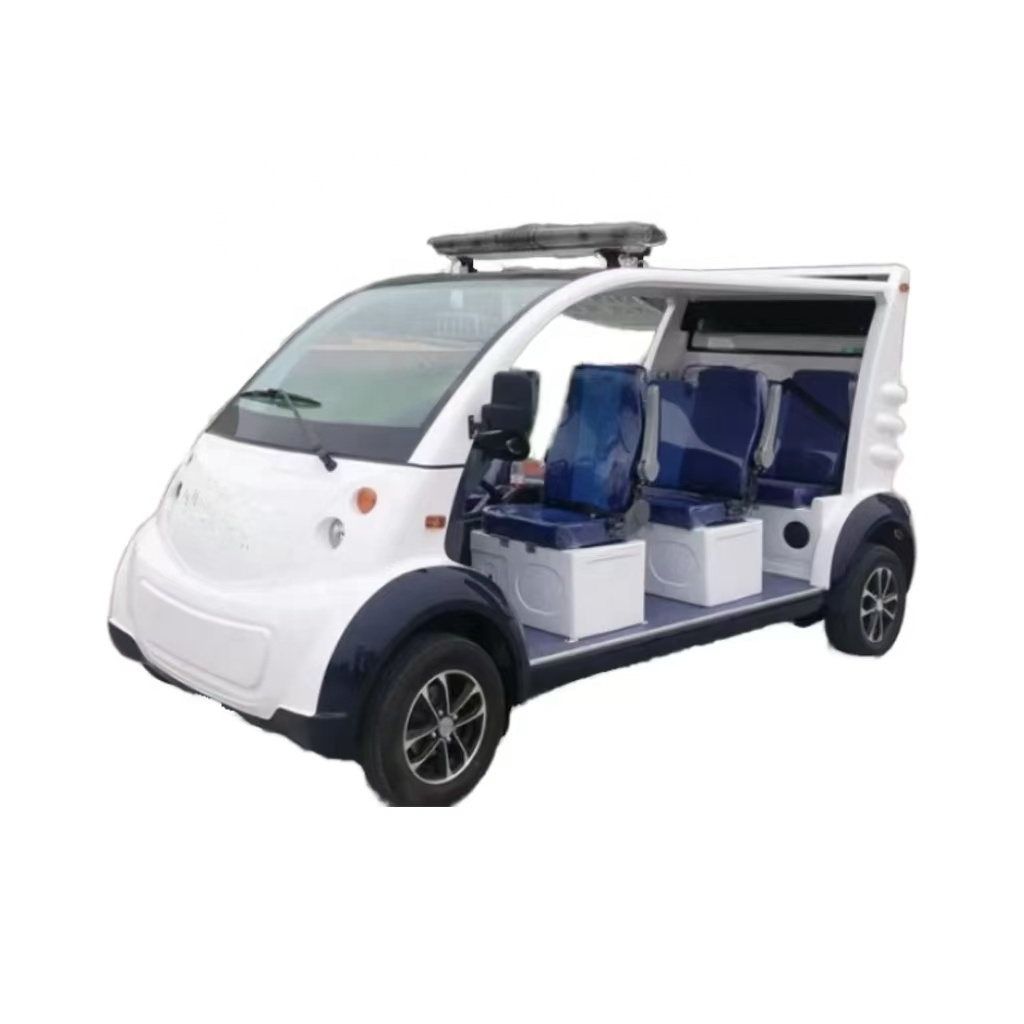
Featured Commercial & Special Utility Electric Vehicles

Engineered for high-humidity coastal climates, resort logistics, and last-mile island distribution.

Industry Whitepaper & Strategic Guide

Commercial Fleet Electrification in Nassau, New Providence: Technical Framework & Export Blueprint

As the commercial and economic epicenter of The Bahamas, Nassau faces unique urban distribution challenges. Operating across New Providence Island—from the dense historic avenues of Bay Street to the expansive resort complexes on Paradise Island and Cable Beach—logistics managers must balance high maritime fuel prices, severe airborne salt spray corrosion, strict noise abatement policies, and ambitious national sustainability mandates.

Shandong CCB New Energy Machinery Co., Ltd., a TÜV Rheinland on-site verified custom manufacturer, provides heavy-duty electric cargo trucks, low-speed utility vehicles (LSVs), and specialized mobile vending platforms engineered specifically to overcome Caribbean island operational constraints. By transitioning traditional internal combustion engine (ICE) delivery fleets to zero-emission, lithium-iron-phosphate (LiFePO4) powered commercial vehicles, Nassau enterprises reduce total cost of ownership (TCO) by up to 68% over a 5-year operating cycle while aligning with the National Energy Policy of The Bahamas.

14,200 m²
TÜV Verified Manufacturing Plant
68%
5-Year Fleet TCO Reduction
IP67
Enclosed Drive & Battery Ingress Rating
12-Stage
Electrophoretic Anti-Corrosion Dip
Use Cases & Logistics

Localized Application Scenarios in Nassau & Surrounding Islands

Deploying specialized electric cargo platforms tailored to key commercial sectors across New Providence.

Nassau Cruise Port & Downtown Retail Logistics

Navigating tight pedestrian thoroughfares around Prince George Wharf and Bay Street require silent, maneuverable, zero-emission cargo box trucks for duty-free store restocking, souvenir transfers, and food beverage deliveries during early morning low-emission windows.

Resort & Hospitality Supply Chains

Large luxury resorts on Paradise Island and Cable Beach demand non-disruptive, ultra-quiet transport systems for linen distribution, room service staging, waste management, and groundskeeping without diesel exhaust fumes or engine noise disturbing high-value resort guests.

LPIA Air Cargo & Industrial Free Zone Freight

Connecting Lynden Pindling International Airport cargo terminals to suburban fulfillment hubs requires durable electric flatbed trucks and hydraulic tipping cargo units capable of moving heavy palletized air freight efficiently across short regional loops.

Strategic Trends

Macro Trends Driving Commercial Electrification in The Bahamas

Market forces and policy framework accelerating the shift to electric transport in Nassau.

1. The Bahamas National Energy Policy (BNEP) Mandates

The Bahamian government has set ambitious target goals to achieve 30% renewable energy penetration by 2030, alongside carbon reduction initiatives designed to insulate island economies from international oil price volatility. Commercial fleets in Nassau account for a disproportionate amount of imported diesel fuel consumption. Transitioning to electric utility trucks directly supports national sustainability targets while allowing fleet operators to leverage favorable import duty structures on zero-emission commercial platforms.

2. Solar Microgrid & On-Site Generation Coupling

With high solar irradiance throughout the year in New Providence, commercial warehousing hubs and logistics parks are increasingly pairing rooftop photovoltaic (PV) solar installations with commercial EV charging stations. This creates a self-sustaining energy ecosystem where electric cargo trucks are charged using zero-cost solar power, completely decoupling fleet operating costs from local electricity grid tariffs and volatile fossil fuel prices.

3. Anti-Corrosion & Climate Resilience Standards

Island logistics demand ruggedized hardware. Nassau’s surrounding tropical marine environment accelerates oxidation on standard steel chassis. Modern fleet procurement standards now explicitly mandate hot-dip galvanization, cathodic electrophoretic coating, stainless steel hardware, and IP67-rated waterproof enclosures for AC motor controllers and battery management systems (BMS) to guarantee a 10+ year structural lifespan despite intense humidity and salt spray exposure.

Engineering Specifications

Heavy-Duty Electric Cargo Truck Technical Matrix

Comparative metrics for commercial decision-makers evaluating electric utility fleets serving Nassau.

Performance Parameter Light Utility Cargo Truck Heavy Cargo / Flatbed Truck Custom Mobile Vending Truck
Payload Capacity 800 kg - 1,200 kg 1,500 kg - 3,000 kg 600 kg - 1,000 kg (Internal Equipment)
Motor Drivetrain 48V / 60V 4.0kW AC Motor 72V 7.5kW - 10kW AC Brushless 60V / 72V 5.0kW High-Torque AC
Battery Chemistry LiFePO4 Lithium (100Ah - 150Ah) LiFePO4 Lithium (200Ah - 305Ah) LiFePO4 Lithium + Auxiliary Kitchen Pack
Range Per Charge 80 km - 110 km 100 km - 140 km 70 km - 90 km (Plus Vending Power)
Max Speed (Nassau Legal) 40 km/h - 50 km/h 50 km/h - 60 km/h 35 km/h - 45 km/h
Corrosion Protection 12-Stage Electrophoretic Coating + Marine Grade Underbody Protection
Charging Compatibility Standard 110V/220V 60Hz Nassau Grid / Level 2 Fast Charger Compatible
Enterprise Strength

Why Sourcing Direct from Shandong CCB New Energy Machinery Co., Ltd. Delivers Information Gain & Competitive Edge

A vertically integrated manufacturing facility ensuring strict quality control from raw steel to export container loading.

14,200 m² TÜV Rheinland Verified Plant

Unlike trading intermediaries, our production facility in Dezhou, Shandong houses complete precision cutting, machining, CNC pipe bending, robotic welding, painting, and assembly workshops under one roof, audited on-site by TÜV Rheinland.

Full OEM / ODM Engineering Customization

We build tailored cargo structures for your specific trade requirements—hydraulic tipping beds, thermal refrigerated boxes, side-opening retail counters, enclosed security boxes, and solar panel auxiliary charging roofs matched to local operational needs.

Rigorous 12-Stage Quality Assurance & FQC

Every commercial vehicle frame undergoes rigorous welding inspection, electrocoating, water-spray resistance testing, and final quality control (FQC) road testing prior to sea-freight container packing and export clearance.

Local Buyer Guidance

Frequently Asked Questions: Sourcing Electric Cargo Trucks to Nassau

Essential technical, customs, and operational answers for Bahamian fleet managers and commercial importers.

How do electric cargo trucks perform in Nassau’s salty marine air?

Our export models are specifically engineered for coastal island environments. Chassis frames undergo a 12-stage electrophoretic coating bath that seals steel tubing internally and externally. Critical electrical components, battery management systems (BMS), and AC motors feature IP67 water and dust ingress protection. Stainless steel fasteners and automotive-grade polyurethane paint prevent oxidation caused by ocean salt mist.

Are these electric utility trucks street-legal in The Bahamas?

Yes. We manufacture Low-Speed Vehicles (LSVs) and commercial utility trucks compliant with international road safety standards. Equipped with DOT-approved tempered safety glass windshields, three-point seatbelts, LED headlights, turn signals, side mirrors, hydraulic four-wheel disc brakes, and horn assemblies required for vehicle registration with the Bahamas Road Traffic Department in Nassau.

What are the charging requirements and grid compatibility in Nassau?

Vehicles are built with smart chargers compatible with Nassau’s electrical infrastructure (110V/220V 60Hz single-phase or three-phase commercial supply). Standard charging overnight takes approximately 6 to 8 hours using a standard wall outlet. Optional Level 2 fast chargers can replenish lithium LiFePO4 packs to 80% capacity within 2.5 hours.

What is the shipping protocol and transit time to Nassau Port?

We ship vehicles via reinforced container shipping (20ft or 40ft HQ containers) directly from Chinese export ports to Nassau Port (Arawak Cay / Prince George Wharf). Vehicles are secured in steel skeleton frames with rust-inhibiting moisture barriers. Transit time typically ranges between 30 to 40 days. Full bill of lading, commercial invoices, and origin certificates are provided for seamless customs clearance.

How do you handle spare parts, technical warranty, and after-sales support?

We supply comprehensive spare parts packages (controllers, tires, brake pads, relays, wiring looms) alongside container orders. Our engineering desk provides remote troubleshooting support via video, circuit schematics, and digital service manuals, enabling local mechanics in Nassau to maintain and service vehicles efficiently without downtime.

Ready to Modernize Your Commercial Fleet in Nassau?

Request our comprehensive product catalog, complete technical specifications, and factory-direct wholesale FOB/CIF Nassau pricing quote today.

Get Catalog