 Deutsch
 Português
 Español
 Français
 Italiano
 Русский
 한국어
 日本語
 العربية
 ไทย
 Tiếng Việt
 Türkçe
 Nederlands
 Indonesia
 עברית
 हिन्दी
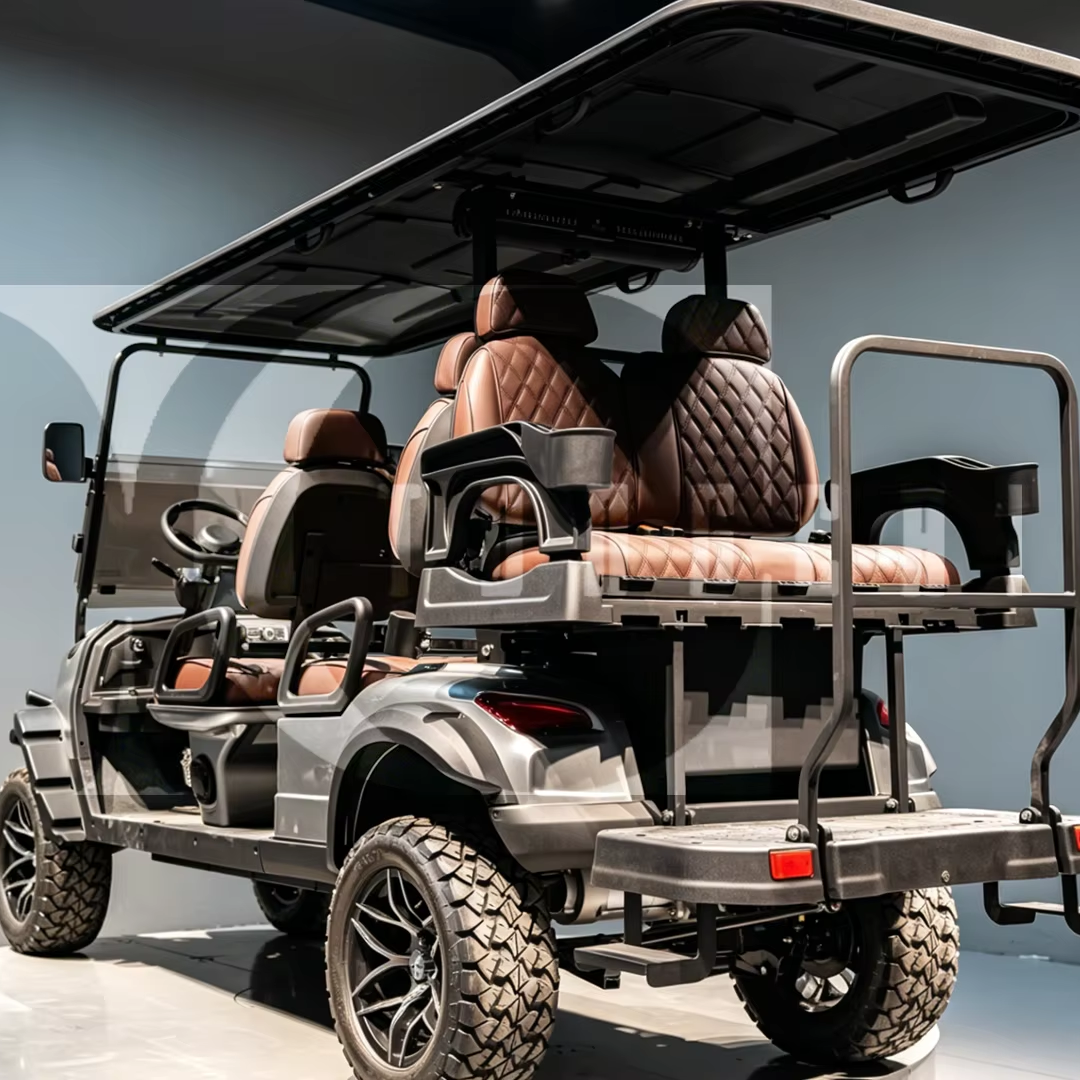
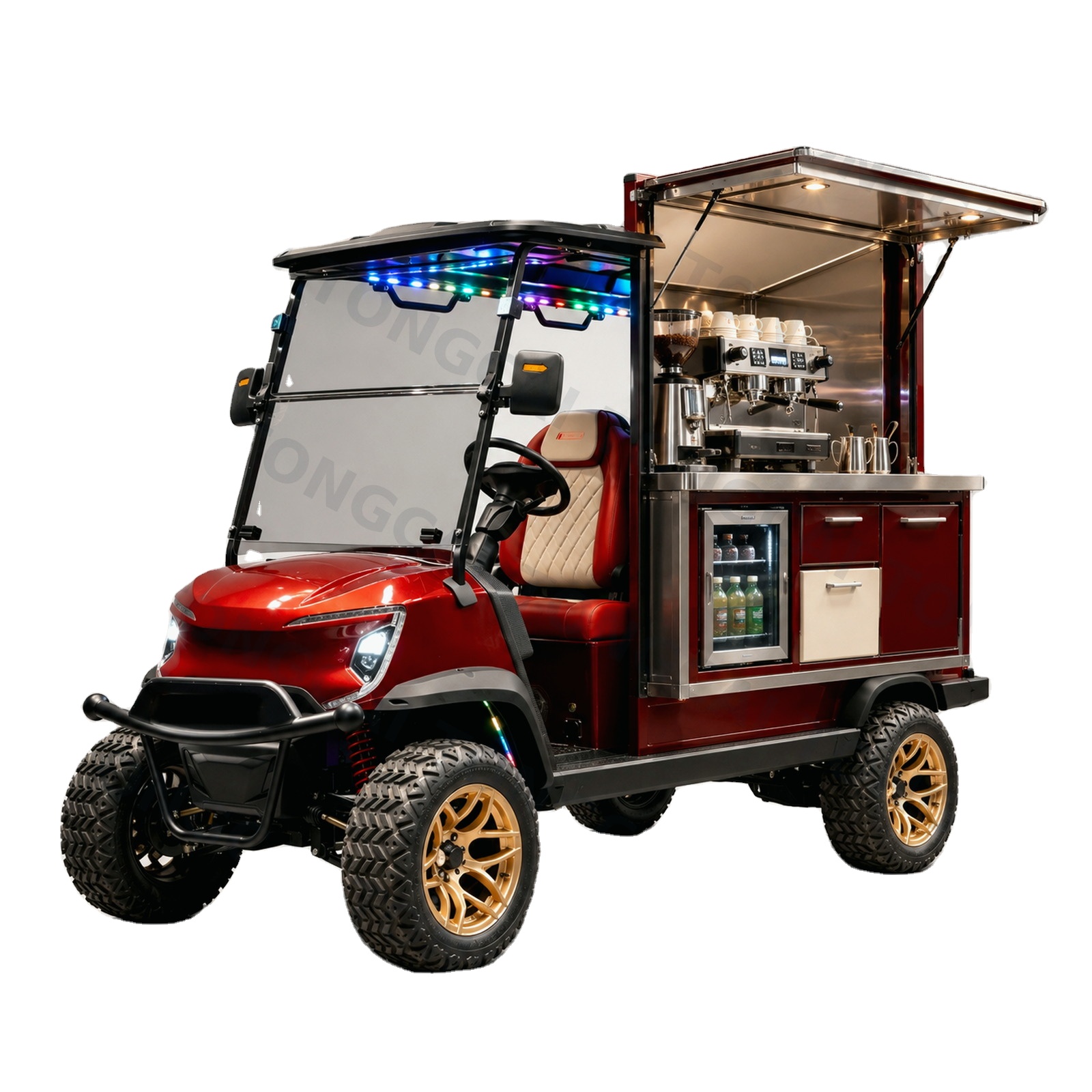


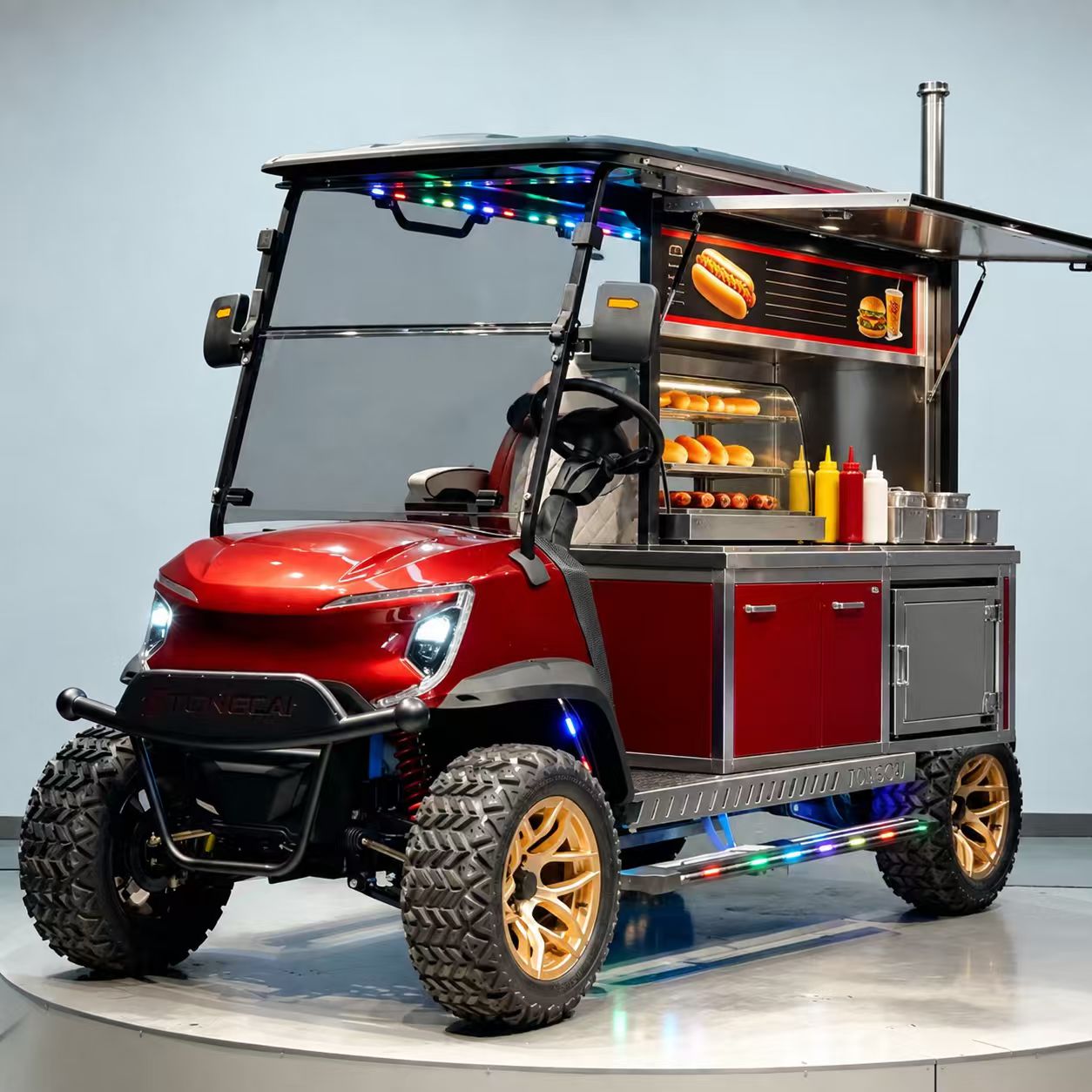
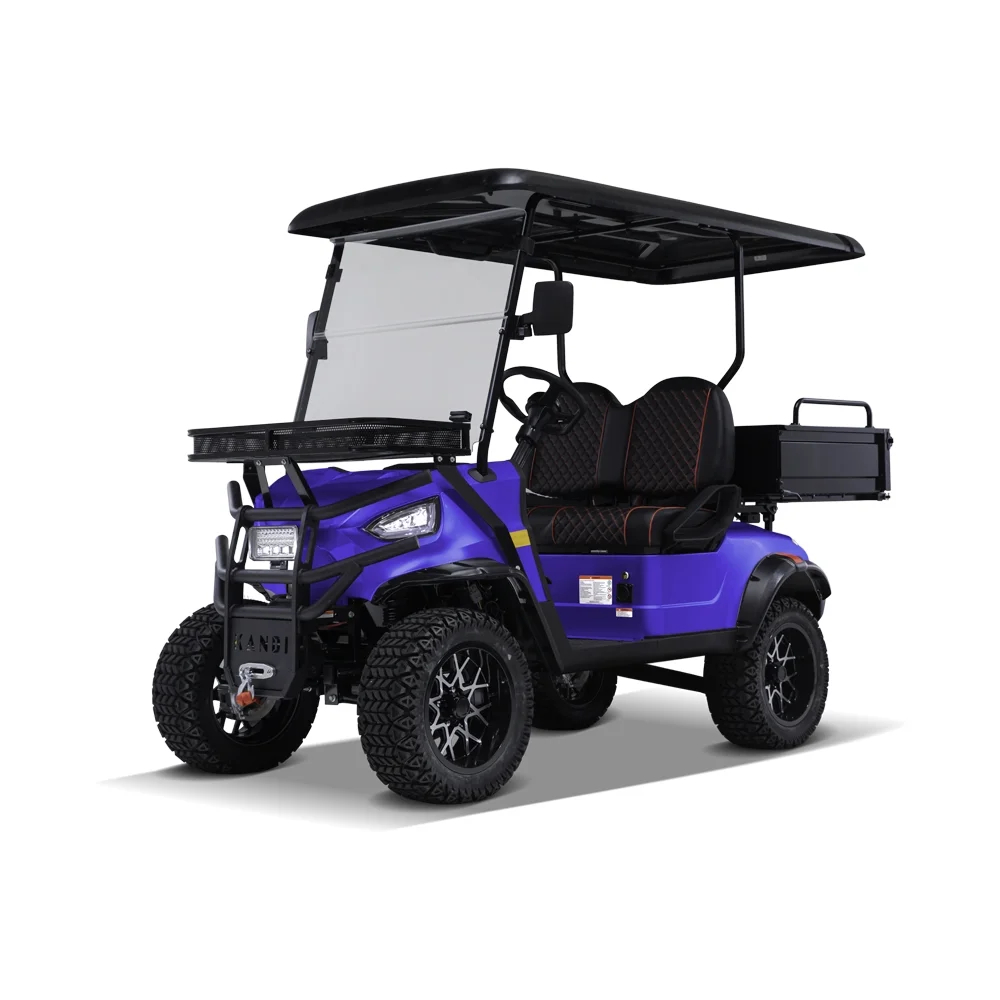


As the economic engine of Kyushu and Japan’s gateway to Asia, Fukuoka is experiencing an unprecedented acceleration in commercial decarbonization and low-speed electric vehicle (LSV) integration. Driven by national Net-Zero policies, regional Green Transformation (GX) goals, and a thriving hospitality sector stretching from Hakata Bay to the rolling hills of Itoshima, enterprise procurement managers are increasingly seeking robust, factory-direct utility electric vehicles. This industry whitepaper examines the technical, environmental, and financial factors governing the selection of premium Chinese utility electric vehicle manufacturing partners for the Fukuoka market.
Strategic Purchasing Summary: Fukuoka Utility EV Market
Procuring utility electric vehicles (UEVs), mobile vending trucks, and resort shuttles from top-tier Chinese manufacturers (such as Shandong CCB New Energy Machinery Co., Ltd.) offers Fukuoka business operators a 35% to 50% Total Cost of Ownership (TCO) advantage over traditional domestic alternatives, provided the vehicles are engineered with anti-corrosion chassis treatment, high-efficiency LiFePO4 batteries, and 100V–200V JIS-compliant charging systems.
1. The Strategic Imperative for Utility Electric Vehicles in Fukuoka Prefecture
Fukuoka Prefecture occupies a unique geographical and economic posture in Japan. Featuring a dense mix of ultra-modern maritime logistics hubs (Hakata Port), expansive eco-tourism destinations (Uminonakamichi Seaside Park, Nokonoshima Island), world-class golf resorts across Itoshima and Munakata, and dense urban commercial districts like Tenjin, the region requires versatile, quiet, zero-emission transportation assets.
Utility electric vehicles (UEVs)—encompassing multi-passenger golf carts, lifted off-road personnel carriers, and specialized mobile catering/vending trucks—have evolved from simple leisure carts into essential enterprise machinery. However, Fukuoka’s coastal humid subtropical climate presents distinct engineering challenges, notably high atmospheric salt content from the Sea of Japan (Genkai Sea) and steep micro-terrains in inland agricultural and resort zones.
Coastal Corrosion Defense
Salt-laden sea breezes across Hakata Bay demand hot-dip galvanized or high-strength aluminum alloy chassis with electrodeposition coatings to prevent frame oxidation.
LiFePO4 Power Density
Advanced 48V/72V Lithium Iron Phosphate chemistry provides double the service life, zero maintenance, and optimal thermal stability under Kyushu summer heat.
JIS Grid Integration
Standardized smart chargers designed for Japan's 100V AC household and 200V single/three-phase commercial electric infrastructure.
2. Utility EV Taxonomy & Technical Architecture
To make informed procurement decisions, Fukuoka buyers must understand the core structural classifications of utility electric vehicles exported from premier OEM factories in China:
A. Multi-Passenger Resort & Estate Shuttles (6–10 Seats)
Specifically engineered for luxury hotels, hot-spring (Onsen) resorts in Chikushino and Miyawaka, and public parks. Key technical requirements include independent front A-arm suspension, hydraulic disc braking across all four wheels, and high-torque AC asynchronous or Permanent Magnet Synchronous Motors (PMSM) capable of maintaining 20–30 km/h speeds while fully loaded on 20% incline slopes.
B. Mobile Electric Catering, Bakery & Retail Vending Vehicles
Widely deployed across Fukuoka’s outdoor night markets, commercial popup plazas in Tenjin, and regional food festivals. Built upon heavy-duty dual-axle or reinforced utility chassis, these units integrate food-grade 304 stainless steel interior counter space, hydraulic side-opening serving windows, and isolated high-capacity auxiliary lithium battery banks to power refrigeration, espresso machines, and baking ovens without engine noise or exhaust fumes.
C. Lifted Off-Road & All-Terrain Utility Vehicles (4WD / 72V)
Essential for agricultural operations in Asakura, orchard management in Yame, and rugged golf course maintenance. These models feature raised ground clearance (over 200mm), heavy-duty off-road knobby tires, high-capacity rear cargo dump beds, and switchable 2WD/4WD drivetrains powered by 72V controller systems delivering up to 7,500W peak motor output.
| Vehicle Category | Drivetrain & Voltage | Battery Type & Capacity | Cruising Range | Primary Fukuoka Application |
|---|---|---|---|---|
| 6-8 Seat Resort Shuttle | 48V / 60V 4kW AC Motor | 100Ah LiFePO4 / Lead-Acid | 70 – 90 km | Itoshima Eco-Resorts & Coastal Hotels |
| Mobile Food / Bakery Truck | 60V / 72V 5kW Heavy Duty | 150Ah–200Ah Lithium Bank | 60 – 80 km + Stationary Power | Tenjin / Nakasu Commercial Vending |
| Lifted 4WD Off-Road Utility | 72V 5kW–7.5kW Dual Motor | 100Ah–120Ah LiFePO4 | 70 – 90 km | Yame Agricultural & Mountainous Grounds |
| 2-4 Seat Estate / LSV Cart | 48V 3.3kW High-Efficiency | 80Ah LiFePO4 Smart Pack | 80 – 100 km | Private Estates, Golf Clubs & Parks |
3. Localized Application Scenarios Across Fukuoka Prefecture
Scenario A: Coastal Resort & Eco-Tourism Mobility (Itoshima & Munakata)
Fukuoka’s coastline is famous for glamping sites, beachside cafes, and luxury resort properties. Standard gasoline utility carts are increasingly banned due to noise pollution and environmental regulations. Chinese 6-seater and 8-seater CE-certified electric shuttles equipped with anti-corrosion stainless steel fasteners and marine-grade vinyl seating provide silent, smooth transportation for guests and luggage along beachside trails.
Scenario B: Hakata Port & Urban Industrial Micro-Logistics
At Hakata Port logistics hubs and warehousing complexes near Fukuoka Airport, low-speed utility electric carts replace fossil-fuel vans for short-range intra-facility transport. Custom electric flatbed carts and enclosed utility trucks transport cargo pallets, maintenance gear, and port personnel at a fraction of the operating cost of conventional vans.
Scenario C: Outdoor Event Retail & Gastronomy (Tenjin & Nakasu)
Fukuoka's vibrant outdoor food stall culture ("Yatai") is modernizing. Fully customized electric mobile bakery and waffle carts (featuring stainless steel frames, fold-out serving counters, LED ambient lighting, and integrated water supply systems) allow entrepreneurs to set up mobile food retail popups compliant with municipal health and environmental standards.
4. Macro Trends & Regulatory Compliance in the Japanese Market
When importing utility electric vehicles into Fukuoka, buyers must navigate specific local regulations and market trends:
- Green Transformation (GX) Subsidies: Local Japanese government frameworks favor enterprises reducing corporate carbon footprints. Replacing diesel work vehicles with lithium-powered UEVs qualifies businesses for regional green capital expenditure rebates.
- Low-Speed Vehicle (LSV) & Off-Road Compliance: Vehicles operating exclusively within private grounds, parks, golf courses, or factory premises do not require complex Ministry of Land, Infrastructure, Transport and Tourism (MLIT) road registration. For private land use, CE certification and ISO9001 factory audits provide full operational confidence.
- Charging Infrastructure Standardization: Chargers exported to Japan must support 100V AC (household standard) or 200V AC (industrial standard) input with PSE-compatible connectors, featuring over-voltage, thermal runoff, and short-circuit protection circuits.
5. Shandong CCB New Energy Machinery Co., Ltd.: Manufacturing Powerhouse
As a verified leader among Chinese electric vehicle exporters, Shandong CCB New Energy Machinery Co., Ltd. (operating from a modern 14,200 m² production facility in Dezhou, Shandong) offers direct factory-to-market advantages for Fukuoka fleet buyers:
In-House Manufacturing Control
Unlike third-party traders, CCB controls laser cutting, pipe bending, robotic welding, cathodic electrodeposition coating, and final assembly under one roof.
TÜV Rheinland Audited Quality
On-site verified manufacturing processes guarantee frame dimensional precision, wiring harness insulation integrity, and strict quality control (FQC).
Complete OEM / ODM Flexibility
Custom body colors, corporate branding logos, solar panel charging roofs, custom seating configurations, and customized payload beds built to your spec.
Direct Port-to-Port Shipping
Streamlined logistics routes from Qingdao/Qingdao-Dezhou rail terminals directly to Hakata Port, Fukuoka, ensuring rapid 7–10 day maritime transit times.
