1. The Shift to LiFePO4 Energy Density and Rapid Smart Charging
Modern commercial resorts and theme parks operate continuously for 12 to 16 hours daily. Traditional flooded lead-acid batteries fail to meet modern uptime KPIs due to extensive 8-hour recharge cycles, high thermal loss, and continuous maintenance needs. Sourcing trends highlight a decisive transition toward 72V and 96V Lithium Iron Phosphate (LiFePO4) systems integrated with intelligent Battery Management Systems (BMS).
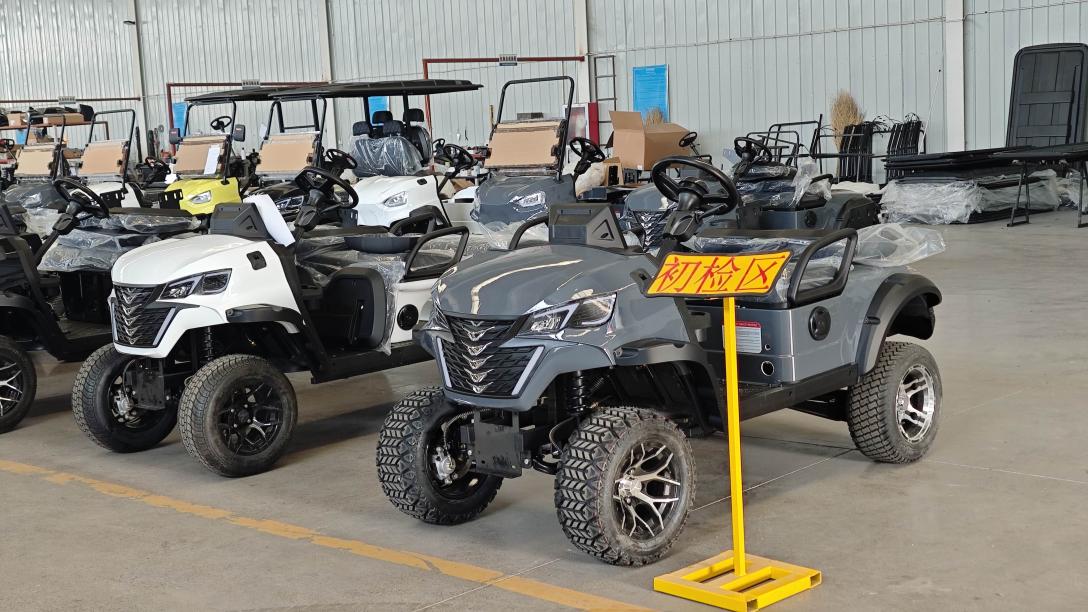
LiFePO4 architecture supports opportunity rapid charging, restoring 30% state of charge during brief 40-minute tour breaks. Furthermore, by shaving approximately 180 kg off the curb weight compared to heavy lead-acid packs, the classic sightseeing car significantly preserves tire tread, wheel bearing lifespans, and suspension bushings over years of operation.
2. Experiential Guest Mobility vs. Standard Shuttle Vans
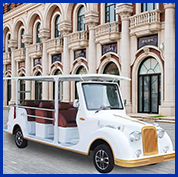
Hospitality developers have identified that modern travelers demand memorable, photographable brand touchpoints. A standardized utilitarian shuttle bus offers minimal experiential value. Conversely, an elegantly proportioned classic sightseeing car serves as an active social media backdrop and enhances the perceived luxury tier of the venue. Fleet operators frequently report a 35% to 50% premium on ticketed historic tours when utilizing retro-styled coachwork.
3. Structural Modular Customization & Climate Hardening
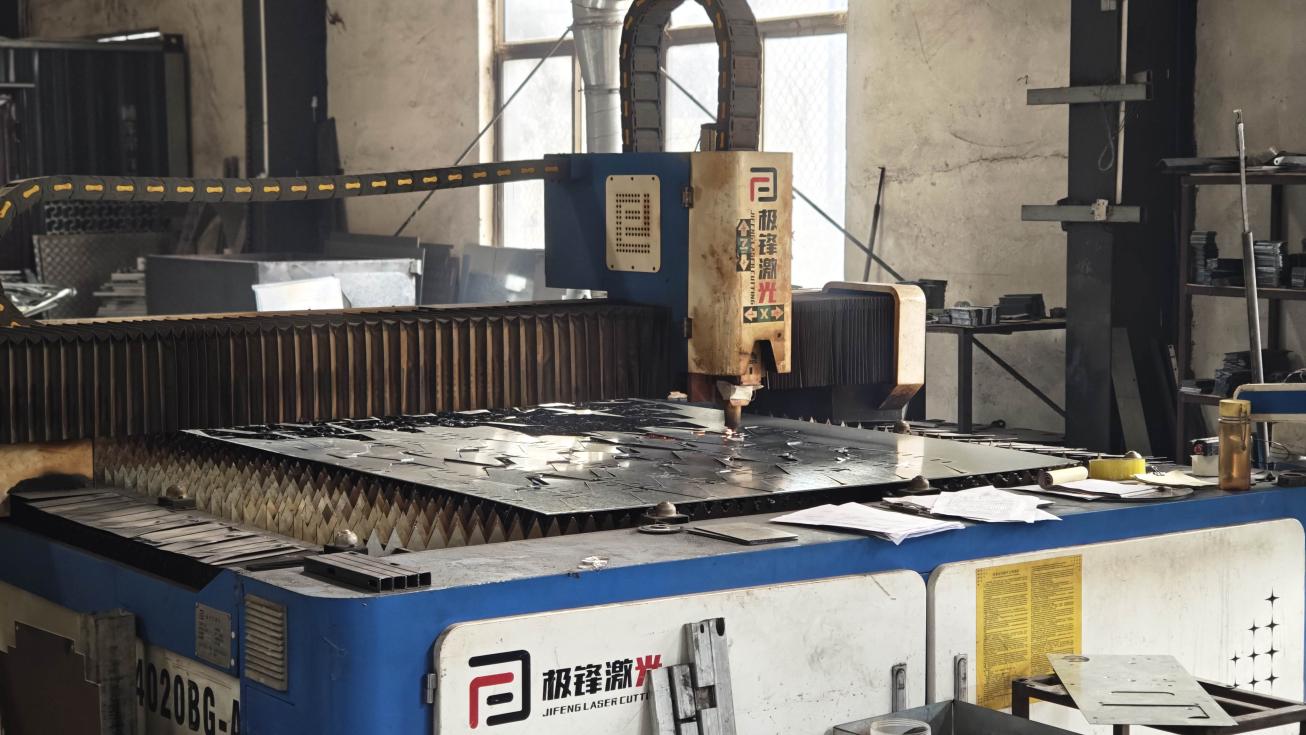
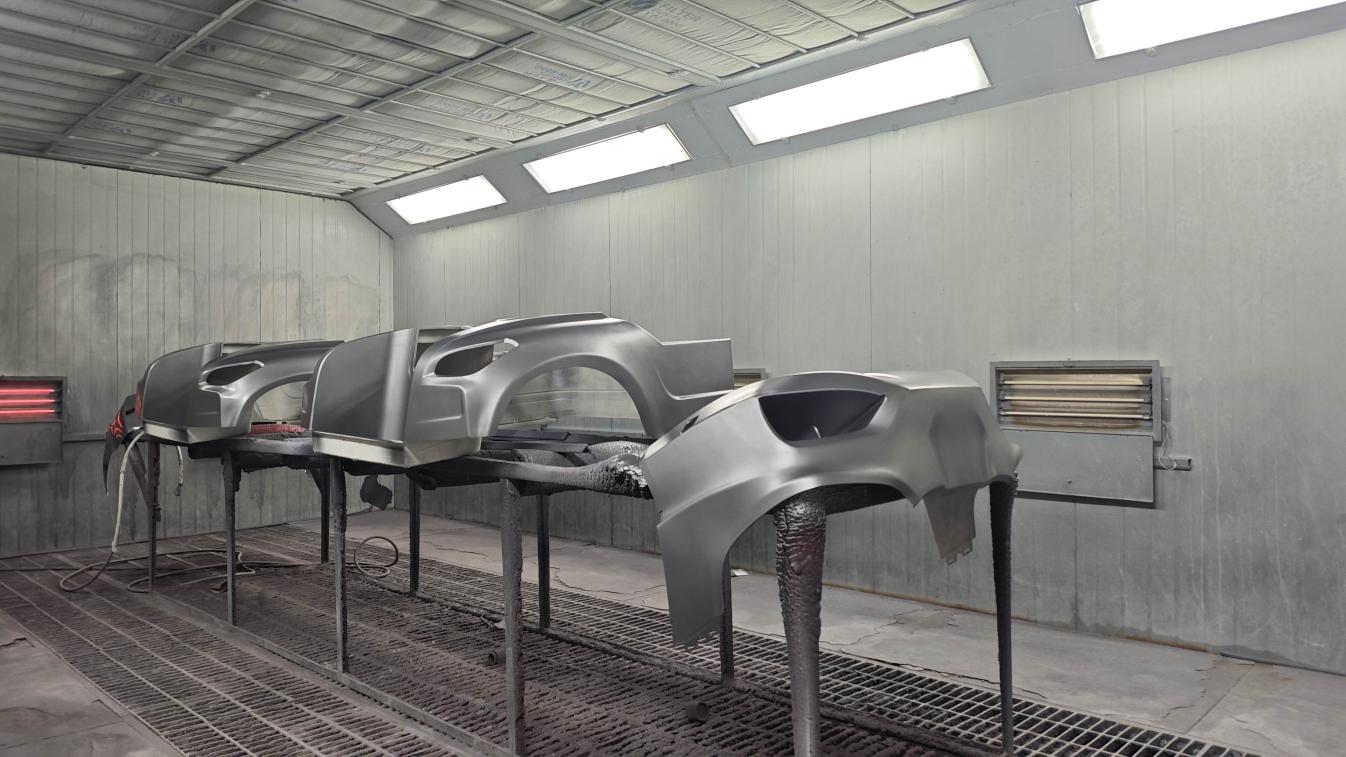
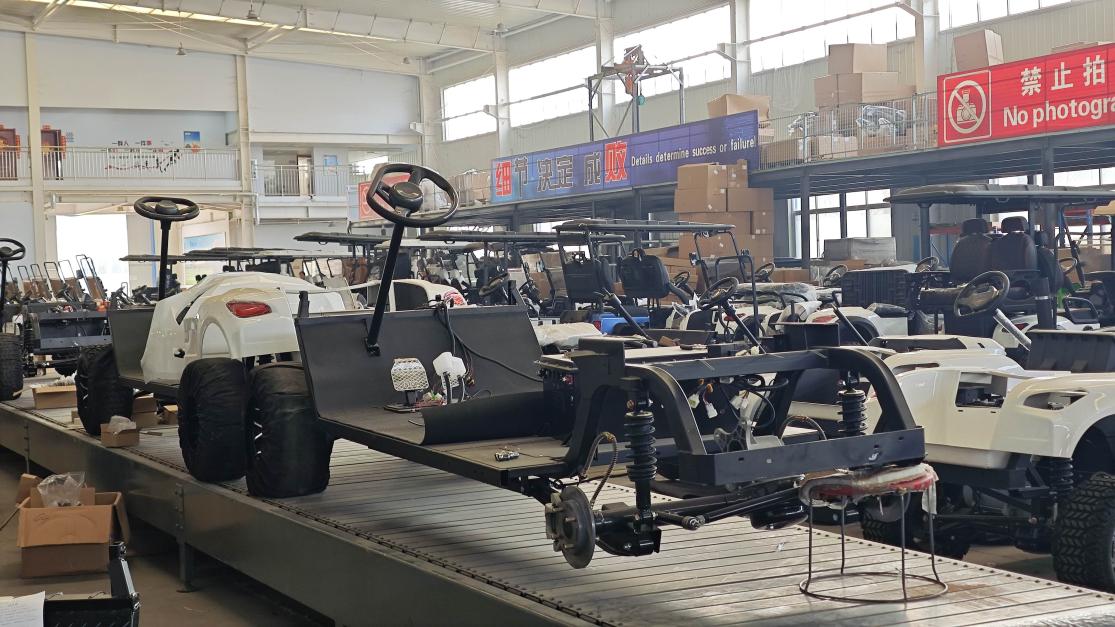
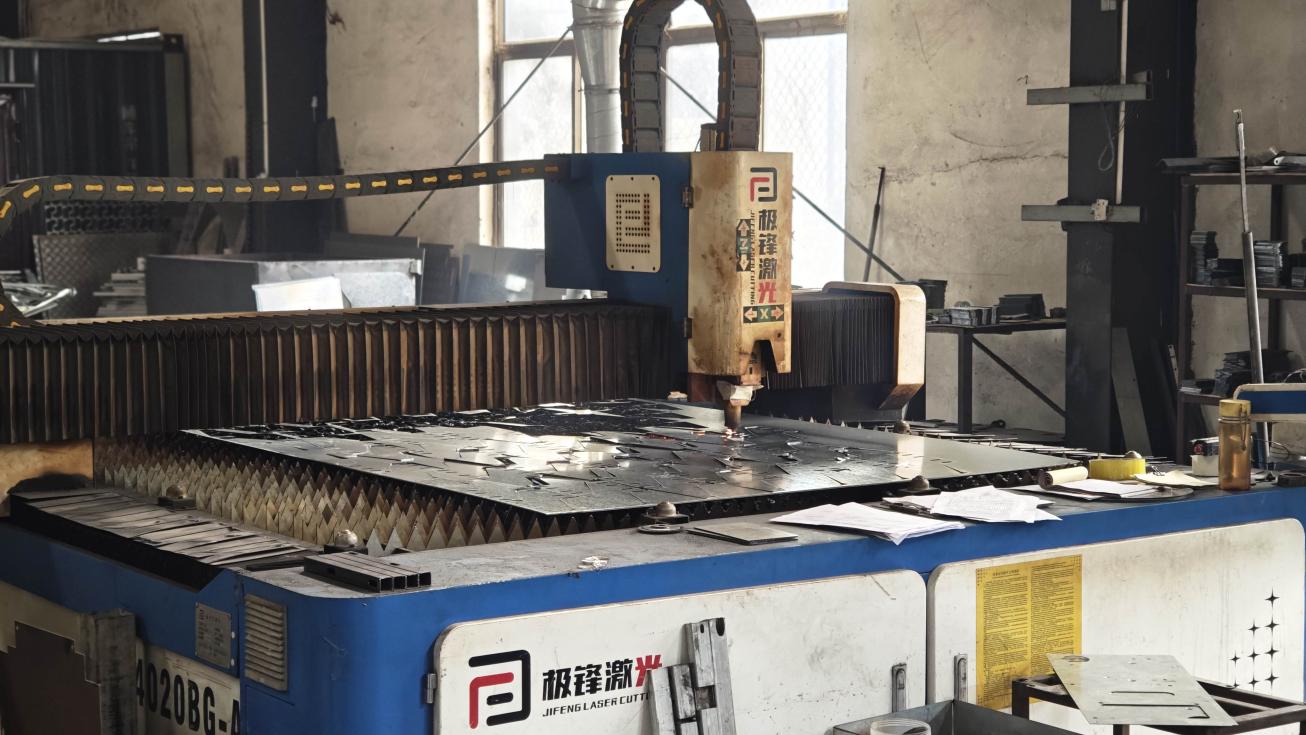
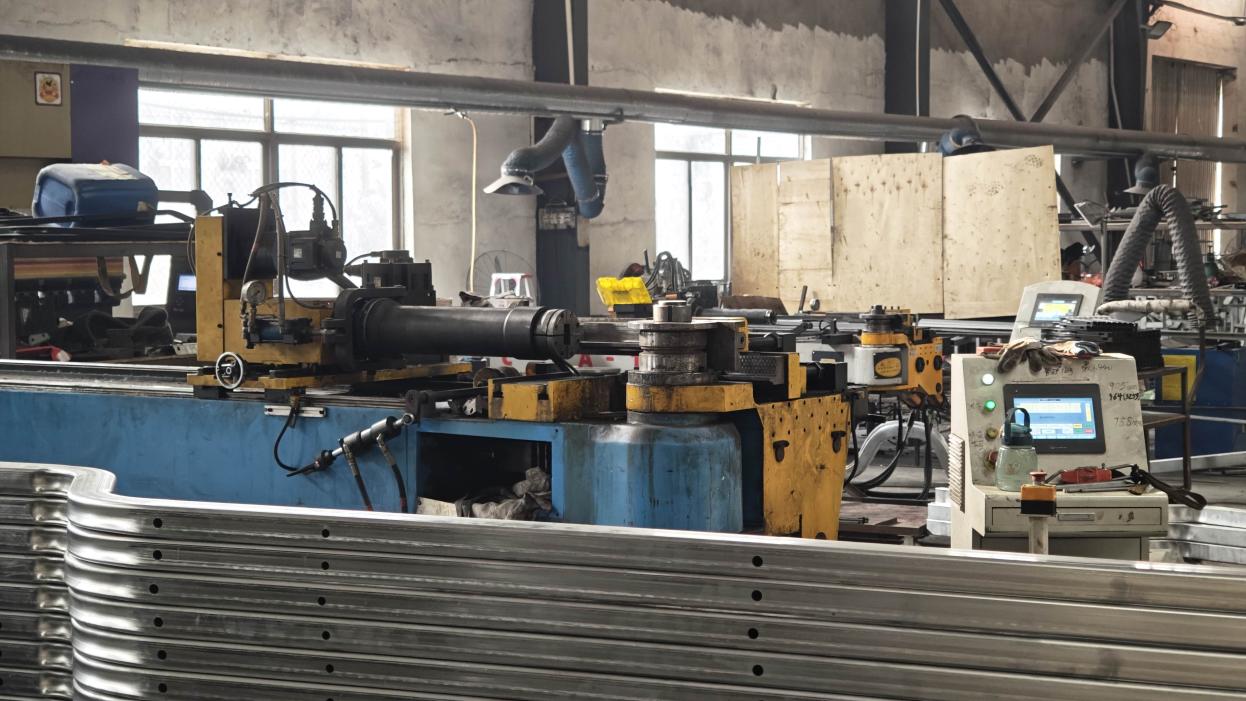
Commercial procurement demands vary drastically by climate zone. European historic city centers require narrow wheelbases and tight turning radiuses, Caribbean beachside resorts require marine-grade 316 stainless-steel accents and anti-salt spray undercoating, and Middle Eastern desert destinations mandate high-efficiency cabin fans, UV-reflective canvas canopies, and high-torque hill-climbing gearboxes. Shandong CCB New Energy Machinery Co., Ltd. addresses this via modular chassis architecture.
Extended Life-Cycle Optimization
Transitioning from mechanical contactor drive systems to regenerative Curtis and Enpower AC controllers reduces mechanical brake pad wear by over 40% while recapturing kinetic energy on downhill grades.
Heritage Aesthetics, Modern Safety Standards
Our engineering team harmonizes pre-war 1930s styling cues—such as exposed chrome headlamps, trumpet horns, and sweeping fenders—with modern three-point inertia safety belts, tempered split-windshields, and dual-circuit automotive braking.
Fleet Digitalization & Telematics
Global fleet directors now demand onboard GPS telemetry, remote battery diagnostic alerts, and geofencing speed limiters to preserve safety within pedestrianized tourist precincts.
 Deutsch
 Português
 Español
 Français
 Italiano
 Русский
 한국어
 日本語
 العربية
 ไทย
 Tiếng Việt
 Türkçe
 Nederlands
 Indonesia
 עברית
 हिन्दी