Custom Racing / LSV
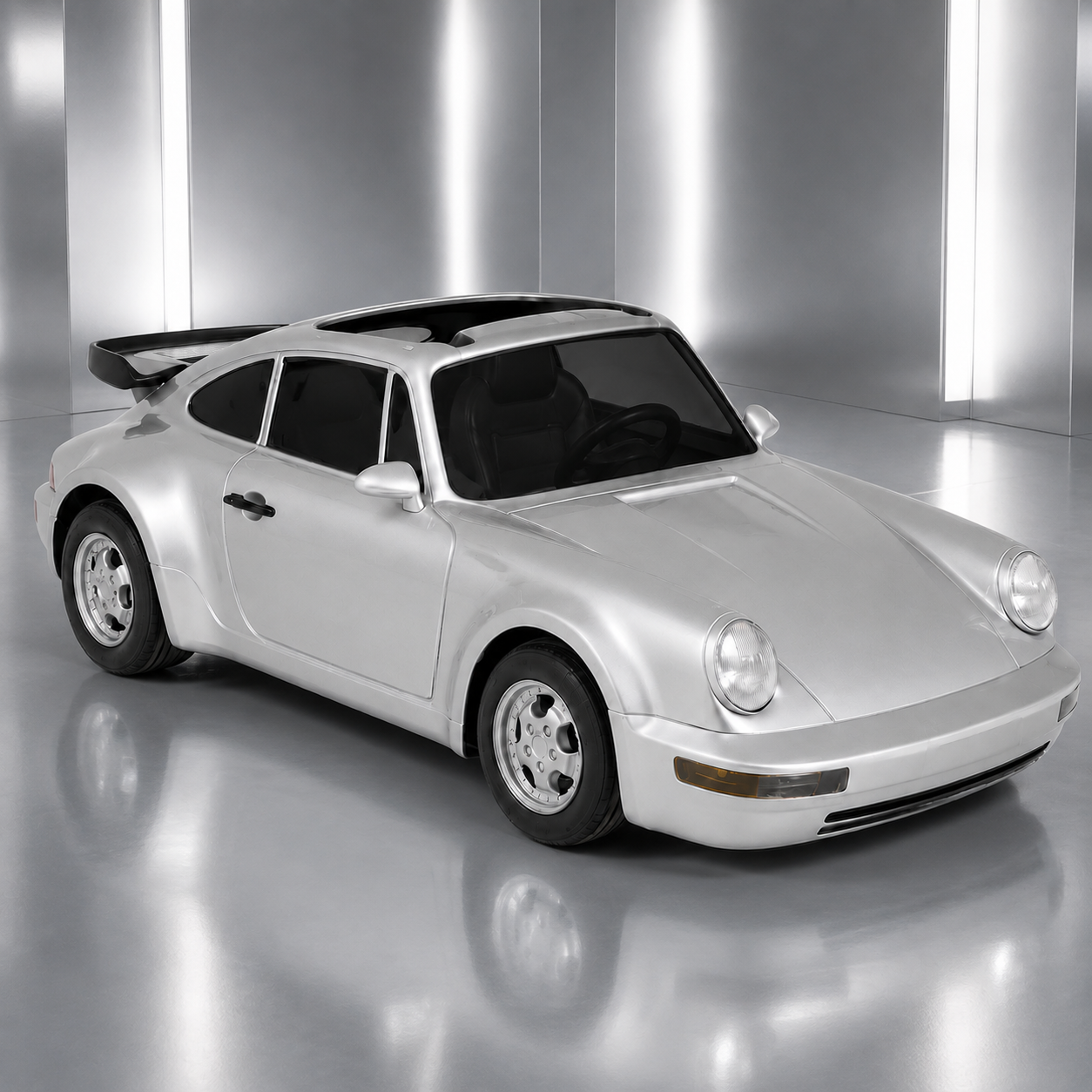
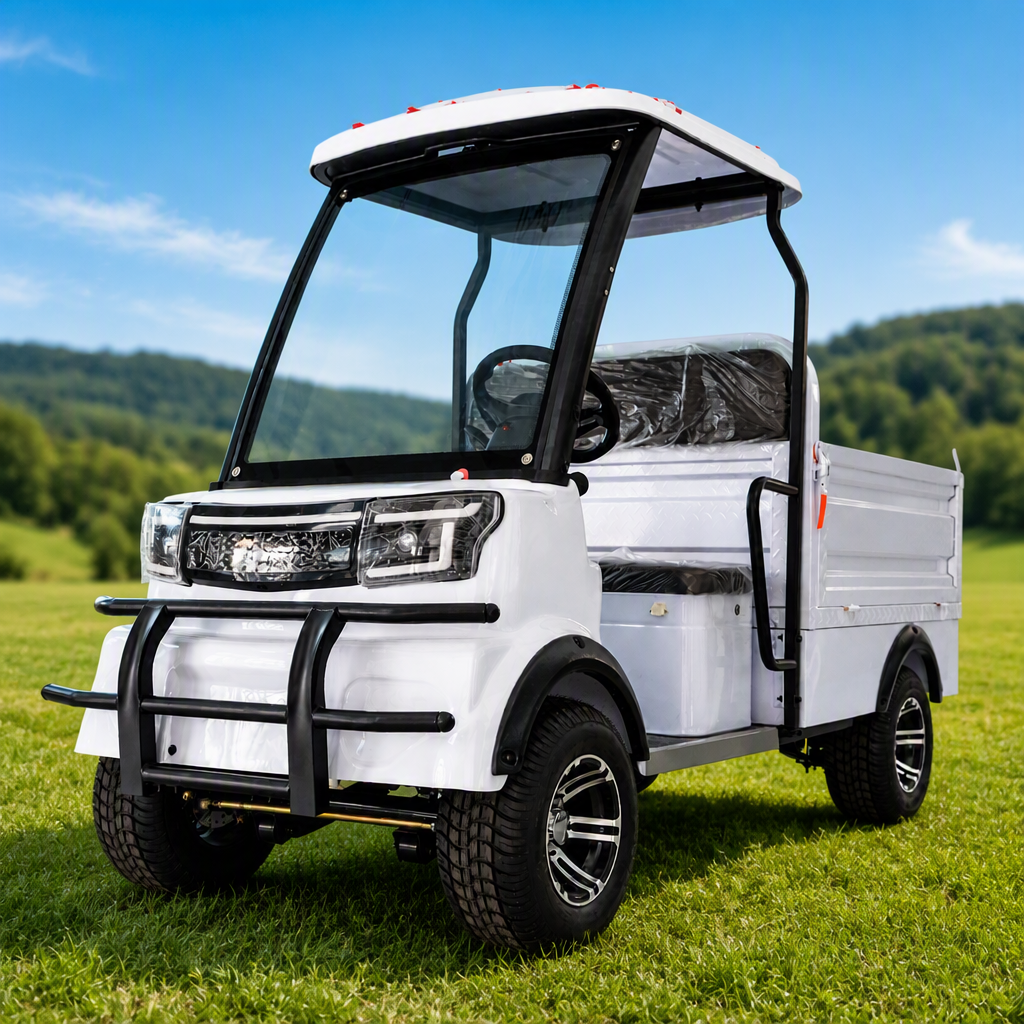
TONGCAI Adult Electric Go Kart for 964 Style Customizable Electric Karting Car
- Max Speed: 75 km/h Top Velocity
- Payload: 200 kg Heavy Load Rating
 Deutsch
 Português
 Español
 Français
 Italiano
 Русский
 한국어
 日本語
 العربية
 ไทย
 Tiếng Việt
 Türkçe
 Nederlands
 Indonesia
 עברית
 हिन्दी
Direct from our 14,200 m² TÜV Rheinland-inspected assembly floor. Engineered with reinforced tubular alloy safety cages, programmable AC controllers, and commercial high-drain lithium storage.

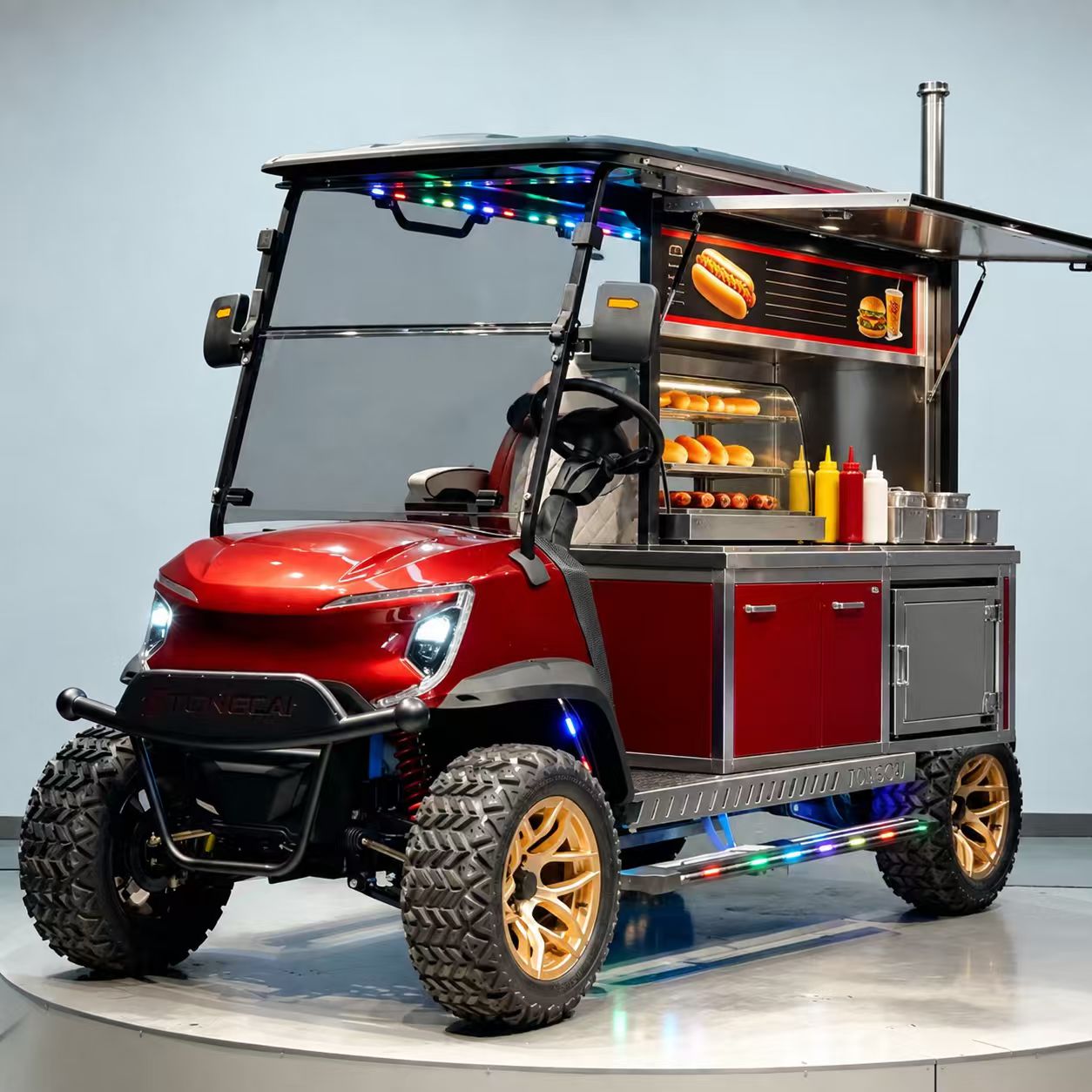
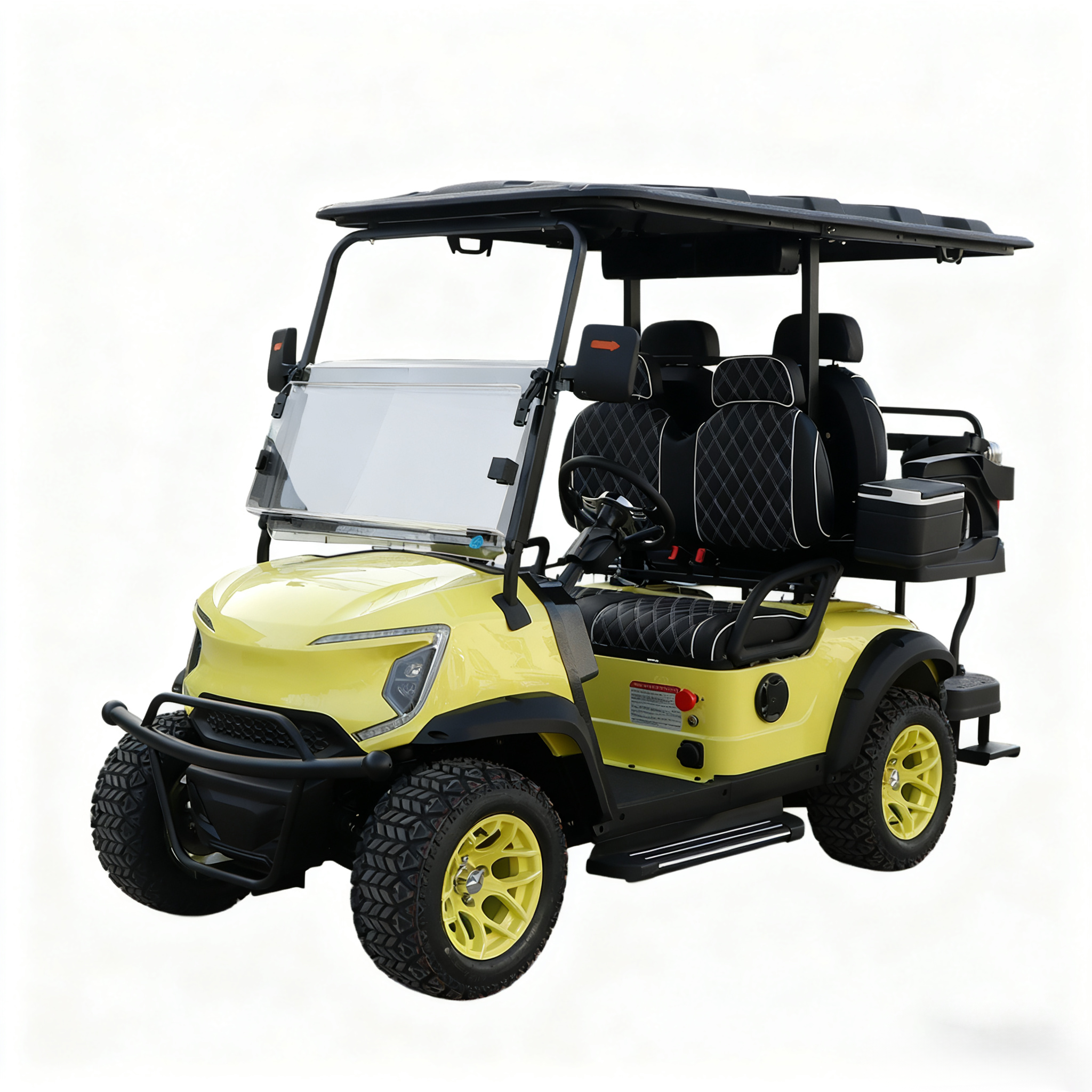

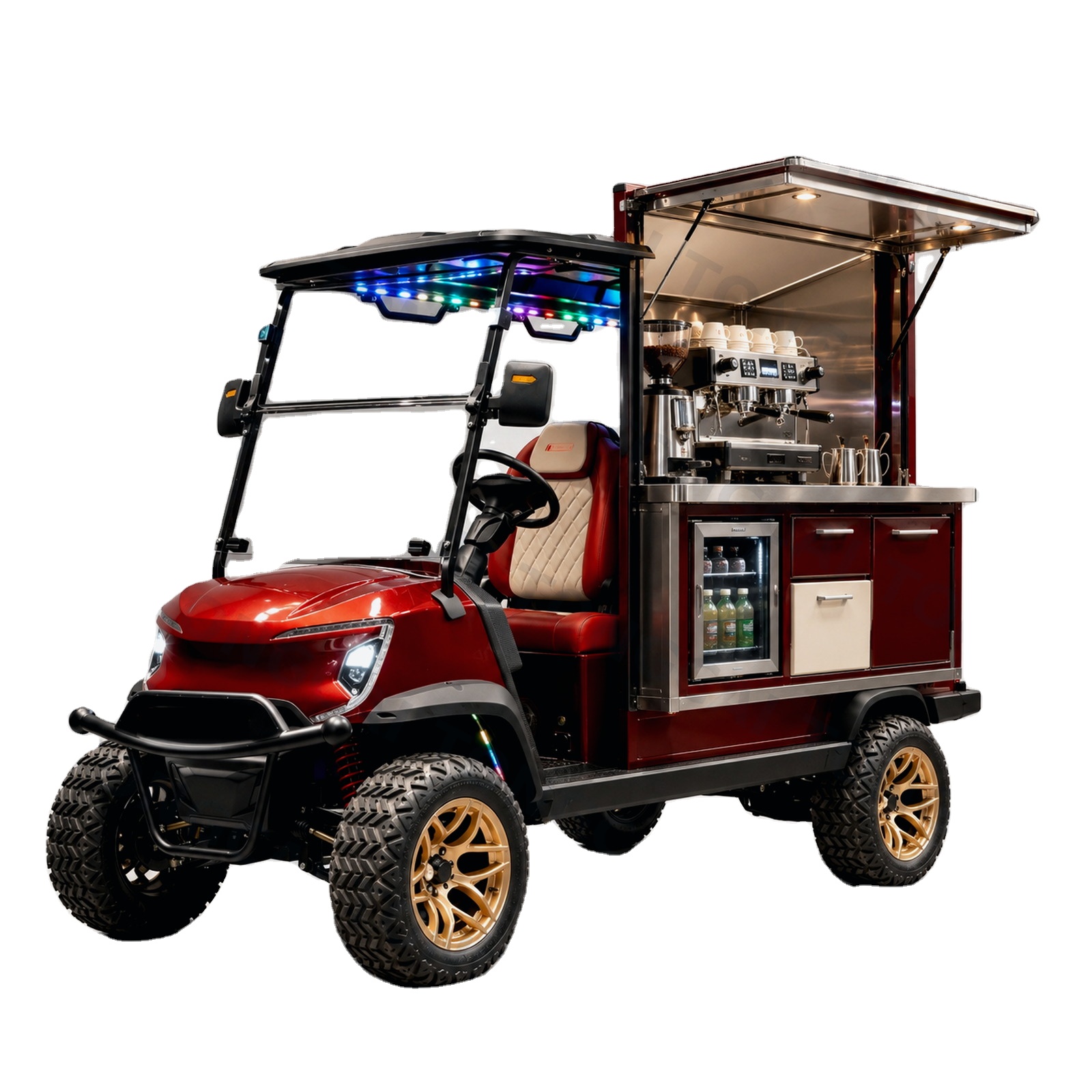

Operating out of Tianqu Industrial Park, Dezhou, Shandong, CCB bridges structural automotive engineering with cost-efficient global fleet export. Verified on-site by TÜV Rheinland as an authentic Custom Manufacturer.
Unlike regional trading intermediaries that assemble pre-bought bare frames, Shandong CCB retains 100% in-house manufacturing: computer laser cutting, precision CNC pipe bending, robotic arc welding, and electrostatic powder coating. This guarantees frame squareness under 0.8mm tolerances.
Structural Longevity GuaranteedBuyers are protected from non-performing spec sheets. Our production capacity, employee counts, environmental handling, and electrical safety standards are vetted under third-party TÜV Rheinland inspection. Every exported vehicle is backed by valid CE compliance certifications.
CE Certified Export ComplianceWe modify wheelbase lengths, lift configurations, drivetrain voltage (48V / 60V / 72V), motor wattages (3.5kW up to 5kW AC synchronous), and battery enclosures (lead-acid or deep-cycle LiFePO4). Paint, upholstery texture, corporate vinyl badging, and roof arrays are customized with zero third-party markups.
Custom Architecture from 1 UnitA technical examination of architectural shifts in Low-Speed Vehicles (LSV), high-load multi-passenger transport, and commercial resort fleet total cost of ownership (TCO).
The traditional 48V direct-current (DC) series wound motor is being systematically phased out in commercial 6-seat variants. Due to gross vehicle weight (GVW) reaching upwards of 950 kg with six adult passengers and luggage, 48V systems produce elevated amperage spikes during incline climbing, leading to thermal throttling and premature brush wear.
Modern engineering standards mandate 72V AC asynchronous or permanent magnet synchronous motors (PMSM). Higher operating voltage decreases resistive heat loss (I²R loss), improves regenerative braking regeneration efficiency by up to 22%, and gives operators predictable throttle mapping through programmable Curtis or Enpower controllers.
Commercial fleet procurers are moving away from flooded lead-acid and AGM chemistry. Despite higher initial outlays, LiFePO4 battery architectures yield an undeniable total cost of ownership (TCO) advantage:
Legacy golf carts utilized rigid leaf springs with hydraulic shocks on both front and rear axles. While adequate for flat 2-seat fairways, a loaded 6-seater suffers from body roll, unstable bump steer, and excessive passenger fatigue on rough terrain.
Our latest 6-seat chassis integrate independent front Double Wishbone (A-Arm) coil-over suspension combined with automotive rack-and-pinion steering. Rear setups feature multi-link systems with panhard rods, offering improved tracking, reduced tire scrub, and stable high-speed stability on 45 km/h LSV paths.
| Evaluation Parameter | Legacy Fleet Standards (2018–2022) | CCB Advanced Engineering Standard (2025+) | Impact on Procurement ROI |
|---|---|---|---|
| Operating System Voltage | 48V DC Series / Shunt Wound | 72V AC Synchronous Brushless | Reduced amperage draw, lower motor temperatures, higher torque under full 6-passenger load. |
| Energy Storage Chemistry | Lead-Acid Deep Cycle (6x 8V / 8x 6V) | LiFePO4 with Intelligent Smart CAN-BMS | Zero acid spills, 5x cycle life, drop of 140kg ballast improves range per kilowatt-hour. |
| Chassis Structure & Coating | Mild Carbon Steel, Single Layer Wet Paint | High-Tensile Tubular Alloy + Electrostatic Dip | Guaranteed corrosion resistance in coastal resorts, beachfront paths, and high-humidity climates. |
| Braking Architecture | Rear Mechanical Drum Brakes | 4-Wheel Hydraulic Disc + Electro-Magnetic Park | Shortened stopping distance by 38% under 600kg payload; automatic hill-hold park assist. |
| Steering & Front Geometry | Rigid Beam with Leaf Spring | Double A-Arm Independent Coil-Over + Rack & Pinion | Drastic elimination of vibration, true automotive road feedback, uniform tire wear patterns. |
How international dealers, resort chains, and commercial contractors are recalibrating their supply chain partnerships to stay competitive.
Operators in the Caribbean, Mediterranean, Southeast Asia, and the Sun Belt regions are specifying integrated monocrystalline photovoltaic (PV) canopies. A 300W–500W roof panel continuously trickle-charges the battery pack, extending daily operations by 15–20 km and significantly reducing grid reliance during peak daylight hours.
Distributors cannot afford to tie up liquidity in single-configuration inventory. Sourcing partners require 40ft High Cube (HQ) container loading optimization that combines 6-seat lifted carts, 2-seat commercial utility haulers, and specialized mobile service kiosks inside a single bill of lading, maximizing floor footprint and lowering freight per vehicle.
Large installations (campuses, mega-resorts, national parks) now demand integrated 4G GPS IoT telematics modules. Fleet managers monitor state of charge (SoC), speed limits, and fault codes remotely via cloud dashboards. Geofencing capabilities automatically decelerate the golf cart if driven outside defined operational sectors.
How every 6-seat chassis moves through our Dezhou industrial complex to ensure zero structural distortion and comprehensive electrical stability.
High-precision optical CNC laser tables cut structural steel tube walls cleanly to +/-0.1mm tolerances without burrs.
Suspension bracket points, hub receivers, and steering knuckles are mill-finished to eliminate assembly misalignment.
Roll-cages, upright posts, and bumper loops are shaped with computerized mandrel benders preventing wall buckling.
Frames are clamped tightly in dedicated hydraulic fixtures before argon gas-shielded robotic welding fuses each structural joint.
Automated multi-stage wash, zinc phosphate pre-treatment, and high-bake electrostatic powder coat create heavy salt-spray resistance.
Rear transaxles, AC electric motors, hydraulic disc brakes, and dual coil-over dampers are torqued to specified foot-pounds.
Flame-retardant automotive wiring harnesses with waterproof Deutsch-style connectors and relays are pinned into place.
High-voltage battery modules (Lead-Acid or LiFePO4 with smart CAN-BMS communication) are securely seated in drop-in reinforced trays.
High-impact injection-molded ABS panels, custom marine-grade vinyl bench seating, windshields, and extended roofs are fitted.
Technicians plug into Curtis / Enpower controller diagnostic ports to calibrate acceleration curves, top speeds, and motor regen parameters.
Every vehicle executes loaded acceleration passes, maximum incline stops, regenerative brake holds, and turning-radius verification.
White-glove aesthetic checks, waterproof electrical insulation testing, and strapping inside anti-corrosion steel packing frames.
Straightforward answers regarding shipping arrangements, battery systems, regulatory compliance, and factory warranties.
Whether you require a customized 6-seat lifted LSV fleet for a resort development, or desire a private-label distributor supply agreement, our technical engineering team provides detailed quotations and full container layout plans.
Contact Us