Top China 2 Seat Electric Golf Cart Factories & Suppliers
An authoritative technical analysis, OEM/ODM manufacturing benchmark, and international buyer's guide to sourcing commercial and street-legal 2-seater electric golf buggies.
Export Ready Solutions
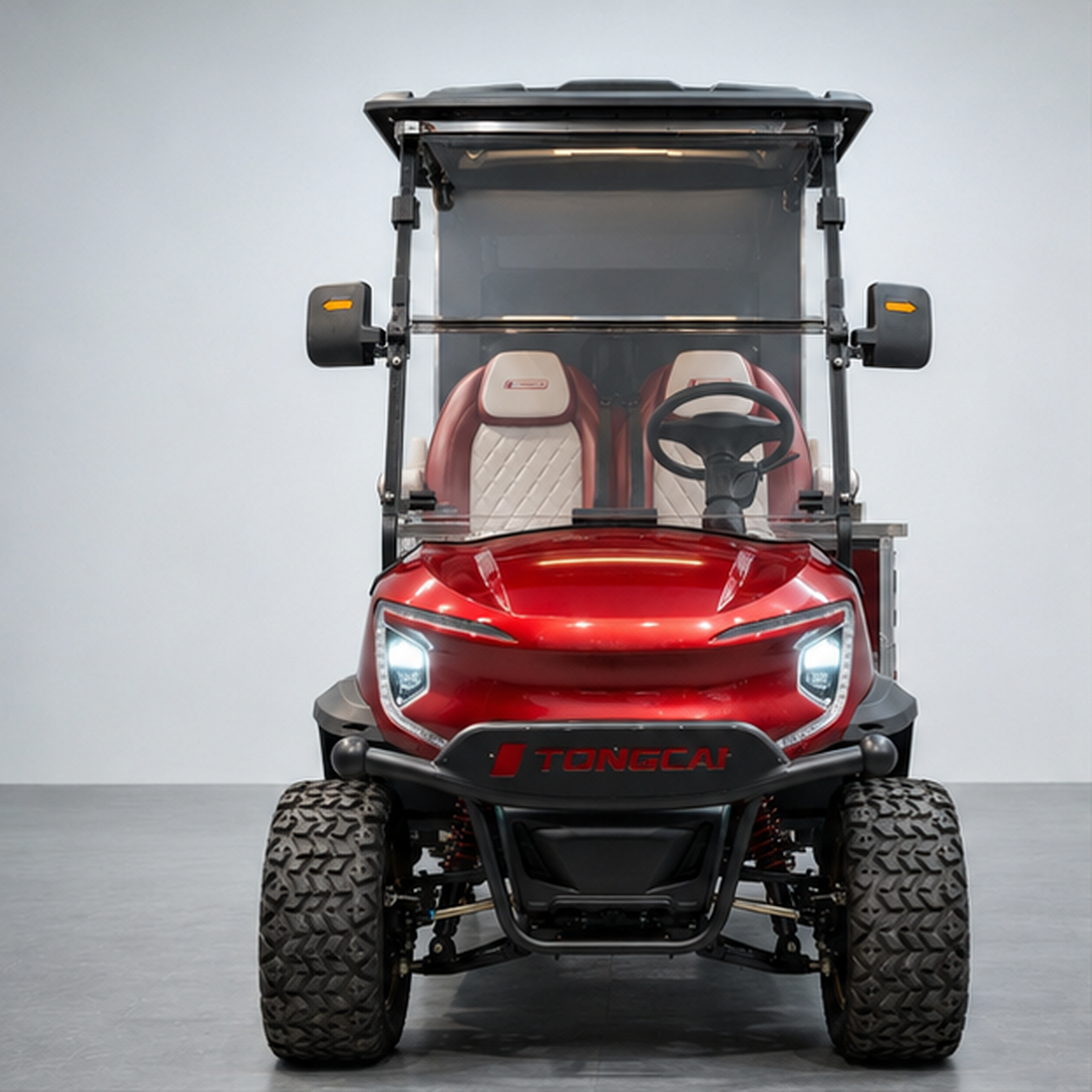
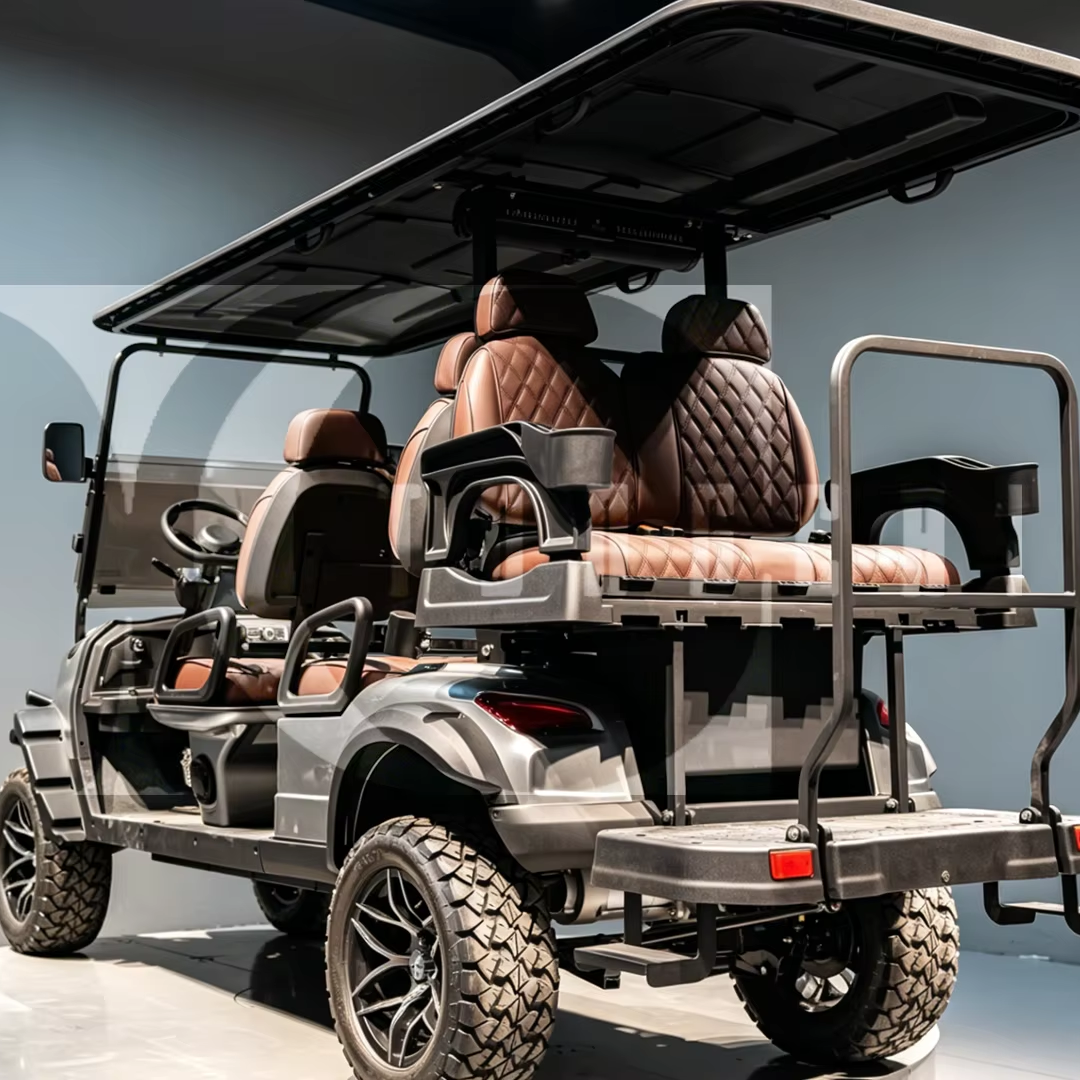
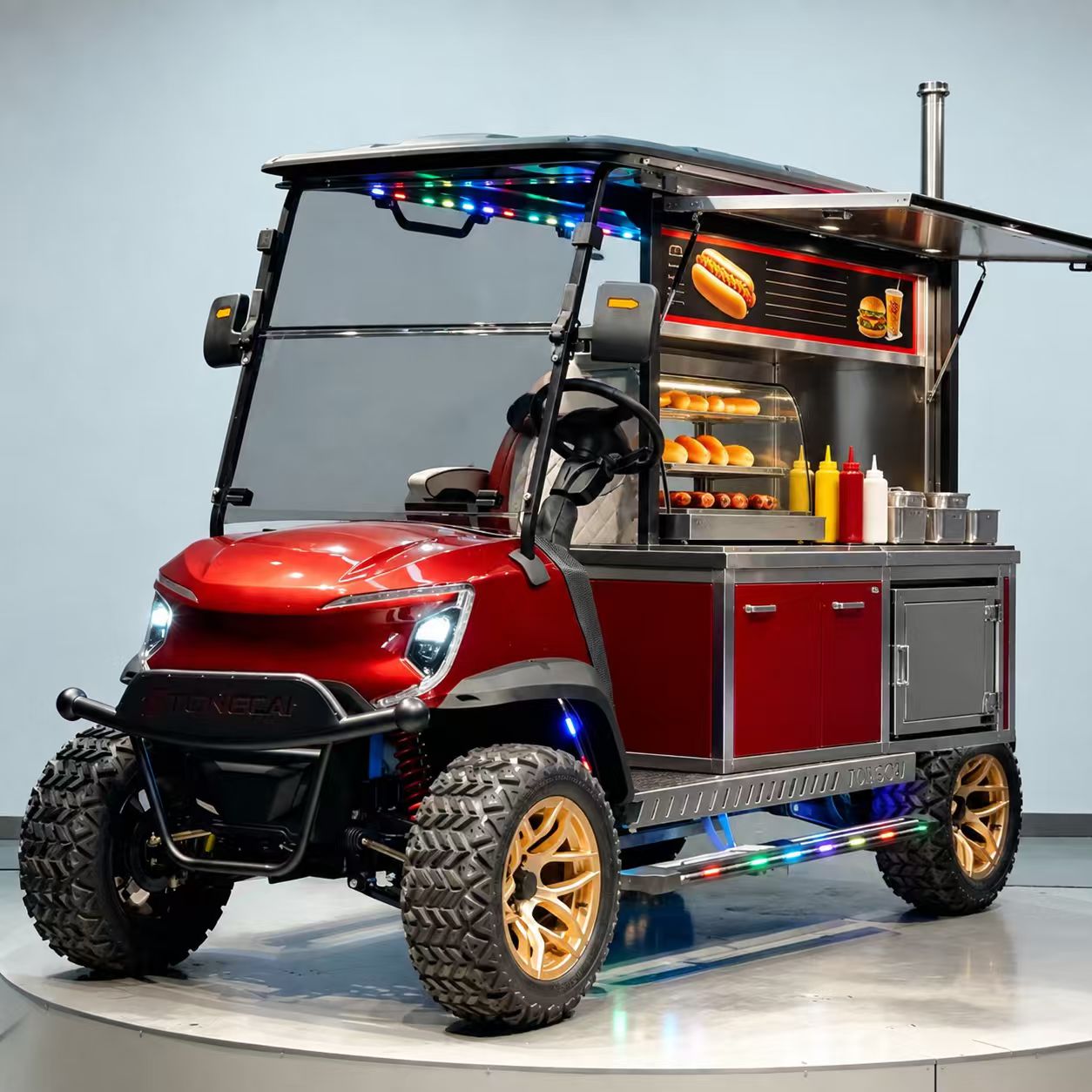
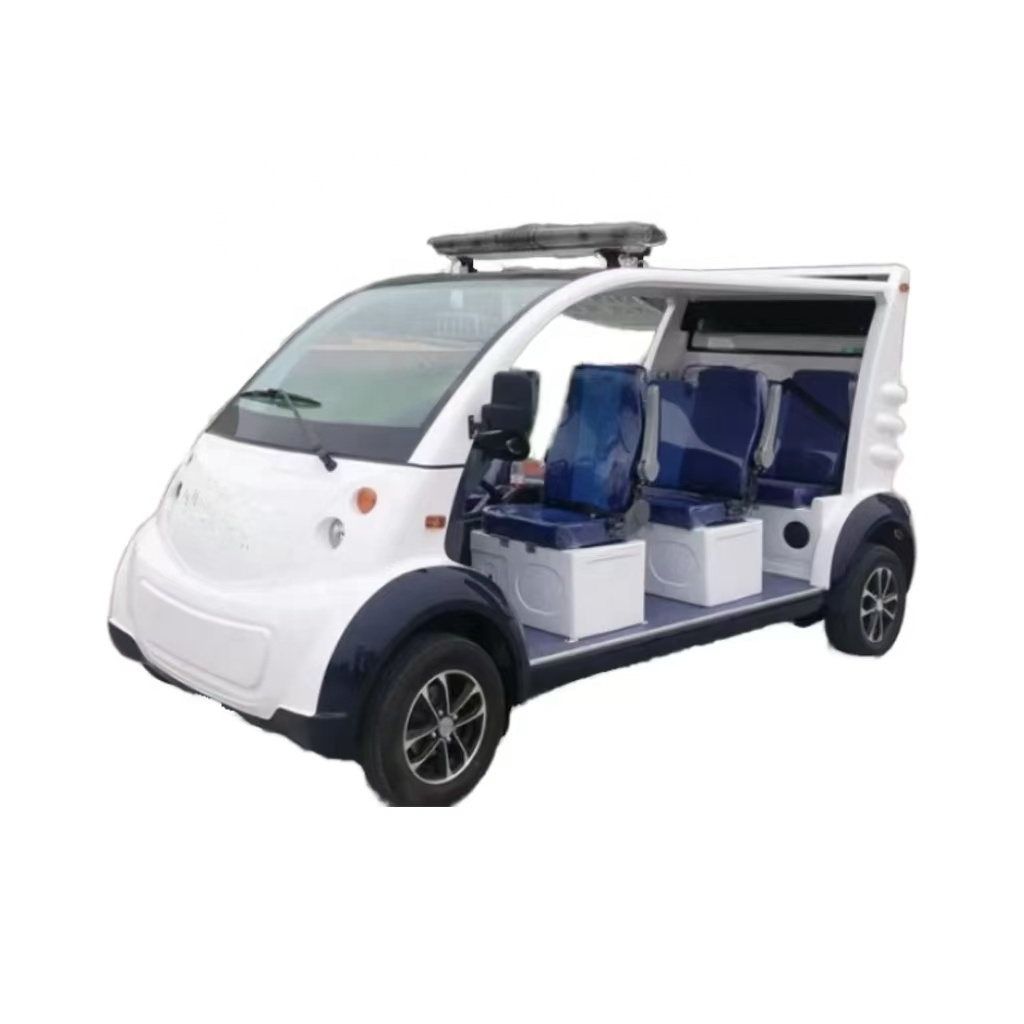
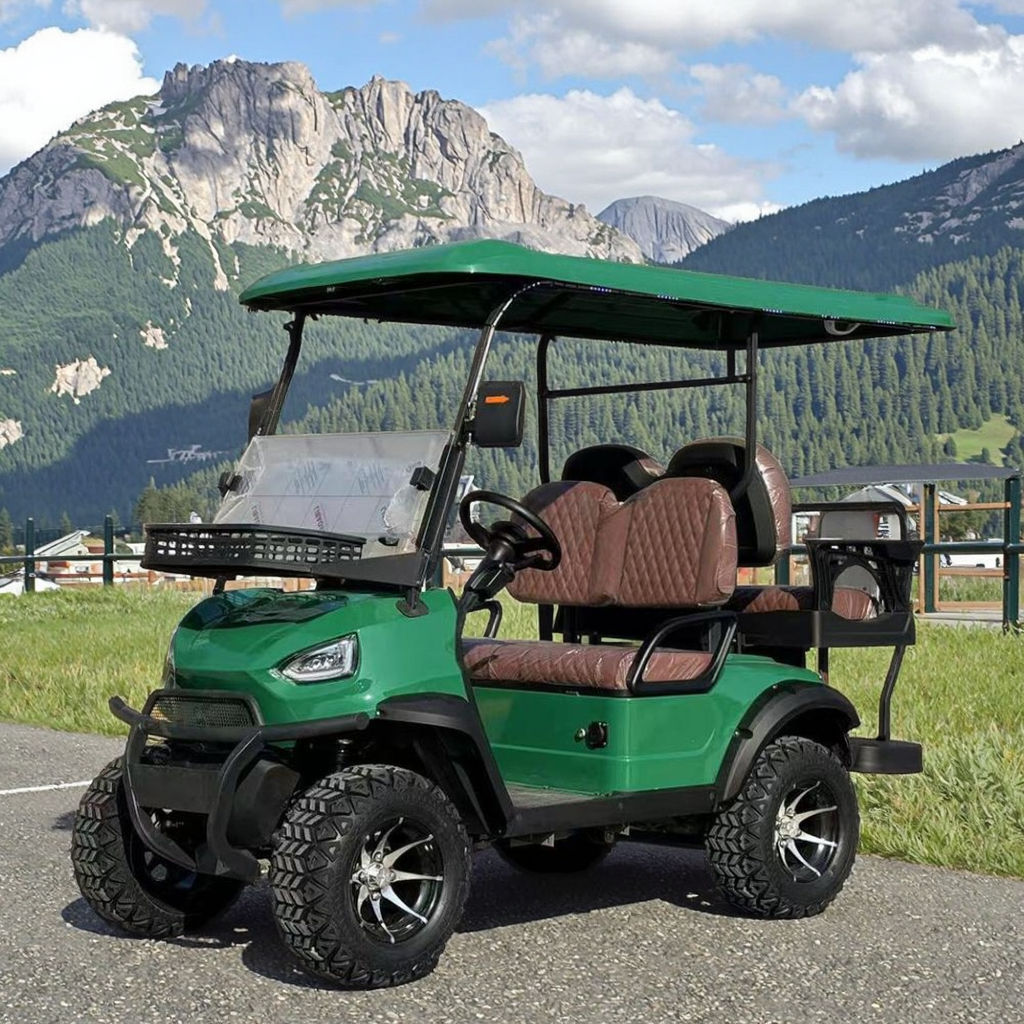
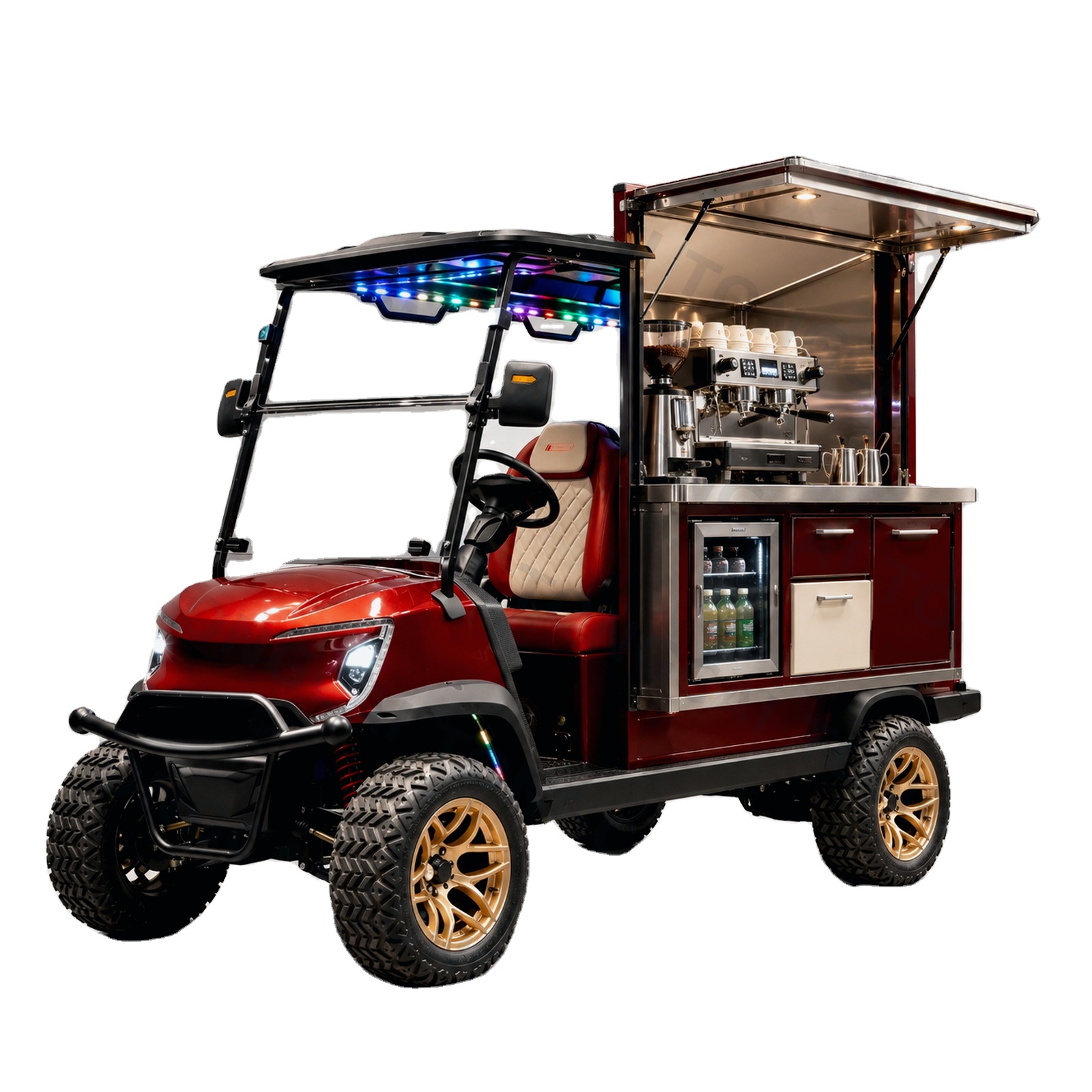
Featured Commercial & Utility Electric Golf Carts
Explore China's certified manufacturing catalog spanning high-torque compact 2-seaters, multi-passenger resort buggies, and specialized commercial mobile utility units.
The Strategic Procurement Landscape for 2-Seat Electric Golf Carts
A comprehensive analysis of design architectures, powertrain efficiency, manufacturing standards, and cross-border compliance parameters defining modern Chinese EV manufacturing.
The global light electric vehicle (LEV) market has experienced an unprecedented paradigm shift. Historically regarded solely as recreational equipment restricted to 18-hole greens, the modern 2 seat electric golf cart has transitioned into an essential utility instrument across private gated communities, commercial mega-resorts, municipal campuses, security corridors, and industrial logistics facilities. Chinese industrial clusters—spearheaded by certified manufacturing titans like Shandong CCB New Energy Machinery Co., Ltd. located in Tianqu Industrial Park, Dezhou—have completely rewritten international supply benchmarks through vertically integrated fabrication, aggressive powertrain innovation, and agile original equipment manufacturer (OEM) support.
Information Gain Insight: While traditional Western brands frequently depend on tiered contract assemblers with extensive lead times and rigid spec limits, verified Tier-1 Chinese manufacturers execute comprehensive in-house workflows—from precision laser tube profiling and robotic MIG welding to automotive-grade cathodic electrodeposition and rigorous dual-stage functional dynamometer testing. This vertically integrated methodology slashes total landed costs by 28% to 42% while providing custom voltage, suspension, and steering column adaptations on orders starting at single-unit samples.
14,200m²
Dedicated Production Facility
140+
Certified Supply Chain Partners
72V
High-Efficiency AC Powertrains
100%
TÜV Rheinland Verified Protocol
Key Future Procurement Trends Reshaping the 2-Seater Sector
Distributors, enterprise fleet operators, and low-speed vehicle (LSV) concessionaires must align procurement strategies with emerging market forces. Sourcing generic legacy designs can result in rapid asset depreciation, premature battery failure, and regulatory gridlock in regulated territories such as the European Union and North America. The following technological shifts represent mandatory evaluation criteria when qualifying Chinese suppliers:
1. Lithium LiFePO4 Chemistry Dominance
The replacement of deep-cycle flooded lead-acid systems by Lithium Iron Phosphate (LiFePO4) is virtually universal among Tier-1 Chinese suppliers. Offering over 3,500 continuous life cycles at 80% Depth of Discharge (DoD), zero maintenance overhead, integrated Intelligent Battery Management Systems (BMS), and weight reductions exceeding 120 kilograms per cart, LiFePO4 packs enhance structural hill-climbing torque and accelerate deceleration stopping distances significantly.
2. 72V High-Voltage AC & PMSM Systems
Traditional 36V and 48V DC motors with brush wear are rapidly falling out of favor. Modern high-tier 2-seat electric golf carts utilize 72V architecture pairing Permanent Magnet Synchronous Motors (PMSM) or vector-controlled brushless AC induction motors (3.3kW to 5.0kW) with intelligent solid-state controllers (e.g., Curtis or Infore). This delivers higher continuous power efficiency, regenerative braking energy recovery up to 15%, and thermal mitigation under elevated duty cycles.
3. Integrated IoT & Fleet Telematics
Enterprise procurement now mandates software transparency. Export-ready Chinese buggies incorporate CAN-bus telemetry nodes interfacing with 4G/GPS modules. Fleet superintendents can execute geofencing, monitor individual pack state-of-health (SoH), restrict maximum velocity within pedestrian zones, diagnose fault codes remotely via cloud consoles, and drastically curtail unauthorized off-premise usage.
4. DOT / EEC Homologation for LSV Compliance
The boundary separating specialized resort utility from on-road transportation is diminishing. Leading manufacturers engineer their 2-seat chassis to fulfill FMVSS 500 (United States Low-Speed Vehicle standard) and European Whole Vehicle Type Approval (EU EEC L6e/L7e). Necessary integrations include 3-point seatbelts, AS-4 certified laminated safety glass windshields with electric wipers, precision LED turn lighting, and dual hydraulic split-circuit disc braking systems.
5. Integrated Auxiliary Solar Roof Canopy
To maximize operational continuity without reliance on intermittent shore power, monocrystalline photovoltaic solar canopies (150W to 300W) are increasingly embedded into extended composite roof architectures. These smart solar controllers supply continuous trickle charging directly into the auxiliary converter and traction battery, extending aggregate daily operational runtimes by up to 20-30% in high-irradiance equatorial regions.
6. Marine-Grade Anti-Corrosion Chasses
For seaside hospitality properties and tropical environments, premature frame oxidation is the leading cause of fleet failure. Premier suppliers employ robotically welded tubular seamless steel structures treated with multi-stage hot-dip galvanization or high-tensile 6061-T6 aviation-grade aluminum alloys, complemented by electrophoresis e-coating capable of withstanding over 1,000 continuous hours of ASTM B117 salt spray exposure tests.
Architectural Comparison: Industry Standard vs. CCB Engineering
To quantify the tangible benefits of choosing an audited, Tier-1 manufacturing partner, review the comparative technical specification matrix below outlining the engineering gap between standard assembly workshops and CCB's automated facility:
Evaluation Parameter
Generic Commodity Assembler
CCB New Energy Engineered Standard
Commercial Impact
Chassis Metallurgy
Standard welded mild steel pipe; basic spray paint
High-yield Q235B steel with Cathodic E-Coating or 6061-T6 Aluminum
Zero structural rust for 8+ years
Traction Battery
Traditional Lead-Acid (6x8V or 4x12V), 450-500 cycles
Grade-A Automotive LiFePO4 cells with Smart active-balancing BMS
Zero maintenance; 3,500+ cycles
Drivetrain & Motor
3.0kW DC Series-Wound Motor with mechanical brushes
4.0kW - 5.0kW AC Asynchronous or PMSM Brushless Motor
15% Higher Torque, Regen Braking
Controller Tech
Analog clone controllers without telemetry logging
Manufacturing Excellence: Inside CCB's 12-Stage Production Line
True operational reliability originates on the factory floor. Unlike superficial traders who outsource key vehicle sub-assemblies to dispersed workshops, Shandong CCB New Energy Machinery Co., Ltd. orchestrates all critical vehicle manufacturing procedures within its modern 14,200 m² industrial compound in Dezhou, Shandong. This rigid internal lifecycle encompasses 12 auditable milestones:
Phase 1: Laser Profiling & CNC Bending
High-precision fiber laser cutting machines profile square, oval, and tubular stock with dimensional accuracy to ±0.1mm. High-tonnage multi-axis CNC bending systems form unified rollover protection frames and canopy supports, completely preventing structural stress fissures common in manual cold-working.
Phase 2: Fixture-Clamped Robotic Welding
Chassis members are held rigidly in heavy-duty modular tooling jigs and welded with automated and semi-automated MIG/CO2 shielding routines. This structural consistency guarantees absolute alignment across all four wheel mounts, mitigating uneven tire wear and long-term chassis misalignment.
Phase 3: Dual-Stage Electrostatic Coating
Following degreasing, pickling, and phosphating, the bare metal chassis enters an automated immersion bath for cathodic electrophoretic deposition (E-coat), penetrating internal hollow chambers. An electrostatic automotive-grade powder topcoat is then baked at 200°C for exceptional impact, scratch, and UV resistance.
Phase 4: Modular Powertrain & Wire Harnessing
The integrated transaxle, helical gear differential, PMSM drive motor, and suspension arms are installed onto the coated subframe. Pre-formed automotive-grade IP67 sealed wiring harnesses are routed through protective rubber grommets, eliminating chafing risks.
Phase 5: Ergonomics, Injection Body & Roof
High-impact, UV-stabilized automotive ABS or polypropylene (PP) injection-molded front and rear body panels are mounted with weather-sealed fast-release fixtures. Premium marine-grade high-density sponge seating with seamless cold-cure polyurethane upholstery is fitted.
Phase 6: 100% Comprehensive FQC Dynamometer Audit
Every completed vehicle undergoes dynamic dynamometer roller testing to calibrate speed governors, torque response, split-braking bias, gradient handbrake retention, electrical leakage, and high-pressure water deluge checks to confirm cabin and electrical enclosure water tightness.
Clear, direct answers to common logistical, regulatory, and mechanical questions faced by international fleet purchasers and dealership networks when sourcing from China.
What is the minimum order quantity (MOQ) and sample lead time for CCB 2-seat golf carts?
To support overseas distributors in testing consumer demand and verifying engineering build quality, CCB maintains a flexible sample policy with an MOQ of just 1 unit on standard catalog models. Tailored OEM/ODM configurations (custom chassis length, proprietary paint match, private-label branding, customized upholstery) require 7 to 15 business days for engineering layout review and component provisioning. Containerized bulk orders (20GP holding 4–8 units; 40HQ holding 16–24 units depending on SKD/CKD packing) are typically finalized and loaded for sea freight dispatch within 20 to 25 calendar days.
How do you handle shipping logistics, lithium hazardous goods classification, and customs HS Codes?
Electric golf carts are categorized globally under Harmonized System Code HS 8703.10.1000 (Vehicles specially designed for traveling on snow; golf cars and similar vehicles). When equipped with advanced LiFePO4 batteries, international maritime conventions classify the cargo as UN 3171 (Battery-powered vehicle) or UN 3480 / UN 3481 (Lithium-ion batteries contained in equipment) - Class 9 Miscellaneous Dangerous Goods. CCB supplies a full export documentation dossier, including UN38.3 vibration/shock/thermal testing reports, MSDS (Material Safety Data Sheets), and official Marine Transport Declarations to guarantee seamless customs clearance across European, American, Australasian, and Middle Eastern ports.
What is the practical range, lifespan, and warranty on LiFePO4 lithium battery installations?
A standard 48V 105Ah or 72V 105Ah LiFePO4 configuration installed in our lightweight 2-seat utility platform delivers an unladen real-world range between 80 and 110 kilometers per full charge, varying slightly according to payload mass and topography. Our prismatic lithium cells demonstrate exceptional longevity, delivering over 3,500 full charge-discharge cycles while retaining greater than 80% original ampere-hour capacity. We back our lithium powerplants with a dedicated 5-year warranty, supported by plug-and-play BMS telemetry and modular cell interchangeability.
Can your 2-seat electric golf carts be homologated for legal street driving (LSV / NEV)?
Yes. Upon request, CCB manufactures models with full Street-Legal / Neighborhood Electric Vehicle (NEV / LSV) package compliance. This includes an upgraded 17-digit ISO VIN stamped on the main frame member, a certified DOT/AS-4 laminated front windshield with wiper motor, high/low beam LED headlights, precision side turn indicators, hazard lights, illuminated rear license plate mount, high-mount center brake lamp, dual automotive-grade exterior convex mirrors, certified three-point retractable seatbelts, and a dual-circuit 4-wheel hydraulic braking system configured to meet FMVSS 500 (USA) and EEC L6e/L7e (Europe) standards.
What after-sales service and replacement parts support do international dealers receive?
Fleet operations cannot tolerate extended downtime. We assign dedicated engineering desks to our distributor partners. Every container order includes a curated critical spares maintenance consignment (containing spare solenoid switches, electronic throttle pedals, brake pads, tie rods, LED light clusters, and wiring fuses). Furthermore, we provide full CAD exploded parts diagrams, English electrical schematics, remote CAN-bus diagnostics with direct factory engineers, and rapid DHL/FedEx air courier dispatch for critical powertrain components.
What custom branding, paint matching, and accessory options (OEM/ODM) are supported?
As a certified custom manufacturer, CCB offers comprehensive OEM/ODM customization. This includes custom molded steering wheel logos, personalized seat embroidery, Pantone-matched automotive paint finishes (metallic, pearl, and matte options), 10-inch to 14-inch aluminum alloy wheels with turf or all-terrain tires, Bluetooth marine soundbars with subwoofers, underbody ambient LED illumination, lockable front dashboard gloveboxes, USB quick-charge ports, refrigerated insulated beverage boxes, and integrated golf bag carriers with weather protectors.
Why Global Fleets Partner with Shandong CCB New Energy Machinery Co., Ltd.
Sourcing directly from a verifiable factory floor eliminates broker overhead, protects intellectual property, and guarantees predictable delivery windows. Shandong CCB New Energy Machinery Co., Ltd. represents the peak of industrial manufacturing integrity:
TÜV Rheinland Inspected & Audited
Our complete production facility—including welding stations, painting installations, assembly bays, and inventory storage—is formally audited and certified on-site by TÜV Rheinland, providing verifiable proof of manufacturing capability and labor compliance.
Complete In-House Vertical Control
We do not assemble outsourced pre-built frames. Raw steel profiling, high-precision bending, robotic welding, surface passivation, e-coating, and dual assembly lines operate under one roof, providing full traceability for every structural weld and fastener torque value.
Mixed Container Consolidation
Dealers benefit from mixed-model export packing solutions. A single 40HQ container can combine 2-seat commercial utility buggies, 4-seat lifted off-road models, 6-seat shuttle carts, and specialized mobile catering or patrol vehicles to reduce initial capital expenditure.
Connect Directly with Factory Engineering Specialists
Whether you need a custom-branded 2-seater demonstration sample, technical schematics for municipal bidding, or containerized wholesale export rates, our direct export desk is at your service.
 Deutsch
 Português
 Español
 Français
 Italiano
 Русский
 한국어
 日本語
 العربية
 ไทย
 Tiếng Việt
 Türkçe
 Nederlands
 Indonesia
 עברית
 हिन्दी